RO Water - Page 2 of 8 - Sewage Treatment Plant Manufacturers

How-much-space-is-required-for-a-RO-plant-1.webp

April 7, 2026by Netsol Water

How much space is required for an RO plant?

Space planning matters in every water treatment project. An RO plant space includes pre-treatment equipment. It also includes membranes. It includes pumps. It includes storage tanks and working space for service teams. When businesses plan a plant without thinking about space, they often face trouble later. The system may fit at first, but maintenance becomes hard. Movement inside the plant area may also get blocked. This can slow down operations and raise the risk of damage.

A commercial RO plant manufacturer studies the water demand. It also studies the plant capacity and the available floor area before giving a design. This is why space planning is not just about fitting plants in one room. It is about building a setup that works well every day.

Capacity of the Plant

Plant capacity is the first thing that affects space. A small system may fit in a corner, while a large one needs a full dedicated room or even a separate shed. This is why the same RO setup cannot work for every site. Water demand changes from one business to another. A school needs a different setup from a factory. A bottled water unit needs far more space than a small office or café. Let us look at some common plant sizes so the requirement becomes clear.

1. 500 to 1000 LPH Plants
A plant with 500 to 1000 LPH capacity usually needs around 500 to 800 sq. ft. of space. This area is enough for pre-treatment units. It also covers the RO skid and the storage tanks. These plants work well for small industries. They also suit hotels and institutions that need a steady water supply. Even though these plants are not very large, they still need enough open space for piping and service access. A commercial RO plant manufacturer always keeps some extra space in the design because filters and pumps need easy access during routine checks.

2. 2000 LPH Packaged Drinking Water Plants
A 2000 LPH packaged drinking water plant needs much more room. The space requirement often falls between 1500 and 3000 sq. ft. This is because the system does not stop at purification alone. It also includes raw water pumps. It includes filtration vessels. It includes membrane racks. It also needs packing and bottling areas. In such cases, the plant layout must support a smooth flow from raw water to final packing. If the space is too tight, then bottling work becomes slow and unsafe. That is why this type of plant needs careful planning from the start.

3. Large Industrial RO Plants

Large industrial RO systems need 5000 sq. ft. or more in many cases. These plants handle high water demand and often work in heavy-duty environments. They may serve manufacturing units. They may also support large commercial campuses. Such systems need more room for multiple tanks. They also need larger pump sets and stronger support structures. In these projects, a commercial RO plant manufacturer must study both the current demand and the future expansion plan. This helps avoid costly changes later. When the space is large enough, the plant runs more smoothly and maintenance becomes far easier.

System Configuration

System configuration also changes the space requirement. Not every RO plant uses the same layout. Some plants use a skid-mounted design, while others use a more spread-out setup. A skid-mounted system keeps many parts on one frame. This makes the plant more compact and easier to install. It also reduces the need for extra floor area. A spread-out system takes more room, but it may suit larger or custom applications better. The right choice depends on the site and the water load.

A compact skid-mounted plant saves floor space and reduces installation time. It also helps when the customer has a limited area. On the other hand, a custom-built design may separate pumps, tanks, and filters into different zones. This can improve access in a large facility. It can also make the system easier to upgrade later. However, it needs more planning and more space.

A commercial RO plant manufacturer usually decides the layout after checking the site. This includes inlet water quality. It also includes the number of treatment stages. A simple setup may only need a small corner. A more detailed setup may need a dedicated room with clear walkways. So, the system design is not only about performance. It also shapes how much area the plant will use. When the layout fits the site well, the full project becomes easier to run and easier to maintain.

Storage and Pre-treatment

Storage and pre-treatment units take a large share of the total area. Many people focus only on the RO skid and forget the tanks and filters. That can lead to a poor layout. In reality, raw water tanks and purified water tanks often need more room than expected. A 10,000-liter tank can occupy a significant part of the plant space. When the capacity grows, the tank size grows too. This is why storage planning must happen at the same stage as machine selection.

Pre-treatment also needs proper space. These units may include sand filters. They may include activated carbon filters. They may include softeners or dosing systems. Each unit needs enough clearance for operation and inspection. If these items are packed too closely, then daily work becomes difficult. Service staff may struggle to replace media or clean vessels. That can affect plant performance over time.

A commercial RO plant manufacturer always checks the full process before finalizing the design. This includes raw water storage. It includes treated water storage. It also includes dosing tanks and filter vessels. When all these parts are placed well, the plant runs in a cleaner and safer way. Good spacing also supports better hygiene. That is very important in packaged drinking water plants and food-related units.

Operating Space

Operating space is another key part of the plan. An RO plant may fit inside a room, but that does not mean the room is suitable. Operators need space to move around the system. Technicians need room for filter replacement. They also need room to open membrane housings and inspect pumps. If the area is too narrow, then even a small repair can become a major task. This is why working space matters as much as machine space.

Membrane housings may come in 4-inch or 8-inch sizes. These parts need safe access during service. Filter changes also need room for handling and cleaning. If the plant is placed too close to a wall or another machine, then service teams may not reach the parts easily. That can increase downtime. It can also increase the chance of mistakes during maintenance.

A commercial RO plant manufacturer plans for this from the very start. The layout must allow free movement. It must also leave space for tools and spare parts. Proper operating space helps the plant run better and last longer. It also makes the workplace safer for the team. So, when people ask how much space an RO plant needs, the answer must include not only machine size but also service space.

Read some interesting information for the Effluent Treatment Plant Manufacturer in Gurgaon

Conclusion

Space planning decides how efficient an RO plant will be in daily use. A small system may work in a limited area. A medium plant may need several hundred square feet. A large industrial unit may need a fully planned site with room for tanks, pumps, and service access. The final requirement depends on plant capacity. It also depends on system design. It depends on storage needs and on the room needed for operation and maintenance. When these points are handled well, the plant works smoothly and lasts longer.

If you are planning a new project and need clear guidance from a commercial RO plant manufacturer, then expert support can save time and reduce avoidable problems. Netsol Water can help you choose the right layout for your space and your water demand. Contact us today to discuss your project and request a consultation for the right RO plant setup.

Contact Netsol Water at:

Phone: +91-9650608473
Email: enquiry@netsolwater.com

Which-type-of-STP-is-best.webp

April 4, 2026by Netsol Water

Which is the most expensive RO?

India needs clean water for homes, factories, schools, hospitals, and public places. That is why RO plants play such an important role across the country. When people ask which is the largest RO plant in India, they usually want to know about the biggest RO plant that can treat water on a huge scale. We are known as a leading commercial RO plant manufacturer.

Why people care about the largest RO plant in India

The size of an RO plant is not only about physical space. It is also about how much clean water it can produce each day and how well it can support real demand. A large plant can serve a city zone, a factory campus, or a group of commercial users. It can also reduce pressure on local water sources when it works with care and proper planning. Let us have a look at some key points that show why this question matters so much.

1. Capacity matters more than appearance

Many people think a plant looks large only because it has big tanks or many pipes. In truth, capacity matters more than appearance. A plant may take less space and still produce a huge amount of purified water every hour. That is why engineers focus on output quality and recovery rate. They also study water source conditions before they design the system.

2. Large plants support growth

A large RO plant supports growth in both business and public life. It helps industries keep their process water clean. It helps institutions meet daily need. It also helps areas with poor raw water quality. When a plant works well, it reduces waste and improves stability. This is why the largest RO plant in India is not just a technical subject. It is also a sign of how India manages water for future needs.

What makes an RO plant the largest

An RO plant becomes large for many reasons. Some plants handle a high flow rate, while others cover a wider service area. Some use advanced membranes, while others add extra treatment steps to handle tough water. The largest RO plant in India should be seen through a mix of design, output, treatment strength, and long-term performance.

1. Output and system design

Output is one of the first things engineers check. A plant that produces more water in less time is considered larger in practical use. But output alone does not tell the full story. The design must also support pre-filtration, membrane cleaning, pressure control, and safe discharge. If one part fails, the whole system loses value. That is why strong planning is needed from the start.

2. Water source and treatment load

Raw water can come from rivers, groundwater, borewells, or industrial sources. Each source brings its own challenge. Some water has high salt content, while some has dirt, iron, or hardness. A large plant must handle all these issues with care. It needs strong pre-treatment and good membrane support. It also needs regular service. A commercial RO plant manufacturer must study these points before final design because the plant must run smoothly for a long time.

3. Operation and maintenance

A large plant is only useful when it runs well every day. Operators must monitor pressure, water quality, and membrane condition. They must clean parts on time and replace worn items before failure spreads. This keeps water output stable and safe. In large projects, this part is just as important as installation. A plant that is large on paper but weak in operation cannot serve users well.

How a Commercial RO Plant Manufacturer shapes the final result

A strong RO plant depends on more than machines. It depends on design skill, site study, and after-sales support. This is where a commercial RO plant manufacturer adds real value. The right manufacturer does not just sell equipment. It studies water quality and user demand before it builds the system. That is how a plant becomes fit for its purpose and ready for long use.

1. Custom design for real needs

Every site has different water quality and different demand. A factory may need continuous supply. A hotel may need steady flow during peak hours. A school may need safe water for students and staff. A good manufacturer studies these needs before it builds the plant. This makes the system more useful and more cost-effective. Netsol Water is a leading commercial RO plant manufacturer because it focuses on such practical needs and helps clients choose the right design.

2. Quality parts and long service life

The life of a plant depends on the quality of its parts. Good membranes, pumps, valves, and control panels help the system work better. They also reduce breakdowns and repair cost. When a manufacturer uses strong parts and skilled assembly, the plant becomes more dependable. This matters a lot in commercial use where downtime can affect work and supply.

3. Support after installation

Installation is only the start. The plant needs testing, guidance, and regular care. Users may also need help with membrane cleaning, water checks, or pressure settings. Good support keeps the plant efficient for years. This is one reason buyers choose a manufacturer with a clear service system. A project becomes far better when the supplier stays involved after the plant starts running.

How commercial plants differ from high-end home purifiers

It is easy to confuse a large RO plant with a premium home purifier. Both use reverse osmosis, but they serve very different needs. A home unit gives drinking water for a family, while a commercial plant supplies far larger demand. This difference becomes clear when you compare size, features, and cost.

1. Premium home units are expensive but still small

High-end residential RO water purifiers in India usually cost between ₹25,000 and ₹40,000. Some specialized or commercial-grade home units can cross ₹50,000. These models may include stainless steel tanks, hot or ambient water dispensing, and advanced IoT features. Prices vary widely based on retailer, stainless steel parts, and advanced features.

2. Commercial systems work on a different level

A home purifier serves a small family need. A commercial RO plant serves large daily demand for business and public use. It may treat much more water and run for long hours. It also needs stronger pumps, larger membrane sets, and better control systems. That is why the price and build are very different from a home purifier. When buyers understand this gap, they can make better choices for their site and budget.

Why Netsol Water stands out in this field

Buyers often look for a supplier that can guide them from planning to operation. That is where experience matters most. Netsol Water is a leading Commercial RO Plant Manufacturer because it focuses on practical design, strong components, and long-term support. It helps businesses choose the right plant for their water source and demand. It also keeps the process simple for the client. This makes the whole project easier to manage and more reliable over time.

A partner for large water needs

When a company or institution needs a large RO system, it needs more than a machine. It needs a partner that understands water quality, flow rate, and future use. Netsol Water offers that kind of support. It helps clients avoid common mistakes and pick the correct design from the beginning. This saves time, money, and effort.

Read some interesting information for the Sewage Treatment Plant Manufacturer in Gurgaon

Conclusion

Clean water supports health, growth, and daily comfort. It also supports industry and public services in a big way. The largest RO plant in India matters because it shows how far water treatment has grown and how much planning such projects need. For any business or institution that needs reliable water treatment, the right partner makes all the difference. Netsol Water is a leading commercial RO plant manufacturer, and it can help you choose a system that fits your real need. Contact us today to learn more or request a consultation for your project.

Contact Netsol Water at:

Phone: +91-9650608473

Email: enquiry@netsolwater.com

Industrial-RO-Plant-Manufacturer-in-Hyderabad-5.webp

February 27, 2026by Netsol Water

Which Water Filter Removes the Most Toxins?

Water keeps life going and people expect clean water at home and at work. In India, many cities face water that comes from rivers, lakes, and deep wells. Some areas have hard water and others have chemical traces or heavy metals. We will explain which water filter removes the most toxins.

Most Effective Water Purification Technologies

Let us have a look at some common technologies and how they act on different contaminants.

1. Reverse Osmosis (RO)

Reverse osmosis uses a dense membrane to force water through and leave many dissolved solids behind. RO removes salts and heavy metals such as lead, arsenic, and fluoride. It also reduces nitrates and many chemical ions. The membrane blocks protozoa, bacteria, and most viruses when the system runs correctly and when prefilters protect the membrane. RO works well against dissolved inorganic pollutants. The main drawback is that RO strips out minerals that some people value in drinking water. The process also does not fully remove some volatile organic compounds, and certain dissolved gases may pass through. RO plants produce some wastewater as the membrane flushes out concentrated waste.

2. Ultraviolet (UV) Sterilization

UV uses light to disrupt DNA in microbes and kill them fast. This step ensures bacteria, viruses, and many protozoa cannot reproduce. UV works without adding chemicals and it does not change the water taste. UV does not remove dissolved solids or heavy metals. It also does not clear physical sediment. After UV treatment, the water may still contain chemicals or particles that the lamp cannot affect. For this reason, UV pairs well with filters that remove particles and with RO, which handles dissolved pollutants. UV gives strong protection against biological hazards in a system that already removes the larger risks.

3. Ultrafiltration (UF)

Ultrafiltration uses hollow fiber membranes to trap suspended solids, bacteria, cysts, and some viruses. UF keeps out particles that make water cloudy and it improves clarity and safety from pathogens that are larger than its pore size. UF does not remove dissolved salts or heavy metals and it cannot remove small molecules that have dissolved in the water. When the feed water has a lot of suspended matter, the UF step protects downstream membranes by keeping them clean longer. UF works well as a mid-stage in a multi-stage system.

4. Activated Carbon

Activated carbon filters adsorb chlorine, many organic chemicals, pesticides, herbicides, and substances that cause tastes and smells. Carbon improves flavour and removes many common organic toxins. Carbon does not remove heavy metals or dissolved salts. It also cannot kill microbes on its own. When used before RO, carbon protects the membrane from chlorine that would otherwise damage it. Carbon is a strong complement to membrane and UV stages when the feed water contains organic pollutants.

Multi-Stage Water Purification System

Let us have a look at some reasons and at how stages join together to give broad protection. A system that includes UF, RO, activated carbon, and UV uses each method for what it does best. This reduces the gaps each method has when used alone.

1. How Stages Fit Together

A typical multi-stage system starts with a sediment filter to catch large particles. Next, an activated carbon stage removes chlorine and many organics that harm taste and that can damage membranes. Ultrafiltration follows to remove suspended solids and to lower microbial load. Reverse osmosis comes after these stages to remove dissolved salts, heavy metals, and many small chemical ions. Finally, UV light disinfects any remaining microbes. This flow uses each method in order and it protects each stage from wear. The result is water that meets broad safety needs.

2. Why Integration Matters

When water contains many types of pollutants, a single method will leave gaps. RO handles dissolved ions and metals but it does not remove gases or some organics well. UV ensures biological safety but it does not clean chemicals. Carbon removes organics and tastes but not dissolved salts. UF stops particles but not dissolved chemicals. Combining these methods fills the gaps and gives more consistent results. A multi-stage approach also makes maintenance more practical. Prefilters extend membrane life and UV lamps run better when the water is clear.

How to Choose the Right System and Care for It

Choosing a system needs tests and clear goals. Let us have a look at some key checks and steps that lead to the right choice. Start by testing water for hardness, heavy metals, organic pollutants, and microbes. This tells you which technologies you must include. If the water has heavy metals and high total dissolved solids, then RO must sit at the core. If the water shows organics or bad taste, then add activated carbon. If microbes appear, then include UF and UV.

Maintenance and Service Needs

Every system needs regular service to keep performance high. Prefilters must change on schedule to stop clogging. Carbon cartridges need replacement when they exhaust their adsorption capacity. RO membranes require cleaning and eventual replacement. UV lamps need replacement after their rated hours even if they still glow. Neglecting maintenance lowers safety and can damage components. Work with a reliable vendor for timely service.

Read some interesting information for the Commercial RO Plant Manufacturer in Gurgaon

Conclusion

Reverse osmosis gives strong removal of dissolved solids and heavy metals. Ultrafiltration and UV add microbial safety. Activated carbon removes many organics and improves taste. No single method removes everything. A multi-stage system uses each technology where it works best and gives water that meets many needs. If you want help with choice or testing, contact Netsol Water. As a trusted industrial RO plant manufacturer, we can advise on systems and offer service plans. Reach out for a consultation or for more information so you can get the right system for your water.

Contact Netsol Water at:

Phone: +91-9650608473

Email: enquiry@netsolwater.com

Which-RO-water-is-best-for-health.webp

February 23, 2026by Netsol Water

Which RO water is best for health?

Choosing the right RO matters for health and daily life. Water quality varies across cities and areas. Some places draw water from deep wells. Other places depend on surface water. Each source can carry different impurities. A good RO removes harmful elements and keeps useful minerals. A multi-stage purifier that adds minerals back gives safer water and better taste. We are the leading commercial RO plant manufacturer that offers plants that focus on health and efficiency. We will explain what makes an RO good for health.

Recommended RO Purifiers for Health

The choice of purifier must start with health goals and source water type. For homes and offices, the best units use more than one cleaning step. They also restore a proper mineral balance.

1. 7 Stage Purifier with Copper and Mineralizer

This purifier uses seven cleaning steps to remove pathogens and chemical traces. It includes RO followed by UV and MF to catch even fine particles. The system adds a measured dose of copper and other minerals after purification. Copper can support digestion and immunity when present in safe amounts. The unit aims for near total removal of harmful elements while restoring a healthy mineral profile. It also improves taste so people prefer to drink more water. The design suits urban water that may carry microbial or chemical risk. The focus on health makes it a strong pick for users who want both safety and a gentle mineral boost.

2. RO with Alkaline Booster and Zero Wastage

This model adds an alkaline booster. The booster raises pH up to 9.5 to help neutralize excess acid in the body. It also has a copper filter and a TDS control valve to keep natural minerals at healthy levels. The purifier uses RO along with UV and UF for full coverage. It recirculates rejected water back to the overhead tank. The built-in pump handles that step. This process cuts water waste to almost zero. People who worry about water loss in drought-prone areas find this feature useful. The unit works well where municipal supply and stored water mix.

3. 9 Stage Purifier with High Recovery

This unit uses nine purification steps to address a wide range of contaminants. It adds minerals such as calcium and magnesium to meet BIS norms. It uses a modern UV LED for instant disinfection without mercury. An external sediment filter extends the life of inner filters. Advanced filter media and smart design allow more than forty percent water recovery. This ratio reduces how much water goes to drain. The purifier fits places where source water quality shifts over time. It works well in areas with hard water or mixed supplies.

Why Mineralization is Crucial for Health

Water that passes through RO leaves behind dissolved minerals. This change can affect taste and long-term mineral intake. People who drink only demineralized water may miss small amounts of calcium and magnesium. Over many years, that gap can matter for bone health and heart function. A good purifier replaces these minerals in safe amounts. Let us have a look at some key points about mineralization and health.

1. Mineral Depletion Concern

Demineralized water may feel pure but it can lack trace elements that the body uses daily. Calcium and magnesium serve structural and metabolic roles. When diet lacks these minerals, long-term health outcomes can worsen. The risk depends on the whole diet. In many diets, people may not get enough minerals from food. In such cases, mineralized water gives a small but steady supply. A purifier with a mineralizer or TDS controller can return the water to a balanced level. This step keeps water safe yet richer in natural elements.

2. Mineral Enhanced Solution

Purifiers that add minerals do so in controlled amounts. The process uses media that mix calcium, magnesium, and sometimes copper back into the water. Alkaline boosters can adjust pH for a less acidic effect. TDS control valves let users keep essential dissolved solids within a healthy range. These features improve taste. They also make the water more similar to natural spring water.

Read some interesting information for the Effluent Treatment Plant Manufacturer in Faridabad

Conclusion

Choosing the right purifier means balancing safety, mineral content, and water use efficiency. A multi-stage system with a mineralizer, alkaline booster, and copper filter gives the best mix for health. Commercial RO plants that add minerals and cut waste help both users and the environment. Netsol Water leads the commercial space with solutions that focus on health and recovery. If you need help picking the right commercial or home unit, contact a trusted commercial RO plant manufacturer for a consultation. Reach out for more information or to request a site visit and a personalized recommendation.

Contact Netsol Water at:

Phone: +91-9650608473

Email: enquiry@netsolwater.com

What-are-the-disadvantages-of-RO-water.webp

February 20, 2026by Netsol Water

What are the disadvantages of RO water?

Reverse osmosis or RO has become a common way to make water safe for homes and businesses in India. India faces many water quality problems, and many people use RO plants to get clean drinking water. We will look at why RO water can cause issues and what users must know before they choose a plant.

Health Implications

Health matters most when we choose how to treat drinking water. RO removes almost all dissolved minerals from water. This may seem good at first. However, the lack of essential minerals can change how water affects the body. Let us have a look at some health issues that can follow long-term use of demineralized water.

1. Mineral Deficiency

Many minerals leave the water during RO filtration. Calcium and magnesium leave in large amounts. These elements help the body keep strong bones and a steady heartbeat. People who drink only RO water and who do not get enough minerals from food may face slow losses in bone strength. Children and older adults may suffer more over time. A balanced diet helps, but some people do not get enough minerals from food alone. That is why some systems add a remineralization stage after RO to restore calcium and magnesium to safe levels.

2. Electrolyte Imbalance

Water without salts can change how electrolytes work in the body. Electrolytes help muscles move and help the heart keep a steady rate. Drinking water that lacks these salts over time can make a person feel weak or tired. It can also change muscle function and mood.

3. Acidity

RO water can be slightly acidic because alkaline minerals leave the water. A lower pH may not harm healthy people who eat a mixed diet. Still, people with stomach problems or kidney issues may notice trouble. Acidic water can also change the taste of drinks and foods that use the water. Many manufacturers add a mineral cartridge or pH-balancing step after RO to return the water to a neutral or mildly alkaline level.

4. Reduced Nutrient Absorption from Food

People use RO water for cooking as well as for drinking. When one uses very soft or demineralized water to cook grains or vegetables, some minerals that would normally stay in the food can leach out. This can reduce the nutritional content of the meal. For households that depend on water for cooking and for drinking, this effect can lower the overall intake of essential nutrients over time. Re-mineralized water or blending RO water with a small amount of source water can reduce these losses.

Operational and Environmental Disadvantages

Selecting a water treatment plant also requires a look at costs and the environment. RO plants work well, but they have practical limits. Let us have a look at some key disadvantages in how RO plants work and how they affect resources.

1. Significant Water Wastage

A major concern is the quantity of reject water that an RO plant sends away. For each liter of clean water, many liters can go down the drain. This number changes with water quality and system design, but it adds up fast. In places where water is scarce, this waste is a serious problem. Some manufacturers design high-recovery systems or let users reuse the reject water for cleaning or gardening. Still, users must weigh the cost of that waste when they choose an RO plant.

2. High Maintenance and Costs

RO membranes and filters need steady care to keep the water safe. Filters block and membranes foul over time. Owners must change parts at planned intervals and must service pumps and tanks. These needs add to the initial cost of the unit. For a business, the service cost can be a regular line item. A good commercial RO plant manufacturer will set clear service plans and will offer spare parts that fit the system.

3. Slow Purification Rate

RO does not make water instantly. The process filters slowly, and the output depends on pressure and membrane size. For large families or small businesses, a small unit may not make enough water fast enough during peak hours. This limitation means buyers must choose a unit that can match their daily needs and that can store water safely for times of high demand.

4. Dependency on Electricity

Many RO plants need a pump that runs on electricity to push water through the membrane. In areas with unstable power, people find their water supply stops when the power fails. Some systems add a manual or low-power mode, but most units need a steady power supply. For remote sites or places with frequent outages, this point can force extra expense for backup power.

5. Potential for Bacterial Growth

Pure water without disinfectant can let bacteria grow if the system or the storage tank does not get regular cleaning. RO alone does not keep water sterile. A UV post-filter or a proper cleaning schedule can control this risk. If owners skip service checks or if tanks sit with water for a long time, then microbes can grow and cause illness. Good design and routine cleaning cut this risk.

Read some interesting information for the Sewage Treatment Plant Manufacturer in Faridabad

Conclusion

Netsol Water leads as a commercial RO plant manufacturer, and they can guide customers on models that add minerals back and that lower water waste. If you want help choosing the right plant or if you need a site visit, please contact us for a consultation. We will assess water quality and suggest a plan that meets your health and budget needs.

Contact Netsol Water at:

Phone: +91-9650608473

Email: enquiry@netsolwater.com

Industrial-RO-Plant-Manufacturer-in-Varanasi-1-1.webp

February 18, 2026by Netsol Water

Why am I thirsty after drinking RO water?

Many people feel thirsty after they drink water from an RO plant. This surprises new users and can leave them wondering if the water is safe. RO water removes most dissolved solids and minerals from source water. It can remove 92 to 99 percent of minerals and salts, which gives very pure water. We are the leading commercial RO plant manufacturer, and we see this question often from customers and site teams. We will explain why people feel thirsty after drinking RO water and what steps you can take to fix the problem.

Lack of Electrolytes and Mineral Content

Water that lacks minerals changes hydration in the body. This point matters for anyone who uses a commercial RO system for drinking or for processes that need balanced water. Let us have a look at some reasons and effects that follow from low mineral content.

1. Electrolytes and Hydration

Electrolytes such as calcium, magnesium, and potassium help the body move water into cells and keep fluids balanced. When water has very low mineral content, the body may not absorb it as efficiently. This can leave a person feeling thirsty again soon after drinking. The mouth may also not sense the usual mineral balance, so the brain does not send strong signals that hydration is complete. People who drink only demineralized water may notice this pattern during hot weather or after exercise. The solution is not to avoid RO water but to add back small amounts of minerals so the body gets the signals it expects.

2. Taste

Mineral-free water can taste flat and thin when compared with mineral-rich water from springs or a filtered municipal supply. That quality can make people feel like they still need a drink. The lack of flavour cues can mislead the senses. Taste works as a feedback system. When water tastes lively, the mouth tells the brain that the body has received a proper drink. When water tastes flat, the brain may not register that the body no longer needs fluid. This effect matters in homes and in offices where people expect water to feel satisfying.

Physiological Responses and Mineral Leaching

Understanding how the body reacts to demineralized water helps explain persistent thirst. Let us have a look at some mechanisms.

1. Body Absorption and Signalling

The body senses fluid balance through blood volume and electrolyte levels. When electrolyte levels drop, the body triggers thirst to prompt drinking. Drinking pure water without electrolytes can temporarily dilute blood electrolyte levels. That dilution may trigger more thirst or a desire for food that contains minerals. The effect may be stronger in people who already have low mineral intake from food. In daily life, this means that simply increasing plain water intake may not fix the feeling. The body may need small amounts of sodium, magnesium, or potassium to restore balance and stop signalling thirst. For many people, adding trace minerals to water solves the issue by restoring the balance that the body expects.

2. Mineral Leaching Hypothesis

Some researchers discuss whether very pure water can pull tiny amounts of minerals from food or from the body as it passes through the digestive system. The evidence is limited, but the idea explains why some people report a persistent dry feeling after long-term use of demineralized water. If demineralized water does absorb trace ions, the net effect over a day would be small for most people who eat a balanced diet. The practical implication is clear. If you use RO water for all drinks and cooking, then you should monitor mineral intake from food and consider adding a remineralization step to the water system so the water itself contributes useful minerals.

Contamination and System Maintenance

Water quality depends not only on mineral content but also on how well the system performs. Poor maintenance can change water taste and lead to sensations that feel like thirst. Let us have a look at some maintenance points and corrective steps.

1. Bacterial Growth and Filters

An RO plant needs regular filter and membrane service. If filters clog or membranes age, the water can pick up odd tastes that make it feel unclean. Bacterial growth can occur in stagnant parts of a system that see little flow. That growth can create a film that alters mouthfeel. Users then describe the water as tasting off and report thirst after drinking. The remedy is routine service and periodic sanitization of the tank and piping. Commercial sites should follow a maintenance schedule that matches their water use and local water quality. We are the leading commercial RO plant manufacturer, and we design plants with easy access points for service and clear guidelines for filter replacement.

2. System Upgrades and Remineralization

Adding a remineralizer after the RO membrane gives water a low-level mineral profile that the body finds satisfying. Remineralizers use minerals such as calcium and magnesium to restore taste and hydration cues. Sites can also use trace mineral drops that dissolve in the water at the point of use. Another option is to blend a small percentage of mineral-rich feed water with RO water to reach a desired profile. All these choices reduce thirst and improve user comfort.

How to Fix It

Fixes that restore comfort matter for both individual users and facility managers. Implementing the right fix will improve user satisfaction and keep hydration stable. Let us have a look at some effective and easy-to-use remedies.

1. Use a Remineralizer or Mineral Drops

A remineralizer cartridge adds controlled amounts of calcium and magnesium after the RO stage. This step improves taste and helps the body sense that hydration is complete. Mineral drops serve the same role for small-scale use. People can add a few drops per glass for daily drinking. For offices and public points of use, a cartridge keeps water consistent across all users.

2. Ensure Proper Maintenance and Balance with Diet

Changing prefilters and RO membranes at recommended intervals will keep water clean and fresh. Sanitizing the storage tank will prevent bacterial growth that can affect taste. At the same time, maintain a diet with leafy greens, nuts, and dairy or fortified foods so you meet daily needs for magnesium and calcium. These foods support hydration and reduce dependence on water minerals alone.

Read some interesting information for the Effluent Treatment Plant Manufacturer in Noida

Conclusion

RO water provides very pure water, and that purity can change how your body senses hydration. Adding a simple remineralization step will usually stop the cycle of thirst after drinking. We are the leading commercial RO plant manufacturer, and we design plants that restore mineral balance and meet site needs. If your team or home faces this issue, you can contact us for a consultation. We will help you choose a solution that fits your water source and user comfort. Request a consultation today to learn more about commercial-scale remineralization and routine service options.

Contact Netsol Water at:

Phone: +91-9650608473
Email: enquiry@netsolwater.com

What-causes-high-TDS-in-water-2.webp

February 9, 2026by Netsol Water

Which is better, RO or UV?

Choosing the right water purifier matters for health and daily life. Water sources change from place to place and the impurities in water vary. Some areas face hard water with high dissolved salts. Other areas have safe mineral levels but risk microbes in water.

Choose RO if:

Water with high total dissolved solids or harmful chemicals needs strong treatment. RO works by forcing water through a fine membrane. That membrane removes dissolved salts, heavy metals, and many chemical pollutants. When water comes from deep wells or from some municipal supplies, the dissolved mineral load may rise. In those cases, RO gives clear benefits. Let us have a look at some common reasons to choose RO and what each case means.

1. High TDS or Hard Water

Hard water carries more dissolved salts and minerals. It can cause scale in pipes and affect taste. RO reduces total dissolved solids and gives water that feels fresher. People who use water for drinking and cooking will notice the change. RO also removes elements like lead, arsenic, and excess fluoride when they are present. The process uses a membrane that blocks particles the size of ions. This means RO can cut down health risks linked to heavy metals and salts. If your water report shows TDS above 300 parts per million, then RO will handle the dissolved solids better than UV alone.

2. Severe Chemical and Dissolved Contamination

Some waters carry industrial or agricultural chemicals. These show up as dissolved organics or ionic pollutants. RO filters out many of these chemicals. The system reduces salts and many synthetic compounds that UV cannot remove. For areas near factories or where groundwater is affected by runoff, RO adds a layer of protection. The system will need periodic maintenance and the membranes may need cleaning. Still, RO remains the tool for tackling dissolved chemical loads.

Choose UV if:

Microbes cause the main worry. UV treatment uses ultraviolet light to inactivate bacteria and viruses. The method works fast and it does not remove minerals. UV does not waste water and it costs less to run than RO. When water has low dissolved solids and chemical load, UV can handle biological risks well. Let us have a look at some situations where UV fits and what to expect from it.

1. Low TDS with Microbial Threat

When water has low total dissolved solids, people prefer to keep the minerals in place. In such water, a microbial hazard may still appear from old pipes or from poor storage. UV kills or inactivates bacteria and viruses without changing the taste. It works after physical filtration that removes suspended particles. The unit needs power and a clean lamp to work well. If TDS measures under about 300 parts per million and the main concern is microbes, then UV gives safe drinking water while leaving minerals intact.

2. Mineral Retention and Cost Effectiveness

Many users want water that keeps natural minerals for taste and nutrition. UV leaves those minerals. The system also avoids the wastewater that RO plants produce when they flush the membrane. UV units usually cost less to buy and to run. They need lamp replacement from time to time. Pump and power cost remain low and maintenance stays simple.

RO+UV+UF

When you cannot be sure about all possible problems, a combined system removes more risk. RO handles dissolved solids. UF or sediment filters remove suspended particles. UV takes care of microbes. This mix gives near complete purification for many sources. Let us have a look at why combining these methods helps and how each part works.

1. How RO, UV and UF Work Together

A combined system starts with prefiltration that removes sand and rust. Next UF or microfiltration catches suspended solids and larger pathogens. RO then reduces dissolved salts and chemicals. Finally UV treats any microbes that pass earlier stages or reappear in storage. This chain reduces the chances of any contaminant slipping through. The result suits areas where water quality varies with seasons or where tests are uncertain. People who want one solution for many problems find this arrangement useful and practical.

2. When to Choose a Combined System

Many households and small offices face mixed problems. Wells can bring both salts and microbes. Surface water can carry chemicals and bacteria after heavy rains. If you do not have a recent detailed water test, a combined RO+UV+UF system gives a safe option. It also suits places where the water source may change over time. The setup needs more space and higher initial cost. Still, it reduces the need to switch systems later.

Read some interesting information for the Effluent Treatment Plant Manufacturer in Gurgaon

Conclusion

Choosing RO or UV depends on the water you get and what you want to keep in it. RO works best for water with high dissolved solids and chemical threats. UV works best when microbes pose the main danger and you want to keep minerals. A combined RO+UV+UF system fits where water quality may vary or when you want full coverage. Netsol Water is the leading commercial RO plant manufacturer, and we offer plants for all these needs. If you want help choosing the right plant, contact us for a consultation or request a water test.

Contact Netsol Water at:

Phone: +91-9650608473

Email: enquiry@netsolwater.com

Why-is-STP-so-important-1.webp

February 2, 2026by Netsol Water

Do RO filters remove TDS?

Reverse osmosis stands as a common water treatment method. Many people ask if RO filters remove TDS. Water with high TDS can harm machines and affect taste. Industrial customers need clear answers before they buy large plants. We will explain how RO works and how it deals with TDS.

How RO filters work and why TDS matters

Understanding this process helps you decide if an RO plant will meet your needs. Let us have a look at some key ideas and how they affect final water quality.

1. What TDS means and how it affects water

“Total dissolved solids” means the sum of minerals, salts, and organic matter that dissolve in water. High TDS changes the taste of drinking water. High TDS also adds scale inside boilers and heat exchangers. Many industrial processes need low TDS to avoid product defects. Testing TDS gives a single number that shows general water purity. Machines do not like large swings in TDS. Operators need stable water quality for smooth operation.

2. RO membrane and how it removes dissolved solids

RO works by forcing water through a membrane that blocks most dissolved particles. The membrane has tiny pores that let water pass while holding many dissolved salts back. The driving force comes from pressure. The more pressure, the higher the flux through the membrane. Membrane performance depends on feed water temperature and feed water quality. Pretreatment helps membranes last longer and keeps rejection high. A well-designed industrial RO plant can lower TDS by a large margin. The exact reduction depends on the membrane type and the operating conditions.

How effective are RO filters at removing TDS

Knowing performance ranges helps set realistic expectations. Let us have a look at some factors that change how much TDS the RO will remove.

1. Typical TDS removal rates and what they mean for you

Most RO systems remove between 90 and 99 percent of dissolved solids under good conditions. If feed water TDS stands at 1000 parts per million, then product water can range from about 10 to 100 ppm after RO. Industrial plants aim for tighter control. The actual outlet number depends on feed water and on membrane condition. Poor pretreatment or aged membranes reduce removal. Operators must monitor TDS at the outlet and check salt passage daily when needed.

2. Factors that reduce RO performance and how to manage them

Scaling, fouling, and biological growth reduce membrane rejection and reduce flow. High silica or hardness can cause scale inside the membrane. Organic matter and microbes make biofouling worse. If the plant lacks proper pretreatment, then membranes foul faster. Operators fix this by adding softening or by dosing antiscalant. Regular cleaning restores flux and recovery. A reliable industrial RO plant manufacturer will design pretreatment correctly and provide a cleaning plan. Good installation and a maintenance schedule keep removal rates high for years.

Industrial RO plants versus domestic RO plants

Industrial needs differ from home needs in scale and in compliance. Let us have a look at some key differences and the benefits of working with a reliable manufacturer.

1. Design and scale differences between industrial and domestic RO

Industrial plants handle high flows and higher feed TDS. They run for long hours and must meet process specifications. Industrial plants use larger membranes, more robust pumps, and automation for remote control. Modules stack in arrays that allow staged recovery. Household units use small cartridges and low-pressure pumps. The design focus for industry lies on reliability and on steady water quality.

2. Why choose a reliable industrial RO plant manufacturer?

A reliable manufacturer designs plants to match feed water and the target product water. They size vessels and pumps correctly. They include pretreatment that prevents scaling and that reduces chemical use. We also provide training and spare parts. We are the leading industrial RO plant manufacturer and offer personalized solutions for different industries. Working with a trusted manufacturer lowers risk. The right partner reduces downtime and extends membrane life. That action saves costs over the life of the plant.

Maintenance, monitoring and ensuring low TDS in product water

Good maintenance ensures long-term performance and steady product water. Let us have a look at some routine practices and controls that operators must follow.

1. Routine checks and monitoring to keep TDS low

Operators must check feed and product TDS regularly. They also must watch differential pressure across the membrane and check permeate flow. Sudden changes mean a problem with feed quality or with scaling. Periodic cleaning brings performance back. Membrane replacement follows a documented lifecycle. Training staff to follow the checklist improves uptime. Recording the readings helps find trends long before a failure occurs.

2. Preventive maintenance

Preventive actions protect the membrane and keep product TDS low. Pre-filters protect the membrane from large particles. Antiscalants prevent deposits that reduce rejection. Softening protects against hardness. Chemical dosing prevents biological growth. Automation can add alarms and built-in cleaners. Remote monitoring lets engineers act faster. A full-service contract from the Industrial RO Plant Manufacturers reduces the load on in-house staff. That choice improves reliability and keeps TDS within the target range for the process.

Read some interesting information for the Industrial RO Plant Manufacturer in Faridabad

Conclusion

RO technology removes dissolved solids effectively when the plant matches the feed water and when operators follow a sound maintenance plan. Choosing the right RO plant manufacturer ensures correct design and steady product water. We are the leading industrial RO plant manufacturers and can help you assess your water and set the right targets. If you need a consultation or if you want to know more about industrial RO plants, then contact the team for a detailed site review and a personalized solution.

Contact Netsol Water at:

Phone: +91-9650608473

Email: enquiry@netsolwater.com

Which-water-has-the-highest-TDS.webp

January 28, 2026by Netsol Water

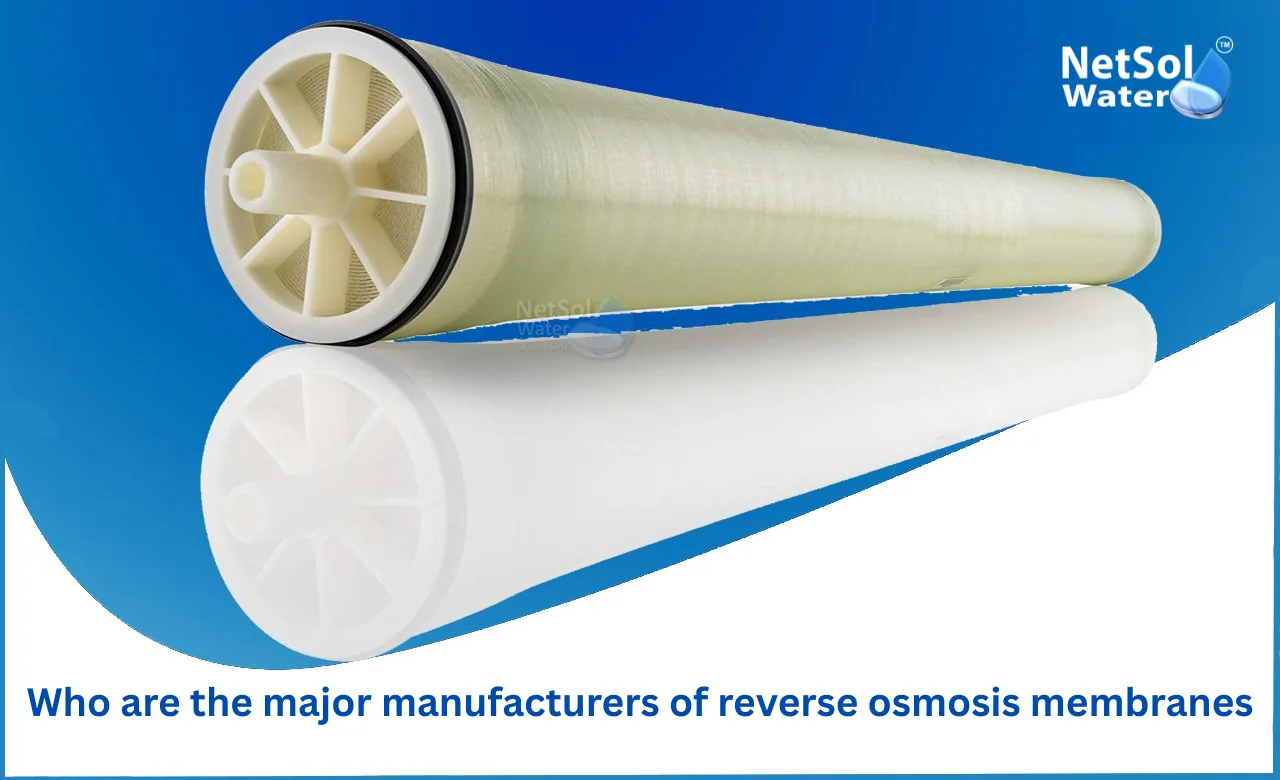
Which Water Has the Highest TDS?

Water contains minerals and salts that affect its quality. TDS tells us how much dissolved material sits in one liter of water. Places near the sea often show high TDS. Areas with dry soil and deep wells can also show high TDS. Industrial zones can give rise to water with many dissolved chemicals. This question matters for homes, farms, and industries. High TDS can change the taste of water and harm machines and pipes. It can also affect health when certain elements appear in high amounts. A commercial RO plant manufacturer helps to treat water with high TDS. We lead the field in designing plants for tough water.

Sources of High TDS Water

Let us have a look at some common sources. We will explore each source and see why the TDS level grows.

  • Seawater and Saline Water

Seawater contains a large amount of dissolved salt. Oceans use salt from rivers and from rock weathering. Seawater can contain about thirty-five grams of salt per liter. This level puts its TDS at a value far above what we see in most fresh sources. When seawater seeps into coastal aquifers, it makes groundwater saline. Farmers who work near the coast can find their wells salty. Desalination of seawater thus becomes necessary in many coastal towns. Making fresh water from this source uses energy. That energy comes in forms such as pressure and heat. An RO plant manufacturer designs plans that use pressure to push water through thin membranes. These membranes block salt and let water pass. This process gives clean water from salty sources. When seawater mixes with river water, the TDS can change. The mixing can create brackish water with lower TDS than the ocean but higher TDS than pure freshwater. The design must match the feed water to work well.

  • Brackish Groundwater and Mineral Springs

Some groundwater sits in rock layers that contain many minerals. As water moves through these rocks, it dissolves salts and minerals. The result can be brackish water or very hard water. Mineral springs often have high TDS because they travel a long path underground and pick up dissolved elements. Wells drilled into such aquifers can show a range of TDS values. Some wells will show low TDS, while others will show very high values. People who draw water for towns or for irrigation must test it first. Treatment for this water can need several steps. First, remove large particles and organics. Next, remove dissolved salts with membranes or ion exchange. Commercial RO plant manufacturers will modify the system to the feed water. Netsol Water can test the water and then choose the right membrane and pumps. This step keeps the system running well while keeping waste under control.

Health and Practical Effects of High TDS Water

Knowing the health and practical effects helps users pick the correct treatment. Let us have a look at some key effects of high TDS water.

  • Health Impacts of Certain Dissolved Elements

TDS itself is a sum value and not a direct measure of harm. The danger comes from what makes the TDS high. High TDS can include minerals that humans need. This mix can also include elements that harm health when present in high amounts. For example, high sodium can affect blood pressure for some people. High nitrate may harm infants. Excess fluoride can affect teeth and bones over long time spans. High levels of heavy metals can pose serious risk. Testing lets us find the exact makeup of the dissolved solids. Treatment then targets the harmful parts while keeping useful minerals if needed. Commercial RO plant manufacturers will help by offering testing and by designing a plant that removes the harmful parts. Netsol Water will advise on what to remove and what to retain so that the water meets safety standards.

  • Taste, Scale, and Equipment Damage

Water with high TDS often tastes bitter or salty. This change affects user acceptability. High TDS can also cause scale to form on pipes, boilers, and heat exchangers. Scale lowers efficiency and increases repair cost. Machines that use water in cooling or in process steps will suffer when scale grows. This outcome raises energy cost and lowers output. Removing dissolved solids reduces scale and extends the life of the plant. Treatment also keeps product quality steady for food and for chemical industries. An RO plant manufacturer designs pretreatment and membrane stages that protect downstream equipment. Netsol Water can add steps that reduce scale-forming ions before the main membrane. This design choice keeps membranes safe and lowers maintenance needs.

Treatment Options and Role of Manufacturer

Treatment selection matters for cost and for the final water quality. Let us have a look at some standard treatment choices.

  • Reverse Osmosis and Advanced Membranes

Reverse osmosis uses pressure to force water through a semipermeable membrane. The membrane stops most dissolved salts and passes water molecules. RO can remove the highest share of TDS from feed water. For seawater, the system needs high-pressure pumps and robust membranes. For brackish water, the pressure need falls and the cost drops. Membrane systems often use pretreatment to remove sand, organics, and chlorine that can damage the membrane. Post-treatment can add minerals back if needed. RO plants also produce a concentrate stream that needs safe disposal. The design must balance recovery rate, energy use, and waste volume. A commercial RO plant manufacturer will size the membranes, choose the feed pumps, and provide control systems that match the site needs. Netsol Water builds systems that aim for high recovery and low energy use. The company will work on an on-site assessment and follow up with a system plan that meets local rules for discharge.

  • Commercial Factors and Maintenance Needs

Building a plant that runs well for years needs attention to detail. The manufacturers must consider feed water quality and site space. The maker must also set up a program for routine checks and for membrane swaps. Pumps, valves, and controls must match the duty cycle. A commercial RO plant manufacturer will train the local staff and will provide spare parts. Warranties and service agreements reduce downtime. The system must also meet local regulations on where to send concentrate. Netsol Water offers service plans and remote support for many installations. The company also helps clients plan for future load increases. Good planning keeps costs low over the life of the plant.

Read some interesting information for the Industrial RO Plant Manufacturer in Delhi

Conclusion

Water with the highest TDS usually comes from the sea and from deep mineral-rich sources, and from heavy industrial discharge. The exact danger depends on which dissolved parts raise the TDS. Removal demands careful testing and a match between the feed water and the chosen method. For many cases, reverse osmosis gives the best removal of dissolved solids. If you look for a reliable partner to build and to service large systems, choose a proven commercial RO plant manufacturer. Netsol Water leads in design and in service for commercial-scale RO plants. Contact Netsol Water to get a water test or to request a consultation about your site needs.

Contact Netsol Water at:

Phone: +91-9650608473

Email: enquiry@netsolwater.com

Is-STP-water-safe-for-drinking-1.webp

January 22, 2026by Netsol Water

What is the Healthiest Way to Purify Water at Home?

Clean water keeps families healthy and helps communities thrive. People choose home purification methods based on water source, cost, and health concerns. Many search for an RO Plant Manufacturer when they need larger-scale solutions for housing societies or small businesses. We are the leading Commercial RO Plant Manufacturer, and many customers contact us for both small and larger-scale systems.

Simple Home Methods and Basic Filtration

Home water safety often starts with simple steps that reduce obvious risks. These methods cost little and help when water contamination is low or temporary. Let us have a look at some basic methods that many households use and why they matter.

1. Boiling and Sediment Removal

Boiling kills bacteria, viruses, and most parasites, so it reduces many health risks quickly. To boil water, bring it to a rolling boil for one to three minutes depending on altitude. After boiling, let the water cool and store it in a clean, closed container. Before boiling, remove visible dirt by letting heavy particles settle, then pour the clearer water into another container or pass it through a cloth. This two-step approach reduces sediment and speeds up boiling.

Boiling does not remove dissolved chemicals, heavy metals, or some organic pollutants. For those hazards, you will need filters or other treatment steps. Boiling also uses fuel or electricity, and families should balance safety with cost. Use boiling for short-term fixes such as after floods or when water supply fails. For regular use, combine boiling with simple filters or better home systems to get both biological and physical safety.

2. Carbon and Ceramic Filters

Carbon filters reduce taste, smell, and many organic contaminants by adsorption, and they help with chlorine taste or smell. Many household pitchers and faucet units use activated carbon to improve water palatability. Ceramic filters remove bacteria and protozoa by blocking particles as water flows through tiny pores. You can clean and reuse many ceramic elements for months with proper care.

Use these filters when water contains visible particles, odd taste, or when municipal supplies use chlorine. They do not remove dissolved salts, heavy metals, or some pesticides. For those contaminants, combine carbon or ceramic units with other treatments such as reverse osmosis or specialized cartridges. Regular replacement or cleaning of filter elements keeps them effective and prevents bacterial buildup.

Household RO Plants and Larger-Scale Solutions

RO offers strong purification by removing dissolved salts, heavy metals, and many organics. Many homeowners choose RO for hard water or when local tests show dissolved contaminants. Let us have a look at RO devices both for single homes and group supplies and how a Commercial RO Plant Manufacturer supports them.

1. Point-of-Use RO Plants for Homes

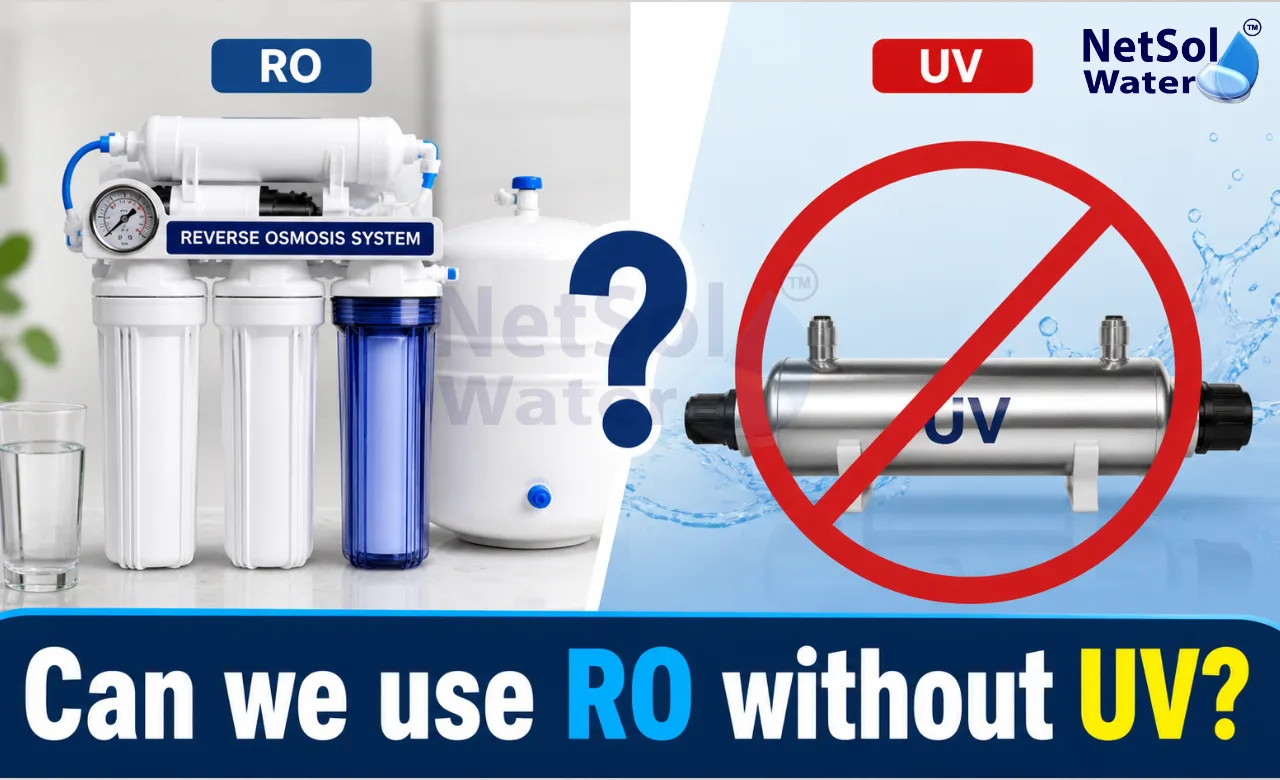
Point-of-use RO plants sit under the sink or on the countertop, and they deliver high-quality drinking water. These systems push water through a semipermeable membrane that rejects minerals and many contaminants. Modern units pair RO with prefilters for sediment and carbon cartridges and with post-filters or mineralizers to restore taste and beneficial minerals.

Owners must replace membranes and cartridges on schedule to keep performance high. RO systems also produce a waste stream, so proper plumbing and water use planning reduce that loss. Many families add a mineral cartridge or blending valve to return healthy levels of calcium and magnesium to drinking water. For most homes, a properly sized and maintained RO unit provides balanced safety, taste, and convenience.

2. Community and Commercial RO Setups

When multiple households or a small business need safe water, a larger unit often works better. Commercial RO Plant Manufacturer designs deliver higher flow and lower unit cost for each liter treated. These systems use bigger membranes, pumps, and automated controls, and they integrate pretreatment to protect the RO membranes.

A reputable Commercial RO Plant Manufacturer can site and size the unit to match local water quality and demand. Netsol Water is the leading Commercial RO Plant Manufacturer, and they help housing societies, schools, and clinics deploy systems that meet local rules. Larger RO installations reduce per-liter cost and simplify maintenance when a trained operator or service contract supports the system.

Disinfection

Purification should ensure the water stays safe until someone drinks it. Disinfection, removal of pathogens, mineral balance for health, and good storage practices all matter. Let us have a look at these final steps that complete a healthy home water plan.

UV and Chemical Disinfection

Ultraviolet disinfection uses light to inactivate bacteria, viruses, and protozoa without adding chemicals. It works quickly, and it fits after filtration or RO to give a final safety layer. UV units need clean water to perform well because particles block the light. They also need power and occasional lamp replacement.

Chemical disinfection with small doses of chlorine or iodine gives longer-lasting protection in storage, but it can change taste and smell. Many households use low chlorine residuals in community tanks to keep water safe while stored. Choose methods based on local needs and combine UV and filtration for a strong multi-barrier approach.

Read some interesting information for the Sewage Treatment Plant Manufacturer in Gurgaon

Conclusion

Choosing the healthiest way to purify water at home means matching the method to local water quality, budget, and daily needs. Simple steps such as boiling and basic filters help in short-term situations. For regular safe drinking water, many households benefit from point-of-use RO plants, while larger groups gain from systems supplied by a Commercial RO Plant Manufacturer. Netsol Water is the leading Commercial RO Plant Manufacturer, and they can help you choose a solution that fits your home or community.

If you want a water quality assessment or a consultation, contact Netsol Water for advice and a site visit. A short test and a clear plan will show which combination of filtration, disinfection, and mineralization best serves your family or facility.

Contact Netsol Water at:

Phone: +91-9650608473

Email: enquiry@netsolwater.com