RO Water - Page 3 of 11 - Sewage Treatment Plant Manufacturers

Are-Stainless-Steel-pipes-used-in-Commercial-RO-Plants.webp

June 18, 2026by Netsol Water

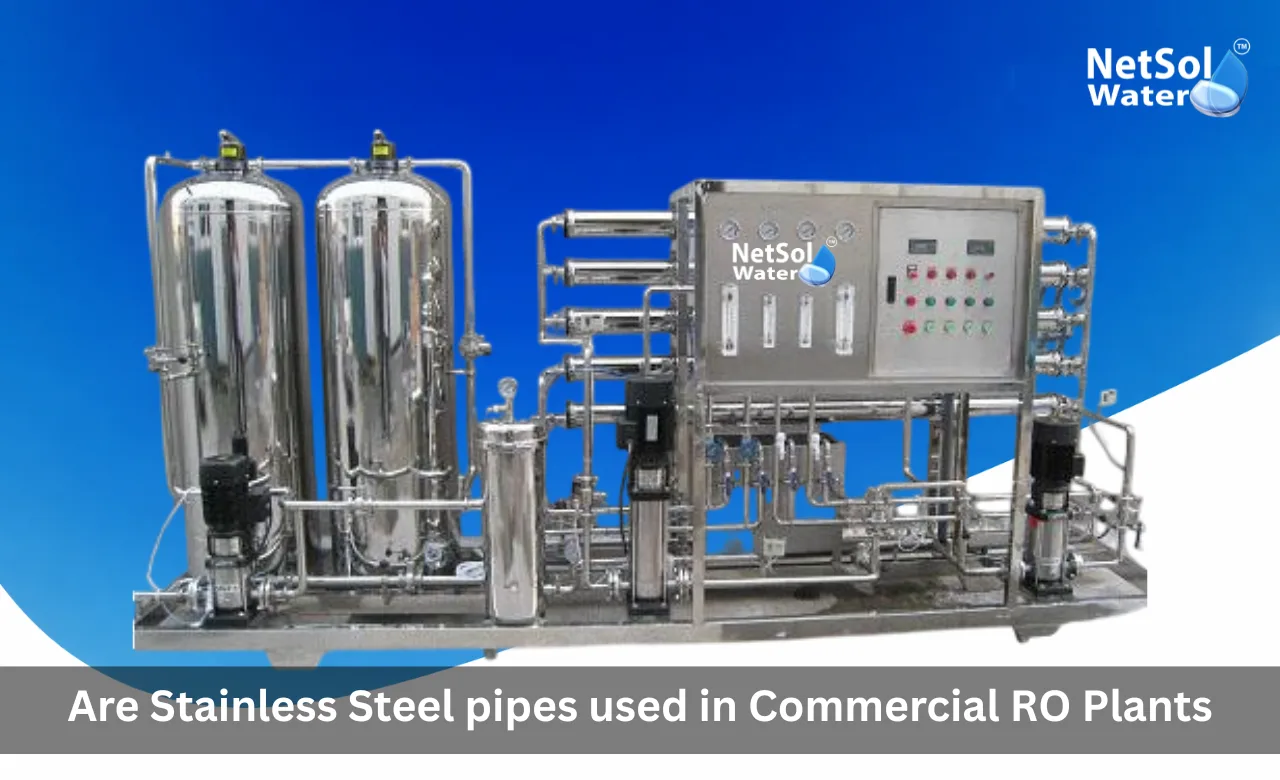
Are stainless steel pipes used in commercial RO plants?

Commercial RO plants work in places where clean water matters every day. Hotels need safe water for guests. Food units need pure water for production. Hospitals need water that supports hygiene. Factories also need steady water quality for different processes. In all these cases, the design of the plant plays a big role in performance. One of the most asked questions is whether stainless steel pipes are used in commercial RO plants.

Stainless steel pipes are widely used in many parts of a commercial RO system. A trusted commercial RO plant manufacturer like Netsol Water often uses them in high-pressure sections because they stay strong and clean under tough working conditions. They also help the plant run safely for a long time. At the same time, not every part of the system needs stainless steel. A smart design uses different materials in different sections so the plant stays efficient and cost-effective. That balance is what makes a good RO system work well in daily use.

Why Stainless Steel Is Used

Stainless steel has earned an important place in commercial RO plants because it gives strength and protection at the same time. When water moves through a plant under pressure, the piping system must stay stable. It should not rust easily. It should not leak. It should also support clean water flow without adding unwanted contamination. That is why a commercial RO plant manufacturer often chooses stainless steel for the most demanding parts of the system. Let us have a look at some important reasons.

1. High Pressure Resistance

Commercial RO plants do not work with light pressure. They push water through membranes at high force so that salts and other unwanted particles stay behind. In this process, the piping must handle strong pressure every day. Stainless steel performs well in such conditions because it keeps its shape and strength. It does not crack easily under load. It also handles vibration and long operation better than many low-cost materials.

This strength matters because a plant must work without interruption. If the piping weakens then the system loses efficiency and may suffer damage. Stainless steel gives peace of mind to plant owners because it supports stable flow. That is why many commercial and industrial units prefer it in the high-pressure side of the system.

2. Corrosion and Chemical Resistance

Water treatment systems face constant exposure to moisture and treatment chemicals. Over time, ordinary metal can rust or wear out. When that happens, the water quality may drop and the plant may need more repairs. Stainless steel helps reduce this risk because it resists corrosion very well.

This feature is important in RO plants because clean water must stay clean from start to finish. If the pipe rusts then the system can pick up unwanted particles. That can affect the membranes and lower plant performance. Stainless steel protects the flow path and supports a longer service life. It also works well in systems that deal with tough water conditions. For that reason, a commercial RO plant manufacturer often suggests it when the client needs better durability.

3. Hygiene and Safety

Clean water systems must support hygiene. This is one of the strongest reasons behind the use of stainless steel. Its smooth surface makes it easier to clean. It does not allow dirt to settle easily. It also lowers the chance of bacterial growth when the plant is maintained properly.

This quality is especially useful in food processing units, hotels, hospitals, and pharmaceutical facilities. These places need safe water for people and products. Stainless steel helps create a cleaner path for water movement. It supports better plant safety and makes regular cleaning easier. That is why it remains one of the most trusted choices in modern RO design.

When and Where They Are Used

Stainless steel pipes are not used everywhere in the same way. A good plant design uses them where strength and safety matter most. Other sections may use different materials to keep the project affordable. This mix helps the plant perform well while controlling cost. A skilled commercial RO plant manufacturer studies the water source, pressure level, and usage area before choosing the pipe material. Let us have a look at some important areas where stainless steel plays a major role.

1. High-Pressure Piping

The high-pressure section is one of the most important parts of a commercial RO plant. This is the zone where the high-pressure pump sends water toward the membrane housings. The pressure in this line is much higher than in the rest of the system. So the piping must stay strong and safe.

Stainless steel fits this job very well. It handles pressure without bending or failing. It also supports a stable flow which helps the membranes work properly. If this section becomes weak then the whole plant can face trouble. That is why stainless steel is often the first choice in this part of the system. It adds safety and reliability in a place where failure would create major problems.

2. Membrane Housings

Membrane housings hold the RO membranes in place. These housings must stay firm because they work under pressure and constant water flow. In many commercial systems, stainless steel is used for these housings because it gives long life and strong support.

The housing must protect the membrane and keep the system sealed. If it becomes weak then water may leak or pressure may drop. Stainless steel keeps the housing stable and helps the plant work smoothly. It also supports a cleaner internal surface which is useful for maintenance. This is one reason many industries trust stainless steel in the core section of the plant.

3. TDS and Desalination Systems

Water with very high Total Dissolved Solids needs stronger treatment. Seawater and brackish water systems often face more pressure and more wear than normal plants. In such cases, stainless steel becomes even more useful. It can stand up to tough working conditions and gives better service life in demanding environments.

Desalination plants also need materials that resist corrosion because salt water is harsh on many metals. Stainless steel is a safer choice in these situations. It helps the plant keep running with better control and less damage. That is why many engineers recommend it for high TDS and desalination projects. It brings confidence to the design when the water source is difficult.

Common Alternatives

Stainless steel is a strong choice but it is not always used in every section of the RO plant. A smart design also looks at cost, weight, and the type of water line. That is why other materials are also used in commercial systems. A good commercial RO plant manufacturer knows how to combine these materials in the right way so the plant stays effective and practical. Let us have a look at some common alternatives.

1. UPVC and CPVC

UPVC and CPVC are widely used in low-pressure sections of commercial RO plants. These include raw water feed lines, permeate lines, and drain lines. They are popular because they cost less and they do not rust. They also work well in many water treatment setups where pressure is not too high.

These materials are easy to install and maintain. They make the system more economical without reducing basic performance. When the water does not face extreme pressure then UPVC or CPVC can do the job well. That is why they often appear in many parts of a commercial RO plant. They help balance the overall project cost and still support reliable operation.

2. FRP Vessels and Housings

FRP means fiberglass reinforced plastic. It is another common material in water treatment systems. Many filter housings and large vessels use FRP because it is light, strong, and resistant to many chemicals. It also helps when the plant needs a large structure that is easier to move and install.

FRP does not replace stainless steel in high-pressure zones. Still, it serves a useful role in other parts of the system. It gives good value where chemical resistance and lower weight matter more than metal strength. This makes it a practical choice in many commercial RO plants. Its flexibility in design also supports different plant sizes and working conditions.

Read some interesting information for the Effluent Treatment Plant Manufacturer

Conclusion

Commercial RO plants need materials that can handle pressure, protect water quality, and support long-term use. Stainless steel pipes meet these needs very well, which is why they remain a major part of many systems. They work best in high-pressure sections, membrane housings, and challenging water conditions. At the same time, other materials still play an important role in a complete plant design.

Netsol Water is a leading commercial RO plant manufacturer that makes plants with the right mix of strength, hygiene, and practical value. If you need more details about stainless steel piping or want help planning a new RO plant, then reach out for expert advice and consultation today.

Contact Netsol Water at:

Phone: +91-9650608473

Email: enquiry@netsolwater.com

What-are-the-Applications-of-Commercial-Water-Softeners.webp

June 16, 2026by Netsol Water

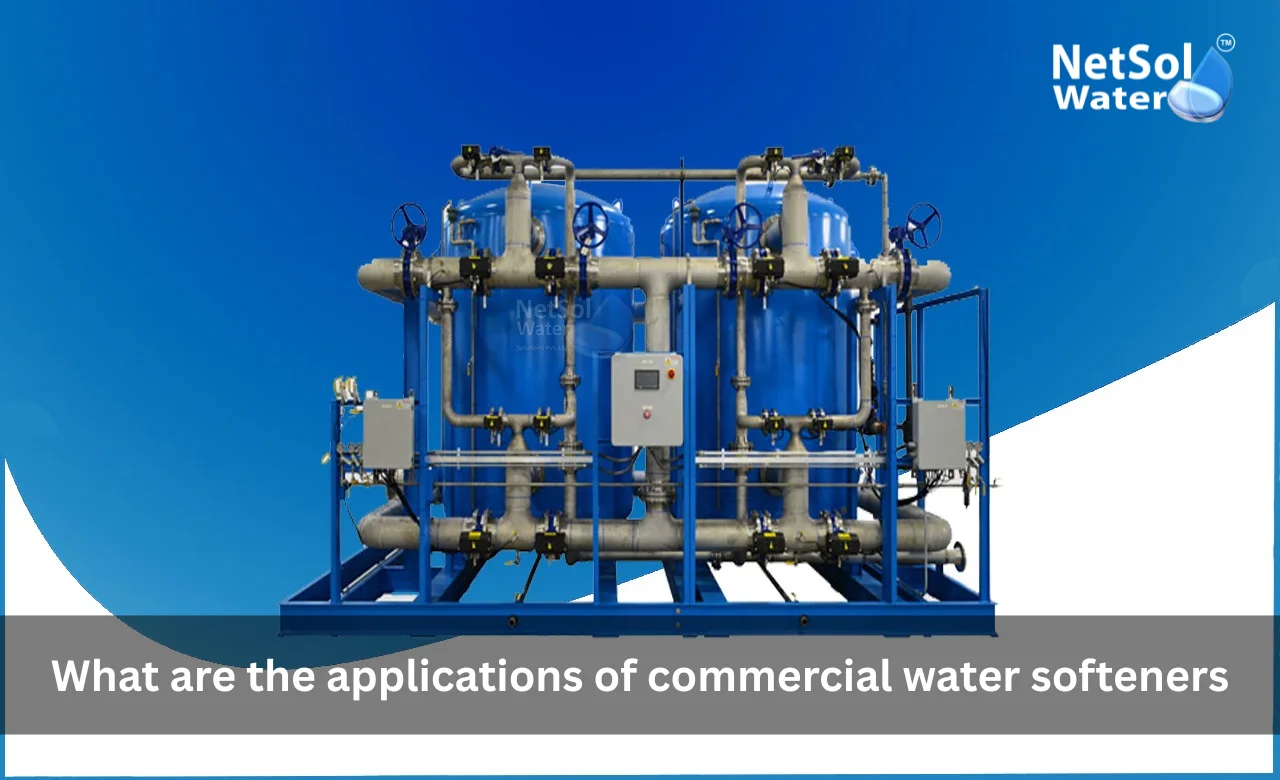
What are the applications of commercial water softeners?

Hard water creates many daily problems for businesses. It leaves scale in pipes. It reduces the life of machines. It also affects cleaning and comfort in many commercial spaces. That is why water treatment plants matter so much in cities and business hubs where water hardness is common. A commercial water softener removes extra calcium and magnesium from water. As a result, it helps businesses save money and keep work smooth.

We are the leading commercial RO plant manufacturer and also provide water treatment solutions that support many industries. Commercial water softeners are not used in just one place. They serve hotels, hospitals, laundries, offices, and many more businesses. They protect equipment and improve water quality at the same time.

Applications in Hotels and Restaurants

Hotels and restaurants use a huge amount of water every day. They need clean water for cooking, washing dishes, laundry, guest rooms, and kitchens. Hard water creates many problems in these places. It leaves marks on glassware. It blocks appliances. It also affects the look and feel of the customer experience. That is why soft water support is important in hospitality spaces.

Let us have a look at some ways commercial water softeners help this sector. They improve kitchen performance and make cleaning easier. They also support laundry systems and help keep bathrooms and fixtures in better condition. In a business where guest satisfaction matters, every small detail counts. Soft water helps staff work faster and gives guests a better impression.

1. Better Kitchen and Dishwashing Results

In hotels and restaurants, kitchen work never stops. Dishes, pans, and cooking tools must stay clean all day. Hard water leaves spots on glass and a cloudy layer on metal. It also reduces the effect of detergents. A commercial water softener solves this issue by giving better water for washing and rinsing.

This makes dishwashing faster and more effective. It also protects dishwashers and hot water systems from scale. Kitchen staff can focus on service instead of dealing with repeated cleaning issues. Food preparation also benefits because water quality stays more stable. That creates a cleaner and more efficient kitchen environment.

2. Laundry and Guest Comfort

Many hotels run large laundry operations. They wash towels, sheets, and uniforms every day. Hard water can make fabric feel rough and dull. It can also shorten the life of cloth. Soft water helps detergents work better and keeps fabrics in better shape.

Guest comfort also improves when bathrooms and taps stay cleaner. Water spots on fittings become less common. Shower systems work better and fixtures look brighter. These small things shape the guest experience. When a hotel uses a water softener, it supports both service quality and brand image. That is why many hospitality businesses choose guidance from a Commercial RO Plant Manufacturer before setting up their treatment system.

Applications in Hospitals and Healthcare Facilities

Hospitals and healthcare spaces need very clean and reliable water conditions. They use water for cleaning, sterilization, laundry, patient care, and equipment support. Hard water can create hidden problems in such places. It can damage machines and affect cleaning quality. It can also cause extra strain on systems that must run without failure.

Let us have a look at some important uses in healthcare settings. Soft water supports hygiene and protects sensitive equipment. It also helps maintain steady operation in busy departments. In a hospital, every small system matters because the whole space depends on safety and cleanliness. That is why water softeners have a strong role in healthcare planning.

1. Support for Cleaning and Sterilization

Hospitals need strong cleaning routines every day. Soft water helps cleaners and sterilization teams get better results. It removes the mineral problem that often leaves stains on surfaces and tools. This improves washing quality and supports a more controlled environment.

Sterilization equipment also works better when scale does not block its parts. Hard water can interfere with heat transfer and slow down performance. Soft water reduces this problem and helps systems stay efficient. That means fewer interruptions and better reliability for staff who need stable water support.

2. Protection for Medical Equipment and Plumbing

Medical spaces use many machines that depend on clean water flow. Boilers, washers, and other units can suffer when scale builds up. A water softener helps protect these systems from early wear. It also supports plumbing lines that must stay open and efficient.

This protection matters because repairs in a healthcare setting can create stress and delay. Soft water lowers that risk. It helps the facility keep operations smooth and consistent. A trusted commercial RO plant manufacturer can help hospitals design a setup that fits both hygiene needs and equipment demands.

Applications in Laundries and Textile Units

Laundries and textile units depend on water for nearly every stage of work. They wash, rinse, and treat large amounts of fabric each day. Hard water can reduce fabric quality and increase detergent use. It can also create scale in machines that run for long hours. This makes water softeners very useful in this sector.

Let us have a look at some of the main benefits here. Soft water improves fabric care and supports machine health. It also helps businesses save on chemical use and maintenance. In a laundry where time and quality both matter, water softening can bring clear value.

1. Better Fabric Care and Wash Quality

Soft water helps detergents dissolve and spread well. That means clothes and linen get cleaned more evenly. Hard water often makes fabrics stiff and dull. It can also leave residue that customers notice right away. Soft water reduces these issues and improves the final look and feel.

For textile units, this is very important. Fabric quality affects customer trust and business reputation. When water stays soft, the washing process becomes more controlled. Staff can produce better results with less effort. That makes operations more efficient and more professional.

2. Longer Machine Life and Lower Cost

Laundry machines work hard and need steady water flow. Hard water leaves deposits that build up in drums, lines, and heaters. This can reduce efficiency and cause damage over time. A water softener helps avoid this problem and keeps systems running better for longer.

The benefit is not only technical. It also saves money. Businesses spend less on repairs and less on detergent. They also reduce downtime. This is one more reason why a Commercial RO Plant Manufacturer often includes water softening in a complete water plan for commercial laundry units.

Applications in Offices, Schools, and Commercial Buildings

Offices, schools, shopping centers, and other commercial buildings also use water softeners. These places may not wash fabric or cook food on the same scale as hotels. Still, they face hard water problems in washrooms, pantry areas, heating systems, and plumbing lines. Clean and soft water helps keep the building in better shape.

Let us have a look at some common uses in these spaces. Soft water improves daily comfort and supports building maintenance. It also reduces the strain on shared systems. In large properties, even a small-scale problem can become expensive if it spreads across many floors and units.

1. Better Washroom and Pantry Use

Washrooms and pantry areas need regular cleaning. Hard water often leaves stains on taps, basins, and tiles. It also makes soaps less effective. With softened water, these areas stay cleaner for longer and need less effort to maintain.

This helps office managers and facility teams save time. It also improves the look of the building for visitors and staff. In schools and offices that receive many users every day, this makes a real difference. Clean water support also improves the comfort of the people who use the space.

2. Safer Heating Systems and Lower Maintenance

Commercial buildings often use boilers, heaters, and other water-based systems. Hard water can damage these units by creating scale. That lowers performance and raises energy bills. A water softener helps prevent that damage and keeps systems efficient.

As a result, building managers face fewer service calls and lower repair costs. The systems also last longer. This makes water softening a practical choice for long-term maintenance. Many property owners discuss these needs with a commercial RO plant manufacturer when they plan a new water treatment setup.

Read some interesting information for the Sewage Treatment Plant Manufacturer

Conclusion

Commercial water softeners help businesses in many ways. They protect machines, improve cleaning, support better fabric care, and reduce maintenance problems. They also save money over time by lowering scale damage and improving system life. From hotels and hospitals to laundries and office buildings, the value is clear. Soft water supports smooth daily work and better results.

Netsol Water is the leading commercial RO plant manufacturer and can help businesses choose the right water treatment solution for their needs. If your business faces hard water issues, then now is the right time to explore a reliable system. Contact Netsol Water to discuss your water treatment needs or request a consultation for expert guidance.

Contact Netsol Water at:

Phone: +91-9650608473

Email: enquiry@netsolwater.com


Which-type-of-pump-is-most-commonly-used-in-water-and-wastewater-systems-1.webp

June 13, 2026by Netsol Water

What is a commercial RO plant used for?

Clean water supports every business that uses water in daily work. A commercial RO plant helps remove dissolved salts, bad taste, dirt, and many unwanted particles from water. It gives water that is safer and more useful for many places where ordinary supply water is not enough. Hotels need clean water for guests. Hospitals need pure water for care and cleaning. Schools, offices, factories, and restaurants also need a steady supply of treated water for daily use.

A manufacturer designs plants that match the water needs of different businesses. We are the leading commercial RO plant manufacturer and it serves many industries with practical water treatment systems. A commercial RO plant is not only about making water clean. It also helps protect machines, reduce scale, and improve the quality of work in a place that depends on water. That is why more businesses choose RO treatment when they want reliable water for regular use.

How a Commercial RO Plant Works

A commercial RO plant works through a series of stages that clean water in a careful way. It does not use just one filter. It uses several steps so the final water comes out clear and useful. This system matters because business use needs a steady flow of treated water and not only small batches. Let us have a look at some of the main steps that make this possible.

1. Pre-treatment Stage

The first stage prepares water before it enters the RO membrane. This step is important because raw water may carry sand, dirt, chlorine, and other small particles. If these reach the membrane then they can reduce the life of the system. So the plant first removes larger impurities with filters and softening units where needed. This makes the next stage work better and helps the plant stay efficient for a longer time.

2. RO Membrane Stage

This stage does the main cleaning work. Water passes through a special membrane under pressure. The membrane allows water molecules to move through but blocks many dissolved salts and other unwanted materials. This is the heart of the system. It helps turn poor-quality water into treated water that can suit business needs. Because the process works with pressure, it gives a strong and steady output when the plant is designed properly by an experienced commercial RO plant manufacturer.

3. Post-treatment Stage

After filtration, the plant may add final treatment steps to improve the water further. This can include storage, disinfection, or mineral balance depending on the need of the user. These steps help make the water more fit for its final use. A good plant does not stop at purification alone. It also makes sure the treated water stays useful and safe when it reaches the point of use.

Where a Commercial RO Plant Is Used

The use of a commercial RO plant becomes clear when we look at the places that depend on water every day. Different businesses need different water levels and water quality. Some need it for drinking. Some need it for cleaning. Some need it for processing. This wide use makes RO plants valuable in many fields. Let us look at some of the major places where these systems play an important role.

1. Hotels and Restaurants

Hotels and restaurants use large amounts of water every day. They need water for cooking, washing guest rooms, dish cleaning, and serving drinking water. If the water has a bad taste or too many dissolved impurities then it can affect service quality. A commercial RO plant helps solve this problem by giving clean water for daily use. It also supports better taste in food and drinks, which matters a lot in the hospitality business.

2. Hospitals and Healthcare Centres

Hospitals need clean water for patient care, cleaning, and several support tasks. In such places, water quality can affect hygiene and safety. A commercial RO plant helps provide water that meets strict standards for many routine needs. It also supports lab work and equipment cleaning in many cases. Since hospitals cannot depend on poor water quality, this system becomes a useful part of their setup.

3. Offices, Schools, and Institutions

Large offices, schools, and colleges also use treated water every day. Students, staff, and visitors all need safe water for drinking and cleaning. A commercial RO plant helps these places get a stable water supply without worry. It also reduces the chance of water-related complaints. When water quality improves then the daily environment also becomes better for everyone who uses the building.

4. Factories and Processing Units

Many factories need water for cleaning, production support, and machine use. In some industries, water quality affects the final product. In others, it protects machines from scale and damage. A commercial RO plant supports these tasks by giving controlled water quality. This makes work smoother and helps businesses reduce maintenance problems. It also improves consistency in operations, which is important for any growing business.

Why Businesses Use a Commercial RO Plant

The value of a commercial RO plant is not limited to cleaner water alone. It also supports business performance in many ways. When a company uses treated water then it can lower risk, protect equipment, and improve daily work. This is why many business owners see RO treatment as a smart investment. Let us have a look at some key reasons behind this choice.

1. Better Water Quality

The most direct benefit is better water quality. RO plants remove many dissolved impurities that normal filters cannot handle. This makes the water more suitable for drinking, cleaning, and process use. Better quality water also improves the taste and appearance of water. In many places, this creates a better impression for customers and staff.

2. Protection of Equipment

Hard water and impure water can leave scale on pipes, boilers, and other machines. Over time, this can reduce performance and increase repair costs. A commercial RO plant helps lower these problems by reducing harmful dissolved content in the water. As a result, equipment can work more smoothly and last longer. This matters a lot in businesses where machines run daily and downtime can cause loss.

3. Lower Operating Issues

When water quality stays stable then many small problems also reduce. Staff spend less time handling water complaints. Cleaning becomes easier. Appliances work better. The business then runs with fewer interruptions. This is one reason many buyers search for a trusted commercial RO plant manufacturer. They want a system that works well from the start and keeps working with proper support.

4. Support for Long-Term Savings

A commercial RO plant may need an initial investment but it can save money over time. It reduces maintenance needs and protects other systems that use water. It also helps a business avoid losses linked to poor water quality. That makes the plant a practical choice for many commercial users who think about long-term value.

Why Netsol Water Is a Trusted Choice

Netsol Water is the leading commercial RO plant manufacturer and it makes plants for different business needs. The company focuses on quality design, proper capacity, and reliable performance. That matters because every business has its own water demand. A small office does not need the same system as a large hotel or factory. So the plant must match the use case carefully.

A trusted manufacturer also helps with installation, operation, and service support. This makes it easier for businesses to use the plant with confidence. Netsol Water offers solutions that fit commercial needs in a simple and practical way. That is why many buyers look for a manufacturer that understands both water treatment and business needs. When the system is planned well then the user gets better results and less trouble in daily use.

Read some interesting information for the Effluent Treatment Plant Manufacturer in Faridabad

Conclusion

A commercial RO plant serves an important role in many businesses. It provides clean and useful water for drinking, cleaning, processing, and daily operations. It also helps protect equipment, improve hygiene, and support better service. From hotels and hospitals to schools, offices, and factories, the need for treated water continues to grow. That is why choosing the right system matters so much.

If you are looking for a dependable Commercial RO Plant Manufacturer, then Netsol Water is ready to help with practical and efficient solutions. Get in touch today to learn more or request a consultation for your business water needs.

Contact Netsol Water at:

Phone: +91-9650608473

Email: enquiry@netsolwater.com


How-to-Maintain-Commercial-RO-Plant-Storage-Tank-1.webp

June 11, 2026by Netsol Water

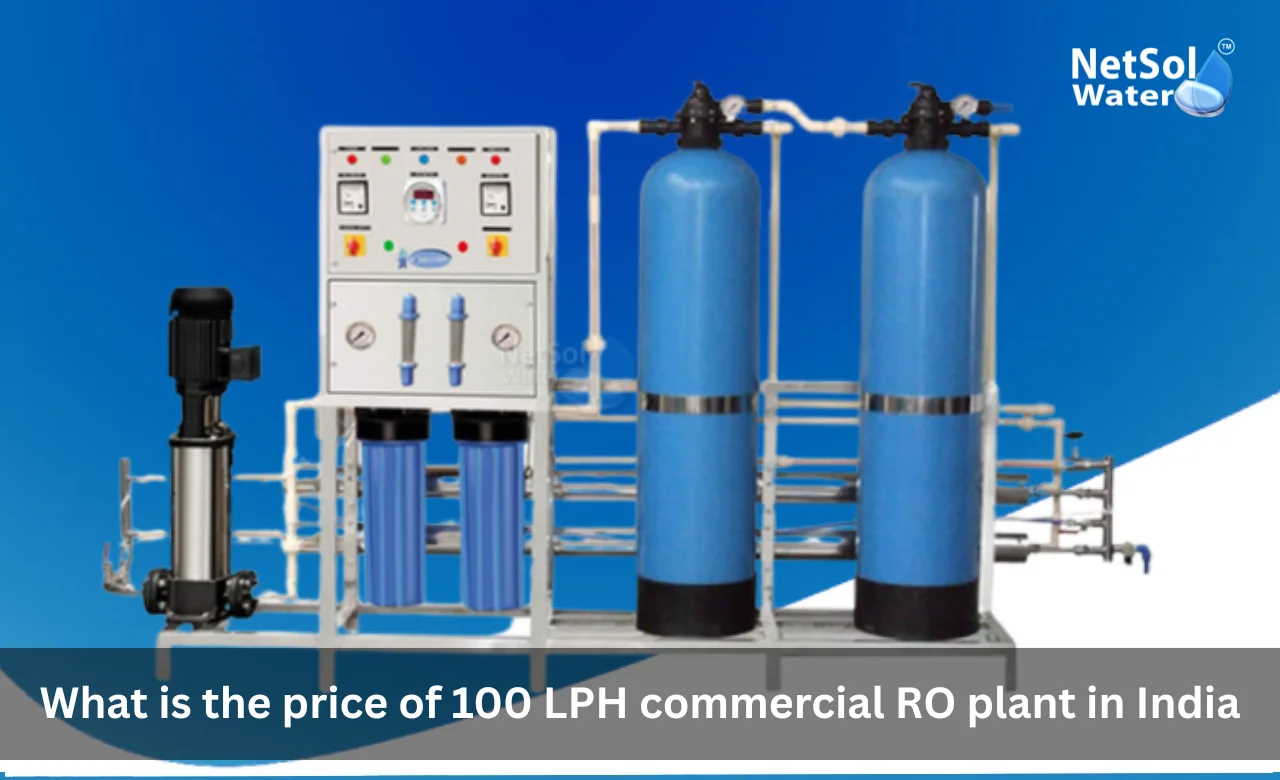
What is the price of 100 LPH commercial RO plant in India?

A 100 LPH commercial RO plant is a practical water solution for many places in India. It serves schools, offices, cafes, clinics, and small commercial units that need clean and safe water every day. India has very different water conditions from one city to another. In some places the water has high TDS, while in other places the water carries dust, salt, or other impurities. That is why many businesses look for a trusted commercial RO plant manufacturer who can offer the right plant at the right price.

The price of a 100 LPH commercial RO plant in India usually depends on build quality, automation level, pump strength, and the quality of the filters and membranes. Some buyers only look at the starting price. But the real value comes from long life, steady output, and low maintenance. A good plant should give clean water without frequent problems. That is why buyers should understand the full cost before making a choice.

Price of a 100 LPH Commercial RO Plant

A clear price idea helps buyers plan better. The cost of a 100 LPH commercial RO plant in India generally falls in the range of ₹15,000 to ₹85,000. This range looks wide because not every plant uses the same material, design, or working system. Some plants are made for basic water needs and some are made for heavy use with better control systems. The price also changes when the source water has more impurities. When the raw water quality is poor, the plant needs stronger parts, and that increases the cost.

Let us have a look at how this price range works in real use. A simple plant may suit a small office or shop where water demand stays limited. A stronger plant may suit a school or café where the system must run for longer hours each day. A premium plant may fit a location where the water quality is very poor and the buyer wants more automation and longer service life. When people compare prices, they should not compare numbers alone. They should also compare output quality, parts used, and service support.

1. Budget Compact Systems

Budget compact systems usually cost between ₹15,000 and ₹25,000. These plants work well for buyers who need a simple and low-cost setup. Many of these systems are wall-mounted or come in basic floor-standing designs. They suit places with moderate water demand and stable source water. The main attraction of this category is the lower starting cost. It helps small businesses begin with a practical solution without making a large investment.

These systems are often used where space is limited. A small office can place the unit in a corner while a café can use it to support daily water needs. Even though the price is lower, the buyer should still check the quality of the membrane, pump, and frame. A low price should never mean weak performance. The right commercial RO plant manufacturer will make sure that even a budget system gives steady water flow and acceptable durability.

2. Mid-Range Standard Plants

Mid-range standard plants usually cost between ₹30,000 and ₹55,000. This category fits many buyers because it balances price and performance. These plants are often semi-automatic or fully automatic, and they usually come in skid-mounted designs. They work well for schools, offices, clinics, and restaurants where water demand stays regular throughout the day.

This price range often gives better pump quality and stronger filtration support. It also gives better control over the working process. That means the user does not need to monitor the unit all the time. The plant can handle everyday use with less manual effort. Buyers who choose this category often want a dependable system that runs smoothly and lasts longer. Netsol Water, as a leading Commercial RO Plant Manufacturer, often recommends this range for users who need value along with stronger build quality.

3. Premium Industrial Grade Plants

Premium industrial grade plants usually cost between ₹55,000 and ₹85,000 or even more. These plants are designed for users who want heavy-duty performance and better automation. Many of them use FRP vessel construction and stronger internal parts. Some also use stainless steel bodies for better life and better finish. This category suits buyers who expect long working hours and more demanding water conditions.

These plants are a better choice when the source water has high TDS or when the site needs more reliable operation. They often include better control systems and stronger pumps. That increases the cost but also improves daily performance. In many cases, the buyer saves money over time because the plant needs fewer repairs and gives more stable output. A careful commercial RO plant manufacturer will explain the extra benefit of premium parts so the buyer can judge the value more clearly.

Key Price Factors That Affect the Final Cost

Many buyers ask why two plants with the same capacity show different prices. The answer lies in the parts used and the water challenge the plant must handle. The source water quality plays a major role. When TDS stays above 2000 to 3000 PPM, the plant needs stronger membranes and a heavy-duty pump. That makes the system more expensive but also more capable. Water with more salts and dissolved solids demands more from the machine.

Material quality also changes the price in a big way. A plant with SS 304 parts or heavy FRP vessels costs more than a unit made with light frames. Yet this higher cost often gives better life and better resistance to damage. The buyer should see this as a long-term decision rather than only a purchase cost. If the system stays strong for years then the extra money makes sense.

Automation level also adds to the price. Manual systems cost less but they need more attention. Automatic systems reduce work and improve convenience. They may cost more at the start but they save time and reduce mistakes.

Installation and Maintenance Costs

The purchase price is only one part of the total expense. Buyers should also plan for installation and maintenance. Standard installation may cost around ₹700 to ₹1,500 depending on the site and the setup needs. If the space is ready and the water line is simple then the installation stays easier. If the site needs extra fittings or plumbing then the cost may rise a little.

Maintenance also matters because every RO plant needs filter changes and regular checking. Commercial filters usually need replacement every 6 to 12 months depending on usage and raw water quality. If the plant runs for many hours each day then the service interval may become shorter. Regular maintenance protects the pump, membrane, and other parts. It also keeps water quality stable.

Many buyers ignore maintenance when they compare plants. This mistake can create problems later. A cheaper unit may seem attractive at first but it may need more repairs. A better plant from a reliable commercial RO plant manufacturer can reduce this risk. Netsol Water supports buyers with proper guidance so they can keep the plant working well after installation.

Read some interesting information for the Sewage Treatment Plant Manufacturer in Faridabad

Conclusion

A 100 LPH commercial RO plant in India can cost anywhere from ₹15,000 to ₹85,000 depending on design, material, automation, and water quality needs. Buyers should look beyond the starting price and study the full value of the system. A lower-cost unit may work for simple needs while a stronger plant may suit regular or heavy use. Installation and maintenance also affect the final expense, so they should always be included in the plan.

Choosing the right system becomes easier when buyers work with a trusted commercial RO plant manufacturer. Netsol Water gives the right mix of quality, support, and practical pricing for different users. For clear guidance on the best plant for your site and budget, get in touch for a consultation and find the right commercial water solution for your needs.

Contact Netsol Water at:

Phone: +91-9650608473

Email: enquiry@netsolwater.com


How-to-Maintain-Commercial-RO-Plant-Storage-Tank.webp

June 9, 2026by Netsol Water

How to Maintain Commercial RO Plant Storage Tank?

A storage tank may look like a simple part of a water system, but it plays a major role in daily water supply. In a commercial setup, clean water must stay safe from dust, algae, and unwanted smell. That is why tank care should never be ignored. A well-maintained tank helps the whole RO plant work better and keeps the water fresh for long use. It also supports smooth supply in hotels, factories, offices, hospitals, and other commercial spaces where water demand stays high all day.

We, as a trusted commercial RO plant manufacturer, understands that strong plant performance depends on every part, and the storage tank is one of the most important parts. Good maintenance reduces repair needs, improves hygiene, and keeps water ready for use whenever people need it. When the tank stays clean and well checked, the whole plant gives better results and users get safe water.

Why Storage Tank Care Matters in a Commercial RO System

The storage tank is more than a water-holding space. It acts as a buffer between water production and water use. When the tank stays in good condition, it protects water quality and supports steady supply during busy hours. This is why tank care deserves full attention.

1. Keeping Water Fresh and Safe

Water can lose quality if the tank allows dirt, algae, or bacteria to grow inside it. Even treated water can become unsafe if the tank stays dirty for too long. A clean tank protects the water after purification and before final use. This is very important in commercial spaces where many people depend on the same water source every day. Regular care helps stop bad smell, color change, and unwanted deposits. It also protects the taste of water and keeps the system healthy for longer use.

2. Supporting Better Plant Performance

A tank that works well helps the RO system perform in a steady way. When the storage tank gets blocked or polluted, the full plant may face pressure issues and uneven water flow. That can affect daily work in the building or unit. Proper care reduces this risk and helps the system run in a smoother manner. A strong maintenance routine also supports the work of a Commercial RO Plant Manufacturer because the design performs best when the tank stays clean and protected. This connection between tank condition and plant output should always stay clear in the mind of the user.

How to Clean the Storage Tank Properly

Cleaning is one of the most important parts of tank care. A storage tank must never stay dirty for long because dirt can settle at the bottom and grow over time. Clean water needs a clean container. Let us have a look at some simple but important cleaning steps that help maintain the tank in the right way.

1. Drain the Tank Fully Before Cleaning

The first step is to empty the tank completely. This removes the standing water and gives full access for cleaning. After draining the tank, the inside surface should be checked for dust, sludge, or visible growth. A proper drain makes the rest of the cleaning process easier and more effective. It also helps the user notice any hidden damage such as cracks, loose joints, or rust marks. When the tank is fully empty, the cleaning team can reach every corner and work in a careful way.

2. Scrub the Inner Surface with a Safe Cleaning Method

After draining the tank, the inside walls should be scrubbed with a safe cleaning agent. The goal is to remove dirt, film, and any sign of growth without harming the tank material. A soft brush or suitable cleaning pad works better than a hard tool because it avoids surface damage. The cleaning process should cover the floor, sides, lid, and outlet area. After scrubbing, the tank should be rinsed well so no cleaning material remains inside. A final rinse with clean water helps restore freshness and makes the tank ready for use again.

3. Sanitize the Tank Before Refilling

Cleaning alone is not enough. The tank also needs proper sanitizing to control germs that may still remain on the surface. A suitable disinfecting solution should be used as per tank material and plant need. After that, the tank should be rinsed again to remove leftover traces. This step is very useful in commercial plants because many users depend on the same water. A sanitized tank improves safety and gives peace of mind to the building manager or plant operator. A Commercial RO Plant Manufacturer often recommends regular sanitizing because it keeps the system in better condition for the long term.

How to Prevent Algae, Sediment, and Contamination

Even a clean tank can face trouble if it is not protected from outside factors. Sunlight, dust, and open contact can lead to algae growth, sediment, and contamination. This is why prevention matters as much as cleaning. Let us have a look at some methods that help protect the tank from these common issues.

1. Keep the Tank Covered and Sealed

A tight lid or cover blocks dust, insects, and other unwanted matter from entering the tank. It also helps reduce sunlight exposure, which can support algae growth. In commercial spaces, the tank should always stay sealed in a proper way. A loose cover can create a small gap that allows contamination over time. The lid should fit well, and the inlet and outlet points should also stay protected. Good sealing keeps the stored water safer and lowers the need for repeated emergency cleaning.

2. Control Sunlight and Heat Around the Tank

Direct sunlight can raise the chance of algae growth inside the tank. Heat can also affect water quality and create a better space for unwanted growth. That is why the tank should stay in a shaded area whenever possible. If the tank is placed outdoors, then proper insulation or covering can help reduce this issue. The area around the tank should also remain clean and dry. When the surrounding space stays neat, the tank faces less external pressure and the water stays protected for a longer time.

3. Check Water Inlet and Outlet Lines

Contamination can enter through pipes and fittings if they are damaged or loose. So the inlet and outlet lines should be checked often. Small leaks may let dust or dirty water come into the system. That can affect the whole tank even if the inner body is clean. Proper inspection of pipes, valves, and joints helps stop this problem early. Good pipe care is part of full tank care. It supports the work of the complete plant and reduces the chance of water quality issues later.

How to Inspect and Maintain Tank Parts Regularly

Regular inspection keeps small problems from turning into big ones. A storage tank works best when the operator checks it often and fixes issues early. This habit saves money, time, and water loss. Let us have a look at some inspection steps that should become part of the routine.

1. Watch for Cracks, Leaks, and Surface Damage

The tank body should be checked for cracks, leak marks, rust, or weakened joints. Even a small crack can become a larger issue if ignored. Leaks waste water and may damage the surrounding area. Surface damage can also allow dirt to enter the tank. Regular visual inspection helps find these issues before they grow worse. The operator should check the tank from inside and outside whenever possible. This simple habit supports safer operation and longer tank life.

2. Check Float Valve, Sensor, and Fittings

Many commercial tanks use float valves, level sensors, and other fittings to manage water flow. These parts must work properly, or the tank may overflow, run dry, or stop filling at the right time. A faulty valve can also waste water and affect the stability of the RO plant. These components should move smoothly and respond correctly. If any part shows wear or delay, then it should be repaired or replaced quickly. This type of care helps maintain the full system and keeps daily use steady.

3. Keep a Simple Maintenance Schedule

A routine schedule makes tank care easy and reliable. The operator can note cleaning dates, inspection dates, and repair work in a simple record. This helps track changes and avoid missed maintenance. When the schedule stays consistent, the tank remains in better shape and the plant gives more dependable service. A professional commercial RO plant manufacturer often advises regular checks because planned care works better than emergency repair. Over time, this habit improves efficiency and supports long-term water safety.

Read some interesting information for the Effluent Treatment Plant Manufacturer in Noida

Conclusion

A clean and well-maintained storage tank protects water quality and supports smooth plant operation. It helps commercial users get safe water with less trouble and fewer repair issues. Regular cleaning, proper sealing, and timely inspection all work together to keep the tank in good condition. Good maintenance also protects the full RO plant and improves daily performance in commercial spaces.

Netsol Water, as a leading Commercial RO Plant Manufacturer, can help businesses choose better systems and follow the right care practices for long-lasting results. For more information or to request a consultation, get in touch with our team and keep your water system in strong working condition.

Contact Netsol Water at:

Phone: +91-9650608473

Email: enquiry@netsolwater.com


Who-are-the-major-manufacturers-of-reverse-osmosis-membranes.webp

May 6, 2026by Netsol Water

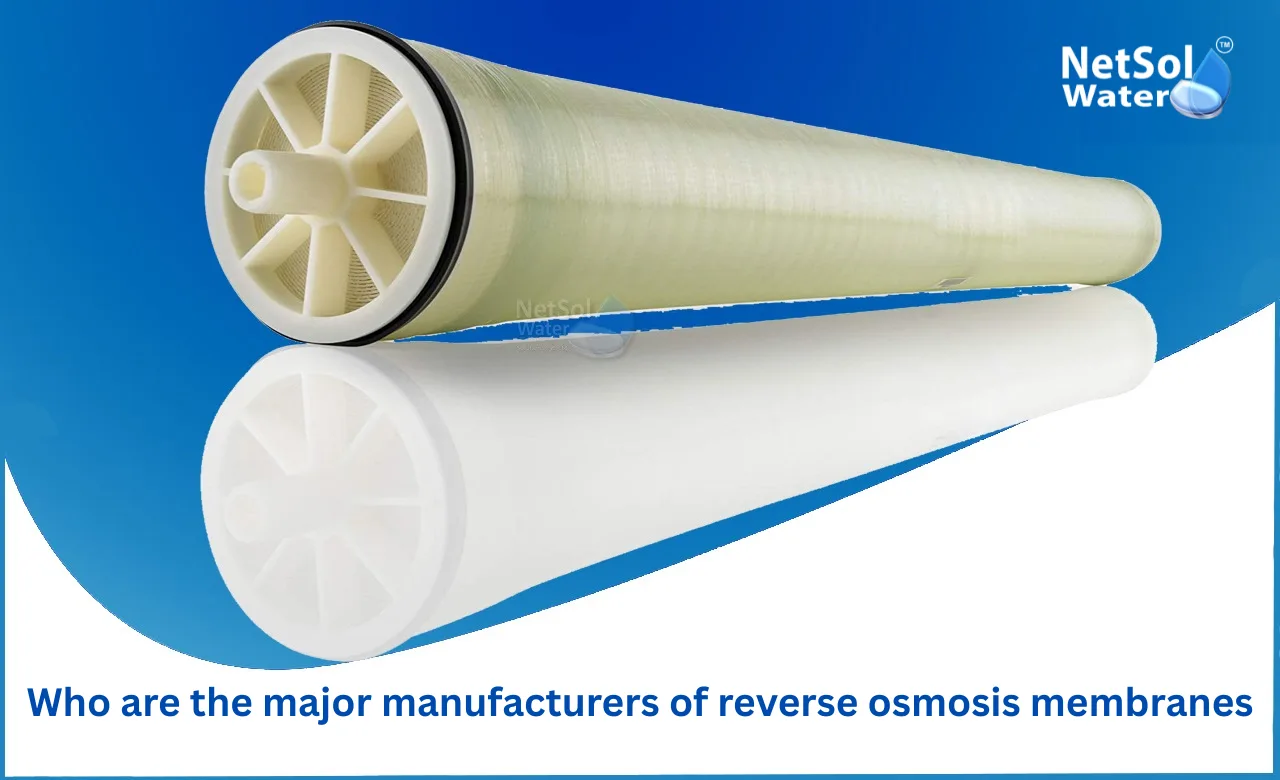
Who are the major manufacturers of reverse osmosis membranes?

Clean water has become a major need for homes, factories, and commercial buildings in India. Many industries now need water that is free from salt, dirt, and harmful particles. That is why reverse osmosis membranes play such an important role. These membranes remove dissolved impurities and help water systems work with better quality and better output. India has become a strong place for water treatment solutions because many cities face hard water and many industries need reliable treatment plants.

When people look for a trusted RO Plant Manufacturer, they often want a company that can design strong systems and supply good membrane technology at the same time. This is important because the membrane is the heart of the RO process. A good membrane improves water quality, reduces waste, and supports long-term plant performance. Let us have a look at the major manufacturers of reverse osmosis membranes and the Indian companies that lead this field.

Why Reverse Osmosis Membranes Matter

Reverse osmosis membranes are not just small parts inside a plant. They decide how well the full system will perform. These membranes push water through a fine layer that blocks salts, chemicals, and other unwanted matter. This makes the water safe for use in many industries.

A strong membrane also helps control costs. If a membrane works well, then the plant uses less power and needs less frequent cleaning. This brings better value for the user. Many companies in India now build systems for local water conditions. That is a big advantage because water quality changes from place to place. An experienced Industrial RO Plant Manufacturer understands these changes and chooses the right membrane for each job.

Let us have a look at some of the major names in India that have built trust in this field.

1. Netsol Water

Netsol Water is widely known for its work in commercial and industrial water treatment. Based in Greater Noida, it serves many clients across Delhi-NCR and other regions in India. The company designs custom RO plants from 50 LPH to 10,000 LPH and beyond. It focuses on energy-saving design, stable output, and easy operation. This makes it a strong choice for businesses that need dependable water treatment every day.

What makes Netsol Water stand out is its practical approach. The company studies the water source first and then suggests the right solution. This helps clients get better membrane life and better plant performance. Its team also offers 24/7 technical support, which matters a lot in industrial work. A plant cannot afford long downtime when production depends on water supply. That is why many users consider Netsol Water a leading Industrial RO Plant Manufacturer in the Indian market.

1. Custom Plant Design

Custom design is one of the strongest parts of Netsol Water‘s service. Many industries do not need a standard machine. They need a plant that matches their flow rate, space, and raw water quality. Netsol Water builds systems that suit these needs. This improves performance and also reduces the risk of future problems.

2. Service and Support

After-sales support also matters in membrane systems. Netsol Water gives guidance on operation, cleaning, and maintenance. This helps users keep their plant in good condition for a longer time. When a company supports both design and service, it builds more trust with its clients.

2. Sewage Treatment Plants

Sewage Treatment Plants is one of the oldest names in the Indian water treatment sector. It has a long history and strong presence in many industries. The company works in water treatment, recycling, and wastewater solutions. It also offers membranes through its Hydramem brand. This gives it a strong position in the membrane market.

Sewage Treatment Plants has earned respect because it combines experience with broad service reach. It handles large industrial projects and provides complete water treatment systems. Many clients value this because they can get membrane solutions and plant support from one source. The company works with many sectors and that helps it understand different water problems in a practical way.

1. Hydramem Brand

Hydramem is an important part of Ion Sewage Treatment Plants membrane business. It supports different water treatment needs and offers reliable performance for industrial use. The brand helps the company stay active in membrane supply as well as in complete plant design.

2. Industrial Reach

Sewage Treatment Plants serves large users who need stable and long-term water treatment. Its project experience makes it a strong choice for industries that want a known name with wide technical support. For many buyers, this gives extra confidence when they invest in membrane-based systems.

3. Commercial RO Plant

Commercial RO Plant holds a special place in the Indian market. It was among the first companies to manufacture RO and ultrafiltration membranes in India. This makes it an important name in the growth of local membrane technology. The company designs membranes that suit Indian water conditions, which often change from region to region.

Its strength lies in custom membrane manufacturing. Many industries face difficult water quality and need special membrane support. Commercial RO Plant works on such needs with a practical and focused approach. This helps plants handle tough feed water better and also supports longer system life. Its work is especially useful in industrial effluent treatment where water load and impurity levels can be high.

1. Focus on Indian Water Conditions

India has many types of raw water sources. Some areas have high salt levels while others have hardness or chemical load. Commercial RO Plant builds membranes with these issues in mind. This gives users a better fit for local needs and helps them manage treatment more effectively.

2. Custom Solutions

Custom membrane production is one of the main strengths of Commercial RO Plant. Companies that deal with special water challenges often need made-to-order solutions. Commercial RO Plant offers that support and helps industries improve water recovery and treatment results.

4. Veolia

Veolia is another major Indian manufacturer in this field. The company is based in Delhi NCR and is known for high-rejection membranes and a strong export presence. It has built a place in the market by serving both Indian and international users. This shows that its products can meet demanding quality standards.

Veolia works with membrane and component supply for different water treatment needs. Its products are used in residential, commercial, and industrial systems. The company is valued for its product range and its ability to serve different market levels. That makes it useful for buyers who want reliable membrane technology with wide application.

1. High Rejection Membranes

High rejection means the membrane removes a large share of dissolved salts and impurities. This is important for users who need very clean output water. Veolia has earned attention in this area because it offers membranes that support strong purification results.

2. Export Strength

Export work often shows that a company can meet varied standards. Veolia’s presence in foreign markets adds trust for Indian buyers too. It tells users that the company works with performance and consistency in mind.

5. Thermax Limited

Thermax Limited is known as a strong engineering company with a wide presence in environmental and water treatment solutions. It does not work only as a membrane supplier. It also builds complete systems for large industrial needs. This gives it a broader role in the market.

Thermax is often chosen by industries that want full project support. The company can plan, design, supply, and integrate large RO plants. This is helpful when a project needs more than just membrane parts. Many industrial users prefer such complete service because it saves time and reduces project risk. For large facilities, a trusted Industrial RO Plant Manufacturer like Thermax can deliver both technical strength and project scale.

1. Engineering-Based Approach

Thermax uses its engineering background to create reliable water treatment systems. This helps when a plant needs careful planning and strong operation. Its work suits large industries that want performance and long-term stability.

2. Large-Scale Projects

Thermax has a strong position in large projects. This makes it useful for plants that handle heavy water demand and strict quality needs. Its work in this area adds more depth to India’s RO market.

Comparison of Leading Indian RO Plant Manufacturers

When buyers compare companies, they often look at plant size, service strength, and membrane knowledge. Netsol Water stands out for commercial and industrial RO plants with a wide range from 50 LPH to 10,000+ LPH. Sewage Treatment Plants has a strong place in water treatment and recycling for large industrial needs. Commercial RO Plant focuses on custom membrane manufacturing for industrial effluent and difficult water conditions. Thermax Limited serves RO membranes and components for residential and commercial use with export strength. Veolia has a global name in municipal and industrial water projects and brings large project experience.

Read some interesting information for the Commercial RO Plant Manufacturer in Delhi

Conclusion

Reverse osmosis membranes play a central role in water treatment. They help industries get clean water, save operating cost, and improve plant output. India has several strong names in this field and each one serves a different need. Some focus on membrane manufacturing while others provide full plant solutions. A wise buyer studies water quality, plant size, and service support before making a choice.

For businesses that want a trusted partner in water treatment, Netsol Water offers a strong mix of design support, technical service, and industrial experience. If you are looking for a dependable Industrial RO Plant Manufacturer, you can connect with the team for more details or request a consultation today.

Contact Netsol Water at:

Phone: +91-9650608473

Email: enquiry@netsolwater.com

What-is-the-use-of-a-wastewater-treatment-plant-1.webp

May 5, 2026by Netsol Water

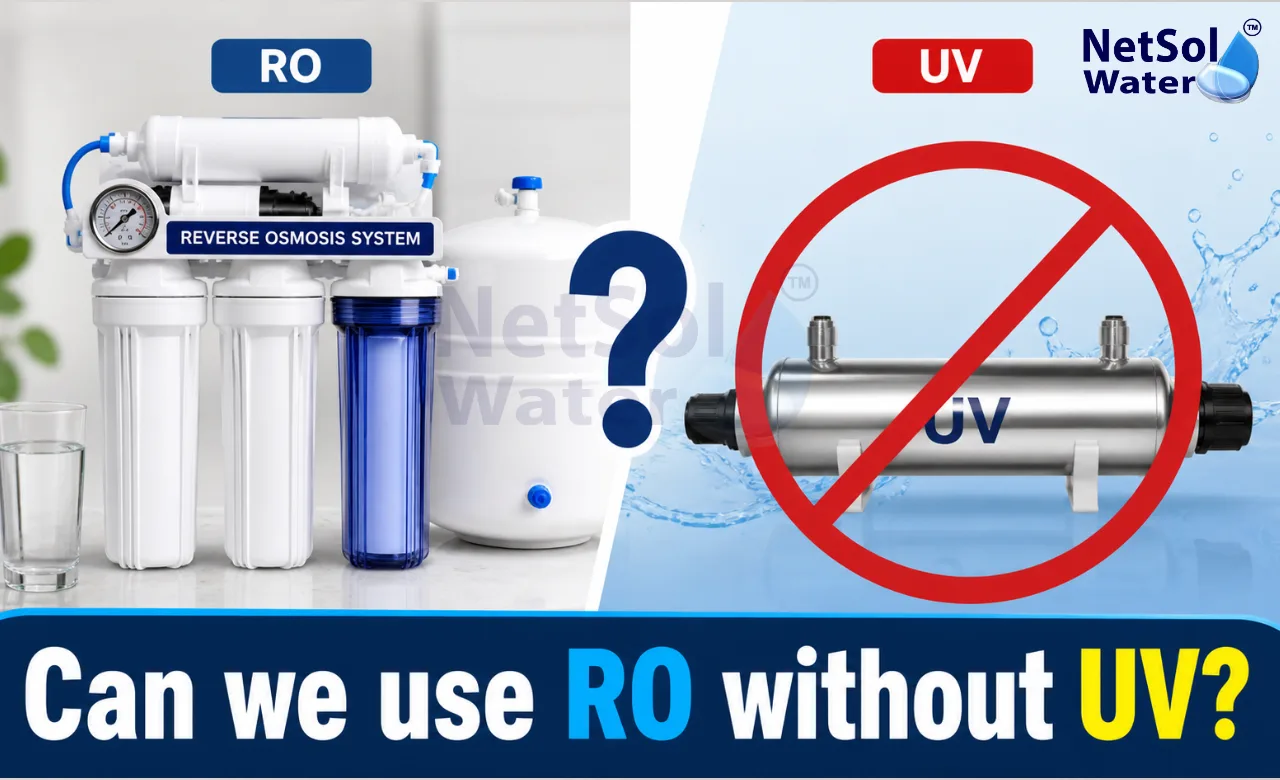
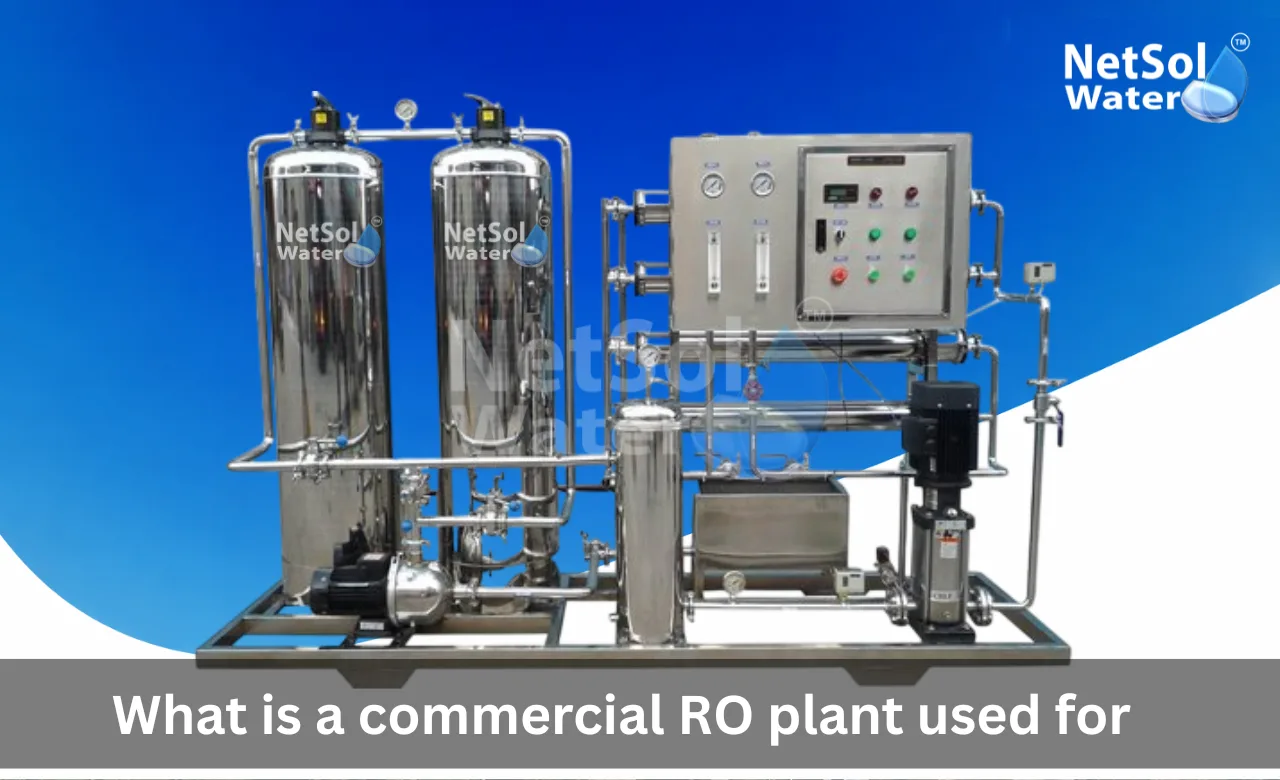
Can we use RO without UV?

Clean water matters in homes and in businesses. Many people now use Reverse Osmosis plants because they remove many harmful substances from water and make it safer for daily use. Still, a common question remains. Can we use RO without UV? The simple answer is yes, in many cases. RO can work well on its own when the water source is stable and the system is maintained properly. At the same time, UV adds an extra layer of safety and gives peace of mind when water stays in a tank for some time.

We are the leading commercial RO plant manufacturer and helps businesses choose the right water treatment setup for their needs. The right system depends on the source of water, the storage method, and the level of safety needed. We will look at how RO works without UV, why many people use it alone, and when UV becomes a smart addition. This will help you make a clear and practical choice for your water needs.

Why RO Can Work Without UV

RO is one of the strongest water purification methods used today. It does not depend on light or chemicals to clean water. Instead, it pushes water through a fine membrane that blocks many unwanted substances. This is why many users trust RO even without a UV stage. A commercial RO plant manufacturer often suggests RO alone when the water source has mainly dissolved salts, hardness, or chemical impurities.

Let us have a look at some important points that explain why RO can work on its own.

1. RO Removes a Wide Range of Contaminants

RO membranes have very tiny pores. These pores are so small that they block many dissolved impurities and harmful particles. They can remove salts, heavy metals, and many other unwanted substances. In many water sources, this level of purification is enough to make the water suitable for use. Since RO removes such a broad range of impurities, it becomes a strong solution for areas where water has high TDS or comes from borewell sources.

2. RO Also Reduces Microbial Risk

RO does more than remove salts and metals. It also blocks bacteria and many viruses because of the fine membrane structure. This physical barrier gives RO a major advantage. UV, on the other hand, only inactivates living microbes. It does not remove them from the water. RO physically filters them out, which means the water looks and feels cleaner after treatment. For many users, this is a major reason to choose RO alone.

3. RO Suits Hard Water and Groundwater

Many businesses and homes deal with hard water. Some also use groundwater that may contain visible and invisible impurities. In such cases, RO becomes very useful because it lowers hardness and removes dissolved contaminants in one process. This makes the water better for drinking, equipment, and daily use. For many treatment needs, a commercial RO plant manufacturer may recommend RO as the main treatment step and keep UV optional based on the source and storage setup.

Why UV Still Helps in Some Cases

RO is strong but it is not always the final answer for every situation. UV adds an extra shield by neutralizing microbes that may enter later. This is important when water sits in a tank or travels through more lines before use. So while RO can work without UV, the added UV stage increases safety in a number of situations.

Let us have a look at some reasons why UV can still matter.

1. UV Protects Stored Water

Water does not always go straight from the purifier to the glass. Many systems store water in tanks before use. Over time, germs can enter the tank or grow inside it if cleaning is poor. In such cases, UV helps kill those germs just before water reaches the user. This makes it a good final step when water storage is part of the system.

2. UV Gives an Extra Safety Layer

Even good systems can face wear and tear over time. RO membranes can age and lose some efficiency. Small defects may appear if maintenance is delayed. UV works as a backup stage in these cases. If any tiny microbes pass through the RO stage, UV can inactivate them. This creates a safer and more reliable system for places where water quality must stay high every day.

3. UV Helps During Power or Flow Changes

Some systems face power cuts or low water flow. When water remains still for long periods, bacteria can grow more easily. UV helps reduce this risk before the water is used. It does not replace RO but it strengthens the full treatment line. For this reason, many users choose both technologies when they want the highest level of water safety.

When It Is Okay to Use RO Without UV

There are many situations where RO alone works well. The key is to check the quality of the source water and how the system will be used. A commercial RO plant manufacturer usually studies these factors before suggesting whether UV is needed or not.

Let us have a look at some situations where RO without UV is often acceptable.

1. When the Water Is Already Treated

If the water comes from a municipal supply and the source is already treated, then RO alone may be enough in many cases. The water may already have lower microbial risk. In such a setting, RO can handle the remaining dissolved impurities and improve the taste and quality of water. This setup can work well when the system is maintained on time and filters are replaced as needed.

2. When the System Is Well Maintained

Maintenance plays a big role in water safety. If filters are changed on schedule and the membrane is checked regularly, then RO can continue to perform well without UV. Clean tanks and regular servicing reduce the chance of contamination. This is why system care matters as much as the technology itself.

3. When Water Does Not Stay Long in Storage

If water moves quickly from the RO system to the use point, then the need for UV is lower. The chance of new microbial growth becomes smaller when water does not sit for long. In such cases, RO alone can be practical and effective. This is common in systems where water use is frequent and the flow remains steady.

When UV Becomes the Better Choice

There are also cases where UV should not be ignored. Some water sources and usage patterns need stronger protection. This is especially true when the water source is uncertain or when storage creates extra risk.

Let us have a look at some conditions where UV becomes the better choice.

1. When You Use Borewell Water

Borewell water often carries more dissolved salts and may also bring a higher chance of contamination. RO handles many of these issues well but UV adds more safety by killing remaining germs. This combination is useful in homes, offices, schools, and commercial spaces that depend on groundwater.

2. When You Store Water in Tanks

Storage tanks can become a weak point if they are not cleaned properly. Germs may enter the tank and grow slowly over time. UV can help control this risk before water is used. This is one of the most common reasons why users add UV to an RO system.

3. When You Want Maximum Safety

Some places need a very high level of water safety. This includes workplaces, food units, and healthcare-related spaces. In such places, UV gives extra confidence because it acts as the final protection step. A well-planned system from a trusted commercial RO plant manufacturer can combine both RO and UV for stronger results.

Read some interesting information for the Sewage Treatment Plant Manufacturer in Delhi

Conclusion

So, can we use RO without UV? Yes, we can in many situations. RO alone can remove a large range of contaminants and often gives safe and clean water. It works especially well when the water source is already treated and the system receives proper care. Still, UV offers a helpful extra step in places where water stays in tanks or where the risk of new contamination is higher.

Netsol Water is the leading Commercial RO Plant Manufacturer and helps clients choose systems based on real water conditions rather than guesswork. This is the best way to avoid under-treatment or unnecessary cost. The right setup depends on your source water, storage plan, and daily use pattern. A careful choice today can bring safer water and smoother operation for a long time.

If you need guidance on the right purification setup for your business, then connect with a trusted manufacturer and ask for a proper consultation.

Contact Netsol Water at:

Phone: +91-9650608473

Email: enquiry@netsolwater.com


What-is-the-use-of-a-wastewater-treatment-plant.png

May 4, 2026by Netsol Water

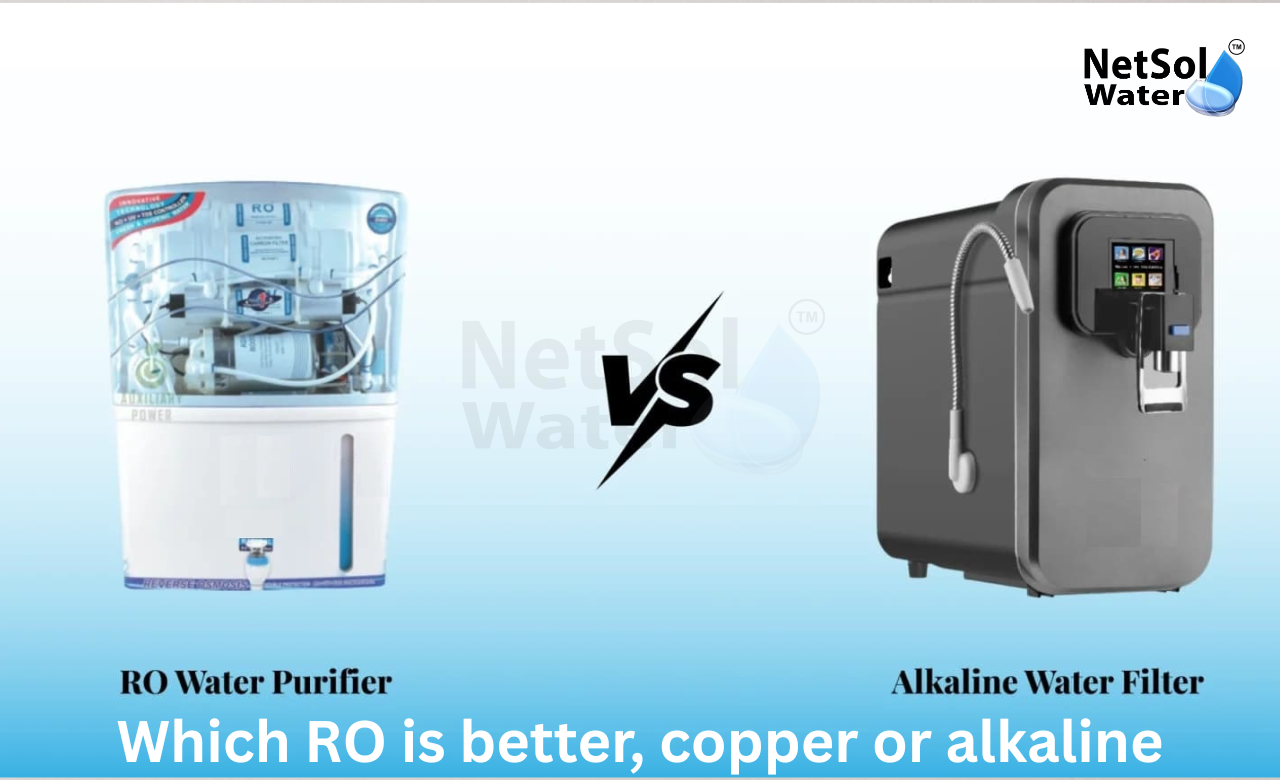
Which RO is better, copper or alkaline?

Clean drinking water matters in every home and business. People want water that tastes good and also supports daily health. In many places, raw water carries extra salts and other unwanted particles. That is why RO systems have become so common. Still, many buyers now want more than simple purification. They want a finishing touch that improves water in a better way.

We work as a trusted commercial RO plant manufacturer and help people choose the right plant for different water needs. Some users want the natural support of copper. Others want smoother water with better pH balance and added minerals. Both choices offer clear value. The right option depends on your water source, your health needs, and your daily use.

Copper RO and Why It Matters

Copper RO systems draw interest because copper has a long history in traditional water use. Many people know copper as a metal that supports clean and healthy drinking habits. In a copper RO system, the purified water passes through a copper-based stage. This stage adds copper ions to the water and gives it a special finish. People often choose it because they want a simple and natural wellness benefit along with RO purification.

Let us have a look at some of the main reasons copper RO matters.

Copper may help reduce harmful microbial growth in stored water. That makes it useful for families who want extra support in daily drinking water. Many users also feel that copper water supports digestion and general wellness. Some people even like the taste because it feels fresh and natural. A few may notice a light metallic aftertaste at first but many users adjust to it quickly.

Copper systems also keep maintenance easier than many other advanced filters. They do not ask for frequent cartridge replacement and that helps reduce regular effort. This makes them useful for homes and commercial spaces that want a practical setup. A commercial RO plant manufacturer often suggests copper-based systems to buyers who want a healthy water finish without high running work. Copper RO works well for people who want basic health support and a budget-friendly choice. It also suits places where users need simple water solutions that stay effective for long use.

Health Benefits of Copper RO

Copper RO stands out because many people connect copper with natural health support. It does more than only filter water. It also adds a small amount of copper that may support immunity and digestion. This is one reason many families prefer it for daily drinking water. They want water that feels safe and also carries a mild wellness value. In homes where people drink water many times in a day, this kind of support can feel useful.

Copper water can also suit offices and business spaces where people want a low-effort option. The system does not create much maintenance trouble and that helps managers keep the setup simple. Since the upkeep stays low, it can also save time over the long term. A commercial RO plant manufacturer often recommends copper RO to users who want a good balance between cost, care, and health support. It serves as a practical option for regular water use.

Alkaline RO and Why It Matters

Alkaline RO systems follow a different idea. They do not focus on copper ions. Instead, they raise the pH of water and add minerals back into it. Many people choose alkaline water because it feels smoother and more pleasant to drink. It often gives a mild, sweet taste and that makes it popular among people who care about water quality. This type of system suits users who want water that feels fresh and balanced.

Let us have a look at some of the main reasons alkaline RO matters.

Alkaline water may help reduce the sharp feeling that some people get from plain purified water. Users who struggle with acidity often prefer it because it may feel gentler on the stomach. Many active people also like it after workouts because they feel it supports better hydration. The taste is also one of its strongest points. It usually feels soft and clean, which makes daily use more enjoyable.

Alkaline systems do ask for more care than copper systems. Their cartridges need regular replacement so the water stays balanced and fresh. This can raise the running cost over time. Even then, many buyers accept this because they value the mineral-rich finish and the smooth taste. A commercial RO plant manufacturer often suggests alkaline systems to people who want better taste, pH balance, and a more premium water experience. It works well in homes and workplaces where water quality matters as much as purification.

Health and Taste Benefits of Alkaline RO

Alkaline RO has become popular because it offers more than purified water. It gives a softer taste and a more balanced drinking experience. Many users feel that this water flows smoothly and tastes cleaner. That matters in homes where everyone drinks water many times a day. It also matters in offices and commercial areas where good water improves comfort and daily use. When water tastes better, people tend to drink more of it and that supports healthy hydration.

Another reason people prefer alkaline water is its focus on pH balance. Some users feel relief from acidity-related discomfort when they use it regularly. It may also feel refreshing after long work hours or exercise. Even so, users must keep up with cartridge changes because those parts control the final quality. When people maintain the system well, it continues to deliver good results. This makes alkaline RO a strong option for buyers who want better taste and mineral support in one system.

Which One Should You Choose?

The better choice depends on what you want from your water system. Copper and alkaline do not solve the same problem. Copper supports antimicrobial benefits and simple wellness value. Alkaline supports pH balance, mineral addition, and smoother taste. So the choice should match your water condition and your daily needs rather than a general trend.

Choose copper if you want a lower-maintenance system that stays simple and affordable. It suits people who like natural antibacterial support and want a system that does not need much attention. It also fits users who want a practical option for daily drinking water. Many people choose copper when they want basic wellness support without making the system too complex. This keeps things easy for long-term use.

Choose alkaline if you want water that feels smoother and more refined. It suits people who deal with acidity or want better hydration after exercise. It also works well for families that care about taste and mineral replenishment. Many people prefer it because it gives water a lighter and more pleasant feel. A commercial RO plant manufacturer often guides customers by checking the source water and understanding how they plan to use it. That way, the buyer gets a system that fits real needs instead of a general idea.

Choose both if you want a complete premium setup. Many modern RO systems now combine copper and alkaline features in one unit. This gives the user the benefit of copper-based support along with alkaline balance and taste improvement. For homes and commercial spaces that want fuller wellness support, this mixed option can work very well. It brings together the useful points of both technologies in one system.

Why TDS Must Be Checked First

Before selecting any finishing filter, it is important to check raw water TDS. TDS means total dissolved solids and it shows how much salt and other particles exist in the water. If the TDS level stays high, then the water needs a proper RO system first. This step becomes essential when TDS goes above 500 mg/L. In such cases, copper or alkaline filters alone cannot solve the main problem. They can improve the final water quality only after proper purification.

That is why water testing should come first in every case. Once you know the TDS level and raw water condition, the choice becomes much easier. A good commercial RO plant manufacturer will always check the water before suggesting a copper or alkaline setup. This saves money and helps the system work better for a longer time. It also gives the user a solution that matches the actual water condition.

Read some interesting information for the Industrial RO Plant Manufacturer in Gurgaon

Conclusion

A good water system should match your daily life and your real water needs. Copper RO and alkaline RO both offer useful benefits. Copper gives simple health support and lower upkeep. Alkaline gives smoother taste, better pH balance, and mineral support. Both can work well when they match the right user and the right water source.

Netsol Water continues to serve as a trusted commercial RO plant manufacturer for homes and businesses that want proper guidance and reliable systems. If you want more information or need help choosing the right option for your water need, you can connect with us and request a consultation today.

Contact Netsol Water at:

Phone: +91-9650608473

Email: enquiry@netsolwater.com

What-is-the-use-of-a-wastewater-treatment-plant.webp

May 2, 2026by Netsol Water

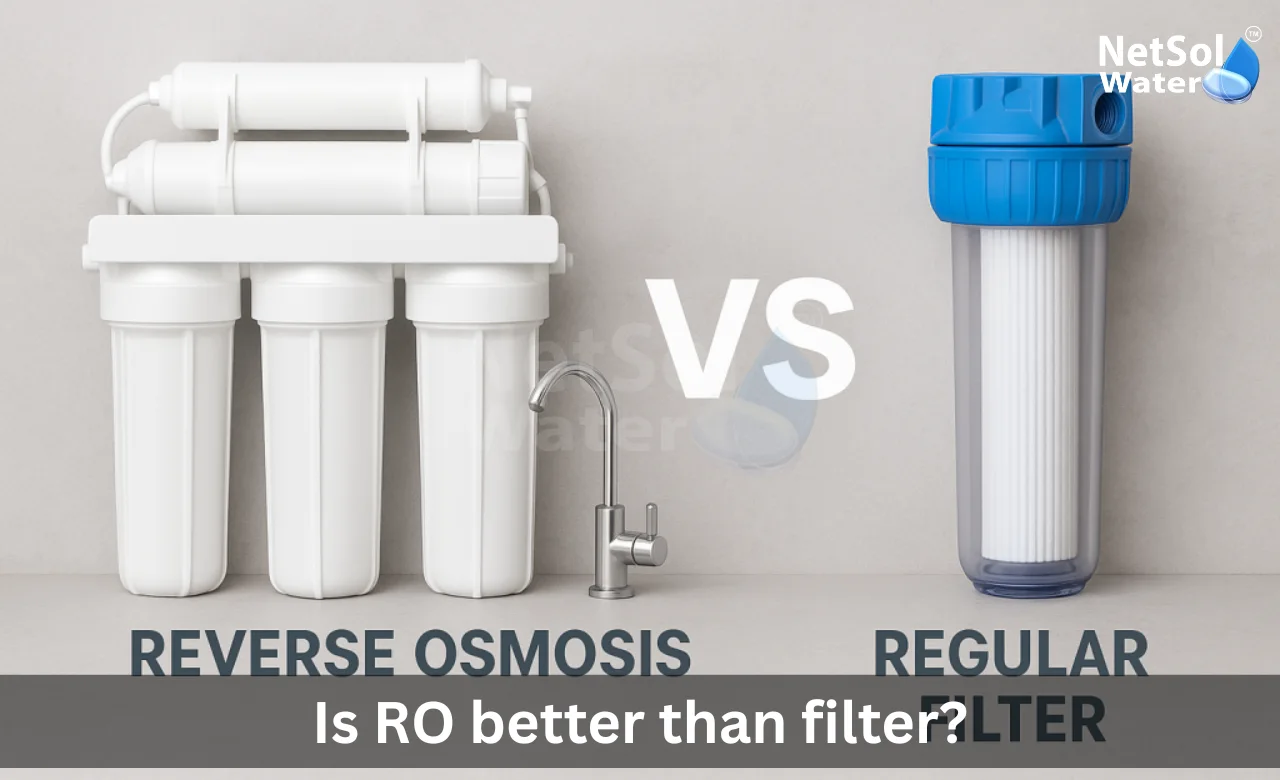
Is RO better than a filter?

Water is not the same in every place. Some water looks clear but still carries salts and dissolved impurities. Some water only needs germ control. That is why the answer to “Is RO better than a filter?” depends on the source water and on the level of treatment you need. We are the leading industrial RO plant manufacturer, and we often see that people choose a system only by name and not by water quality. That can lead to poor taste, low output, or even extra cost.

RO or reverse osmosis, gives deep purification. A normal filter such as UF or UV works in a simpler way and suits cleaner water. One is not always better than the other. The right choice depends on TDS, hardness, bacteria, and the kind of water source you use.

When RO Is Better

RO becomes the better choice when water carries a heavy load of dissolved solids. This is common in borewell water, tanker water, and water affected by industrial runoff. In such cases, a simple filter cannot do the full job because it only treats a limited type of impurity. RO uses a semi-permeable membrane that blocks dissolved salts, heavy metals, and many harmful chemicals. That makes it a stronger and more complete solution for difficult water conditions.

1. High TDS and Hard Water

High TDS means the water contains a large amount of dissolved matter. This may include salts, minerals, and other unwanted substances. When TDS rises above 300 ppm, RO usually becomes more useful. Hard water also creates issues because it carries more calcium and magnesium. These minerals can cause scale on pipes, kettles, and machines. In homes, they affect taste and in industries, they can disturb operations and damage equipment.

RO helps in such cases because it removes a large share of these dissolved substances. The water becomes cleaner, lighter, and safer for regular use. This is why many commercial units and factories prefer RO for process water. An experienced industrial RO plant manufacturer studies the source water first and then selects the right membrane and stage design. That approach gives better results than a general water filter. When water is too hard or too salty, a basic filter may only improve taste while RO actually improves water quality at the source.

2. Deep Purification for Mixed Contaminants

RO does more than remove visible dirt. It works on dissolved contaminants that ordinary filters cannot catch. It can reduce heavy metals such as lead, arsenic, and mercury. It can also reduce fluoride, nitrates, and several other dissolved chemicals. That is a major reason why RO is often chosen for borewell water and areas where water quality changes often.

The membrane in RO has very tiny pores. It allows water molecules to pass while blocking most unwanted dissolved material. This creates a deeper level of purification than UV or UF alone. UV can kill germs and UF can trap larger particles. But neither one removes dissolved salts in the same way RO does. That is the key difference. So when water quality is poor or unknown, RO gives more control and better safety. For families and businesses that depend on dependable water quality, this extra purification can matter a lot.

When a Filter Is Better

A standard filter can be the better choice when the water is already fairly clean and only needs disinfection or light purification. This is common with pre-treated municipal water that has low TDS and a decent taste already. In such cases, RO may remove more than needed. It may also waste water and take away useful minerals that the water already contains. A UV or UF system can keep the process simple and effective.

1. Best for Low TDS Water

When water has TDS below 300 ppm, a standard filter often gives enough protection. If the main problem is germs, then UV works well because it kills bacteria and viruses. UF also helps by blocking fine particles and microbes without changing the mineral content too much. That is useful when the water already tastes good and does not carry heavy dissolved salts.

In these conditions, RO can be more than required. It may make the system more costly to run without giving a clear extra benefit. A filter can do the job more efficiently and keep the water closer to its natural form. That is why many users in cities choose UV or UF for regular tap water. They want safe water without unnecessary treatment. In this way, the simpler system can actually be the smarter one.

2. Less Waste and Better Mineral Retention

One of the biggest differences between RO and a standard filter is water wastage. RO systems usually waste a portion of incoming water during the purification process. In many cases, two to four gallons may go to drain for every one gallon of purified water. That is a major point to consider when water shortage matters.

Standard filters do not waste water in the same way. They also do not remove healthy minerals like calcium and magnesium. That makes them attractive for people who want disinfection without changing the natural balance of the water too much. UF systems also work without electricity while UV systems need power only for the light source. So the running cost can stay lower than RO. For this reason, filters suit homes and buildings that receive treated municipal water and only need a final safety step. In such cases, a filter may be the better and more practical answer.

Comparison

The difference between RO and a filter becomes clear when you compare their core function. RO removes dissolved salts and many chemical impurities. A UV or UF filter mainly handles germs and suspended particles. RO needs electricity and creates wastewater. A standard filter uses less power and does not waste water. RO works better when TDS is high. A filter works better when TDS is already low.

This is why the right choice depends on water quality and not on brand name alone. A system that suits one home may not suit another. An industrial RO plant manufacturer usually begins with a water test because that is the only way to know whether RO is needed or whether a simpler filter will do enough. In many modern setups, people use RO plus UV plus UF together with a TDS controller. That gives deeper purification while keeping some useful minerals in the final water. It is a balanced solution when source water is mixed or inconsistent.

Read some interesting information for the Effluent Treatment Plant Manufacturer in Gurgaon

Conclusion

The right water system should match the water you actually use. RO is better when the water carries high TDS, hardness, heavy metals, or chemical contamination. A standard filter is better when the water is already clean enough and only needs germ control. Both systems have a place and both can serve well when chosen for the right reason.

Netsol Water supports users who need clear guidance before they invest in a system. As a trusted industrial RO plant manufacturer, we help clients choose a solution based on water quality, use pattern, and long-term performance. If you are comparing RO and filter options for your home, business, or plant, then the best next step is to study your water first. For more details or to request a consultation, please get in touch with Netsol Water and choose the plant that fits your real need.

Contact Netsol Water at:

Phone: +91-9650608473

Email: enquiry@netsolwater.com
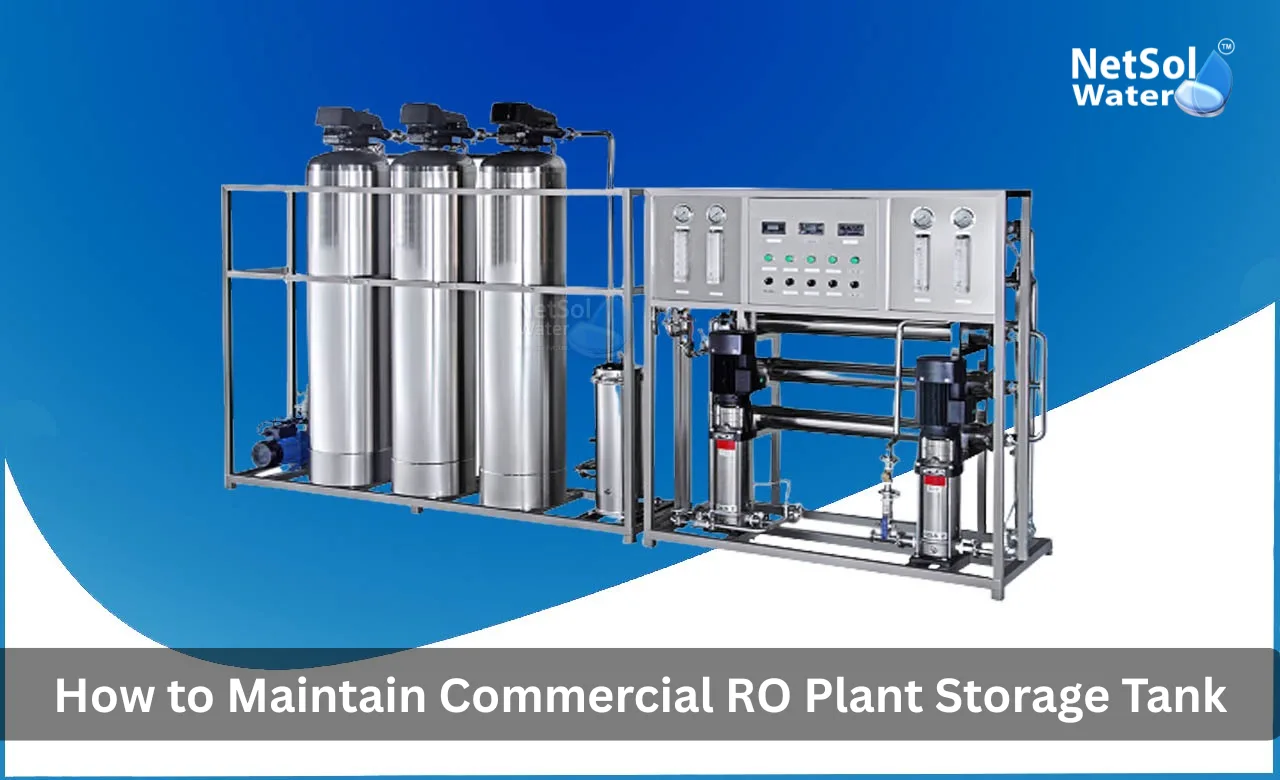

What-is-the-lifespan-of-the-industrial-RO-membrane-1.webp

April 20, 2026by Netsol Water

What Are the Three Layers of the RO Membrane?

Clean water has become a basic need in homes and industries. People need it for drinking, cooking, production, and many daily tasks. Industries also need purified water to keep machines running well and to maintain product quality. This is why reverse osmosis has become one of the most trusted water treatment methods in use today. A skilled manufacturer understands that the membrane is the main part of the plant.

We are the leading commercial RO plant manufacturer that focuses on the science behind membrane performance and system efficiency. At first glance, the RO membrane may seem like a single thin sheet. In reality, it contains three different layers that work together in a smart and effective way. Each layer has a separate task. One layer filters the water. Another layer supports the filtering layer. The third layer adds strength and stability to the full structure. When these layers work together, the membrane performs well and delivers safe water for many uses.

Polyamide Barrier Layer

The polyamide barrier layer is the most important part of the RO membrane. It sits at the top and performs the actual filtration. This layer is extremely thin, yet it carries the main responsibility in the process. It controls what passes through and what stays behind. Because of this layer, the RO membrane can remove a very high amount of dissolved salts, organics, and bacteria from water.

1. How This Layer Works

This layer works like a very fine gate. Water molecules can pass through it while unwanted impurities cannot move forward with ease. The layer contains tiny spaces that designers create with great precision. These spaces are far smaller than most dissolved particles in water. So when pressurized water enters the membrane, the clean water moves ahead and the contaminants remain behind. This is the reason reverse osmosis can produce such pure water.

The polyamide layer is also delicate. It must stay thin because a thin layer helps water flow more easily. At the same time, it must remain strong enough to reject impurities. If this layer gets damaged, then the membrane loses its efficiency. That is why a dependable RO plant manufacturer always gives special attention to membrane quality, handling, and proper system design.

2. Why It Matters in Water Treatment

This top layer decides the quality of the final output water. It removes many unwanted substances that other filters may not catch. It also helps the RO plant produce water that meets strict standards for drinking and industrial use. Since this layer does the main job, it is often called the active layer. Without it, the membrane would not separate clean water from dirty water in such an effective way.

The polyamide barrier layer is only about 0.2 microns thick. That size may sound very small, and it is. Still, this tiny layer plays the biggest role in the membrane. It gives the RO system its filtration power and makes the membrane useful in many areas where water quality matters. This is one reason why every experienced RO Plant Manufacturer gives so much attention to this layer.

Polysulfone Interlayer

The polysulfone interlayer sits below the top barrier layer. It works as the support layer and helps the membrane stay stable during operation. This layer does not perform the main filtration but it supports the main job in a very important way. The top layer is very fragile and cannot perform alone. It needs a firm and even base. That base comes from the polysulfone layer.

1. Its Support Function

This middle layer has a porous structure. That means it contains many tiny openings that allow water to move through without much resistance. At the same time, it gives the top layer a smooth and steady surface. This matters because the thin polyamide layer must stay in place during operation. If the base is uneven, then the top layer may not form properly or may not withstand pressure for long.

The polysulfone layer also helps the membrane handle high pressure. RO systems work by pushing water through the membrane with force. Without a support layer, the top sheet could collapse or tear. The middle layer prevents that problem. It keeps the membrane working smoothly even when the system runs for long hours.

2. Why This Layer Is Essential

A strong membrane needs balance. It must allow water to flow and also keep its shape. The polysulfone interlayer provides that balance. It gives high permeability so water can pass through easily. It also offers enough mechanical strength so the membrane can survive real working conditions. This is very important in both domestic systems and large industrial units.

The thickness of this layer is usually around 40 to 50 microns. That makes it much thicker than the active layer. Even so, it remains light and porous. This layer may not appear visible during use but it plays a quiet and powerful role. A good RO plant manufacturer always understands that support layers decide how long a membrane can perform well.

Polyester Support Web

The polyester support web is the bottom layer of the RO membrane. It acts like the backbone of the whole structure. This layer gives the membrane its strength and durability. It may not filter water directly but it helps the entire membrane stay stable and intact. Without this layer, the membrane would not have the support it needs for long-term performance.

1. Its Structural Role

This bottom layer is usually made from non-woven fabric. It works like a strong backing sheet. Its purpose is to hold the other layers together and protect them from physical stress. Water systems create pressure and vibration. Membranes also face continuous flow and regular operation. The polyester support web helps the membrane handle all of this without breaking down too quickly.

This layer also makes handling easier during manufacturing and installation. It gives the membrane a firm base so the final product can be rolled, packed, and used safely. In real systems, this matters a lot because membranes must perform under changing conditions. The support web reduces the chance of damage and improves the life of the membrane.

2. Why Durability Depends on This Layer

The bottom layer plays a bigger role than many people realize. A membrane may have a strong filtering layer and a good support layer above it. Still, it needs a solid base to remain useful over time. The polyester web provides that base. It helps the membrane resist wear and tear. It also adds to the strength needed in both domestic and industrial RO systems.

The thickness of this layer is usually about 100 to 120 microns. That makes it the thickest among the three layers. Its role is not to filter but to protect and support. When this layer works well, the whole membrane becomes more reliable. This is another reason why a trusted RO plant manufacturer pays attention to every layer and not only the top surface.

How the Three Layers Work Together

The three layers of the RO membrane do not work separately. They work as one complete system. The top polyamide layer performs the filtration. The middle polysulfone layer supports the thin active layer. The bottom polyester web gives strength and durability. Together, they form a membrane that can clean water with great accuracy.

This layered design is what makes thin-film composite membranes so effective. Each layer solves a different problem. One layer blocks impurities. One layer supports water flow. One layer adds structure. When these layers come together in the right way, the membrane becomes highly efficient and long-lasting. That is why modern RO systems depend on this design for stable performance.

A professional manufacturer studies these layers carefully before designing a plant. Better membrane design leads to better water quality, better system life, and better overall results. This is true for homes, offices, factories, and many other places where clean water is needed every day. Netsol Water follows this approach as a leading RO plant manufacturer and focuses on dependable performance in every system.

Read some interesting information for the Commercial RO Plant Manufacturer in Faridabad

Conclusion

The three layers of an RO membrane make the reverse osmosis process possible. The polyamide barrier layer filters the water. The polysulfone interlayer supports the active layer. The polyester support web gives the membrane strength and stability. Each layer has its own role, and each one matters for smooth operation.

When people choose a reliable RO plant manufacturer, they get more than a plant. They get a water treatment solution built on strong membrane science and practical design. Netsol Water is a trusted manufacturer that focuses on quality, performance, and long-term value. For more information or to request a consultation, get in touch and explore the right RO solution for your needs.

Contact Netsol Water at:

Phone: +91-9650608473

Email: enquiry@netsolwater.com