
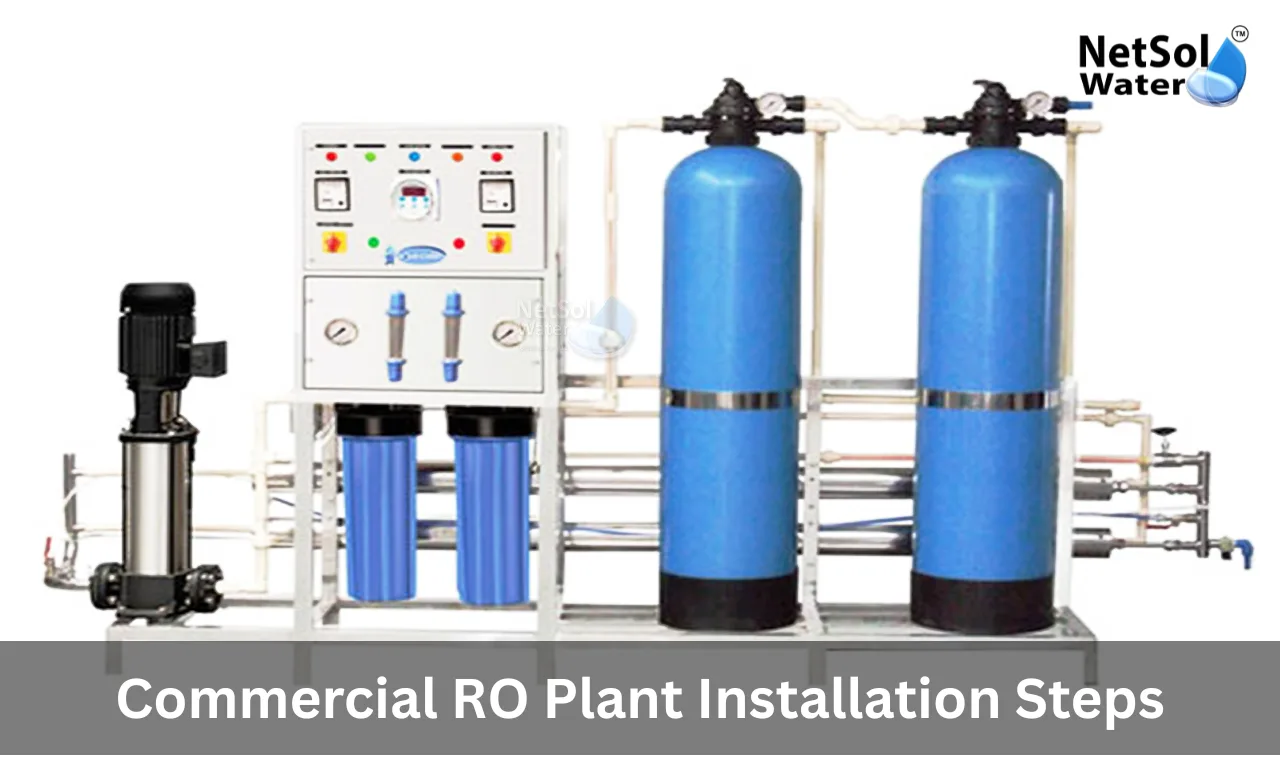
Commercial RO Plant Installation Steps
Many industries and even commercial places require clean water. A commercial RO plant purifies impurities and provides safe water for drinking. This technology is crucial to the production of food for many industries in India, including manufacturing units, hospitals, and hotels. Other areas in India also suffer from water quality issues related to the presence of minerals and the season. Therefore, water treatment systems are crucial to ensure seamless operations.
We are one such leading company that offers complete solutions for water purification systems. To set up an RO system, it should be done with proper planning and correct execution. All stages impact the overall system performance.
Site Assessment and Requirement Analysis
In order to create a successful installation, it is important to have a proper requirement analysis and site assessment. This is a critical step because the system may not represent the actual water demand or working conditions without it. This stage guarantees proper placement of the plant and proper function. The first step in commercial RO plant installation is to perform a detailed study of the water quality and usage requirements. Let’s take a look at some of the key points in this stage.
1. Water Quality Analysis
Water quality analysis is used to gain an understanding of the level of impurities in the source water. The engineers take samples and test for salts, hardness, and other undesirable material. This information is useful for selecting the appropriate level of filtration. If the water being fed to the system is highly contaminated, a more powerful RO system will be needed. This ensures that the plant design is in line with actual conditions and that there are no future performance problems.
2. Space and Utility Evaluation
Space evaluation is also crucial for seamless installation. Engineers check the available area for placing equipment, tanks, and pipelines. They also inspect the electricity supply and drainage. Good spacing eases maintenance and safe operation. If the utilities are arranged properly, the system will operate continuously without interruptions and help produce water continuously.
Design and Engineering Planning for a System
The system is designed and engineered to determine how the plant will operate following installation. During this phase, collected data is transformed into a usable system plan. This is an important part of the process, since a well-designed commercial RO plant installation will help reduce operational problems and ensure optimal performance.
Let’s take a closer look at some of the key elements of this phase.
1. Capacity and Flow Design
The amount of water produced by the plant in a day is determined by capacity planning. The engineer determines the amount of water demanded based on the needs of the industry. They determine flow rates to ensure that the system can accommodate maximum use without a drop in pressure. This enables the output to remain consistent throughout working hours. Energy savings and balanced performance are other advantages of proper capacity design.
2. Technical Layout Planning
Technical layout planning involves the positioning and connections for each unit. Filters, pumps, membranes, and storage tanks are designed by the engineers. They also design routes for pipe installations to minimize pressure loss. A clean design helps minimize installation mistakes and simplifies future maintenance. This ensures the system is organized and efficient.
Equipment Procurement and Installation Process
The procurement and installation process is an important phase where the design materializes. Quality equipment guarantees stable production and long-term performance. Commercial RO plant installation relies on the right selection and correct installation of all the components. Let’s take a look at some of the key points of this stage.
1. Selection of RO Components
The membranes, pumps, filters, and control systems are among the RO components selected. The parts need to be chosen according to the design of the system and the water needs. High-quality components help improve efficiency and reduce the chances of breakdown. Engineers make sure that all parts will fit together. This step directly impacts water purity and system durability.
2. Physical Installation and Assembly
Physical installation refers to the process of installing equipment in the designed layout. Technicians connect pipes, wires, and control panels. All connections should be firm and secure to prevent leakage or pressure drop. Smooth flow of water is achieved by ensuring proper alignment of machines. A high level of skill is required for this stage, as even minor mistakes may impact the performance of the system.
Testing, Commissioning, and Maintenance Setup
Testing, commissioning, and maintenance setup allow the system to be verified as functioning properly prior to operation. In this stage, it is confirmed that all components are working as intended. Proper testing and final adjustments are an essential part of the steps involved in commercial RO plant installation.
Let’s take a look at some of the key elements of this stage.
1. System Testing and Performance Check
In system testing, water flow, pressure, and water purity are tested. The plant is operated by engineers for a few hours to check performance. They detect any leaks or imbalances in pressure. Adjustments are made to increase efficiency. This step helps ensure a continuous, safe, and clean water supply from the system.
2. Maintenance Planning and Support Setup
After installation, maintenance planning is used to ensure the plant maintains good condition. Filters and membranes are cleaned on a regular basis. Engineers also provide training for operators to monitor the system day to day. Good maintenance minimises breakdown and maximises system life. A healthy support network will help the system run smoothly and solve problems quickly.
Read some interesting information for the Sewage Treatment Plant Manufacturer
Conclusion
The installation of a commercial RO plant is a crucial step in creating a dependable water treatment unit that can be used in commercial buildings and industrial facilities. From the site study to the final test, performance and safe water output stay smooth and reliable. With proper planning and execution, long-term efficiency and minimization of operational problems can be achieved.
For businesses aiming for a consistent water supply, it’s crucial to emphasize correct installation practices and expert advice. Netsol Water offers complete support for designing and installing RO systems for advanced usage in different industries. Contact us today to request a consultation and get a water solution and expert advice on commercial RO plant installation steps, to ensure you have a system that works for you.
Contact Netsol Water at:
Phone: +91-9650608473
Email: enquiry@netsolwater.com