
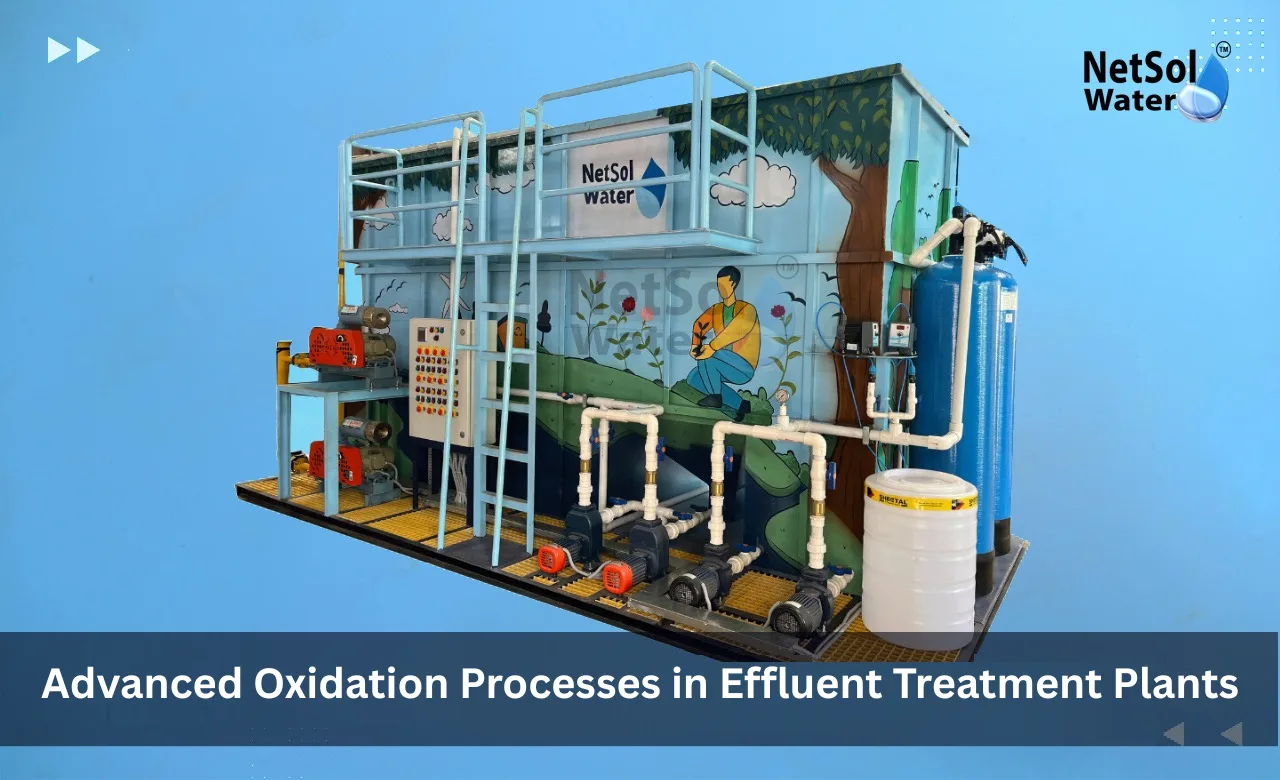
What are the Advanced Oxidation Processes in Effluent Treatment Plants?
Industries need clean and safe water management more than ever. As factories grow and production becomes faster, the wastewater they create also becomes harder to treat. Many effluents carry dyes, oils, chemicals, and other hard-to-remove pollutants. A simple treatment method may not handle such water well. This is where advanced methods become useful. An ETP helps industries clean wastewater before discharge or reuse.
We are the leading effluent treatment plant manufacturer, and it supports industries that need better treatment solutions for complex waste streams. Advanced oxidation processes bring a strong answer for difficult pollutants and help industries protect water resources. These methods work well when normal biological treatment is not enough. They also improve water quality for reuse and reduce pollution in a practical way.
Why Advanced Oxidation Matters in Wastewater Treatment
Industrial wastewater often contains chemicals that do not break down easily. Some of them resist ordinary treatment and stay in the water for a long time. This creates a problem for industries that want safer discharge and better water recovery. Advanced oxidation processes help solve this issue by creating highly reactive agents that break tough pollutants into simpler forms.
1. Breaking Down Hard Pollutants
Advanced oxidation works because it produces hydroxyl radicals. These radicals react quickly with many types of contaminants. They attack complex molecules and turn them into smaller and safer compounds. This is useful for textile waste, pharmaceutical waste, chemical waste, and many other industrial streams. Normal treatment systems may reduce part of the pollution, but advanced oxidation can go deeper. It can help remove color and reduce chemical strength in wastewater. This leads to better final water quality and less environmental stress.
2. Supporting Other Treatment Units
These processes do not always work alone. They often support the full treatment train inside an Effluent Treatment Plant. First, the plant may remove solids and reduce basic load. Then, advanced oxidation can treat the remaining difficult compounds. After that, polishing steps can improve the water even more. This teamwork between different units gives better results than one method alone. It also helps industries treat a wider range of waste with more control and flexibility. That is why advanced oxidation has become a strong part of modern effluent treatment design.
Types of Advanced Oxidation Processes
Advanced oxidation includes several methods, and each one uses a different way to create reactive radicals. Industries choose the method based on waste type, pollutant level, and operating cost. A good system must fit the plant design and the nature of the wastewater. Let us have a look at some of the common methods used in treatment practice.
1. Ozone-Based Oxidation
Ozone is a powerful oxidizing agent. When it enters wastewater, it reacts with many organic pollutants and helps break their structure. It works well for color removal and for reducing odor in industrial effluent. Many plants use ozone when they want fast action and cleaner discharge. It can also improve the performance of later biological treatment because it makes some pollutants easier to degrade. However, the system needs proper control because ozone must be generated on site and handled carefully. Even with this need for control, it remains a strong option for many industries that need better treatment results.
2. UV and Hydrogen Peroxide
This method combines ultraviolet light with hydrogen peroxide. When UV light shines on the peroxide, it creates highly active radicals. These radicals then attack pollutants in the water. This process works well for water with dissolved organic matter and trace contaminants. It is especially useful when industries need better reduction of color and toxic residues. The process also gives good control because operators can adjust dosage and light exposure. In an Effluent Treatment Plant, this method can serve as a strong polishing stage after primary and secondary treatment. It helps raise the quality of treated water and supports reuse goals.
3. Fenton and Photo-Fenton Processes
Fenton treatment uses iron salts and hydrogen peroxide to create oxidizing radicals. It can work well for waste streams that contain high organic load or strong color. Photo-Fenton adds light to improve the reaction further. These methods are valuable for industries that face difficult wastewater and need strong chemical treatment. They can reduce pollutants that resist normal biological systems. The process does create sludge, so plant managers must plan for safe sludge handling. Even then, many industries use it because it gives strong treatment power in a practical setup.
Benefits of Using Advanced Oxidation in Effluent Treatment Plants
Advanced oxidation brings several clear benefits to industrial treatment systems. It does more than clean water. It also supports compliance, cost control, and future reuse. Industries often need a treatment system that performs well across changing wastewater loads. This is where these processes prove useful. Let us have a look at some key benefits.
1. Better Removal of Refractory Compounds
Some pollutants do not break down easily in normal systems. They may survive biological treatment and remain in discharged water. Advanced oxidation attacks those compounds directly and reduces their impact. This improves the overall treatment result and lowers the risk of poor discharge quality. It also helps industries treat mixed wastewater with more confidence. When the plant handles dyes, phenols, pharmaceuticals, or similar compounds, the benefit becomes even stronger.
2. Improved Water Reuse
Many industries now want to reuse treated water inside the plant. This helps reduce freshwater demand and lowers operating pressure on local resources. Advanced oxidation supports this goal by improving the quality of final water. When pollutants go down, the treated water becomes more suitable for washing, cooling, or other internal use. This is important in water-stressed areas where every drop matters.
3. Better Compliance and Environmental Protection
Regulatory standards continue to become stricter in many sectors. Industries must show that they manage wastewater with care and responsibility. Advanced oxidation helps them meet these demands by lowering harmful compounds before discharge. It also reduces the risk of odor, color, and toxicity in released water. This protects nearby land and water bodies. It also reduces complaints and helps build trust with communities and authorities.
How Industries Can Choose the Right Advanced Oxidation Method
No single method suits every wastewater stream. Each industry creates different pollutants, and each plant has different flow rates and budget limits. That is why the right selection matters so much. A careful study of the wastewater helps decide which process will work best.
1. Know the Wastewater Quality
The first step is to test the wastewater well. The plant team should study pH, color, COD, BOD, toxicity, and special chemical loads. This data helps identify which pollutants need stronger oxidation. For example, one waste stream may need ozone treatment while another may respond better to UV and peroxide. Without proper testing, the plant may spend too much and still get weak results. Good analysis leads to better design and better treatment output.
2. Match the Process with Plant Needs
A treatment method must fit the full plant system. It should work with existing units and should not create extra problems. Plant managers must also think about operating cost, power use, chemical use, and maintenance. Some methods need more control while others need more space or sludge handling. A proper design balances performance and cost. When industries choose with care, they get stable treatment and better long-term value.
3. Focus on Operation and Support
Even a strong system needs regular monitoring and skilled operation. Chemical dose, lamp intensity, contact time, and sludge removal all affect performance. The plant team must keep watch on these factors so the process stays effective. Training and support matter because they help staff run the unit with confidence. Good maintenance also extends equipment life and reduces downtime. This makes the treatment system more reliable over time and keeps the plant prepared for daily production loads.
Read some interesting information for the Commercial RO Plant Manufacturer in Noida
Conclusion
Advanced oxidation has changed the way industries handle difficult wastewater. It gives a practical path for breaking down tough pollutants and improving treated water quality. It also supports reuse, compliance, and environmental safety. As industries face stricter water rules, they need systems that can handle complex waste with care and consistency. A well-planned ETP that includes advanced oxidation can offer that support and create better results for both the industry and the environment. Netsol Water is a leading effluent treatment plant manufacturer, and it helps industries find suitable solutions for demanding treatment needs. For more information or to request a consultation, get in touch today and explore the right treatment option for your plant.