
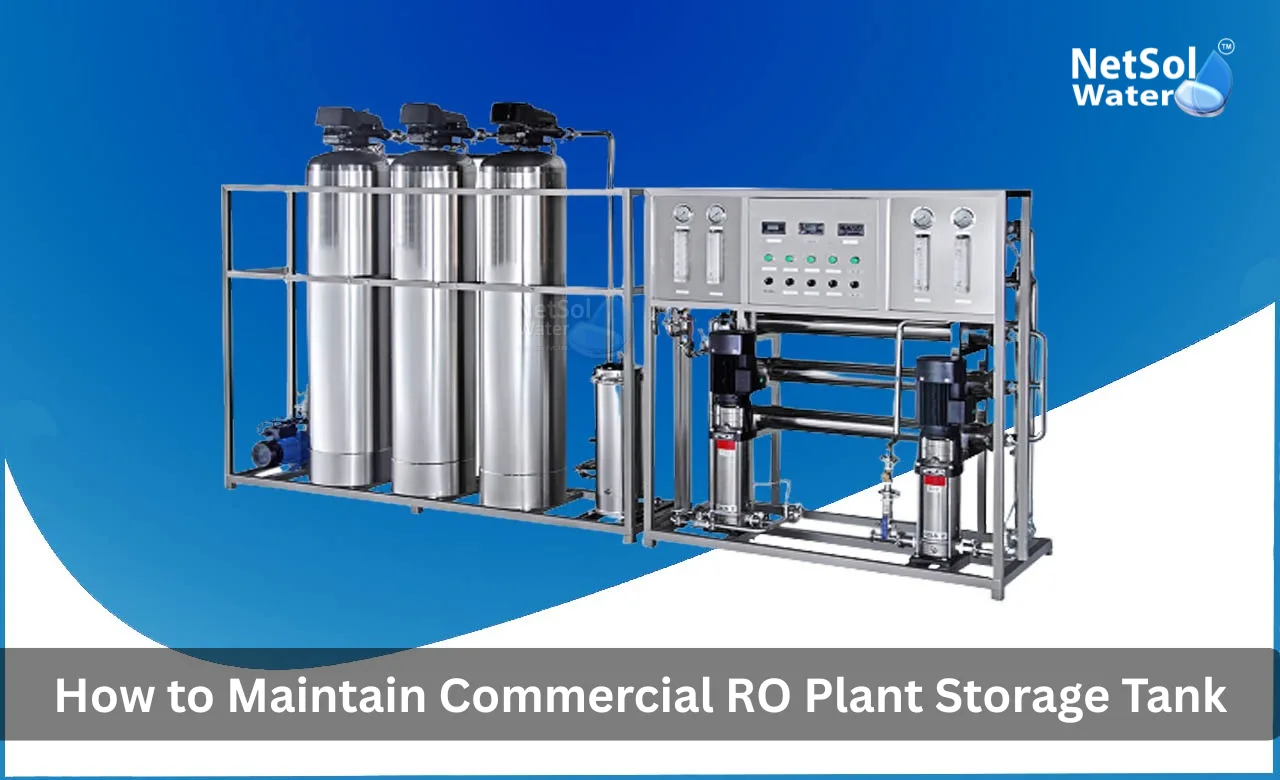
How to Maintain Commercial RO Plant Storage Tank?
A storage tank may look like a simple part of a water system, but it plays a major role in daily water supply. In a commercial setup, clean water must stay safe from dust, algae, and unwanted smell. That is why tank care should never be ignored. A well-maintained tank helps the whole RO plant work better and keeps the water fresh for long use. It also supports smooth supply in hotels, factories, offices, hospitals, and other commercial spaces where water demand stays high all day.
We, as a trusted commercial RO plant manufacturer, understands that strong plant performance depends on every part, and the storage tank is one of the most important parts. Good maintenance reduces repair needs, improves hygiene, and keeps water ready for use whenever people need it. When the tank stays clean and well checked, the whole plant gives better results and users get safe water.
Why Storage Tank Care Matters in a Commercial RO System
The storage tank is more than a water-holding space. It acts as a buffer between water production and water use. When the tank stays in good condition, it protects water quality and supports steady supply during busy hours. This is why tank care deserves full attention.
1. Keeping Water Fresh and Safe
Water can lose quality if the tank allows dirt, algae, or bacteria to grow inside it. Even treated water can become unsafe if the tank stays dirty for too long. A clean tank protects the water after purification and before final use. This is very important in commercial spaces where many people depend on the same water source every day. Regular care helps stop bad smell, color change, and unwanted deposits. It also protects the taste of water and keeps the system healthy for longer use.
2. Supporting Better Plant Performance
A tank that works well helps the RO system perform in a steady way. When the storage tank gets blocked or polluted, the full plant may face pressure issues and uneven water flow. That can affect daily work in the building or unit. Proper care reduces this risk and helps the system run in a smoother manner. A strong maintenance routine also supports the work of a Commercial RO Plant Manufacturer because the design performs best when the tank stays clean and protected. This connection between tank condition and plant output should always stay clear in the mind of the user.
How to Clean the Storage Tank Properly
Cleaning is one of the most important parts of tank care. A storage tank must never stay dirty for long because dirt can settle at the bottom and grow over time. Clean water needs a clean container. Let us have a look at some simple but important cleaning steps that help maintain the tank in the right way.
1. Drain the Tank Fully Before Cleaning
The first step is to empty the tank completely. This removes the standing water and gives full access for cleaning. After draining the tank, the inside surface should be checked for dust, sludge, or visible growth. A proper drain makes the rest of the cleaning process easier and more effective. It also helps the user notice any hidden damage such as cracks, loose joints, or rust marks. When the tank is fully empty, the cleaning team can reach every corner and work in a careful way.
2. Scrub the Inner Surface with a Safe Cleaning Method
After draining the tank, the inside walls should be scrubbed with a safe cleaning agent. The goal is to remove dirt, film, and any sign of growth without harming the tank material. A soft brush or suitable cleaning pad works better than a hard tool because it avoids surface damage. The cleaning process should cover the floor, sides, lid, and outlet area. After scrubbing, the tank should be rinsed well so no cleaning material remains inside. A final rinse with clean water helps restore freshness and makes the tank ready for use again.
3. Sanitize the Tank Before Refilling
Cleaning alone is not enough. The tank also needs proper sanitizing to control germs that may still remain on the surface. A suitable disinfecting solution should be used as per tank material and plant need. After that, the tank should be rinsed again to remove leftover traces. This step is very useful in commercial plants because many users depend on the same water. A sanitized tank improves safety and gives peace of mind to the building manager or plant operator. A Commercial RO Plant Manufacturer often recommends regular sanitizing because it keeps the system in better condition for the long term.
How to Prevent Algae, Sediment, and Contamination
Even a clean tank can face trouble if it is not protected from outside factors. Sunlight, dust, and open contact can lead to algae growth, sediment, and contamination. This is why prevention matters as much as cleaning. Let us have a look at some methods that help protect the tank from these common issues.
1. Keep the Tank Covered and Sealed
A tight lid or cover blocks dust, insects, and other unwanted matter from entering the tank. It also helps reduce sunlight exposure, which can support algae growth. In commercial spaces, the tank should always stay sealed in a proper way. A loose cover can create a small gap that allows contamination over time. The lid should fit well, and the inlet and outlet points should also stay protected. Good sealing keeps the stored water safer and lowers the need for repeated emergency cleaning.
2. Control Sunlight and Heat Around the Tank
Direct sunlight can raise the chance of algae growth inside the tank. Heat can also affect water quality and create a better space for unwanted growth. That is why the tank should stay in a shaded area whenever possible. If the tank is placed outdoors, then proper insulation or covering can help reduce this issue. The area around the tank should also remain clean and dry. When the surrounding space stays neat, the tank faces less external pressure and the water stays protected for a longer time.
3. Check Water Inlet and Outlet Lines
Contamination can enter through pipes and fittings if they are damaged or loose. So the inlet and outlet lines should be checked often. Small leaks may let dust or dirty water come into the system. That can affect the whole tank even if the inner body is clean. Proper inspection of pipes, valves, and joints helps stop this problem early. Good pipe care is part of full tank care. It supports the work of the complete plant and reduces the chance of water quality issues later.
How to Inspect and Maintain Tank Parts Regularly
Regular inspection keeps small problems from turning into big ones. A storage tank works best when the operator checks it often and fixes issues early. This habit saves money, time, and water loss. Let us have a look at some inspection steps that should become part of the routine.
1. Watch for Cracks, Leaks, and Surface Damage
The tank body should be checked for cracks, leak marks, rust, or weakened joints. Even a small crack can become a larger issue if ignored. Leaks waste water and may damage the surrounding area. Surface damage can also allow dirt to enter the tank. Regular visual inspection helps find these issues before they grow worse. The operator should check the tank from inside and outside whenever possible. This simple habit supports safer operation and longer tank life.
2. Check Float Valve, Sensor, and Fittings
Many commercial tanks use float valves, level sensors, and other fittings to manage water flow. These parts must work properly, or the tank may overflow, run dry, or stop filling at the right time. A faulty valve can also waste water and affect the stability of the RO plant. These components should move smoothly and respond correctly. If any part shows wear or delay, then it should be repaired or replaced quickly. This type of care helps maintain the full system and keeps daily use steady.
3. Keep a Simple Maintenance Schedule
A routine schedule makes tank care easy and reliable. The operator can note cleaning dates, inspection dates, and repair work in a simple record. This helps track changes and avoid missed maintenance. When the schedule stays consistent, the tank remains in better shape and the plant gives more dependable service. A professional commercial RO plant manufacturer often advises regular checks because planned care works better than emergency repair. Over time, this habit improves efficiency and supports long-term water safety.
Read some interesting information for the Effluent Treatment Plant Manufacturer in Noida
Conclusion
A clean and well-maintained storage tank protects water quality and supports smooth plant operation. It helps commercial users get safe water with less trouble and fewer repair issues. Regular cleaning, proper sealing, and timely inspection all work together to keep the tank in good condition. Good maintenance also protects the full RO plant and improves daily performance in commercial spaces.
Netsol Water, as a leading Commercial RO Plant Manufacturer, can help businesses choose better systems and follow the right care practices for long-lasting results. For more information or to request a consultation, get in touch with our team and keep your water system in strong working condition.
Contact Netsol Water at:
Phone: +91-9650608473
Email: enquiry@netsolwater.com