Effluent Treatment Plant Manufacturer - Sewage Treatment Plant Manufacturers

What-are-the-Applications-of-Commercial-Water-Softeners-6.webp

September 25, 2026by Netsol Water

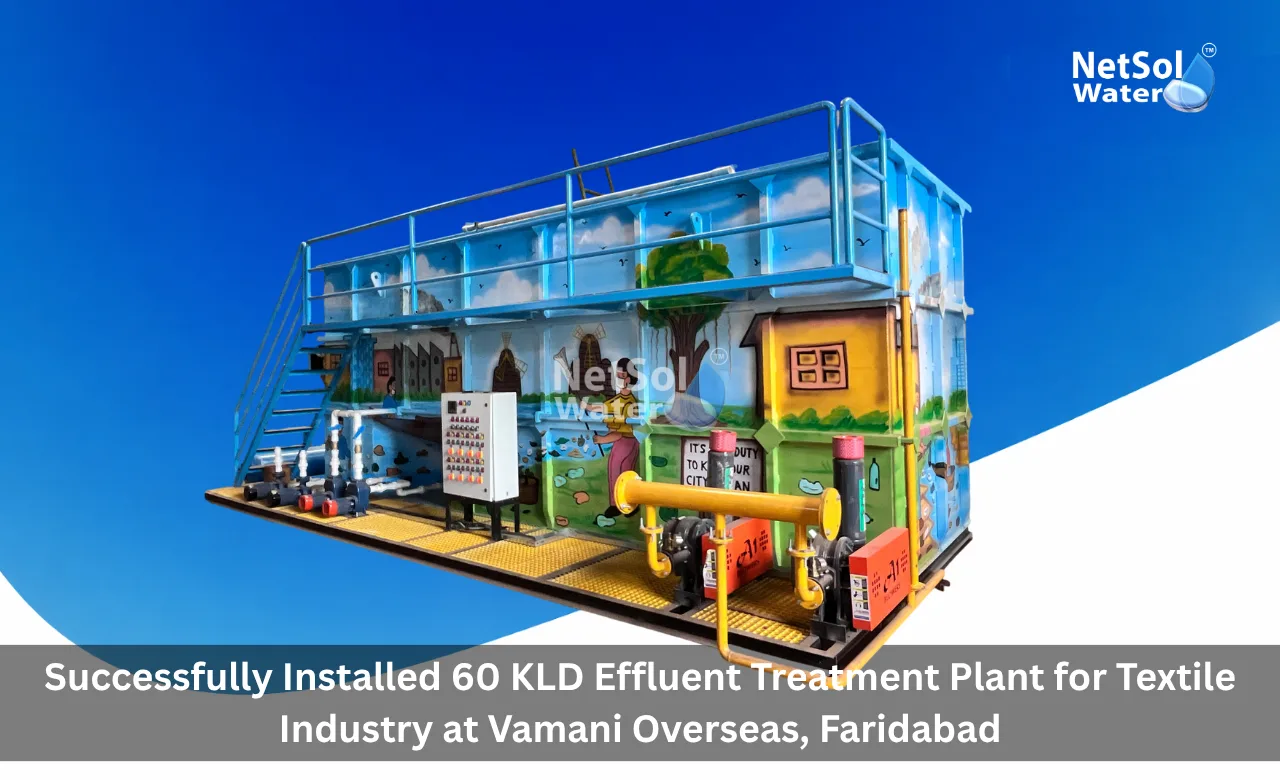
Successfully Installed 60 KLD Effluent Treatment Plant for Textile Industry at Vamani Overseas, Faridabad

Industrial garment and textile operations generate wastewater that requires controlled collection and treatment before the water can be discharged or considered for reuse. For a manufacturing facility, an effluent treatment system needs to match the expected wastewater load while maintaining a treatment process that operators can manage on a regular basis. This requirement formed the basis of the 60 KLD MBR Effluent Treatment Plant project completed at Vamani Overseas in Faridabad, Haryana.

Vamani Overseas operates in the garment and apparel manufacturing sector and has its facility in Sector 24, Faridabad. The company has manufacturing capabilities covering apparel production and garment washing. Its operating activities create a need for systematic wastewater management at the facility.

The project involved the engineering and installation of a 60 KLD Effluent Treatment Plant based on Membrane Bioreactor technology. Netsol Water handled the process design, engineering, supply, installation and commissioning of the treatment system. The selected MBR configuration combines biological treatment with membrane filtration. This arrangement allows the plant to retain biomass inside the biological system while producing treated water through membrane separation.

As a leading effluent treatment plant manufacturer in Faridabad, Netsol Water developed the project around the client’s identified treatment requirement and installed the system at the operating facility.

Project Snapshot

Parameter Details
Client Vamani Overseas Pvt. Ltd.
Location Sector 24, Faridabad, Haryana
Plant Capacity 60 KLD
Technology Membrane Bioreactor (MBR)
Industry Served Textile & Garment / Apparel Manufacturing
Scope of Work Process design, engineering, equipment supply, installation, testing and commissioning
Executed By Netsol Water

Project Overview

A properly planned industrial wastewater treatment project begins with a clear understanding of the wastewater source, expected flow and operational conditions. The 60 KLD installation at Vamani Overseas was developed to provide a dedicated treatment system for the wastewater generated by the client’s garment and apparel manufacturing operations. The project records identify the installation as a 60 KLD MBR ETP Plant designed for industrial wastewater treatment.

The client’s main requirement was to establish a treatment plant capable of handling the identified daily wastewater load. The design also needed to address practical requirements associated with an operating industrial facility. The project identifies three important considerations behind the selected configuration: biological treatment of biodegradable organic matter, consistent treated-water quality through membrane filtration and a relatively compact treatment footprint.

The scope covered more than simply supplying treatment equipment. Netsol Water was responsible for process design and engineering followed by equipment supply, installation and commissioning. The project therefore covered the major stages required to move from an identified wastewater treatment requirement to an operating treatment system.

The selection of Membrane Bioreactor technology gave the project a treatment arrangement in which biological treatment and membrane separation work together. This is particularly useful where a facility requires consistent solids separation and wants to make effective use of the available treatment area. With the basic project requirement established, the next aspect to consider is the client and the industrial setting in which the plant operates.

Client Details

Vamani Overseas Pvt. Ltd. is a garment and apparel manufacturing company based in the National Capital Region. It was established in 2008 and specializes in soft woven products for women, men and children. The company is an Indian manufacturer serving apparel markets and reports manufacturing and supply operations supported by multiple production facilities.

The company’s published capabilities also include garment washing along with apparel manufacturing and embroidery. It has manufacturing capacity of more than 1.4 million pieces and a garment washing capacity of 1.2 million pieces per month.

For an apparel manufacturing facility, wastewater management forms an important part of daily plant operations. The company’s sustainability reporting also states that it monitors wastewater parameters including pH, hardness, TDS and other ZDHC parameters through third-party laboratory testing. Its published sustainability information further states that wastewater treated through its ETP is considered for reuse, recycling in applications such as washing or irrigation, or discharge subject to the relevant requirements.

The 60 KLD ETP project fits into this wider requirement for systematic wastewater management. Instead of allowing treatment to remain a general operational concern, the project provides a defined treatment capacity and a dedicated MBR-based process. This gives the facility a structured system for handling the wastewater stream associated with the project.

Client Profile at a Glance

Attribute Details
Company Vamani Overseas Pvt. Ltd.
Sector Garment & Apparel Manufacturing
Established 2008
Specialization Soft woven products for women, men and children
Manufacturing Capacity 1.4+ million pieces per month
Garment Washing Capacity 1.2 million pieces per month
Facility Location Sector 24, Faridabad
Monitored Parameters pH, hardness, TDS and other ZDHC parameters

Project Location

Project location plays an important role in industrial water treatment because the treatment plant must operate within the physical and operational conditions of the facility. Space availability, wastewater collection points, access for equipment installation and connection with existing services all influence how a treatment plant can be integrated into an industrial site.

The 60 KLD plant was installed at Vamani Overseas in Faridabad, Haryana. The company’s official contact information places its Faridabad facility in Sector 24. The industrial setting made it necessary to consider the treatment system as part of an active manufacturing facility rather than as an isolated installation. The project therefore required a suitable process configuration along with practical installation and connection work. The MBR arrangement also offered a treatment configuration that could provide membrane-based solids separation without depending on a conventional secondary clarifier.

Plant Capacity

Plant capacity determines the quantity of wastewater that the treatment system is designed to handle within a daily operating cycle. Selecting the correct capacity helps the treatment process remain aligned with the expected wastewater flow. A capacity that does not correspond to the intended requirement can create operational pressure or leave treatment infrastructure underused.

For the Vamani Overseas project, the confirmed installed capacity was 60 KLD, meaning 60 kilolitres per day. The capacity provides a defined treatment basis for the wastewater stream covered by the project. It also allows the biological and membrane stages to be designed around a specific hydraulic load. Equipment such as pumps, blowers, biological tanks and membrane systems must work together around this design capacity so that water moves through the treatment sequence at the required rate.

The 60 KLD figure should be understood as the plant’s design capacity. Industrial wastewater generation can vary with production schedules and operating activities. This makes process buffering and controlled flow management important parts of an ETP arrangement.

Treatment Technology

Technology selection determines how wastewater moves from the incoming effluent condition toward the required treated-water quality. Different industrial applications require different combinations of biological, physical and chemical treatment. In this project, the documented treatment technology was Membrane Bioreactor (MBR) technology.

The MBR system combines biological treatment with membrane filtration. A conventional biological treatment system generally uses a secondary clarifier to separate treated water from biological solids. An MBR system performs this separation with membrane modules. The membrane retains suspended solids and biomass while allowing treated water to pass through as permeate.

1. Biological Treatment

The biological stage forms the core treatment function for biodegradable organic matter. Microorganisms use the biodegradable material present in the wastewater as part of their biological activity. The treatment environment needs appropriate operating conditions so that the microbial population can process the organic load entering the reactor.

The MBR approach allows the biological biomass to remain inside the treatment system while the membrane performs the separation. This distinction allows the biological process and solids separation process to operate together without depending on the settling characteristics required by a conventional clarifier.

2. Membrane Filtration

The membrane stage provides a physical separation barrier. Water passes through the membrane while suspended solids and biological biomass remain within the biological system. This produces treated permeate with low suspended solids and low turbidity under suitable operating conditions.

The project source identifies the MBR system as an important part of achieving consistent treated-water quality. It also notes that the system can provide a more compact footprint than a conventional clarifier-based treatment arrangement of similar capacity.

3. Air Supply and Membrane Operation

The membrane system requires controlled air supply around the membrane surface. Fine-bubble air helps support the biological process and provides membrane scouring that limits the accumulation of material on the membrane surface. This makes the blower system an important part of MBR operation.

Together, biological treatment and membrane filtration provide the main treatment basis for the installed plant. The process can then deliver treated water to the collection stage for further handling according to the intended application.

Influent Characteristics

Understanding influent quality helps an engineering team establish the treatment conditions required for an industrial wastewater system. Flow alone does not define the treatment requirement. Parameters such as organic load, suspended solids, pH, dissolved substances and other contaminants can influence process selection and operating conditions.

For textile and garment-related wastewater, engineers normally review parameters relevant to the actual wastewater source before finalizing the treatment arrangement. Depending on the operations involved, these may include pH, BOD, COD, TSS, colour, oil and grease, hardness, TDS and other parameters that the client or regulatory framework may require.

This distinction is important because actual wastewater characteristics can vary according to production activity and operating conditions. The wastewater profile identified during site assessment and laboratory testing normally provides the basis for process design. Vamani’s sustainability reporting confirms that the company monitors wastewater parameters including pH, hardness and TDS through third-party laboratory testing.

Treatment Process

An industrial ETP works effectively when every treatment stage prepares the wastewater for the stage that follows. The process starts with controlled wastewater collection and continues through physical preparation, biological treatment, membrane filtration and treated-water collection. Each stage addresses a different part of the wastewater treatment requirement.

1. Effluent Collection

Wastewater from the facility first enters the collection arrangement. This stage brings the wastewater generated by the relevant operations together so that it can move toward the treatment plant in a controlled manner. Controlled collection also helps prevent untreated wastewater from entering downstream systems without passing through the intended treatment sequence.

2. Preliminary Treatment

The incoming wastewater undergoes preliminary treatment before it reaches the biological and membrane stages. Screening can remove coarse solids and textile-related fibres that could otherwise affect pumps and membrane equipment. This initial separation protects downstream components and prepares the wastewater for further treatment.

Preliminary treatment has an important role in an MBR system because membrane modules require suitable feed conditions. Large fibres and coarse materials must not enter the membrane section without appropriate removal.

3. Equalization

Wastewater flow and characteristics can change during daily manufacturing activities. Equalization provides a buffer between wastewater collection and biological treatment. The wastewater remains in the equalization stage so that the downstream biological process receives a more controlled flow.

This step also reduces the effect of sudden changes in hydraulic or organic loading. A controlled feed helps maintain more stable treatment conditions and allows the biological system to respond to the wastewater in a planned manner.

4. Biological Treatment

After equalization, the wastewater enters biological treatment. Microorganisms present in the reactor break down biodegradable organic matter under controlled conditions. The biological stage forms the main treatment mechanism for reducing the biodegradable component of the wastewater.

The MBR configuration allows the system to maintain biological solids within the reactor. This provides the basis for the membrane separation stage that follows.

5. MBR Membrane Separation

The biologically treated mixed liquor moves into the MBR membrane section. Submerged membrane modules separate treated water from the retained biomass. The membrane allows permeate to pass while retaining suspended solids and microorganisms within the treatment system.

Air supplied around the membrane modules supports biological activity and helps reduce fouling on the membrane surface. The resulting permeate then moves toward the treated-water collection stage.

6. Treated Water Collection

The filtered water is collected in a treated-water tank. The final use or discharge route depends on the facility’s requirements and applicable conditions. Vamani’s ETP wastewater can be used for reuse or recycling in applications such as washing or irrigation or may be discharged subject to applicable requirements.

7. Sludge Management

Biological treatment produces excess biomass. Operators need to remove this excess sludge from time to time so that the biological process remains within its intended operating conditions. Sludge handling therefore forms part of routine ETP management even though the primary treatment objective remains the production of treated water.

The completed treatment sequence creates a controlled path from raw industrial wastewater to treated water. It also ensures that the membrane system receives wastewater that has already passed through the stages designed to protect its operation.

Treatment Process at a Glance

Stage Function
Effluent Collection Brings facility wastewater together in a controlled manner before treatment
Preliminary Treatment Screens coarse solids and fibres to protect pumps and membranes
Equalization Buffers flow and load variations before biological treatment
Biological Treatment Microorganisms break down biodegradable organic matter
MBR Membrane Separation Membrane modules separate treated permeate from biomass
Treated Water Collection Filtered water collected for reuse, recycling or discharge
Sludge Management Excess biomass removed to maintain biological process conditions

Major Equipment

Equipment selection has a direct influence on how a treatment plant operates. Every pump, tank, blower, membrane module and control component performs a particular function in the process sequence. For an MBR ETP, the equipment must also work together because biological treatment and membrane filtration form an integrated system.

1. Equalization System

The equalization arrangement provides temporary storage and flow balancing before biological treatment. It helps manage variations in wastewater generation and reduces sudden changes in the hydraulic load sent toward the treatment process.

2. Biological Reactor

The biological reactor provides the environment in which microorganisms treat biodegradable organic matter. Its operation depends on controlled wastewater flow and suitable aeration conditions. The biological reactor works directly with the membrane section because the treated biomass remains within the MBR process rather than being separated through a conventional secondary clarifier.

3. MBR Membrane Modules

The membrane modules form the central filtration component of the system. They separate treated water from the biological mixed liquor. Their physical barrier retains suspended solids and biomass while treated permeate passes through.

4. Air Blowers and Diffusers

Air blowers provide the required air supply to the biological process and membrane zone. Fine-bubble diffusers distribute air into the system. The air supply also supports membrane surface scouring as part of routine membrane operation.

5. Pumps

Pumps move wastewater, treated water and other process streams between different stages of the treatment plant. Proper pump selection supports controlled movement through the process sequence and helps maintain the intended plant flow.

6. Treated Water Tank

The treated-water tank receives permeate produced by the membrane system. It provides a controlled collection point before the water moves toward its intended reuse, recycling or discharge route.

7. Control and Monitoring System

An ETP also requires operational controls that allow operators to monitor the treatment process and manage equipment according to operating requirements. The control arrangement provides a central point for running pumps, blowers and related equipment while supporting routine plant operation.

The equipment therefore works as an integrated treatment system rather than as separate components. This relationship becomes especially important during installation and commissioning.

Major Equipment Summary

Equipment Function
Equalization System Temporary storage and flow balancing before biological treatment
Biological Reactor Environment for microorganisms to treat organic matter
MBR Membrane Modules Separate treated water from biological mixed liquor
Air Blowers & Diffusers Supply air for biological activity and membrane scouring
Pumps Move wastewater and treated water between treatment stages
Treated Water Tank Collects permeate before reuse, recycling or discharge
Control & Monitoring System Central point for operating and monitoring the plant

Installation Process

Installation requires careful planning because an ETP must fit into the available site while connecting correctly with wastewater collection, power, piping and other services. A planned installation also reduces the risk of connection errors and helps the commissioning team begin testing without unnecessary delays.

The project began with site assessment and planning at the Vamani Overseas facility in Faridabad. The installation team considered the available space and the practical requirements associated with connecting the new plant with the site’s wastewater collection system.

After the site requirements were established, Netsol Water developed the 60 KLD MBR process configuration. The design brought together equalization, biological treatment, membrane filtration, air supply and treated-water collection in a coordinated treatment sequence.

The next stage involved equipment engineering and supply. The major process components were prepared for installation according to the defined 60 KLD treatment requirement. Equipment delivery then supported the physical installation at the operating facility.

Mechanical installation connected the treatment units with the required piping and process lines. Pumps and associated equipment were positioned so that wastewater could move from one treatment stage to the next. The electrical installation connected the operating equipment with the plant controls and power supply.

Special attention was required around the membrane system because the MBR process depends on correct hydraulic and air connections. The blower system also needed connection with the membrane and biological stages so that the required aeration and membrane scouring could take place.

Once the mechanical, piping and electrical work was completed, the system moved toward testing and commissioning. This created a controlled transition from physical installation to active wastewater treatment.

Plant Commissioning

Commissioning verifies that a treatment plant is ready for regular operation. Commissioning brings the separate components together and provides an opportunity to check the complete process sequence.

After installation, the Netsol Water team carried out testing and commissioning of the 60 KLD MBR ETP Plant. The documented project information states that commissioning included establishing the biological process, bringing the membrane system into operation and verifying the treatment sequence before handover.

The commissioning stage required the team to check equipment operation and ensure that water could move through the process as designed. Pumps needed to operate at the required stages. The blowers had to provide air to the biological and membrane sections. The membrane system needed to produce permeate while retaining the biological solids.

The team also checked the interaction between the different process units. A treatment plant can only perform as intended when individual components work together. For this reason, commissioning covered more than equipment startup.

Operator guidance formed another part of the project handover. The client operating personnel received guidance on routine monitoring and basic upkeep required for the MBR system.

Once these checks were completed, the plant could enter regular operation under the client’s operating procedures. The commissioning stage therefore marked the completion of the installation process and the transition to day-to-day treatment.

Treated Water Reuse

Treated water has greater practical value when a facility can manage it effectively after treatment. Reuse can reduce the need for fresh water in suitable applications while recycling can support better management of the site’s overall water use. The exact reuse application should always depend on treated-water quality and the requirements of the intended use.

The MBR process produces treated permeate with low suspended solids and low turbidity because the membrane physically retains biological solids. This quality makes MBR–treated water suitable for further polishing or disinfection when required for a reuse application.

Vamani Overseas‘ sustainability reporting states that treated wastewater from its ETP can be reused or recycled for activities such as washing or irrigation or managed for discharge as applicable. The report also states that the company monitors wastewater parameters through third-party laboratory testing.

This creates an important connection between treatment performance and water management. The purpose of the ETP is not limited to treating wastewater. Properly managed treated water can also become part of a more organized approach to industrial water use.


Results and Performance

Project results provide a practical indication of whether the installed system has achieved its intended purpose. For an industrial ETP, performance should be evaluated through treatment capacity, equipment operation, treated-water quality and the ability of the system to operate within the client’s daily requirements.

The completed project provided Vamani Overseas with a 60 KLD MBR-based wastewater treatment system for its Faridabad facility. The documented installation involved process design, engineering, equipment supply, installation, testing and commissioning by Netsol Water.

The MBR configuration provides physical membrane separation in addition to biological treatment. This allows the system to retain biomass inside the biological process and produce treated permeate with low suspended solids. The project documentation also identifies the compact treatment footprint as an important characteristic of the selected configuration.

The project record identifies typical treated-water assessment parameters associated with the system, including pH, BOD, COD, TSS and oil and grease. The published project material gives reference values of pH 5.5–9.0, BOD 30 mg/L, COD 250 mg/L, TSS 100 mg/L and oil and grease 10 mg/L.

Another documented result is the completion of the system through commissioning and operator guidance. The plant moved beyond equipment installation into an operational treatment arrangement that the client could manage as part of its facility activities.

The project therefore addressed the confirmed requirement for a dedicated 60 KLD industrial wastewater treatment system while introducing MBR technology for biological treatment and membrane-based separation. It also created a treated-water stream that can support reuse or discharge management according to the client’s operating and regulatory requirements.

Treated Water Quality Parameters (Reference Values)

Parameter Reference Value
pH 5.5 – 9.0
BOD 30 mg/L
COD 250 mg/L
TSS 100 mg/L
Oil & Grease 10 mg/L

Customer Feedback/Testimonial

Having a dedicated 60 KLD MBR ETP gives our Faridabad facility a defined system for managing the wastewater covered by the project. The installation combines biological treatment with membrane filtration and provides a clear treatment sequence from effluent collection to treated-water production. The completion of installation and commissioning has also given our operating team a structured system that can be monitored and maintained as part of our regular facility activities.

Read some interesting information for the Industrial RO Plant Manufacturer

Conclusion

The successful installation of the 60 KLD MBR ETP at Vamani Overseas demonstrates how an industrial wastewater treatment project can be planned around a defined treatment capacity and a specific process requirement. The project combined biological treatment with membrane filtration to provide a controlled wastewater treatment arrangement for the Faridabad facility. Netsol Water managed the project from process design and engineering through equipment supply, installation, testing and commissioning.

The selected MBR technology provides a clear treatment pathway while retaining biological solids within the process and separating treated water through membrane filtration. The system also supports the production of treated water that can be considered for reuse or recycling where the required quality and application conditions are met. Vamani Overseas‘ own sustainability reporting reflects the company’s ongoing approach to monitoring wastewater quality and managing treated wastewater through reuse, recycling or discharge.

For industrial facilities in Faridabad and other manufacturing locations, wastewater treatment requirements can differ according to production activities, wastewater characteristics, daily flow and available plant space. A suitable system therefore begins with proper wastewater assessment and process planning rather than selecting equipment based only on plant capacity.

Netsol Water brings process engineering, manufacturing, installation and commissioning experience to industrial wastewater projects. As an effluent treatment plant manufacturer in Faridabad, Netsol Water can help industries assess their wastewater treatment requirements and identify a suitable ETP configuration based on the actual application.

For information about industrial ETP solutions or to discuss a similar wastewater treatment requirement, contact Netsol Water for a project-specific consultation and treatment solution.

Contact Netsol Water

Contact Mode Details
Phone +91-9650608473
Email enquiry@netsolwater.com


What-are-the-Applications-of-Commercial-Water-Softeners-4.webp

September 19, 2026by Netsol Water

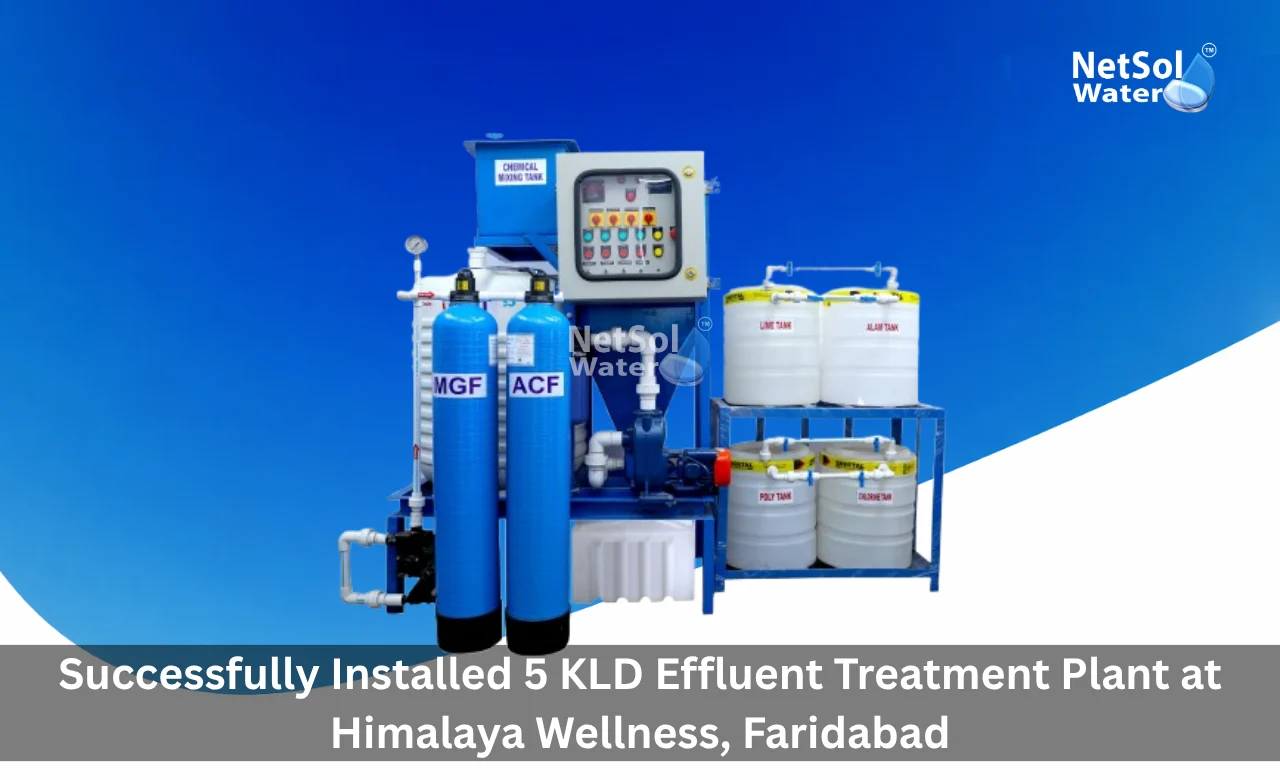
Successfully Installed 5 KLD Effluent Treatment Plant at Himalaya Wellness, Faridabad

Effective effluent management plays an important role wherever an industrial or commercial facility generates wastewater as part of its operations. Such wastewater needs suitable treatment before the facility can manage or reuse it in an appropriate manner. The right treatment solution should match the volume of effluent generated and should also fit the operational needs of the site. This project involved the successful installation of a 5 KLD Effluent Treatment Plant at Himalaya Wellness in Faridabad.

The project was undertaken to provide a suitable treatment arrangement for the client’s effluent management requirement. The installed plant offers a dedicated system for handling the specified treatment capacity and creates a structured process for managing wastewater at the facility. The work covered the installation of the treatment plant and the related activities needed to prepare the system for operation.

For the client, the project addressed an important operational need by creating a defined wastewater treatment setup. The successful completion of the installation also provided a practical foundation for proper effluent handling at the site. Netsol Water executed the project with attention to the stated plant capacity and the requirements associated with site installation.

Project Overview

A wastewater treatment project becomes effective when the treatment capacity and site requirements receive proper attention from the beginning. An ETP must suit the quantity of effluent that the facility needs to manage. It must also be installed in a manner that allows the treatment system to operate in an organised and controlled way. This project focused on meeting that requirement through the installation of a 5 KLD treatment plant at the client’s facility in Faridabad.

The client required an Effluent Treatment Plant to manage its wastewater treatment needs. The objective was to establish a treatment system with a defined capacity of 5 KLD and to complete the installation in a suitable manner at the project site. The system was intended to support proper effluent treatment as part of the facility’s wastewater management arrangement.

The project scope included the planning and installation of the treatment plant along with the site-level work required to put the system into operation. The installation had to account for equipment placement and the connection of the relevant system components. Proper coordination during these activities helped maintain a logical flow from site preparation to testing and commissioning.

The project also demonstrated the importance of selecting an appropriate treatment capacity rather than installing a system without considering the expected effluent volume. A plant that matches the intended requirement creates a more organised treatment process and helps the facility manage its wastewater through a dedicated system.

Client Details

The project was completed for Himalaya Wellness at its facility in Faridabad. A treatment system becomes necessary when a facility needs a dedicated arrangement for handling the effluent generated through its operations. Without a suitable treatment setup, wastewater management can become difficult to organise and control. An ETP provides a structured process through which the facility can handle its treatment requirement through a designated plant.

For this project, the client needed a treatment solution with a capacity aligned to the stated requirement. The 5 KLD plant provided a defined treatment scale for the site. This helped create a clear framework for the wastewater treatment process rather than leaving effluent handling dependent on an unsuitable or undefined arrangement.

The requirement also placed importance on installation quality. A treatment plant does more than bring together individual components. The equipment must occupy suitable positions and the system connections must allow the treatment process to function correctly. These factors matter because the plant must operate as a complete system after installation.

Since the project took place at a specific operating facility, location also influenced how the installation needed to be planned and executed.

Detail Information
Client Himalaya Wellness
Location Faridabad
Solution Provided 5 KLD Effluent Treatment Plant
Installed By Netsol Water


Project Location

Project location plays an important role in wastewater treatment installation because the treatment plant must fit within the available site and operate as part of the facility’s existing arrangement. The 5 KLD ETP was installed at the Himalaya Wellness facility in Faridabad. The location therefore became an important part of the installation planning and execution process.

A treatment plant placed within an operating facility needs proper attention to space, equipment positioning and system connections. The installation team must ensure that the plant can occupy the designated area and that the treatment system can connect correctly with the relevant wastewater flow and discharge or reuse arrangement. Even when the treatment capacity is fixed, the physical site can affect how the equipment is positioned and connected.

The Faridabad location also meant that the installation had to be organised around the client’s facility. The project team needed to focus on carrying out the work in a practical sequence so that the equipment could be placed correctly and the treatment system could be prepared for testing.

The treatment capacity selected for the project provides the next important point of understanding.

Plant Capacity

Plant capacity determines how much effluent a treatment system is designed to handle within a given operating period. Choosing the correct capacity helps ensure that the plant matches the intended wastewater treatment requirement. A system with an appropriate capacity provides a practical foundation for handling the expected effluent load at the facility.

For this project, the installed plant capacity was 5 KLD. KLD means kilolitres per day and is a standard unit used to express daily treatment capacity. A 5 KLD ETP therefore represents a treatment capacity of 5 kilolitres per day.

The selected capacity gave the client a defined treatment scale for its wastewater management requirement. It established the expected daily volume for which the plant was intended to provide treatment. This is important because treatment systems need a clear capacity target to support proper equipment selection and process planning.

Capacity also affects the way the treatment plant is integrated into the site. The incoming effluent flow needs to reach the treatment system in a controlled manner. The equipment and process stages must then work together to manage the wastewater volume associated with the plant design.

The 5 KLD capacity should therefore be understood as the central operating specification of the project. No additional flow rates or load values have been provided. The installation was completed according to the stated 5 KLD project requirement.

Once capacity has been established, the treatment approach becomes the next area of focus.

Parameter Specification
Installed Capacity 5 KLD (Kilolitres Per Day)
Plant Type Effluent Treatment Plant (ETP)
Project Site Himalaya Wellness, Faridabad
Design Basis Defined daily treatment scale matched to client’s requirement


Treatment Technology

The treatment technology determines how wastewater moves through the plant and how unwanted contaminants are separated or treated. A suitable ETP process normally depends on factors such as the nature of the effluent, the required treatment objective and the capacity of the plant.

1. Role of the ETP Process

An ETP works by receiving wastewater and guiding it through treatment stages that reduce or remove undesirable substances before the treated water reaches the intended next stage of use or disposal. Each stage supports the following stage by improving the condition of the water entering it.

In a properly planned plant, the process begins with the controlled entry of effluent. The system then manages the wastewater through the treatment arrangement before producing treated water and handling the resulting sludge or waste streams in the appropriate manner.

2. Technology Selection for the Project

For this installation, the most important confirmed technology fact is the use of a dedicated Effluent Treatment Plant with a 5 KLD capacity. The actual process units and their design parameters were selected as part of the project engineering work.

This distinction is important because treatment technology should always reflect the actual characteristics of the wastewater. A system designed for one type of effluent may require a different process arrangement for another type. The next section considers the quality of the incoming effluent and explains why this information matters during treatment system design.

Influent Characteristics

Understanding the incoming effluent is one of the first requirements in designing an effective treatment system. The characteristics of wastewater influence the treatment approach, equipment selection and expected plant operation. Parameters such as pH, TDS, hardness, turbidity, suspended solids, organic load, iron and microbial content may be relevant depending on the nature of the wastewater.

Importance of Incoming Water Analysis

An influent analysis helps the engineering team understand what the treatment system needs to address. Different wastewater streams can carry different physical, chemical and biological characteristics. A plant must therefore respond to the actual nature of the effluent instead of using a generic treatment assumption.

For example, turbidity and suspended matter can affect the initial treatment stages. Organic content can influence the type of biological treatment required where applicable. pH can affect chemical reactions and biological activity. Other dissolved or suspended substances may also affect downstream treatment.

Parameter Relevance to Treatment
Turbidity / Suspended Matter Can affect the initial treatment stages
Organic Content Can influence the type of biological treatment required, where applicable
pH Can affect chemical reactions and biological activity
Other Dissolved/Suspended Substances May affect downstream treatment


Treatment Process

A proper treatment sequence helps the plant manage wastewater in a controlled manner. Each treatment stage should prepare the effluent for the next stage while supporting the overall treatment objective. The complete process therefore depends on coordination between the inlet arrangement, treatment units, water movement and final treated water handling.

1. Effluent Entry and Initial Handling

The treatment process begins when the incoming effluent reaches the plant. The plant receives the wastewater through the designated inlet arrangement. At this stage, the objective is to bring the effluent into the treatment system in a controlled manner.

Initial handling is important because uncontrolled inflow can affect treatment conditions. A well-organised inlet arrangement helps direct the wastewater into the appropriate stage and maintains the intended process flow.

2. Primary Treatment

The next part of an ETP generally focuses on removing or managing larger suspended matter and other substances that can interfere with later stages. Depending on the actual system design, this may include physical separation or other preliminary treatment methods.

The role of this stage is to reduce the load placed on downstream treatment units. By preparing the wastewater before more detailed treatment begins, the process can move forward in a more controlled way.

3. Secondary or Main Treatment

After the initial stage, wastewater moves into the main treatment portion of the plant. This part of the system addresses the contaminants that require further treatment. The exact method depends on the process technology selected for the project.

Where biological treatment forms part of an ETP, microorganisms can help break down biodegradable organic matter under controlled conditions. Where physico-chemical treatment applies, treatment may use chemical reactions and separation methods to manage specific contaminants.

4. Clarification and Separation

After the main treatment stage, the water may pass through a separation stage that allows treated water to move forward while settled material is separated from the water stream. Such separation supports the production of clearer treated water and helps manage the solids generated during treatment.

The success of this stage depends on appropriate flow control and suitable process conditions. It also connects directly with sludge management because the separated solids need proper handling.

5. Final Treatment and Treated Water Collection

The final part of the process prepares the treated water for its intended use or disposal route. Depending on the system configuration, additional polishing or filtration may be included.

The treated water then moves to the designated collection or reuse arrangement. This completes the treatment journey and provides the facility with an organised method for managing the output from the ETP.

Stage Function
Effluent Entry and Initial Handling Brings incoming effluent into the treatment system in a controlled manner
Primary Treatment Removes or manages larger suspended matter to reduce downstream load
Secondary or Main Treatment Addresses contaminants requiring further treatment (biological or physico-chemical)
Clarification and Separation Separates settled material from the treated water stream
Final Treatment and Treated Water Collection Prepares treated water for its intended use or disposal route


Major Equipment

Proper equipment selection supports the reliable operation of a treatment plant because every component has a specific role in moving or treating wastewater. Equipment must also work together as part of one process. The installation therefore requires attention not only to individual components but also to their positioning and connections.

1. Treatment Units

The major treatment units form the working structure of the ETP. They receive the incoming effluent and provide the process stages needed to treat it. Their arrangement determines how wastewater moves through the plant from inlet to treated water collection.

2. Pumps and Flow Equipment

An ETP generally requires suitable pumping and flow-control arrangements to move wastewater between treatment stages. These components help maintain the required movement of water through the system.

3. Sludge Handling Components

Treatment can produce sludge that needs controlled collection and handling. A complete plant therefore requires an arrangement for managing the solids generated during treatment.

4. Control and Connection Systems

The treatment plant also needs appropriate electrical and process connections so that its components can operate together. Correct connection work helps the operator use the treatment system in an organised manner.

The confirmed equipment-related outcome is that the complete 5 KLD treatment plant was installed at the project site. The next stage explains how that installation was carried out.

Equipment Role in the System
Treatment Units Form the working structure of the ETP; provide the process stages
Pumps and Flow Equipment Move wastewater between treatment stages
Sludge Handling Components Provide controlled collection and handling of sludge
Control and Connection Systems Electrical and process connections enabling components to operate together


Installation Process

Plant installation requires careful planning because the treatment system must move from a set of individual components to a functioning process. The team needs to consider the site area, equipment placement, connections and overall process sequence before regular operation begins.

The installation process for the project centred on placing the 5 KLD ETP at the designated facility and preparing the system for commissioning. The work followed a logical progression so that each stage supported the next.

1. Site Preparation

The first requirement involved preparing the site for the treatment plant. Proper site preparation helps create the necessary working conditions for equipment placement and system assembly.

2. Equipment Placement

After the site was prepared, the treatment plant components were positioned according to the planned arrangement. Equipment placement matters because the process depends on correct flow between the various treatment stages.

The team had to ensure that the equipment occupied suitable positions within the available area. This stage also helped create a clear route for the system connections.

3. System Connections

The next stage involved connecting the relevant sections of the treatment system. Water flow connections and other required links had to be established so that the plant could operate as one integrated treatment arrangement.

Good connection work is essential because even correctly placed equipment cannot function as intended unless the process path remains properly connected. The installation team therefore worked through the system in sequence rather than treating each component as a separate installation task.

4. Final Installation Checks

Once the equipment and connections were in place, the system underwent final checks before commissioning. These checks prepared the plant for operational testing and ensured that the installed arrangement was ready for the next stage.

After installation work reached completion, the project moved into commissioning.

Plant Commissioning

Commissioning confirms whether an installed treatment plant is ready for regular operation. It allows the team to check the condition of the installed equipment and verify that the treatment system responds correctly when operated.

For the 5 KLD ETP, commissioning followed the completion of the installation work. The team checked the installed arrangement and prepared the plant for operation.

1. System Testing

During commissioning, the treatment system can be checked for correct flow movement and equipment operation. The relevant components are examined to identify issues that could affect plant performance. The system is then adjusted where necessary before normal use.

2. Operational Verification

Operational verification focuses on confirming that the plant functions in line with its intended capacity and project requirement. For this installation, the successful commissioning of the 5 KLD ETP confirmed that the installed system was ready to serve the client’s stated wastewater treatment requirement.

With commissioning completed, attention shifts to how treated water can provide value to the facility.

Treated Water Reuse

Effective wastewater management does not end when the treatment stage is completed. The treated water should move into an appropriate reuse or final management arrangement based on the facility’s needs and the applicable requirements.

A properly treated water stream can support better management of the facility’s wastewater by creating a defined output that can then be directed according to the client’s approved handling or reuse plan.

Where treated water reuse is suitable for the facility, it can help reduce the need to manage all wastewater as an untreated stream. It can also create a more organised approach to water use within the site. The exact reuse route should always follow the water quality achieved, the intended application and the relevant operating requirements.

Results and Performance

Project results help show whether an installed treatment system has addressed the requirement for which it was selected. Performance can be measured through treatment capacity, water quality data, operating stability and other verified technical parameters.

The confirmed result from this project is the successful installation of a 5 KLD Effluent Treatment Plant at the client’s Faridabad facility. The plant was installed and commissioned to support the stated wastewater treatment requirement.

1. Successful Installation

The installation met the stated project scope by providing a treatment plant with a capacity of 5 KLD. Completion of the installation also established the physical treatment infrastructure required for operation at the site.

2. Operational Readiness

The completion of commissioning added another important outcome. It confirmed that the installed system had progressed beyond equipment placement and was prepared for operational use.

Confirmed Outcome Status
Installation of 5 KLD Effluent Treatment Plant Completed
Site Preparation, Equipment Placement & Connections Completed
Plant Commissioning Completed
Water Quality/Laboratory Data Not provided — not included in this case study


Customer Feedback or Testimonial

Customer feedback provides an important view of how a completed project meets the client’s practical requirement. It can reflect the installation experience, project completion and the usefulness of the treatment system after commissioning.

Having the 5 KLD Effluent Treatment Plant installed at our facility has given us a dedicated system for managing our wastewater treatment requirement. The installation work was completed at our Faridabad facility and the plant was commissioned for operation. The project provided the treatment capacity specified for our requirement and established a proper treatment arrangement at the site.

Conclusion

A well-planned effluent treatment plant gives a facility a defined method for managing wastewater and supports better control over the treatment process. The successful installation of the 5 KLD ETP at Himalaya Wellness in Faridabad addressed the specified project requirement by providing a dedicated treatment system with a clear daily capacity.

The project also highlights the value of proper installation and commissioning. These stages help convert the treatment design into a working plant that can serve the intended wastewater management need.

Netsol Water provides wastewater treatment solutions for facilities that need dedicated treatment capacity based on their operational requirements. As an Effluent Treatment Plant Manufacturer in Faridabad, Netsol Water can support organisations with project planning, plant installation and related treatment system requirements.

Businesses looking for an Effluent Treatment Plant Manufacturer in Faridabad can discuss their wastewater volume, site conditions and treatment objectives with Netsol Water to identify a suitable solution. The right plant should always reflect the actual effluent characteristics and the intended treatment requirement.

For organisations planning a new ETP installation or looking to improve their wastewater treatment setup, professional consultation can help define the appropriate capacity and system arrangement. Contact Netsol Water to discuss your requirement and explore a suitable effluent treatment solution for your facility.

Contact Netsol Water

Contact Details
Phone +91-9650608473
Email enquiry@netsolwater.com


How-many-types-of-ETP-plants-are-there.webp

September 17, 2026by Netsol Water

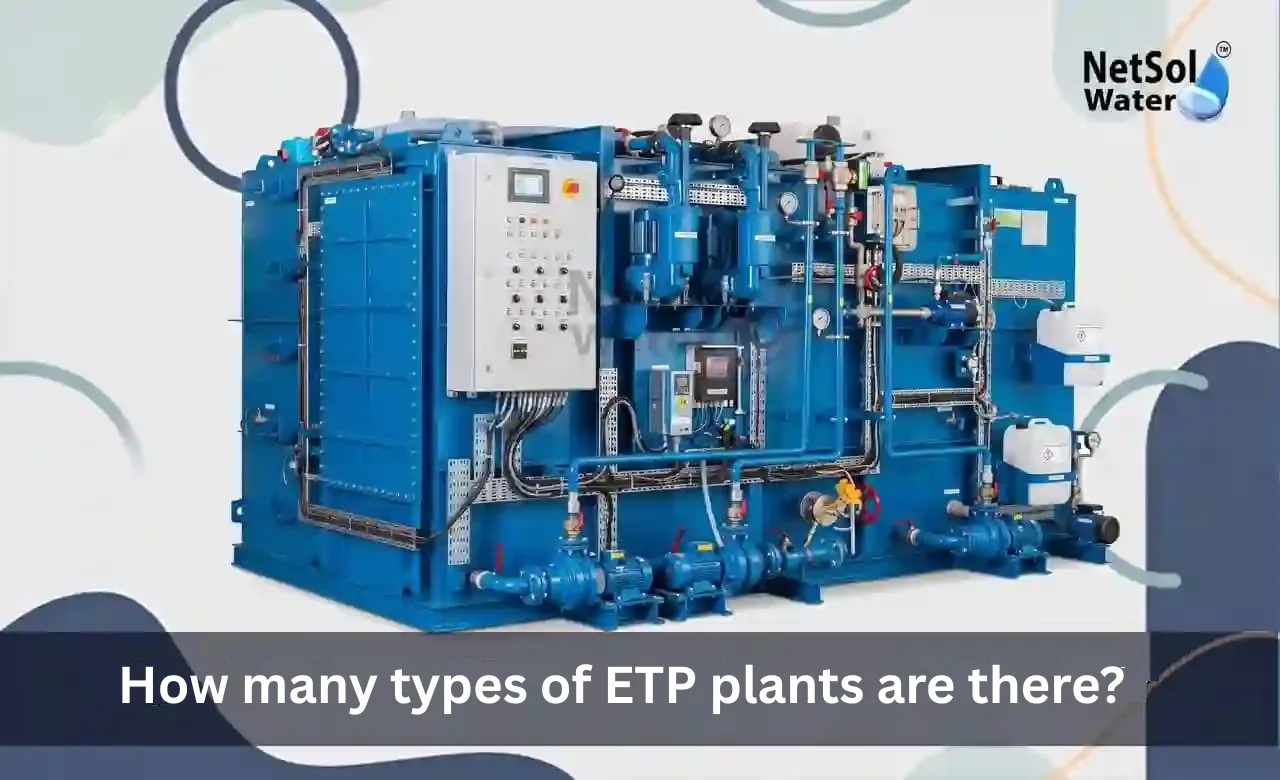
How many types of ETP plants are there?

Industries produce wastewater during different manufacturing processes. This wastewater contains harmful chemicals and other unwanted materials that cannot be released into rivers or on land without treatment. An effluent treatment plant, or ETP, cleans industrial wastewater before disposal or reuse. Different industries create different kinds of wastewater. Because of this reason, many types of ETP plants are available to meet different treatment needs.

Understanding the different types of ETP plants helps industries select the right system for better treatment and legal compliance. A properly designed plant also helps save water and protects the environment. Every industry should choose an experienced manufacturer that understands its treatment needs and provides reliable solutions. We are the leading effluent treatment plant manufacturer that offers advanced ETP plants for many industrial sectors with quality engineering and dependable support.

Why Different Types of ETP Plants Are Needed

Every industry produces wastewater with different properties. Some wastewater contains oils, while some contains chemicals, heavy metals, dyes or organic matter. Because every wastewater stream is different, one treatment method cannot solve every problem. That is why different types of ETP plants are designed for different industrial applications.

Let us have a look at some important reasons behind different types of ETP plants.

1. Nature of Industrial Wastewater

Each industry uses different raw materials and production methods. Textile industries release wastewater that contains dyes and colours, while pharmaceutical industries generate wastewater with complex chemicals. Food processing industries produce wastewater with high organic content. These differences make it necessary to use different treatment technologies.

The treatment process starts with understanding the wastewater quality. Engineers study factors such as pH, suspended solids, dissolved solids, chemical oxygen demand and biological oxygen demand. After this study, they select the most suitable treatment process. A properly selected ETP gives better treatment results and helps industries meet pollution control standards.

2. Industry Specific Treatment Requirements

Some industries require only basic treatment before disposal, while others need advanced treatment for water reuse. Industries that wish to recycle water need additional treatment units that remove dissolved impurities and improve water quality.

An experienced engineering team designs every ETP according to industry requirements. This approach improves plant performance and lowers operating costs. It also helps industries save water and support environmental protection.

Types of ETP Plants Based on Treatment Process

Many industries ask how many types of ETP plants are available. The answer depends on the treatment method and the type of wastewater. Every treatment process removes specific pollutants and works together with other stages to provide clean treated water.

Let us have a look at some common types of ETP plants based on their treatment process.

1. Physical Treatment ETP

Physical treatment is the first stage in many effluent treatment plants. This process removes large particles, floating materials, grit, sand and oil from wastewater. It uses screening, sedimentation, flotation and filtration to separate unwanted materials without using chemicals.

Physical treatment protects the equipment used in later treatment stages. It also improves the overall efficiency of the plant. Many industries include this stage because it provides an effective first level of cleaning before chemical or biological treatment begins.

2. Chemical Treatment ETP

Chemical treatment is used to remove pollutants that cannot be separated by physical processes. Chemicals are added to neutralise acids and alkalis during this process. It also decreases heavy metals, colour, suspended solids and other dissolved impurities.

Chemical treatments often involve coagulation, flocculation and neutralisation. In these processes, polluting chemicals react with other chemicals and create larger particles that settle easily. Chemical treatment is an essential part of production in the textile, chemical, electroplating and pharmaceutical industries.

3. Biological Treatment ETP

Biological treatment is a process that uses microorganisms to degrade organic pollutants in wastewater. These microorganisms eat organic matter and turn it into harmless substances. This process is effective with wastewater that has high organic content.

The most commonly used biological systems are activated sludge systems, moving bed biofilm reactors (MBBR) and sequencing batch reactors (SBR). These systems provide efficient treatment while lowering pollution levels. Biological ETP plants are widely used in the food processing, dairy, beverage and juice industries due to their high efficiency.

4. Advanced Treatment ETP

After the physical, chemical and biological treatment, advanced treatment is used to provide additional purification. This stage is used to eliminate very fine impurities such as dissolved salts and residues.

Membrane filtration, RO, activated carbon and UV disinfection are used to enhance treated water quality. Advanced treatment systems are frequently employed in water reuse systems to generate high quality water for reuse, especially in industries.

Choosing the Right ETP Plant for Your Industry

Selecting the correct ETP plant is an important business decision. The right system improves treatment efficiency, saves operating costs and supports long-term industrial growth. Every industry should understand its wastewater characteristics before selecting any treatment technology.

Let us have a look at some important factors that help industries choose the right ETP plant.

1. Wastewater Quality Assessment

The first step is analysing wastewater quality. Engineers examine chemical composition, pollutant concentration, water flow and treatment objectives. This information helps them design a plant that meets environmental regulations and operational requirements.

Without proper wastewater analysis, industries may install an unsuitable treatment system. This can increase maintenance costs and reduce treatment efficiency. Careful planning always produces better long-term results.

2. Plant Capacity and Future Expansion

Industries should consider both present and future production requirements. A plant designed only for current production may become insufficient after business expansion.

A flexible ETP design allows additional treatment units to be added later without major reconstruction. This approach saves investment and supports future growth. Proper planning also ensures smooth plant operation for many years.

3. Importance of an Experienced Manufacturer

The quality of an ETP depends not only on its design but also on the manufacturer. A skilled manufacturer studies wastewater carefully and recommends the most suitable treatment technology.

Netsol Water is the leading effluent treatment plant manufacturer that designs customised treatment systems for different industries. The company focuses on quality manufacturing, efficient operation and dependable after-sales service. Choosing an experienced effluent treatment plant manufacturer helps industries achieve better treatment performance while meeting environmental standards.

Benefits of Using the Correct Type of ETP Plant

Every industry wants an ETP that performs efficiently and delivers long-term value. Choosing the correct type of plant provides many operational and environmental advantages. A well-designed system improves water quality and supports sustainable industrial operations.

Let us have a look at some major benefits of selecting the right ETP plant.

1. Better Environmental Protection

An appropriate ETP filters pollutants out of the wastewater before it enters natural waterways. This helps to prevent contamination of rivers, lakes, groundwater and surrounding systems.

Clean discharge also helps to ensure public health and reflects good industrial practices. Properly treated wastewater can help industries maintain a good image and help them preserve the environment.

2. Lower Operating Costs and Water Reuse

Any treatment plant that is efficient must make good use of energy, chemicals and maintenance resources. If treatment technology is properly designed, it will help to reduce unnecessary operating costs and enhance plant performance.

In addition, many advanced ETP plants enable the reuse of treated water for industrial processes. Recycling water reduces the amount of freshwater used and helps industries to utilise water more efficiently. This is a way to practise sustainable manufacturing and to achieve better long-term cost savings.

Read some interesting information for the Sewage Treatment Plant Manufacturer

Conclusion

It is known that each manufacturing process generates different wastewater, and thus industries require different types of ETP plants. Each of the pollutant removal methods plays an important role in cleaning the water and improving water quality: physical, chemical, biological and advanced treatment systems. The appropriate treatment technology depends on wastewater characteristics, treatment requirements and future treatment needs.

By collaborating with a reputable effluent treatment plant manufacturer, industries can be assured of obtaining a dependable and efficient system that complies with environmental regulations. Netsol Water is the top ETP plant manufacturer that offers customised effluent treatment plant solutions for various industries. Discuss with Netsol Water the details of your new effluent treatment system, or if you wish to upgrade your existing plant, and we will be happy to give you expert advice and a free consultation for your industrial needs.

Contact Netsol Water at:

Phone: +91-9650608473

Email: enquiry@netsolwater.com


Add-a-subheading-1.webp

July 11, 2026by Netsol Water

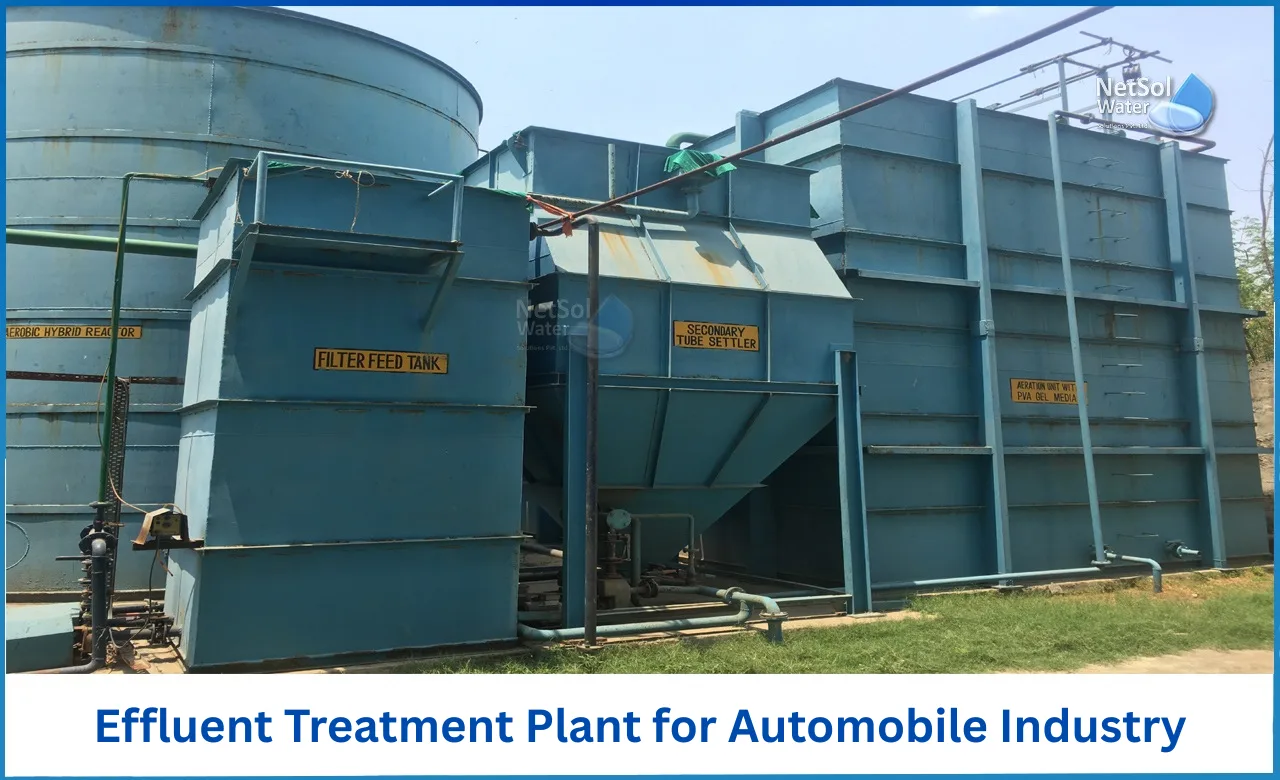
Effluent Treatment Plant for Automobile Industry

The automobile industry drives growth in many cities that are known for vehicle assembly. It supports jobs and builds strong industrial areas. At the same time, it also creates a large amount of wastewater. This water comes from metal cleaning, paint shops, floor washing, parts washing, cooling systems and other production steps. If this water goes out without treatment, it can harm soil. It can pollute water sources. And it can create long-term damage to the environment.

This is why every automobile plant needs a strong treatment system. We are the leading effluent treatment plant manufacturer and supports automobile units with systems that treat wastewater before discharge or reuse. A good plant helps the company meet rules. It also supports clean operations. In busy industrial belts where car and vehicle production stays active, the need for proper wastewater treatment becomes even more important.

Why the Automobile Industry Needs an Effluent Treatment Plant

An automobile plant uses water at many stages. It needs water for washing metal parts. It needs water in paint booths. It also needs water for cleaning machines and maintaining the work area. This water picks up oil, grease, chemical traces, paint particles and suspended solids. After use, it becomes wastewater. If the plant does not treat this water then the discharge can create serious problems.

An Effluent Treatment Plant Manufacturer designs plants that remove these harmful materials in a careful way. The treatment plant helps the industry follow pollution control rules and keep its operations safe. It also protects the land around the plant. In many automobile units, the wastewater load changes from one process to another. A good treatment system handles these changes well and gives a stable result.

1. Water Use in Vehicle Production

Automobile factories use a large amount of water in daily work. They use it for degreasing. They use it for surface cleaning. They use it in painting lines and in cooling systems. They also use it for washing floors and equipment. Each of these steps adds different types of impurities to the water. Some waste streams carry oil. Some carry heavy metals. Some carry colour and chemical residues.

This is where an ETP becomes essential. It collects the wastewater and treats it step by step. The plant does not only clean the water. It also helps the factory manage water in a better way. This supports safe production and reduces pressure on fresh water use.

2. Environmental and Legal Need

Automobile units must follow strict discharge standards. These rules exist to protect rivers, lakes and groundwater. If untreated water leaves the plant then it can create fines and legal trouble.

A well-designed system from an Effluent Treatment Plant Manufacturer helps the plant stay within limits. It gives the company a reliable way to manage wastewater. Netsol Water supports this need with solutions that match industrial use and help industries stay responsible.

Main Pollutants Found in Automobile Wastewater

Wastewater from automobile production contains many harmful materials. These pollutants come from cleaning agents, paint materials, coolants, oils and workshop operations. They can affect water quality and soil health if the plant does not remove them in time.

An Effluent Treatment Plant Manufacturer studies the wastewater carefully before planning the system. This is important because each plant may create a different waste load. Let’s have a look at some common pollutants that appear in automobile wastewater and why they matter.

1. Oil, Grease and Suspended Solids

Oil and grease often come from machine use and part washing. These materials make the water look dirty and can block pipes and filters. Suspended solids also come from dust, metal bits and paint flakes. They create cloudiness and can settle in drains and tanks.

The treatment system removes these materials through screening, oil separation and clarification. This step protects the rest of the plant and prepares the water for further treatment. When the first stage works well, the full system performs in a better way.

2. Chemicals and Heavy Metals

Paint shops and surface treatment sections often release chemical traces. Some wastewater streams may also contain heavy metals. These pollutants are harmful because they can stay in the environment for a long time. They can also make water unsafe for reuse.

The ETP uses chemical treatment and sludge removal to reduce these risks. It helps the plant bring down toxic load before final discharge. An experienced manufacturer knows how to design this part carefully so the system gives stable results.

Treatment Stages That Support Clean Operation

A proper ETP works in several stages. Each stage has a different role and each one helps remove a specific type of impurity. This layered process makes wastewater treatment effective and dependable. In automobile units where water quality changes often, this structure becomes very useful.

Let’s have a look at some of the main treatment steps used in an automobile ETP.

1. Primary Treatment

Primary treatment begins with the removal of large solids and floating matter. Screening catches bigger waste pieces. Oil traps and settling units remove heavier particles and grease. This stage protects pumps and pipelines from damage.

The first stage also reduces load on the next stages. When the plant removes solids early, it works more smoothly and uses less energy in later treatment. This gives the whole system a stronger base.

2. Secondary Treatment

Secondary treatment handles dissolved and fine organic matter. It often uses biological methods or other advanced processes based on the wastewater type. This stage helps reduce pollution level in a major way.

In automobile wastewater, the design must suit the mix of chemicals and cleaning waste. That is why a skilled manufacturer studies the plant needs before choosing the process. Netsol Water offers systems that match these needs and help industries reach better water quality.

3. Tertiary Treatment and Reuse

Tertiary treatment gives the final polish to treated water. It removes remaining impurities and improves clarity. This stage is useful when the plant wants to reuse water for washing or cooling. It also helps meet discharge standards with better confidence.

Many automobile factories now prefer reuse because it reduces water cost and supports better resource use. This makes the ETP not just a waste solution but also a value-adding system.

How the Right Manufacturer Improves Plant Performance

A treatment plant gives the best result when the design matches the actual factory need. That is why choosing the right partner matters so much. A strong Effluent Treatment Plant Manufacturer does more than supply equipment. It studies the wastewater pattern. It checks space. It looks at future expansion needs. And it gives a system that fits the plant in a practical way.

Let’s have a look at some reasons why the right manufacturer makes a clear difference.

1. Custom Design for Industry Needs

Every automobile plant has a different process flow. Some units have more paint waste. Some have more wash water. Some need higher reuse levels. A good manufacturer understands this and creates a custom plan.

This helps the plant avoid common problems like overloading and poor treatment results. It also supports smooth operation over time. A custom system is easier to manage and gives more dependable performance.

2. Support and Maintenance

An ETP needs regular care. Operators must check pumps, tanks, chemicals and sludge handling units. If one part fails then the system performance can drop. This is why after-installation support matters a lot.

Netsol Water remains a trusted Effluent Treatment Plant Manufacturer because it supports clients beyond installation. It helps them keep the plant running in a stable way. This gives peace of mind to the industry and improves long-term value.

Read some interesting information for the Effluent Treatment Plant Manufacturer in Faridabad

Conclusion

The automobile industry depends on water at many stages and it also creates wastewater that needs proper handling. A strong treatment system protects the environment, supports compliance and allows water reuse in a smart way.

A reliable manufacturer gives the right design and support for these needs. Netsol Water is the leading Effluent Treatment Plant Manufacturer and provides solutions that fit the demands of automobile plants. If you are looking for a practical wastewater treatment solution then get in touch to learn more or request a consultation today.

Contact Netsol Water at:
Phone: +91-9650608473
Email: enquiry@netsolwater.com


What-are-the-CPCB-standards-for-effluent-discharge.webp

July 10, 2026by Netsol Water

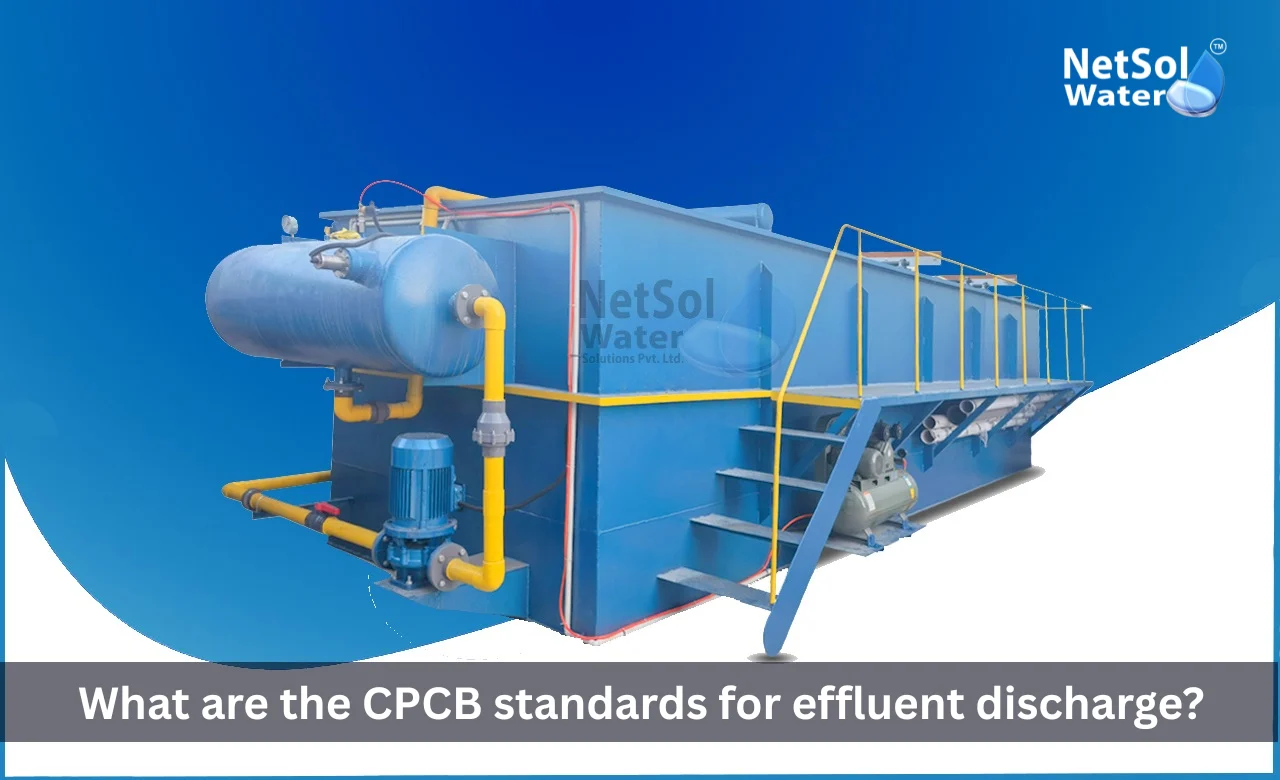
What Are the CPCB Standards for Effluent Discharge?

India has many strong industries and each one supports growth in a different way. From textile units to food plants and chemical factories, the country depends on safe industrial work to keep moving forward. At the same time, these industries produce wastewater that can harm land, water and public health if they release it without treatment.

What CPCB Standards Mean for Effluent Discharge

The CPCB sets limits for the quality of treated wastewater before an industry sends it out into a drain, sewer, land or water body. These limits help control pollution and protect nearby communities. They also create a common rule for industries across India so every plant follows the same basic environmental path.

Let’s have a look at some important parts of these standards. The first part is the type of wastewater that leaves the plant. The second part is the place where the water will go after treatment. CPCB may allow discharge into a public drain, irrigation use or surface water only if the water meets the set values.

A plant cannot treat wastewater in a random way and hope for approval. It needs a proper system that understands the nature of the effluent first. That is why the role of an experienced effluent treatment plant manufacturer becomes so important. The manufacturer studies the wastewater load and then creates a system that fits the industry process. This helps the plant meet CPCB standards in a stable way and also reduces the risk of failure during inspection.

Key Parameters That CPCB Checks

The CPCB standards focus on a few main water quality points because these points show how safe or unsafe the treated water is. Every industry should understand these values because they guide the whole treatment process. Let’s have a look at some important parameters that CPCB checks before discharge.

1. pH and Acidity Level

pH shows whether the water is too acidic or too alkaline. If the value goes too far in either direction, it can harm soil, pipes and water life. CPCB keeps the pH range within a safe limit so the discharged water does not create sudden damage in the receiving area. A treatment plant must correct pH at the right stage. This step often comes before more advanced treatment. It helps the rest of the process work better and keeps the water stable for further cleaning.

2. BOD and COD Values

BOD means biochemical oxygen demand. COD means chemical oxygen demand. These two values show how much organic and chemical waste remains in the water. High BOD and COD mean the water still carries a strong pollution load. That is why CPCB sets limits for both. Industries must reduce these values through biological and chemical treatment. When the plant designs the system well, it can break down waste more fully and release cleaner water.

3. TSS, Oil and Grease

TSS means total suspended solids. These are tiny particles that stay floating in water. Oil and grease also cause problems because they block treatment and pollute the discharge area. CPCB limits these contents because they can clog drains and affect natural water quality. A good treatment plant uses settling, filtration and separation steps to remove these materials. This makes the final water clearer and safer for release.

4. Specific Toxic Substances

Some industries generate wastewater with metals, salts, dyes or special chemicals. CPCB may ask for lower limits for these substances because even small amounts can cause harm. This is common in plating, textile, chemical and pharmaceutical units. These plants need careful testing and special treatment methods. Toxic waste does not always show itself through colour or smell. It can still create hidden damage over time. That is why regular monitoring and correct treatment become essential for compliance.

How Industries Meet CPCB Discharge Limits

Meeting CPCB standards takes more than one machine. It needs planning, testing, operation and regular checks. The treatment line must match the nature of the wastewater and the discharge goal. That is why each industry should first study its effluent profile. Once it knows the nature of the waste, it can build a treatment system that works in a steady way.

Let’s have a look at some important steps. First, the plant should collect wastewater in a proper equalization tank. This step evens out sudden changes in flow and quality. Then the system should adjust pH and remove large particles. After that, it can use biological treatment for organic waste and chemical treatment for difficult pollutants. In some cases, filtration and polishing are also needed before discharge. Each step adds to the final water quality and helps the plant meet the standard values.

A plant also needs trained operators. Even the best system can fail if no one checks it properly. Operators must watch pH levels, sludge formation and equipment health. They must also keep records of testing because CPCB inspection often depends on proof of regular control. Here, the support of a strong Effluent Treatment Plant Manufacturer becomes very useful. The manufacturer does not only supply the system. It also helps with design, installation and performance support so the plant can keep its discharge within the required limit.

Regular maintenance matters too. Pumps, blowers, filters and sensors all need attention. If one part stops working, the whole process can lose balance. Industries that plan maintenance well often save money and avoid sudden shutdowns. They also build a safer environmental record. This is one more reason why many companies work with Netsol Water when they need a practical and reliable treatment solution.

Why the Right ETP Partner Makes Compliance Easier

CPCB rules are clear but every industry faces a different wastewater problem. A food plant does not produce the same effluent as a dye unit or a metal finishing plant. So one standard system cannot work for all. This is why the choice of partner matters so much. The right treatment expert studies the wastewater source, the volume, the pollution level and the discharge point before suggesting a solution.

Let’s have a look at some reasons why this support is useful. A skilled partner helps reduce design mistakes. It also helps the plant choose the right treatment stages in the right order. This saves space, energy and operating costs. More importantly, it helps the plant stay ready for testing and compliance. When the system matches the industry need, the discharge quality becomes more stable and the risk of violation goes down.

Netsol Water is the leading effluent treatment plant manufacturer and it works with industries that need dependable effluent control. Its approach focuses on practical design and smooth operation so businesses can meet CPCB discharge norms with less stress. This matters because compliance is not only about meeting a legal rule. It also shows that the industry respects water resources and community health. When a plant invests in the right ETP, it protects its future and strengthens its reputation.

Read some interesting information for the Commercial RO Plant Manufacturer in Faridabad

Conclusion

CPCB standards for effluent discharge set the base for safe industrial water management in India. They help industries control pollution and protect the environment while continuing their work. A proper treatment system makes these standards easier to meet and keeps the plant prepared for regular checks. When an industry understands its wastewater and chooses the right solution, it can move ahead with more confidence and less risk.

If your business needs support with compliance then an experienced Effluent Treatment Plant Manufacturer can guide you in the right direction. Netsol Water can help you build a treatment system that matches your process and supports CPCB standards for effluent discharge. Contact us to discuss your project or request a consultation for the right ETP solution.

Contact Netsol Water at:
Phone: +91-9650608473
Email: enquiry@netsolwater.com


What-is-TSS-in-Effluent-Treatment-Plant.webp

June 30, 2026by Netsol Water

What is TSS in an effluent treatment plant?

Effluent from factories can carry fine solids that stay mixed in water for a long time. This is where TSS becomes important. TSS means Total Suspended Solids. It refers to tiny solid particles that float in wastewater and do not settle quickly on their own. These solids can come from soil. They can come from food waste. They can also come from chemicals and process residue from many industries.

A well-planned manufacturer can design a system that removes suspended solids in a steady and safe way. We are the leading effluent treatment plant manufacturer and helps industries handle wastewater with practical treatment solutions. When TSS stays high, it can block pipes. It can also reduce the effectiveness of later treatment steps. That is why industries need a clear plan for monitoring and removing these solids.

Why TSS Matters in Effluent Treatment

TSS plays a major role in the health of an effluent treatment plant. It may look like a small part of wastewater management, but it can still affect many other steps in the treatment process. When industries understand TSS well, they can control pollution more effectively and keep the plant running smoothly.

1. What TSS Means in Wastewater

TSS stands for Total Suspended Solids. These are solid particles that remain suspended in water instead of settling fast. They can be organic or inorganic. They may include dust. They may include silt. They may include fibers. They may also include tiny pieces of raw material from industrial work.

In an effluent treatment plant, these particles matter because they change the look and quality of water. High TSS makes water cloudy. It can also carry harmful substances with it. Some solids may hold grease or metal traces. Some may carry organic waste that adds more load on the plant.

This is why TSS is one of the first things plant operators check. It gives a quick sign of how dirty the effluent is and how hard the plant will need to work. When TSS stays under control, the rest of the treatment process becomes easier and more stable.

2. Effects of High TSS on Treatment Systems

High TSS can create many problems inside the plant. It can clog filters and reduce flow. It can add pressure on pumps and increase wear on equipment. It can also settle in tanks and form sludge faster than expected. This makes cleaning more frequent and operation more costly.

Another issue is that high TSS can reduce the effectiveness of later treatment stages. If solids remain in the water, chemical treatment may need a higher dose. Biological treatment may also face stress because the system has to handle extra load. This can slow down the entire process and reduce final water quality.

Industries that ignore TSS often face poor discharge results. They may also face higher maintenance work and more downtime. For this reason, TSS control is not just a technical step. It is a key part of safe and smooth plant operation.

How TSS Is Measured and Controlled

Measuring TSS is important because a plant cannot control what it does not track. Once the solids level is known, the team can decide on the right treatment path. Let’s look at some common ways industries measure and reduce TSS in wastewater.

1. Sampling and Testing the Effluent

TSS testing begins with a proper sample. The sample must reflect the real condition of the effluent. A lab then filters the water sample and dries the material left on the filter. The weight of that residue shows how much suspended solid the water contains.

This test gives a clear value that plant operators can compare with discharge standards. It also helps them track changes over time. If the TSS level rises, the plant may need more pre-treatment or better solid separation.

Regular testing also supports better plant control. It helps identify which process line creates more solids. It can also show when a machine or wash process is sending extra waste into the drain. This kind of tracking helps industries act early before the problem grows.

2. Treatment Methods That Reduce TSS

An effluent treatment plant uses different steps to remove suspended solids. The first step often involves screening. Screens catch large debris before it enters the main system. After that, equalization helps balance the flow and avoid sudden shocks.

Many plants then use sedimentation. In this process, heavier particles settle at the bottom of a tank. Chemicals may also help tiny particles join together and settle faster. This makes removal easier and improves water clarity.

Some plants use clarification and filtration for finer particles. These steps remove smaller solids that sedimentation cannot catch fully. In some industries, flotation methods help lift light solids to the surface for removal. The right method depends on the type of waste and the final quality needed.

A good treatment design does not depend on one method alone. It combines several steps so the plant can handle both large and fine solids in a steady way.

Role of an Effluent Treatment Plant Manufacturer

A skilled manufacturer does more than supply tanks and machines. It studies the waste stream and builds a system that fits the industry. This matters because every wastewater stream is different. Let’s look at some of the ways the right manufacturer adds value.

1. Custom Design for Different Industry Needs

Different industries produce different types of suspended solids. A textile plant may release fibers and dye particles. A food plant may release organic solids and grease. A chemical plant may produce mixed solids with stronger treatment needs.

A reliable Effluent Treatment Plant Manufacturer studies these details before design work begins. This helps create a plant that matches the load and the space available. It also helps reduce waste in design and avoid oversizing or undersizing the system.

Custom design improves treatment results and supports lower running costs. It also makes operation easier for the team on site. When the plant fits the real waste load, it works with better balance and less stress. Netsol Water is a leading Effluent Treatment Plant Manufacturer and provides solutions that suit different industrial needs with practical engineering.

2. Support for Operation and Water Quality Control

The work of a manufacturer does not end after installation. The plant also needs support during operation. This includes guidance on monitoring TSS. It includes help with chemical use. It also includes advice on sludge handling and regular cleaning.

Good support helps the plant stay efficient for a long time. It also helps the team respond when the TSS load changes. In real plant conditions, wastewater quality may shift from day to day. A strong support system helps keep treatment stable during those changes.

This is why industries often choose a manufacturer that understands both design and day-to-day use. A well-supported plant runs better and gives more consistent discharge quality. It also helps the business protect its equipment and meet compliance needs.

Read some interesting information for the Effluent Treatment Plant Manufacturer in Delhi

Conclusion

TSS is a key factor in effluent treatment because it affects water quality, plant load and final discharge results. When industries track and control suspended solids, they make the whole treatment process more reliable. They also reduce blockages, maintenance and chemical waste. A good design and a clear operation plan make a strong difference in daily performance.

Netsol Water is a leading Effluent Treatment Plant Manufacturer and helps industries build treatment plants that handle TSS in a practical way. Reach out today to learn more or request a consultation for your effluent treatment needs.

Contact Netsol Water at:
Phone: +91-9650608473
Email: enquiry@netsolwater.com


Add-a-subheading-1.webp

June 8, 2026by Netsol Water

What are the Advanced Oxidation Processes in Effluent Treatment Plants?

Industries need clean and safe water management more than ever. As factories grow and production becomes faster, the wastewater they create also becomes harder to treat. Many effluents carry dyes, oils, chemicals, and other hard-to-remove pollutants. A simple treatment method may not handle such water well. This is where advanced methods become useful. An ETP helps industries clean wastewater before discharge or reuse.

We are the leading effluent treatment plant manufacturer, and it supports industries that need better treatment solutions for complex waste streams. Advanced oxidation processes bring a strong answer for difficult pollutants and help industries protect water resources. These methods work well when normal biological treatment is not enough. They also improve water quality for reuse and reduce pollution in a practical way.

Why Advanced Oxidation Matters in Wastewater Treatment

Industrial wastewater often contains chemicals that do not break down easily. Some of them resist ordinary treatment and stay in the water for a long time. This creates a problem for industries that want safer discharge and better water recovery. Advanced oxidation processes help solve this issue by creating highly reactive agents that break tough pollutants into simpler forms.

1. Breaking Down Hard Pollutants

Advanced oxidation works because it produces hydroxyl radicals. These radicals react quickly with many types of contaminants. They attack complex molecules and turn them into smaller and safer compounds. This is useful for textile waste, pharmaceutical waste, chemical waste, and many other industrial streams. Normal treatment systems may reduce part of the pollution, but advanced oxidation can go deeper. It can help remove color and reduce chemical strength in wastewater. This leads to better final water quality and less environmental stress.

2. Supporting Other Treatment Units

These processes do not always work alone. They often support the full treatment train inside an Effluent Treatment Plant. First, the plant may remove solids and reduce basic load. Then, advanced oxidation can treat the remaining difficult compounds. After that, polishing steps can improve the water even more. This teamwork between different units gives better results than one method alone. It also helps industries treat a wider range of waste with more control and flexibility. That is why advanced oxidation has become a strong part of modern effluent treatment design.

Types of Advanced Oxidation Processes

Advanced oxidation includes several methods, and each one uses a different way to create reactive radicals. Industries choose the method based on waste type, pollutant level, and operating cost. A good system must fit the plant design and the nature of the wastewater. Let us have a look at some of the common methods used in treatment practice.

1. Ozone-Based Oxidation

Ozone is a powerful oxidizing agent. When it enters wastewater, it reacts with many organic pollutants and helps break their structure. It works well for color removal and for reducing odor in industrial effluent. Many plants use ozone when they want fast action and cleaner discharge. It can also improve the performance of later biological treatment because it makes some pollutants easier to degrade. However, the system needs proper control because ozone must be generated on site and handled carefully. Even with this need for control, it remains a strong option for many industries that need better treatment results.

2. UV and Hydrogen Peroxide

This method combines ultraviolet light with hydrogen peroxide. When UV light shines on the peroxide, it creates highly active radicals. These radicals then attack pollutants in the water. This process works well for water with dissolved organic matter and trace contaminants. It is especially useful when industries need better reduction of color and toxic residues. The process also gives good control because operators can adjust dosage and light exposure. In an Effluent Treatment Plant, this method can serve as a strong polishing stage after primary and secondary treatment. It helps raise the quality of treated water and supports reuse goals.

3. Fenton and Photo-Fenton Processes

Fenton treatment uses iron salts and hydrogen peroxide to create oxidizing radicals. It can work well for waste streams that contain high organic load or strong color. Photo-Fenton adds light to improve the reaction further. These methods are valuable for industries that face difficult wastewater and need strong chemical treatment. They can reduce pollutants that resist normal biological systems. The process does create sludge, so plant managers must plan for safe sludge handling. Even then, many industries use it because it gives strong treatment power in a practical setup.

Benefits of Using Advanced Oxidation in Effluent Treatment Plants

Advanced oxidation brings several clear benefits to industrial treatment systems. It does more than clean water. It also supports compliance, cost control, and future reuse. Industries often need a treatment system that performs well across changing wastewater loads. This is where these processes prove useful. Let us have a look at some key benefits.

1. Better Removal of Refractory Compounds

Some pollutants do not break down easily in normal systems. They may survive biological treatment and remain in discharged water. Advanced oxidation attacks those compounds directly and reduces their impact. This improves the overall treatment result and lowers the risk of poor discharge quality. It also helps industries treat mixed wastewater with more confidence. When the plant handles dyes, phenols, pharmaceuticals, or similar compounds, the benefit becomes even stronger.

2. Improved Water Reuse

Many industries now want to reuse treated water inside the plant. This helps reduce freshwater demand and lowers operating pressure on local resources. Advanced oxidation supports this goal by improving the quality of final water. When pollutants go down, the treated water becomes more suitable for washing, cooling, or other internal use. This is important in water-stressed areas where every drop matters.

3. Better Compliance and Environmental Protection

Regulatory standards continue to become stricter in many sectors. Industries must show that they manage wastewater with care and responsibility. Advanced oxidation helps them meet these demands by lowering harmful compounds before discharge. It also reduces the risk of odor, color, and toxicity in released water. This protects nearby land and water bodies. It also reduces complaints and helps build trust with communities and authorities.

How Industries Can Choose the Right Advanced Oxidation Method

No single method suits every wastewater stream. Each industry creates different pollutants, and each plant has different flow rates and budget limits. That is why the right selection matters so much. A careful study of the wastewater helps decide which process will work best.

1. Know the Wastewater Quality

The first step is to test the wastewater well. The plant team should study pH, color, COD, BOD, toxicity, and special chemical loads. This data helps identify which pollutants need stronger oxidation. For example, one waste stream may need ozone treatment while another may respond better to UV and peroxide. Without proper testing, the plant may spend too much and still get weak results. Good analysis leads to better design and better treatment output.

2. Match the Process with Plant Needs

A treatment method must fit the full plant system. It should work with existing units and should not create extra problems. Plant managers must also think about operating cost, power use, chemical use, and maintenance. Some methods need more control while others need more space or sludge handling. A proper design balances performance and cost. When industries choose with care, they get stable treatment and better long-term value.

3. Focus on Operation and Support

Even a strong system needs regular monitoring and skilled operation. Chemical dose, lamp intensity, contact time, and sludge removal all affect performance. The plant team must keep watch on these factors so the process stays effective. Training and support matter because they help staff run the unit with confidence. Good maintenance also extends equipment life and reduces downtime. This makes the treatment system more reliable over time and keeps the plant prepared for daily production loads.

Read some interesting information for the Commercial RO Plant Manufacturer in Noida

Conclusion

Advanced oxidation has changed the way industries handle difficult wastewater. It gives a practical path for breaking down tough pollutants and improving treated water quality. It also supports reuse, compliance, and environmental safety. As industries face stricter water rules, they need systems that can handle complex waste with care and consistency. A well-planned ETP that includes advanced oxidation can offer that support and create better results for both the industry and the environment. Netsol Water is a leading effluent treatment plant manufacturer, and it helps industries find suitable solutions for demanding treatment needs. For more information or to request a consultation, get in touch today and explore the right treatment option for your plant.


How-to-Reduce-Sludge-Generation-in-Effluent-Treatment-Plants.webp

May 25, 2026by Netsol Water

How to Reduce Sludge Generation in Effluent Treatment Plants?

Effluent treatment matters in every industry that uses water in its process. Many plants face the same challenge when they try to clean wastewater. They create too much sludge and then spend more time and money handling it. This problem affects plant performance and also increases disposal cost. It can also make daily operation less smooth. In many industrial areas that support textiles, chemicals, food units, and other production work, this issue has become more common because wastewater load keeps changing.

A skilled manufacturer can help industries control this problem from the start. The right plant design does not only clean water. It also helps control sludge formation in a simple and practical way. We are the leading effluent treatment plant manufacturer, and it supports businesses with better treatment systems that work with less waste. When a plant manages sludge well, it saves space, cuts cost, and improves stability.

Improve the Front End of Treatment

The first step in sludge control begins before the main treatment stage. When the plant removes more solids early, it sends less load to later stages. That leads to less sludge in the end. Let us have a look at some simple actions that can make a strong difference.

1. Use Better Screening and Settling

A good screen removes large waste before it enters the treatment tank. This step may look small but it has a strong effect on sludge load. When the plant catches fibres, plastic pieces, food waste, and other large matter early, then the rest of the system works well. Settling tanks also help by removing grit and heavy particles. These materials do not belong in biological treatment. If they stay in the flow, they add to sludge volume and make cleaning harder.

An effluent treatment plant manufacturer can design screens and settling units in the right size for the industry. That helps the plant capture more solids at the right time. When these units work well, the later process becomes more efficient. The plant also needs regular cleaning of screens and collection points. If operators ignore this work, then waste moves ahead and creates more sludge in the next stage.

2. Control Flow and Load Changes

Wastewater flow often changes during the day. Some hours bring high load while some hours bring low load. Sudden change in flow creates shock in the treatment system. That shock can increase sludge formation because microbes and chemicals react in an uneven way. A balancing tank helps manage this issue. It stores wastewater for a short time and releases it in a steady flow.

Steady flow improves treatment and helps the plant use chemicals in a better way. It also supports stable biological action. When load remains balanced, the plant avoids over-treatment and unnecessary sludge growth. Plant operators should watch inflow quality and keep the system steady as much as possible. A well-planned front end makes later treatment cleaner and easier to control.

Choose the Right Chemical Treatment

Chemical treatment plays a big role in sludge formation. This step is important because many plants add more chemicals than they need. Extra chemical use creates more sludge and increases disposal cost. So the plant must find the right balance. Let us have a look at some ways to improve chemical use without reducing water quality.

1. Select the Correct Dose

The plant should never guess the dose. It should test the wastewater and set the dose based on real need. When operators add more coagulant or flocculant than required, the extra material turns into sludge. This does not improve treatment. It only creates waste. A proper jar test can show the right amount before full-scale use. That helps the plant save cost and cut sludge volume.

An experienced effluent treatment plant manufacturer can guide the plant in choosing the right chemical system. Some wastewater streams need stronger coagulants while some need only a mild dose. The best result comes when the plant matches the chemical with the actual water condition. Regular checks also matter because wastewater quality can change from batch to batch. If the plant keeps the same dose for every load, then sludge can rise fast.

2. Keep pH and Mixing Under Control

Chemical treatment works best when pH stays in the proper range. If pH moves too far from the target, then chemicals do not work well. The plant then adds more product to fix the issue and that creates more sludge. Good mixing also matters. If the mixer is too slow, then chemicals do not spread properly. If it is too fast, then flocs break apart and the plant loses treatment quality.

A balanced system gives better floc size and easier settling. That means the plant removes solids faster and with less waste. Operators should check pH in real time when possible. They should also keep mixing time within the right limit. These simple steps help the plant reduce sludge without harming the final water quality.

Strengthen Biological Treatment

Biological treatment helps break down organic matter in wastewater. This stage is very useful because it removes pollution in a natural way. Still, it can also create extra sludge if the system runs badly. Good control here is important for both treatment quality and waste volume. Let us have a look at some ways to improve this stage.

1. Keep Microbes Healthy and Stable

Microbes do the main cleaning work in a biological tank. They need oxygen, food, and stable conditions. If the plant gives too much food at once or too little oxygen, then the system becomes unstable. That leads to poor treatment and more sludge. Old biomass also builds up when the tank does not get proper control. The plant then needs more wasting and more handling.

Operators should watch dissolved oxygen and sludge age. They should also prevent toxic shock from harsh chemicals or sudden pH changes. When the biomass stays healthy, it treats waste better and produces less excess sludge. This is one area where a good design from an effluent treatment plant manufacturer makes a real difference. The plant can then handle changing load with better control and less waste.

2. Avoid Overloading the Tank

When the biological tank receives more load than it can handle, the biomass responds by forming more solids. This makes sludge grow faster. The plant can prevent this by equalising flow and by sending wastewater at the right rate. It should also avoid dumping high-strength waste without pretreatment. Some waste streams carry oil, grease, or toxic material that harms the system. These streams should receive separate care before they enter the main tank.

The plant should monitor sludge return and waste rates too. Too much return can thicken the tank. Too little return can weaken the process. A balanced system supports stable operation and keeps sludge under control. This is one of the simplest ways to improve performance in an ETP.

Read some interesting information for the Industrial RO Plant Manufacturer

Conclusion

Lower sludge generation starts with better design and careful operation. A plant that controls solids early, uses chemicals in the right amount, keeps biology stable, and handles sludge with care will always perform better. It will also spend less on disposal and cleaning. These steps improve plant life and support smoother daily work.

If you want practical support for this work, then a trusted manufacturer can guide you with the right system and the right process plan. Netsol Water is the leading effluent treatment plant manufacturer, and it helps industries build cleaner and more efficient treatment systems. Contact us today to learn more or request a consultation for your effluent treatment needs.

Contact Netsol Water at:

Phone: +91-9650608473

Email: enquiry@netsolwater.com


Add-a-heading-1.webp

April 24, 2026by Netsol Water

What Chemicals Are Used in an ETP Plant?

Industries produce wastewater every day and this water carries dirt, oils, colour, and harmful dissolved matter. Treating this water is not only a legal need but also a safe way to protect land, water sources, and public health. That is why many companies look for the right effluent treatment plant manufacturer to build a plant that works well for their waste load. In a well-planned plant, chemicals play a major role because they help remove suspended solids, adjust pH, break down impurities, and improve water quality step by step.

Coagulants in ETP

Coagulants are among the first chemicals used in an ETP plant because they help remove fine particles that do not settle on their own. These tiny particles stay suspended in water and make the water look dirty. When a coagulant enters the system, it changes the charge on these particles. This makes them come together and form larger clumps. Once the clumps become bigger, the plant can remove them more easily through settling or filtration. Let us have a look at some common coagulants used in this stage.

1. Alum and Ferric Salts

Alum and ferric salts are widely used in wastewater treatment because they work well in many types of industrial water. Alum helps destabilise suspended solids and improves the clarity of water. Ferric chloride and ferric sulphate also work well when the effluent has colour, oil, or strong organic load. These chemicals help create heavier flocs that sink faster in the clarifier. That makes the next treatment steps easier and more effective. A skilled effluent treatment plant manufacturer selects the right dose after studying the waste sample because poor dosing can reduce performance and raise sludge volume.

2. Why Coagulation Matters

Coagulation matters because many industrial wastes carry very fine matter that simple screening cannot remove. If the plant skips this step, the later stages will struggle and the final water may still look dull or unsafe. Coagulation also supports better sludge removal because it groups impurities into larger masses. This saves time and improves plant performance. For industries that want stable output and lower treatment issues, this step becomes a strong base for the whole process.

Flocculants in ETP

Flocculants work after coagulation and help small clumps grow into larger and stronger flocs. This stage is important because the plant needs these flocs to settle well in the tank. Most flocculants are polymer-based and they link the tiny particles together. This gives the plant a faster and cleaner separation process. Let us have a look at some common flocculants and their role in ETP plants.

1. Organic Polymers

Organic polymers are often used because they support quick floc formation and improve solid removal. They may be cationic, anionic, or non-ionic depending on the wastewater quality. Anionic polymers often help with mineral solids while cationic polymers work well with organic and oily waste. The correct choice depends on the effluent and the desired settling speed. A good plant design uses trial tests so the operator can find the right type and amount. This avoids waste of chemicals and keeps treatment cost under control.

2. Role in Settling and Sludge Thickening

Flocculants do more than just form visible flocs. They also help sludge thicken and dewater better. This is useful because many plants face difficulty in handling large sludge volumes. When the sludge holds less water, it becomes easier to handle and dispose of. The final treated water also becomes clearer because fewer fine solids remain in suspension. This is one reason why an expert effluent treatment plant manufacturer always gives proper attention to the flocculation stage.

pH Adjusting Chemicals

pH control is a key part of wastewater treatment because many treatment steps work only in a certain pH range. If the water is too acidic or too alkaline, the chemicals will not work as planned. Some machines may also face corrosion or scaling if pH stays out of range for long. That is why plants use pH-adjusting chemicals to bring the water to a safe and workable level. Let us have a look at some important pH control chemicals.

1. Lime and Caustic Soda

Lime and caustic soda are common alkaline chemicals used to raise pH. Lime is often used where a slower and steadier reaction is acceptable. Caustic soda works faster and gives quick pH correction. These chemicals are useful when wastewater from industries comes with acidic nature. They also support metal removal in some treatment plants because metals often settle better at a higher pH. Careful dosing matters here because too much alkali can create new treatment problems. So the system should always use proper control and monitoring.

2. Acids for Neutralisation

Sometimes wastewater becomes too alkaline after certain process steps. In such cases, plants add acids to bring pH down. Hydrochloric acid and sulphuric acid are commonly used for this job. They help maintain balance and keep the treatment process stable. Neutral pH gives better results in coagulation, biological treatment, and discharge. This control also protects equipment and pipe life. That is why pH correction stays at the heart of a well-run ETP plant.

Biocides and Nutrients

Many industries send wastewater that contains organic matter. In such cases, biological treatment becomes useful because microbes break down the waste naturally. To support this process, some plants add biocides in controlled situations and nutrients when the wastewater lacks the right balance. This helps the biological system stay active and healthy. Let us have a look at how these chemicals support the ETP plant.

1. Nutrients for Microbial Growth

Microbes need food balance to work well. Industrial effluent may contain too much carbon and too little nitrogen or phosphorus. When that happens, the biological process slows down. So plants may add nutrients such as urea or phosphate compounds to balance the feed. This helps bacteria grow and digest organic load more effectively. A balanced biological stage improves water quality and reduces bad smell as well.

2. Biocides for Control

Biocides are used carefully in some plants to control unwanted microbial growth. Certain industrial waste streams can develop slime or harmful bacteria in storage and pipelines. In such cases, biocides help maintain process stability. They must be used with care because too much of them can also affect useful bacteria. So plant operators use them only when needed and always in a controlled dose.

Defoamers and Special Treatment Chemicals

Some effluents create foam during aeration, mixing, or chemical reaction. Foam can affect tank operation and reduce treatment efficiency. In such cases, plants use defoamers to control the foam layer and keep the system stable. Other special chemicals may also be used based on industry type and wastewater makeup.

1. Defoamers

Defoamers reduce unwanted foam that can overflow tanks and disturb oxygen transfer. They are useful in food plants, textile units, and other places where surfactants enter the waste stream. A small dose often works well and helps maintain smooth operation. This also prevents waste of energy and makes daily plant work easier.

2. Oxidising Agents and Odour Control Chemicals

Some plants use oxidising agents to break down difficult pollutants and control odour. These chemicals help in special treatment cases where normal coagulation and biological steps are not enough. They support better colour removal and reduce bad smell in the treated area. Their use depends on waste nature and plant design. A trained operator and a dependable effluent treatment plant manufacturer can decide where these chemicals fit best.

Read some interesting information for the Commercial RO Plant Manufacturer

Conclusion

The chemicals used in an ETP plant play a direct role in how well the whole system works. The right chemical choice saves time, improves output, and supports better reuse or discharge quality. It also helps industries stay compliant and protect the environment.

A trusted effluent treatment plant manufacturer can study the wastewater and design the right chemical treatment plan for each industry. Netsol Water is the leading ETP Manufacturer and industries can reach out for expert guidance if they need a system that matches their waste and treatment goals.

Contact Netsol Water at:

Phone: +91-9650608473

Email: enquiry@netsolwater.com


How-much-space-is-needed-for-an-ETP-plant.webp

April 23, 2026by Netsol Water

How Much Space is Needed for an ETP Plant?

An effluent treatment plant helps industries treat wastewater in a safe and proper way. Many factories need this plant to meet legal rules and protect the environment. Before setting up the unit, one of the first questions is about space use. Space matters because it affects the plant layout, cost, and future growth. A small site may work for low-flow wastewater while a large industrial unit needs much more room for tanks, pumps, pipes, and support areas. This is why every project needs careful planning from the start. We are the leading effluent treatment plant manufacturer, and it helps industries choose the right plant based on flow type and site conditions.

Typical Space Requirements by Capacity

The size of an effluent treatment plant depends first on its treatment capacity. Capacity shows how much wastewater the plant can treat each day. A plant with lower KLD needs less land while a plant with higher KLD needs more area for tanks, equipment, and working space. This is why every effluent treatment plant manufacturer studies the daily flow before suggesting a layout. Let us have a look at some common space ranges so the size idea becomes clear.

1. Small-Scale Plants Up to 50 KLD

A small plant often needs about 500 to 1,000 square feet. This range suits compact industrial units where wastewater flow stays limited. In some very small residential or community-based settings, the need can go down to 300 to 600 square feet. These plants usually use simple and compact units that fit into a small footprint. Even then, the site should allow easy access for cleaning, inspection, and repair.

A small plant may look easy to install but it still needs proper planning so that each part works smoothly. When the layout is tight, the system becomes harder to manage. Good design keeps the plant safe and practical for daily use.

2. Medium-Scale Plants 50 to 200 KLD

A medium plant usually needs around 2,000 to 5,000 square feet. This size suits many industrial units because it gives enough room for treatment tanks, chemical dosing units, sludge handling, and service areas. As the wastewater flow increases, the plant needs wider spacing between units to support smooth movement and maintenance.

A trusted effluent treatment plant manufacturer will often suggest a layout that keeps the system compact while still giving enough working room. This balance matters because a crowded plant can create trouble in operation. Medium plants also need room for future changes. If production grows, then the site should still support extra equipment without major rebuilding.

3. Large-Scale Plants Above 200 KLD

Large plants often need 10,000 square feet or more. These plants treat high wastewater volume and use more tanks, more equipment, and more support structures. The land need rises not only because of flow but also because larger plants often include stronger treatment stages and bigger storage zones.

Industrial sites with heavy discharge must prepare for this from the beginning. When an industry works with an experienced effluent treatment plant manufacturer, it can plan a layout that saves land without affecting performance. A large site must stay flexible because expansion often comes later as production grows.

Factors Influencing Footprint

Capacity gives the base size but it does not tell the full story. Many other points shape the final footprint of an effluent treatment plant. Technology selection, treatment steps, safety distance, and future growth all play an important role. This is why two plants with the same KLD can still need different land areas. Let us have a look at some of the main factors that change the space need.

1. Technology Type

The treatment technology has a major effect on land use. Modern package plants and modular systems can fit into smaller spaces because they use compact tanks and smart layouts. These systems are useful where land is limited.

Conventional treatment systems may need more area because they use larger settling tanks, aeration units, and sometimes lagoons. Such systems spread out more and take more land. An industry should choose the technology after studying wastewater quality, available land, and operating needs. A skilled effluent treatment plant manufacturer can compare different options and suggest the one that matches the site. The right choice saves land and also supports better operation.

2. Treatment Stages

The number of treatment stages also changes the plant size. Basic systems need a simpler layout while advanced systems require more units. If an industry adds tertiary treatment such as RO (Reverse Osmosis) or UV disinfection, then the plant needs more space for extra equipment and supporting pipes.

Advanced biological systems also need room for reactors and control units. Each added stage makes the layout longer and more detailed. This is why industries should think not only about present discharge but also about future treatment goals. A good layout keeps each stage connected in a clean and simple flow. That helps operators work with less confusion and better control.

3. Buffer Zones

A plant should not stand too close to homes or other sensitive areas. Safe distance helps reduce odour, noise, and safety problems. Planning should include a buffer zone of about 150 feet between the plant and nearby residential areas. This space supports better comfort for people around the site and also gives the plant room for safe operation.

Buffer space may not always look like active plant area but it still matters a lot in the total land plan. Many projects fail because they ignore this point at the start. A responsible effluent treatment plant manufacturer always checks the site position before final design. That step helps avoid trouble during installation and later operation.

4. Future Expansion

Industries often grow with time and wastewater volume may rise with production. Because of that, it is wise to keep extra space in the beginning. Many planners add about 20 to 30 percent more area as a buffer for future growth or equipment upgrades. This simple step saves money and time later because the plant can expand without major changes.

If the site has no spare area, then even a small change can become difficult and costly. Future expansion planning also helps an industry stay ready for new rules and new treatment needs. A flexible site always works better in the long run. That is why a careful effluent treatment plant manufacturer does not design only for today. It also keeps tomorrow in mind.

Read some interesting information for the Sewage Treatment Plant Manufacturer

Conclusion

Proper space planning decides how well an effluent treatment plant will perform for years. The right area improves operation, reduces maintenance trouble, and supports future growth. Every industry should study wastewater flow, technology choice, safety distance, and expansion needs before finalizing land.

Netsol Water, as a leading ETP manufacturer, helps industries choose a layout that fits both present needs and future goals. If you are planning a new plant or upgrading an existing one, then now is the right time to get expert guidance. Contact a trusted Effluent Treatment Plant manufacturer today to request a consultation and find the best space plan for your project.

Contact Netsol Water at:

Phone: +91-9650608473

Email: enquiry@netsolwater.com