ETP plant - Sewage Treatment Plant Manufacturers

What-are-the-Applications-of-Commercial-Water-Softeners-4.webp

September 19, 2026by Netsol Water

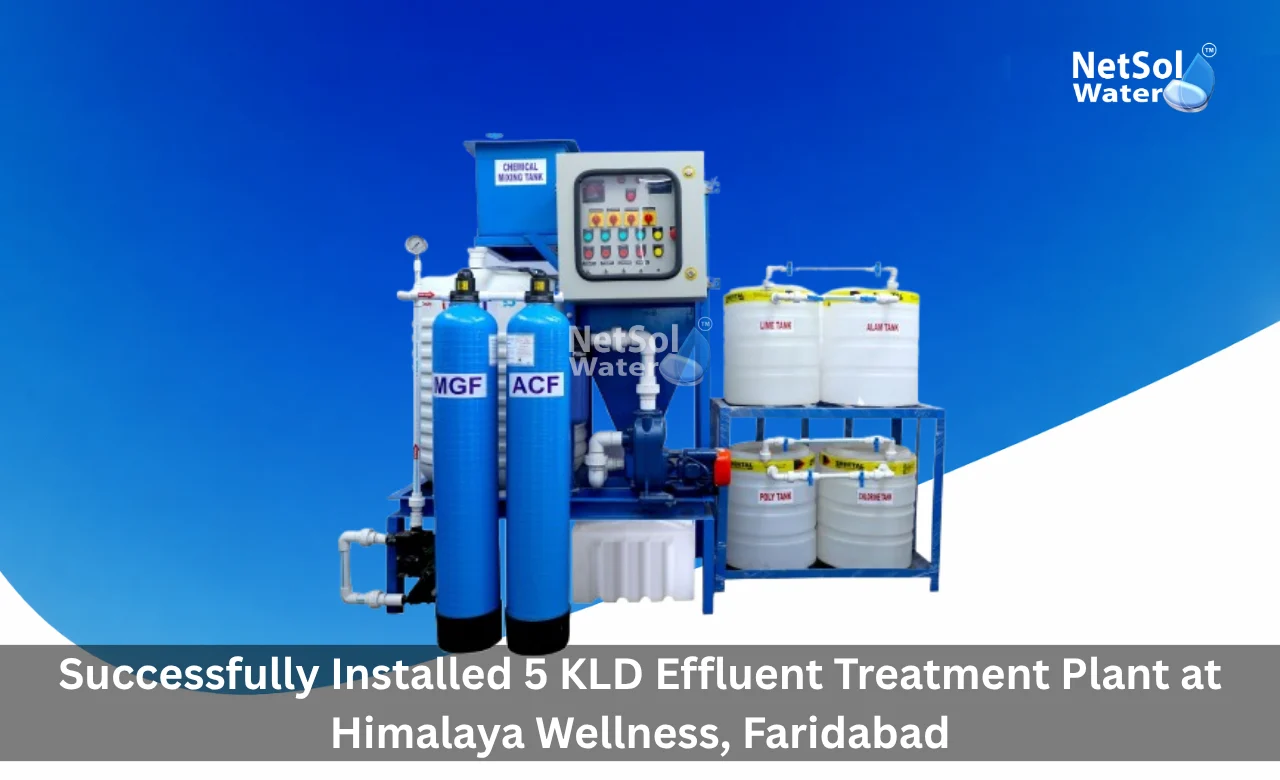
Successfully Installed 5 KLD Effluent Treatment Plant at Himalaya Wellness, Faridabad

Effective effluent management plays an important role wherever an industrial or commercial facility generates wastewater as part of its operations. Such wastewater needs suitable treatment before the facility can manage or reuse it in an appropriate manner. The right treatment solution should match the volume of effluent generated and should also fit the operational needs of the site. This project involved the successful installation of a 5 KLD Effluent Treatment Plant at Himalaya Wellness in Faridabad.

The project was undertaken to provide a suitable treatment arrangement for the client’s effluent management requirement. The installed plant offers a dedicated system for handling the specified treatment capacity and creates a structured process for managing wastewater at the facility. The work covered the installation of the treatment plant and the related activities needed to prepare the system for operation.

For the client, the project addressed an important operational need by creating a defined wastewater treatment setup. The successful completion of the installation also provided a practical foundation for proper effluent handling at the site. Netsol Water executed the project with attention to the stated plant capacity and the requirements associated with site installation.

Project Overview

A wastewater treatment project becomes effective when the treatment capacity and site requirements receive proper attention from the beginning. An ETP must suit the quantity of effluent that the facility needs to manage. It must also be installed in a manner that allows the treatment system to operate in an organised and controlled way. This project focused on meeting that requirement through the installation of a 5 KLD treatment plant at the client’s facility in Faridabad.

The client required an Effluent Treatment Plant to manage its wastewater treatment needs. The objective was to establish a treatment system with a defined capacity of 5 KLD and to complete the installation in a suitable manner at the project site. The system was intended to support proper effluent treatment as part of the facility’s wastewater management arrangement.

The project scope included the planning and installation of the treatment plant along with the site-level work required to put the system into operation. The installation had to account for equipment placement and the connection of the relevant system components. Proper coordination during these activities helped maintain a logical flow from site preparation to testing and commissioning.

The project also demonstrated the importance of selecting an appropriate treatment capacity rather than installing a system without considering the expected effluent volume. A plant that matches the intended requirement creates a more organised treatment process and helps the facility manage its wastewater through a dedicated system.

Client Details

The project was completed for Himalaya Wellness at its facility in Faridabad. A treatment system becomes necessary when a facility needs a dedicated arrangement for handling the effluent generated through its operations. Without a suitable treatment setup, wastewater management can become difficult to organise and control. An ETP provides a structured process through which the facility can handle its treatment requirement through a designated plant.

For this project, the client needed a treatment solution with a capacity aligned to the stated requirement. The 5 KLD plant provided a defined treatment scale for the site. This helped create a clear framework for the wastewater treatment process rather than leaving effluent handling dependent on an unsuitable or undefined arrangement.

The requirement also placed importance on installation quality. A treatment plant does more than bring together individual components. The equipment must occupy suitable positions and the system connections must allow the treatment process to function correctly. These factors matter because the plant must operate as a complete system after installation.

Since the project took place at a specific operating facility, location also influenced how the installation needed to be planned and executed.

Detail Information
Client Himalaya Wellness
Location Faridabad
Solution Provided 5 KLD Effluent Treatment Plant
Installed By Netsol Water


Project Location

Project location plays an important role in wastewater treatment installation because the treatment plant must fit within the available site and operate as part of the facility’s existing arrangement. The 5 KLD ETP was installed at the Himalaya Wellness facility in Faridabad. The location therefore became an important part of the installation planning and execution process.

A treatment plant placed within an operating facility needs proper attention to space, equipment positioning and system connections. The installation team must ensure that the plant can occupy the designated area and that the treatment system can connect correctly with the relevant wastewater flow and discharge or reuse arrangement. Even when the treatment capacity is fixed, the physical site can affect how the equipment is positioned and connected.

The Faridabad location also meant that the installation had to be organised around the client’s facility. The project team needed to focus on carrying out the work in a practical sequence so that the equipment could be placed correctly and the treatment system could be prepared for testing.

The treatment capacity selected for the project provides the next important point of understanding.

Plant Capacity

Plant capacity determines how much effluent a treatment system is designed to handle within a given operating period. Choosing the correct capacity helps ensure that the plant matches the intended wastewater treatment requirement. A system with an appropriate capacity provides a practical foundation for handling the expected effluent load at the facility.

For this project, the installed plant capacity was 5 KLD. KLD means kilolitres per day and is a standard unit used to express daily treatment capacity. A 5 KLD ETP therefore represents a treatment capacity of 5 kilolitres per day.

The selected capacity gave the client a defined treatment scale for its wastewater management requirement. It established the expected daily volume for which the plant was intended to provide treatment. This is important because treatment systems need a clear capacity target to support proper equipment selection and process planning.

Capacity also affects the way the treatment plant is integrated into the site. The incoming effluent flow needs to reach the treatment system in a controlled manner. The equipment and process stages must then work together to manage the wastewater volume associated with the plant design.

The 5 KLD capacity should therefore be understood as the central operating specification of the project. No additional flow rates or load values have been provided. The installation was completed according to the stated 5 KLD project requirement.

Once capacity has been established, the treatment approach becomes the next area of focus.

Parameter Specification
Installed Capacity 5 KLD (Kilolitres Per Day)
Plant Type Effluent Treatment Plant (ETP)
Project Site Himalaya Wellness, Faridabad
Design Basis Defined daily treatment scale matched to client’s requirement


Treatment Technology

The treatment technology determines how wastewater moves through the plant and how unwanted contaminants are separated or treated. A suitable ETP process normally depends on factors such as the nature of the effluent, the required treatment objective and the capacity of the plant.

1. Role of the ETP Process

An ETP works by receiving wastewater and guiding it through treatment stages that reduce or remove undesirable substances before the treated water reaches the intended next stage of use or disposal. Each stage supports the following stage by improving the condition of the water entering it.

In a properly planned plant, the process begins with the controlled entry of effluent. The system then manages the wastewater through the treatment arrangement before producing treated water and handling the resulting sludge or waste streams in the appropriate manner.

2. Technology Selection for the Project

For this installation, the most important confirmed technology fact is the use of a dedicated Effluent Treatment Plant with a 5 KLD capacity. The actual process units and their design parameters were selected as part of the project engineering work.

This distinction is important because treatment technology should always reflect the actual characteristics of the wastewater. A system designed for one type of effluent may require a different process arrangement for another type. The next section considers the quality of the incoming effluent and explains why this information matters during treatment system design.

Influent Characteristics

Understanding the incoming effluent is one of the first requirements in designing an effective treatment system. The characteristics of wastewater influence the treatment approach, equipment selection and expected plant operation. Parameters such as pH, TDS, hardness, turbidity, suspended solids, organic load, iron and microbial content may be relevant depending on the nature of the wastewater.

Importance of Incoming Water Analysis

An influent analysis helps the engineering team understand what the treatment system needs to address. Different wastewater streams can carry different physical, chemical and biological characteristics. A plant must therefore respond to the actual nature of the effluent instead of using a generic treatment assumption.

For example, turbidity and suspended matter can affect the initial treatment stages. Organic content can influence the type of biological treatment required where applicable. pH can affect chemical reactions and biological activity. Other dissolved or suspended substances may also affect downstream treatment.

Parameter Relevance to Treatment
Turbidity / Suspended Matter Can affect the initial treatment stages
Organic Content Can influence the type of biological treatment required, where applicable
pH Can affect chemical reactions and biological activity
Other Dissolved/Suspended Substances May affect downstream treatment


Treatment Process

A proper treatment sequence helps the plant manage wastewater in a controlled manner. Each treatment stage should prepare the effluent for the next stage while supporting the overall treatment objective. The complete process therefore depends on coordination between the inlet arrangement, treatment units, water movement and final treated water handling.

1. Effluent Entry and Initial Handling

The treatment process begins when the incoming effluent reaches the plant. The plant receives the wastewater through the designated inlet arrangement. At this stage, the objective is to bring the effluent into the treatment system in a controlled manner.

Initial handling is important because uncontrolled inflow can affect treatment conditions. A well-organised inlet arrangement helps direct the wastewater into the appropriate stage and maintains the intended process flow.

2. Primary Treatment

The next part of an ETP generally focuses on removing or managing larger suspended matter and other substances that can interfere with later stages. Depending on the actual system design, this may include physical separation or other preliminary treatment methods.

The role of this stage is to reduce the load placed on downstream treatment units. By preparing the wastewater before more detailed treatment begins, the process can move forward in a more controlled way.

3. Secondary or Main Treatment

After the initial stage, wastewater moves into the main treatment portion of the plant. This part of the system addresses the contaminants that require further treatment. The exact method depends on the process technology selected for the project.

Where biological treatment forms part of an ETP, microorganisms can help break down biodegradable organic matter under controlled conditions. Where physico-chemical treatment applies, treatment may use chemical reactions and separation methods to manage specific contaminants.

4. Clarification and Separation

After the main treatment stage, the water may pass through a separation stage that allows treated water to move forward while settled material is separated from the water stream. Such separation supports the production of clearer treated water and helps manage the solids generated during treatment.

The success of this stage depends on appropriate flow control and suitable process conditions. It also connects directly with sludge management because the separated solids need proper handling.

5. Final Treatment and Treated Water Collection

The final part of the process prepares the treated water for its intended use or disposal route. Depending on the system configuration, additional polishing or filtration may be included.

The treated water then moves to the designated collection or reuse arrangement. This completes the treatment journey and provides the facility with an organised method for managing the output from the ETP.

Stage Function
Effluent Entry and Initial Handling Brings incoming effluent into the treatment system in a controlled manner
Primary Treatment Removes or manages larger suspended matter to reduce downstream load
Secondary or Main Treatment Addresses contaminants requiring further treatment (biological or physico-chemical)
Clarification and Separation Separates settled material from the treated water stream
Final Treatment and Treated Water Collection Prepares treated water for its intended use or disposal route


Major Equipment

Proper equipment selection supports the reliable operation of a treatment plant because every component has a specific role in moving or treating wastewater. Equipment must also work together as part of one process. The installation therefore requires attention not only to individual components but also to their positioning and connections.

1. Treatment Units

The major treatment units form the working structure of the ETP. They receive the incoming effluent and provide the process stages needed to treat it. Their arrangement determines how wastewater moves through the plant from inlet to treated water collection.

2. Pumps and Flow Equipment

An ETP generally requires suitable pumping and flow-control arrangements to move wastewater between treatment stages. These components help maintain the required movement of water through the system.

3. Sludge Handling Components

Treatment can produce sludge that needs controlled collection and handling. A complete plant therefore requires an arrangement for managing the solids generated during treatment.

4. Control and Connection Systems

The treatment plant also needs appropriate electrical and process connections so that its components can operate together. Correct connection work helps the operator use the treatment system in an organised manner.

The confirmed equipment-related outcome is that the complete 5 KLD treatment plant was installed at the project site. The next stage explains how that installation was carried out.

Equipment Role in the System
Treatment Units Form the working structure of the ETP; provide the process stages
Pumps and Flow Equipment Move wastewater between treatment stages
Sludge Handling Components Provide controlled collection and handling of sludge
Control and Connection Systems Electrical and process connections enabling components to operate together


Installation Process

Plant installation requires careful planning because the treatment system must move from a set of individual components to a functioning process. The team needs to consider the site area, equipment placement, connections and overall process sequence before regular operation begins.

The installation process for the project centred on placing the 5 KLD ETP at the designated facility and preparing the system for commissioning. The work followed a logical progression so that each stage supported the next.

1. Site Preparation

The first requirement involved preparing the site for the treatment plant. Proper site preparation helps create the necessary working conditions for equipment placement and system assembly.

2. Equipment Placement

After the site was prepared, the treatment plant components were positioned according to the planned arrangement. Equipment placement matters because the process depends on correct flow between the various treatment stages.

The team had to ensure that the equipment occupied suitable positions within the available area. This stage also helped create a clear route for the system connections.

3. System Connections

The next stage involved connecting the relevant sections of the treatment system. Water flow connections and other required links had to be established so that the plant could operate as one integrated treatment arrangement.

Good connection work is essential because even correctly placed equipment cannot function as intended unless the process path remains properly connected. The installation team therefore worked through the system in sequence rather than treating each component as a separate installation task.

4. Final Installation Checks

Once the equipment and connections were in place, the system underwent final checks before commissioning. These checks prepared the plant for operational testing and ensured that the installed arrangement was ready for the next stage.

After installation work reached completion, the project moved into commissioning.

Plant Commissioning

Commissioning confirms whether an installed treatment plant is ready for regular operation. It allows the team to check the condition of the installed equipment and verify that the treatment system responds correctly when operated.

For the 5 KLD ETP, commissioning followed the completion of the installation work. The team checked the installed arrangement and prepared the plant for operation.

1. System Testing

During commissioning, the treatment system can be checked for correct flow movement and equipment operation. The relevant components are examined to identify issues that could affect plant performance. The system is then adjusted where necessary before normal use.

2. Operational Verification

Operational verification focuses on confirming that the plant functions in line with its intended capacity and project requirement. For this installation, the successful commissioning of the 5 KLD ETP confirmed that the installed system was ready to serve the client’s stated wastewater treatment requirement.

With commissioning completed, attention shifts to how treated water can provide value to the facility.

Treated Water Reuse

Effective wastewater management does not end when the treatment stage is completed. The treated water should move into an appropriate reuse or final management arrangement based on the facility’s needs and the applicable requirements.

A properly treated water stream can support better management of the facility’s wastewater by creating a defined output that can then be directed according to the client’s approved handling or reuse plan.

Where treated water reuse is suitable for the facility, it can help reduce the need to manage all wastewater as an untreated stream. It can also create a more organised approach to water use within the site. The exact reuse route should always follow the water quality achieved, the intended application and the relevant operating requirements.

Results and Performance

Project results help show whether an installed treatment system has addressed the requirement for which it was selected. Performance can be measured through treatment capacity, water quality data, operating stability and other verified technical parameters.

The confirmed result from this project is the successful installation of a 5 KLD Effluent Treatment Plant at the client’s Faridabad facility. The plant was installed and commissioned to support the stated wastewater treatment requirement.

1. Successful Installation

The installation met the stated project scope by providing a treatment plant with a capacity of 5 KLD. Completion of the installation also established the physical treatment infrastructure required for operation at the site.

2. Operational Readiness

The completion of commissioning added another important outcome. It confirmed that the installed system had progressed beyond equipment placement and was prepared for operational use.

Confirmed Outcome Status
Installation of 5 KLD Effluent Treatment Plant Completed
Site Preparation, Equipment Placement & Connections Completed
Plant Commissioning Completed
Water Quality/Laboratory Data Not provided — not included in this case study


Customer Feedback or Testimonial

Customer feedback provides an important view of how a completed project meets the client’s practical requirement. It can reflect the installation experience, project completion and the usefulness of the treatment system after commissioning.

Having the 5 KLD Effluent Treatment Plant installed at our facility has given us a dedicated system for managing our wastewater treatment requirement. The installation work was completed at our Faridabad facility and the plant was commissioned for operation. The project provided the treatment capacity specified for our requirement and established a proper treatment arrangement at the site.

Conclusion

A well-planned effluent treatment plant gives a facility a defined method for managing wastewater and supports better control over the treatment process. The successful installation of the 5 KLD ETP at Himalaya Wellness in Faridabad addressed the specified project requirement by providing a dedicated treatment system with a clear daily capacity.

The project also highlights the value of proper installation and commissioning. These stages help convert the treatment design into a working plant that can serve the intended wastewater management need.

Netsol Water provides wastewater treatment solutions for facilities that need dedicated treatment capacity based on their operational requirements. As an Effluent Treatment Plant Manufacturer in Faridabad, Netsol Water can support organisations with project planning, plant installation and related treatment system requirements.

Businesses looking for an Effluent Treatment Plant Manufacturer in Faridabad can discuss their wastewater volume, site conditions and treatment objectives with Netsol Water to identify a suitable solution. The right plant should always reflect the actual effluent characteristics and the intended treatment requirement.

For organisations planning a new ETP installation or looking to improve their wastewater treatment setup, professional consultation can help define the appropriate capacity and system arrangement. Contact Netsol Water to discuss your requirement and explore a suitable effluent treatment solution for your facility.

Contact Netsol Water

Contact Details
Phone +91-9650608473
Email enquiry@netsolwater.com


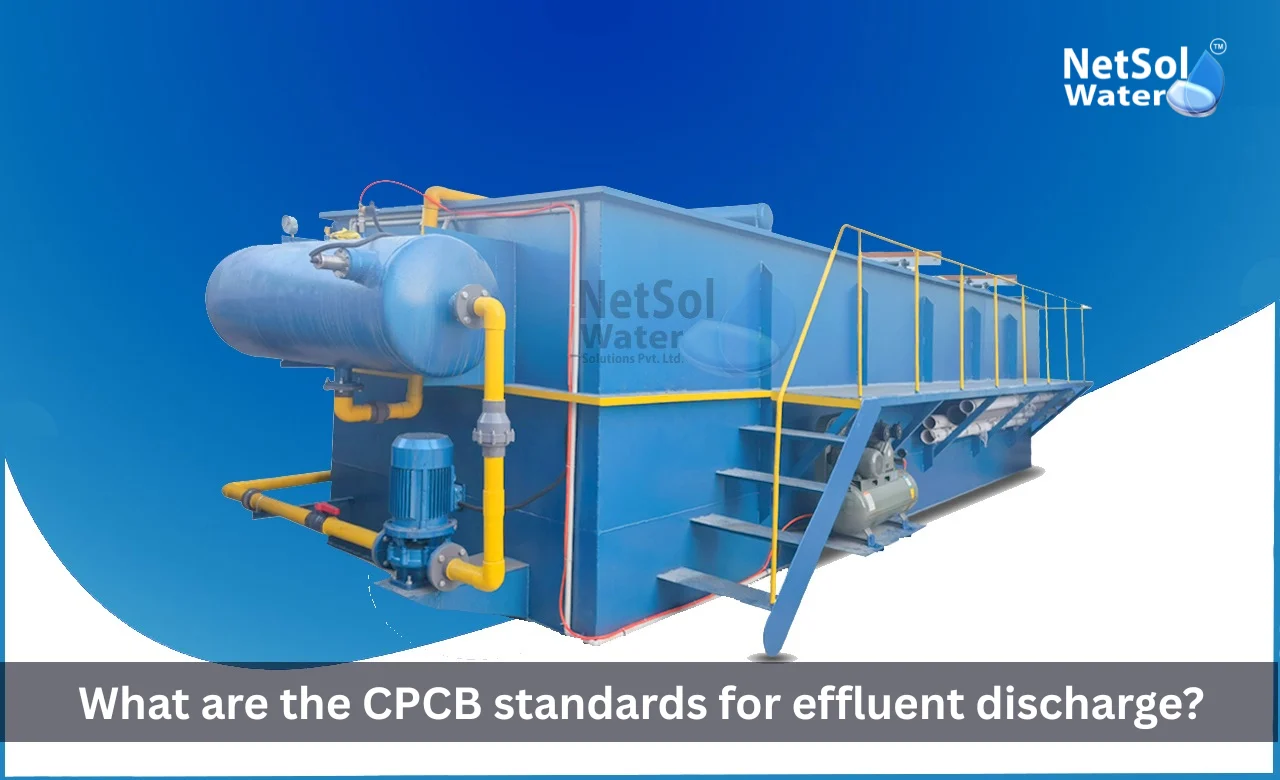
What-are-the-CPCB-standards-for-effluent-discharge.webp

July 10, 2026by Netsol Water

What Are the CPCB Standards for Effluent Discharge?

India has many strong industries and each one supports growth in a different way. From textile units to food plants and chemical factories, the country depends on safe industrial work to keep moving forward. At the same time, these industries produce wastewater that can harm land, water and public health if they release it without treatment.

What CPCB Standards Mean for Effluent Discharge

The CPCB sets limits for the quality of treated wastewater before an industry sends it out into a drain, sewer, land or water body. These limits help control pollution and protect nearby communities. They also create a common rule for industries across India so every plant follows the same basic environmental path.

Let’s have a look at some important parts of these standards. The first part is the type of wastewater that leaves the plant. The second part is the place where the water will go after treatment. CPCB may allow discharge into a public drain, irrigation use or surface water only if the water meets the set values.

A plant cannot treat wastewater in a random way and hope for approval. It needs a proper system that understands the nature of the effluent first. That is why the role of an experienced effluent treatment plant manufacturer becomes so important. The manufacturer studies the wastewater load and then creates a system that fits the industry process. This helps the plant meet CPCB standards in a stable way and also reduces the risk of failure during inspection.

Key Parameters That CPCB Checks

The CPCB standards focus on a few main water quality points because these points show how safe or unsafe the treated water is. Every industry should understand these values because they guide the whole treatment process. Let’s have a look at some important parameters that CPCB checks before discharge.

1. pH and Acidity Level

pH shows whether the water is too acidic or too alkaline. If the value goes too far in either direction, it can harm soil, pipes and water life. CPCB keeps the pH range within a safe limit so the discharged water does not create sudden damage in the receiving area. A treatment plant must correct pH at the right stage. This step often comes before more advanced treatment. It helps the rest of the process work better and keeps the water stable for further cleaning.

2. BOD and COD Values

BOD means biochemical oxygen demand. COD means chemical oxygen demand. These two values show how much organic and chemical waste remains in the water. High BOD and COD mean the water still carries a strong pollution load. That is why CPCB sets limits for both. Industries must reduce these values through biological and chemical treatment. When the plant designs the system well, it can break down waste more fully and release cleaner water.

3. TSS, Oil and Grease

TSS means total suspended solids. These are tiny particles that stay floating in water. Oil and grease also cause problems because they block treatment and pollute the discharge area. CPCB limits these contents because they can clog drains and affect natural water quality. A good treatment plant uses settling, filtration and separation steps to remove these materials. This makes the final water clearer and safer for release.

4. Specific Toxic Substances

Some industries generate wastewater with metals, salts, dyes or special chemicals. CPCB may ask for lower limits for these substances because even small amounts can cause harm. This is common in plating, textile, chemical and pharmaceutical units. These plants need careful testing and special treatment methods. Toxic waste does not always show itself through colour or smell. It can still create hidden damage over time. That is why regular monitoring and correct treatment become essential for compliance.

How Industries Meet CPCB Discharge Limits

Meeting CPCB standards takes more than one machine. It needs planning, testing, operation and regular checks. The treatment line must match the nature of the wastewater and the discharge goal. That is why each industry should first study its effluent profile. Once it knows the nature of the waste, it can build a treatment system that works in a steady way.

Let’s have a look at some important steps. First, the plant should collect wastewater in a proper equalization tank. This step evens out sudden changes in flow and quality. Then the system should adjust pH and remove large particles. After that, it can use biological treatment for organic waste and chemical treatment for difficult pollutants. In some cases, filtration and polishing are also needed before discharge. Each step adds to the final water quality and helps the plant meet the standard values.

A plant also needs trained operators. Even the best system can fail if no one checks it properly. Operators must watch pH levels, sludge formation and equipment health. They must also keep records of testing because CPCB inspection often depends on proof of regular control. Here, the support of a strong Effluent Treatment Plant Manufacturer becomes very useful. The manufacturer does not only supply the system. It also helps with design, installation and performance support so the plant can keep its discharge within the required limit.

Regular maintenance matters too. Pumps, blowers, filters and sensors all need attention. If one part stops working, the whole process can lose balance. Industries that plan maintenance well often save money and avoid sudden shutdowns. They also build a safer environmental record. This is one more reason why many companies work with Netsol Water when they need a practical and reliable treatment solution.

Why the Right ETP Partner Makes Compliance Easier

CPCB rules are clear but every industry faces a different wastewater problem. A food plant does not produce the same effluent as a dye unit or a metal finishing plant. So one standard system cannot work for all. This is why the choice of partner matters so much. The right treatment expert studies the wastewater source, the volume, the pollution level and the discharge point before suggesting a solution.

Let’s have a look at some reasons why this support is useful. A skilled partner helps reduce design mistakes. It also helps the plant choose the right treatment stages in the right order. This saves space, energy and operating costs. More importantly, it helps the plant stay ready for testing and compliance. When the system matches the industry need, the discharge quality becomes more stable and the risk of violation goes down.

Netsol Water is the leading effluent treatment plant manufacturer and it works with industries that need dependable effluent control. Its approach focuses on practical design and smooth operation so businesses can meet CPCB discharge norms with less stress. This matters because compliance is not only about meeting a legal rule. It also shows that the industry respects water resources and community health. When a plant invests in the right ETP, it protects its future and strengthens its reputation.

Read some interesting information for the Commercial RO Plant Manufacturer in Faridabad

Conclusion

CPCB standards for effluent discharge set the base for safe industrial water management in India. They help industries control pollution and protect the environment while continuing their work. A proper treatment system makes these standards easier to meet and keeps the plant prepared for regular checks. When an industry understands its wastewater and chooses the right solution, it can move ahead with more confidence and less risk.

If your business needs support with compliance then an experienced Effluent Treatment Plant Manufacturer can guide you in the right direction. Netsol Water can help you build a treatment system that matches your process and supports CPCB standards for effluent discharge. Contact us to discuss your project or request a consultation for the right ETP solution.

Contact Netsol Water at:
Phone: +91-9650608473
Email: enquiry@netsolwater.com


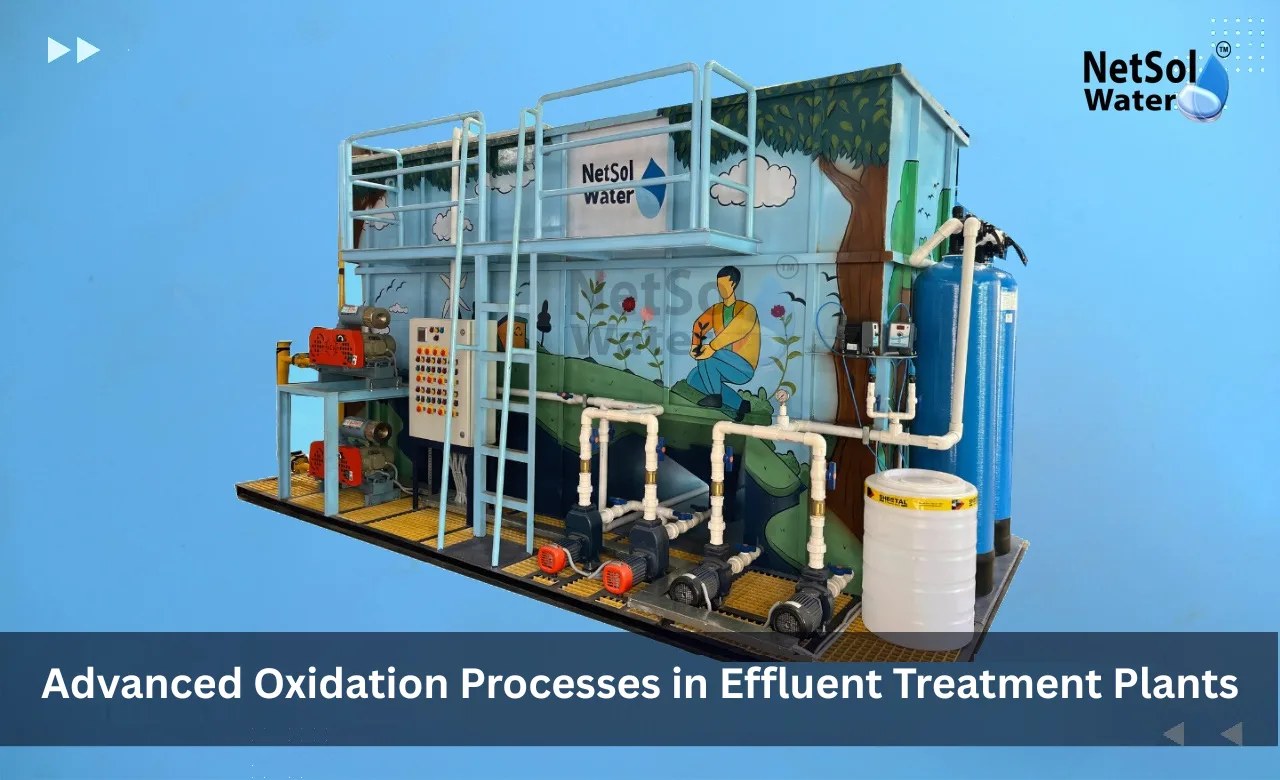
Add-a-subheading-1.webp

June 8, 2026by Netsol Water

What are the Advanced Oxidation Processes in Effluent Treatment Plants?

Industries need clean and safe water management more than ever. As factories grow and production becomes faster, the wastewater they create also becomes harder to treat. Many effluents carry dyes, oils, chemicals, and other hard-to-remove pollutants. A simple treatment method may not handle such water well. This is where advanced methods become useful. An ETP helps industries clean wastewater before discharge or reuse.

We are the leading effluent treatment plant manufacturer, and it supports industries that need better treatment solutions for complex waste streams. Advanced oxidation processes bring a strong answer for difficult pollutants and help industries protect water resources. These methods work well when normal biological treatment is not enough. They also improve water quality for reuse and reduce pollution in a practical way.

Why Advanced Oxidation Matters in Wastewater Treatment

Industrial wastewater often contains chemicals that do not break down easily. Some of them resist ordinary treatment and stay in the water for a long time. This creates a problem for industries that want safer discharge and better water recovery. Advanced oxidation processes help solve this issue by creating highly reactive agents that break tough pollutants into simpler forms.

1. Breaking Down Hard Pollutants

Advanced oxidation works because it produces hydroxyl radicals. These radicals react quickly with many types of contaminants. They attack complex molecules and turn them into smaller and safer compounds. This is useful for textile waste, pharmaceutical waste, chemical waste, and many other industrial streams. Normal treatment systems may reduce part of the pollution, but advanced oxidation can go deeper. It can help remove color and reduce chemical strength in wastewater. This leads to better final water quality and less environmental stress.

2. Supporting Other Treatment Units

These processes do not always work alone. They often support the full treatment train inside an Effluent Treatment Plant. First, the plant may remove solids and reduce basic load. Then, advanced oxidation can treat the remaining difficult compounds. After that, polishing steps can improve the water even more. This teamwork between different units gives better results than one method alone. It also helps industries treat a wider range of waste with more control and flexibility. That is why advanced oxidation has become a strong part of modern effluent treatment design.

Types of Advanced Oxidation Processes

Advanced oxidation includes several methods, and each one uses a different way to create reactive radicals. Industries choose the method based on waste type, pollutant level, and operating cost. A good system must fit the plant design and the nature of the wastewater. Let us have a look at some of the common methods used in treatment practice.

1. Ozone-Based Oxidation

Ozone is a powerful oxidizing agent. When it enters wastewater, it reacts with many organic pollutants and helps break their structure. It works well for color removal and for reducing odor in industrial effluent. Many plants use ozone when they want fast action and cleaner discharge. It can also improve the performance of later biological treatment because it makes some pollutants easier to degrade. However, the system needs proper control because ozone must be generated on site and handled carefully. Even with this need for control, it remains a strong option for many industries that need better treatment results.

2. UV and Hydrogen Peroxide

This method combines ultraviolet light with hydrogen peroxide. When UV light shines on the peroxide, it creates highly active radicals. These radicals then attack pollutants in the water. This process works well for water with dissolved organic matter and trace contaminants. It is especially useful when industries need better reduction of color and toxic residues. The process also gives good control because operators can adjust dosage and light exposure. In an Effluent Treatment Plant, this method can serve as a strong polishing stage after primary and secondary treatment. It helps raise the quality of treated water and supports reuse goals.

3. Fenton and Photo-Fenton Processes

Fenton treatment uses iron salts and hydrogen peroxide to create oxidizing radicals. It can work well for waste streams that contain high organic load or strong color. Photo-Fenton adds light to improve the reaction further. These methods are valuable for industries that face difficult wastewater and need strong chemical treatment. They can reduce pollutants that resist normal biological systems. The process does create sludge, so plant managers must plan for safe sludge handling. Even then, many industries use it because it gives strong treatment power in a practical setup.

Benefits of Using Advanced Oxidation in Effluent Treatment Plants

Advanced oxidation brings several clear benefits to industrial treatment systems. It does more than clean water. It also supports compliance, cost control, and future reuse. Industries often need a treatment system that performs well across changing wastewater loads. This is where these processes prove useful. Let us have a look at some key benefits.

1. Better Removal of Refractory Compounds

Some pollutants do not break down easily in normal systems. They may survive biological treatment and remain in discharged water. Advanced oxidation attacks those compounds directly and reduces their impact. This improves the overall treatment result and lowers the risk of poor discharge quality. It also helps industries treat mixed wastewater with more confidence. When the plant handles dyes, phenols, pharmaceuticals, or similar compounds, the benefit becomes even stronger.

2. Improved Water Reuse

Many industries now want to reuse treated water inside the plant. This helps reduce freshwater demand and lowers operating pressure on local resources. Advanced oxidation supports this goal by improving the quality of final water. When pollutants go down, the treated water becomes more suitable for washing, cooling, or other internal use. This is important in water-stressed areas where every drop matters.

3. Better Compliance and Environmental Protection

Regulatory standards continue to become stricter in many sectors. Industries must show that they manage wastewater with care and responsibility. Advanced oxidation helps them meet these demands by lowering harmful compounds before discharge. It also reduces the risk of odor, color, and toxicity in released water. This protects nearby land and water bodies. It also reduces complaints and helps build trust with communities and authorities.

How Industries Can Choose the Right Advanced Oxidation Method

No single method suits every wastewater stream. Each industry creates different pollutants, and each plant has different flow rates and budget limits. That is why the right selection matters so much. A careful study of the wastewater helps decide which process will work best.

1. Know the Wastewater Quality

The first step is to test the wastewater well. The plant team should study pH, color, COD, BOD, toxicity, and special chemical loads. This data helps identify which pollutants need stronger oxidation. For example, one waste stream may need ozone treatment while another may respond better to UV and peroxide. Without proper testing, the plant may spend too much and still get weak results. Good analysis leads to better design and better treatment output.

2. Match the Process with Plant Needs

A treatment method must fit the full plant system. It should work with existing units and should not create extra problems. Plant managers must also think about operating cost, power use, chemical use, and maintenance. Some methods need more control while others need more space or sludge handling. A proper design balances performance and cost. When industries choose with care, they get stable treatment and better long-term value.

3. Focus on Operation and Support

Even a strong system needs regular monitoring and skilled operation. Chemical dose, lamp intensity, contact time, and sludge removal all affect performance. The plant team must keep watch on these factors so the process stays effective. Training and support matter because they help staff run the unit with confidence. Good maintenance also extends equipment life and reduces downtime. This makes the treatment system more reliable over time and keeps the plant prepared for daily production loads.

Read some interesting information for the Commercial RO Plant Manufacturer in Noida

Conclusion

Advanced oxidation has changed the way industries handle difficult wastewater. It gives a practical path for breaking down tough pollutants and improving treated water quality. It also supports reuse, compliance, and environmental safety. As industries face stricter water rules, they need systems that can handle complex waste with care and consistency. A well-planned ETP that includes advanced oxidation can offer that support and create better results for both the industry and the environment. Netsol Water is a leading effluent treatment plant manufacturer, and it helps industries find suitable solutions for demanding treatment needs. For more information or to request a consultation, get in touch today and explore the right treatment option for your plant.


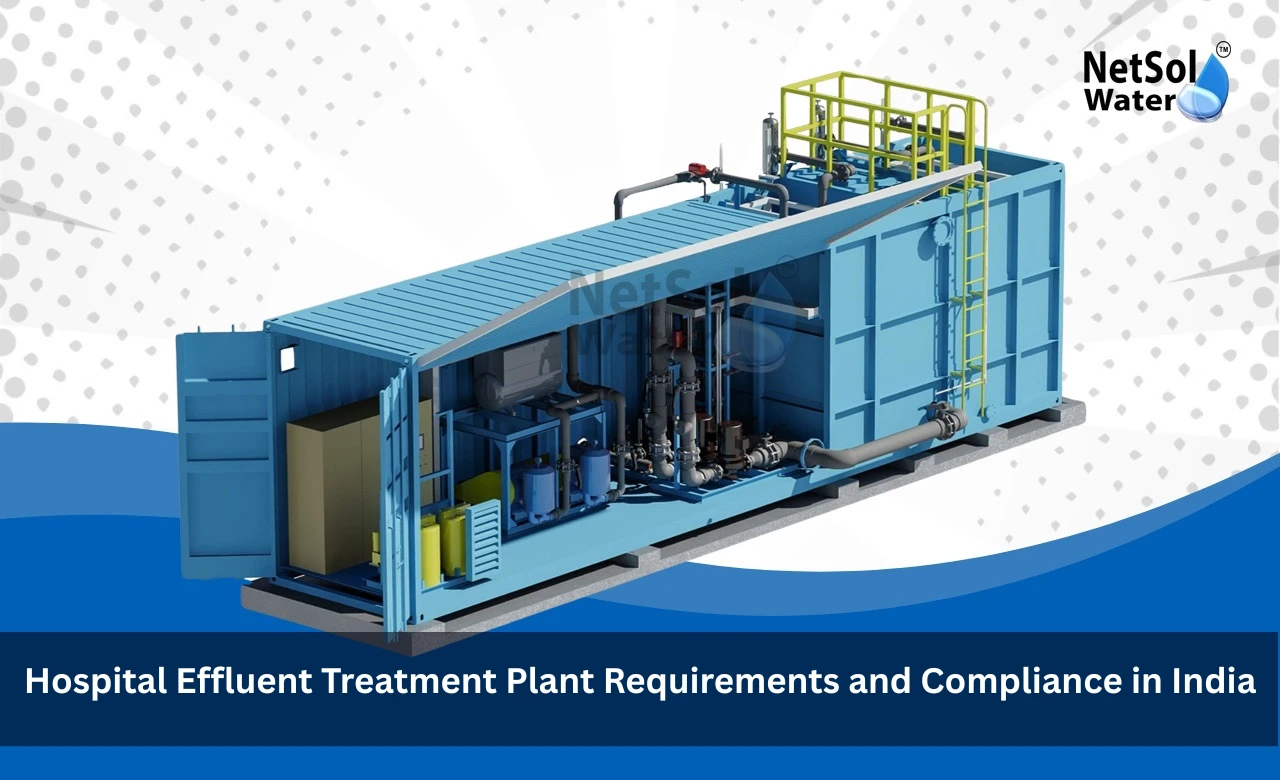
Hospital-Effluent-Treatment-Plant-Requirements-and-Compliance-in-India.webp

October 7, 2025by Netsol Water

Hospital Effluent Treatment Plant Requirements and Compliance in India

Hospitals produce water that contains medicines, germs, chemicals and organic matter. This water can harm people, animals and the environment if we do not treat it well. India has strict rules to keep hospital waste water safe before it goes into the sewer or river. Hospitals must follow these rules to protect public health and meet legal standards. Netsol Water is the leading Effluent Treatment Plant Manufacturer and it offers solutions that meet Indian rules and needs.

Compliance Requirements and Design Needs

Proper compliance and good design matter for safety and for meeting law. Hospitals must treat wastewater to reduce germs, chemicals and other dangerous matter. Good design helps the plant run well and meet discharge limits. Let us have a look on some key elements of compliance and plant design that hospitals must follow.

Regulatory Standards and Discharge Limits

Hospitals must meet standards that the central and state pollution control boards set. These standards tell limits for parameters such as biochemical oxygen demand, chemical oxygen demand, pathogens and heavy metals. Hospitals must check and meet these limits before sending water out. Designers must include processes that reduce these parameters so the treated water stays within safe limits. The treatment steps often include primary settling biological treatment and disinfection. Each step reduces a different type of contamination. Operators must test water often to make sure the plant meets the limits. The test results form the record that regulators can view. Hospitals must file these records and act quickly if any test fails.

Treatment Process and Plant Layout

A well planned plant works smoothly and uses space efficiently. The design must fit the hospital size and the type of waste water produced. Small clinics need compact units with easy cleaning and safe storage. Large hospitals need higher capacity tanks and more complex units. The layout must keep hazardous zones separate from clean areas. The equipment must be easy to inspect and repair. Designers must plan for safe handling of sludge and chemical doses. Sludge removal is part of long term performance. The plant must include emergency bypass options and alarms that warn staff of problems. Netsol Water is the leading Effluent Treatment Plant Manufacturers and it builds plants with clear layouts safe access and reliable operation so hospitals can meet rules and protect people.

Implementation, Monitoring and Maintenance

Good implementation and regular checks keep the plant effective and safe. A plant that sits idle or is poorly run will fail to meet limits and will risk health. Let us have a look on some key actions for implementation monitoring and maintenance.

Monitoring tells staff if the plant works well every day. Hospitals must measure flow, pH, BOD, COD, suspended solids and microbial counts at set times. Operators must record these readings and report them to pollution control boards when required. Regular reports show trends and help find small issues before they become big problems. Automated sensors can help with continuous monitoring. Staff must inspect instruments and calibrate them often so readings stay accurate. Good records also help when regulators visit. If a sample falls outside limits staff must follow the incident plan. They must fix the cause and report the steps taken. Clear reports help keep trust with the regulator and with the community.

Role of Manufacturer and Selection Criteria

Choosing the right manufacturer changes how well the plant performs over time. Hospitals must choose a maker who knows hospital effluent and the laws in India. Let us have a look on some features to check when choosing a manufacturer. First the manufacturer must explain how the plant meets each regulatory limit. Second the maker must provide spare parts and fast support. Third the manufacturer must train hospital staff on operation testing and emergency steps. Fourth the manufacturer must offer maintenance plans and regular visits. Netsol Water is the leading Effluent Treatment Plant Manufacturer and it works with hospitals to design install and maintain plants that meet rules.

Read some interesting information for Sewage Treatment Plant Manufacturer 

Conclusion

Choosing a reliable Effluent Treatment Plant Manufacturer helps hospitals meet limits and protect public health. Netsol Water is the leading Effluent Treatment Plant Manufacturers and it offers design installation training and support that match Indian compliance needs. For more details or for a consultation please contact Netsol Water to find a solution that fits your hospital and keeps your effluent safe.

Contact Netsol Water at:

Phone: +91-9650608473

Email: enquiry@netsolwater.com


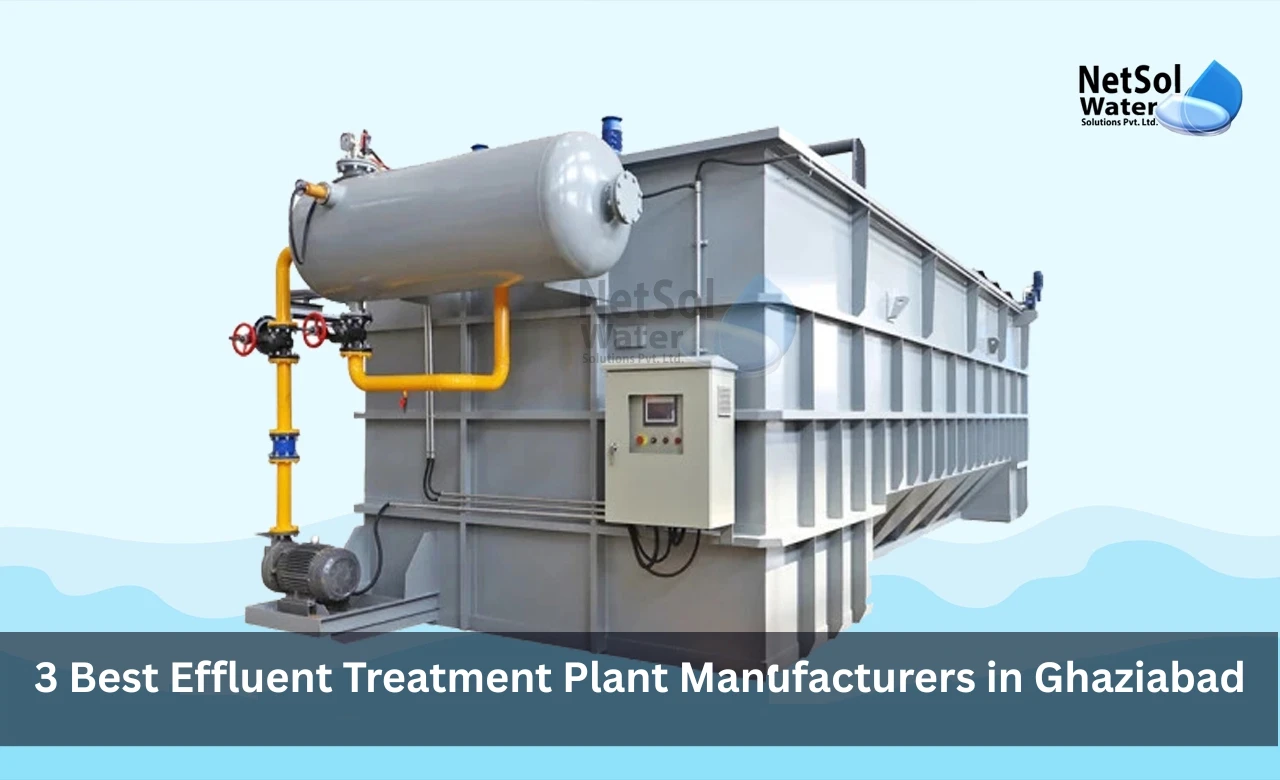
3-Best-Effluent-Treatment-Plant-Manufacturers-in-Ghaziabad.webp

June 24, 2025by Netsol Water

3 Best Effluent Treatment Plant Manufacturers in Ghaziabad

When managing industrial wastewater diligently, it would be quite essential to choose an authentic effluent treatment manufacturing plant. Ghaziabad is a growing industrial belt around Delhi where there has been growing demand of efficient and green process of effluent treatment. By choosing the ETP manufacturer your facility will not only comply with environmental gaming law, preservation of the surrounding environment and also will be able to reduce the operational cost.

Here, we are going to list the 3 best effluent treatment plant manufacturers in Ghaziabad and explain why they excel and how they contribute to sustainable industrial development.

3 Best Effluent Treatment Plant Manufacturers in Ghaziabad

1. Netsol Water

Being the top organization in the water treatment industry, Netsol Water has earned a reputation as one of the 3 best effluent treatment plant manufacturers in Ghaziabad. We are experts in designing and manufacturing ETP systems that are specifically meant to cater to the needs of various industries such as pharmaceuticals, textiles, food processing, and more.

Why Us?

  • Tailor-made Solutions: We are not a believer in the one-size-fits-all approach. Our experts conduct customer consultations to determine the type of wastewater of the customers and develop ETPs that optimize the treatment efficiency.
  • Newest Technology: We employ newest treatment technologies including membrane bioreactors, activated sludge systems, and chemical treatment units to provide high-quality effluent.
  • Compliance & Certification: Our facilities comply with all government regulations and environmental standards to help you avoid legal penalties and safeguard your corporate reputation.
  • Effective After-Sales Support: We provide round-the-clock maintenance, technical support, and training to help your ETP run smoothly.

Netsol Water takes care of your effluent treatment needs in Ghaziabad with professional expertise, innovation, and environmental concern.

2. Enviro Solutions

Enviro Solutions is also a reputed manufacturer among the 3 best effluent treatment plant manufacturers in Ghaziabad. Enviro Solutions is involved in offering cost-saving ETP solutions focusing on sustainability and ease of use.

Key Strengths

  • Environmentally Friendly Design: Their ETPs utilize green technology having lower chemical and energy consumption.
  • Flexible Capacities: Ideal for small to large industry units.
  • On-Time Project Completion: Enviro Solutions is famous for delivering projects within planned deadlines.
  • Customer Training: They offer operational training to facilitate clients to run their plants efficiently.

Enviro Solutions offers service to various industries of Ghaziabad to empower companies with cleaner production and less environmental footprint.

3. GreenTech Water Solutions

GreenTech Water Solutions is an emerging name among the 3 Best Effluent Treatment Plant Manufacturers in Ghaziabad due to their innovative practices and quality focus.

What Makes Them Stand Out

  • New Age Treatment Technologies: Application of new oxidation technologies, ultrafiltration, and biological nutrient removal.
  • Aggressive R&D: Ongoing process development and research for new processes to enhance treatment of effluent.
  • Single-Stop Solutions: They design, installation, commissioning, and maintenance under one roof.
  • Focus on Energy Efficiency: Their solutions are low on power usage, keeping operational costs down.

GreenTech Water Solutions offers solutions to many industrial applications and has developed a good customer base within Ghaziabad and surrounding areas.


How to Select the Best Effluent Treatment Plant Manufacturing Company in Ghaziabad

Choosing between the 3 best effluent treatment plant manufacturers in Ghaziabad relies on a few factors:

  • Experience and Expertise: Choose companies with experience of working successfully within your industry.
  • Technology Provided: Select manufacturers that possess cutting-edge, energy-efficient, and eco-friendly treatment technologies.
  • Customization: The manufacturer should design systems custom-fit to your wastewater profile.
  • Compliance: Make sure that the manufacturer’s factories follow local environmental laws.
  • Support and Service: Maintenance and prompt resolution of problems are indispensable to the plant’s longevity.

Why Ghaziabad Requires Quality Effluent Treatment Plant Manufacturers

Industrialization in Ghaziabad at a fast pace generates environmental issues, particularly in terms of wastewater discharge. Effluent, if not treated, can contaminate water bodies, cause damage to aquatic organisms, and affect public health. Ghaziabad industries, thus, must invest in good effluent treatment plants.

  • Effective ETP manufacturers help industries
  • Meet higher regulatory discharge standards.
  • Lower polluting substances.
  • Increase water reuse and resource recovery.
  • Improve corporate social responsibility and sustainability.

If one chooses one of the 3 best effluent treatment plant manufacturers in Ghaziabad, it contributes to making the world a better, cleaner place.


Conclusion

Effluent treatment being successfully achieved is amongst the most important drivers of sustainable industrial growth in Ghaziabad. The 3 best effluent treatment plant manufacturers in Ghaziabad —Netsol Water, Enviro Solutions, and GreenTech Water Solutions—are industry leaders due to their innovative, client-specific, as well as regulatory-compliant solutions that address the particular requirements of different industries.

We’re among the privileged few at Netsol Water. We go on to facilitate Ghaziabad industries with functioning effluent treatment plants that are environmentally friendly along with increasing the business working efficiency.

Selecting a suitable ETP manufacturer is deciding the fate of your company and that of the planet. Enroll for responsible today through partnering with veteran experts of Ghaziabad.

Do you need an advice or assistance on selecting the best water and waste water treatment unit? We have solutions for all your problems!

Let us know your problem, our experts will make sure that it goes away.

For an assistance or related query,

Call on +91-9650608473

Or write us at enquiry@netsolwater.com


Top-Sewage-and-Effluent-Treatment-Plant-Manufacturers-in-Noida.webp

May 6, 2025by Netsol Water

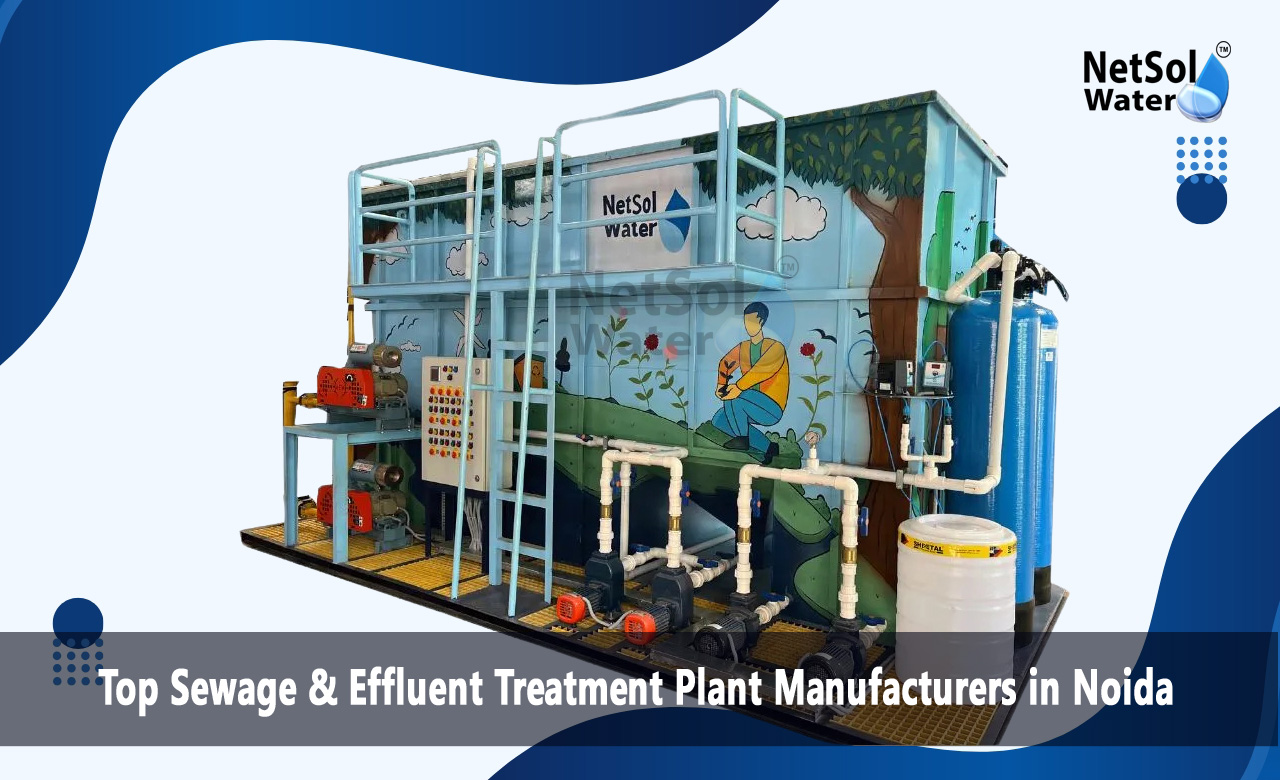
Top Sewage & Effluent Treatment Plant Manufacturers in Noida

In today’s environmentally conscious world, industries and municipalities must ensure proper wastewater treatment before discharge. Netsol Water, a leading Sewage Treatment Plant (STP) and Effluent Treatment Plant (ETP) Manufacturers in Noida, offers cutting-edge technologies to treat industrial and domestic wastewater effectively. Our solutions ensure regulatory compliance, cost-effective operations, and sustainable water reuse.

Why Are STP & ETP Plants Essential in Noida?

1. Growing Industrial & Urban Wastewater Challenges

Noida and Greater Noida are major industrial hubs in Uttar Pradesh, hosting sectors like:

  • IT & Software Parks
  • Automobile & Manufacturing
  • Pharmaceuticals & Chemicals
  • Textiles & Food Processing

These industries generate large volumes of wastewater containing organic matter, harmful chemicals, and dissolved solids. Without proper treatment, this wastewater pollutes rivers, groundwater, and soil, leading to severe environmental and health hazards.

2. Strict Environmental Regulations

The Central Pollution Control Board (CPCB) and Uttar Pradesh Pollution Control Board (UPPCB) enforce strict discharge regulations for industries and municipalities. Companies failing to comply face heavy penalties.

  • An efficient ETP or STP Plant ensures:
  • Compliance with effluent discharge standards
  • Reduced carbon footprint
  • Prevention of waterborne diseases
  • Recycling and reuse of treated water

3. Water Scarcity & Sustainable Solutions

With freshwater resources depleted, wastewater recycling is no longer optional. Advanced treatment technologies allow industries to reuse water for:

  • Cooling towers
  • Landscape irrigation
  • Toilet flushing
  • Industrial processes

This reduces dependency on freshwater and supports sustainable business practices.

Sewage Treatment Plant (STP) vs. Effluent Treatment Plant (ETP)

Feature Sewage Treatment Plant (STP) Effluent Treatment Plant (ETP)
Purpose Treats domestic sewage (from households, hotels, hospitals) Treats industrial wastewater (from factories, manufacturing units)
Contaminants Organic waste, suspended solids, pathogens Chemicals, heavy metals, toxic compounds
Treatment Process Biological treatment (aerobic/anaerobic) Chemical + Biological treatment
End Use Irrigation, toilet flushing Industrial reuse, safe discharge
Regulatory Body Municipal corporations Pollution Control Board

Why Choose Us?

With years of expertise, Netsol Water has emerged as a trusted STP and ETP Plant Manufacturer in Noida, offering:

✔ Customized Solutions – Tailored to industrial requirements
✔ Advanced Technologies – Membrane bioreactors (MBR), Sequential Batch Reactors (SBR) and Reverse Osmosis (RO)
✔ Energy-Efficient Designs – Low operational costs
✔ Quick Installation & Delivery – Prefabricated and modular systems
✔ 24/7 Customer Support – From consultation to maintenance

Our STP Solutions in Noida

We provide a wide range of sewage treatment plants, including:

  1. Compact Sewage Treatment Plant– Ideal for apartments, hotels, and small industries
  2. Prefabricated STP Plant– Easy to install, minimal civil work
  3. Modular Sewage Treatment Plant– Scalable for growing needs
  4. Industrial STP– For pharmaceuticals, textiles, and food processing

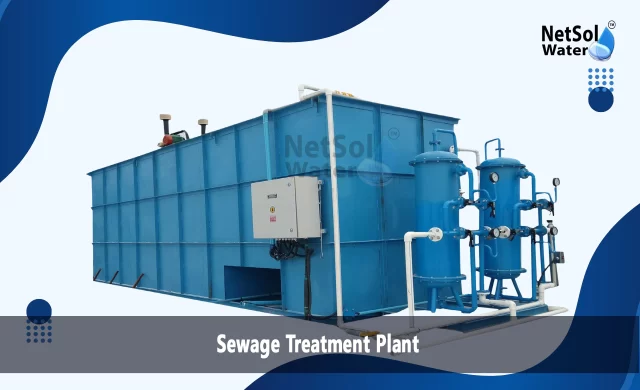
Sewage Treatment Plant

STP Treatment Process:

  • Primary Treatment– Removal of large solids
  • Secondary (Biological) Treatment– Breakdown of organic matter
  • Tertiary Treatment– Disinfection & filtration for reuse

Our ETP Solutions in Noida

We specialize in industrial effluent treatment plants for:

  • Chemical & Pharmaceutical Industries– Acid-alkali neutralization
  • Textile & Dyeing Units– Color & chemical removal
  • Automobile & Engineering– Oil-grease separation

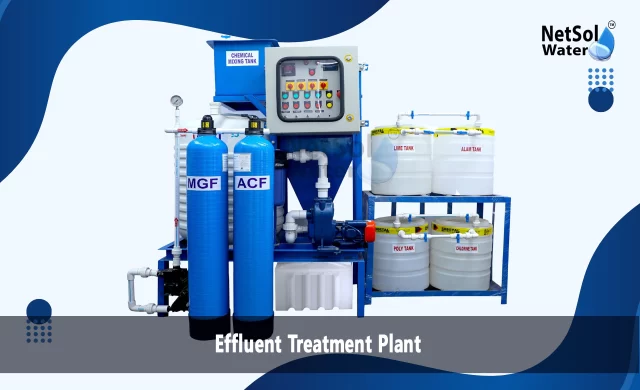
Effluent Treatment Plant

ETP Treatment Process:

  • Primary (Physical) Treatment– Screening & sedimentation
  • Secondary (Biological/Chemical) Treatment– BOD/COD reduction
  • Tertiary (Advanced) Treatment– RO, UV, or ozonation

Industries We Serve in Noida & Greater Noida

  1. Hospitals – STPs for medical wastewater
  2. Hotels & Malls– Compact STPs for water recycling
  3. Textile & Dyeing– ETPs for color removal
  4. Food & Beverage– Organic wastewater treatment
  5. Automotive & Engineering– Oil-water separation systems

Key Benefits of Netsol’s STP & ETP Plants

  • Compliance with Pollution Control Board norms
  • Cost-effective & energy-saving designs
  • Minimal maintenance & automatic operation
  • Quick installation & robust construction
  • Customizable for different industry needs

Frequently Asked Questions (FAQs)

1. What is the cost of an STP/ETP plant in Noida?

The price range depends on capacity, technology, and customization. Contact us for a free quote.

2. How long does installation take?

Prefabricated STP/ETP plants can be installed in 2-4 weeks.

3. Do you provide maintenance services?

Yes, we offer annual maintenance contracts (AMC) for smooth operations.

Conclusion

As a leading Sewage Treatment Plant Manufacturers in Noida and Effluent Treatment Plant Manufacturers in Noida, Netsol Water stands out for its innovation, compliance, and customer-centric approach. Whether you need a compact STP, industrial ETP, or membrane-based treatment, we provide end-to-end wastewater treatment facility solutions that align with global environmental standards.

Choose Netsol Water for sustainable, efficient, and regulatory-compliant water treatment facilities in Noida & Greater Noida!


Top-10-Effluent-Treatment-plant-manufacturers-in-Nepal.jpg

October 9, 2023by Netsol Water

Top 10 Effluent Treatment plant manufacturers in Nepal

Nepal, a land of breathtaking natural beauty and cultural diversity, is experiencing rapid industrialization and urbanization. While this progress brings economic growth, it also generates a significant amount of industrial wastewater that must be treated before discharge to protect the environment and public health. Effluent Treatment Plants (ETPs) play a crucial role in treating and purifying wastewater from industries. In this article, we will explore the top 10 Effluent Treatment Plant manufacturers in Nepal, providing valuable information for businesses seeking reliable ETP solutions.

  1. Netsol Water

Netsol Water is a leading ETP manufacturer in Nepal, known for its commitment to sustainability and environmental protection. They offer a wide range of ETP solutions tailored to various industries, ensuring compliance with local regulations. Netsol Water places a strong emphasis on innovation and eco-friendly technologies. Netsol Water is also the manufacturer of Sewage Treatment Plant, Water and Wastewater Treatment Plant, Commercial RO plants, and Industrial RO Plant.

2. Sewage Treatment Plants

Sewage Treatment Plants is a renowned name in the water and wastewater treatment industry in Nepal. They specialize in designing and manufacturing efficient ETPs for diverse industrial applications. Sewage Treatment Plants ETP systems are known for their reliability, energy efficiency, and cost-effectiveness.

3. Urban STP Plant

Urban STP Plant is a trusted name in the field of wastewater treatment solutions. They offer advanced ETP technologies that are customizable to meet the specific needs of different industries. Urban STP Plant focuses on optimizing water usage and minimizing environmental impact.

4. Commercial RO Plant

Commercial RO Plant specializes in ETPs and water treatment solutions. They are known for their dedication to quality and their ability to deliver ETP projects on time. Their expertise spans various industries, from textiles to food processing.

5. Water Treatment Plants

Water Treatment Plants is a company committed to providing sustainable wastewater management solutions. They offer ETPs that incorporate cutting-edge technologies for efficient treatment and resource recovery. Water Treatment Plants places a strong emphasis on reducing the carbon footprint of ETP operations.

6. Commercial RO Plant Manufacturers

Commercial RO Plant Manufacturers is a reputable ETP manufacturer with a focus on water conservation and environmental stewardship. They design ETP systems that ensure compliance with strict environmental regulations while minimizing operational costs for businesses.

7. Thermax

Thermax specializes in designing and building ETPs that integrate seamlessly with various industrial processes. Their ETPs are designed to be energy-efficient and environmentally friendly, reflecting their commitment to sustainability.

8. Wabag

Wabag is dedicated to providing end-to-end wastewater management solutions, including ETPs. They have a team of experienced engineers and technicians who design and install ETP systems tailored to the unique needs of each client.

9. Veolia

Veolia is a reliable ETP manufacturer that prioritizes water quality and ecosystem preservation. They offer a range of ETP solutions, from small-scale installations to large industrial systems, and are known for their prompt customer support and maintenance services.

10. Sewage Doctor

Sewage Doctor Nepal is another prominent player in the ETP manufacturing sector. They are known for their turnkey solutions, which include the design, installation, and maintenance of ETPs. GreenTech is committed to sustainable water management practices.

Key Considerations when Choosing an ETP Manufacturer in Nepal

When selecting an Effluent Treatment Plant Manufacturer in Nepal, businesses should consider several crucial factors:

  • Expertise and Experience: Look for manufacturers with a proven track record in designing, installing, and maintaining ETPs for industries similar to yours.
  • Compliance with Regulations: Ensure that the manufacturer’s ETP systems meet local environmental regulations and standards.
  • Customization: Choose a manufacturer that can tailor ETP solutions to your specific industry and wastewater treatment requirements.
  • Efficiency and Sustainability: Prioritize ETP systems that are energy-efficient and incorporate sustainable practices to reduce environmental impact.
  • Cost-effectiveness: Consider the long-term operational costs of the ETP, including maintenance and resource consumption.
  • Customer Support: Evaluate the manufacturer’s commitment to providing ongoing support, maintenance, and troubleshooting services.

Read more: Sewage Treatment Plant Manufacturer

Conclusion

Effluent Treatment Plants are indispensable for industries in Nepal seeking to maintain sustainable and environmentally responsible operations. The top 10 Effluent Treatment Plant Manufacturers in Nepal listed above offer a wide range of solutions to meet the unique needs of various industries. When selecting an ETP manufacturer, businesses should prioritize expertise, compliance with regulations, customization, efficiency, sustainability, and cost-effectiveness. By partnering with a reliable ETP manufacturer, industries can contribute to the preservation of Nepal’s natural beauty and protect the health of its people while continuing to grow and prosper.