
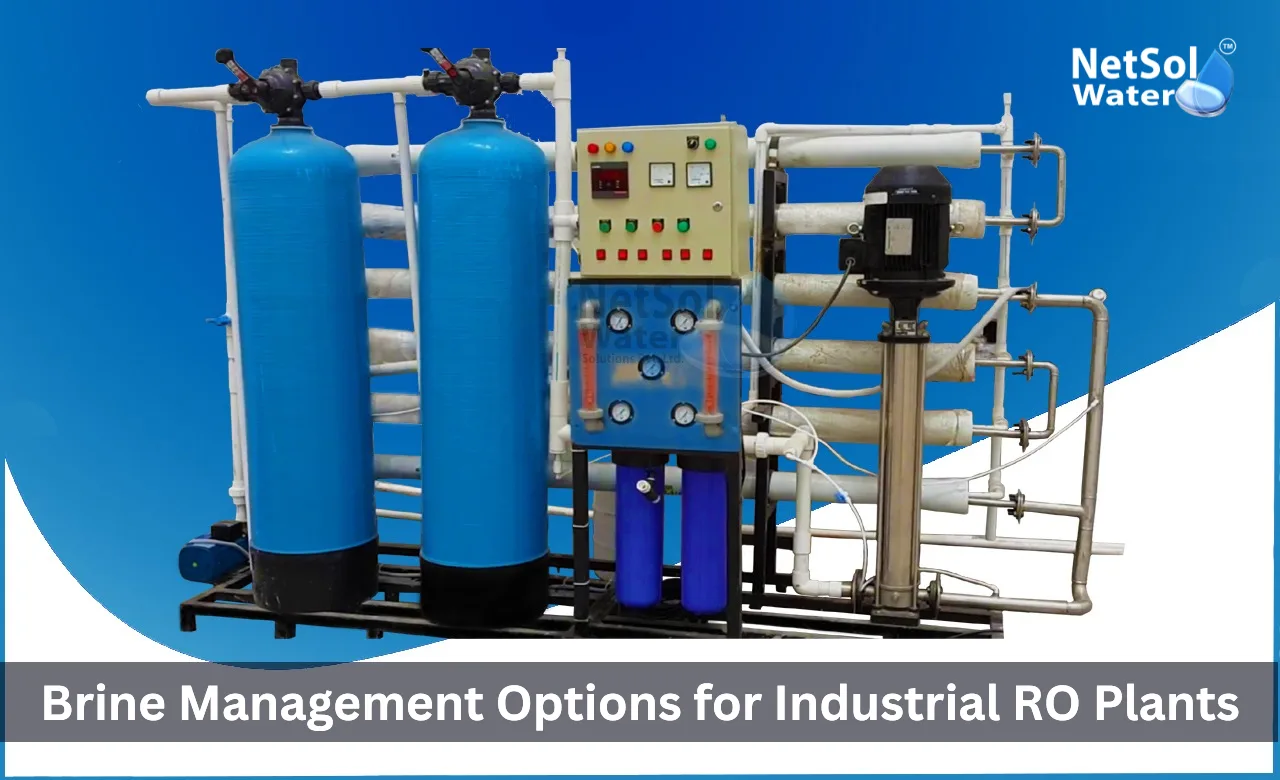
Brine Management Options for Industrial RO Plants
Industrial water treatment has become a key part of modern manufacturing. Many factories need clean water for boilers, cooling lines, processing, and product quality. In industrial hubs, water demand keeps rising and wastewater control has become just as important as water supply. This is where an Industrial RO Plant plays a major role. It gives industries high-quality water for daily use and helps them manage wastewater in a better way.
One major challenge remains. That challenge is brine. Brine is the concentrated reject water that comes out of the RO process. It carries salts and dissolved solids and it needs safe handling. If industries ignore this stream, they may face waste issues, higher costs, and environmental stress. We are the leading industrial RO plant manufacturer and understands how important brine control is for long-term plant performance. Proper brine management helps industries save water, protect equipment, and support cleaner operations.
Why Brine Management Matters in an Industrial RO Plant
Brine management is important because the reject water is not just waste. It is a stream that still contains useful water along with high salt content. If an industry handles it well, then it can reduce discharge problems and improve overall plant efficiency. Let us have a look at some of the main ways brine management supports smooth operations.
1. Protecting the Environment
One of the biggest reasons for proper brine control is environmental safety. High salt water can damage soil and harm local water bodies if an industry releases it without care. Many plants now work under stricter rules and they must control what they discharge. A well-planned plant helps industries stay responsible and reduce pollution. When the brine is treated or reused in the right way, the plant lowers its impact on nature. This creates a better balance between production and environmental care.
2. Improving Water Use Efficiency
Every drop matters in industrial work. Brine contains water that industries can sometimes recover through better systems. When a plant manages this stream properly, it reduces fresh water demand. That means less pressure on local sources and lower operating cost. Some industries use advanced recovery units while others reuse the reject water for cleaning or utility work. This kind of planning makes the full water cycle more efficient. It also supports long-term savings.
3. Reducing Salt Buildup and Plant Stress
Brine can create salt deposits if a plant does not manage it well. These deposits can affect pipelines, pumps, and storage units. Over time, the plant may need more repair and more cleaning. Proper handling keeps the plant safer and extends plant life. When industries control scaling and buildup, they also improve RO membrane life. This helps them avoid frequent breakdowns. A steady brine plan is therefore not only about waste control. It also protects the full water treatment system.
Brine Disposal and Reuse Options for Industrial RO Plants
Once an industry understands the value of brine control, the next step is to choose the right method. Different plants have different water quality, discharge rules, and space limits. Let us have a look at some of the common options that industries use.
1. Safe Discharge into Approved Systems
Some industries send brine to approved drains or treatment systems after meeting local standards. This method works best when the reject water does not carry very high contaminant loads. The plant may first adjust pH or filter the stream before discharge. This reduces harm and helps the factory follow legal rules. In many cases, this option stays simple and cost-effective. Still, the industry must check the full water quality before release. A responsible Industrial RO Plant should always include this step in its planning.
2. Reuse in Low-Risk Applications
Another good option is reuse. The reject water may still work for floor washing, gardening, cooling tower makeup, or other non-critical tasks. This does not mean the water is fit for all uses. It means the plant can use it where high purity is not required. Such reuse reduces waste and supports better sustainability. Many factories choose this path because it lowers both water demand and discharge volume. With proper testing, the plant can decide where brine can serve a useful purpose. This option often brings a direct benefit to the whole facility.
3. Zero Liquid Discharge Systems
Some industries need a more advanced solution. They use Zero Liquid Discharge or ZLD systems to recover as much water as possible from brine. These systems use evaporation, crystallization, and other treatment steps to separate clean water and solid salt. The plant can then reuse the recovered water while handling the solids safely. This method works well for industries with strict discharge rules or very limited water supply. It costs more to install and run but it gives strong control over waste.
Choosing the Right Brine Management Method for Your Plant
Brine management is not the same for every site. The right solution depends on water quality, industry type, space, budget, and discharge rules. That is why planning matters from the start. Let us have a look at some of the factors that help industries select the best path.
1. Feed Water and Brine Quality
The first step is to study the feed water and the reject stream. High TDS water may need more careful treatment than moderate quality water. Industries should test salts, hardness, silica, and other dissolved matter before they decide on a method. When the quality data is clear, the plant can select a safe and practical option. This prevents trial and error and saves time. A strong Industrial RO Plant design always begins with water analysis because the brine plan depends on what enters the system.
2. Plant Size and Daily Water Demand
A small facility and a large factory cannot follow the same approach. A large plant may need ZLD or multi-stage recovery while a smaller unit may manage with reuse and controlled discharge. Daily water demand also changes the decision. If the plant uses a large amount of water, then even a small recovery gain can make a big difference. That is why the size of the operation must guide the brine plan. The right method should fit the plant rather than force the plant to adjust to a poor system.
3. Cost and Long-Term Value
Many industries focus only on the first cost of a system. But brine management should also look at long-term value. A low-cost method may create higher maintenance or higher water loss later. A better system may need more investment at the start but it can reduce waste and save money over time. This balance matters for every factory. When companies think about total cost, they make wiser choices. Netsol Water helps clients in this process by designing solutions that suit the site and support reliable operation.
Read some interesting information for the Sewage Treatment Plant Manufacturer in Noida
Conclusion
Brine control is now a key part of smart industrial water treatment. It helps industries protect the environment, use water wisely, and keep equipment in better condition. A well-planned plant does more than produce clean water. It also helps a factory manage reject water in a safe and practical way. The right brine solution depends on water quality, space, operating needs, and compliance rules. Industries that plan early can avoid trouble later and build a more efficient system.
For expert guidance on brine handling and complete water treatment solutions, contact Netsol Water. As a leading Industrial RO Plant manufacturer, we can help you choose the right approach for your site and support you with a plant that fits your process needs.
Contact Netsol Water at:
Phone: +91-9650608473
Email: enquiry@netsolwater.com