ETP Plant Manufacturer - Sewage Treatment Plant Manufacturers

Add-a-heading-1.webp

April 24, 2026by Netsol Water

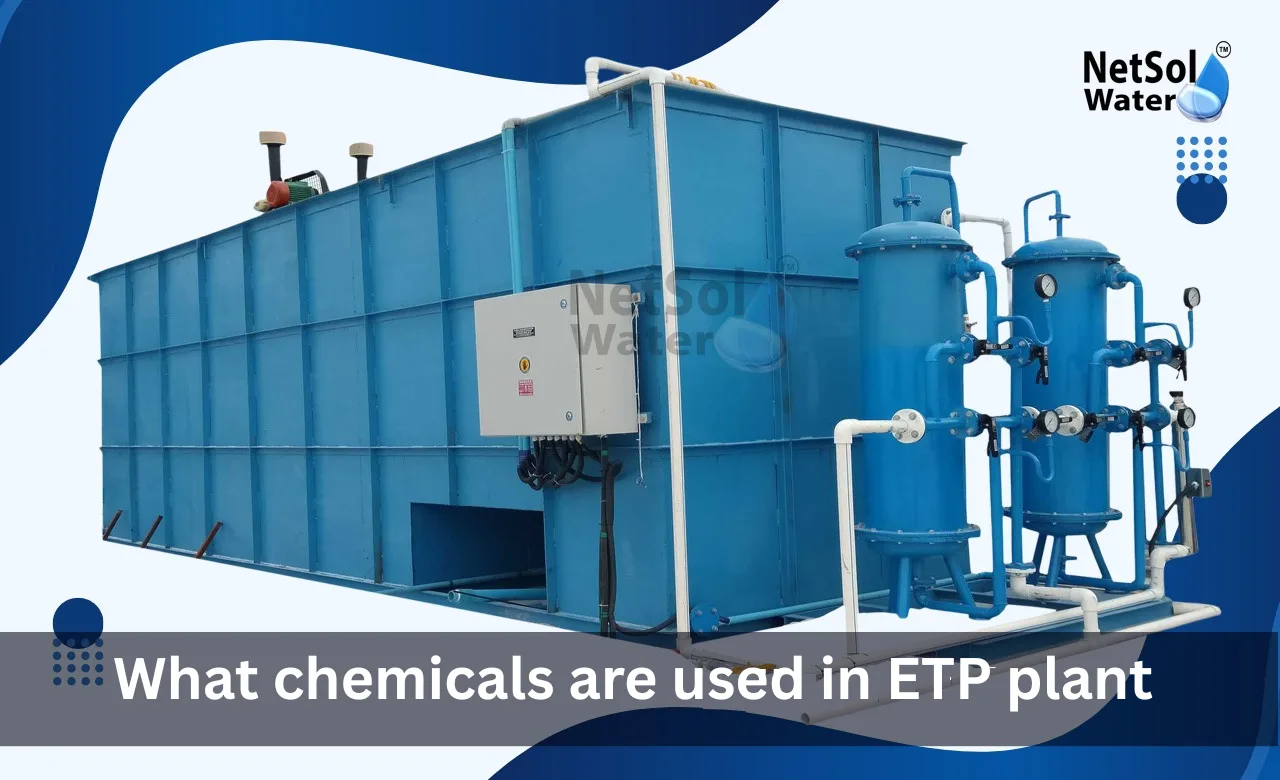
What Chemicals Are Used in an ETP Plant?

Industries produce wastewater every day and this water carries dirt, oils, colour, and harmful dissolved matter. Treating this water is not only a legal need but also a safe way to protect land, water sources, and public health. That is why many companies look for the right effluent treatment plant manufacturer to build a plant that works well for their waste load. In a well-planned plant, chemicals play a major role because they help remove suspended solids, adjust pH, break down impurities, and improve water quality step by step.

Coagulants in ETP

Coagulants are among the first chemicals used in an ETP plant because they help remove fine particles that do not settle on their own. These tiny particles stay suspended in water and make the water look dirty. When a coagulant enters the system, it changes the charge on these particles. This makes them come together and form larger clumps. Once the clumps become bigger, the plant can remove them more easily through settling or filtration. Let us have a look at some common coagulants used in this stage.

1. Alum and Ferric Salts

Alum and ferric salts are widely used in wastewater treatment because they work well in many types of industrial water. Alum helps destabilise suspended solids and improves the clarity of water. Ferric chloride and ferric sulphate also work well when the effluent has colour, oil, or strong organic load. These chemicals help create heavier flocs that sink faster in the clarifier. That makes the next treatment steps easier and more effective. A skilled effluent treatment plant manufacturer selects the right dose after studying the waste sample because poor dosing can reduce performance and raise sludge volume.

2. Why Coagulation Matters

Coagulation matters because many industrial wastes carry very fine matter that simple screening cannot remove. If the plant skips this step, the later stages will struggle and the final water may still look dull or unsafe. Coagulation also supports better sludge removal because it groups impurities into larger masses. This saves time and improves plant performance. For industries that want stable output and lower treatment issues, this step becomes a strong base for the whole process.

Flocculants in ETP

Flocculants work after coagulation and help small clumps grow into larger and stronger flocs. This stage is important because the plant needs these flocs to settle well in the tank. Most flocculants are polymer-based and they link the tiny particles together. This gives the plant a faster and cleaner separation process. Let us have a look at some common flocculants and their role in ETP plants.

1. Organic Polymers

Organic polymers are often used because they support quick floc formation and improve solid removal. They may be cationic, anionic, or non-ionic depending on the wastewater quality. Anionic polymers often help with mineral solids while cationic polymers work well with organic and oily waste. The correct choice depends on the effluent and the desired settling speed. A good plant design uses trial tests so the operator can find the right type and amount. This avoids waste of chemicals and keeps treatment cost under control.

2. Role in Settling and Sludge Thickening

Flocculants do more than just form visible flocs. They also help sludge thicken and dewater better. This is useful because many plants face difficulty in handling large sludge volumes. When the sludge holds less water, it becomes easier to handle and dispose of. The final treated water also becomes clearer because fewer fine solids remain in suspension. This is one reason why an expert effluent treatment plant manufacturer always gives proper attention to the flocculation stage.

pH Adjusting Chemicals

pH control is a key part of wastewater treatment because many treatment steps work only in a certain pH range. If the water is too acidic or too alkaline, the chemicals will not work as planned. Some machines may also face corrosion or scaling if pH stays out of range for long. That is why plants use pH-adjusting chemicals to bring the water to a safe and workable level. Let us have a look at some important pH control chemicals.

1. Lime and Caustic Soda

Lime and caustic soda are common alkaline chemicals used to raise pH. Lime is often used where a slower and steadier reaction is acceptable. Caustic soda works faster and gives quick pH correction. These chemicals are useful when wastewater from industries comes with acidic nature. They also support metal removal in some treatment plants because metals often settle better at a higher pH. Careful dosing matters here because too much alkali can create new treatment problems. So the system should always use proper control and monitoring.

2. Acids for Neutralisation

Sometimes wastewater becomes too alkaline after certain process steps. In such cases, plants add acids to bring pH down. Hydrochloric acid and sulphuric acid are commonly used for this job. They help maintain balance and keep the treatment process stable. Neutral pH gives better results in coagulation, biological treatment, and discharge. This control also protects equipment and pipe life. That is why pH correction stays at the heart of a well-run ETP plant.

Biocides and Nutrients

Many industries send wastewater that contains organic matter. In such cases, biological treatment becomes useful because microbes break down the waste naturally. To support this process, some plants add biocides in controlled situations and nutrients when the wastewater lacks the right balance. This helps the biological system stay active and healthy. Let us have a look at how these chemicals support the ETP plant.

1. Nutrients for Microbial Growth

Microbes need food balance to work well. Industrial effluent may contain too much carbon and too little nitrogen or phosphorus. When that happens, the biological process slows down. So plants may add nutrients such as urea or phosphate compounds to balance the feed. This helps bacteria grow and digest organic load more effectively. A balanced biological stage improves water quality and reduces bad smell as well.

2. Biocides for Control

Biocides are used carefully in some plants to control unwanted microbial growth. Certain industrial waste streams can develop slime or harmful bacteria in storage and pipelines. In such cases, biocides help maintain process stability. They must be used with care because too much of them can also affect useful bacteria. So plant operators use them only when needed and always in a controlled dose.

Defoamers and Special Treatment Chemicals

Some effluents create foam during aeration, mixing, or chemical reaction. Foam can affect tank operation and reduce treatment efficiency. In such cases, plants use defoamers to control the foam layer and keep the system stable. Other special chemicals may also be used based on industry type and wastewater makeup.

1. Defoamers

Defoamers reduce unwanted foam that can overflow tanks and disturb oxygen transfer. They are useful in food plants, textile units, and other places where surfactants enter the waste stream. A small dose often works well and helps maintain smooth operation. This also prevents waste of energy and makes daily plant work easier.

2. Oxidising Agents and Odour Control Chemicals

Some plants use oxidising agents to break down difficult pollutants and control odour. These chemicals help in special treatment cases where normal coagulation and biological steps are not enough. They support better colour removal and reduce bad smell in the treated area. Their use depends on waste nature and plant design. A trained operator and a dependable effluent treatment plant manufacturer can decide where these chemicals fit best.

Read some interesting information for the Commercial RO Plant Manufacturer

Conclusion

The chemicals used in an ETP plant play a direct role in how well the whole system works. The right chemical choice saves time, improves output, and supports better reuse or discharge quality. It also helps industries stay compliant and protect the environment.

A trusted effluent treatment plant manufacturer can study the wastewater and design the right chemical treatment plan for each industry. Netsol Water is the leading ETP Manufacturer and industries can reach out for expert guidance if they need a system that matches their waste and treatment goals.

Contact Netsol Water at:

Phone: +91-9650608473

Email: enquiry@netsolwater.com

How-much-space-is-needed-for-an-ETP-plant.webp

April 23, 2026by Netsol Water

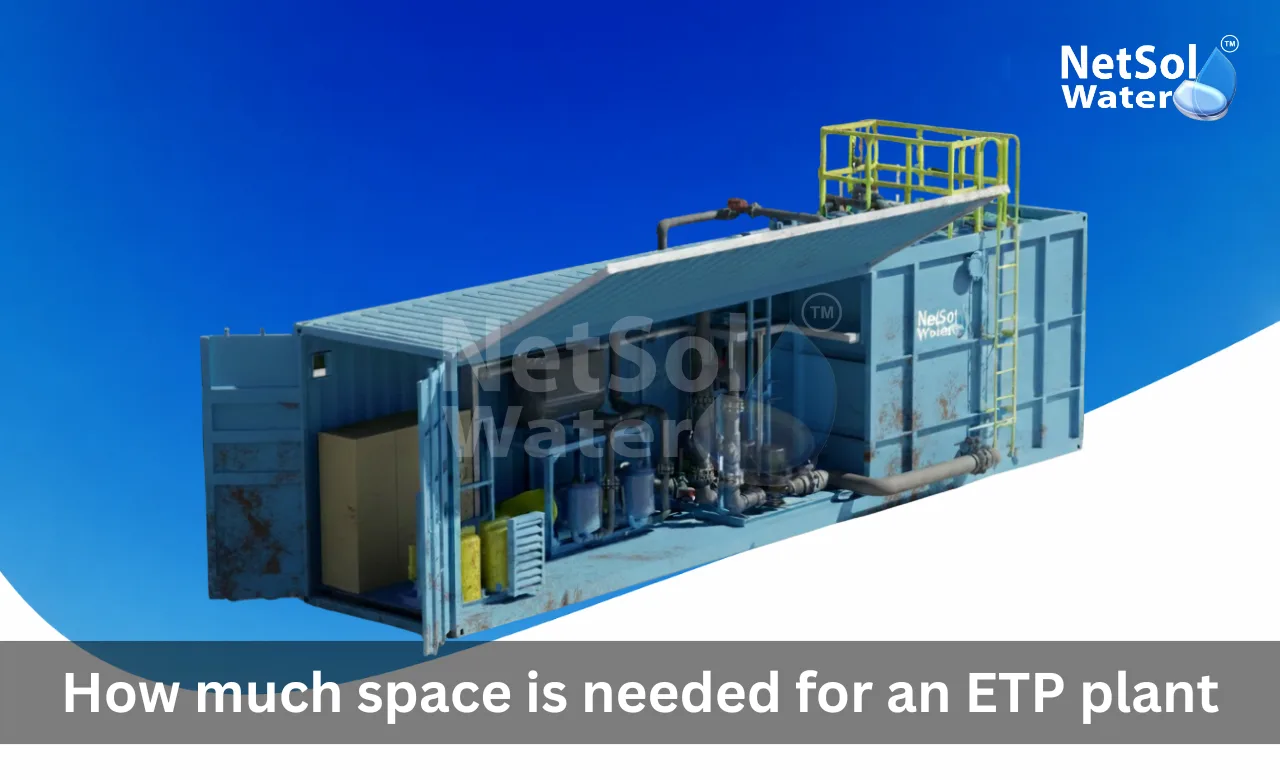
How Much Space is Needed for an ETP Plant?

An effluent treatment plant helps industries treat wastewater in a safe and proper way. Many factories need this plant to meet legal rules and protect the environment. Before setting up the unit, one of the first questions is about space use. Space matters because it affects the plant layout, cost, and future growth. A small site may work for low-flow wastewater while a large industrial unit needs much more room for tanks, pumps, pipes, and support areas. This is why every project needs careful planning from the start. We are the leading effluent treatment plant manufacturer, and it helps industries choose the right plant based on flow type and site conditions.

Typical Space Requirements by Capacity

The size of an effluent treatment plant depends first on its treatment capacity. Capacity shows how much wastewater the plant can treat each day. A plant with lower KLD needs less land while a plant with higher KLD needs more area for tanks, equipment, and working space. This is why every effluent treatment plant manufacturer studies the daily flow before suggesting a layout. Let us have a look at some common space ranges so the size idea becomes clear.

1. Small-Scale Plants Up to 50 KLD

A small plant often needs about 500 to 1,000 square feet. This range suits compact industrial units where wastewater flow stays limited. In some very small residential or community-based settings, the need can go down to 300 to 600 square feet. These plants usually use simple and compact units that fit into a small footprint. Even then, the site should allow easy access for cleaning, inspection, and repair.

A small plant may look easy to install but it still needs proper planning so that each part works smoothly. When the layout is tight, the system becomes harder to manage. Good design keeps the plant safe and practical for daily use.

2. Medium-Scale Plants 50 to 200 KLD

A medium plant usually needs around 2,000 to 5,000 square feet. This size suits many industrial units because it gives enough room for treatment tanks, chemical dosing units, sludge handling, and service areas. As the wastewater flow increases, the plant needs wider spacing between units to support smooth movement and maintenance.

A trusted effluent treatment plant manufacturer will often suggest a layout that keeps the system compact while still giving enough working room. This balance matters because a crowded plant can create trouble in operation. Medium plants also need room for future changes. If production grows, then the site should still support extra equipment without major rebuilding.

3. Large-Scale Plants Above 200 KLD

Large plants often need 10,000 square feet or more. These plants treat high wastewater volume and use more tanks, more equipment, and more support structures. The land need rises not only because of flow but also because larger plants often include stronger treatment stages and bigger storage zones.

Industrial sites with heavy discharge must prepare for this from the beginning. When an industry works with an experienced effluent treatment plant manufacturer, it can plan a layout that saves land without affecting performance. A large site must stay flexible because expansion often comes later as production grows.

Factors Influencing Footprint

Capacity gives the base size but it does not tell the full story. Many other points shape the final footprint of an effluent treatment plant. Technology selection, treatment steps, safety distance, and future growth all play an important role. This is why two plants with the same KLD can still need different land areas. Let us have a look at some of the main factors that change the space need.

1. Technology Type

The treatment technology has a major effect on land use. Modern package plants and modular systems can fit into smaller spaces because they use compact tanks and smart layouts. These systems are useful where land is limited.

Conventional treatment systems may need more area because they use larger settling tanks, aeration units, and sometimes lagoons. Such systems spread out more and take more land. An industry should choose the technology after studying wastewater quality, available land, and operating needs. A skilled effluent treatment plant manufacturer can compare different options and suggest the one that matches the site. The right choice saves land and also supports better operation.

2. Treatment Stages

The number of treatment stages also changes the plant size. Basic systems need a simpler layout while advanced systems require more units. If an industry adds tertiary treatment such as RO (Reverse Osmosis) or UV disinfection, then the plant needs more space for extra equipment and supporting pipes.

Advanced biological systems also need room for reactors and control units. Each added stage makes the layout longer and more detailed. This is why industries should think not only about present discharge but also about future treatment goals. A good layout keeps each stage connected in a clean and simple flow. That helps operators work with less confusion and better control.

3. Buffer Zones

A plant should not stand too close to homes or other sensitive areas. Safe distance helps reduce odour, noise, and safety problems. Planning should include a buffer zone of about 150 feet between the plant and nearby residential areas. This space supports better comfort for people around the site and also gives the plant room for safe operation.

Buffer space may not always look like active plant area but it still matters a lot in the total land plan. Many projects fail because they ignore this point at the start. A responsible effluent treatment plant manufacturer always checks the site position before final design. That step helps avoid trouble during installation and later operation.

4. Future Expansion

Industries often grow with time and wastewater volume may rise with production. Because of that, it is wise to keep extra space in the beginning. Many planners add about 20 to 30 percent more area as a buffer for future growth or equipment upgrades. This simple step saves money and time later because the plant can expand without major changes.

If the site has no spare area, then even a small change can become difficult and costly. Future expansion planning also helps an industry stay ready for new rules and new treatment needs. A flexible site always works better in the long run. That is why a careful effluent treatment plant manufacturer does not design only for today. It also keeps tomorrow in mind.

Read some interesting information for the Sewage Treatment Plant Manufacturer

Conclusion

Proper space planning decides how well an effluent treatment plant will perform for years. The right area improves operation, reduces maintenance trouble, and supports future growth. Every industry should study wastewater flow, technology choice, safety distance, and expansion needs before finalizing land.

Netsol Water, as a leading ETP manufacturer, helps industries choose a layout that fits both present needs and future goals. If you are planning a new plant or upgrading an existing one, then now is the right time to get expert guidance. Contact a trusted Effluent Treatment Plant manufacturer today to request a consultation and find the best space plan for your project.

Contact Netsol Water at:

Phone: +91-9650608473

Email: enquiry@netsolwater.com


What-are-BOD-and-COD-in-ETP.webp

April 21, 2026by Netsol Water

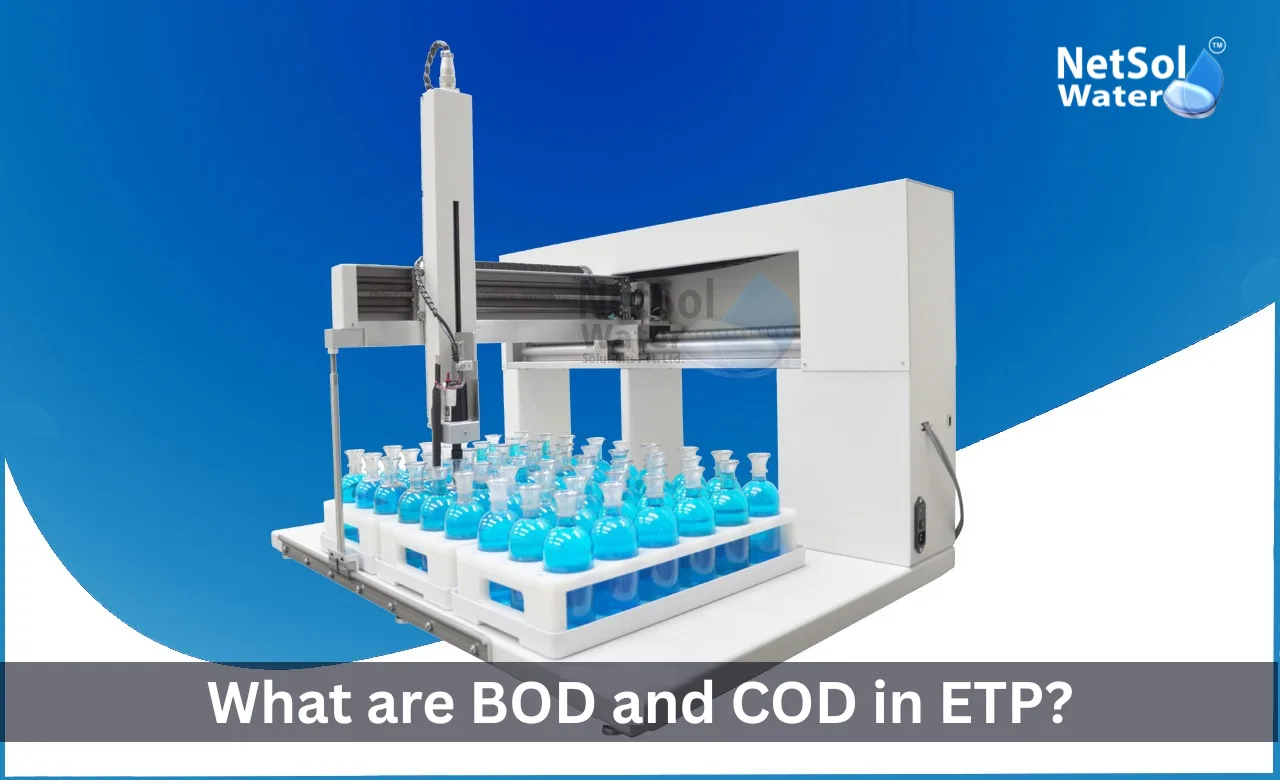
What are BOD and COD in ETP?

Wastewater treatment protects water resources and supports safe industrial operations. Many industries generate wastewater that contains organic matter, chemicals, and other pollutants. If a plant releases this water without proper treatment, then it can damage rivers, soil, and public health. This is why wastewater control remains such an important part of industrial work. In this process, BOD and COD play a central role because they help us measure the strength of wastewater and understand how much treatment it needs.

We are the leading effluent treatment plant manufacturer, and it develops treatment systems that help industries manage polluted water in a practical and effective way. When industries understand BOD and COD, they can plan better treatment steps and monitor plant performance with more confidence. These two values help operators see how much organic pollution is present and how the ETP should handle it.

What is BOD in ETP?

BOD is one of the most important values in wastewater testing because it shows the amount of biodegradable organic waste present in water. It tells us how much oxygen microbes need to break down that waste. This makes BOD a useful sign of how polluted the water is and how much biological treatment it needs. In an ETP, this number helps operators control the biological section and keep the treatment process stable.

Let us have a look at some important details that explain BOD.

1. BOD Definition

BOD stands for Biochemical Oxygen Demand. It measures the oxygen that microbes use while breaking down organic matter in a water sample over five days. This test helps us understand the biodegradable pollution level in wastewater. When BOD is high, then the water carries more organic load and the treatment system must work harder to clean it. That is why industries and every responsible effluent treatment plant manufacturer consider this value very important in wastewater analysis.

2. Role of BOD in ETP

BOD helps the treatment plant know how much biological treatment the wastewater needs. In an ETP, the aeration tank and other biological units depend on this value because microbes need enough oxygen to work properly. When BOD stays within control, then the plant can remove organic matter more efficiently and produce better treated water. It also helps operators avoid overload in the biological section. Netsol Water, as an ETP manufacturer, uses BOD-based planning to build systems that support smooth operation and effective treatment for different industries.

3. Why BOD Matters in Wastewater Treatment

BOD matters because it tells us the strength of biodegradable pollution in the wastewater. If the BOD level is high, then the water can consume oxygen in natural water bodies after discharge and harm aquatic life. It can also cause foul smell and poor water quality. For this reason, industries must monitor BOD carefully and keep their treatment plant in good condition. A trusted effluent treatment plant manufacturer always designs plants that help reduce BOD through proper aeration, biological activity, and controlled operation.

4. How BOD Supports Plant Operation

BOD testing also supports day-to-day plant operation. It helps operators adjust aeration time, sludge handling, and microbial activity. When the plant receives a strong organic load, the BOD reading tells the team that the biological system needs close attention. This helps them protect the treatment process and maintain stable performance. In simple terms, BOD works like a guide for the biological side of the ETP. It shows whether the microbes are working well or whether the plant needs correction.

What is COD in ETP?

COD is another major value used in wastewater testing. It gives a fast view of the total pollution in water by showing how much oxygen is needed to chemically oxidize the organic matter. Unlike BOD, it does not wait for microbial activity and it gives results much faster. This makes COD very useful in industrial wastewater treatment where quick monitoring matters. Since industrial effluent can change from one day to another, COD helps the team react quickly and control the process in time.

Let us have a look at some important points that explain COD.

1. COD Definition

COD stands for Chemical Oxygen Demand. It measures the oxygen needed to chemically oxidize all organic materials in wastewater. This includes biodegradable material as well as some substances that microbes may not break down easily. Because this test uses chemical oxidation, it gives faster results than BOD. That is why many industries use COD as a quick measure of pollution strength. A reliable Effluent Treatment Plant Manufacturer always includes COD testing in the plant design because it helps track water quality in a clear and practical way.

2. Role of COD in ETP

COD plays a strong role in monitoring industrial wastewater. It helps operators understand how much total organic pollution is present before and after treatment. Since industrial effluent often contains mixed and complex waste, COD gives a wider view than BOD alone. This allows the treatment team to decide whether the plant needs changes in chemical dosing, biological support, or process flow. Netsol Water, as a leading ETP Manufacturer, uses COD-based monitoring to help industries keep the treatment process efficient and well-balanced.

3. Why COD Is Important for Industrial Wastewater

COD is important because industrial wastewater often contains materials that do not break down easily through microbes alone. In such cases, BOD may not show the full pollution load. COD fills that gap by measuring the total oxygen demand through chemical action. This gives a more complete picture of wastewater strength. Industries use this value to observe changes in effluent quality and to protect the plant from sudden load shifts. A strong effluent treatment plant manufacturer understands this need and designs systems that can handle different wastewater conditions with care and accuracy.

4. How COD Supports Fast Monitoring

COD supports fast monitoring because it gives quick results. This helps operators check the performance of the treatment plant without waiting for a longer biological test. It becomes very useful during process changes, production peaks, and pollution control checks. If COD rises suddenly, then the team can respond at once. This reduces the risk of poor discharge quality and treatment stress. In this way, COD becomes a practical tool for daily plant control and long-term environmental safety.

BOD and COD Together in ETP

BOD and COD work best when the plant uses them together. BOD shows the biodegradable part of the pollution while COD shows the total chemical oxygen demand. When operators compare these two values, they get a clearer understanding of the wastewater quality. This helps them choose the right treatment steps and keep the plant working in a stable way.

A good effluent treatment plant manufacturer always studies both values before designing a treatment system. This is because every industry creates wastewater in a different form. Some waste streams respond well to biological treatment while others need stronger chemical support. By reading BOD and COD together, the plant can manage both kinds of pollution in a smarter way. Netsol Water follows this approach to design dependable ETP solutions for many industrial needs.

Read some interesting information for the Effluent Treatment Plant Manufacturer in Faridabad

Conclusion

BOD and COD are more than simple testing values. They help industries understand wastewater and control pollution in a clear and practical way. BOD shows the biodegradable organic load while COD gives a quick picture of total oxygen demand in the effluent. Together, they guide the treatment process and help the plant run with better control.

A trusted effluent treatment plant manufacturer knows how important these values are for treatment success. Netsol Water, as a leading ETP Manufacturer, provides solutions that help industries monitor, control, and reduce wastewater pollution with confidence. If you need more information or expert guidance for your treatment needs, then get in touch with us today and request a consultation.

Contact Netsol Water at:

Phone: +91-9650608473

Email: enquiry@netsolwater.com
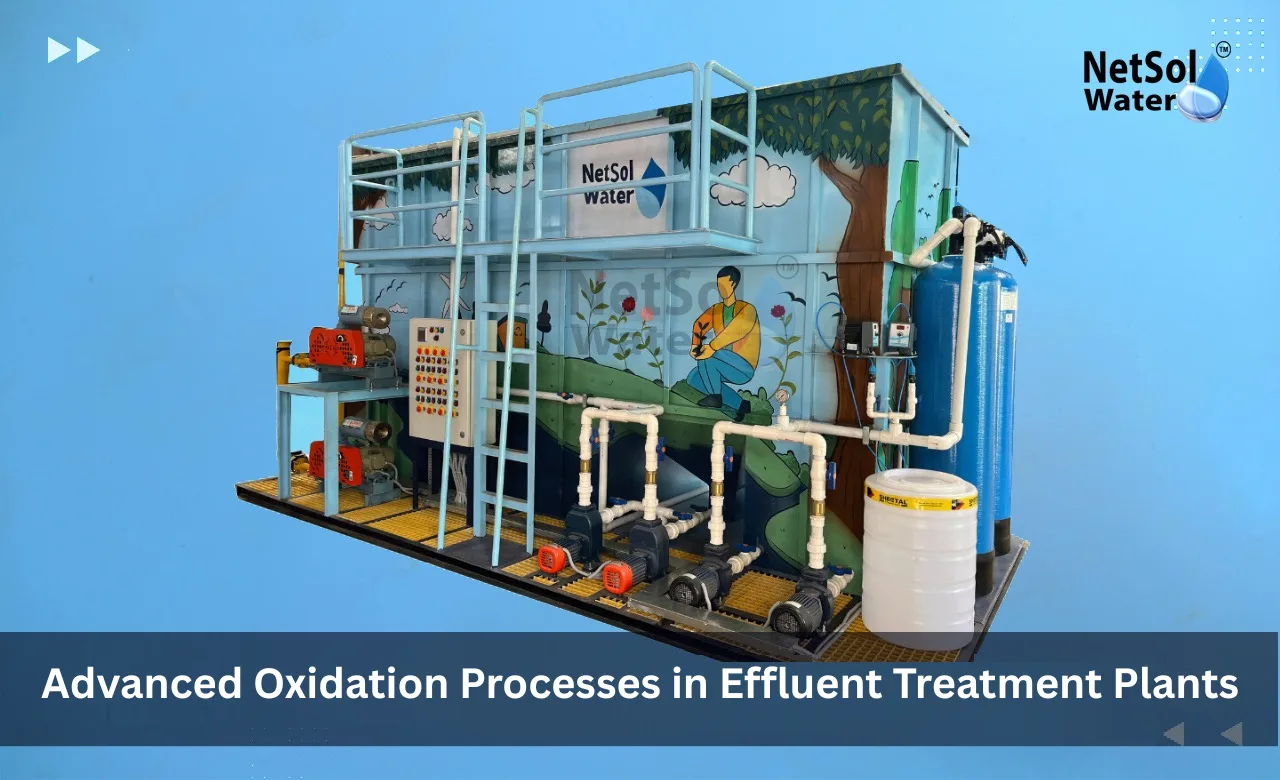

Cost-Factors-ROI-of-Installing-an-Effluent-Treatment-Plant-ETP-in-2025.webp

November 24, 2025by Netsol Water

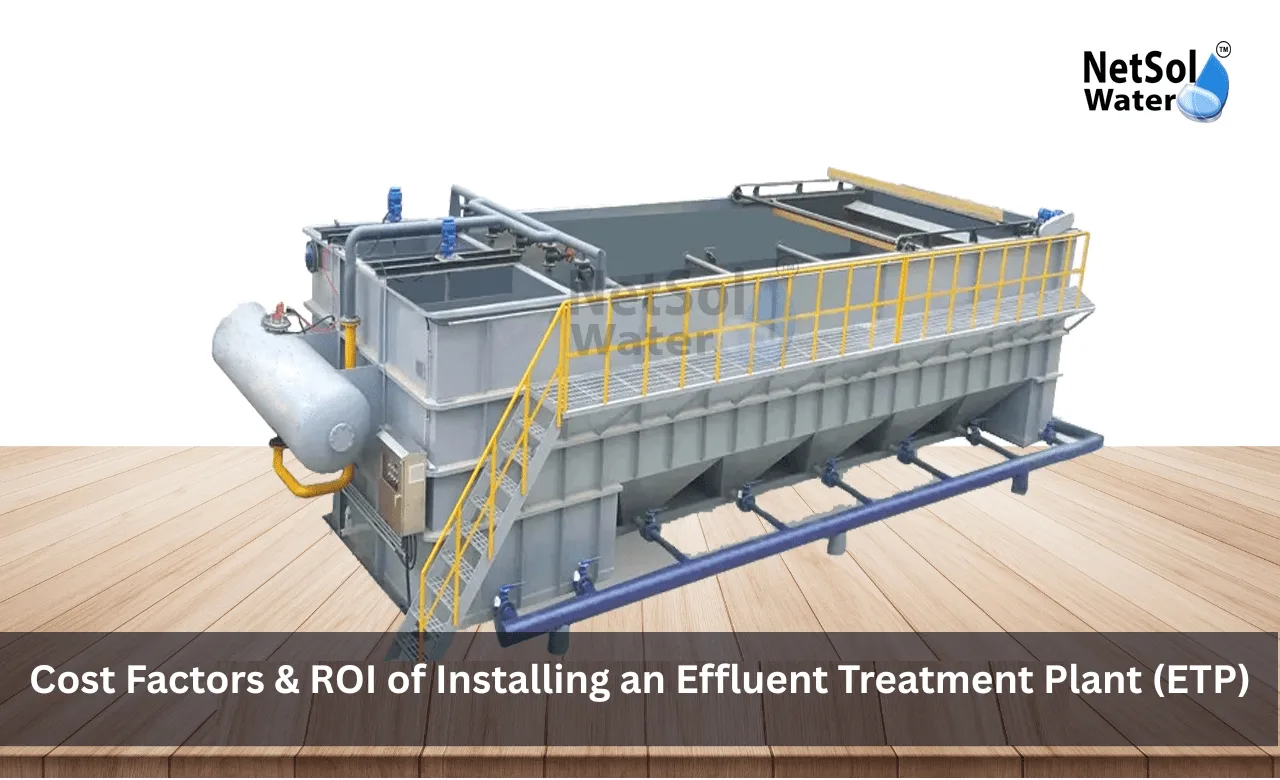
Cost Factors & ROI of Installing an Effluent Treatment Plant (ETP) in 2025

Cost Factors & ROI of Installing an Effluent Treatment Plant (ETP)

Industries in India face strict rules for wastewater handling. An ETP helps factories meet limits for discharge and it protects local rivers and groundwater. Installing an ETP also helps companies save water and cut costs over time. In 2026 companies face higher energy prices and tougher compliance so planning the budget has become more important than before. Netsol Water is the leading Effluent Treatment Plant Manufacturer.

Cost Factors to Consider for an Effluent Treatment Plant

Installing an Effluent Treatment Plant requires a clear view of the costs that matter the most. First we look at why cost planning matters and how early choices shape future spending. Let us have a look on some of the main cost heads.

Capital expenditure and site work

Capital expenditure covers the core plant equipment and the work to make the site ready. This cost includes tanks pumps clarifiers blowers and control panels. It also covers civil work for foundations access roads and safe storage areas. Choosing higher quality items may raise the initial cost but it lowers breakdown risk and long term repair expense. Location issues affect cost as well because remote sites need more transport and handling time. Netsol Water supplies modular units that cut onsite work and speed up commissioning. This approach reduces unexpected site costs and helps start treatment early which reduces compliance risk.

Technology, choice and customization

Technology choice drives both capital and operating cost. Biological systems need more space and steady power. Chemical systems need reagent storage and careful dose control. Advanced membranes reduce water discharge but they need replacement at intervals. Customization to treat specific industry effluent calls for extra process steps and extra monitoring. Selecting the correct process at the start prevents oversizing which raises costs and under sizing which raises compliance risk. Netsol Water evaluates effluent composition and proposes the mix of technologies that balances cost with performance.

Operation energy and chemical costs

Operational costs include power labor and chemical consumption. Aeration and pumping use most of the energy in a biological ETP. Chemical dosing costs grow when the influent has high levels of toxic compounds. Labor costs depend on automation and remote monitoring. Investing in efficient blowers and well tuned controls lowers energy use and it shortens payback. Monitoring systems that warn about changes in quality help avoid emergency chemical use and they keep operating cost stable.

Maintenance and spare parts

Maintenance keeps the plant running and it includes routine cleaning filter changes and pump repairs. Poor maintenance raises the risk of fines and shutdowns. Planning for spare parts and scheduled maintenance reduces sudden breakdowns and it keeps lifetime cost predictable. Choosing a supplier with fast service and local support shortens downtime. Netsol Water offers service packages that include preventive maintenance and timely parts supply to reduce the total cost of ownership.

Calculating ROI and Long Term Benefits of an Effluent Treatment Plant

Understanding return on investment helps justify the ETP purchase to owners and stakeholders. Let us have a look on some methods to calculate and report ROI.

Direct savings and revenue streams

Direct savings come from lower wastewater charges reduced fresh water use and avoided fines. Treated water can be reused in cooling or cleaning which reduces the need to buy fresh water. Some plants recover sludge and convert it into fuel or sell it for further processing which creates small revenue streams. Energy savings from efficient pumps and controls also lower monthly bills. To calculate ROI add the annual savings and divide by the total installed cost to find simple payback years. A clear estimate helps compare vendors and choose the right scale for treatment.

Risk reduction and compliance value

Non compliance can lead to heavy fines and forced shutdowns. Avoiding these outcomes counts as a benefit when computing ROI. Insurance premiums and community relations also improve after installing an ETP. These benefits are less visible in numbers but they support steady production and better brand value. For many industries this aspect shortens the effective payback period because avoided penalties can be large.

Long term efficiency and upgrade path

A good ETP delivers stable treatment and it allows gradual upgrades. Modular systems let a company add capacity when volumes rise. Planning for future expansion reduces the need to replace the full plant later. Monitoring data helps optimize chemical dosing and energy use which improves ROI over the years. Choosing a manufacturer who offers upgrade options and training lowers both risk and long term cost. Netsol Water provides modular designs with clear upgrade paths so companies can match investment to growth.

Read some interesting information for Industrial RO Plant Manufacturer in Gurgaon

Conclusion

Installing an ETP brings both cost and clear long term value. Companies in India can manage capital and operating costs with careful technology choice and strong vendor support. The right plant reduces fines saves water and improves energy use while it supports future growth. For help with a detailed cost estimate or to plan a plant personalized to your effluent contact Netsol Water the leading Effluent Treatment Plant Manufacturer. Request a consultation to get a project wise comparison and start building a plan that meets your budget and compliance needs.


Hospital-Effluent-Treatment-Plant-Requirements-and-Compliance-in-India.webp

October 7, 2025by Netsol Water

Hospital Effluent Treatment Plant Requirements and Compliance in India

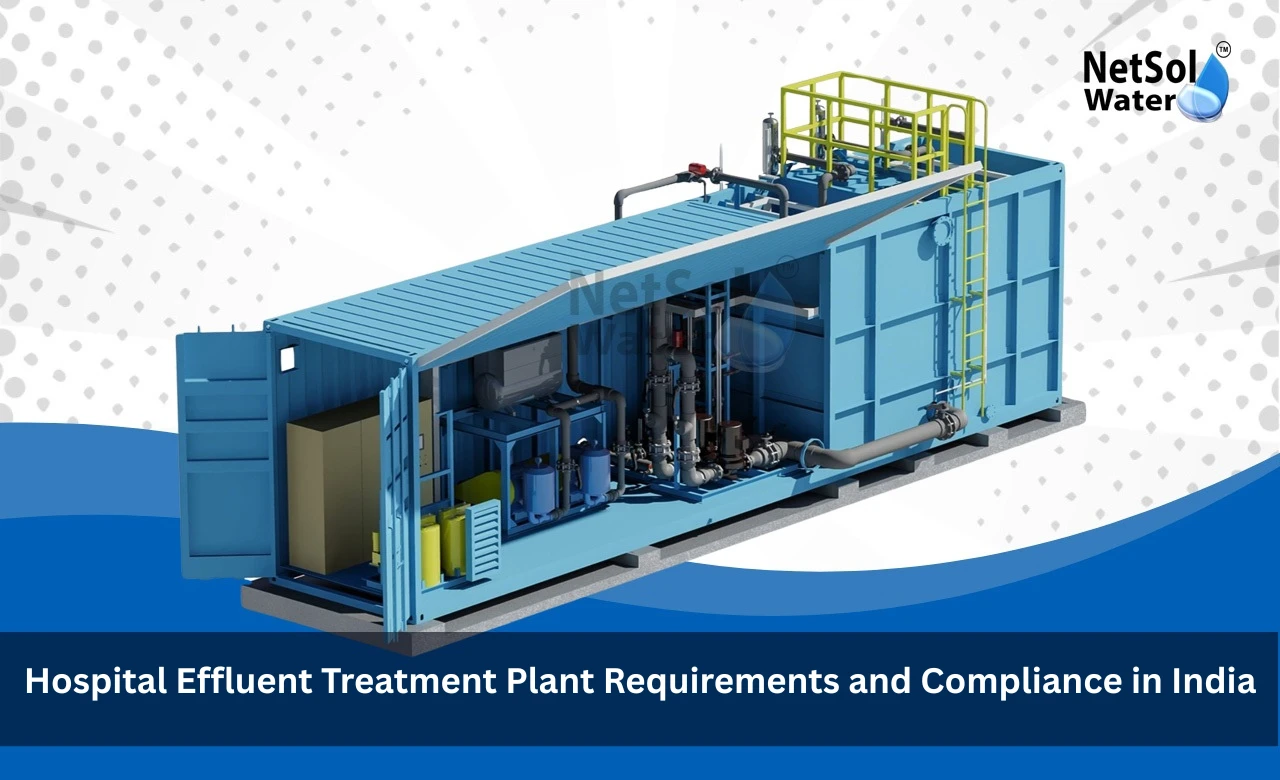
Hospitals produce water that contains medicines, germs, chemicals and organic matter. This water can harm people, animals and the environment if we do not treat it well. India has strict rules to keep hospital waste water safe before it goes into the sewer or river. Hospitals must follow these rules to protect public health and meet legal standards. Netsol Water is the leading Effluent Treatment Plant Manufacturer and it offers solutions that meet Indian rules and needs.

Compliance Requirements and Design Needs

Proper compliance and good design matter for safety and for meeting law. Hospitals must treat wastewater to reduce germs, chemicals and other dangerous matter. Good design helps the plant run well and meet discharge limits. Let us have a look on some key elements of compliance and plant design that hospitals must follow.

Regulatory Standards and Discharge Limits

Hospitals must meet standards that the central and state pollution control boards set. These standards tell limits for parameters such as biochemical oxygen demand, chemical oxygen demand, pathogens and heavy metals. Hospitals must check and meet these limits before sending water out. Designers must include processes that reduce these parameters so the treated water stays within safe limits. The treatment steps often include primary settling biological treatment and disinfection. Each step reduces a different type of contamination. Operators must test water often to make sure the plant meets the limits. The test results form the record that regulators can view. Hospitals must file these records and act quickly if any test fails.

Treatment Process and Plant Layout

A well planned plant works smoothly and uses space efficiently. The design must fit the hospital size and the type of waste water produced. Small clinics need compact units with easy cleaning and safe storage. Large hospitals need higher capacity tanks and more complex units. The layout must keep hazardous zones separate from clean areas. The equipment must be easy to inspect and repair. Designers must plan for safe handling of sludge and chemical doses. Sludge removal is part of long term performance. The plant must include emergency bypass options and alarms that warn staff of problems. Netsol Water is the leading Effluent Treatment Plant Manufacturers and it builds plants with clear layouts safe access and reliable operation so hospitals can meet rules and protect people.

Implementation, Monitoring and Maintenance

Good implementation and regular checks keep the plant effective and safe. A plant that sits idle or is poorly run will fail to meet limits and will risk health. Let us have a look on some key actions for implementation monitoring and maintenance.

Monitoring tells staff if the plant works well every day. Hospitals must measure flow, pH, BOD, COD, suspended solids and microbial counts at set times. Operators must record these readings and report them to pollution control boards when required. Regular reports show trends and help find small issues before they become big problems. Automated sensors can help with continuous monitoring. Staff must inspect instruments and calibrate them often so readings stay accurate. Good records also help when regulators visit. If a sample falls outside limits staff must follow the incident plan. They must fix the cause and report the steps taken. Clear reports help keep trust with the regulator and with the community.

Role of Manufacturer and Selection Criteria

Choosing the right manufacturer changes how well the plant performs over time. Hospitals must choose a maker who knows hospital effluent and the laws in India. Let us have a look on some features to check when choosing a manufacturer. First the manufacturer must explain how the plant meets each regulatory limit. Second the maker must provide spare parts and fast support. Third the manufacturer must train hospital staff on operation testing and emergency steps. Fourth the manufacturer must offer maintenance plans and regular visits. Netsol Water is the leading Effluent Treatment Plant Manufacturer and it works with hospitals to design install and maintain plants that meet rules.

Read some interesting information for Sewage Treatment Plant Manufacturer 

Conclusion

Choosing a reliable Effluent Treatment Plant Manufacturer helps hospitals meet limits and protect public health. Netsol Water is the leading Effluent Treatment Plant Manufacturers and it offers design installation training and support that match Indian compliance needs. For more details or for a consultation please contact Netsol Water to find a solution that fits your hospital and keeps your effluent safe.

Contact Netsol Water at:

Phone: +91-9650608473

Email: enquiry@netsolwater.com

Top-3-Effluent-Treatment-Plant-Manufacturers-in-India.webp

January 13, 2025by Netsol Water

Top 3 Effluent Treatment Plant Manufacturers in India

Industrial growth in India has created new environmental responsibilities. The manufacturing sector requires effective wastewater treatment solutions. Industries need effluent treatment plants to meet environmental standards. India excels as a hub for ETP plant manufacturing. The nation demonstrates its commitment to clean water and sustainable practices through outstanding ETP plant manufacturers. These companies support textile, pharmaceutical, food processing and chemical sectors. Their innovative solutions transform harmful wastewater into reusable water. This transformation enhances both environmental protection and industrial operations. The Top 3 Effluent Treatment Plant Manufacturers in India showcase exceptional work quality, customer service and technological innovation through their outstanding contributions to the industry.

Top 3 ETP Plant Manufacturers in India

1: Netsol Water

Water treatment manufacturers must master both environmental science and engineering principles. Netsol Water demonstrates leadership through innovation and dedication to excellence. The company delivers technical expertise with practical solutions for diverse industries. Let us explore what makes Netsol Water stand out:

Advanced Manufacturing Capabilities: Netsol Water operates modern manufacturing facilities in India. The company integrates testing labs, quality control centres and research units into its operations. Engineers test each plant thoroughly before delivery. This testing guarantees optimal performance after installation. The manufacturing team creates custom solutions to address specific industry requirements.

Technical Excellence: The Netsol Water engineering team applies extensive wastewater treatment experience. Engineers design systems to perform efficiently in real-world conditions. The company masters various treatment methods, including physical, chemical and biological processes. This mastery enables the team to address complex wastewater challenges with complete solutions.

Customer Support Services: The comprehensive after-sales support distinguishes Netsol Water from competitors. The support team conducts regular maintenance checks, operator training and emergency assistance. Support staff maintains constant communication with clients to ensure smooth system operation. This approach builds lasting relationships with industries throughout India.

Research and Development Focus: The research team at Netsol Water advances new treatment technologies. Scientists work to enhance existing methods and develop innovative solutions. This dedication maintains the company’s industry leadership position. These innovations enable industries to achieve environmental standards while minimizing operational costs.

2: Sewage Treatment Plants

Sewage Treatment Plants demonstrate exceptional capabilities in industrial water treatment solutions. The company understands diverse industrial needs and environmental requirements. Let us examine their key strengths:

Manufacturing Excellence: Sewage Treatment Plants operates advanced production facilities in Delhi NCR. The quality control team inspects every component during manufacturing. This rigorous inspection process guarantees high-quality ETPs. The company upholds ISO 9001:2015 certification across all processes.

Industry Specific Solutions: The engineering team at Sewage Treatment Plants develops customized solutions for each industry. Engineers consider water quality industry requirements and local regulations in their designs. This customization delivers superior treatment results. The company collaborates closely with clients to address specific needs.

Environmental Compliance Support: Sewage Treatment Plants support industries in meeting environmental standards. The company incorporates monitoring equipment and control systems into its solutions. These systems simplify water quality tracking and maintenance. The support team assists with environmental audit documentation.

3: Thermax Limited

Last in the list of Top 3 Effluent Treatment Plant Manufacturers in India, Thermax Limited approaches water treatment with innovation. The company prioritizes sustainable practices and energy efficiency. Let us understand their distinctive features:

Green Technology Integration: Thermax champions eco-friendly treatment methods. The company incorporates energy-efficient components and processes. Engineers integrate renewable energy options into many solutions. This integration helps industries minimize environmental impact during water treatment.

Smart Control Systems: Thermax equips ETPs with advanced control and monitoring systems. These systems optimize treatment processes and minimize waste. Operators receive real-time performance data. This information enables quick responses to operational changes.

Training and Education Programs: The company provides comprehensive operator training programs. These programs address operation maintenance and troubleshooting. This training ensures effective plant operation and system longevity. Thermax conducts regular workshops on best practices for water treatment.

Take Action for Better Effluent Treatment Plant:

Your search for an effluent treatment plant manufacturer in India ends with the list of the top 3 effluent treatment plant manufacturers in India. Our experts at Netsol Water will design the perfect water treatment solution for your industry. Contact us today to schedule a consultation. We will help you achieve environmental compliance while optimizing your water treatment processes.

To explore customised commercial RO plants, Industrial RO plants, ETP or STP solutions for your needs in your areas and nearby regions, Contact Netsol Water at:

Phone: +91-965-060-8473, Email: enquiry@netsolwater.com