
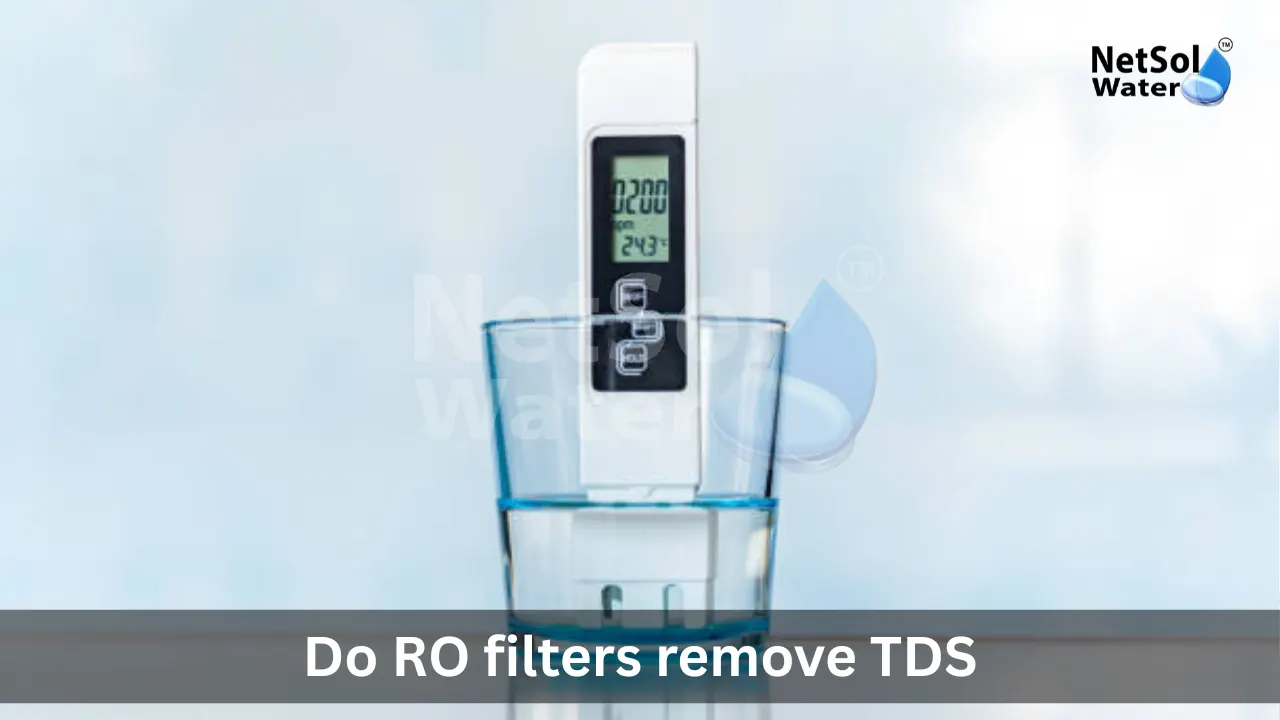
Do RO filters remove TDS?
Reverse osmosis stands as a common water treatment method. Many people ask if RO filters remove TDS. Water with high TDS can harm machines and affect taste. Industrial customers need clear answers before they buy large plants. We will explain how RO works and how it deals with TDS.
How RO filters work and why TDS matters
Understanding this process helps you decide if an RO plant will meet your needs. Let us have a look at some key ideas and how they affect final water quality.
1. What TDS means and how it affects water
“Total dissolved solids” means the sum of minerals, salts, and organic matter that dissolve in water. High TDS changes the taste of drinking water. High TDS also adds scale inside boilers and heat exchangers. Many industrial processes need low TDS to avoid product defects. Testing TDS gives a single number that shows general water purity. Machines do not like large swings in TDS. Operators need stable water quality for smooth operation.
2. RO membrane and how it removes dissolved solids
RO works by forcing water through a membrane that blocks most dissolved particles. The membrane has tiny pores that let water pass while holding many dissolved salts back. The driving force comes from pressure. The more pressure, the higher the flux through the membrane. Membrane performance depends on feed water temperature and feed water quality. Pretreatment helps membranes last longer and keeps rejection high. A well-designed industrial RO plant can lower TDS by a large margin. The exact reduction depends on the membrane type and the operating conditions.
How effective are RO filters at removing TDS
Knowing performance ranges helps set realistic expectations. Let us have a look at some factors that change how much TDS the RO will remove.
1. Typical TDS removal rates and what they mean for you
Most RO systems remove between 90 and 99 percent of dissolved solids under good conditions. If feed water TDS stands at 1000 parts per million, then product water can range from about 10 to 100 ppm after RO. Industrial plants aim for tighter control. The actual outlet number depends on feed water and on membrane condition. Poor pretreatment or aged membranes reduce removal. Operators must monitor TDS at the outlet and check salt passage daily when needed.
2. Factors that reduce RO performance and how to manage them
Scaling, fouling, and biological growth reduce membrane rejection and reduce flow. High silica or hardness can cause scale inside the membrane. Organic matter and microbes make biofouling worse. If the plant lacks proper pretreatment, then membranes foul faster. Operators fix this by adding softening or by dosing antiscalant. Regular cleaning restores flux and recovery. A reliable industrial RO plant manufacturer will design pretreatment correctly and provide a cleaning plan. Good installation and a maintenance schedule keep removal rates high for years.
Industrial RO plants versus domestic RO plants
Industrial needs differ from home needs in scale and in compliance. Let us have a look at some key differences and the benefits of working with a reliable manufacturer.
1. Design and scale differences between industrial and domestic RO
Industrial plants handle high flows and higher feed TDS. They run for long hours and must meet process specifications. Industrial plants use larger membranes, more robust pumps, and automation for remote control. Modules stack in arrays that allow staged recovery. Household units use small cartridges and low-pressure pumps. The design focus for industry lies on reliability and on steady water quality.
2. Why choose a reliable industrial RO plant manufacturer?
A reliable manufacturer designs plants to match feed water and the target product water. They size vessels and pumps correctly. They include pretreatment that prevents scaling and that reduces chemical use. We also provide training and spare parts. We are the leading industrial RO plant manufacturer and offer personalized solutions for different industries. Working with a trusted manufacturer lowers risk. The right partner reduces downtime and extends membrane life. That action saves costs over the life of the plant.
Maintenance, monitoring and ensuring low TDS in product water
Good maintenance ensures long-term performance and steady product water. Let us have a look at some routine practices and controls that operators must follow.
1. Routine checks and monitoring to keep TDS low
Operators must check feed and product TDS regularly. They also must watch differential pressure across the membrane and check permeate flow. Sudden changes mean a problem with feed quality or with scaling. Periodic cleaning brings performance back. Membrane replacement follows a documented lifecycle. Training staff to follow the checklist improves uptime. Recording the readings helps find trends long before a failure occurs.
2. Preventive maintenance
Preventive actions protect the membrane and keep product TDS low. Pre-filters protect the membrane from large particles. Antiscalants prevent deposits that reduce rejection. Softening protects against hardness. Chemical dosing prevents biological growth. Automation can add alarms and built-in cleaners. Remote monitoring lets engineers act faster. A full-service contract from the Industrial RO Plant Manufacturers reduces the load on in-house staff. That choice improves reliability and keeps TDS within the target range for the process.
Read some interesting information for the Industrial RO Plant Manufacturer in Faridabad
Conclusion
RO technology removes dissolved solids effectively when the plant matches the feed water and when operators follow a sound maintenance plan. Choosing the right RO plant manufacturer ensures correct design and steady product water. We are the leading industrial RO plant manufacturers and can help you assess your water and set the right targets. If you need a consultation or if you want to know more about industrial RO plants, then contact the team for a detailed site review and a personalized solution.
Contact Netsol Water at:
Phone: +91-9650608473
Email: enquiry@netsolwater.com