Industrial RO Plant Manufacturer - Sewage Treatment Plant Manufacturers

Brine-Management-Options-for-Industrial-RO-Plants-1.webp

June 6, 2026by Netsol Water

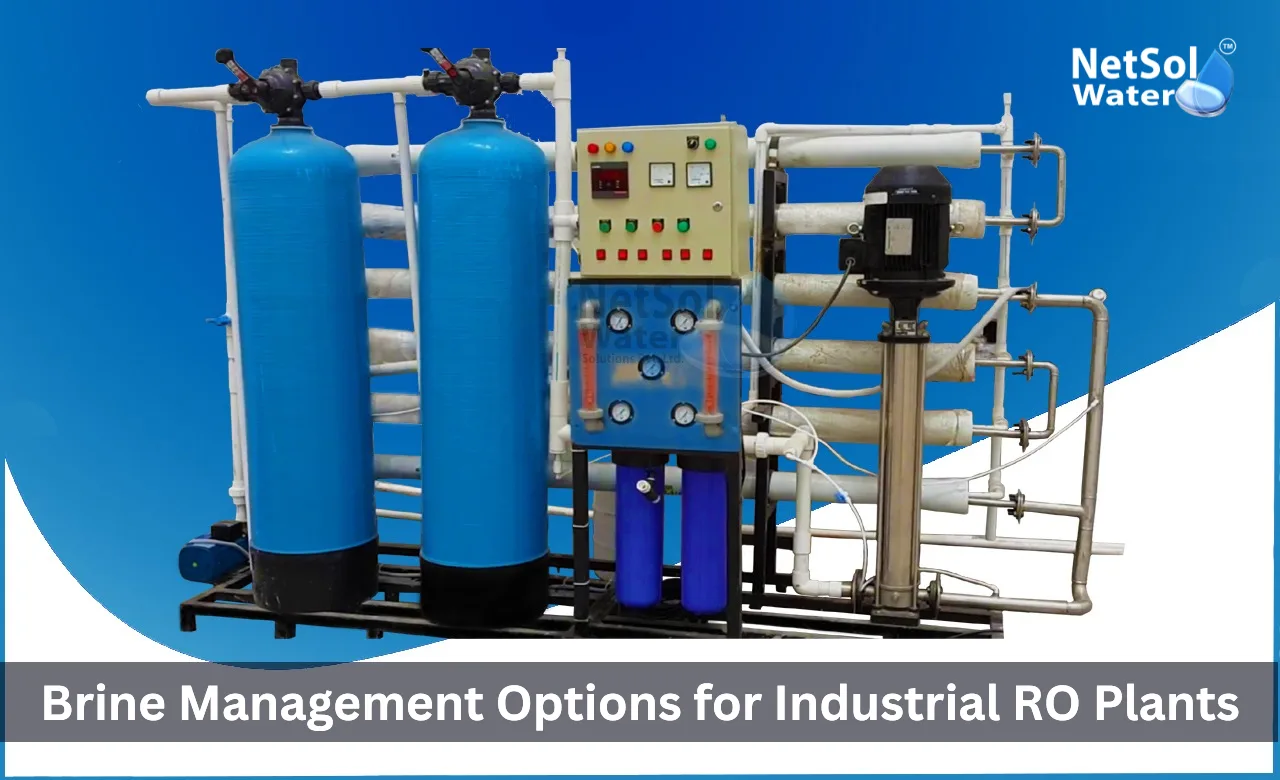
Brine Management Options for Industrial RO Plants

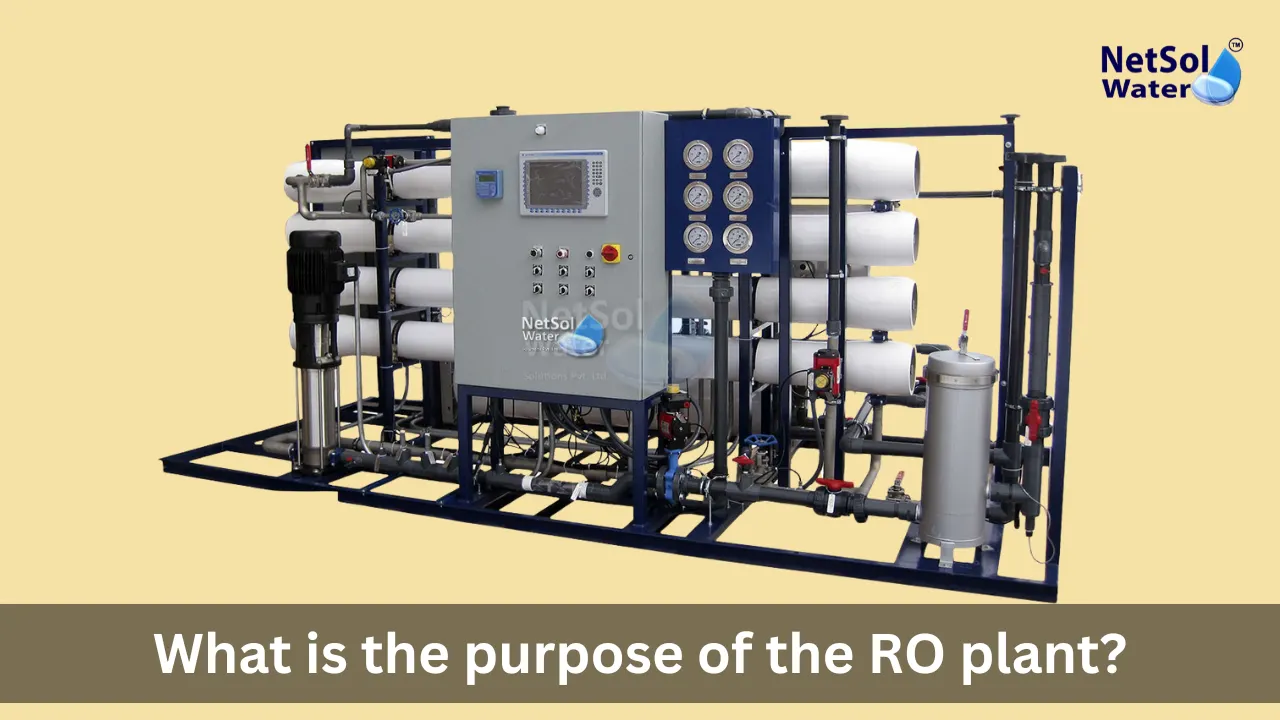
Industrial water treatment has become a key part of modern manufacturing. Many factories need clean water for boilers, cooling lines, processing, and product quality. In industrial hubs, water demand keeps rising and wastewater control has become just as important as water supply. This is where an Industrial RO Plant plays a major role. It gives industries high-quality water for daily use and helps them manage wastewater in a better way.

One major challenge remains. That challenge is brine. Brine is the concentrated reject water that comes out of the RO process. It carries salts and dissolved solids and it needs safe handling. If industries ignore this stream, they may face waste issues, higher costs, and environmental stress. We are the leading industrial RO plant manufacturer and understands how important brine control is for long-term plant performance. Proper brine management helps industries save water, protect equipment, and support cleaner operations.

Why Brine Management Matters in an Industrial RO Plant

Brine management is important because the reject water is not just waste. It is a stream that still contains useful water along with high salt content. If an industry handles it well, then it can reduce discharge problems and improve overall plant efficiency. Let us have a look at some of the main ways brine management supports smooth operations.

1. Protecting the Environment

One of the biggest reasons for proper brine control is environmental safety. High salt water can damage soil and harm local water bodies if an industry releases it without care. Many plants now work under stricter rules and they must control what they discharge. A well-planned plant helps industries stay responsible and reduce pollution. When the brine is treated or reused in the right way, the plant lowers its impact on nature. This creates a better balance between production and environmental care.

2. Improving Water Use Efficiency

Every drop matters in industrial work. Brine contains water that industries can sometimes recover through better systems. When a plant manages this stream properly, it reduces fresh water demand. That means less pressure on local sources and lower operating cost. Some industries use advanced recovery units while others reuse the reject water for cleaning or utility work. This kind of planning makes the full water cycle more efficient. It also supports long-term savings.

3. Reducing Salt Buildup and Plant Stress

Brine can create salt deposits if a plant does not manage it well. These deposits can affect pipelines, pumps, and storage units. Over time, the plant may need more repair and more cleaning. Proper handling keeps the plant safer and extends plant life. When industries control scaling and buildup, they also improve RO membrane life. This helps them avoid frequent breakdowns. A steady brine plan is therefore not only about waste control. It also protects the full water treatment system.

Brine Disposal and Reuse Options for Industrial RO Plants

Once an industry understands the value of brine control, the next step is to choose the right method. Different plants have different water quality, discharge rules, and space limits. Let us have a look at some of the common options that industries use.

1. Safe Discharge into Approved Systems

Some industries send brine to approved drains or treatment systems after meeting local standards. This method works best when the reject water does not carry very high contaminant loads. The plant may first adjust pH or filter the stream before discharge. This reduces harm and helps the factory follow legal rules. In many cases, this option stays simple and cost-effective. Still, the industry must check the full water quality before release. A responsible Industrial RO Plant should always include this step in its planning.

2. Reuse in Low-Risk Applications

Another good option is reuse. The reject water may still work for floor washing, gardening, cooling tower makeup, or other non-critical tasks. This does not mean the water is fit for all uses. It means the plant can use it where high purity is not required. Such reuse reduces waste and supports better sustainability. Many factories choose this path because it lowers both water demand and discharge volume. With proper testing, the plant can decide where brine can serve a useful purpose. This option often brings a direct benefit to the whole facility.

3. Zero Liquid Discharge Systems

Some industries need a more advanced solution. They use Zero Liquid Discharge or ZLD systems to recover as much water as possible from brine. These systems use evaporation, crystallization, and other treatment steps to separate clean water and solid salt. The plant can then reuse the recovered water while handling the solids safely. This method works well for industries with strict discharge rules or very limited water supply. It costs more to install and run but it gives strong control over waste.

Choosing the Right Brine Management Method for Your Plant

Brine management is not the same for every site. The right solution depends on water quality, industry type, space, budget, and discharge rules. That is why planning matters from the start. Let us have a look at some of the factors that help industries select the best path.

1. Feed Water and Brine Quality

The first step is to study the feed water and the reject stream. High TDS water may need more careful treatment than moderate quality water. Industries should test salts, hardness, silica, and other dissolved matter before they decide on a method. When the quality data is clear, the plant can select a safe and practical option. This prevents trial and error and saves time. A strong Industrial RO Plant design always begins with water analysis because the brine plan depends on what enters the system.

2. Plant Size and Daily Water Demand

A small facility and a large factory cannot follow the same approach. A large plant may need ZLD or multi-stage recovery while a smaller unit may manage with reuse and controlled discharge. Daily water demand also changes the decision. If the plant uses a large amount of water, then even a small recovery gain can make a big difference. That is why the size of the operation must guide the brine plan. The right method should fit the plant rather than force the plant to adjust to a poor system.

3. Cost and Long-Term Value

Many industries focus only on the first cost of a system. But brine management should also look at long-term value. A low-cost method may create higher maintenance or higher water loss later. A better system may need more investment at the start but it can reduce waste and save money over time. This balance matters for every factory. When companies think about total cost, they make wiser choices. Netsol Water helps clients in this process by designing solutions that suit the site and support reliable operation.

Read some interesting information for the Sewage Treatment Plant Manufacturer in Noida

Conclusion

Brine control is now a key part of smart industrial water treatment. It helps industries protect the environment, use water wisely, and keep equipment in better condition. A well-planned plant does more than produce clean water. It also helps a factory manage reject water in a safe and practical way. The right brine solution depends on water quality, space, operating needs, and compliance rules. Industries that plan early can avoid trouble later and build a more efficient system.

For expert guidance on brine handling and complete water treatment solutions, contact Netsol Water. As a leading Industrial RO Plant manufacturer, we can help you choose the right approach for your site and support you with a plant that fits your process needs.

Contact Netsol Water at:

Phone: +91-9650608473

Email: enquiry@netsolwater.com

Energy-Recovery-Devices-ERDs-in-Industrial-RO-Plants.png

May 23, 2026by Netsol Water

Energy Recovery Devices (ERDs) in Industrial RO Plants

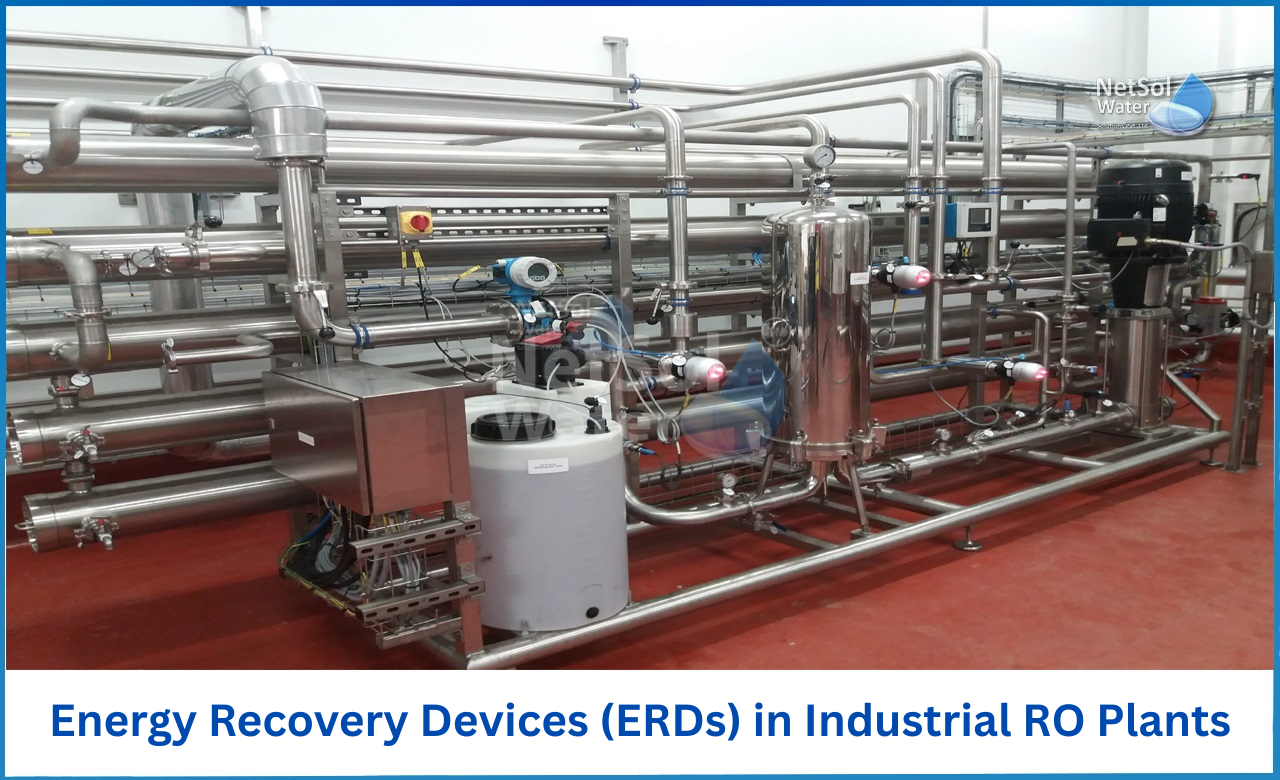
Industrial water systems face a clear challenge today. They must deliver clean water with strong output and lower power use at the same time. That is why Energy Recovery Devices in Industrial RO Plants matter so much. These devices help recycle energy from the high-pressure reject stream and send it back into the system. This lowers power demand and makes the plant more efficient.

For industries that work with large water volumes, this support can make daily operation smoother and more affordable. Many plants in water-stressed industrial zones depend on smart RO design to stay productive. We are the leading industrial RO plant manufacturer and helps industries choose plants that match their water needs with better control and lower running cost.

What Energy Recovery Devices Do in RO Systems

A large part of that pressure does not turn into clean water. It leaves the system with the reject stream. An Energy Recovery Device captures part of that wasted pressure and uses it again. This reduces the load on the pump and improves the overall system. Let us have a look at some of the main ways this helps an industrial plant.

1. Pressure Recycling in Simple Terms

An ERD takes the pressure from the outgoing concentrate stream and transfers that energy back into the incoming feed. This means the pump does not need to work as hard. As a result, the plant uses less electricity for the same output. This is especially useful in large RO units where pressure loss can become costly over time. The system stays balanced and the process becomes more stable. Industries that run water treatment for many hours each day often see clear savings after adding the right recovery device.

2. Better Use of Pump Power

Pump power usually takes a big share of RO operating cost. When an ERD reduces that burden, the plant can run with better efficiency. It also helps keep pressure more steady, which supports membrane life. Stable pressure means less wear on equipment and fewer sudden changes in performance. This creates a smoother process for plant teams. A well-planned system from an industrial RO plant manufacturer can use this support to improve both cost control and long-term reliability.

Why ERDs Improve Industrial RO Performance

ERDs improve energy use and they support stable plant performance. Let us have a look at some of the key benefits that matter most in industry.

1. Lower Operating Cost

Electricity is one of the main running expenses in any RO plant. When an ERD reduces the pressure demand on the pump, the plant needs less power. That lowers monthly cost and supports better budget control. Over time, these savings can become very large in high-capacity systems. For factories that treat water throughout the day, this benefit becomes even more valuable. Lower energy use also supports more sustainable operations, which many industries now prefer.

2. More Stable Membrane Operation

Membranes work best when pressure and flow remain steady. If the pressure changes too much, the membranes may face stress. That can reduce their life and increase maintenance work. An ERD helps keep the process more balanced. This creates a better environment for membrane separation and water recovery. The plant can then produce clean water in a more consistent way. When an industrial RO plant manufacturer designs the system with this in mind, the plant often performs better for a longer time.

Main Types of Energy Recovery Devices

The right choice depends on capacity, pressure level, and water quality. Different ERDs fit different industrial needs. Let us have a look at some common types and how they help.

1. Pressure Exchanger Devices

Pressure exchangers are widely used in large RO systems. They move pressure from the reject stream directly to the incoming feed stream with high efficiency. This design works well in systems that handle a large amount of water. It can save significant energy and improve overall plant performance. Many industries choose this option when they want strong recovery and steady operation. The device also supports compact design in many plant setups. That makes it useful where space and efficiency both matter.

2. Turbine-Based Devices

Turbine-based ERDs convert reject pressure into rotational energy. That energy then supports the feed side of the RO process. These devices are useful in certain industrial setups where process conditions match their design. They can reduce power use and improve system balance. They are often selected for plants that need a practical and proven method of energy recovery. A careful system review helps decide if this option suits the plant load and operating pressure.

3. Isobaric Chamber Systems

Isobaric systems work by transferring pressure almost directly from one stream to another. They are known for high efficiency in many large-scale RO plants. They help reduce energy loss and support better flow control. This makes them a strong choice for industries that want to save power without giving up performance. These systems need good design and proper setup but they can deliver excellent results in the right application. Netsol Water often considers this type when a project needs strong energy control.

How to Choose the Right ERD for an Industrial Plant

Each plant has its own feed water quality, pressure range, and production target. A poor match can reduce the benefit even if the device itself is good. Let us have a look at some of the points that guide a proper choice.

1. Match the Device with Plant Capacity

The first step is to check the plant size. A small system may not need the same ERD as a large industrial unit. The flow rate and pressure level must suit the selected device. If the match is wrong, the system may not recover energy well. A good industrial RO plant manufacturer studies the design load before choosing the device. This helps the plant run safely and efficiently from day one.

2. Check Water Quality and Process Need

Feed water quality also affects the choice. Some systems handle cleaner water while others work with tougher conditions. The ERD must fit the process and support smooth operation under the given water condition. Plant teams should also think about maintenance access, spare parts, and service support. A device that saves energy but creates regular trouble will not serve the plant well. The right choice gives value in both performance and upkeep.

Read some interesting information for the Effluent Treatment Plant Manufacturer

Conclusion

Energy recovery plays a major role in modern RO plants. It lowers power use, supports better pressure control, and helps industries manage water treatment more wisely. The right device can improve performance without making the process complex. It can also reduce long-term cost and support steady output. For any business that depends on reliable water treatment, this is a smart direction to take. Netsol Water, as an industrial RO plant manufacturer, helps industries choose systems that fit their needs and deliver real operating value. Contact us today to learn more or request a consultation for your industrial water treatment project.

Contact Netsol Water at:

Phone: +91-9650608473

Email: enquiry@netsolwater.com

Who-are-the-major-manufacturers-of-reverse-osmosis-membranes.webp

May 6, 2026by Netsol Water

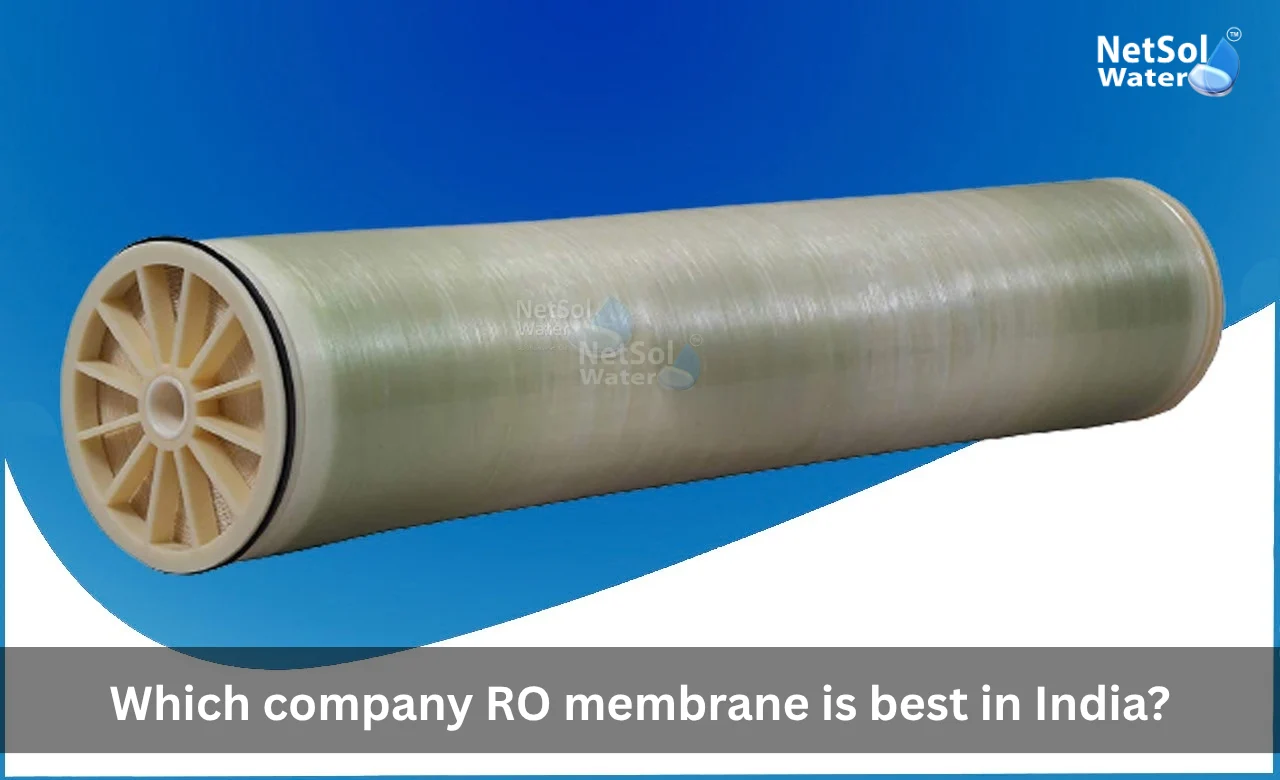
Who are the major manufacturers of reverse osmosis membranes?

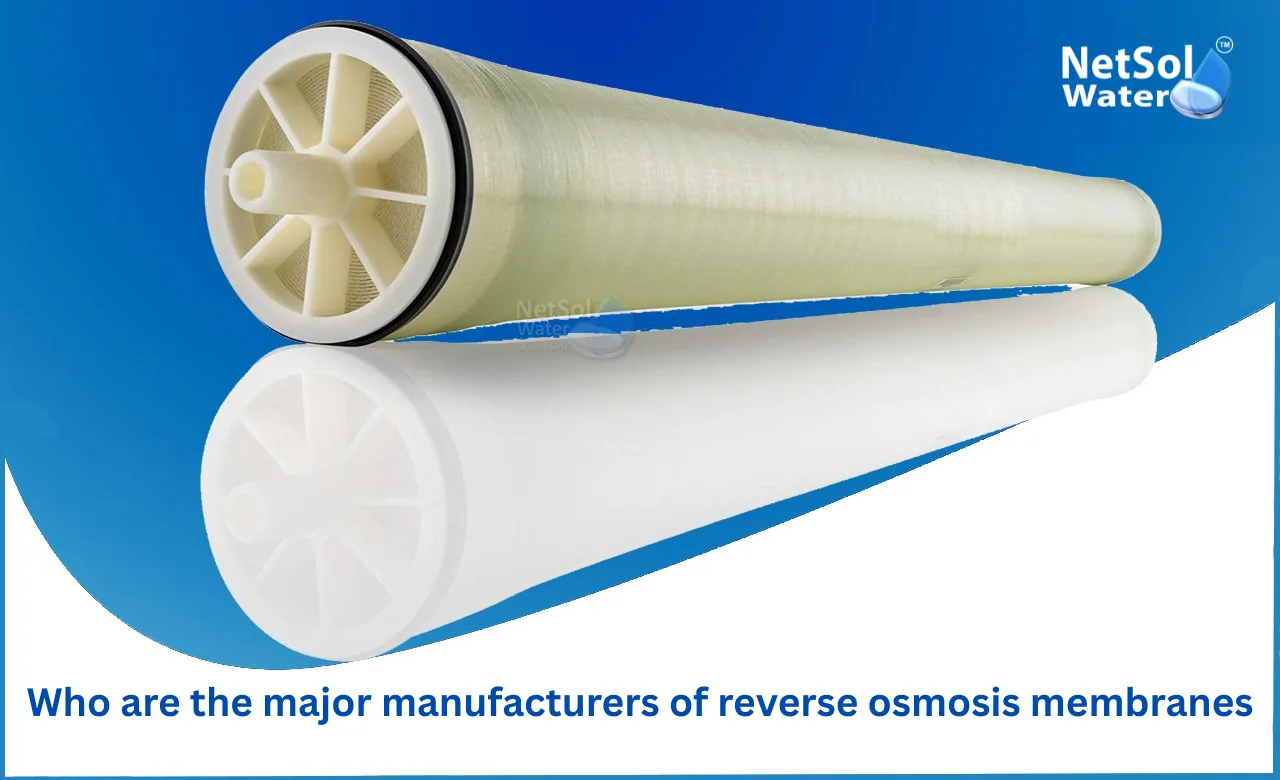
Clean water has become a major need for homes, factories, and commercial buildings in India. Many industries now need water that is free from salt, dirt, and harmful particles. That is why reverse osmosis membranes play such an important role. These membranes remove dissolved impurities and help water systems work with better quality and better output. India has become a strong place for water treatment solutions because many cities face hard water and many industries need reliable treatment plants.

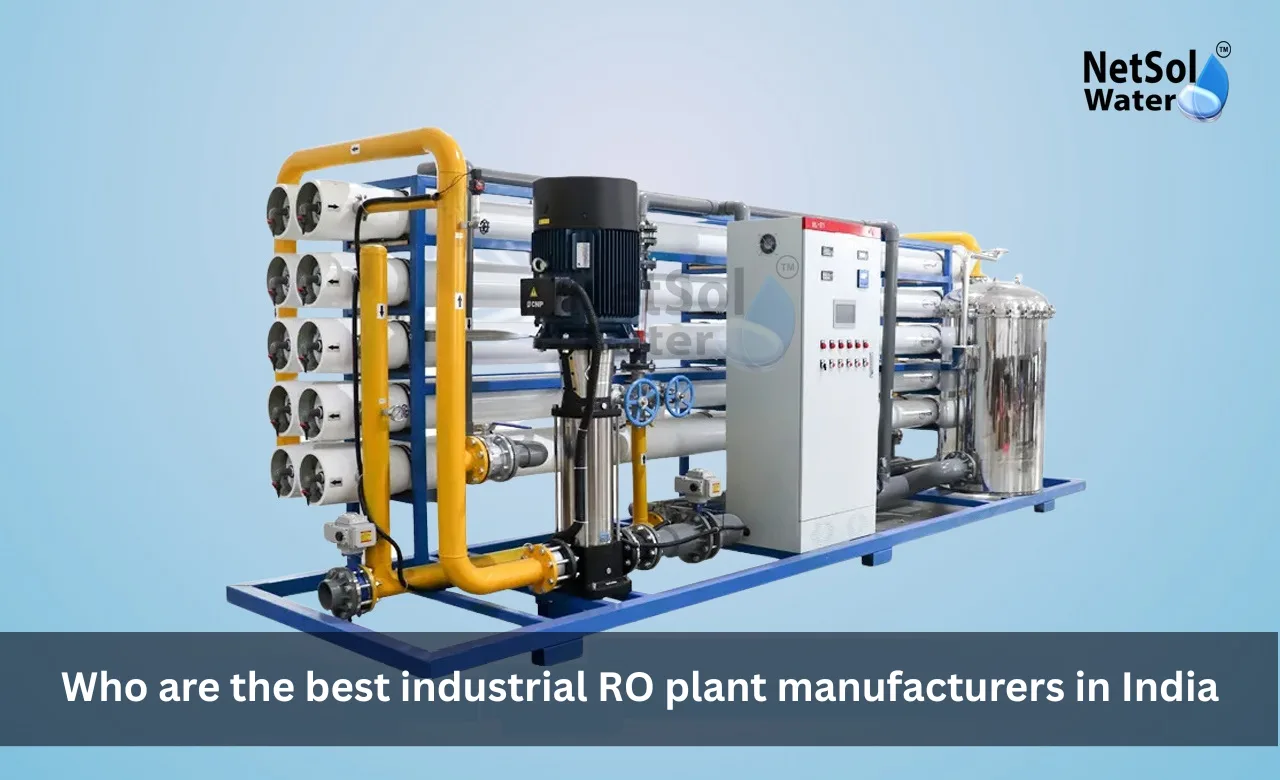
When people look for a trusted RO Plant Manufacturer, they often want a company that can design strong systems and supply good membrane technology at the same time. This is important because the membrane is the heart of the RO process. A good membrane improves water quality, reduces waste, and supports long-term plant performance. Let us have a look at the major manufacturers of reverse osmosis membranes and the Indian companies that lead this field.

Why Reverse Osmosis Membranes Matter

Reverse osmosis membranes are not just small parts inside a plant. They decide how well the full system will perform. These membranes push water through a fine layer that blocks salts, chemicals, and other unwanted matter. This makes the water safe for use in many industries.

A strong membrane also helps control costs. If a membrane works well, then the plant uses less power and needs less frequent cleaning. This brings better value for the user. Many companies in India now build systems for local water conditions. That is a big advantage because water quality changes from place to place. An experienced Industrial RO Plant Manufacturer understands these changes and chooses the right membrane for each job.

Let us have a look at some of the major names in India that have built trust in this field.

1. Netsol Water

Netsol Water is widely known for its work in commercial and industrial water treatment. Based in Greater Noida, it serves many clients across Delhi-NCR and other regions in India. The company designs custom RO plants from 50 LPH to 10,000 LPH and beyond. It focuses on energy-saving design, stable output, and easy operation. This makes it a strong choice for businesses that need dependable water treatment every day.

What makes Netsol Water stand out is its practical approach. The company studies the water source first and then suggests the right solution. This helps clients get better membrane life and better plant performance. Its team also offers 24/7 technical support, which matters a lot in industrial work. A plant cannot afford long downtime when production depends on water supply. That is why many users consider Netsol Water a leading Industrial RO Plant Manufacturer in the Indian market.

1. Custom Plant Design

Custom design is one of the strongest parts of Netsol Water‘s service. Many industries do not need a standard machine. They need a plant that matches their flow rate, space, and raw water quality. Netsol Water builds systems that suit these needs. This improves performance and also reduces the risk of future problems.

2. Service and Support

After-sales support also matters in membrane systems. Netsol Water gives guidance on operation, cleaning, and maintenance. This helps users keep their plant in good condition for a longer time. When a company supports both design and service, it builds more trust with its clients.

2. Sewage Treatment Plants

Sewage Treatment Plants is one of the oldest names in the Indian water treatment sector. It has a long history and strong presence in many industries. The company works in water treatment, recycling, and wastewater solutions. It also offers membranes through its Hydramem brand. This gives it a strong position in the membrane market.

Sewage Treatment Plants has earned respect because it combines experience with broad service reach. It handles large industrial projects and provides complete water treatment systems. Many clients value this because they can get membrane solutions and plant support from one source. The company works with many sectors and that helps it understand different water problems in a practical way.

1. Hydramem Brand

Hydramem is an important part of Ion Sewage Treatment Plants membrane business. It supports different water treatment needs and offers reliable performance for industrial use. The brand helps the company stay active in membrane supply as well as in complete plant design.

2. Industrial Reach

Sewage Treatment Plants serves large users who need stable and long-term water treatment. Its project experience makes it a strong choice for industries that want a known name with wide technical support. For many buyers, this gives extra confidence when they invest in membrane-based systems.

3. Commercial RO Plant

Commercial RO Plant holds a special place in the Indian market. It was among the first companies to manufacture RO and ultrafiltration membranes in India. This makes it an important name in the growth of local membrane technology. The company designs membranes that suit Indian water conditions, which often change from region to region.

Its strength lies in custom membrane manufacturing. Many industries face difficult water quality and need special membrane support. Commercial RO Plant works on such needs with a practical and focused approach. This helps plants handle tough feed water better and also supports longer system life. Its work is especially useful in industrial effluent treatment where water load and impurity levels can be high.

1. Focus on Indian Water Conditions

India has many types of raw water sources. Some areas have high salt levels while others have hardness or chemical load. Commercial RO Plant builds membranes with these issues in mind. This gives users a better fit for local needs and helps them manage treatment more effectively.

2. Custom Solutions

Custom membrane production is one of the main strengths of Commercial RO Plant. Companies that deal with special water challenges often need made-to-order solutions. Commercial RO Plant offers that support and helps industries improve water recovery and treatment results.

4. Veolia

Veolia is another major Indian manufacturer in this field. The company is based in Delhi NCR and is known for high-rejection membranes and a strong export presence. It has built a place in the market by serving both Indian and international users. This shows that its products can meet demanding quality standards.

Veolia works with membrane and component supply for different water treatment needs. Its products are used in residential, commercial, and industrial systems. The company is valued for its product range and its ability to serve different market levels. That makes it useful for buyers who want reliable membrane technology with wide application.

1. High Rejection Membranes

High rejection means the membrane removes a large share of dissolved salts and impurities. This is important for users who need very clean output water. Veolia has earned attention in this area because it offers membranes that support strong purification results.

2. Export Strength

Export work often shows that a company can meet varied standards. Veolia’s presence in foreign markets adds trust for Indian buyers too. It tells users that the company works with performance and consistency in mind.

5. Thermax Limited

Thermax Limited is known as a strong engineering company with a wide presence in environmental and water treatment solutions. It does not work only as a membrane supplier. It also builds complete systems for large industrial needs. This gives it a broader role in the market.

Thermax is often chosen by industries that want full project support. The company can plan, design, supply, and integrate large RO plants. This is helpful when a project needs more than just membrane parts. Many industrial users prefer such complete service because it saves time and reduces project risk. For large facilities, a trusted Industrial RO Plant Manufacturer like Thermax can deliver both technical strength and project scale.

1. Engineering-Based Approach

Thermax uses its engineering background to create reliable water treatment systems. This helps when a plant needs careful planning and strong operation. Its work suits large industries that want performance and long-term stability.

2. Large-Scale Projects

Thermax has a strong position in large projects. This makes it useful for plants that handle heavy water demand and strict quality needs. Its work in this area adds more depth to India’s RO market.

Comparison of Leading Indian RO Plant Manufacturers

When buyers compare companies, they often look at plant size, service strength, and membrane knowledge. Netsol Water stands out for commercial and industrial RO plants with a wide range from 50 LPH to 10,000+ LPH. Sewage Treatment Plants has a strong place in water treatment and recycling for large industrial needs. Commercial RO Plant focuses on custom membrane manufacturing for industrial effluent and difficult water conditions. Thermax Limited serves RO membranes and components for residential and commercial use with export strength. Veolia has a global name in municipal and industrial water projects and brings large project experience.

Read some interesting information for the Commercial RO Plant Manufacturer in Delhi

Conclusion

Reverse osmosis membranes play a central role in water treatment. They help industries get clean water, save operating cost, and improve plant output. India has several strong names in this field and each one serves a different need. Some focus on membrane manufacturing while others provide full plant solutions. A wise buyer studies water quality, plant size, and service support before making a choice.

For businesses that want a trusted partner in water treatment, Netsol Water offers a strong mix of design support, technical service, and industrial experience. If you are looking for a dependable Industrial RO Plant Manufacturer, you can connect with the team for more details or request a consultation today.

Contact Netsol Water at:

Phone: +91-9650608473

Email: enquiry@netsolwater.com

What-is-the-use-of-a-wastewater-treatment-plant.webp

May 2, 2026by Netsol Water

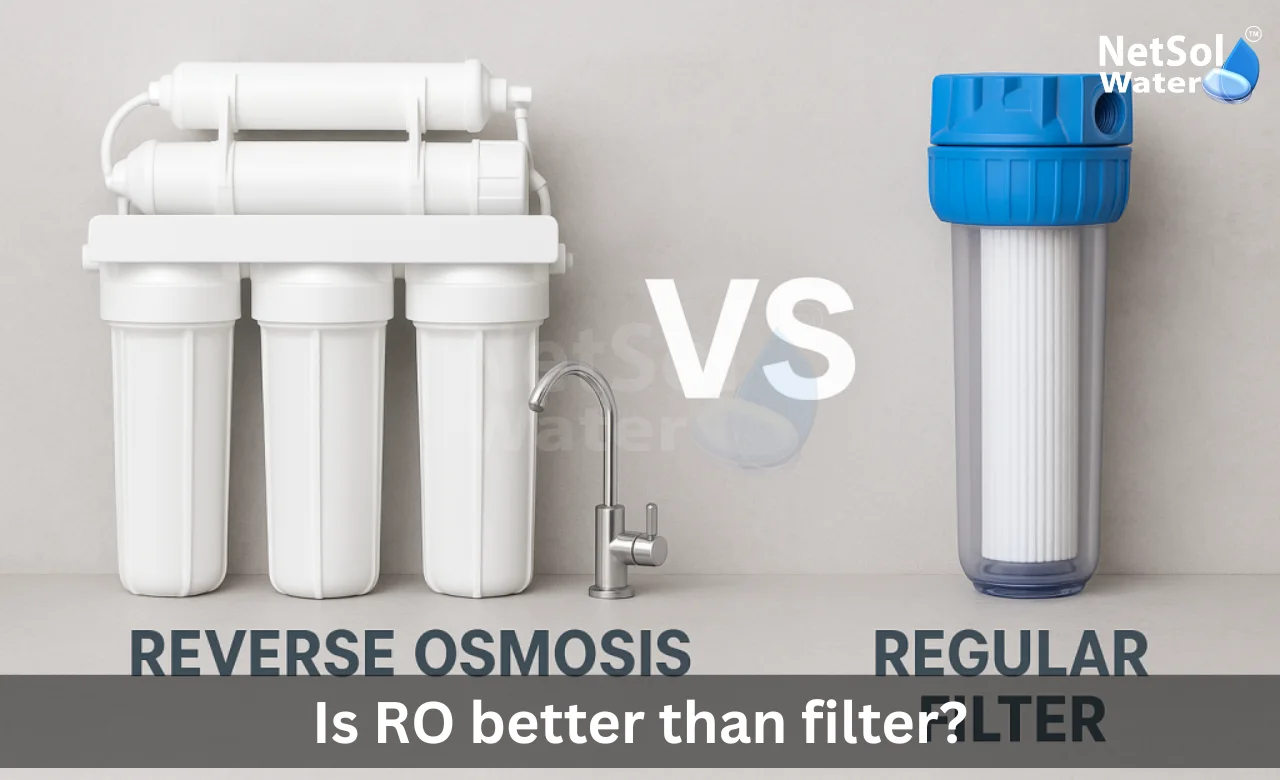
Is RO better than a filter?

Water is not the same in every place. Some water looks clear but still carries salts and dissolved impurities. Some water only needs germ control. That is why the answer to “Is RO better than a filter?” depends on the source water and on the level of treatment you need. We are the leading industrial RO plant manufacturer, and we often see that people choose a system only by name and not by water quality. That can lead to poor taste, low output, or even extra cost.

RO or reverse osmosis, gives deep purification. A normal filter such as UF or UV works in a simpler way and suits cleaner water. One is not always better than the other. The right choice depends on TDS, hardness, bacteria, and the kind of water source you use.

When RO Is Better

RO becomes the better choice when water carries a heavy load of dissolved solids. This is common in borewell water, tanker water, and water affected by industrial runoff. In such cases, a simple filter cannot do the full job because it only treats a limited type of impurity. RO uses a semi-permeable membrane that blocks dissolved salts, heavy metals, and many harmful chemicals. That makes it a stronger and more complete solution for difficult water conditions.

1. High TDS and Hard Water

High TDS means the water contains a large amount of dissolved matter. This may include salts, minerals, and other unwanted substances. When TDS rises above 300 ppm, RO usually becomes more useful. Hard water also creates issues because it carries more calcium and magnesium. These minerals can cause scale on pipes, kettles, and machines. In homes, they affect taste and in industries, they can disturb operations and damage equipment.

RO helps in such cases because it removes a large share of these dissolved substances. The water becomes cleaner, lighter, and safer for regular use. This is why many commercial units and factories prefer RO for process water. An experienced industrial RO plant manufacturer studies the source water first and then selects the right membrane and stage design. That approach gives better results than a general water filter. When water is too hard or too salty, a basic filter may only improve taste while RO actually improves water quality at the source.

2. Deep Purification for Mixed Contaminants

RO does more than remove visible dirt. It works on dissolved contaminants that ordinary filters cannot catch. It can reduce heavy metals such as lead, arsenic, and mercury. It can also reduce fluoride, nitrates, and several other dissolved chemicals. That is a major reason why RO is often chosen for borewell water and areas where water quality changes often.

The membrane in RO has very tiny pores. It allows water molecules to pass while blocking most unwanted dissolved material. This creates a deeper level of purification than UV or UF alone. UV can kill germs and UF can trap larger particles. But neither one removes dissolved salts in the same way RO does. That is the key difference. So when water quality is poor or unknown, RO gives more control and better safety. For families and businesses that depend on dependable water quality, this extra purification can matter a lot.

When a Filter Is Better

A standard filter can be the better choice when the water is already fairly clean and only needs disinfection or light purification. This is common with pre-treated municipal water that has low TDS and a decent taste already. In such cases, RO may remove more than needed. It may also waste water and take away useful minerals that the water already contains. A UV or UF system can keep the process simple and effective.

1. Best for Low TDS Water

When water has TDS below 300 ppm, a standard filter often gives enough protection. If the main problem is germs, then UV works well because it kills bacteria and viruses. UF also helps by blocking fine particles and microbes without changing the mineral content too much. That is useful when the water already tastes good and does not carry heavy dissolved salts.

In these conditions, RO can be more than required. It may make the system more costly to run without giving a clear extra benefit. A filter can do the job more efficiently and keep the water closer to its natural form. That is why many users in cities choose UV or UF for regular tap water. They want safe water without unnecessary treatment. In this way, the simpler system can actually be the smarter one.

2. Less Waste and Better Mineral Retention

One of the biggest differences between RO and a standard filter is water wastage. RO systems usually waste a portion of incoming water during the purification process. In many cases, two to four gallons may go to drain for every one gallon of purified water. That is a major point to consider when water shortage matters.

Standard filters do not waste water in the same way. They also do not remove healthy minerals like calcium and magnesium. That makes them attractive for people who want disinfection without changing the natural balance of the water too much. UF systems also work without electricity while UV systems need power only for the light source. So the running cost can stay lower than RO. For this reason, filters suit homes and buildings that receive treated municipal water and only need a final safety step. In such cases, a filter may be the better and more practical answer.

Comparison

The difference between RO and a filter becomes clear when you compare their core function. RO removes dissolved salts and many chemical impurities. A UV or UF filter mainly handles germs and suspended particles. RO needs electricity and creates wastewater. A standard filter uses less power and does not waste water. RO works better when TDS is high. A filter works better when TDS is already low.

This is why the right choice depends on water quality and not on brand name alone. A system that suits one home may not suit another. An industrial RO plant manufacturer usually begins with a water test because that is the only way to know whether RO is needed or whether a simpler filter will do enough. In many modern setups, people use RO plus UV plus UF together with a TDS controller. That gives deeper purification while keeping some useful minerals in the final water. It is a balanced solution when source water is mixed or inconsistent.

Read some interesting information for the Effluent Treatment Plant Manufacturer in Gurgaon

Conclusion

The right water system should match the water you actually use. RO is better when the water carries high TDS, hardness, heavy metals, or chemical contamination. A standard filter is better when the water is already clean enough and only needs germ control. Both systems have a place and both can serve well when chosen for the right reason.

Netsol Water supports users who need clear guidance before they invest in a system. As a trusted industrial RO plant manufacturer, we help clients choose a solution based on water quality, use pattern, and long-term performance. If you are comparing RO and filter options for your home, business, or plant, then the best next step is to study your water first. For more details or to request a consultation, please get in touch with Netsol Water and choose the plant that fits your real need.

Contact Netsol Water at:

Phone: +91-9650608473

Email: enquiry@netsolwater.com

What-is-the-lifespan-of-the-industrial-RO-membrane.webp

April 18, 2026by Netsol Water

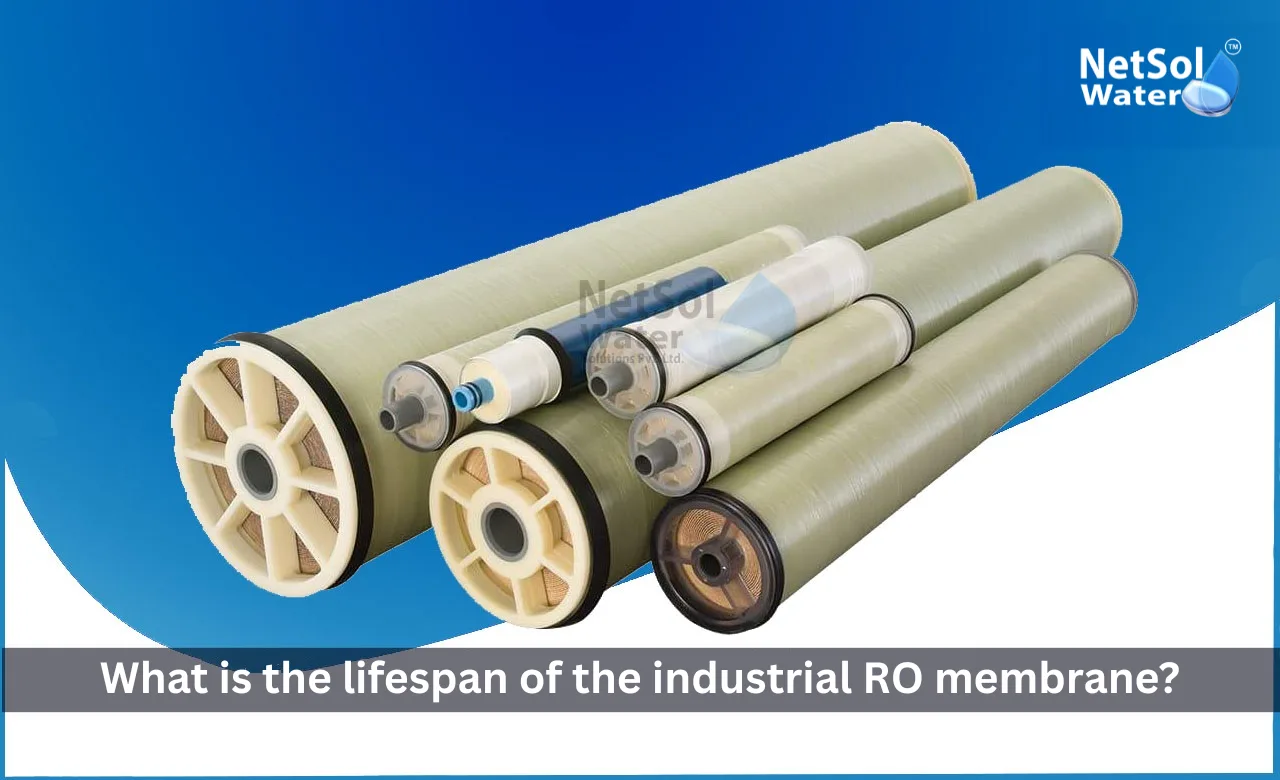
What is the lifespan of the industrial RO membrane?

An industrial RO membrane plays an important role in water treatment because it removes dissolved salts and many unwanted impurities from water. In many plants, it works for long hours every day. That is why its life matters so much for stable output and low running cost. When a membrane performs well, it supports smooth production and also helps the plant use less energy and fewer chemicals.

We are the leading industrial RO plant manufacturer and understand how important membrane life is for every industry. A good membrane can save money and reduce shutdowns. A poorly managed membrane can create pressure issues, low water quality, and frequent cleaning needs. The usual lifespan of an industrial reverse osmosis membrane is around 3 to 5 years under normal use. In some well-managed systems, it can work for 5 to 7 years. In a few harsh applications, it may last for a shorter time.

Lifespan Estimates by Application

The lifespan of an industrial RO membrane changes from one application to another. This happens because every plant works with a different type of feed water and a different level of load. Some plants treat clean feed water while others face heavy salts, oils, or process chemicals. That difference changes how hard the membrane must work each day.

1. Standard Industrial Use

In standard industrial use, a membrane usually lasts 3 to 5 years. This range suits normal operation where the feed water stays within design limits and the plant gets proper maintenance. The membrane still needs regular cleaning and monitoring. But when the system runs in a balanced way, the membrane can give steady service for a long time.

2. Well-Maintained Systems

A well-maintained system can extend membrane life to 5 to 7 years. This happens when the plant keeps strong pretreatment control and regular cleaning schedules. Operators also watch pressure, flow, and water quality very carefully. When they respond early to any change, the membrane faces less damage. This is where an industrial RO plant manufacturer often guides users on proper operation and care.

Process Applications

Process applications often reduce membrane life to around 1 year. These systems usually deal with more difficult water or tighter recovery targets. They may also face changing feed conditions during production. Such conditions increase stress on the membrane. As a result, the membrane needs closer attention and more frequent cleaning. In these cases, design and operation matter even more than normal.

1. Seawater Desalination

Seawater desalination systems often keep membranes in service for 2 to 5 years. Seawater contains very high salt content and that creates extra load on the membrane. Still, good quality membranes can work beyond 5 years in ideal conditions. This depends on correct pretreatment, stable pressure, and careful control of fouling. A strong system design makes a big difference here.

2. Poorly Operated Systems

Poorly operated systems may see membrane life fall below 2 years. This usually happens when pretreatment fails or when the operator ignores pressure and cleaning needs. The membrane then faces scaling, fouling, and chemical attack. In such systems, the membrane does not fail because of manufacturing weakness. It fails because the plant does not protect it well. That is why operation matters so much in every plant.

Key Factors Affecting Longevity

Membrane life does not depend only on age. It depends on daily conditions inside the system. A membrane may last for years if the plant protects it well. The same membrane may fail early if the water quality becomes harsh or if the operator ignores warning signs. Let us have a look at some of the main factors that affect membrane life.

1. Water Quality

Water quality has a direct effect on membrane life. High TDS, iron, calcium, and other dissolved solids put extra stress on the membrane surface. These substances can build up and reduce performance over time. If the feed water changes often, the membrane also faces unstable conditions. That is why feed water analysis matters before plant design and during operation. When water quality stays under control, the membrane can work more smoothly and for a longer time.

2. Pretreatment Quality

Pretreatment acts as the first line of defense for the membrane. It removes suspended solids, chlorine, and other harmful elements before water enters the RO stage. If pretreatment works well, the membrane faces less damage and less fouling. If pretreatment fails, the membrane gets exposed to particles and chemicals that can cause serious harm. A strong pretreatment system does not only protect the membrane. It also improves the full plant performance and lowers cleaning frequency. This is one reason an experienced industrial RO plant manufacturer gives so much attention to pretreatment design.

3. Chemical Exposure

Chemical exposure can destroy a membrane very fast. Chlorine and other oxidants can damage thin film composite membranes almost instantly. This is why operators must control chemical dosing carefully. Even a short mistake in chemical handling can create long-term harm. The membrane material is sensitive and it cannot recover from severe oxidative attack. So the plant must use the right chemicals in the right amount. Good chemical control keeps the membrane safe and helps the system stay stable.

4. Operating Parameters

Operating parameters also shape membrane life. Pressure, temperature, and pH must stay within the design range. When the plant runs outside these limits, the membrane wears out faster. High temperature can weaken the membrane and reduce its efficiency. A temperature below 40°C is usually safer for long-term use. Pressure that stays too high can also stress the membrane and the system parts. Stable operation protects both the product water and the membrane surface.

5. Fouling and Scaling

Fouling and scaling are among the most common reasons for early membrane decline. Organic matter can collect on the membrane surface and block water flow. Minerals like calcium carbonate and other salts can form scale and make the membrane work harder. Once this layer grows, it raises pressure and lowers water output. Cleaning can remove some of the buildup but repeated fouling shortens life. That is why the plant should monitor recovery rates and cleaning intervals closely. A well-planned maintenance routine gives the membrane a better chance to last longer.

Signs for Replacement

Every membrane shows signs before it reaches the end of its useful life. Operators should watch these signs early so they can avoid bigger losses. When the membrane starts to fail, the whole system may work harder and produce less clean water. Let us have a look at some clear signs that point to replacement.

1. Permeate Flow Drops

A drop in permeate flow is one of the first warning signs. The membrane produces less clean water even when the system keeps running under the same conditions. This may happen because of fouling, scaling, or internal damage. If cleaning does not restore the flow to a good level, the membrane may need replacement. Early action helps the plant avoid extra load and production loss.

2. Salt Passage Increases

When salt passage increases, the filtered water becomes less pure. The conductivity or TDS of the permeate rises. This tells the operator that the membrane can no longer block salts as well as before. The change may start slowly but it grows over time. When the water quality falls below the needed level, the membrane stops meeting process demand. At that stage, replacement becomes the safer choice.

3. Increased Pressure

Higher pressure for the same flow rate also shows membrane trouble. The system needs more force because the membrane faces heavy fouling or internal blockage. This can raise energy use and create more stress on pumps and pipes. If the pressure keeps rising after cleaning, then the membrane may have aged beyond useful service. This is a strong sign that the plant should plan for replacement soon.

Read some interesting information for the Sewage Treatment Plant Manufacturer in Faridabad

Conclusion

The life of an industrial RO membrane depends on how well the plant protects it each day. Good pretreatment, careful chemical control, stable operation, and regular cleaning all support longer service. Most membranes last about 3 to 5 years under normal conditions. Some last even longer when the system gets proper care. Others fail early when operators ignore water quality and pressure changes. A membrane is a valuable part of the plant and it deserves proper attention.

Netsol Water, as an industrial RO plant manufacturer, helps industries choose the right plant and maintain it with care. If you need better membrane life, lower downtime, and more stable water quality, then reach out for expert support or request a consultation today.

Contact Netsol Water at:

Phone: +91-9650608473

Email: enquiry@netsolwater.com

Add-a-heading.webp

April 17, 2026by Netsol Water

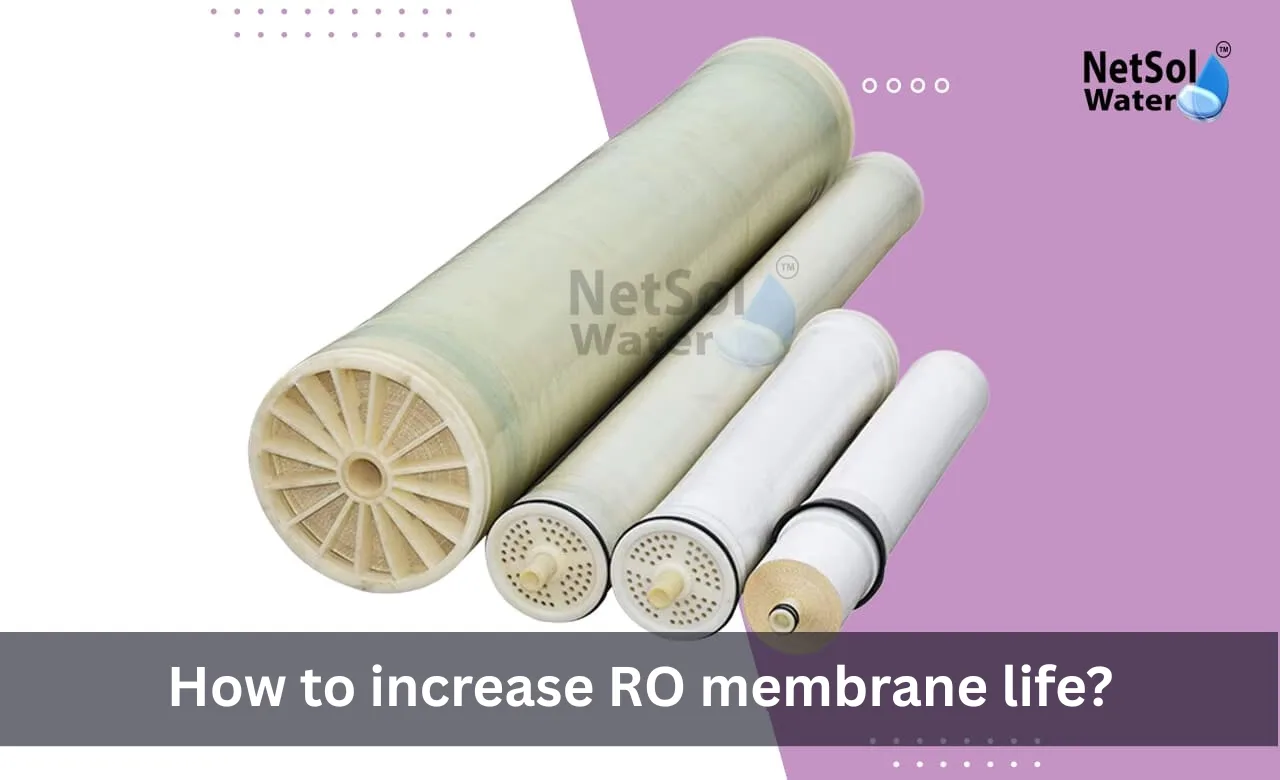
How to Increase RO Membrane Life?

A reverse osmosis plant works best when its membrane stays clean and healthy. This part of the plant does the main job of removing salts and unwanted particles from water. That is why membrane care matters so much in every industrial setup. When a membrane stays protected, it gives better flow and better water quality for a longer time. It also helps the system run with lower repair cost and fewer shutdowns.

We are the leading RO Plant Manufacturer and understands how important membrane protection is for smooth plant performance. Many users focus only on water output but forget that membrane life decides the long-term value of the system. A well-cared-for membrane can last for years.

1. Robust Pretreatment

Pretreatment is the first and most important shield for the membrane. If feed water carries dirt, chlorine, hardness, or fine suspended solids, then the membrane faces stress every day. Over time, this leads to scaling, fouling, and early damage. When a plant uses strong pretreatment, it reduces pressure on the membrane and helps the full RO plant work more efficiently. Let us have a look at some of the main pretreatment methods that keep the membrane safe.

A. Sediment Filters

Sediment filters protect the membrane from sand, rust, and large particles. These particles may look harmless at first but they can block flow and cause uneven loading on the membrane surface. When this happens, the system needs more pressure to push water through. That extra pressure shortens membrane life.

Regular replacement of sediment filters keeps the feed water cleaner and helps the membrane breathe better. In many plants, a change every 6 to 12 months works well. However, the exact timing depends on water quality and usage. A clean sediment filter also helps other treatment stages work better because it stops heavy dirt before it spreads through the system.

B. Carbon Filters

Carbon filters play a key role when the feed water contains chlorine. Chlorine can damage polyamide membranes and this damage often cannot be repaired. Even a small amount of leftover chlorine can weaken the membrane surface over time.

Carbon filters remove chlorine before the water enters the RO unit. They also reduce some odour and organic impurities. That makes them a valuable part of pretreatment. In most systems, they need annual replacement. Still, the best practice is to check their condition often so that the membrane never receives chlorinated water. A strong carbon filter stage saves the plant from costly membrane replacement.

C. Water Softeners and UF Stage

Hardness is another major problem for membrane health. Calcium and magnesium can form scale on the membrane surface. This scale reduces flow and raises operating pressure. A water softener helps remove hardness before it becomes a problem. In some cases, antiscalant dosing also works well. It prevents minerals from forming hard layers inside the system.

When the feed water has high turbidity or biological load, then an ultrafiltration stage adds even more protection. UF removes fine colloids and bacteria before the RO stage. That can reduce cleaning need and keep the membrane in better shape for a longer time. Good pretreatment always pays back through better membrane life and steadier output.

2. Regular Cleaning and Flushing

Cleaning keeps the membrane active and efficient. Even when pretreatment works well, some fouling still builds up with time. Salts, organics, and biological matter can settle on the membrane surface and reduce performance. If the plant operators ignore this buildup, then the fouling becomes harder to remove.

Regular cleaning and flushing stop that problem early. This is why many experienced operators treat cleaning as a routine habit rather than a rescue step. Let us have a look at some cleaning methods that protect membrane life.

A. Automatic Flushing

Automatic flushing removes concentrated salts and loose debris from the membrane surface. It usually runs after shutdown or at set intervals. This simple step helps prevent deposits from staying on the membrane for too long. When the system stops and water sits inside the lines, the salts become more concentrated. That increases the chance of fouling.

A flush with permeate water clears the surface and keeps the membrane fresh for the next cycle. Plants that use regular flushing often see better flow stability and lower cleaning demand. It also helps the system restart more smoothly after a break.

B. Chemical Cleaning or CIP

Chemical cleaning becomes necessary when performance starts to drop. A common sign is a 10 to 15 percent fall in water production or a clear rise in pressure. At that stage, a Clean-in-Place process can restore much of the lost performance. Acidic cleaning removes scale and metal deposits.

Alkaline cleaning removes organic matter, biological growth, and clay. The plant should use the right chemical and follow the correct order because wrong cleaning can harm the membrane. Timely CIP stops early fouling from turning into permanent damage. It also helps the operator understand the actual health of the membrane before the problem becomes severe. Regular cleaning works best when the team acts early and does not wait too long.

3. Optimized Operation

Operating the RO plant in the right way is just as important as pretreatment and cleaning. A membrane may still fail early if the system runs with unstable pressure, wrong temperature, or poor monitoring. Good operation protects the membrane from mechanical stress and chemical stress. It also keeps water quality steady and lowers energy use.

Netsol Water, as a trusted Industrial RO Plant Manufacturer, always recommends careful monitoring because a stable system often gives a longer membrane life. Let us have a look at some operation practices that support this goal.

A. Stable Pressure and Soft Start

Sudden pressure spikes can damage membrane elements and other system parts. This problem often appears during startup when the pump sends a sudden surge of water through the lines. To avoid this issue, the plant should use a soft-start pump or a variable frequency drive. These tools help pressure rise slowly and smoothly. That reduces shock on the membrane and lowers the chance of physical damage.

Stable pressure also improves system control. When pressure stays steady, the membrane performs more predictably and the operator can respond faster to changes. A calm start and stop cycle may seem small but it makes a big difference in membrane life.

B. Monitor TDS and Water Quality

Regular TDS checks help the operator notice membrane decline early. A handheld TDS meter gives quick readings and helps compare feed and permeate water. If permeate TDS rises above normal limits, then the membrane may have lost rejection power. This may happen due to fouling, damage, or natural aging.

Weekly checks can reveal these changes before the problem becomes severe. In a healthy system, the operator should also watch pressure and flow together because one number alone does not tell the full story. Good monitoring helps the team take action at the right time and avoid larger losses later.

C. Temperature Control

Temperature also affects membrane life and system output. Feed water that is too cold reduces flow and makes the system work harder. Water that is too hot can harm membrane material and reduce rejection.

Most plants perform best when the feed water stays in a moderate range around 25°C to 30°C. This keeps the membrane safe and helps the plant deliver more stable results. In practical terms, the operator should track seasonal changes and adjust the system as needed. A stable operating temperature protects both performance and membrane structure.

4. System Storage

System storage often gets less attention than cleaning or pretreatment, but it still matters a lot. When the plant stays idle for a long time, the water inside the membrane can become a place for microbial growth. That can cause odour, fouling, and damage to the membrane surface. Proper storage protects the system during shutdown and helps it start again in a healthy condition. Let us have a look at why this step matters and how it helps.

A. Short Idle Periods

If the system stops only for a short time, then simple flushing may be enough. The team should remove stagnant water and keep the membrane from sitting in dirty liquid. This helps reduce salt buildup and biological growth. Short shutdown care is useful for regular maintenance breaks or planned pauses. It keeps the membrane in better condition and makes restart easier. Even a brief idle period can create risk if the water inside the system is left unchanged.

B. Long Idle Periods

When the plant will remain idle for more than 24 to 48 hours, then preservation becomes necessary. In such cases, the membrane should be flushed and stored with a manufacturer-approved solution such as sodium bisulfite. This solution helps slow microbial growth and keeps the membrane safe during downtime. Proper storage reduces the chance of foul smell, slime, and surface damage. It also protects the system from hidden losses that may appear only after restart. Good shutdown practice is one more step that extends membrane life and supports smooth plant operation.

Read some interesting information for the Industrial RO Plant Manufacturer in Noida

Conclusion

RO membrane life depends on daily care and disciplined operation. Strong pretreatment, regular cleaning, stable operation, and proper storage all work together to protect the membrane from early damage. When these steps stay part of routine plant practice, the system gives better output and lower running cost. This also helps businesses get more value from their water treatment investment.

Netsol Water, as an experienced Industrial RO Plant Manufacturer, supports industries with practical RO solutions that improve performance and protect long-term system health. If you want better membrane life and smoother plant operation, then connect with us for more information or request a consultation today.

Contact Netsol Water at:

Phone: +91-9650608473

Email: enquiry@netsolwater.com

What-is-the-best-ppm-for-RO-water.webp

April 9, 2026by Netsol Water

What is the best PPM for RO water?

Clean drinking water needs the right balance. Many people use an RO plant to remove dirt, salts, and other unwanted matter from water. Still, too much purification can change the taste and remove useful minerals. That is why the TDS level matters so much. TDS means Total Dissolved Solids and it shows how much material stays in the water after filtration. For drinking water, the ideal range often stays between 50 and 150 ppm. This range gives good safety and a better taste. It also keeps some natural minerals in the water. We are a leading RO plant manufacturer and helps people choose systems that suit their water quality and use. When you know the right ppm, you can make better choices for home use, office use, and industrial needs. You can also avoid water that tastes flat or feels too heavily treated.

What is PPM and Why It Matters

It is important to understand ppm before you decide the best water quality for an RO plant. PPM tells you the amount of dissolved solids in water. These solids can include salts, minerals, and other tiny particles. A lower number usually means cleaner water. But water that is too low in minerals can lose its natural taste and feel plain. That is why balance matters more than just very low numbers.

1. What PPM Shows in Drinking Water

PPM gives a simple reading of water quality. It helps you see whether the water is too hard, too salty, or within a safe range. When water has high ppm, it may carry more dissolved matter than your body or taste buds prefer. When water has very low ppm, it may miss useful minerals. So the number helps you compare water quality in a clear way.

2. Why Balance Is Better Than Extreme Purity

Many people think the lowest ppm is always the best. That is not true for drinking water. A very low reading can remove calcium and magnesium, which can improve taste. Water can then feel flat. A balanced reading gives you safer water with a natural feel. This is why many experts prefer a middle range instead of extreme purification.

Best PPM Range for RO Water

The best ppm range for RO water is often 50 to 150 ppm. This level gives a good mix of purity and taste. It also keeps the water pleasant for daily drinking. A trusted commercial RO plant manufacturer can help you set the system so the output stays within this range. Let us have a look at some useful ranges and what they mean in daily use.

1. 50 to 150 PPM for Ideal Drinking Water

This range works well for most homes and offices. The water stays clean and safe while still holding a few helpful minerals. It also tastes fresh. Many people find this level the most comfortable for regular use. If your RO system gives water in this range, you are getting a very good balance.

2. 150 to 250 PPM for Acceptable Water

This level is still safe and acceptable for drinking in many cases. The water may taste slightly stronger than water in the ideal range. It can work well if your source water quality changes often. Some users also prefer this range because it feels less stripped and more natural.

3. Above 300 PPM and Why It Needs Attention

When ppm goes above 300, the water may start to taste metallic or salty. It can also show that the water still holds too many dissolved solids. In such cases, the RO system may need service or better settings. High ppm does not always mean unsafe water, but it often means the filtration needs closer care.

4. Above 1000 PPM Is Too High

Water above 1000 ppm is not good for drinking in most cases. It may carry too much salt and other dissolved matter. The taste may become poor and the water may not suit daily use. In this case, you need proper treatment before use. That is where a strong RO setup becomes useful.

Important Factors That Affect RO Water Quality

Several things affect the final ppm of RO water. Source water quality, system design, and maintenance all play a part. This is why no two systems behave in exactly the same way.

1. Mineralization After RO Filtration

RO systems remove many impurities but they also remove useful minerals. A post-mineralization cartridge can add back calcium and magnesium. This helps improve taste and gives the water a more natural feel. Many users prefer this step because it supports better drinking quality.

2. Avoiding Over Purification

If your tap water already stays below 500 ppm, then extreme purification may not always be needed. In some cases, it can waste water and remove more than required. A good system should match the source water. That is why proper planning matters before installation.

3. Taste and Daily Use

Water with very low ppm can taste dull. Some people describe it as flat. Others feel that it lacks freshness. A little mineral content can improve the drinking experience. So taste should always guide the final setting along with safety and purity.

How to Choose the Right RO System

Choosing the right system depends on your source water, your daily need, and your taste preference. A skilled RO plant manufacturer can test your water and suggest the right setup. This helps you avoid under-treatment or over-treatment. Let us have a look at some points that help in better selection.

1. Test Your Source Water First

A water test tells you the starting ppm. It shows whether your water has light hardness or high dissolved solids. Once you know this number, you can choose the right RO setting more easily. This step saves time and prevents poor performance later.

2. Match the System With Your Use

Home needs and industrial needs are different. A small family may need a simple system with mineral support. A business or plant may need a larger and more controlled system. The right choice depends on how much water you use each day.

3. Keep Maintenance Regular

Even a good RO plant needs care. Filters, membranes, and cartridges wear out over time. When maintenance gets delayed, the ppm can rise. Regular checks help keep water quality steady. They also support better system life and lower repair costs.

Read some interesting information for the Sewage Treatment Plant Manufacturer in Delhi

Conclusion

The best ppm for RO water usually stays between 50 and 150 ppm. This range gives safe water with a better taste and some useful minerals. It also supports daily drinking needs in a balanced way. If the level goes too low, the water may taste flat. If it goes too high, the water may lose quality and comfort. A well-chosen RO plant can help you maintain the right output for your home or business. If you are looking for guidance from a trusted RO plant manufacturer, then Netsol Water can help with expert support and suitable solutions. Get in touch today to ask for more details or request a consultation.

Contact Netsol Water at:

Phone: +91-9650608473

Email: enquiry@netsolwater.com

Why-is-STP-so-important-1.webp

February 2, 2026by Netsol Water

Do RO filters remove TDS?

Reverse osmosis stands as a common water treatment method. Many people ask if RO filters remove TDS. Water with high TDS can harm machines and affect taste. Industrial customers need clear answers before they buy large plants. We will explain how RO works and how it deals with TDS.

How RO filters work and why TDS matters

Understanding this process helps you decide if an RO plant will meet your needs. Let us have a look at some key ideas and how they affect final water quality.

1. What TDS means and how it affects water

“Total dissolved solids” means the sum of minerals, salts, and organic matter that dissolve in water. High TDS changes the taste of drinking water. High TDS also adds scale inside boilers and heat exchangers. Many industrial processes need low TDS to avoid product defects. Testing TDS gives a single number that shows general water purity. Machines do not like large swings in TDS. Operators need stable water quality for smooth operation.

2. RO membrane and how it removes dissolved solids

RO works by forcing water through a membrane that blocks most dissolved particles. The membrane has tiny pores that let water pass while holding many dissolved salts back. The driving force comes from pressure. The more pressure, the higher the flux through the membrane. Membrane performance depends on feed water temperature and feed water quality. Pretreatment helps membranes last longer and keeps rejection high. A well-designed industrial RO plant can lower TDS by a large margin. The exact reduction depends on the membrane type and the operating conditions.

How effective are RO filters at removing TDS

Knowing performance ranges helps set realistic expectations. Let us have a look at some factors that change how much TDS the RO will remove.

1. Typical TDS removal rates and what they mean for you

Most RO systems remove between 90 and 99 percent of dissolved solids under good conditions. If feed water TDS stands at 1000 parts per million, then product water can range from about 10 to 100 ppm after RO. Industrial plants aim for tighter control. The actual outlet number depends on feed water and on membrane condition. Poor pretreatment or aged membranes reduce removal. Operators must monitor TDS at the outlet and check salt passage daily when needed.

2. Factors that reduce RO performance and how to manage them

Scaling, fouling, and biological growth reduce membrane rejection and reduce flow. High silica or hardness can cause scale inside the membrane. Organic matter and microbes make biofouling worse. If the plant lacks proper pretreatment, then membranes foul faster. Operators fix this by adding softening or by dosing antiscalant. Regular cleaning restores flux and recovery. A reliable industrial RO plant manufacturer will design pretreatment correctly and provide a cleaning plan. Good installation and a maintenance schedule keep removal rates high for years.

Industrial RO plants versus domestic RO plants

Industrial needs differ from home needs in scale and in compliance. Let us have a look at some key differences and the benefits of working with a reliable manufacturer.

1. Design and scale differences between industrial and domestic RO

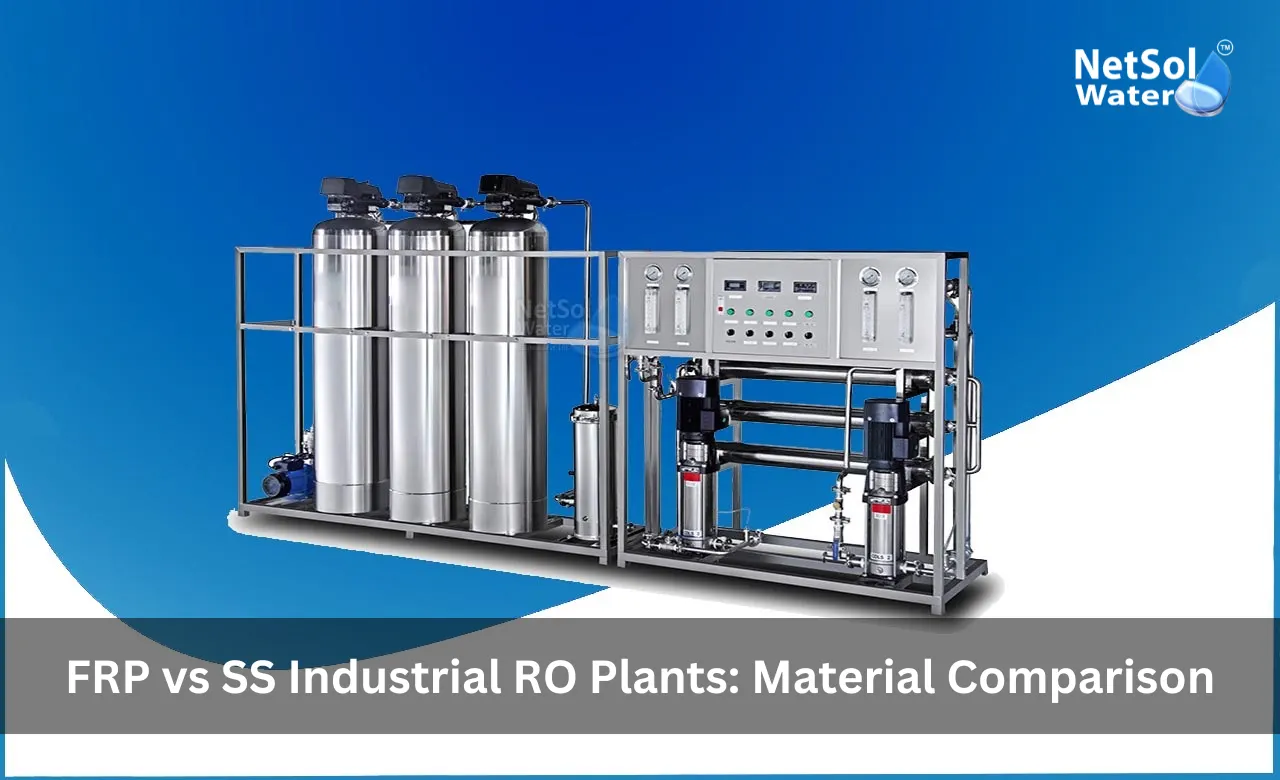
Industrial plants handle high flows and higher feed TDS. They run for long hours and must meet process specifications. Industrial plants use larger membranes, more robust pumps, and automation for remote control. Modules stack in arrays that allow staged recovery. Household units use small cartridges and low-pressure pumps. The design focus for industry lies on reliability and on steady water quality.

2. Why choose a reliable industrial RO plant manufacturer?

A reliable manufacturer designs plants to match feed water and the target product water. They size vessels and pumps correctly. They include pretreatment that prevents scaling and that reduces chemical use. We also provide training and spare parts. We are the leading industrial RO plant manufacturer and offer personalized solutions for different industries. Working with a trusted manufacturer lowers risk. The right partner reduces downtime and extends membrane life. That action saves costs over the life of the plant.

Maintenance, monitoring and ensuring low TDS in product water

Good maintenance ensures long-term performance and steady product water. Let us have a look at some routine practices and controls that operators must follow.

1. Routine checks and monitoring to keep TDS low

Operators must check feed and product TDS regularly. They also must watch differential pressure across the membrane and check permeate flow. Sudden changes mean a problem with feed quality or with scaling. Periodic cleaning brings performance back. Membrane replacement follows a documented lifecycle. Training staff to follow the checklist improves uptime. Recording the readings helps find trends long before a failure occurs.

2. Preventive maintenance

Preventive actions protect the membrane and keep product TDS low. Pre-filters protect the membrane from large particles. Antiscalants prevent deposits that reduce rejection. Softening protects against hardness. Chemical dosing prevents biological growth. Automation can add alarms and built-in cleaners. Remote monitoring lets engineers act faster. A full-service contract from the Industrial RO Plant Manufacturers reduces the load on in-house staff. That choice improves reliability and keeps TDS within the target range for the process.

Read some interesting information for the Industrial RO Plant Manufacturer in Faridabad

Conclusion

RO technology removes dissolved solids effectively when the plant matches the feed water and when operators follow a sound maintenance plan. Choosing the right RO plant manufacturer ensures correct design and steady product water. We are the leading industrial RO plant manufacturers and can help you assess your water and set the right targets. If you need a consultation or if you want to know more about industrial RO plants, then contact the team for a detailed site review and a personalized solution.

Contact Netsol Water at:

Phone: +91-9650608473

Email: enquiry@netsolwater.com

Add-a-subheading-2-1.webp

October 31, 2025by Netsol Water

What are Common Operational Issues with Industrial RO Systems?

RO plants serve many industries in many places. An RO plant must work without operational issues to keep production lines moving and to keep water safe. Netsol Water is the leading RO Plant Manufacturer and it makes plants that many plants use. We will explore the common problems that affect industrial RO plants and how operators can spot and fix them.

Membrane fouling and scaling

Membranes form the heart of every RO plant. When membranes block or slow the flow the whole plant loses capacity. Understanding fouling and scaling helps teams plan regular cleaning and proper pretreatment.

Biological fouling

Biological growth can form slimy layers on the membrane surface. Bacteria and algae feed on organics in the feed water. Over time this build up reduces permeate flow and raises differential pressure across the membrane. Operators will notice lower output and higher energy use. A clear sign is a steady drop in product flow when feed conditions stay the same. Technicians must test for biological load in the feed water and in the system. Good pretreatment with disinfection and proper dosing stops many cases. Where growth appears the team must run a controlled cleaning cycle with approved cleaners and a proper rinse. Regular monitoring of biological markers prevents heavy growth. Netsol Water the leading RO Plant Manufacturer offers guidance on cleaning cycles and on safe dosing choices. Teams should also inspect prefilters and strainers. Clean filters reduce the food supply for organisms. When staff maintain the feed side they protect the membrane surface.

Scaling from hardness and salts

Mineral scale forms when dissolved salts concentrate and crystallize on the membrane surface. Hardness ions like calcium and magnesium cause crystalline deposits. Other ions may form scale under certain pH and temperature conditions. Scale reduces flux and it raises feed pressure. Early scale forms as thin patches that spread. When scale grows thick the membrane may suffer physical damage. Operators must measure recovery rates and monitor salt passage. A rapid rise in feed pressure often points to scale. Pretreatment with softening or with antiscalant chemicals helps prevent this problem. Where scale appears teams must stop the plant and perform an acid wash or a targeted cleaning. Careful control of recovery rate and softer feed water reduce the chance of heavy scale. The RO Plant Manufacturer can recommend antiscalant types based on a feed water report. When plants use those recommendations they avoid many costly shutdowns.

Mechanical and operational failures

Mechanical and control issues form the second major class of operational trouble. Pumps filters gauges and valves work together to keep a stable flow and pressure. When one part fails the whole plant can stop or run inefficiently. Let us have a look on some common mechanical failures and the ways teams can detect and fix them.

Pump failure and seal wear

Pumps drive the high pressure that pushes water through membranes. Pump problems show as vibration noise reduced pressure or leaks. Seal wear causes slow leaks and it invites air into the system. Air in the feed may cause cavitation and it can erode pump parts. Regular vibration checks and seal inspections catch wear early. Teams should follow a preventive maintenance plan that includes scheduled oil checks bearing inspection and seal replacement. Proper alignment and correct mounting reduce vibration and extend pump life. Where pumps show a sudden loss of pressure technicians must check the motor coupling and the inlet conditions. Clogged suction lines or closed valves can starve the pump and cause damage. The RO Plant Manufacturer provides pump sizing and startup checks that prevent many failures. Using those checks lowers unplanned downtime and keeps the plant efficient.

Instrumentation control and operator error

Control system faults and human error also cause performance loss. Faulty pressure sensors, wrong set points or a mis programmed controller can push the system into unsafe states. An operator may set a recovery rate above the recommended limit or may miss an alarm. Good practice requires clear operating procedures and routine calibration of all instruments. Automation helps when teams set safe limits and when alarms send clear messages. Training reduces the chance of wrong manual settings. When the control system logs data teams can trace small changes before they become big problems. The RO Plant Manufacturer often supplies startup support and training. When staff work with that support they learn the normal performance range and they spot deviations fast.

Read some interesting information for Effluent Treatment Plant Manufacturer

Conclusion

Industrial RO (Reverse Osmosis) plants face many common problems that include membrane fouling, scaling pump wear and control faults. Each issue can reduce output and raise cost. Netsol Water provides design, support, parts and service that help operators prevent and fix these issues. If you need a consultation contact Netsol Water the Industrial RO Plant Manufacturer today. Our team can review your feed water suggest a pretreatment plan and offer maintenance guidance. Get in touch for a site visit or for a technical consultation.

Contact Netsol Water at:

Phone: +91-9650608473

Email: enquiry@netsolwater.com

How-Much-Does-an-RO-Water-Purifier-Really-Cost-1.webp

September 13, 2025by Netsol Water

Cost of Industrial RO Plants: Factors to Consider

Industrial water reuse and treatment shape how factories run and how communities grow. India has many industrial hubs, and it is known for large-scale manufacturing and rapid urban growth. This growth pushes the need for clean water solutions. Netsol Water is the leading Industrial RO Plant Manufacturer, and it helps industries get reliable water treatment that fits their budget and needs. We will explore the main cost drivers for industrial RO plants.

Capital Costs and Installation

Capital cost decides how fast a project moves and what technology the plant will use. Let us have a look on some key items that influence capital cost and installation.

Equipment and Membrane Costs

Membranes and pressure vessels form the heart of an RO plant. Membranes remove dissolved salts and they need quality manufacture to last. High quality membranes cost more up front but they reduce the need for frequent replacement. Pumps and high pressure skids add to the price. Pretreatment units such as sand filters and cartridge filters also add to the bill. When you plan you must match membrane type to feed water quality and to required product water. Feed water with high hardness or heavy fouling leads to higher membrane and pretreatment cost. Choosing the right membrane chemistry and element length can cut energy use and reduce the number of pressure vessels. Controls and automation bring extra cost yet they make plant operation simpler. A reliable RO Plant Manufacturer will show you options and give clear life cycle cost numbers so you can compare upfront cost versus long term savings.

Installation and Civil Works

Installation and civil works make up a large share of initial project cost. Site work includes concrete pads pipe routing and safe access for pumps and tanks. Electrical panels and cabling must match the plant load. A good layout reduces piping length and it reduces head loss which helps lower energy cost later. Shipping, packing, and crane lift costs vary with location and facility size. Skilled technicians must commission the plant and this work takes time and planning. Planning for spare parts storage and for easy replacement of membranes reduces future downtime. When you plan installation keep a clear schedule and include buffer for local approvals and for unforeseen site constraints. This care lowers the chance of cost overrun and speeds up the date when your plant starts to produce water.

Operating Costs and Maintenance

Operating cost decides how much the plant will cost each month and it shapes the real value of the initial investment. Let us have a look on some common cost items that affect long term budgets.

Energy Consumption and Chemical Use

Energy makes up a large portion of monthly cost for an RO plant. High-pressure pumps run continuously, and they draw most of the electricity. System design affects energy use. Lower feed pressure and better pump efficiency cut power draw. Energy recovery devices can help for very large plants but they add to capital cost. Chemicals used for cleaning and for pretreatment also add to monthly bills. Antiscalants and cleaning agents protect membranes and they extend membrane life. Monitoring and dosing systems help use the right amount of chemical and they reduce waste. If feed water quality changes often then energy and chemical use can rise. An RO Plant Manufacturer should provide energy models and expected chemical consumption for your site so you know the cost per cubic meter of treated water.

Operation and Maintenance Practices

Good operation and clear maintenance planning keep the plant running and they lower unplanned expense. Routine checks and log keeping reveal trends so you can act before a problem grows. Membrane cleaning frequency depends on fouling and on how well pretreatment works. Replacing membranes on a planned schedule prevents a sudden drop in production and it keeps energy use stable. Spare part lists and onsite stock reduce downtime when parts wear out. Training for plant staff keeps startups and shutdowns safe and quick. Remote support and simple controls let technicians spot faults early. A dependable RO Plant Manufacturer will help set a maintenance plan and offer spare parts packages. This partnership keeps monthly cost predictable and it protects the plant yield over years.

Read some interesting information for Commercial RO Plant Manufacturer

Conclusion

Selecting an RO Plant Manufacturer shapes project cost and long term value. Good design and steady operation reduce both capital and operating costs. Netsol Water is the leading RO Plant Manufacturer and it can guide you from initial estimate to full scale operation. Contact us to discuss your water needs and to request a consultation. Our team will work through budgets layouts and expected running cost so you can make a clear plan.

Contact Netsol Water at:

Phone: +91-9650608473

Email: enquiry@netsolwater.com