
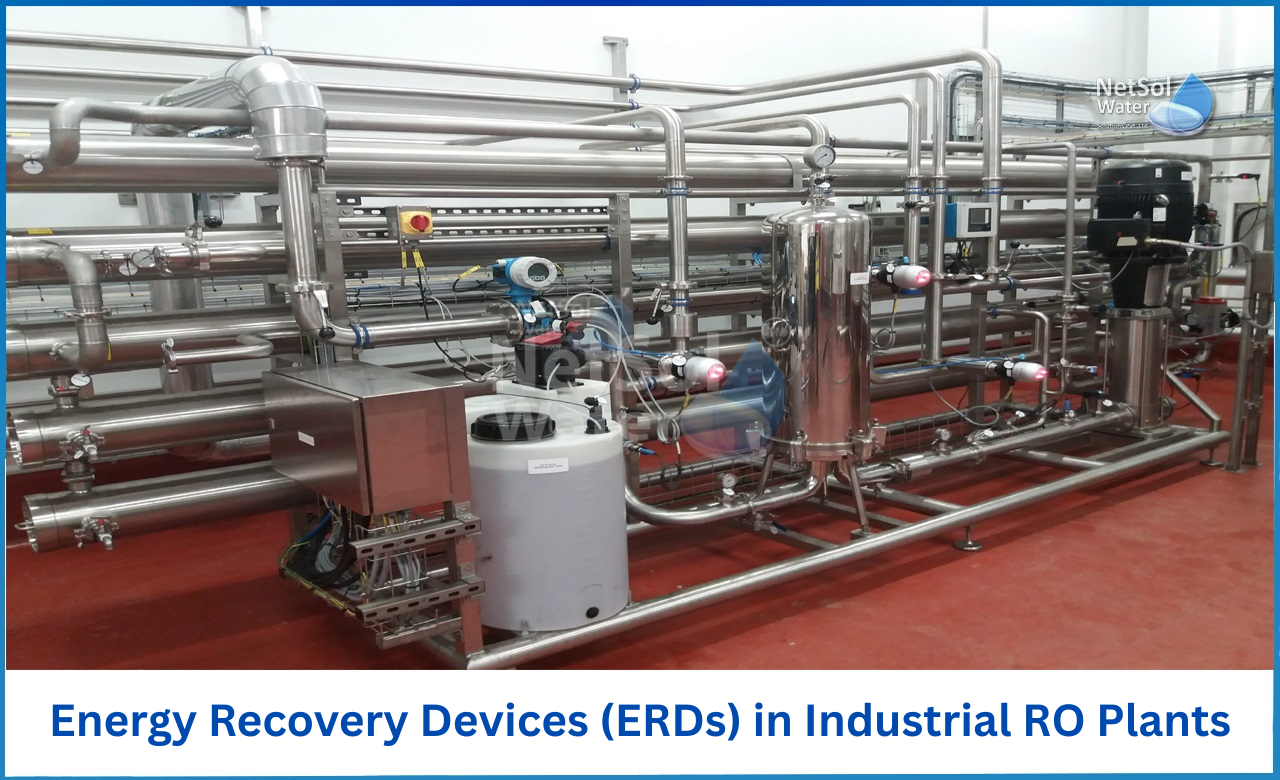
Energy Recovery Devices (ERDs) in Industrial RO Plants
Industrial water systems face a clear challenge today. They must deliver clean water with strong output and lower power use at the same time. That is why Energy Recovery Devices in Industrial RO Plants matter so much. These devices help recycle energy from the high-pressure reject stream and send it back into the system. This lowers power demand and makes the plant more efficient.
For industries that work with large water volumes, this support can make daily operation smoother and more affordable. Many plants in water-stressed industrial zones depend on smart RO design to stay productive. We are the leading industrial RO plant manufacturer and helps industries choose plants that match their water needs with better control and lower running cost.
What Energy Recovery Devices Do in RO Systems
A large part of that pressure does not turn into clean water. It leaves the system with the reject stream. An Energy Recovery Device captures part of that wasted pressure and uses it again. This reduces the load on the pump and improves the overall system. Let us have a look at some of the main ways this helps an industrial plant.
1. Pressure Recycling in Simple Terms
An ERD takes the pressure from the outgoing concentrate stream and transfers that energy back into the incoming feed. This means the pump does not need to work as hard. As a result, the plant uses less electricity for the same output. This is especially useful in large RO units where pressure loss can become costly over time. The system stays balanced and the process becomes more stable. Industries that run water treatment for many hours each day often see clear savings after adding the right recovery device.
2. Better Use of Pump Power
Pump power usually takes a big share of RO operating cost. When an ERD reduces that burden, the plant can run with better efficiency. It also helps keep pressure more steady, which supports membrane life. Stable pressure means less wear on equipment and fewer sudden changes in performance. This creates a smoother process for plant teams. A well-planned system from an industrial RO plant manufacturer can use this support to improve both cost control and long-term reliability.
Why ERDs Improve Industrial RO Performance
ERDs improve energy use and they support stable plant performance. Let us have a look at some of the key benefits that matter most in industry.
1. Lower Operating Cost
Electricity is one of the main running expenses in any RO plant. When an ERD reduces the pressure demand on the pump, the plant needs less power. That lowers monthly cost and supports better budget control. Over time, these savings can become very large in high-capacity systems. For factories that treat water throughout the day, this benefit becomes even more valuable. Lower energy use also supports more sustainable operations, which many industries now prefer.
2. More Stable Membrane Operation
Membranes work best when pressure and flow remain steady. If the pressure changes too much, the membranes may face stress. That can reduce their life and increase maintenance work. An ERD helps keep the process more balanced. This creates a better environment for membrane separation and water recovery. The plant can then produce clean water in a more consistent way. When an industrial RO plant manufacturer designs the system with this in mind, the plant often performs better for a longer time.
Main Types of Energy Recovery Devices
The right choice depends on capacity, pressure level, and water quality. Different ERDs fit different industrial needs. Let us have a look at some common types and how they help.
1. Pressure Exchanger Devices
Pressure exchangers are widely used in large RO systems. They move pressure from the reject stream directly to the incoming feed stream with high efficiency. This design works well in systems that handle a large amount of water. It can save significant energy and improve overall plant performance. Many industries choose this option when they want strong recovery and steady operation. The device also supports compact design in many plant setups. That makes it useful where space and efficiency both matter.
2. Turbine-Based Devices
Turbine-based ERDs convert reject pressure into rotational energy. That energy then supports the feed side of the RO process. These devices are useful in certain industrial setups where process conditions match their design. They can reduce power use and improve system balance. They are often selected for plants that need a practical and proven method of energy recovery. A careful system review helps decide if this option suits the plant load and operating pressure.
3. Isobaric Chamber Systems
Isobaric systems work by transferring pressure almost directly from one stream to another. They are known for high efficiency in many large-scale RO plants. They help reduce energy loss and support better flow control. This makes them a strong choice for industries that want to save power without giving up performance. These systems need good design and proper setup but they can deliver excellent results in the right application. Netsol Water often considers this type when a project needs strong energy control.
How to Choose the Right ERD for an Industrial Plant
Each plant has its own feed water quality, pressure range, and production target. A poor match can reduce the benefit even if the device itself is good. Let us have a look at some of the points that guide a proper choice.
1. Match the Device with Plant Capacity
The first step is to check the plant size. A small system may not need the same ERD as a large industrial unit. The flow rate and pressure level must suit the selected device. If the match is wrong, the system may not recover energy well. A good industrial RO plant manufacturer studies the design load before choosing the device. This helps the plant run safely and efficiently from day one.
2. Check Water Quality and Process Need
Feed water quality also affects the choice. Some systems handle cleaner water while others work with tougher conditions. The ERD must fit the process and support smooth operation under the given water condition. Plant teams should also think about maintenance access, spare parts, and service support. A device that saves energy but creates regular trouble will not serve the plant well. The right choice gives value in both performance and upkeep.
Read some interesting information for the Effluent Treatment Plant Manufacturer
Conclusion
Energy recovery plays a major role in modern RO plants. It lowers power use, supports better pressure control, and helps industries manage water treatment more wisely. The right device can improve performance without making the process complex. It can also reduce long-term cost and support steady output. For any business that depends on reliable water treatment, this is a smart direction to take. Netsol Water, as an industrial RO plant manufacturer, helps industries choose systems that fit their needs and deliver real operating value. Contact us today to learn more or request a consultation for your industrial water treatment project.
Contact Netsol Water at:
Phone: +91-9650608473
Email: enquiry@netsolwater.com