
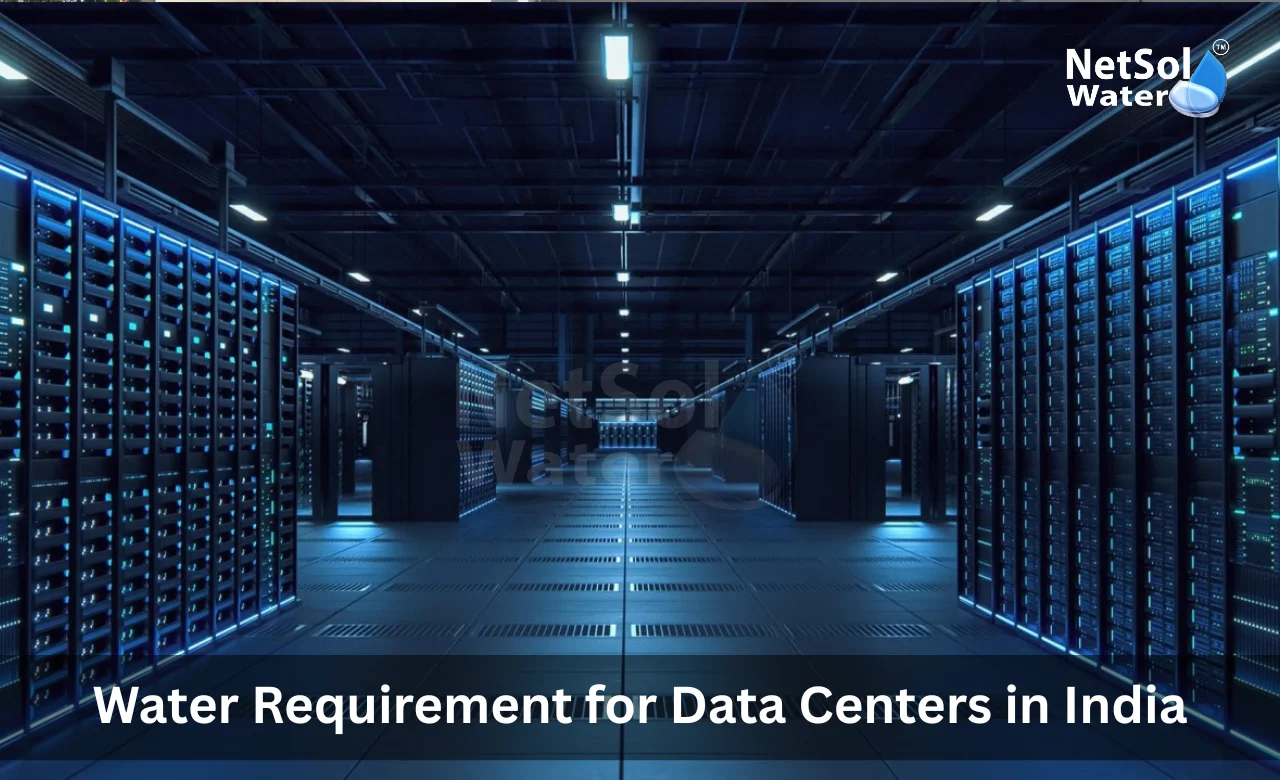
Water Requirement for Data Centers in India
India has become one of the fastest-growing digital markets in the world. From cloud storage to online banking and AI workloads, more businesses now depend on large server rooms and modern data hubs to keep work moving without delay. These facilities support daily life in cities like Mumbai, Bengaluru, Hyderabad, Chennai, Pune, and Delhi NCR. They are known for strong IT growth and fast digital adoption. As this growth continues, water use has become an important topic for operators and planners.
A data center needs water for cooling in many cases. It also needs it for stable performance and safe running during hot months. In a country with rising heat and changing weather, this need becomes even more important. That is why the topic of data centers in India deserves careful attention. We understand how important smart planning is for such facilities.
Why Water Matters in Data Center Operations
Water plays a key role in keeping many digital facilities safe and stable. A data center holds servers that work all day and all night. These servers create heat as they process data. If the heat rises too much, the systems can fail or slow down. That is why cooling becomes one of the main parts of site design. Water often supports that cooling process. It helps remove heat in a steady and practical way. For Data Centers in India, this matters even more because many regions face long summer seasons and high air temperature.
1. Cooling Needs in Hot Indian Climate
India has many cities where summer heat stays high for long periods. In such places, cooling systems must work harder. Water-based cooling can help control indoor heat better in some designs. It can support chillers and cooling towers that move heat away from equipment. When the system runs well, it protects the servers and supports smooth operation. This also helps reduce sudden shutdown risk. In large sites, even a small rise in temperature can affect output. So water is not just a support item. It becomes part of the overall safety plan.
2. Role in Performance and Safety
A server room must keep a stable environment every hour. Heat can damage parts and cut short the life of machines. Water-based cooling helps maintain this balance. It also supports safety for staff who work nearby. A well-planned cooling setup can make the whole site more dependable. This is one reason why owners study water demand from the start. They want to avoid waste and keep the system under control. Good design leads to better output and less stress on resources.
Main Water Uses Inside a Data Center
Water use inside a facility does not happen in one single place. It spreads across different systems that support the building and the machines. When owners understand each use, they can plan better and avoid waste. For Data Centers in India, this step helps because water supply can vary from one location to another. Some sites use treated water. Some use recycled water. Some depend on a mix of methods. The choice depends on local supply and site size.
1. Cooling Towers and Heat Removal
Cooling towers often use water to remove heat from the air conditioning system. Warm water moves through the tower. Air helps cool it down. Then the water returns to the system and the cycle continues. This process can use a large amount of water over time. The exact need depends on the size of the center and the weather. A hotter day can lead to more evaporation. That means more make-up water becomes necessary. This is why cooling towers often sit at the center of water planning.
2. Humidity Control and Indoor Balance
A data center also needs proper indoor moisture levels. Very dry air can create static problems. Too much moisture can harm equipment. Water can support this balance in some systems. It helps maintain healthy indoor conditions for machines and people. This does not always require a huge amount of water.
3. Cleaning and Support Services
Water also supports cleaning inside and around the building. It helps maintain floors, cooling equipment, and service areas. While this use may not be as large as cooling, it still adds to the total need. Clean surfaces help reduce dust and support better air quality. This matters because dust can affect sensitive equipment. So even support use must enter the planning stage.
Factors That Shape Water Demand in India
Water demand does not stay the same for every site. It changes with location, system design, technology choice, and local climate. That is why planners study each project carefully before they fix the final water plan. In Data Centers in India, these factors can vary a lot because one site may sit in a dry area while another may stand in a coastal city with high humidity.
1. Location and Weather Conditions
Location has a direct effect on water need. A center in a hot region may need more cooling support than a center in a milder climate. A dry area can also increase evaporation loss. Coastal areas may face different cooling needs because of humidity. So planners cannot use one common model for every city. They must study local weather, water access, and seasonal change. This helps them choose the right cooling method and avoid excess use.
2. Facility Size and Server Load
A large center with heavy server load creates more heat. That heat creates more cooling demand. More cooling often means more water use. Smaller facilities may use less water, but they still need careful planning. As workload rises, cooling pressure also rises. This link makes load planning very important. Owners must think about future growth too. A site that seems small today may grow fast in the next few years. So water planning must match both current and future need.
3. Technology Choices and System Design
The type of cooling system changes the amount of water a site uses. Some systems use more water but can run efficiently in hot weather. Others use less water but may need other support. Good system design can lower waste and improve use of every drop. Water-efficient parts, smart controls, and better heat recovery can all help. This is why design teams study options with care before they finalise the setup.
Read some interesting information for the Commercial RO Plant Manufacturer
Conclusion
Water use will remain a key part of digital infrastructure planning in India. As online services grow, businesses need facilities that stay safe and efficient. Careful planning helps owners manage cost and protect local resources at the same time. Data Centers in India will continue to expand, so smart water management must grow with them. Netsol Water supports this direction with practical solutions and clear planning for modern facilities. Reach out today to learn more or request a consultation for your project.
Contact Netsol Water at:
Phone: +91-9650608473
Email: enquiry@netsolwater.com