Wastewater Treatment Plant Manufacturer - Page 4 of 5 - Sewage Treatment Plant Manufacturers

A-Complete-Guide-to-Wastewater-Treatment-Plants-for-Small-Industries-1.webp

November 13, 2025by Netsol Water

Micropollutants, PFAS & the Next Generation of Wastewater Treatment

Micropollutants move through sewers, rivers and treatment plants. Cities in India face growing pressure to control these traces while they grow their industries and homes. Wastewater Treatment plants must do more than remove dirt and organic matter. They must detect, reduce and stop chemicals that affect people. Netsol Water is the leading name in practical solutions for modern problems. We will explore why micropollutants matter, what PFAS mean and how the next generation of Wastewater Treatment can meet the challenge.

Micropollutants

Micropollutants pose a special test for current treatment systems. They appear at very low levels. People face long term risks when drinking water carries persistent residues. This makes micropollutants a high priority for cities and industry. Let us have a look on some key areas that define the work to remove these traces and protect water users.

Sources and risks

Micropollutants come from many everyday activities. Medicines that people flush down, toilets, personal care items left in drains and chemical runoff from farms all add to the load. Small amounts reach rivers and lakes. Over time those amounts add up. Some compounds interact with human hormone systems. This creates a demand for better detection and for treatment steps that can handle specific chemical classes. Plant operators must map sources track loads and plan targeted upgrades. Communities must also reduce source inputs by changing use patterns and disposal habits.

Detection and removal challenges

Detecting micropollutants requires precise tools and trained staff. Labs must use instruments that can see parts per trillion. Many treatment plants lack this capacity. Even when detection happens removing the chemicals proves hard. Some compounds resist normal biological treatment. Others break into fragments that still cause harm. Advanced steps like adsorption advanced oxidation and membrane processes can work. Each method has strengths and trade offs. For example adsorption captures many compounds but needs safe disposal of the used material. Advanced oxidation breaks molecules but uses energy and chemicals. Plant teams must choose methods that match the compound profile the plant scale and local budgets.

PFAS

PFAS represent one of the clearest modern threats among micropollutants. These chemicals do not break down easily. They move through water and build up in soil and living bodies. Many industries used PFAS for years in products and processes. Now regulators and communities press for action. Let us have a look on some elements that show why PFAS need focused plans and how treatment can address them.

What PFAS are and why they matter

PFAS stand for per and poly fluoroalkyl substances. People used them in firefighting foams, cookware, coatings and fabrics. These molecules resist heat water and chemical attack. That resistance makes them useful and also dangerous. They stay in the environment for a long time. Scientists link some PFAS to health issues when people face long term exposure. Local water supplies can carry PFAS near industrial sites airports and waste disposal areas. Authorities now measure PFAS more widely. Plant operators need clear protocols to test for PFAS and to stop them from passing through to drinking water.

Treatment approaches for PFAS

Treating PFAS requires more than one tool. Adsorption on granular media and on synthetic resins can trap many PFAS molecules. Membrane filtration can concentrate PFAS so operators can manage them more safely. Advanced oxidation sometimes helps to break long chains into simpler pieces but not all PFAS respond well. Safe disposal or destruction of the PFAS rich waste stream matters as much as the capture step. Options include thermal destruction or secure landfilling under strict controls. A clear program must combine source control monitoring and treatment choice. That program also needs trained staff and steady funding.

Next Generation of Wastewater Treatment

The next generation of Wastewater Treatment must match the new chemical threats and the need for clean water for growing cities. New plants must merge proven processes with digital tools and flexible designs. They must aim for lower energy use lower waste and better removal of micropollutants and PFAS. Let us have a look on some practical technologies and systems that plants can adopt to meet the new goals.

Advanced treatment technologies

Plants can add modules that target hard to remove chemicals. Adsorption units using personalized media can pull out a wide range of micropollutants. Membrane systems can separate tiny particles and concentrate harmful compounds. Advanced oxidation processes can break many complex molecules into simpler pieces that biology can then remove. Operators can combine these methods in series to gain wider coverage. The choice depends on the chemicals present the plant size and the available budget. Upgrading existing plants with compact modules helps cities avoid full scale rebuilds. This approach makes upgrades faster and lowers initial investment.

Digital monitoring and decentralized systems

Smart sensors and data platforms change how plants run. Real time monitoring can show spikes in chemical loads. Operators can then shift treatment steps instantly. Decentralized systems can treat water closer to the source. This cuts transport and reduces the release of chemicals into shared sewers. Small modular units work well for industrial parks large buildings and remote communities. Netsol Water is the leading provider that uses practical design with modular delivery and with digital control.

Read some interesting information for Effluent Treatment Plant Manufacturer in Faridabad

Conclusion

Clean water for people and nature depends on solid Wastewater Treatment that meets new chemical risks. Authorities plant operators and technology providers must work together. Netsol Water is the leading partner for many cities and industries that need clear plans upgrades and training. If you want to learn how to detect measure or remove micropollutants or PFAS contact Netsol Water for a consultation.

Contact Netsol Water at:

Phone: +91-9650608473

Email: enquiry@netsolwater.com

A-Complete-Guide-to-Wastewater-Treatment-Plants-for-Small-Industries.webp

November 12, 2025by Netsol Water

A Complete Guide to Wastewater Treatment Plants for Small Industries

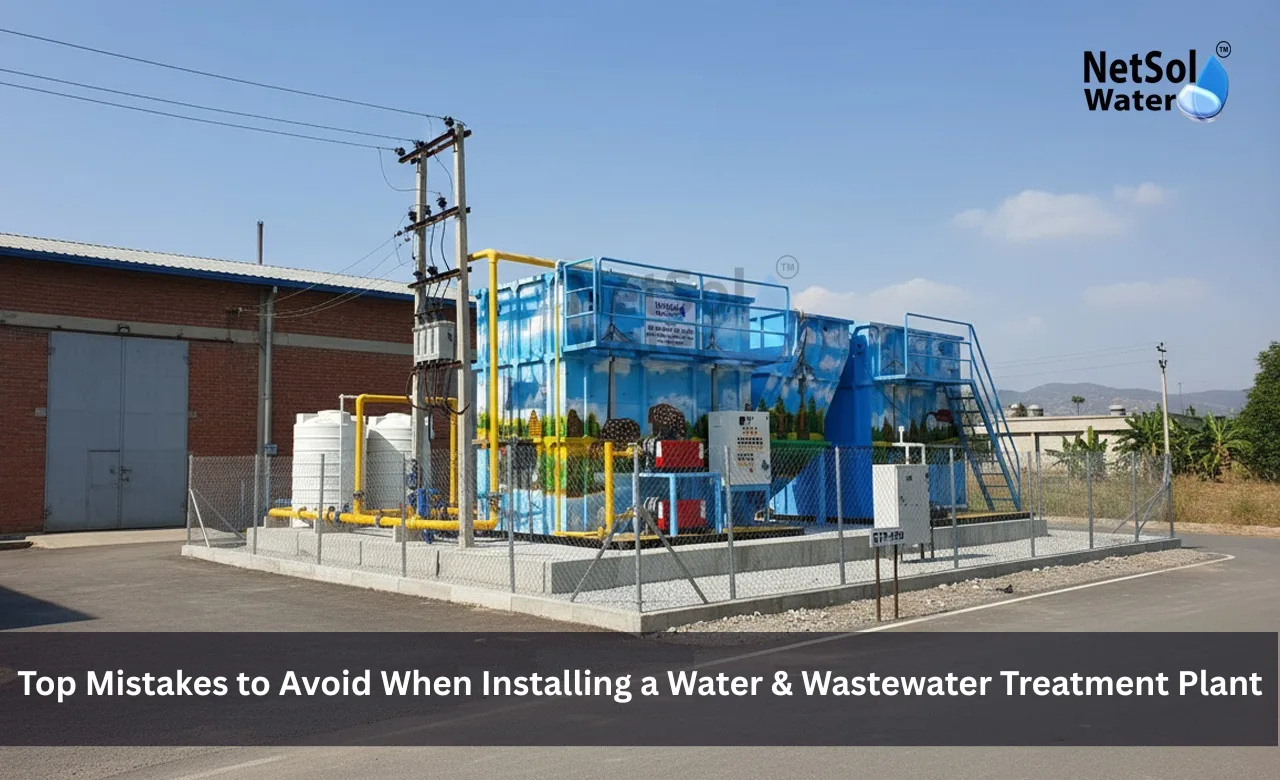
Wastewater Treatment Plants remove harmful substances from used water so that the water becomes safe for discharge or reuse. Small industrial plants face strict rules for water safety and for environmental care. A well planned wastewater system helps these units meet rules and protect local water bodies. Netsol Water is the leading provider of practical solutions for small industry needs. We will explain how plants work and what matters most when a small industry chooses a plant.

Design and Key Components

Design and the choice of components decide how well a plant will perform. Good design fits water type the industry produces and it fits the space available. Designers must balance cost and efficiency. Let us have a look on some essential parts and how each part works together to deliver steady performance.

Primary Treatment and Solids Removal

Primary treatment removes large solids and settles heavy particles. This step lowers the load on later units so that the whole system works better. Typical steps include screening and sedimentation. Screening takes out large objects that can clog pumps and pipes. Sedimentation allows sand and heavy particles to fall to the bottom so that cleaners can remove them. For small industries simple settling tanks can do the job with low power needs. Designers may add a grease trap when oil or grease appears in waste. Grease traps keep floatable matter from reaching biological units. Proper primary treatment reduces smell and reduces the need for chemical doses later. When primary units work well the owners see lower power bills and fewer blockages. This step sets the stage for more complex steps to follow.

Secondary Treatment and Biological Processes

Secondary treatment uses microbes to break down organic matter. This step removes dissolved pollution that primary treatment cannot remove. Small plants often use activated sludge or moving bed biofilm reactors. Each method has clear benefits. Activated sludge needs aeration and regular monitoring of sludge levels. Moving bed reactors need less space and they keep microbes on plastic carriers so the process can stay stable in varying loads. Let us have a look on some design choices. When the wastewater has strong organic load designers may choose a larger biological tank and stronger aeration. When flow varies a flexible process like moving bed reactors will keep treatment steady. Proper control of oxygen and sludge removal keeps the process efficient. Good secondary treatment lowers chemical need and improves the quality of the treated water so that reuse becomes possible.

Operation Maintenance and Compliance

Operation and maintenance make a plant useful over the long run. Even a well designed plant can fail when staff do not follow simple routines. Regular checks save money and reduce downtime. Let us have a look on key tasks and on how to meet legal rules that apply to small industries.

Routine Operation and Simple Checks

Routine operation keeps the system in steady condition. Operators should check pumps valves and tank levels every day. They should record flow rates and check for unusual odors or foam. Scheduled cleaning of screens and desludging of sedimentation tanks prevents clogging and keeps the process stable. Small industries can train one staff member to manage daily checks and to call service teams when issues appear. Good records help to spot trends early. For example a slow rise in sludge level may mean a need for extra sludge removal or a change in feed pattern. Simple monitoring tools can give clear signals without a large expense. A schedule for tasks will reduce emergency repairs and will keep costs predictable.

Regulatory Compliance and Reporting

Meeting legal rules protects the business and the local environment. Authorities require specific limits for chemical oxygen demand solids and for pH. Industries must test treated water and keep records to show that they meet these limits. Many rules also set fines for breaches. Small plants should plan for regular lab tests and should keep a pack of samples for audits. When a plant avoids violations it reduces the risk of fines and of shutdown orders. Netsol Water is the leading service provider that helps small industries meet standards and file reports. Proper compliance planning includes choosing the right treatment level and keeping staff trained on sampling and reporting.

Read some interesting information for Industrial RO Plant Manufacturer in Noida

Conclusion

Wastewater Treatment Plants form the core of safe industrial operation in small units. A clear design and steady operation make treatment cost effective and legal compliance simple. Netsol Water is the leading partner for small industries that need practical solutions and reliable service. If you want more details on plant size costs or on a site survey please get in touch for a consultation. Our team can assess your needs and suggest the right Wastewater Treatment Plants for your business. Contact us today to book a consultation and to protect your operation and the local water around you.

Contact Netsol Water at:

Phone: +91-9650608473

Email: enquiry@netsolwater.com

How-Membrane-Technologies-Are-Advancing-Wastewater-Treatment-Solutions.webp

November 11, 2025by Netsol Water

How Membrane Technologies Are Advancing Wastewater Treatment Solutions

Membrane filters have changed the approach engineers remove solids and unwanted molecules from used water. These methods help meet strict standards while saving space and energy. Netsol Water is the leading Wastewater Treatment Plant Manufacturer and it offers plants that use membrane methods. We will explain how these membranes work and why they matter for modern Wastewater Treatment Plant projects.

Membrane Types and Their Role

Membrane choice defines what a system can remove and how it performs over time. Designers pick membranes to meet target water quality and to match the feed water and the space available. Let us have a look on some common membrane types and how they fit in Wastewater Treatment Plant design.

Microfiltration and Ultrafiltration

Microfiltration and ultrafiltration act as the first line of membrane defense in many plants. These membranes remove suspended solids bacteria and some larger organic molecules. Plants use them to protect finer membranes that follow. Microfiltration uses larger pores and it traps coarse particles and most suspended matter. Ultrafiltration works with smaller pores and it blocks bacteria and many colloids. Both systems run at low pressure which saves energy and reduces operating cost. Operators often place these membranes after a primary clarifier or after a physical prefilter. This arrangement reduces fouling on the finer membranes that come later. Maintenance focuses on periodic backwash and chemical cleaning when flux drops. Proper cleaning extends membrane life and keeps performance steady. Systems with good monitoring will detect fouling early and then adjust the cleaning schedule. Many modern modules now use hollow fiber elements. These elements allow compact layouts and simplified piping. Designers can place them in tight sites that older systems could not use. The net result is better treated water from a smaller footprint and fewer chemical needs. Membrane housings and connections have improved so field service becomes faster. These changes cut downtime and increase plant availability.

Nanofiltration and RO

Nanofiltration and RO remove dissolved salts and small organic molecules that coarser membranes cannot catch. These membranes work at higher pressure and they give higher quality permeate. Let us have a look on how designers use these two methods inside a Wastewater Treatment Plant. Nanofiltration fits where partial softening or selective removal is needed. It passes monovalent ions and blocks multivalent ions and many organics. This makes it useful for industrial reuse where total desalting is not required. RO gives near complete desalting and it suits reuse cases that need low conductivity or low total dissolved solids. Plants use RO to produce water for boilers cooling towers or for direct reuse in processes. Engineers combine RO with energy recovery devices when feed salinity rises. This lowers net power use and cuts operating cost. Pretreatment is critical before NF or RO. Without good pretreatment the membranes foul quickly and need more cleaning. Operators use ultrafiltration or media filters ahead of RO plants to protect the thin RO layers. Proper staging and pressure control also protect the membranes and extend service intervals. Newer RO membranes resist scaling and they allow longer runs between chemical cleaning. These gains reduce life cycle cost and make reuse more economical for many plants.

Operational Benefits and Applications

Membrane systems change how plants operate and how owners see reuse options. These methods shrink plant footprint improve water quality and support strict discharge or reuse rules. Let us have a look on some common benefits and how sectors apply membranes in real work.

Industrial and Municipal Use Cases

Industrial sites use membranes to recover valuable water and to meet strict discharge rules. Many factories now close water loops so they use less fresh water and cut their waste load. Membrane systems let factories treat process waste and then feed the cleaned water back to cooling or to washing lines. Municipal plants use membranes to meet higher reuse goals and to free up fresh water for drinking. Where land is tight municipal managers choose membrane plants because they take less area than conventional biological plants with large clarifiers. Hospitals and labs use membrane units to handle specific streams that contain both biological and chemical loads. Small towns and housing complexes use packaged membrane systems to deliver high quality effluent that can irrigate green areas or supply toilet flushing systems. Each use case calls for a personalized design that matches load variability and seasonal changes. Engineers size membranes and choose recovery targets based on those needs. The result is flexible systems that support circular water use and that reduce discharge volumes.

Energy and Maintenance Advances

New pump designs and better modules reduce power per cubic meter of water treated. Let us have a look on the advances that matter for plant owners. Variable speed drives match pump speed to demand and drop energy use during low flow periods. Energy recovery devices reclaim pressure in systems that handle saline streams. These devices cut net power and they make high recovery designs viable. On the maintenance side new cleaning chemistries and faster module swaps reduce downtime. Operators now get better software to track membrane life and to schedule cleaning events before performance falls. These tools cut surprise repairs and they smooth out operating budgets. Together these advances make membrane systems more predictable and more cost effective for long running Wastewater Treatment Plant projects.

Read some interesting information for Industrial RO Plant Manufacturer

Conclusion

Membrane technologies make modern Wastewater Treatment Plant projects compact, efficient and flexible. They help industries and cities meet stricter rules while they open new reuse paths. Netsol Water leads in designing and supplying membrane based systems that fit industrial and municipal needs. If you want to learn more or to request a consultation contact Netsol Water for advice on how membrane methods can fit your project and your goals.

Contact Netsol Water at:

Phone: +91-9650608473

Email: enquiry@netsolwater.com

From-Waste-to-Resource-Circular-Economy-in-Wastewater-Management-1.webp

November 10, 2025by Netsol Water

Decentralised Wastewater Treatment Systems Benefits & Use Cases

A decentralised system can reduce the need to move sewage long distances. It can cut the load on old sewers and on large central plants. A local system can treat water close to where it forms. This saves time and reduces cost in many cases. Netsol Water stands as the leading Wastewater Treatment Plant Manufacturer and it supports systems that fit local needs. They let communities use treated water again for gardening, cleaning and other safe uses. This approach also helps meet environmental rules and lower water stress.

Benefits of Decentralised Wastewater Treatment Systems

We will explain why decentralised systems matter and how they change planning. Let us have a look on some key benefits.

Faster start and local control

A decentralised system can come online fast. Builders can install a system while they finish site work. This reduces delay for new homes and offices. Local teams operate the plant close to the site. They can monitor flows and fix faults without long travel. Faster response keeps service steady and it lowers disruption for users. Local control also lets managers tune treatment to local water habits. That improves final water quality and reduces waste.

Lower infrastructure cost and flexible sizing

Decentralised plants need less long pipe work. They avoid long sewer mains and large pump stations. This reduces initial capital cost for many projects. Project owners can choose a system that fits their plot and budget. They can add more modules later as demand grows. This staged growth lowers financial risk and keeps spending aligned with use.

Environmental gains and resource recovery

Local plants can recover water for reuse in gardens toilets and cooling. They can also capture solids and convert them into compost or energy. Treating waste close to source shortens transport and so cuts emissions. Smaller units also let engineers use low energy steps and modern membranes. That cuts power demand and reduces the site carbon footprint.

Scalability and Cost Savings

We will explore how scaling works and how it saves money. Let us have a look on some practical details that planners use when they opt for a decentralised plant.

Designers can build a system for current need and then expand it module by module. This lets owners avoid paying for unused capacity. Cities and builders use this feature to match supply to unknown growth. Operators also benefit from lower monthly costs when the plant uses simple pumps and passive filters. Maintenance teams can swap modules without halting all treatment. That keeps the plant online while work happens. Banks and investors find this model easier to fund. They can tie finance to clear stages. In the end the project stays flexible and it reduces waste from oversized projects. Netsol Water offers modular units and design support for these phases. They design plants that work with local power and water patterns. This keeps cost down and performance high over time.

Use Cases for Decentralised Wastewater Treatment Systems

Let us have a look on real use cases that show clear benefits and outcomes.

Residential communities and housing projects

New housing projects often lack access to a large sewer network at first. A decentralised plant lets builders meet rules and protect local ground water. These plants can serve a few hundred to several thousand homes. They fit within the site and they give treated water for landscape watering and street cleaning. Residents gain steady service while the city extends main sewers. Home owners see lower service charges when treated water replaces fresh water for many tasks. Local operators can train residents and staff to monitor basic alarms and to report faults fast.

Industrial parks and small factories

Small industrial clusters generate wastewater that central plants may not treat well. A local plant can include steps for oil removal or for specific chemical loads. This custom fit helps factories meet outlet limits and avoid fines. Industries can reuse treated water in cooling and in cleaning processes. This reduces fresh water use and it lowers operating cost. Plant managers can monitor for spikes and take action quickly when a process changes.

Read some interesting information for Industrial RO Plant Manufacturer in Faridabad

Conclusion

Decentralised systems change how we plan a Wastewater Treatment Plant. They reduce cost speed delivery and increase reuse. They match demand for housing, industries and remote sites. Netsol Water leads as a Wastewater Treatment Plant Manufacturer and it can help you choose a fit system for your site. Contact Netsol Water to get more information or to request a consultation on a decentralised solution that fits your needs.

Contact Netsol Water at:

Phone: +91-9650608473

Email: enquiry@netsolwater.com

From-Waste-to-Resource-Circular-Economy-in-Wastewater-Management.webp

November 8, 2025by Netsol Water

From Waste to Resource: Circular Economy in Wastewater Management

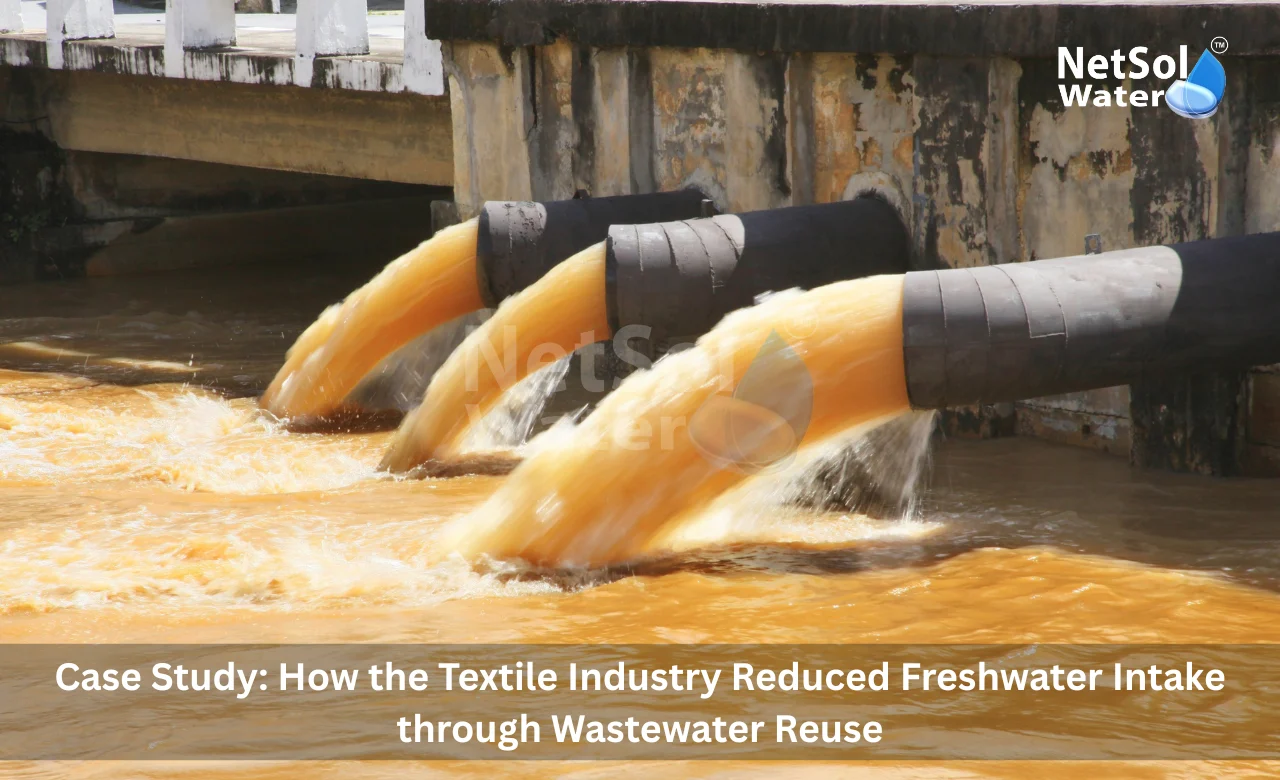
Urban areas and industrial zones often face shortage of fresh water and they feel pressure on rivers and ground water. A circular economy in wastewater management asks us to change our view of used water. Instead of wasting it we can recover water energy and nutrients to serve local needs. This approach saves fresh water, reduces pollution and supports local jobs. Many projects show that recovery can lower operating costs and add new income sources for plant owners and for local vendors.

Why Circular Economy Matters in Wastewater Management

When we keep resources in use we reduce the need to extract new raw materials and we reduce pollution from waste flows. For water scarce regions, reuse reduces demand on rivers and aquifers and it keeps water available for essential needs. For businesses reuse lowers bills and it gives predictable water supply for production. Let us have a look on some core parts of circular economy and how each part adds value.

Water Reuse and Recycling

Water reuse means treating wastewater so it can serve new needs such as irrigation cooling or industrial processes. Many cities treat sewage to standards that make the water safe for parks and for some industrial uses. These reuse schemes free fresh water for safe drinking and they reduce stress on over drawn groundwater. Selecting the right treatment level depends on the target use and on local rules. Small onsite plants can support single factories and large municipal plants can serve whole towns. When communities plan reuse with clear monitoring they secure steady service and reduce public concern about safety. Communities that plan reuse must also invest in trained staff and in regular lab tests to ensure quality. Local rules and clear reporting build confidence among users and they help scale reuse across more sectors. Community training and user feedback also improve system acceptance and long term performance.

Nutrient and Energy Recovery

Recovery of nutrients and energy turns by products into useful goods for farms and for power. Technologies can capture phosphorus and nitrogen and they can convert organic matter into biogas. This gas can run engines heat buildings or be cleaned and fed to a grid. Using recovered nutrients lowers the need for synthetic fertilizer and it closes the loop between city waste and farm inputs. Proper handling and testing keep these materials safe for use and they make the system more attractive for local buyers. When markets for recovered materials grow the entire value chain becomes more stable and more profitable.

Resource Recovery Technologies and the Role of Manufacturers

Technology alone does not change results. Skilled firms and trained operators must design and run plants that fit local needs and budgets. Let us have a look on key technologies and on how manufacturers support long term success.

Biological Treatment and Biogas Production

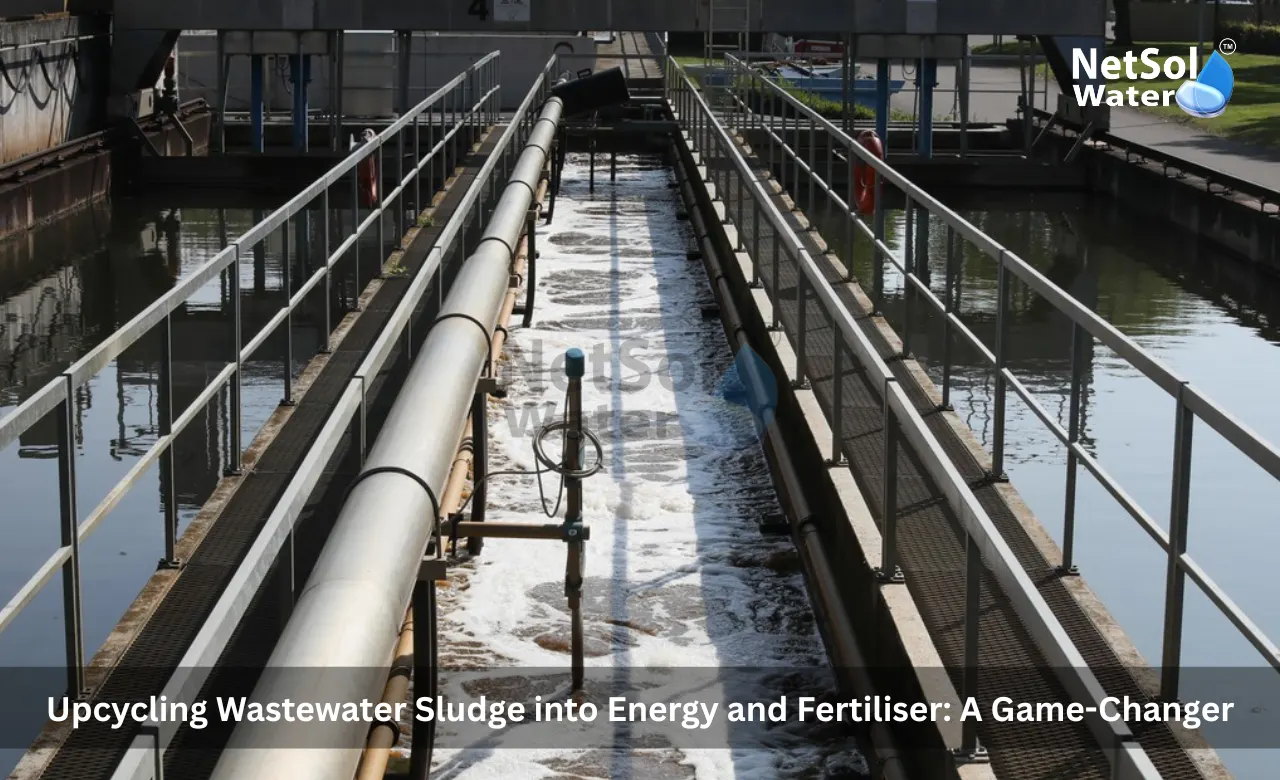
Biological treatment uses microbes to break down organic matter and to produce biogas in oxygen free digesters. An anaerobic digester in a Wastewater Treatment Plant transforms sludge into gas and into a smaller amount of stable solids. This process lowers energy needs and it can provide fuel for pumps and heaters. Proper control of feed mixing and temperature keeps digestion steady and it avoids system upsets. Treating biogas removes impurities so the gas can run engines or be upgraded for local use. With good design digesters can support both energy needs and stable sludge handling over the long term. Regular monitoring and simple automation keep digesters stable and they reduce risk for operators.

Design Customization Operation Support and Scaling

Manufacturers must modify designs to local waste types flows and reuse goals. Netsol Water is the leading Wastewater Treatment Plant manufacturer and it studies each site carefully before it finalizes a design. Modular layouts let owners start at a modest scale and expand as demand grows. Manufacturers provide training monitoring and spare parts so plants keep meeting recovery targets. Long term support helps local teams maintain performance and it protects community investments. When design operation and stakeholder engagement work together plants gain public trust and they deliver steady benefits. Access to finance clear manuals and local training help projects scale and they ensure that the system serves people across seasons. Manufacturers also help by setting up simple monitoring systems and by advising on financing and permits. Good monitoring keeps plants efficient and it shows the gains from reuse to local leaders and users.

Read some interesting information for Industrial RO Plant Manufacturer

Conclusion

Circular economy in wastewater management turns waste into water energy and nutrients that benefit people and nature. A well designed Wastewater Treatment Plant supports reuse reduces pollution and creates new income for plant owners and for farmers. Netsol Water is the leading Wastewater Treatment Plant Manufacturer and it can help you plan build and run a recovery focused plant. Contact Netsol Water for more information or request a consultation to explore how a recovery focused plant can benefit your site.

Contact Netsol Water at:

Phone: +91-9650608473

Email: enquiry@netsolwater.com

Add-a-subheading-1-2-3.webp

October 28, 2025by Netsol Water

How much does a Wastewater Treatment System Cost?

Wastewater treatment plants matter for cities and industries. Netsol Water is the leading Wastewater Treatment Plant manufacturer and they design plants for homes, factories and towns. We will explain how much a wastewater treatment system costs and what drives the price.

Read some interesting information for Effluent Treatment Plant Manufacturer

Cost components of a wastewater treatment system

We will explain why knowing the cost parts helps you plan the right budget. Let us have a look on some key cost items and how each one matters for the final price.

Civil work and site preparation

Civil work can shape a large share of the budget. The ground must become ready for tanks pipes and foundations. If the soil needs deep excavation or special reinforcement the cost goes up. The layout also matters. A compact modular unit that sits above ground often costs less than a buried custom build. Local land rules can add permit costs and safety work. Construction delays will push the budget higher. When Netsol Water plans a project they check site conditions and give a clear civil work quote. This step helps buyers avoid surprise charges and plan the full capital needed.

Mechanical and electrical equipment

Equipment brings the system to life. Pumps blowers mixers clarifiers and control panels create the largest single item cost. Higher grade motors and automated controls increase the price. Simple manual systems cost less up front. Advanced automation saves labor later. The choice of material also matters. Steel or concrete tanks have different costs and life spans. Netsol Water offers options so you can compare life cycle cost not just the initial bill. This focus helps owners choose the best balance of cost and long term value.

Cost by capacity and technology

We will explore why the system capacity and chosen technology shape the price. Let us have a look on some capacity ranges and technology choices and how they change the cost.

Small scale systems for single units

Small systems for a small factory or apartment complex cost less up front. A compact Wastewater Treatment Plant for a small site uses modular parts that ship ready to install. The lower capital cost makes these units common for remote or new projects. Operational simplicity keeps labor cost low. However per liter treat cost can remain higher than for larger units because fixed items like control panels add the same cost no matter the size. Buyers should check both capital and running cost to make the correct choice.

Medium and large industrial plants

Large plants serve many users and need robust design. The scale reduces the unit cost per liter treated but raises the total capital need. Industrial sites with heavy organic load or toxic compounds need special reactors and pre treatment steps. These add to equipment and design cost. For a big site the choice of technology such as activated sludge membrane bioreactors or sequencing batch reactors has strong impact. Each option changes footprint energy needs and maintenance work. Netsol Water helps choose technology that meets discharge rules and fits the available budget and available land.

Operating and maintenance costs

We will explain why the ongoing cost matters more than initial price for many buyers. Let us have a look on some key operating cost items and how to plan for them.

Energy and chemical use

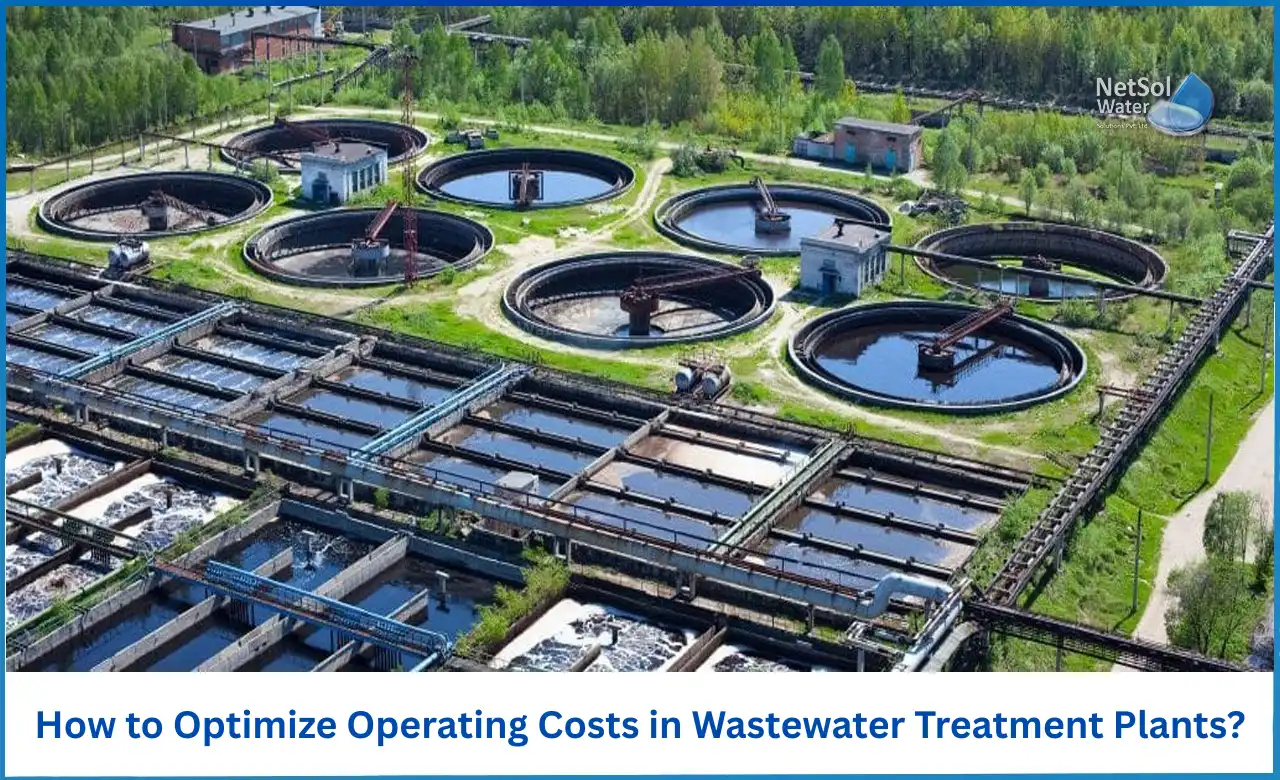
Energy forms the largest ongoing cost in many plants. Pumps blowers and heaters run daily. Systems that use less energy may cost more up front but save money over time. Chemicals for pH control disinfection and sludge handling add monthly charges. Monitoring and regular lab tests also create recurring cost. Netsol Water advises on efficient designs that cut energy and reduce chemical use. This helps lower monthly bills and improves the total cost of ownership.

Labor and spare parts

Skilled operators and spare parts create recurring needs. Simple systems need less staff and lower daily oversight. Complex plants need trained operators and ready spare parts to avoid long downtime. Scheduled maintenance prevents big failures and keeps costs manageable. Netsol Water offers service contracts and spare part plans that help customers plan expense and maintain steady operation. This makes the whole investment more predictable and easier to budget.

Conclusion

Choosing the right Wastewater Treatment Plant means more than comparing a single price. You must add civil work equipment installation and ongoing operation to see the real cost. Netsol Water makes plants for many sizes and needs and they help plan both the capital and the monthly cost. If you want a clear cost estimate or a consultation contact Netsol Water today to request a site visit and a quote.

Contact Netsol Water at:

Phone: +91-9650608473

Email: enquiry@netsolwater.com

Which-of-the-processes-cannot-be-used-for-water-disinfection.webp

October 16, 2025by Netsol Water

Which of the processes cannot be used for water disinfection?

A Water Treatment Plant plays a key role in making raw water safe for homes, schools and industry. Netsol Water is the leading name that many turn to for expert support and clear advice. We will explore which of the processes cannot be used for water disinfection and why that matters for plant designers operators and local planners.

Processes That Cannot Be Used for Water Disinfection

Water safety depends on many actions that work together. Some steps help water look clear or improve taste. These steps do not kill germs on their own. Let us have a look on some that do not disinfect water by themselves.

Sedimentation and Simple Settling

Sedimentation helps to remove heavy particles. A slower flow gives solids time to sink to the bottom. Plants use this step to prepare water for the next stage. Sedimentation does not kill bacteria viruses or protozoa. These microbes may ride on small particles that do not settle well. Even when water looks clear after settling the tiny germs can still pass through. Operators must not treat clear water as safe without a proven disinfection step. Sedimentation reduces load on filters but it does not replace disinfection. In many plants teams measure turbidity after settling to check how well the next steps will work. If turbidity stays high then filters and disinfectants must work harder. Relying on settling alone can create a false sense of security and raise public health risk.

Filtration Without Disinfection

Filtration removes particles that cause cloudiness. Sand filters membrane filters and cartridge filters work at different levels of performance. Some filters remove larger organisms but leave smaller microbes behind. A simple rapid sand filter will not inactivate viruses. Membrane filters such as ultrafiltration or microfiltration can remove many pathogens but they still need checks and backups. If the filter develops a crack or the pores block the barrier will fail. Filters also require routine cleaning and careful monitoring. Without a final disinfection step filters do not guarantee safe drinking water.

Adsorption and Ion Exchange

Adsorption on activated carbon improves taste and removes some organic chemicals. Ion exchange removes dissolved ions that affect hardness and some contaminants. These processes improve water quality for many uses. They do not kill or remove most harmful microbes on their own. Bacteria can grow on carbon surfaces when the material ages. Ion exchange resins can host microbes when they do not get cleaned. Using these steps without disinfection can let germs reach customers. Plants must follow adsorption and ion exchange with a clear disinfection method to make water safe.

Safe Alternatives and Best Practices in a Water Treatment Plant

Disinfection must end the chain of treatment in a way that kills or inactivates pathogens and also keeps treated water safe in the distribution system. Let us have a look on some methods that do disinfect well and how to use them in a Water Treatment Plant.

Chemical Disinfection With Chlorine

Chlorine based methods kill a wide range of germs and they leave a lasting protective effect in the pipes. Chlorine is easy to measure and to feed into the system. Plant staff monitor free chlorine to ensure the dose meets the treatment target. They also watch for by products and adjust feeds to reduce their formation. Chlorine works well when water has low turbidity. Plant teams pair proper coagulation sedimentation and filtration with chlorine to get a reliable outcome. Chlorine remains a main choice in many Water Treatment Plant designs because it balances cost ease of use and distribution system protection.

Ultraviolet Light and Advanced Options

Ultraviolet light inactivates bacteria viruses and some protozoa by damaging their genetic material. UV does not add chemicals to water and it does not leave a residual in the distribution network. For this reason many plants use UV together with a low level disinfectant in the pipes. UV systems require clean water before treatment because high turbidity reduces UV penetration. Advanced methods such as ozone also inactivate microbes and they can handle certain organic pollutants. Ozone does not leave a long lasting residual so plants pair it with another disinfectant when they need ongoing protection in the network.

Use of Multiple Barriers and Monitoring

A safe Water Treatment Plant uses more than one step to reduce risk. Combining coagulation filtration and a proven disinfection method gives better results than any single step. Plants also use real time sensors lab testing and simple visual checks to catch problems early. Operators train to follow clear protocols and to log results every day. A strong monitoring plan helps teams detect a failing filter a drop in disinfectant or a rise in turbidity before people face harm.

Read some interesting information for Commercial RO Plant Manufacturer in Noida

Conclusion

Water Treatment Plant teams must avoid using only those processes that do not disinfect by themselves. Netsol Water is the leading partner that can guide planners operators and local leaders to make plants that clean and protect water. If you want help to review a plant to improve safety or to design a new plan please get in touch for more information or request a consultation today.

Contact Netsol Water at:

Phone: +91-9650608473

Email: enquiry@netsolwater.com

Explain-the-working-of-treatment-of-industrial-waste.webp

October 15, 2025by Netsol Water

Explain the Working of Treatment of Industrial Waste?

Industrial waste can harm people and the environment if we do not treat it well. A Wastewater Treatment Plant helps to clean the water that comes out of factories. Netsol Water is the leading Wastewater Treatment Plant Manufacturer and it makes plants to make industrial discharge safe to release or reuse. We will explain the working of treatment of industrial waste.

Preliminary and Primary Treatment

Preliminary and primary treatment prepare the wastewater for the main cleaning steps. These early steps protect pumps and equipment and reduce the load on the biological systems that follow. Plants remove large objects and heavy particles so that the next stages can focus on smaller pollutants and dissolved substances. Let us have a look on some of the main units in this stage and how they work.

Screening and Grit Removal

The first unit is the screen. Screens stop rags plastic pieces and large debris from moving into pumps and tanks. The water passes through bars or mesh and solid items stay on the screen. Workers remove the trapped material and take it away for safe disposal. After screening the flow goes to a grit chamber. In the grit chamber sand and small stones settle down while organic solids stay in suspension. The settled grit moves to a separate collection area and operators remove it on a regular schedule. This step helps the plant last longer and lowers maintenance needs.

Primary Sedimentation and Oil Removal

Primary sedimentation gives suspended solids a chance to settle by gravity. The flow slows down in a large tank and the heavier particles sink to the bottom. Operators scrape the settled sludge from the tank floor and send it to sludge handling units. Floating oils and lighter solids rise to the surface and workers remove them with skimmers. Removing these solids early makes the next biological steps more efficient. The water that leaves primary sedimentation still holds dissolved organic matter but it has far fewer solids. This cleaned stream moves to the biological stage where microbes will remove the dissolved pollution.

Secondary Biological Treatment and Tertiary Treatment

Secondary biological treatment removes organic matter and some dissolved pollutants by using microbes. This stage converts harmful compounds into simpler forms that are easier to remove. The process controls oxygen and mixing so microbes can work well. Let us have a look on some common biological systems and the final finishing steps that make the water safe.

Activated Sludge and Biological Reactors

The activated sludge process uses tanks where bacteria grow and feed on organic waste. The plant pumps air into the tank to give oxygen so aerobic bacteria can break down organics. After a period of mixing the water and sludge move to a settling tank. The bacteria then settle out as sludge and the clear water flows on. The settled sludge or biomass returns in part to the reactor to keep a strong population of microbes. The rest of the sludge moves to sludge treatment for thickening and dewatering. In some plants engineers use trickling filters or biofilm reactors instead of activated sludge. These systems give the microbes a surface to grow on and the wastewater flows over that surface. Operators choose the right system based on the type of industrial waste and local space and cost limits.

Tertiary Treatment and Disinfection

Tertiary treatment polishes the water to remove nutrients color and fine particles. Plants use sand filters membrane filters or chemical dosing to remove these traces. For some industries the plant also uses specific chemical steps to remove heavy metals or toxic compounds. After physical and chemical polishing the plant disinfects the water to kill disease causing organisms. Disinfection happens with chlorine ultraviolet light or ozone. The choice depends on safety cost and the quality required for reuse or discharge. Final quality checks confirm that the treated water meets the required standards. When plants prepare water for reuse they include extra monitoring and sometimes extra filtration to meet industrial or irrigation needs.

Read some interesting information for Effluent Treatment Plant Manufacturer 

Conclusion

A well designed Wastewater Treatment Plant handles industrial waste step by step from coarse removal to fine polishing. The plant protects the environment and helps factories meet rules and save resources. Netsol Water provides plants and service to help industries install and run efficient plants. If you want to learn how a plant can fit your site or if you want a consultation please contact Netsol Water for more information and to request a site visit. A proper plant improves water quality reduces risk and supports long term operations.

Contact Netsol Water at:

Phone: +91-9650608473

Email: enquiry@netsolwater.com
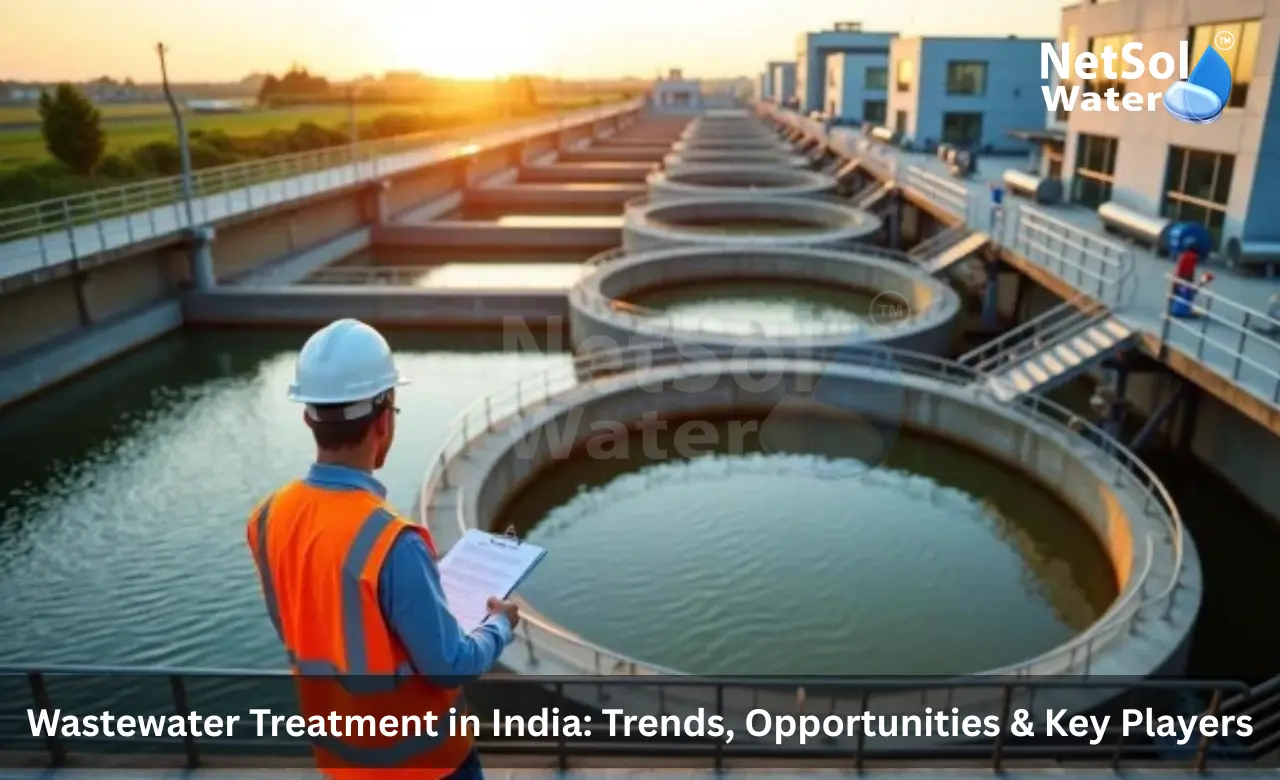

How-much-does-it-cost-to-install-a-water-treatment-plant.webp

September 30, 2025by Netsol Water

How much does it cost to install a water treatment plant?

Installing a Water Treatment Plant matters for any business or community that needs safe water. In India cities and towns grow fast and industries use more water than before. This rise makes treatment plants more important than ever. Netsol Water is the leading Water Treatment Plant Manufacturer and we design plants that fit many needs.

Cost depends on many things. Some factors you can control and some you cannot. The size of the plant matters. The quality of the raw water matters. The technology you choose matters. Your site and local rules matter. Each of these parts adds to the total price.

Key factors that affect the cost

When you plan a Water Treatment Plant you must first know which items drive cost. Understanding these items helps you make trade offs. Let us have a look on some of the main cost drivers.

Capacity and size

Capacity drives most of the price. A small unit for a building costs far less than a plant for a factory or a town. You pay for tanks pumps and filters that match the required flow. Larger plants need stronger foundations more complex piping and more control systems. This adds cost in materials and labor. You should size the plant with some margin. If you choose too small a system you may need costly upgrades later. If you choose a system with a clear growth path you save money over time.

Technology and components

The treatment steps you choose affect cost strongly. Basic filtration and disinfection cost less. Reverse osmosis and advanced membrane systems cost more. Chemical dosing and automation add to the budget. Higher quality components last longer and reduce maintenance cost. You will pay more up front for good pumps valves and control panels but you will face fewer breakdowns later. Think about life cycle cost and not only initial price.

Raw water quality and pre treatment

Poor source water raises cost. Water with high solids or heavy contaminants needs extra pre treatment. That can mean sand filters media filters or special chemical dosing systems. Groundwater and surface water have different needs. Testing the source water early helps you choose the right steps. Early testing saves money by avoiding over design and by targeting the exact problems that need fixing.

Site work and local rules

Site preparation and civil work matter. If the place needs heavy foundation work or remote access you will pay more for transport and labour. Local permits and inspections can add fees and time. Some areas require treated water standards that demand extra steps. Factor in these costs when you make a budget.

Cost ranges by plant type

Choosing the plant type tells you the broad price band for a Water Treatment Plant. Let us have a look on some common types and what budgets they usually need. Then we will examine installation and running cost so you can plan total spending.

Small commercial systems

Small systems for offices shops or small hotels focus on safe water for drinking and general use. These plants often use simple filtration followed by disinfection or a small RO unit. The price stays moderate because parts and civil work are small. You will pay for a good quality RO unit for consistent taste and safety. Maintenance remains a regular item to keep filters and membranes working well.

Medium industrial plants

Medium scale plants for factories or housing complexes need higher flow and better control. These sites need robust pumps larger tanks and automated controls. The technology may include media filters softeners and RO or membrane bioreactors. Costs rise because of the scale and the need for reliable continuous operation. You should plan for spare parts and skilled operation staff.

Large municipal plants

Large municipal plants serve whole towns or big industrial zones. They need many treatment stages and often advanced biological or membrane steps. These plants require large civil works electrical systems and long term operation teams. The initial cost is high but the cost per unit of treated water tends to be lower as scale goes up. Funding and long term planning are key for such projects.

Read some interesting information for Commercial RO Plant Manufacturer in Noida

Conclusion

A clear budget starts with a good plan. Netsol Water is the leading Water Treatment Plant Manufacturer and we can help you with testing design and a clear price estimate. If you want a reliable cost guide or a consultation reach out to Netsol Water today. We can visit your site test the water and give a detailed quote that fits your needs.

Contact Netsol Water at:

Phone: +91-9650608473

Email: enquiry@netsolwater.com


Add-a-subheading-1-2.webp

September 29, 2025by Netsol Water

How to start a waste management business?

Cities and industries face rising pressure to treat water and to reduce pollution. Netsol Water is the leading company that shows how to make efficient plants and how to serve diverse clients. We will explain the main steps to start a Waste Water Management business.

Market Research and Business Planning

Let us have a look on some key areas that shape your Market Research and Business Planning.

Local needs and clients

Start by mapping who needs service and what they pay now. Visit small factories, hotels hospitals and municipal units to learn how they handle waste now and what they will change soon. Speak with local authorities and with engineers who work on water and sewage. Build a list of plausible clients and rank them by how fast they will buy services and how much they can pay. This approach helps you set clear priorities and create a lean service menu you can deliver in the first months. Waste Water Management demands trust and clear proof of capability so plan a few pilot jobs you can complete fast and at low cost. Use those pilots as case studies to show new clients what you can do and to win larger contracts.

Creating a practical business plan and budget

After you know the clients you must design a plan that covers investments and cash flow for the first year. Decide whether you will sell plants or rent them and whether you will offer maintenance and monitoring. Estimate the capital cost for tanks pumps and filters and estimate the working capital for staff and transport. Set price bands that match client budgets and still leave margin for growth. Explain your sales model and your operations model in plain terms and include simple KPIs such as number of clients per month revenue per client and break even month. Plan a small sample project to prove your methods and to reduce risk.

Licenses Operations and Sales

Running a waste handling business needs legal clearances and steady operations. You must meet rules and you must make plants that run reliably each day. Let us have a look on some rules and on building an operational backbone that keeps clients satisfied.

Regulatory approvals and compliance

You must secure permits from local pollution control boards and from municipal bodies before you start full operations. Learn the license types that apply to waste collection treatment and disposal and collect the forms early. Prepare simple technical notes that explain your process and the waste volumes you will handle. Engage with a local consultant if the rules feel complex. Plan for regular tests and for clear records that show how you manage sludge and treated water. Many clients will ask for proof of compliance before they sign a contract so keep certificates ready and keep test results fresh. A clean compliance record builds trust and it reduces fines and delays.

Setting up operations and selling services

Design your operation to match the contracts you aim to win. Choose vehicles and containers that fit local roads and waste types. Buy modular treatment units that you can scale later and that you can move between sites if needed. Hire technicians who know pumps valves and basic electrical systems and train them in safety and in simple maintenance checks. On the sales side build a short pitch that shows cost benefit and shows how you protect client premises. Offer a trial run or a short service agreement to reduce buyer risk and to show results fast. After each job collect a short report and a client note that you can use as proof for new customers.

Read some interesting information for Commercial RO Plant Manufacturer in Noida

Conclusion

Starting a business in Wastewater Management needs clear research good planning and strict compliance. You must focus on local needs and on building simple reliable operations that win trust fast. Netsol Water is the leading example of how to combine technology and service and you can learn from such models as you plan your next steps. If you want help with a project design a permit checklist or a business plan contact us for a consultation and we will guide you.

Contact Netsol Water at:

Phone: +91-9650608473

Email: enquiry@netsolwater.com