Wastewater Treatment Plant Manufacturer - Page 3 of 5 - Sewage Treatment Plant Manufacturers

Top-Mistakes-to-Avoid-When-Installing-a-Water-Wastewater-Treatment-Plant.webp

December 24, 2025by Netsol Water

Top Mistakes to Avoid When Installing a Water & Wastewater Treatment Plant

Netsol Water is the leading manufacturer for water solutions with wide experience in industrial commercial and municipal projects. As a trusted Effluent Treatment Plant Manufacturer and sewage treatment plant manufacturer, we understand the complexities of water management. Rapid growth in cities and industries has increased the need for safe and planned wastewater management. A properly designed Wastewater Treatment Plant helps businesses control operating cost meet discharge rules and protect nearby land and water sources. When planning does not receive enough attention small errors turn into long term problems that affect plant performance and daily operations. We will explain common mistakes that owners and engineers make when they plan and install a Wastewater Treatment Plant.

Site Selection and Plant Design Errors

Good site choice and clear plant design make operation easier and reduce future problems. Many projects skip careful study and then face major trouble. Let us have a look on some common design mistakes and how to fix them.

First many teams pick a site based on low cost only. They ignore access to roads power and drainage. This leads to higher cost in construction and in later repairs. A correct site should allow easy access for trucks and service staff. It should have stable ground and safe distance from homes. A well chosen site reduces noise and smell problems later. Netsol Water often checks these factors before final design to avoid surprises.

Next poor layout planning creates trouble in daily operation. Engineers sometimes place units too close together. This makes maintenance hard and slows down repairs. A good layout leaves space for staff and for replacement of parts. It also keeps safety zones for chemicals and equipment. Designers must plan piping and walkways so that staff can move freely. This lowers accident risk and helps teams finish work faster.

Another common error is wrong capacity estimation. Many planners estimate only current flow and not future growth. This leads to overloaded tanks and poor treatment. A correct design studies possible growth for at least five years. This avoids early need for costly upgrades. Netsol Water advises clients to include a buffer for growth in every quote.

Finally ignoring local regulations causes legal problems. Permits and discharge rules vary by place and by industry. Teams should study local rules early. This step avoids costly redesign later. Good design begins with a full check of permits and standards.

Wrong Choice of Equipment and Technology

Bad choices increase energy use chemical cost and downtime. Let us have a look on some equipment mistakes and how to choose better options.

Many buyers pick the cheapest pumps aerators and blowers. Cheap machines often fail fast. Frequent repairs slow the plant and raise cost. Buying quality machines from trusted suppliers reduces this problem. Netsol Water uses tested brands that match plant size and load. This reduces breakdowns and saves money over time.

Another common mistake is adding complex technology that the local team cannot run. Advanced systems need experienced staff and steady power. If the operator team cannot handle the system it will not work well. Choose technology that matches local skills. Train staff before the plant starts. Simple designs often give more steady results than complex systems that sit idle.

Poor matching of chemical dosing and process control leads to wrong treatment. Some teams use too much chemical or too little. This causes poor removal of pollutants and higher cost. Proper testing and gradual start up helps to set right doses. Automated control systems that are easy to read also help operators keep the plant stable.

Finally buyers forget to check spare parts and service support. A machine may work well but become useless if parts are hard to get. Buy equipment with good local service and spare supply. Netsol Water offers local service and spare support to avoid long shutdowns.

Poor Operation and Maintenance Practices

Even a well built plant will fail if teams do not operate it well. Many plants fail because they have poor routine checks and weak training. Let us have a look on common operation mistakes and how to keep the plant healthy.

One common error is skipping scheduled maintenance. Teams may focus on production and delay service. This short term saving leads to big failures later. Create and follow a strict maintenance calendar. Replace worn parts before they break. Clean screens tanks and filters on time. This keeps the plant running and avoids emergency repairs.

Another problem is weak operator training. New staff often do not know how to read control panels or how to test water. This causes wrong decisions and unsafe actions. Good training programs teach testing methods basic machine care and safety. Hold regular refresher classes to keep skills strong. Hands on training during start up helps staff learn fast.

Record keeping is often poor in many plants. Teams fail to log flows tests and maintenance work. Without records it is hard to find the cause of a problem. Keep simple logs that show daily tests visits and repairs. Use these records to spot trends and to plan improvements. Good logs help teams improve step by step.

Finally teams ignore small alarms and minor leaks. Small signs point to bigger problems ahead. Act on small issues right away. Fix leaks tighten bolts and clear small blockages. This prevents long shutdowns and saves money.

Read some interesting information for theĀ Sewage Treatment Plant Manufacturer in Delhi

Conclusion

A well planned Wastewater Treatment Plant brings long term benefit for business and for the local area. Avoid the mistakes listed here to save time money and effort. Netsol Water can help with site surveys plant design equipment selection and local service. If you plan a new Wastewater Treatment Plant or if you need help with an existing unit please get in touch to request a consultation.

Contact Netsol Water at:

Phone: +91-9650608473

Email: enquiry@netsolwater.com

Add-a-subheading-1-2.webp

December 23, 2025by Netsol Water

Case Study: How the Textile Industry Reduced Freshwater Intake through Wastewater Reuse

This case study examines how a textile processing cluster in Rajasthan reduced its freshwater intake by nearly 50% through a wastewater reuse program. Facing seasonal water scarcity, rising costs, and stricter effluent norms, the cluster partnered with Netsol Water to implement a modular wastewater treatment and reuse system. The solution enabled reliable reuse of treated effluent for cooling and non-critical rinsing, while maintaining product quality and improving environmental compliance. The project achieved a payback period of under three years and offers a scalable model for water-stressed textile clusters across India.

Background and Challenge

Let us have a look on some key pressure points that pushed the shift to reuse.

Water use in textile processes

Textile mills use water at many steps. Wet processing will need rinse baths and dye baths. Fabric washing will need many cycles. Cooling and boiler feeds will also need water. Each step adds to the total draw from local supplies. The mill faced seasonal shortages that slowed output and raised cost. Managers knew they had to cut fresh water use and to keep product quality. They also knew reuse must meet tight limits so dyes and salts do not harm fabric. Netsol Water helped by mapping each water use point and by sizing a modular Wastewater Treatment Plant that could treat water to reuse class.

Regulatory and cost pressure

Local rules started to set new discharge limits for color and chemical oxygen demand. The cluster faced higher fees for fresh water and for excess discharge. Banks and buyers began to ask for cleaner operations. This pressure made investment in reuse a practical option. The plant team had to meet both daily flow needs and variable loads from batch runs. Netsol Water proposed a staged plan that starts with primary and biological treatment and then adds advanced polishing. The plan aimed to reduce fresh water intake without harming product finish. The team also trained staff to run the new units and to monitor key points in real time. These steps cut risk and made the project workable in the mill setting.

Solution Implemented

Let us have a look on some design steps and on how operations changed to support reuse.

Treatment technologies used

The chosen solution combined physical settling with biological cleaning and advanced polishing. Settling removed heavy solids and lint. A biological reactor broke down organic load from dye and finishing agents. After that a membrane filter removed fine suspended matter. Finally a polishing step reduced color and salts so reused water would not harm fabric. Netsol Water supplied modular reactors that fit inside the existing plant area. The modules used common parts so local teams could keep them running. The system also included simple automation for monitoring turbidity and residuals. This mix of steps gave water quality that matched the needs of rinse and cooling cycles. The team tested treated water on sample runs and adjusted cycles to protect fabric quality.

Process integration and operational changes

The plant changed how it used water to match reuse patterns. Operations grouped high load batches so treatment could run at steady load. The plant also diverted specific streams to the reuse loop. For example centrifugal rinse waters went to the Wastewater Treatment Plant for polishing. The team set rules for where reused water could go. They used treated water for cooling and for some rinses while keeping fresh water for critical dye steps. Plant staff learned to watch key sensors and to flush lines when needed. Maintenance schedules moved from ad hoc to fixed cycles. These operational shifts kept reuse steady and prevented quality slips. The close link between treatment and use let the mill cut fresh water intake while keeping product standards high.

Outcomes and Benefits

Let us have a look on water savings and on financial and environmental benefits.

Water savings and reuse rates

After six months of steady operation the plant cut fresh water intake by nearly half. Treated water supplied cooling towers and process rinses for about 50 percent of those needs. The plant measured lower daily fresh water invoices and fewer supply disruptions in dry months. The reuse loop also lowered the demand on local wells and on river sources. Managers reported steady product quality while using treated water for non critical steps. The reuse rate rose as teams refined operations and as sensors helped match use to supply. This steady rise proved that a modular Wastewater Treatment Plant can deliver reliable reuse at an industrial scale.

Cost reduction and environmental gains

Savings came from lower water charges and reduced fees for effluent discharge. The plant also saved on fresh water pumping energy. Over the first year the payback on capital came faster than forecast because of lower utility bills and fewer production delays. From an environmental view the plant lowered its total load on local water bodies. Color and chemical oxygen demand at discharge fell due to better internal reuse and improved treatment. This change helped the cluster meet local rules and improved relations with nearby communities. The project also built staff skills in process control and in monitoring.

Read some interesting information for theĀ Industrial RO Plant Manufacturer in Gurgaon

Conclusion

Netsol Water helped by offering a modular Wastewater Treatment Plant and by guiding integration and training. The plant cut fresh water use and kept product quality steady. It also cut cost and improved environmental performance. If you want to explore a similar solution please contact Netsol Water for more information or to request a site consultation. A personalized plan will show expected savings and steps to reach reuse targets.

Contact Netsol Water at:

Phone: +91-9650608473

Email: enquiry@netsolwater.com

How-to-Optimize-Operating-Costs-in-Wastewater-Treatment-Plants.webp

December 22, 2025by Netsol Water

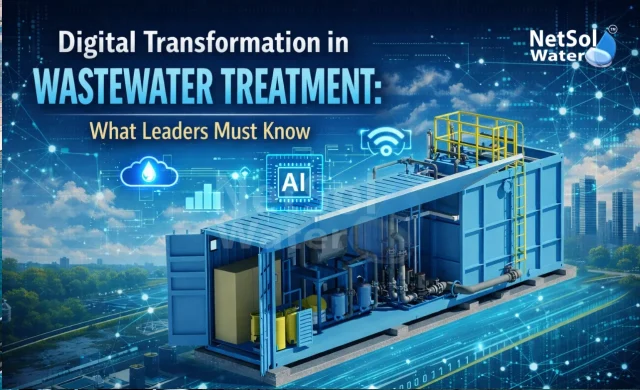
How to Optimize Operating Costs in Wastewater Treatment Plants?

A Wastewater Treatment Plant must work well to protect the public and the local environment. This plant handles water from homes, factories and streets and it keeps rivers and groundwater safe for people and wildlife. We will explain steps to reduce operating costs while keeping performance high. Netsol Water is the leading partner of Wastewater Treatment Plants.

Energy Efficiency and Process Optimization

Energy often makes up the largest share of operating cost at a Wastewater Treatment Plant. Good energy practice lowers the bill and increases the life of plant. Let us have a look on some measures that can reduce energy use and improve process stability.

Variable speed drives and equipment scheduling

Motors, pumps and blowers run for many hours each day. Fitting variable speed drives lets a plant match power use to the real flow and load. This reduces power use and it lowers wear on motors. Smart scheduling moves non urgent tasks to low tariff hours. For example sludge thickening and chemical mixing can run at night when power costs drop. Combining speed control with a clear duty roster for pumps prevents over use of standby equipment. Regular tuning of pump curves and pipe work keeps friction losses low and it keeps energy use predictable. Investing in higher efficiency motors and replacing worn bearings also reduces long term energy use.

Aeration control and process monitoring

Aeration is the biggest energy user in many biological systems. Tight control of dissolved oxygen and targeted aeration reduce energy use. Modern control systems use sensors and model based logic to add air only when needed. For plants that face variable load like hotels or markets this approach avoids constant high blow rates. Process monitoring can also spot clogged diffusers and fouled membranes early. Cleaning and small repairs then prevent long spells of high energy use. Adding simple online meters for oxygen, ammonia and flow gives operators the data they need to act fast. These changes lower power use and they often pay back within a short period.

Chemical and Consumable Management

Better chemical use saves money and it reduces handling and storage risks. Let us have a look on some practical approaches to lower chemical cost while keeping performance high.

Chemical dosing optimisation and alternative reagents

Many plants dose coagulants, flocculants and pH chemicals in fixed amounts. Changing to demand based dosing uses real time measures of water quality to add only what the process needs. Inline sensors for turbidity and pH can feed simple controllers that adjust dose rates. Testing alternative reagents may also cut cost. For instance polymers with different charge density can work at lower doses for the same effect. Buying in bulk and keeping a clear stock rotation also reduces waste from expired products. On site mixing stations that use precise pumps reduce spillage and overuse. Training staff to check dosing lines and calibration improves chemical efficiency each day.

Sludge handling and resource recovery

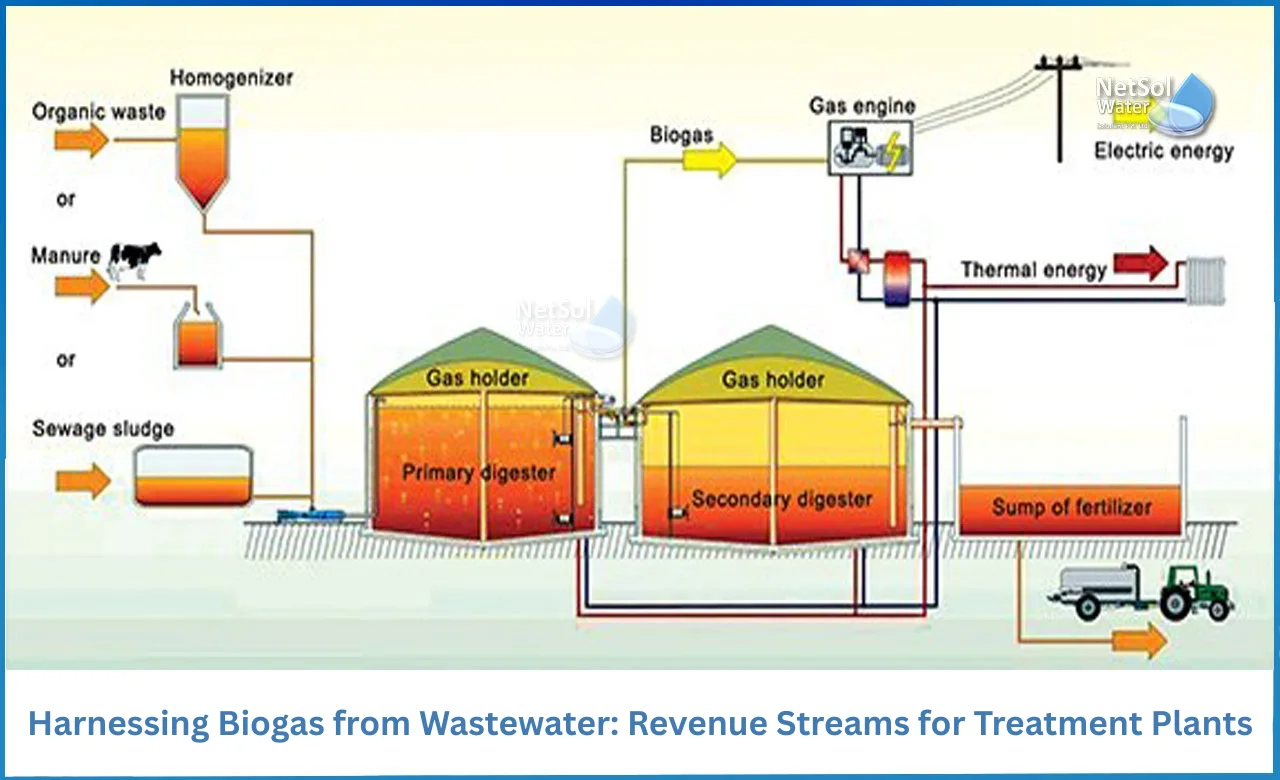
Sludge management can become a cost center but it also offers value if handled well. Thickening, dewatering and composting reduce the volume that a plant must transport and treat. Recovering biogas from anaerobic digestion supplies a fuel that offsets gas or electricity bills. Selling dried sludge as soil conditioner or using it in land reclamation can bring in revenue. Simple changes like better polymer dosing to improve dewatering and routine checks of centrifuge wear reduce power and chemical use. Planning the sludge chain from thickening to disposal cuts truck trips and lowers fuel cost. These measures shrink the overall expense of running the plant while opening new income streams.

Maintenance Strategy and Skilled Operations

A structured maintenance plan and strong operator skills keep the plant working at low cost. Poor maintenance leads to breakdowns high energy use and repeated repairs. Let us have a look on some key steps to make maintenance predictable and to build operator capacity.

Predictive maintenance and condition monitoring

Moving from time based maintenance to condition based checks reduces spare parts use and cuts downtime. Vibration analysis thermography and oil tests find bearing wear and motor stress before a failure occurs. Simple sensors on pumps blowers and mixers report operating hours and loads so that teams can plan repairs during low demand periods. A history of fault modes helps to spot components that fail early. Stocking critical spares and using standard parts speeds repairs and it keeps downtime low. Digital logs and mobile checklists let maintenance team record work and track recurring faults. These steps lower emergency repairs and they protect plant output.

Training operators and automation integration

Operators who know the process make better daily decisions. Regular training helps staff to interpret alarms to tune control loops and to do routine checks that prevent issues. Pairing trained staff with focused automation reduces the manual workload and it improves consistency. Automation should not replace operator judgment. Instead it should supply clear prompts and diagnostics so that staff can act on the right information. Simple visual dashboards that show key trends in one view reduce mistakes and speed response. Investing in people and in tools for them to succeed keeps the plant efficient and it lowers the total cost over time.

Read some interesting information for theĀ Effluent Treatment Plant Manufacturer in Gurgaon

Conclusion

A strong approach to energy efficiency, chemical management and maintenance brings measurable savings to a Wastewater Treatment Plants. Netsol Water is the leading partner for organizations that want practical cost reduction without trade offs on treatment quality. If you need help to assess your plant or to design a cost saving plan contact us now for a consultation and more information.

Contact Netsol Water at:

Phone: +91-9650608473

Email: enquiry@netsolwater.com

List-of-water-treatment-companies-in-India-3.webp

December 18, 2025by Netsol Water

Upcycling Wastewater Sludge into Energy and Fertiliser: A Game-Changer

Wastewater treatment plants handle water from homes, industries and farms. They protect public health and the environment by treating sewage before release. These plants also produce sludge as a byproduct. Sludge contains organic matter nutrients and moisture. If left untreated sludge can cause odor, spread disease and soil damage. Many places now see sludge as a problem that also hides a chance for value. Turning sludge into energy and fertiliser can reduce waste, lower costs and new revenue streams.

Why Upcycling Sludge Matters

Sludge can harm the land and water if people discard it. It can also carry pathogens and heavy metals that need careful handling. At the same time sludge contains carbon, hydrogen, nitrogen and phosphorus that can feed microbes or plants. Treating sludge for reuse cuts the need for new raw materials. It also lowers the load on disposal sites and reduces transport energy. Let us have a look on some main reasons and effects of upcycling sludge.

  • Environmental Risk and Community Health

Untreated sludge near homes can attract pests and spread disease. Modern treatment removes pathogens and stabilizes the material. Plants that adopt upcycling keep waste away from landfills and control odor and runoff. This action protects rivers and ground water that local people use for drinking and farming. When a Wastewater Treatment Plant adds safe sludge reuse schemes it helps improve local air and water quality and boosts public trust. This benefit leads communities to support further sustainability steps.

  • Resource Recovery and Circular Economy

Sludge contains nutrients that farmers need and organic matter that can become fuel. Recovering these parts returns value to the local economy. Anaerobic digestion makes biogas that a plant can use to run pumps heaters and lights. Composting turns stabilized sludge into soil amendment that farms can use to grow food in a safer way. A circular approach lowers fresh fertilizer demand and cuts greenhouse gas emissions from transport and production.

Converting Sludge into Energy

Many plants now choose energy first because it reduces bills and improves self sufficiency. Turning sludge to energy also reduces the mass of waste and lowers disposal costs. Let us have a look on some common methods that deliver energy from sludge.

  • Anaerobic Digestion for Biogas

Anaerobic digestion uses microbes in an oxygen free tank to break down organic matter. The microbes produce methane rich biogas as they digest the sludge. Plants collect this biogas and use it in engines boilers or combined heat and power units. Biogas can meet a large share of a plant energy need. The process also reduces the volume and odor of sludge and produces a stabilized digestate. This digestate can sometimes move on to further processing for use as fertiliser. For many Wastewater Treatment Plant setups digestion offers a balance of cost and results. Netsol Water is the leading partner that designs digestion units that match plant scale and energy needs. Their plants help plants turn more sludge into usable gas while keeping operation simple and safe.

  • Thermal Processes and Gasification

Thermal processes expose dry sludge to high heat to produce syngas oil and solid residues. Gasification works with limited oxygen to convert organic matter into a mix of hydrogen carbon monoxide and methane. Plants that use thermal methods can generate electricity and heat with high energy density. Thermal systems can also reduce pathogens and decrease final waste mass more than simple drying. These systems need higher capital investment and careful control of emissions. A modern Wastewater Treatment Plant that serves an industrial area may choose thermal routes when it needs high energy output or when feedstock is richer in solids. Thermal options pair well with drying units and with plants that can use heat on site.

Turning Sludge into Fertiliser and Scaling Up at Plant Level

Producing safe fertiliser opens new markets for plants and helps local farmers improve soil. Let us have a look on common fertiliser routes and how a plant can make them work.

  • Composting and Vermicomposting

Composting mixes sludge with carbon rich materials and holds the mix under controlled heat and aeration. Proper heat kills pathogens and stabilizes nutrients. The result is a humus like product that improves soil structure and water holding capacity. Vermicomposting adds worms to speed organic breakdown and to improve nutrient availability. Both methods lower the need for chemical fertilizer and offer a local soil product that farmers can accept. Good supply chain planning keeps the product moving from plant to farm in a cost effective way.

  • Pelletisation and Nutrient Recovery

Pelletisation dries stabilised sludge and compresses it into small dense pellets that ships and stores easily. Pellet products can match fertilizer market needs more closely than loose compost. Nutrient recovery processes can extract phosphorus and nitrogen for direct use in fertilizers. These recovered nutrients reduce dependence on mined phosphate and on industrial nitrogen production.

Read some interesting information for theĀ Industrial RO Plant Manufacturer in Faridabad

Conclusion

Upcycling sludge can change how a Wastewater Treatment Plant works. It can cut waste lower energy bills and add new products for local markets. Plants that move to digestion composting pelletisation or thermal recovery improve local environment and create new value for communities. Netsol Water is the leading partner that helps plants plan and make these plants. If you want to explore how your Wastewater Treatment Plant can make energy or fertilizer from sludge contact an expert today. Request a consultation.

Contact Netsol Water at:

Phone: +91-9650608473

Email: enquiry@netsolwater.com

List-of-water-treatment-companies-in-India-1.webp

December 16, 2025by Netsol Water

Wastewater Treatment in India: Trends, Opportunities & Key Players

India faces rapid urban growth and expanding industries that increase demand for clean water and safe waste handling. Cities and towns must manage sewage and industrial discharge while protecting rivers and groundwater. Rural areas also need simple low cost solutions that local people can operate and maintain. We will look at the current scene in India and see why investment and innovation matter now.


Trends

Trends matter because they shape how a Wastewater Treatment Plant is built run and paid for across the country. New rules, new funding streams and new user needs change what designers and operators must deliver. Let us have a look on some major trends that affect planning, design and operation across urban and rural India.

Growing focus on treatment and reuse

Cities now push beyond basic treatment. They prefer designs that allow treated water to feed parks, factories and cooling systems. This shift reduces stress on freshwater sources. Planners also look for solutions that shrink sludge and lower energy use. Technology choices now favor processes that support safe water reuse and that fit local climate and load patterns. Facility teams train staff to monitor effluent quality and to maintain plants so reuse remains safe and consistent. As reuse increases regulators adapt standards and industry adapts with new modular systems.

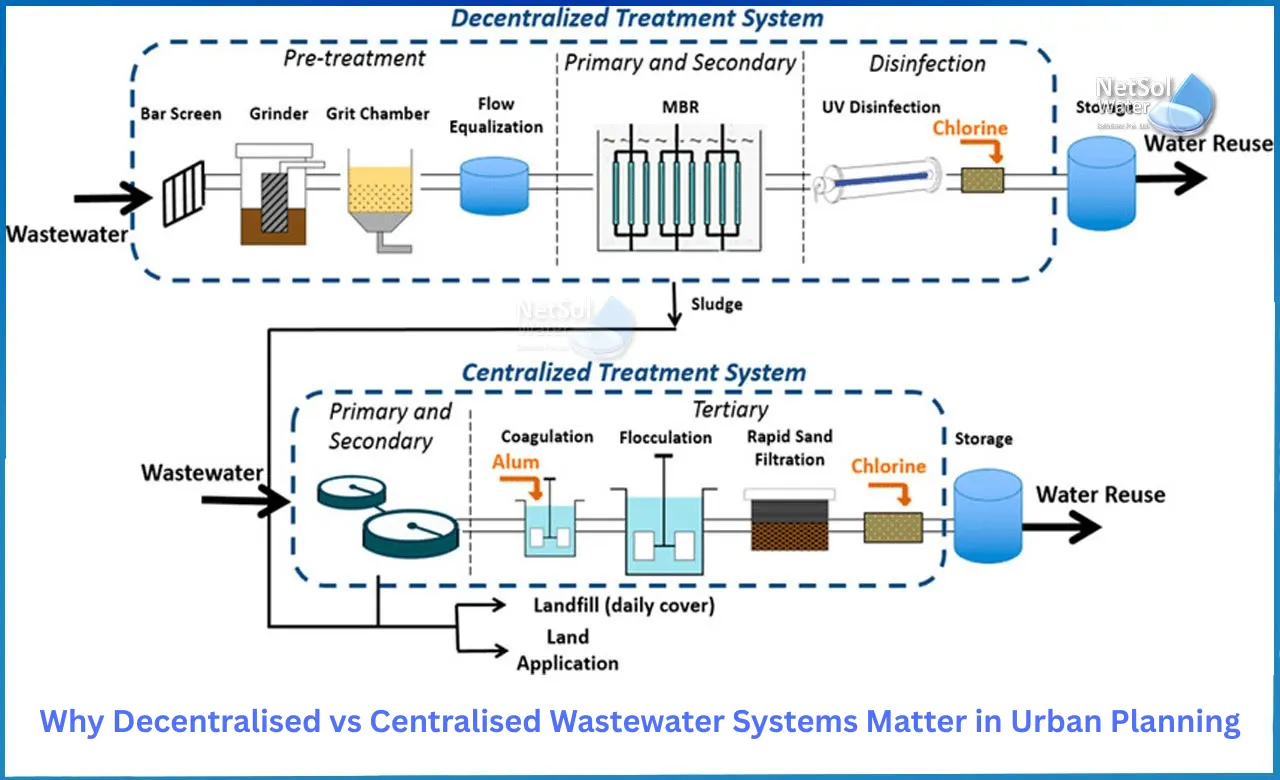
Decentralized systems for faster coverage

Large central plants meet needs for big towns but they take time, land and money. Decentralized plants now work well in new housing clusters, industrial parks and peri urban settlements. These systems sit close to waste sources and cut transport costs. They also allow staged expansion as populations grow. Municipal teams value decentralized systems because they speed service and reduce raw sewage spills into rivers. Local operators find it easier to run equipment that they can reach daily.

Digital monitoring and energy efficiency

Plant operators now add sensors and simple automation to each Wastewater Treatment Plant to track flows loads and equipment health. This digital layer helps teams spot faults early and to tune processes for lower energy use. Many plants also integrate biogas systems to use sludge for energy. This change lowers operating cost and reduces greenhouse gases. Young engineers now train in data based maintenance and process control to keep plants running well.


Opportunities

Opportunities now appear across finance skills and technology. These chances matter because they can convert gaps into lasting services and into local jobs. Let us have a look on some promising opportunity areas that investors and planners should consider.

Financing models that speed build out

Public funding alone cannot cover the national need for new plants. Hybrid funding that mixes government grants user fees and private investment can expand coverage fast. Performance based contracts and long term operation agreements let private firms invest in construction while local agencies ensure public oversight. Small scale loans to community groups help install neighborhood level systems. This mix of finance channels makes projects more bankable and more likely to last. Investors now pay attention to predictable revenue from reuse sales and from long term operation contracts that a good plant can deliver.

Skills and service markets

Building a Wastewater Treatment Plant is one step but running it well is another. India now needs trained operators, service providers and spare part networks. This market creates jobs for technicians and engineers. Training centers and vocational programs now teach maintenance safety and simple process control. Firms that offer bundled services including maintenance and monitoring win contracts because they reduce risk for municipalities. Local firms that can provide quick field support gain trust and build lasting ties with clients.

Innovation and local manufacturing

Many components now come from domestic makers. This local supply reduces cost lead times and gives easier access to spare parts. Small manufacturers also customize designs for local climate and user habits. This trend supports small and medium enterprises and reduces dependence on imports. Innovators who design robust low energy units for rural needs can find large markets.


Key Players

Knowing who builds, maintains and services plants helps buyers choose partners. Key players set standards and also raise market capacity. Let us have a look on some notable players and what they bring to the market.

Netsol Water designs and supplies a wide range of treatment systems for industrial municipal and commercial clients. The company focuses on matching technology to client needs and on offering long term operation support. Netsol Water often works with local teams to provide training and to set up maintenance schedules. Their experience with modular systems helps clients expand capacity in stages. The firm also offers solutions that support water reuse and sludge to energy schemes. Clients value quick field support and transparent contracts. Netsol Water also helps with permitting and local compliance where needed.

Several established firms also shape the market by offering technical depth and wide delivery networks. These firms include long run technology providers and local engineering groups. They bring scale design expertise and the ability to handle large projects. Many focus on full turn key delivery from survey to operation. Some firms also bring strong research and development teams. Buyers now compare price delivery time and after sales support when they choose a partner. Smaller local firms compete by offering fast service local customization and lower cost options. This mixed market helps buyers select the right partner for each project.

Read some interesting information for theĀ Commercial RO Plant Manufacturer in Faridabad

Conclusion

Wastewater management now stands as a major public health and economic priority in India. Better planning new finance models and stronger local skills will make treatment and reuse common across towns and factories. A well chosen Wastewater Treatment Plant can protect water sources cut costs and support circular economy goals. If you want practical advice or help with a project contact a reliable firm to request a consultation. Reach out to discuss site needs, plant sizing and operation options and learn how a personalized solution can meet your needs.

Contact Netsol Water at:

Phone: +91-9650608473

Email: enquiry@netsolwater.com

List-of-water-treatment-companies-in-India.webp

December 3, 2025by Netsol Water

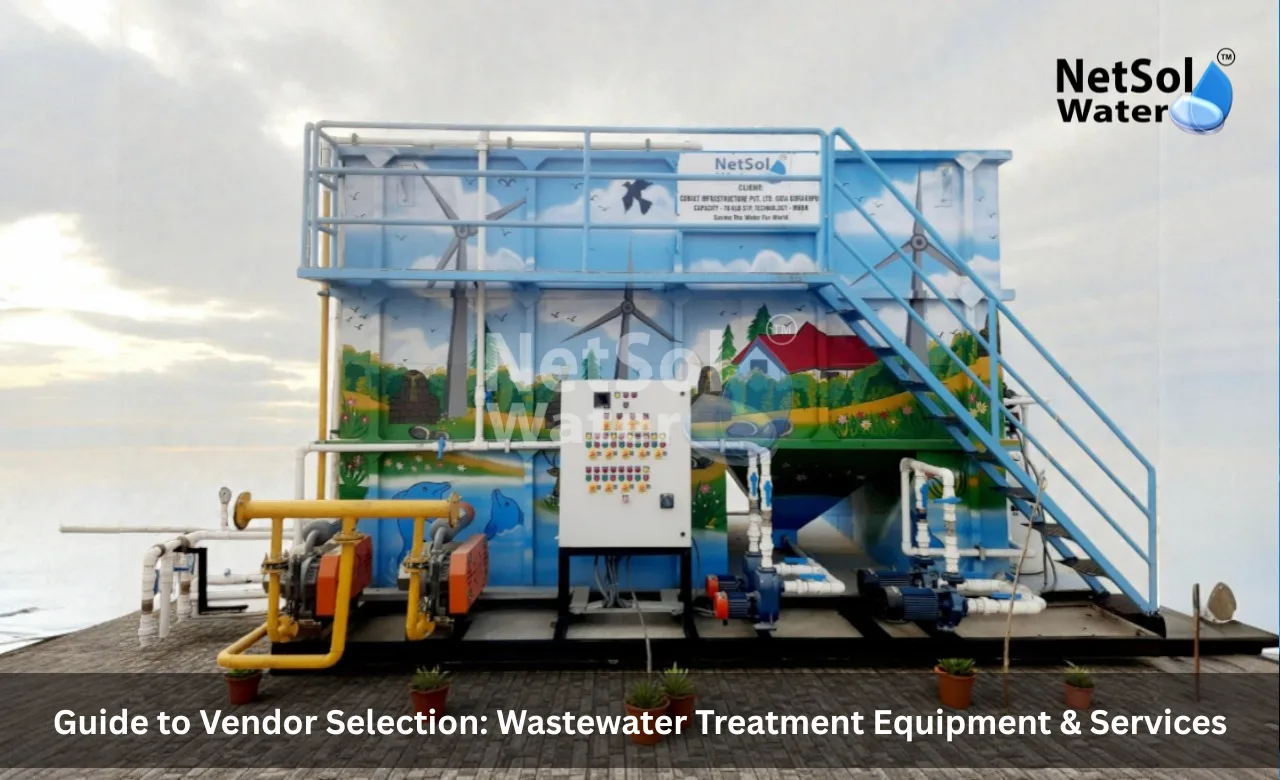
List of Water Treatment Companies in India

India needs clean water and safe waste handling more than ever. Cities experience rapid growth, and they require plants that treat water for safe release back into nature. Industries require water that meets strict standards to operate their machines and protect their workers. Builders and housing projects need solutions that address sites and budgets. Netsol Water is the leading Water Treatment Plant Manufacturer and it has built many projects across cities and towns.

Top 5 water treatment companies in India

1. Netsol Water

Netsol Water leads the market as a Water Treatment Plant Manufacturer and it earns trust by delivering clear work and steady service. The company designs plants for housing complexes, factories, and municipal projects. The designs aim to save space and to use less power while giving a steady output. Netsol Water handles site tests, design, supply, installation, and handover. The firm also supports regular service and spare parts supply, so clients keep systems in good shape.

Let us have a look at some key aspects that make Netsol Water fit many projects. Design and testing come first, and they make sure the system matches the water quality on site. Netsol Water takes samples, and it sets up units that meet the set limits. Installation comes next, and it follows a clear plan to finish on time. The team performs checks during start-up up and it trains local staff to run daily tasks. After handover, the company offers maintenance and technical support. This helps clients maintain steady output and extend the life of the equipment.

Design detail

Netsol Water picks pumps, filters, and reactors based on simple tests. The firm selects parts that are easy to service. This reduces downtime and lowers running costs. The firm also offers modular plants that clients can expand as demand grows. This approach helps projects start small and add capacity later.

Service and support section

Netsol Water schedules routine visits, and it supplies spare parts on request. The firm also offers operator training so in house staff can handle routine checks. For larger projects, the company can manage performance contracts and provide fetch reports that show system health.

2. Sewage Treatment Plants

Sewage Treatment Plants offers modular and packaged plants for many industries. The firm covers desalination water softening and wastewater reuse. They deliver design, supply, and after-sales service.

3. Commercial RO Plant

Commercial RO Plant builds modular plants, and it offers solutions for remote sites and for quick deploy needs. The firm works on desalination and wastewater reuse.

4. VA Tech WABAG

WABAG is a company that works on large municipal stp plants and industrial effluent projects. The firm delivers full project engineering, and it often handles civil work along with equipment supply. Their focus rests on long-term projects that need strict process control.

5. Thermax Ltd

Thermax Ltd. works on boiler water treatment and industrial effluent. The company offers chemical and mechanical treatment solutions, and it supports large-scale plants across states.

Choosing the Right Water Treatment Company in India

Choosing a Water Treatment Plant Manufacturer matters for cost and for long-term operation. Let us have a look at clear points that help decide.

Project size and flow

Match the firm with the project scale. For large municipal flow, choose firms with heavy project experience. For compact sites, pick companies that design small modular units. Netsol Water and others offer both paths, so compare case studies to see which fits.

Technology fit and service

Pick a company that uses proven equipment and that offers steady after-sales service. Training and spare parts supply keep the operation smooth. Ask for site visits and test reports. Firms that offer modular expansion help projects manage budget and growth.

Read some interesting information for the Industrial RO Plant Manufacturer in Noida

Conclusion

Choosing the right Water Treatment companies shapes the project cost and the system life. Netsol Water stands first on this list, and it offers design, supply, installation, and long-term support. Other firms listed here serve different needs and project types. Match the project size, the site limits, and the expected service level when you decide. For more information and to request a consultation, contact Netsol Water.

Contact Netsol Water at:

Phone: +91-9650608473

Email: enquiry@netsolwater.com

Water-Treatment-Equipment-Manufacturers-in-India-1.webp

December 2, 2025by Netsol Water

Smart Wastewater Monitoring: Real-Time Data for Better Outcomes

Cities in India face fast growth and high demand for clean water. These places also face rising pressure on sewer systems and treatment plants. Smart monitoring helps manage this pressure. Netsol Water is the leading company to offer plants and services that match these needs. A Wastewater Treatment Plant must do more than process water. It must protect health and help businesses run without failure. Real time measurement gives operators clear facts at the right moment. Smart sensors track flows levels, oxygen and key chemicals. Data moves to cloud systems that run analytics and give alerts. Teams use those alerts to act fast and to plan upgrades. This approach reduces downtime and lowers cost.

Why Real Time Monitoring Matters

In a Wastewater Treatment Plant operators once waited for lab results to know what to adjust. That delay can cause overload and damage equipment. Smart monitoring gives continuous data so teams can see trends and detect problems early. Let us have a look on some ways this works and what parts it uses.

Sensors and Data Capture

Sensors measure flow level, temperature, pH, dissolved oxygen and other indicators without delay. Good sensors report data at short intervals and use robust links to send data to a central hub. The hub stores the raw readings and passes them to analytics engines. Operators keep dashboards that show real time status and historical trends. This flow of information helps staff spot a slow decline in performance before it becomes a failure. It also helps plan maintenance during quiet hours to avoid disruption. Modern sensors require less manual calibration and use self checks to keep data accurate. They can run on low power and connect through wired or wireless networks. This flexibility lets plants place sensors where they matter most. Field teams get guided tasks based on sensor flags. That saves time and reduces human error.

Analytics and Alerts

Data without interpretation stays only numbers. Analytics turn streams of sensor data into clear signals. Machine learning models can learn normal patterns and flag deviations. Rules based engines trigger alerts when a value crosses a set threshold. Alerts can go to mobile apps emails or control room panels. The goal is to guide staff to the right response. Analytics also estimate trends so teams can forecast load and chemical demand. They can score the risk of bypass or discharge non compliance. This output supports managers who must make budget and process choices. Visual reports show where upgrades yield the best return. Analytics also feed operational controls. This lets automated valves and pumps act within safe bounds. Human oversight remains key. The combination of analytics and timely alerts speeds repairs and reduces energy use. It also helps a Wastewater Treatment Plant meet public health goals and legal standards.

Implementing Smart Monitoring at the Wastewater Treatment Plant

Implementing smart monitoring needs planning training and steady execution. The project should start with clear goals. Let us have a look on some steps that make the implementation smooth and effective.

System Design and Integration

Design begins with mapping processes and critical points. Teams list which metrics matter most for control and compliance. Next they choose sensors and connectivity that fit the plant environment. Integration links sensor output to the plant SCADA to the cloud and to mobile apps. This integration must secure data and keep it accessible to those who need it. Training helps staff use dashboards and to trust automated guidance. Pilot projects work well to test the system before wider deployment. A pilot shows how sensors perform in real conditions and how analytics handle real data. It also sets baseline metrics for performance gains. After pilot success teams expand coverage and tune alerts. Continuous improvement keeps the system aligned to changing loads and new rules. Netsol Water can guide plant teams through design integration and staff training. Their experience helps plants adopt smart monitoring with less disruption and clearer outcomes.

Operations and Decision Support

Smart monitoring changes how teams work day to day. Operators get early notice about process drift and can reduce emergency fixes. Managers gain reports that link operations to cost and compliance. Decision makers use data driven plans for upgrades for spare parts and for staffing. Over time the system builds a record that supports audits and funding requests. This data driven approach improves transparency for regulators and for the public. It also opens chances to save energy and to reuse treated water with higher confidence. A modern Wastewater Treatment Plant that uses smart monitoring protects people and supports business and environmental goals.

Read some interesting information forĀ Effluent Treatment Plant Manufacturer in Noida

Conclusion

Smart monitoring turns a Wastewater Treatment Plant from a reactive unit into a proactive asset. It improves public health reduces cost and supports clear decision making. Netsol Water is the leading partner to help plants adopt this approach. If you want to explore how smart monitoring can work at your site contact us for more information or request a consultation.

Contact Netsol Water at:

Phone: +91-9650608473

Email: enquiry@netsolwater.com

Add-a-subheading-1-2-3.webp

November 26, 2025by Netsol Water

Key Regulations Driving Wastewater Treatment Upgrades in India

Rapid city growth and more factories put heavy pressure on water bodies. Cities need clean water for people and for industry. The government updated rules to meet new needs. These rules push companies and local bodies to upgrade plants for safer discharge. A strong focus now lies on modern design and reliable operation of the Wastewater Treatment Plant. Netsol Water stands as a leading Wastewater Treatment Plant manufacturer that helps meet these requirements.

Central laws and national standards

We will show why national laws set the main direction for upgrades and why compliance matters now. Let us have a look on some national rules and how they force action at the ground level.

Water Act and national standards

The national Water Act gives the core legal duty to protect water quality. It sets clear limits for how much pollutant can go back to a river or a lake. These limits push authorities to inspect places that discharge wastewater. The rules require clear monitoring and regular reporting by the owner of the plant. Over time these standards grew stricter to protect public health and river life. Ministry level guidance and the Central Pollution Control Board issue technical standards. Plants must meet these standards to get or keep their operating permission. A Wastewater Treatment Plant must keep records and show test results in order to satisfy the regulator. This process raises the standard of design and operation. Netsol Water works with clients to match designs to the test needs and to help run tests that the regulator will accept.

Industrial discharge standards and sector rules

Different industry types have different waste streams. The rules treat each sector with special norms. The textile sector faces strict limits on dyes and suspended solids. The food sector faces different limits on organic load. This sector wise approach forces industries to plan specific treatment trains inside each plant. Industries must now move from basic settling tanks to multi stage systems that include biological steps and sometimes membrane filters. The change demands more skilled operation and more careful maintenance planning. For a manufacturer like Netsol Water this trend opens work on customized solutions that fit both the law and the process needs of the client.

State level action and incentives

States shape how rules reach local towns. We will explain why state policies matter and how they affect both cost and speed of upgrades. Let us have a look on some state actions and local programs that help or push change.

Role of state pollution control boards

State boards enforce the national laws on the ground. They issue the permits that allow a plant to operate. They inspect sites and take action when laws fail. Many state boards now run digital portals for consent and for tracking compliance. This makes the process faster but it also means data shows up quickly for audit. State boards may issue directions for city wise programmes. They can ask for cluster level treatment rather than single units for each factory. This approach changes the design and the scale of the Wastewater Treatment Plant that a municipality or an industry chooses. Local direction plays a part in the choice of technology and in the plan for operation and maintenance.

Incentives funding and project support

State and central schemes offer funds for upgrade works and for reuse projects. These funds lower the upfront cost of a modern plant. Subsidy support often comes for projects that target reuse of treated water for gardens or for industry use. Loans and technical support come through specific funds for clean city programs. These options speed up decision making by private owners and by local bodies. A manufacturer can guide a client through the funding steps and help write the technical part of a grant or loan application. Netsol Water provides technical packages that match funding criteria and that show the likely savings from reuse. This help can shorten the time to start work and to bring a new plant online.

Read some interesting information for Effluent Treatment Plant Manufacturer in Gurgaon

Conclusion

Regulatory pressure now pushes many public and private owners to upgrade their Wastewater Treatment Plant. The rules work at national and at state levels. They shape design choice operation plans and the path to reuse treated water. Netsol Water stands ready to help with design execution and long term support. If you plan an upgrade or a new plant reach out for a consultation.

Contact Netsol Water at:

Phone: +91-9650608473

Email: enquiry@netsolwater.com

Add-a-subheading-2-1.webp

November 19, 2025by Netsol Water

The Role of Nutrient Recovery in Wastewater Management (Nitrogen & Phosphorus)

Wastewater Management faces new demands. Cities need cleaner water and farmers need nutrients for soil. At the same time plants must reduce energy use and lower waste discharge. Recovering nitrogen and phosphorus from wastewater meets these needs. This process turns a problem into a resource. It stops nutrients from harming rivers and lakes. It also creates materials that farmers can use as fertilizer. In many regions this change improves both the local environment and the local economy. In this blog, we will explain why nutrient recovery matters for Wastewater Management.

Nitrogen Recovery and Its Importance

Nitrogen is a major nutrient in wastewater and it can cause serious harm when it reaches natural water bodies. Excess nitrogen leads to algal growth and low oxygen in rivers and lakes. That change harms fish and other life. It also makes water unsafe for use. For Wastewater Management recovering nitrogen helps stop these problems. It also supplies a useful product for agriculture. Let us have a look on some methods and how they work.

Biological and Chemical Methods

Biological methods use bacteria to convert forms of nitrogen into simpler forms that can be removed or captured. These methods work in many plants and they use natural processes. Chemical methods use reactions to form compounds that can be separated. Both paths have strong points and both need careful control. Operators must watch temperature and flow and other key factors. When a plant runs well the nitrogen output falls and the recovery rate goes up. Netsol Water can design systems that balance biology and chemistry so the plant meets local needs.

Ammonia Stripping and Struvite Formation

Ammonia stripping moves ammonia out of the water in a gas form so it can be condensed and used again. Struvite forms when magnesium and phosphate meet under the right conditions. This solid has slow release fertilizer value. The process of making struvite also locks phosphorus at the same time. Both products can leave the plant as usable materials. Farmers can use them to feed crops. The recovered materials reduce the need for mined fertilizer and so lower overall cost and energy for agriculture.

Integration with Plant Operations

Recovering nitrogen works best when the whole plant sees that goal. Treatment steps must match each other and the control system must be smart. A small change upstream can alter recovery downstream. Plant staff need training and good maintenance. When operations follow clear steps the recovery systems run smoothly and the plant meets its discharge limits while creating value from waste.

Phosphorus Recovery and Its Importance

Phosphorus is rare and it drives the growth of algae when it reaches lakes and seas. Wastewater often contains phosphorus from human use and industry. If plants simply remove phosphorus and then throw it away they miss a chance. Recovering phosphorus keeps it in a useful form and also reduces pollution.

Chemical Precipitation and Struvite Recovery

Chemical precipitation uses added salts to turn dissolved phosphorus into solids that can be separated. This method works quickly and it suits many plant sizes. Struvite recovery captures phosphorus while also capturing ammonium. The result is a solid that has fertilizer properties. This material is easy to handle and to transport. It also reduces the chance that pipes will clog from scale. Plants see savings in maintenance and in chemical costs when they adopt these recovery routes.

Enhanced Biological Phosphorus Removal

A second route is to use bacteria that take up phosphorus into their cells in greater amounts than normal. These microbes then leave the system as sludge that holds phosphorus. The sludge can be processed to release and capture the phosphorus in a concentrated form. This route uses biology and careful feeding of bacteria to raise the capture rate. It fits well when the plant can control the feed and the environment for microbes. Combining this route with chemical steps can give steady recovery and high quality output.

Market and Environmental Benefits

Recovered phosphorus has market value and it reduces the need for mined phosphate. That lowers the energy use in the overall food chain. At the same time the local river and lake health improves. Communities see better water for fishing and for recreation. Plants that recover phosphorus also meet stricter rules that many regulators now apply. Netsol Water helps match the recovery route to the local market for recovered materials so the system adds income and lowers pollution.

Read some interesting information forĀ Industrial RO Plant Manufacturer in Delhi


Conclusion

Recovering nitrogen and phosphorus reduces pollution and creates useful products for agriculture. Netsol Water leads in designing systems that match local needs while keeping operations simple and strong. If you want to improve plant performance or to explore nutrient recovery options contact Netsol Water for a consultation. Strong Wastewater Management starts with a good plan and expert support. Reach out to learn how your project can recover value and protect local waters.

Contact Netsol Water at:

Phone: +91-9650608473

Email: enquiry@netsolwater.com

Add-a-subheading-1-2-1.webp

November 17, 2025by Netsol Water

Zero Liquid Discharge (ZLD): The Future of Industrial Wastewater Management

Zero Liquid Discharge aims to stop any untreated or treated effluent from leaving a plant site. India has many industrial hubs and regions that handle heavy industrial activity and face strong pressure on water resources. In such places companies must manage water in a way that protects the local supply and meets strict rules. Wastewater Treatment Plants play a key role in this effort. Netsol Water is the leading firm that makes plants to treat wastewater and to guide industries toward ZLD.

ZLD Technology and How It Works

ZLD matters because it offers a clear way to protect water resources and to meet legal rules while helping companies cut waste and save costs over time. Let us have a look on some key components of ZLD.

Primary Treatment and Preconditioning

First a plant reduces large solids and separates oils and greases. This step reduces load on later processes and keeps equipment safe. Wastewater Treatment Plants use screens settling basins and basic chemical dosing to remove these rough contaminants. Proper preconditioning improves downstream performance and lowers energy needs.

Advanced Treatment and Concentration

Next the stream moves to processes that remove dissolved solids and harmful chemicals. Technologies such as membrane filtration reverse osmosis and evaporation concentrate the wastewater to a much smaller volume. These steps demand careful control and skilled operation.

Crystallization and Zero Discharge

Finally the concentrated brine goes to crystallizers or evaporators that turn the remaining liquid into solid salts or reusable water. This stage completes the ZLD goal because plants recover usable water and leave behind manageable solids. Wastewater Treatment Plants that combine membranes with thermal units can meet strict limits and can return high quality water into plant reuse loops.

Benefits and Challenges of ZLD Implementation

ZLD matters for the long term because it changes a waste problem into a resource opportunity and it helps companies meet rules and protect local communities. Let us have a look on some benefits and the main challenges.

Environmental and Regulatory Benefits

Implementing ZLD reduces discharge into rivers and groundwater. This step lowers the risk of local pollution and helps maintain safe water for people and for farming near industrial zones. Wastewater Treatment Plants that deliver ZLD help firms meet stricter permits and they reduce fines and delays. In many regions regulators now push for lower discharge and ZLD offers a clear path to comply and to protect local ecosystems.

Economic and Operational Gains

ZLD can cut the need for fresh water by enabling reuse inside the plant. This move lowers the cost of buying water and of treating new incoming streams. Wastewater Treatment Plants that recover clean water support more stable operations and lower dependence on external water sources. Netsol Water is the leading company that helps industries design reuse loops so plants can use recycled water for cooling cleaning and process needs.

Technical and Cost Challenges

ZLD systems require higher capital investment and skilled operation compared to simple discharge systems. Operators must plan for periodic cleaning and for safe disposal or sale of recovered salts. These challenges increase the need for proper design and for expert partners who can deliver reliable performance over many years.

Read some interesting information for Commercial Ro Plant Manufacturer in Faridabad

Conclusion

Zero Liquid Discharge marks a clear path for industries that want to protect local water and meet strict rules while finding long term savings. Wastewater Treatment Plants play the key role in turning this path into reality. Netsol Water is the leading provider that can design, make and support ZLD systems for many industries. If you need guidance on ZLD or you want a practical assessment for your plant please contact Netsol Water for more information or request a consultation with their technical team.

Contact Netsol Water at:

Phone: +91-9650608473

Email: enquiry@netsolwater.com