Wastewater Treatment Plant Manufacturer - Page 5 of 5 - Sewage Treatment Plant Manufacturers

Add-a-subheading-1-1-7.webp

September 26, 2025by Netsol Water

What Is The Profit Margin Of Waste Management?

Cities grow and industries expand and they need systems to treat water before it returns to nature. India faces many challenges with water quality and supply. Cities like Delhi and Noida has many factories and offices that need reliable treatment systems. Netsol Water is the leading Waste Water Treatment Plant provider and it works with businesses and communities to make plants that last. Understanding profit in waste management helps investors and operators plan better. Profit margin shows how much money a project earns after it covers its costs.

Revenue in Waste Management

An operator must know where income comes from before they can judge profit. Let us have a look on some typical revenue sources.

Types of revenue and how they matter

Most Waste Water Treatment Plant projects sell a service. They charge clients for treating water. A plant may bill by volume of water treated or with a fixed monthly fee. Some plants sell treated water back for reuse in industry or irrigation. That sale brings extra income. Others recover byproducts like biogas or compost and sell them. These added streams make a big difference to profit. A plant that sells treated water lowers its net cost and raises its margin. The scale of operations changes the math. Small plants have higher unit costs. Large plants spread fixed costs and reach better margins. Location also matters. Plants near factories or farms find steady demand. Plants in remote areas face higher transport cost and lower demand. Contracts shape revenue. Long term contracts give steady cash and let operators plan investments. Short term contracts add risk. Operators who balance contract length and price gain more stable profit.

Pricing factors that affect profit

Operators decide price based on cost and market. They estimate operating cost then add margin. If a plant sells extra products like biogas the operator can charge less per cubic meter and still earn more. Competition sets a cap on price. Local rules and subsidies also change what users will pay. In many areas governments set treatment standards and may offer support. That support can boost profit by lowering initial expense or by guaranteeing a buyer for treated water. Operators who plan for multiple revenue lines gain flexibility.

Costs and key expenses

Costs define the lower bound for profit so operators must control them. Let us have a look on some main cost categories.

Capital cost and its effect

A Waste Water Treatment Plant needs equipment tanks pumps and control systems. The upfront cost can be high. Operators finance this cost with loans or equity. Loan interest raises ongoing cost. Leasing or modular plants can reduce initial cash outlay. A careful choice of technology affects both capital and running cost. Some tech needs expensive membranes or chemicals. Others use natural processes that cost less to run. Operators who match technology to site needs lower total cost and improve margins. Planning maintenance from day one prevents sudden breakdowns that eat profit.

Operating cost and waste handling

Day to day cost includes power labor chemicals and disposal of sludge. Power often makes the largest share. Plants that use efficient motors or recover energy from biogas lower this cost. Skilled operators run the plant more efficiently and reduce waste of chemicals. Regular monitoring keeps the plant in tune and prevents expensive fixes. Training staff and using automation when it pays off reduce operating cost and support higher profit margins.

Calculating profit margin and improving profitability

Knowing the formula helps decision makers to act. Let us have a look on some methods to compute margin and then review tactics to increase it.

How to compute margin and what it shows

Profit margin equals net profit divided by revenue. Net profit means revenue minus all costs and taxes. For a Waste Water Treatment Plant you add up income from treatment fees sale of treated water and any byproduct sales. Then subtract operating cost loan interest depreciation and taxes. A plant with healthy margin can invest in upgrades and handle downtime. Investors look at margin over several years not just one season. Early years often show lower margin due to loan repayments. Later years can show higher margin if revenue stays stable and costs fall.

Ways to raise margin without reducing quality

Raising margin must not harm treatment quality or compliance. One way is to add revenue lines like water reuse or energy recovery. Another is to improve energy efficiency to drop power bills. Contract terms that link price to inflation protect revenue. Operators can offer tiered pricing to reward higher volume users and keep steady cash. Technology upgrades that lower chemical use also raise margin. Training staff to monitor performance reduces waste and extends equipment life. Lastly strong relationships with regulators and clients reduce surprises that can hurt profit. These steps keep the plant sustainable and profitable.

Read some interesting information for Commercial RO Plant Manufacturers

Conclusion

Profit in waste management depends on revenue cost and smart choices. A clear plan and steady operations lift margins. Netsol Water can help design or upgrade a Wastewater Treatment Plant and advise on ways to boost income and reduce cost. Contact Netsol Water to learn how a plant can meet standards and deliver strong returns.

Contact Netsol Water at:

Phone: +91-9650608473

Email: enquiry@netsolwater.com

What-is-the-cost-of-wastewater-treatment-plant.webp

September 25, 2025by Netsol Water

What is the cost of wastewater treatment plant?

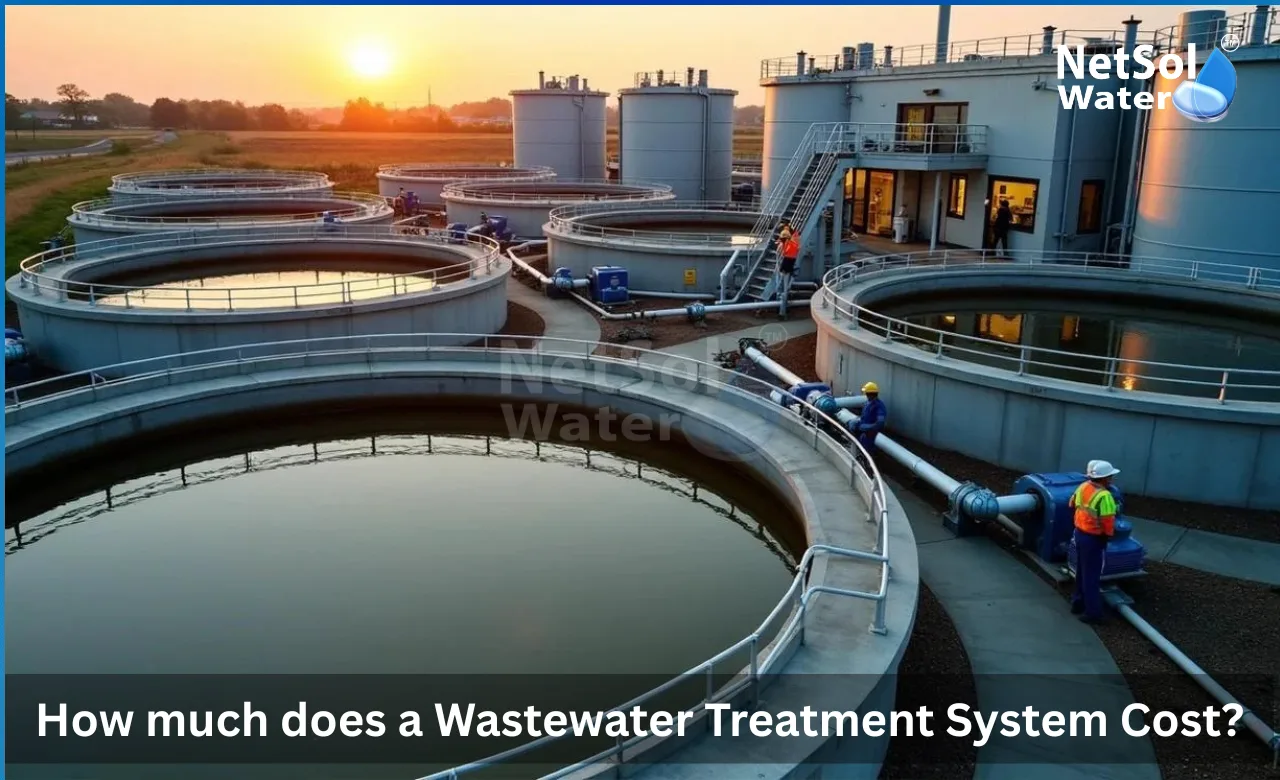
Wastewater is a growing challenge in India and many other places. Cities and industries need ways to treat water so people stay healthy and the land stays productive. Netsol Water is the leading Wastewater Treatment Plant Manufacturer and it offers solutions that match different budgets and needs.

Factors that affect cost of the Wastewater Treatment Plant

Understanding what affects price helps you choose the right plant. Let us have a look on some factors that affect cost of the Wastewater Treatment Plant.

Plant capacity and flow rate

Plant size matters most for cost. A larger Wastewater Treatment Plant needs bigger tanks pumps and more control equipment. The cost per cubic meter often drops as size grows but the total price rises. Small units for a farmhouse or a small factory will cost less in total but will cost more per unit of treated water. Large municipal plants show better economies of scale but they need more land and stricter approvals. Capacity also links to treatment steps. When a plant must remove many pollutants designers add more reactors filters and sometimes advanced units. Each extra step raises the price and adds to the operation work later on.

Treatment technology and process selection

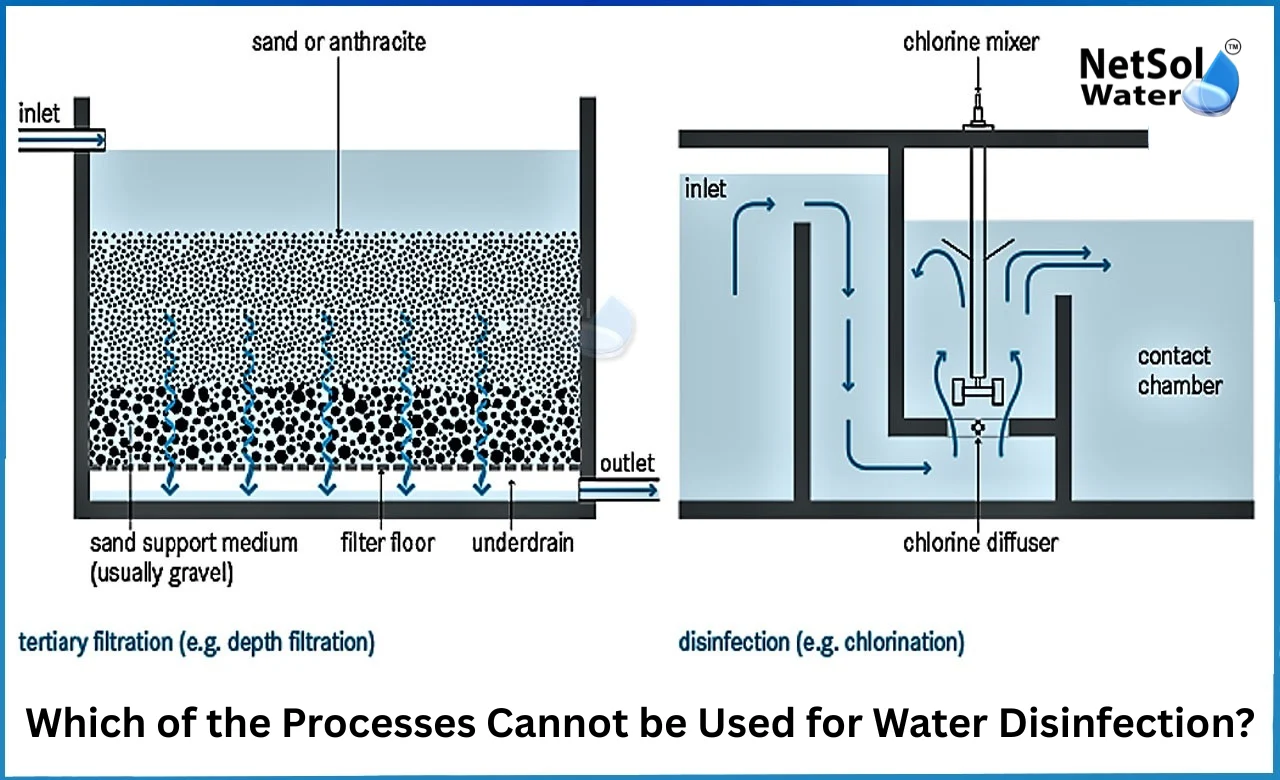
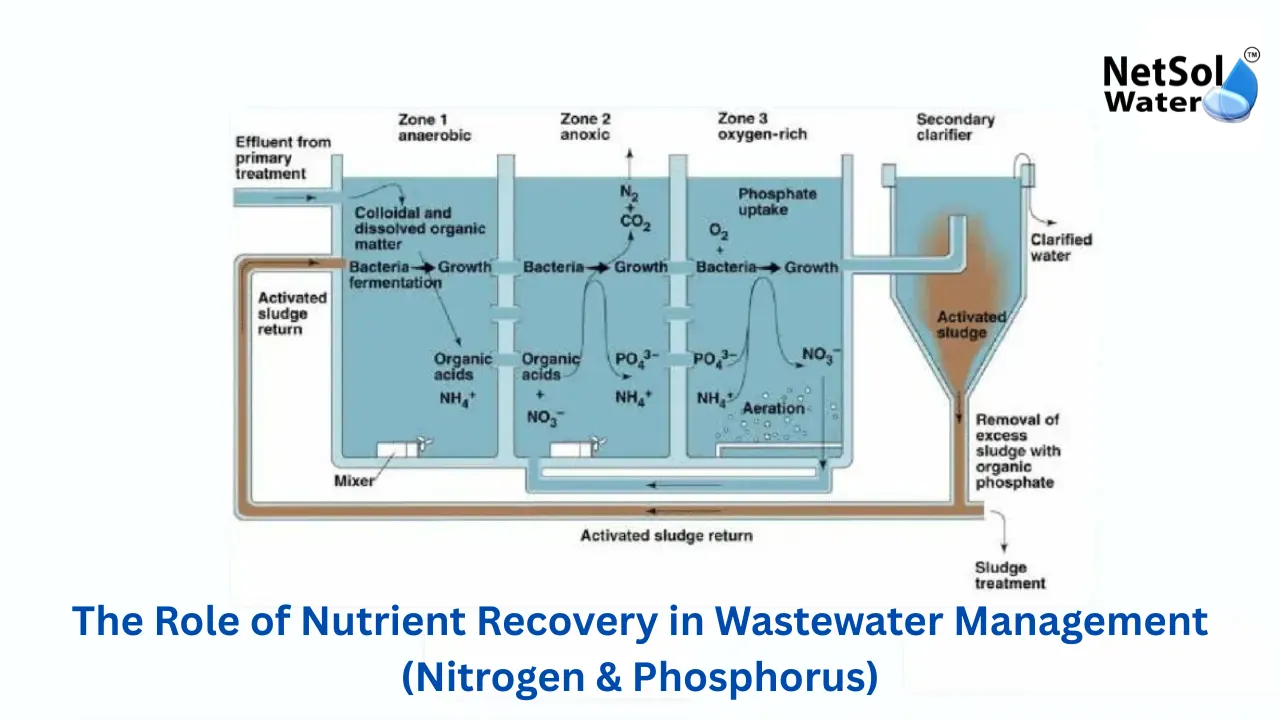
Technology choice also shapes the investment. Simple gravity and biological systems work for many cases. More advanced systems use membranes chemical dosing or intensive aeration and they cost more to build and to run. The level of treatment you need decides the technology. If you must meet strict discharge standards you may need tertiary treatment steps that include filtration disinfection or nutrient removal. Each added process increases both capital cost and maintenance work. Activated sludge systems use tanks and aeration. They fit many municipal and industrial sites and they balance cost and performance. Sequencing batch reactors handle variable flow without complex pipe work and they can save space. Membrane bioreactors give very good effluent quality but they use more power and membrane replacement raises annual cost. For industrial waste streams you may need chemical treatment or special biological systems that handle oil chemicals or high salt. Those setups require special design and higher budgets.

Capital cost versus operating cost for a Wastewater Treatment Plant

Buyers must see both the initial price and the cost to run the plant. Let us have a look on some elements that shape ongoing cost.

Initial capital cost and what it covers

Initial capital covers design, civil work, equipment and installation. Civil work includes excavation concrete foundations and building a safe area for the plant. Equipment includes tanks blowers pumps mixers screens and control panels. Installation ties everything together and includes testing and commissioning. Site preparation and permits can also add to the initial bill. Land cost can be a major part of the budget when the plant needs more area. When you compare offers check what each supplier includes in the quoted price. Some quotes cover complete delivery and testing while others list only equipment. Choosing a manufacturer like Netsol Water helps because they handle design procurement and commissioning in one package.

Operation and maintenance cost

Operation and maintenance form the long term cost. Energy drives most of the operating bill. Pumps blowers and heaters can use a lot of power. Labor also adds regular cost because trained staff must run and monitor the system. Routine supplies include chemicals and filter media and these add up each month. Some technologies need costly parts replaced on a fixed schedule. Membranes sensors and certain mechanical parts show steady wear and need planned replacement. Regular maintenance keeps the plant efficient and prevents breakdowns that raise cost. Good design reduces energy use and simplifies maintenance so the yearly bill stays lower. Choosing energy efficient blowers and variable speed pumps cuts power use. Automation reduces manual checks and prevents human error. Scheduled maintenance avoids emergency repairs and extends equipment life. Training local staff speeds repairs and reduces the need to call outside technicians. All these moves cost less than repeated emergency fixes and save money over the life of the plant.

Read some interesting information for Commercial RO Plant Manufacturer

Conclusion

Choosing the right Wastewater Treatment Plant needs a clear view of both the initial price and the long term cost. Net savings come from correct sizing careful technology choice and good operation. Netsol Water can help you compare options and prepare a realistic budget. If you want a consultation or a site estimate, please contact Netsol Water for a direct discussion. We can guide you to select the right plant and provide a full quote that covers supply installation and training. Reach out today to plan a solution that fits your need and your budget.

Contact Netsol Water at:

Phone: +91-9650608473

Email: enquiry@netsolwater.com


Why-Your-RO-Plant-Is-Producing-Foul-Smelling-Water-How-to-Fix-It.webp

September 17, 2025by Netsol Water

Why Your RO Plant Is Producing Foul-Smelling Water & How to Fix It?

Netsol Water is the leading RO Plant Manufacturer and it serves many industries and homes in Noida and other industrial hubs. Noida has grown as a place known for manufacturing and for companies that make RO plants. This makes local customers expect fast service and reliable equipment. People call a trusted RO Plant Manufacturer when their plants give bad odour. A foul smell can come from different sources. The smell can arise inside the plant itself. The smell can come from the feed water source. The smell can also come from damaged parts or from poor maintenance. We will explore simple ways to find the cause and clear the smell.

Common Causes of Foul Smells in Your RO Plant

Understanding why the smell appears helps you act fast. Let us have a look on some main causes and how they form inside an RO plant.

Organic growth and biofilm

Microbes can grow inside filters and pipes when operators miss cleaning schedules. These microbes form a slim layer called biofilm. Biofilm traps particles and gives off bad odour. The biofilm can form on prefilters, on membranes, and in storage tanks. When you do not flush the system the microbes find food and multiply. A small amount of growth can quickly spread across the system. You must check and clean the parts that touch water. The cleaning should use the right chemicals and follow the maker instructions. You should also run a high flow flush after chemical clean up. This step removes dead cells and stops the smell from coming back fast. Netsol Water as a RO Plant Manufacturer recommends regular checks and record keeping to stop this cause.

Chemical contamination

Sometimes the feed water carries chemicals that give smell. These chemicals can pass through pretreatment into the RO membrane if the pretreatment fails. Chlorine at high dose can react with organics and create bad odour. Oil or grease from nearby work can also leach into the water. When the system draws water from a polluted source, the smell appears in the product water. You must test the feed water and check the pretreatment parts. Replace or clean media that looks exhausted. This step keeps the membranes safe.

How to Diagnose and Test Your RO Plant

Diagnosing the source gives clear steps to fix the smell. Let us have a look on some tests and checks you can do before you call a technician.

Visual checks and simple smell test

Start with a simple visual inspection of the plant. Look for dirty prefilters fouled membranes and sludge in tanks. Smell the water at different points. Smell the feed water the permeate and the reject line. This helps you know where the smell first appears. If the feed water smells bad then the source is outside the plant. If the permeate smells but the feed does not then the problem sits inside the plant. This step guides which parts to clean first. Check for slow drains or standing water where microbes can grow.

Lab tests and field tests

If the smell persists run lab testing for bacteria and for organic load. Do a simple total bacterial count and a measure of organics. Run a residual chlorine test and a test for oil. These tests show if microbes or chemicals cause the smell. A field test for pH and conductivity gives fast clues. A big change in pH or conductivity can mean a failing membrane or wrong chemical dose. Send samples to a lab if you need a clear report.

How to Fix and Prevent Foul Smells

Fixing the cause brings water back to normal. Let us have a look on some fixes and on steps to prevent a return of the smell.

Cleaning and chemical treatment

When microbes cause the smell you must clean the system with the right cleaning agents. Use a biocide or a cleaning solution that matches the membrane type. Circulate the cleaning fluid at the temperature and the time the maker recommends. After the chemical cycle run a long flush to clear the residues. Replace any single use filters and clean the storage tank. Replace worn seals and gaskets that trap dirt. If the membrane shows permanent fouling replace it. These steps remove the odour source and restore flow and quality. A RO Plant Manufacturer can give the correct cleaning plan and can supply the right chemicals.

Maintain a schedule and check pretreatment

Prevention works when you follow a schedule and when you watch key signals. Replace prefilters on time. Backwash or renew media in filter vessels when they show high differential pressure. Keep logs of pressure and quality readings. Fit alarm points that warn you of sudden change. Control the chemical feed carefully so the membrane does not see harmful doses. Monitor the storage tank for sludge and clean it at regular intervals. These habits reduce the chance that the smell will come back.

Read some interesting information for Commercial RO Plant Manufacturer

Conclusion

Clear water gives confidence and protects health. A foul smell can start from microbes, from chemical contamination, or from poor maintenance. You can diagnose the cause by simple checks and by lab tests. You can fix the problem with correct cleaning with part replacement and with a fresh maintenance plan. Netsol Water stands ready to support you as a trusted RO Plant Manufacturer. Contact Netsol Water for a site inspection or for a consultation and get help to restore clean water fast.

Contact Netsol Water at:

Phone: +91-9650608473

Email: enquiry@netsolwater.com

Add-a-subheading-1-1-3.webp

September 5, 2025by Netsol Water

What are the consequences of non-compliance with water regulations?

Water rules protect people and the land. Cities grow fast, and this growth makes managing water use and waste more urgent. When a Water Treatment Plant does not follow the rules the results reach many places. They affect homes, schools, and farms. They affect local businesses and city services. Netsol Water is the leading Water Treatment Plant Manufacturer and it works with clients to meet the rules and avoid harm.

Legal and Financial Penalties

Legal and financial penalties matter because they can end operations and drain budgets. Companies and councils depend on steady water services. They face lawsuits, fines, and loss of permits if they do not meet rules. Let us have a look on some main legal outcomes and how these hit finances and daily work.

Regulatory fines and loss of license

Many water laws set clear limits for discharge and for treatment processes. When a Water Treatment Plant breaks these limits regulators may issue fines. These fines grow larger if the breach lasts for a long time. A plant may also face orders to stop work until it fixes the problems. These steps halt revenue and raise repair costs. Firms also spend more on legal help and on monitoring to satisfy the regulator after a penalty. These added costs reduce profit and may harm future investment plans.

Civil suits and insurance impact

Affected communities and businesses can start civil cases for harm from poor water control. These suits can claim damages for lost income health costs and property harm. Even when a suit does not win the legal fees and the time spent to defend it weigh on managers. Insurance firms may raise premiums or refuse cover when a plant shows repeated rule breaks. A refusal to insure leaves projects at high risk. This chain of events can force owners to sell or to close a facility.

Long term business consequences

Beyond fines and suits a firm can lose contracts and trust. Buyers and partners avoid firms with poor compliance records. Banks may limit loans and investors may withdraw support. These steps reduce the ability to grow and to invest in new systems. A plant that must rebuild trust faces many years of slow recovery. This outcome shows why a Water Treatment Plant must keep clear records follow strong operating steps and plan upgrades in good time.

Environmental and Public Health Impact

Environmental and health impacts matter because they shape life for many people. Broken rules let pollution reach rivers farms and the ground. Polluted water harms fish, crops, and human health. Let us have a look on some key environmental harms and the public health risks that follow.

Water body damage and loss of biodiversity

Water that leaves a plant without full treatment carries solids chemicals and microbes. Rivers and lakes that receive this water change fast. Fish die and plants fail to grow. This damage reduces the numbers of species in the area. Local fishers and farmers lose a source of income and food. Restoring a river takes long time and costs a lot. Cleanup work may demand new treatment steps and new wetland projects. These efforts add to the cost of fixing the original failure to follow the rules.

Human health and community harm

When a Water Treatment Plant fails to remove harmful germs and chemicals local people face real health risks. People can get stomach infections skin problems and other serious illnesses from bad water. Children and older adults face extra risk. When illness spreads the local clinic and hospitals face more demand and local workers lose days of work. This outcome reduces household income and puts pressure on public health services. The ripple effects reach schools and shops and they can change the life of the whole town.

Soil food and long term use

Polluted water does not stay in one place. It enters the soil and the food chain. Crops that use bad water pick up salts and chemicals. These changes lower crop quality and crop yield. Farmers then must pay for better water or move to other lands. The cost of poor compliance thus grows with time. It affects food prices and the long run health of the local land.

Read some interesting information for Sewage Treatment Plant Manufacturers

Conclusion

Non compliance brings legal risk financial loss and long term harm to people and land. A Water Treatment Plant that meets rules protects health, the land, and the business. Netsol Water is the leading Water Treatment Plant Manufacturer and it can help companies plan systems and follow the rules. If you want to lower risk protect your workers and serve your community get in touch for more information or request a consultation today.

Contact Netsol Water at:

Phone: +91-9650608473

Email: enquiry@netsolwater.com