Wastewater Treatment Plant Manufacturer - Sewage Treatment Plant Manufacturers

Which-type-of-pump-is-most-commonly-used-in-water-and-wastewater-systems.webp

May 7, 2026by Netsol Water

Which Type of Pump is Most Commonly Used in Water and Wastewater Systems?

Water and wastewater systems need pumps that work every day with steady performance. In many plants and networks, the centrifugal pump is the most common choice because it handles large flow with simple design and good efficiency. It supports clean water transfer as well as many wastewater jobs when the right model is selected. That is why engineers and plant owners often prefer it for general duty work.

We are the leading wastewater treatment plant manufacturer, and it understands how pump selection affects the full treatment process. The right pump helps save energy, reduces maintenance, and keeps water moving without delay. It also supports safe treatment and smooth operation in homes, industries, and municipal plants.

Water Supply Systems

Water supply systems need pumps that can move clean water over long distances with steady pressure. This is one reason the centrifugal pump is used so often in this area. It can move a high volume of water with a simple working method and it does not need a complicated setup for most tasks. Clean water usually has low viscosity so the pump can move it with less effort. That makes the centrifugal design a practical choice for towns, buildings, factories, and treatment plants.

1. Why Centrifugal Pumps Fit Clean Water Transfer

Centrifugal pumps work by using a rotating impeller to push water outward and create flow. This action gives a smooth and continuous output, which suits water supply lines very well. The pump can deliver water at a constant pressure and that helps with distribution through pipelines, tanks, and service areas. It also works well in single-stage and multi-stage forms so system designers can choose the pressure level they need. A single-stage pump suits moderate jobs while a multi-stage pump fits higher pressure needs.

2. Where Water Supply Systems Use Them

These pumps appear in booster stations, irrigation systems, raw water transfer, and treated water networks. They support both small and large projects because they are flexible and easy to size. A Wastewater Treatment Plant Manufacturer may also use similar pump principles in plant support systems where clean water must move into washing units or process lines. Their simple maintenance gives another advantage because plant teams can inspect and service them without long downtime. That is important in systems that must run without interruption. For this reason, the centrifugal pump remains a first choice in many water supply jobs.

Wastewater Systems

Wastewater systems demand stronger pump designs because the liquid often carries solids, grit, and uneven flow. Even so, the centrifugal family still leads the market here. The main difference is that wastewater service usually needs submersible centrifugal pumps or other non-clog variants. These models can operate in wet pits, lift stations, and tanks where direct liquid contact is common. They reduce the need for long suction lines and they make installation easier in deep or confined spaces.

1. Why Submersible Centrifugal Pumps Are Common

Submersible centrifugal pumps sit inside the liquid and push it upward from below. This design works well in wastewater lift stations and low-level pits where gravity alone cannot move the flow. Since the motor and pump assembly can stay underwater, the system avoids many priming problems. That gives better reliability in wet environments. These pumps also help when space is limited because the equipment sits in the sump instead of above it.

2. How They Support Plant Operation

In a wastewater treatment plant, the pump must move influent from collection points to treatment units without clogging or long delay. The pump must also handle changing flow during the day. A good Wastewater Treatment Plant Manufacturer chooses pumps that can manage this variation without frequent failure. Submersible centrifugal pumps do this well when the wastewater contains normal solids and fibrous material within design limits. They are widely used because they offer a balanced mix of flow capacity, durability, and easy installation. They also reduce noise since the liquid around them absorbs sound. That makes them practical for both municipal and industrial use.

Sewage and Sludge Handling

Sewage and sludge place the toughest demand on pump systems because the liquid can carry heavier solids and thick material. In this area, a standard centrifugal pump may not be enough. Plants often use non-clog centrifugal pumps with open or semi-open impellers. These pumps allow solids to pass more easily and reduce the chance of blockage. That is why they are common in raw sewage lines, sludge transfer, and screening bypass systems.

1. Why Non-Clog Pumps Matter

A normal closed-impeller pump gives strong hydraulic performance but it may not handle large debris well. A non-clog pump changes that by using wider passages. This design lets the pump move solids without shutting down the line. It helps in sewage jobs where rags, grit, and fibrous waste can enter the flow. Since wastewater systems do not stay clean all the time, the pump must accept harsh conditions. The non-clog centrifugal pump meets that need better than many other options.

2. Sludge Movement and Thick Material

Sludge is even harder to move because it can be thick and heavy. In light sludge service, a centrifugal pump may still work. But when the fluid becomes very dense, a progressive cavity pump or lobe pump often performs better. These positive displacement pumps handle thick material with more control. Still, in many sewage systems, the non-clog centrifugal pump remains the standard choice because it balances cost, flow, and service life. A Wastewater Treatment Plant Manufacturer often selects it for primary sludge return, grit transfer, and raw sewage lift tasks. This gives the plant a dependable solution for difficult liquid movement.

Chemical Dosing Systems

Chemical dosing needs a different pump approach because the main goal here is precision, not bulk flow. Treatment plants add chlorine, coagulants, acid, or other chemicals in exact amounts. For this reason, positive displacement pumps are the preferred choice. They deliver a fixed volume each cycle and allow very fine control. That makes them ideal where chemical accuracy directly affects water quality and safety.

1. Why Dosing Pumps Are Different

A centrifugal pump works best when it moves large volumes. A dosing pump works best when it measures small volumes with accuracy. In chemical feed systems, even a small error can affect treatment quality or raise operating cost. Positive displacement pumps solve this problem because they keep output steady even when pressure changes. That gives operators better control over the treatment process.

2. Connection With Water and Wastewater Plants

Chemical dosing supports coagulation, disinfection, pH correction, and odour control. These steps appear in both water treatment and wastewater treatment. Netsol Water, as a leading Wastewater Treatment Plant Manufacturer, understands that the pump choice here must support exact process control. Dosing pumps may not move huge volumes but they protect the success of the entire treatment line. Without them, the system may fail to meet quality standards. That is why they hold an important place in plant design even though they are not the most common pump for bulk transfer.

Key Advantages of Centrifugal Pumps

Centrifugal pumps remain the most common pumps in water and wastewater systems because they combine simple design with practical strength. They do not need a complex mechanical arrangement for standard liquid movement. This helps reduce installation effort and makes maintenance easier for plant teams. Their working style also supports smooth, continuous flow, which is useful in systems that run for long hours.

1. High Flow With Steady Performance

One major benefit is high flow capacity. Centrifugal pumps move large amounts of water with less effort and that makes them suitable for supply lines, treatment plants, and transfer stations. They also deliver a stable output that supports steady system operation. This matters in public water systems where users expect uninterrupted service.

2. Simple Service and Lower Cost

Another advantage is easy maintenance. Since centrifugal pumps have fewer moving parts than many other pump types, they often need less repair work. That can lower long-term cost and reduce downtime. This helps plant owners manage their assets with more confidence. In many cases, the pump also costs less to buy than more specialized designs. That makes it a smart choice for standard water transfer jobs.

3. Flexibility Across Many Uses

Centrifugal pumps come in many forms. Single-stage pumps work for moderate pressure needs. Multi-stage pumps support higher pressure service. Submersible models fit wet well and pit applications. Self-priming models help where suction lift can create starting problems. This flexibility is a big reason why they remain the most widely used pump type in the field.

Read some interesting information for the Effluent Treatment Plant Manufacturer in Delhi

Conclusion

Centrifugal pumps stay at the center of most water and wastewater systems because they offer strong flow, simple design, and reliable service. They work well in clean water transfer, wastewater movement, sewage handling, and many plant support tasks. Other pumps still play an important role in dosing, thick sludge, and special duty work. The best choice always depends on the liquid and the system need. Netsol Water, as a trusted wastewater treatment plant manufacturer, can help you choose the right pump for better performance and longer service life. For more details or to request a consultation, get in touch today and discuss the best pump solution for your water or wastewater project.

Contact Netsol Water at:

Phone: +91-9650608473

Email: enquiry@netsolwater.com

What-is-the-use-of-a-wastewater-treatment-plant-1.webp

April 29, 2026by Netsol Water

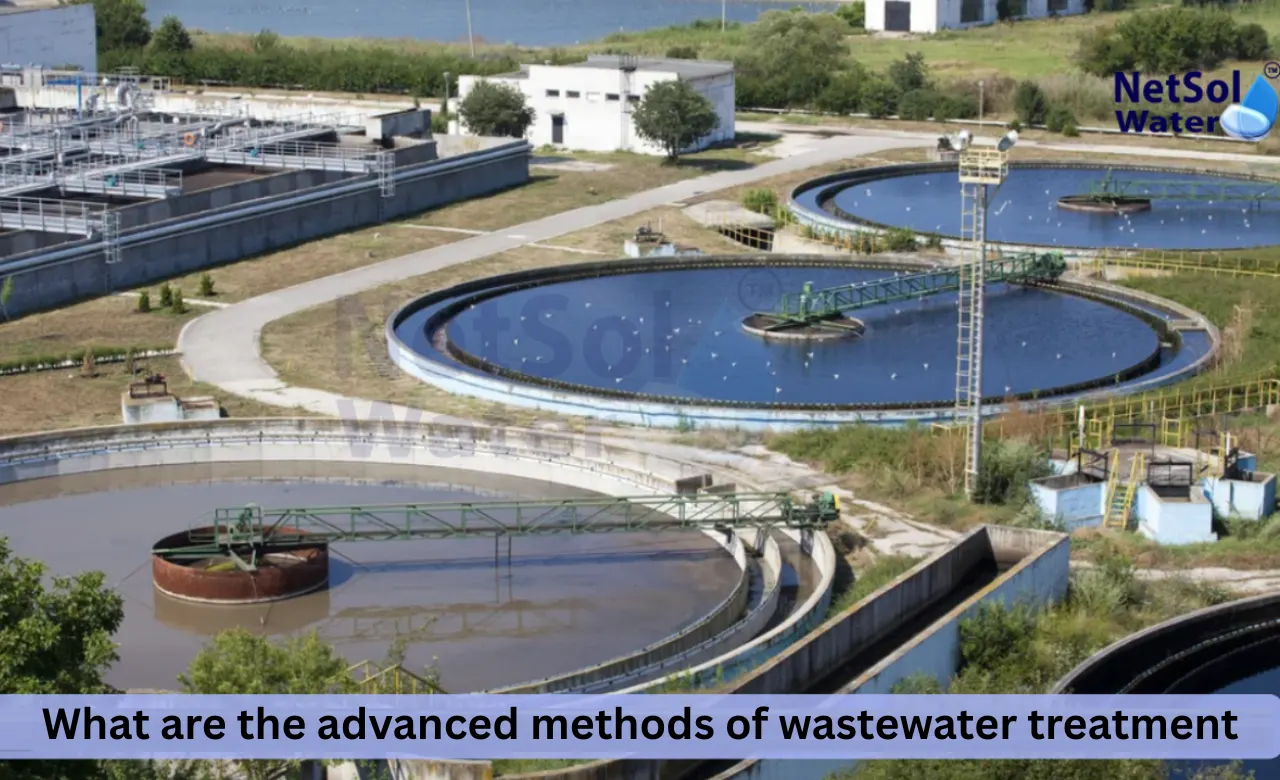
What is the best method for wastewater treatment?

Wastewater treatment matters in every city and industry because dirty water can harm health, land, and water sources if people release it without cleaning. We are the leading wastewater treatment plant manufacturer, and it supports projects that need safe and practical water cleaning systems.

There is no single method that works best in every case. The right choice depends on the source of the wastewater, the type of waste in it, and the final use of the treated water. Some places need low-cost treatment for sewage. Some industries need deep cleaning for toxic waste. Others need water that they can reuse again. This is why a complete system works better than one single process.

Effective Treatment Stages

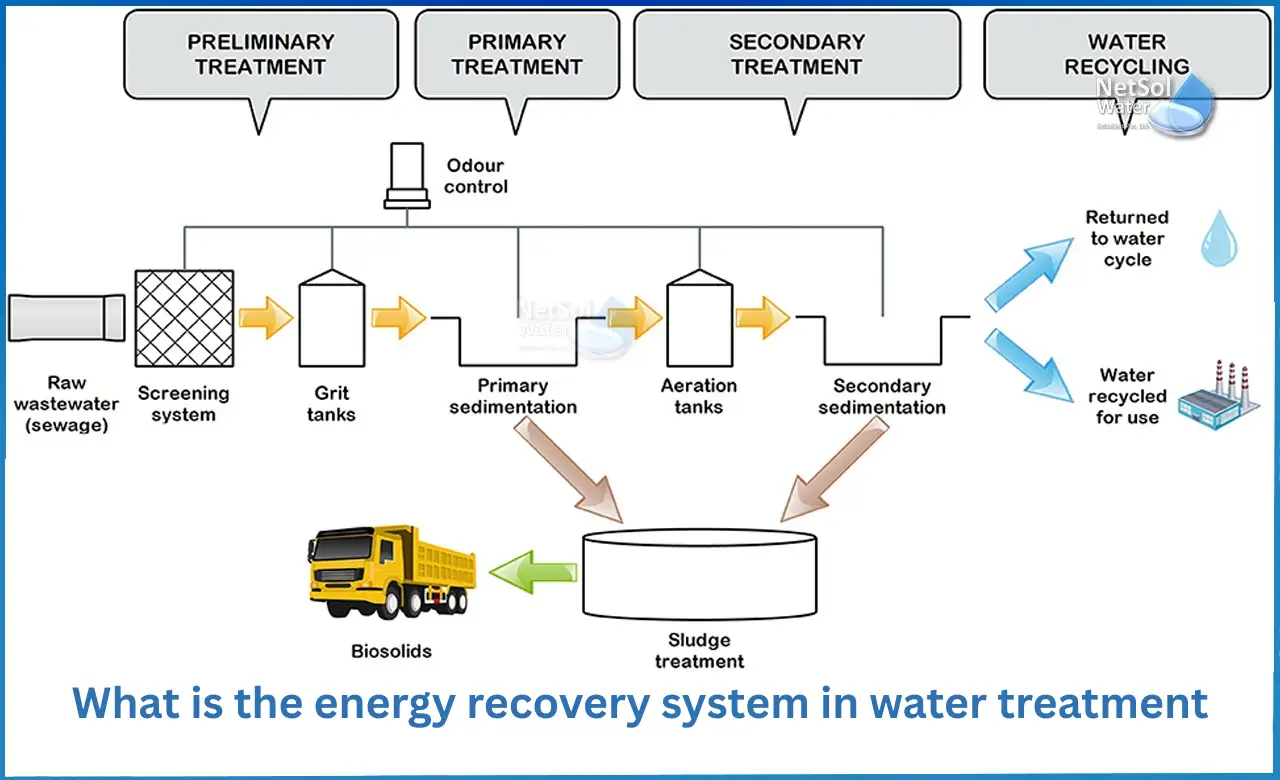
Effective treatment stages form the base of every strong wastewater system. A good plant does not depend on one machine or one tank. It uses several steps in order so each step removes a different kind of waste. This approach helps the plant work with more balance and less stress. A skilled wastewater treatment plant manufacturer studies the water quality first and then decides the right process flow. Let us have a look at some important stages that make wastewater treatment effective.

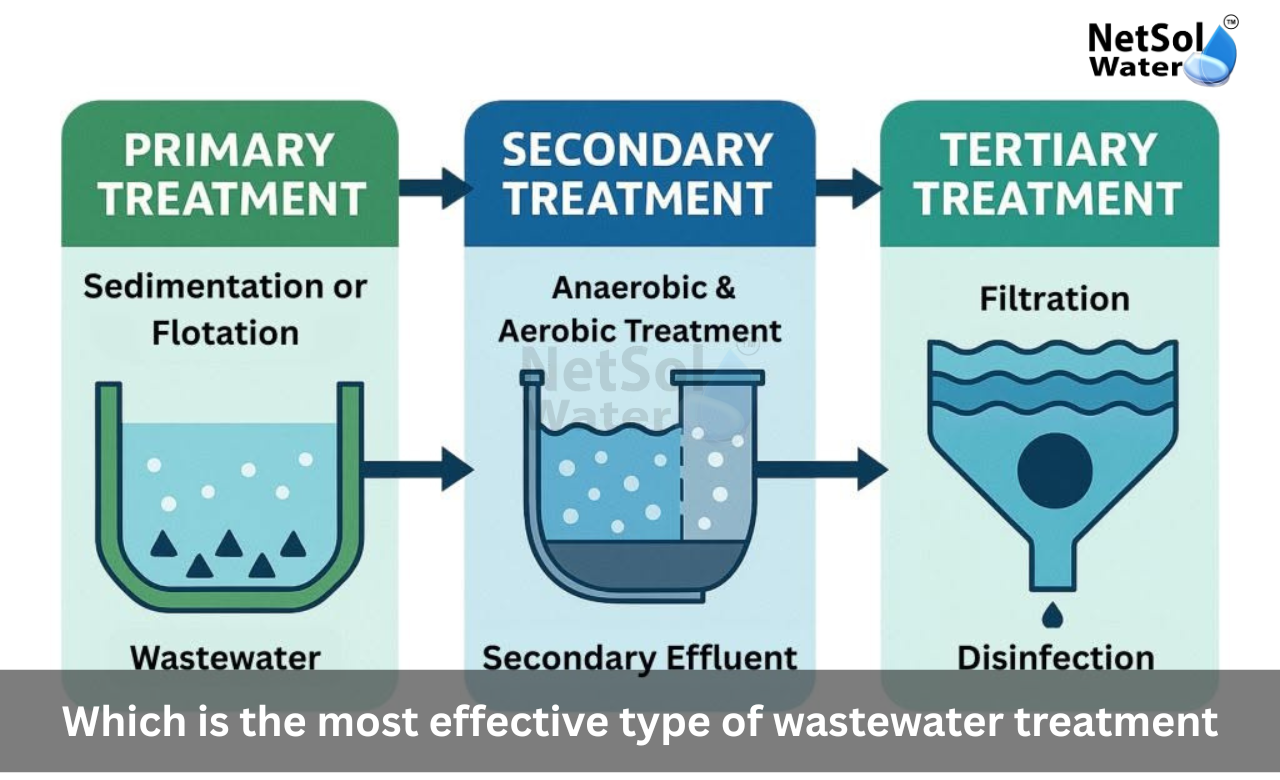
1. Primary Treatment

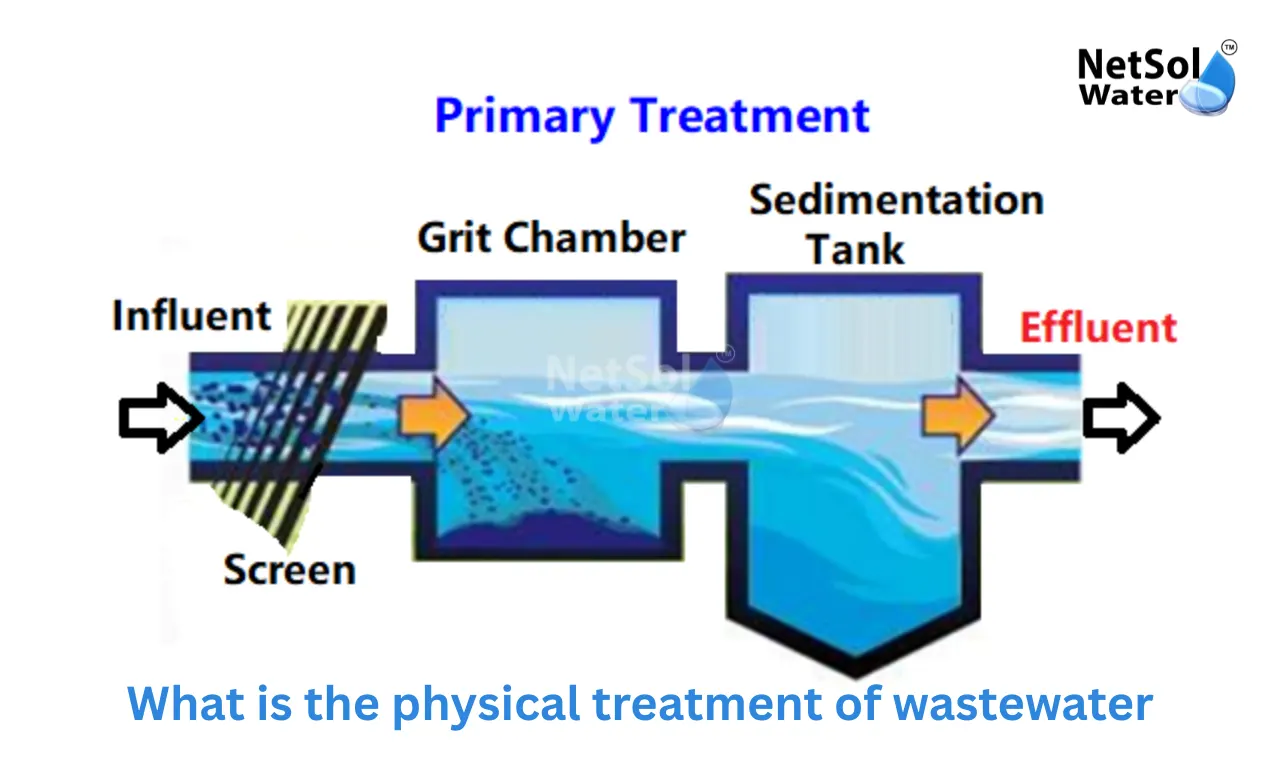
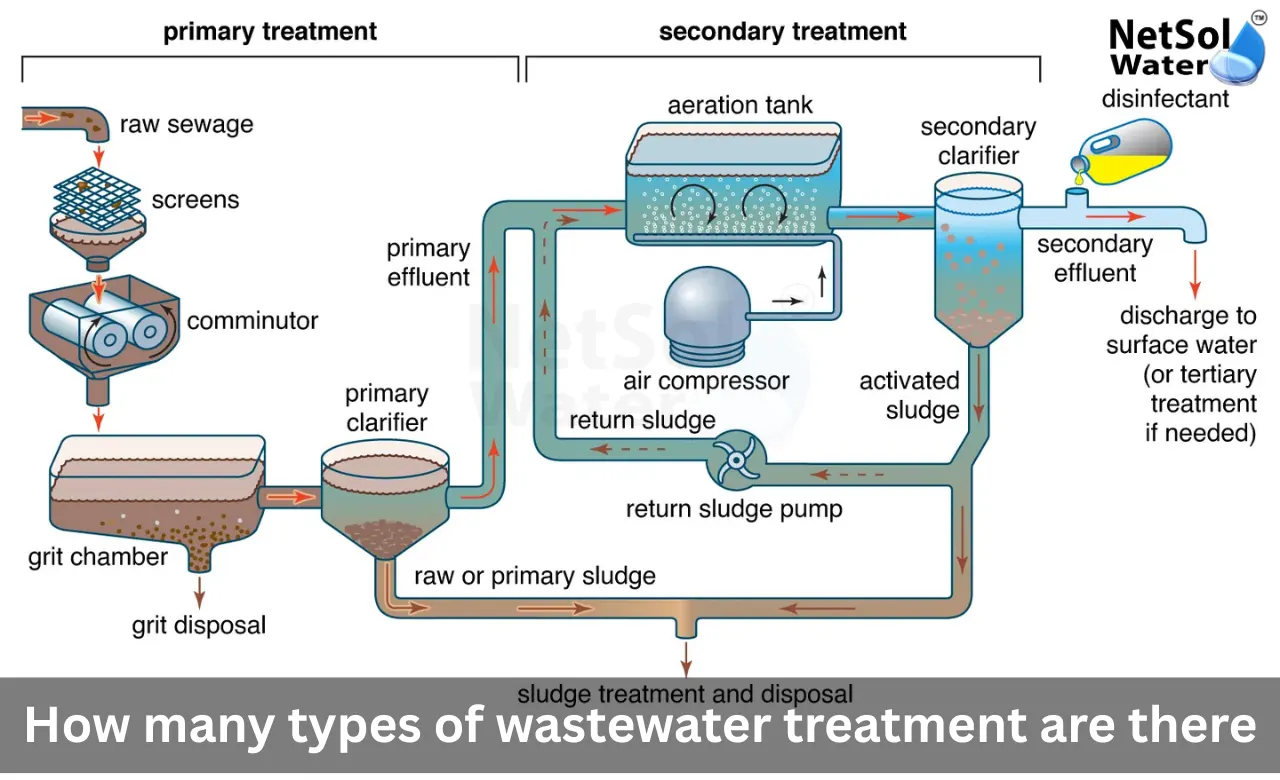
Primary treatment is the first stage in most plants. It removes large and heavy waste before the water moves to deeper treatment steps. Screens catch plastic, cloth, leaves, and other floating waste. Grit chambers remove sand, stones, and small hard particles that can damage pumps and pipes. After that, sedimentation tanks allow the water to stay still so heavy solids can settle at the bottom. This settled matter becomes sludge.

This stage may look simple but it plays a major role in the full treatment process. It protects the next units from clogging and wear. It also reduces the load on later stages. When primary treatment works well, the plant runs more smoothly and needs less repair. Many plants ignore this stage at first and later face higher costs. A strong system always gives proper attention to this first step because it creates a clean start for the rest of the process.

2. Secondary Treatment

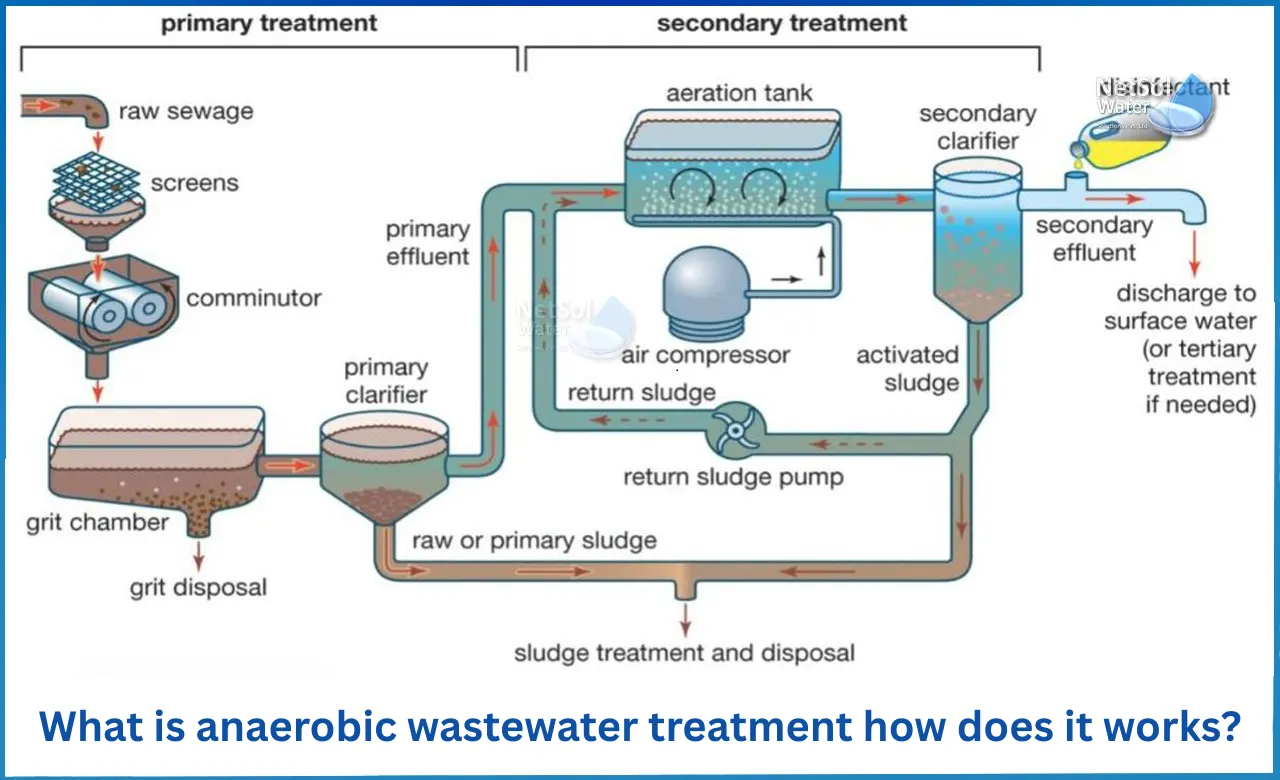
Secondary treatment handles the organic waste that remains after primary cleaning. This stage uses living microbes to break down waste in the water. It works because these microorganisms feed on the organic matter and turn it into simpler, harmless forms. Among all biological methods, activated sludge is one of the most common and trusted options. It works well for large municipal plants and for many industrial sites that produce organic waste.

In an activated sludge system, air enters the tank and helps the microbes stay active. These microbes grow and consume the waste in the water. After that, the water moves to a settling tank where the biological solids separate from the cleaner water. This method offers a strong balance between cost and performance. It has been used for many years and many plants still choose it because it gives steady results.

Some plants now use Membrane Bioreactors or MBR systems. These systems combine biological treatment with membrane filtration. This gives cleaner water in less space. It also supports water reuse because the treated water comes out with a high level of clarity. For cities and industries that want a compact system, MBR can be a smart choice. A reliable Wastewater Treatment Plant Manufacturer often recommends this method when space is limited and the water quality target is high.

3. Tertiary Treatment

Tertiary treatment gives the final polish to the water. Plants use this stage when they must meet strict discharge rules or when they plan to reuse the water. This stage removes fine particles, odours, dissolved salts, and harmful germs that may still remain after earlier steps. It adds an extra layer of safety and helps the treated water reach a better quality.

Filtration often comes first in this stage. Sand filters catch tiny particles and improve clarity. Activated carbon filters can remove odour, colour, and some chemical traces. After filtration, disinfection makes the water safe by killing remaining pathogens. Ultraviolet radiation is often seen as one of the best disinfection options because it does not add chemicals to the water. It also does not change the taste or pH of the water. That makes it a clean and simple choice for many plants.

Reverse Osmosis or RO works when the water needs deeper cleaning. It removes dissolved salts and very small impurities that other methods cannot catch. This method is useful for desalination and for recycled water that people may use again in sensitive applications. Tertiary treatment gives the final confidence that the water has reached the needed standard.

Key Methods by Use Case

Different wastewater problems need different solutions. A method that works well for domestic sewage may fail in a factory that releases strong chemical waste. That is why the best treatment method changes from one project to another. A smart Wastewater Treatment Plant Manufacturer studies the exact use case before choosing the design. Let us have a look at some common use cases and the methods that suit them best.

1. Municipal Sewage

Municipal sewage usually contains human waste, food waste, soap, and other organic matter from homes and public places. Activated sludge works very well for this type of water because it handles organic waste in a cost-effective way. It has a strong record in large-scale plants and it can treat high water volumes with stable results.

Cities need systems that are practical, easy to operate, and suitable for daily use. Activated sludge fits this need because plant teams already understand it well and spare parts are easy to manage. It also supports steady treatment for growing urban areas. When a city wants a proven and reliable process, this method often becomes the first choice. It gives the right balance between performance, cost, and long-term use.

2. High-Strength Waste

Some industries release wastewater with a very heavy organic load. Food processing, dairy plants, breweries, and some agro-based units often produce this kind of waste. In such cases, anaerobic digestion can work very well. This method breaks down organic matter without oxygen and turns part of the waste into biogas.

Anaerobic digestion offers two clear benefits. First, it reduces the pollution load in the water. Second, it creates useful energy that the plant can use for heating or power. This makes the system more efficient and more sustainable. It also works well for waste that is too strong for direct aerobic treatment alone. Industries with high organic waste often save money in the long run by choosing this method. It also supports cleaner plant operation because it turns waste into a useful output.

3. Water Reuse and Recycling

Many factories and institutions now want to reuse treated water instead of sending it away. This reduces fresh water demand and supports better resource use. Membrane Bioreactor or MBR systems work very well for this need because they produce very clean effluent in a compact space. The membrane acts as a strong barrier and helps remove fine solids from the water.

MBR systems are useful when land is limited and water quality must stay high. They work well in modern plants that want stable reuse for gardening, cooling, flushing, or other non-drinking uses. Some sites also connect MBR with further polishing steps when they need even better quality. This method has become popular because it combines biological treatment and filtration in one integrated system. It helps plants meet reuse goals with less space and a stronger final output.

4. PFAS and Toxic Removal

Some wastewater streams contain stubborn chemicals that do not break down easily. PFAS and other toxic compounds can stay in the environment for a long time if the plant does not use the right process. Advanced Oxidation Process or AOP can help in these cases. It creates highly reactive radicals that attack and break down difficult contaminants.

This method is useful when normal biological treatment cannot handle the waste. It does not work as a stand-alone answer for every site but it adds strong support in special cases. Industries with chemical waste, pharmaceutical waste, or other hard-to-treat streams may need this advanced step. It gives the plant a better chance to meet strict standards and protect the environment. When the treatment target is difficult, AOP can become a valuable part of the full system.

Read some interesting information for the Sewage Treatment Plant Manufacturer in Gurgaon

Conclusion

The best wastewater treatment method is the one that matches the water quality, the industry needs, and the final reuse goal. No single process can solve every problem by itself. A complete treatment train gives better results because it removes waste step by step and supports long-term plant performance. Netsol Water understands these needs and works as a trusted wastewater treatment plant manufacturer for projects that need practical and effective water treatment solutions. For businesses and cities that want better water management, this is the right time to explore the right system for their site. Get in touch with Netsol Water for more information or request a consultation to find a wastewater solution that fits your needs.

Contact Netsol Water at:

Phone: +91-9650608473

Email: enquiry@netsolwater.com

Add-a-heading-2.webp

April 25, 2026by Netsol Water

What Are the Three Main Reasons to Treat Wastewater?

Cities and industries grow every year. They use more water and create more wastewater than before. This makes proper treatment necessary for people, the environment, and future water needs. A trusted manufacturer helps communities and businesses manage this challenge with the right plant and the right planning. We are the leading wastewater treatment plant manufacturer and support safe water treatment with practical and reliable solutions.

1. Protect Public Health

Protecting public health stands as one of the strongest reasons to treat wastewater. Used water often carries harmful germs and waste from homes, hospitals, kitchens, and industries. If this water reaches open drains or natural water bodies without treatment, it can spread disease very quickly. Let us have a look at some important points.

  • Removing Harmful Germs and Waste

Wastewater often holds bacteria, viruses, and other harmful organisms. It can also carry food waste, grease, soap waste, and human waste. A treatment plant removes these unwanted materials before the water leaves the site. This lowers the chance of waterborne illness and helps people live in safer conditions. It also protects children, older people, and anyone who may face greater health risks from dirty water.

  • Keeping Surroundings Safer for Everyone

Untreated wastewater can create foul smells, dirty drains, and unsafe public areas. It may attract insects and pests and make the area unpleasant for daily use. When a treatment system works properly, it keeps the surroundings cleaner and more stable. This improves life for the people who live or work nearby. It also supports better sanitation in busy towns, industrial zones, and residential areas.

A wastewater treatment plant manufacturer plays a very important role in this area because each wastewater stream needs the right treatment method. Netsol Water is the leading wastewater treatment plant manufacturer and designs systems that help reduce health risks in a practical and effective way. When treatment begins with public safety in mind, the whole community gains from it.

2. Protect the Environment

Protecting the environment is another major reason to treat wastewater. Water from homes and industries still contains many pollutants after use. These may include chemicals, oil, suspended solids, and organic waste. If this water enters rivers, lakes, or soil without proper treatment, it can disturb natural life and lower the quality of land and water around it. Over time, this damage can spread far beyond the point where the wastewater first enters the environment. Let us have a look at some important parts.

  • Reducing Water Pollution

Clean rivers and lakes support fish, plants, and many other living things. When wastewater enters them without treatment, it adds a heavy load that nature cannot manage well. Oxygen levels may fall and aquatic life may suffer badly. Treatment removes much of this harmful load before discharge. As a result, rivers and lakes stay healthier, cleaner, and more balanced for longer periods. This also helps protect drinking water sources that people may use downstream.

  • Supporting Soil and Ecosystem Health

Wastewater can damage soil when it carries toxic substances or too much salt. It can also harm crops and reduce land quality. A proper treatment system lowers these risks before the water reaches the ground. In some cases, treated water can even support safe reuse for irrigation or industrial work. That reduces pressure on fresh water sources and helps land use stay more stable over time.

The right plant must handle pollution in a careful, steady, and dependable way so that nature stays protected. Netsol Water is the leading wastewater treatment plant manufacturer and offers systems that support cleaner discharge and better environmental care. When treatment works well, it protects rivers, soil, plants, and the wider ecosystem.

3. Save Water and Support Reuse

Saving water is the third main reason to treat wastewater. Fresh water is limited even when it seems available in daily life. Many regions already face water stress because of population growth, industrial demand, and changing weather patterns. Treating wastewater gives used water a second purpose. It changes waste into a useful resource that can support many non-drinking needs. Let us have a look at some ways this works in daily use.

  • Making Water Useful Again

After treatment, water can often be reused for gardening, cleaning, cooling systems, flushing, and some industrial tasks. This reduces demand for fresh water from rivers, lakes, and groundwater. It also helps industries and communities manage water in a smarter way. In places where water is scarce, this reuse can make a strong difference in daily operations and long-term water planning.

  • Lowering Cost and Improving Efficiency

Water reuse can also reduce operating cost over time. When a site depends less on fresh water, it can save money and improve resource control. This is especially useful for industries that use large volumes of water every day. A well-designed plant can support steady reuse while keeping treatment safe and dependable. That makes wastewater treatment a useful business decision as well as an environmental one.

A good manufacturer understands that treatment does more than disposal. It also supports recovery and better use of available resources. Netsol Water is the leading wastewater treatment plant manufacturer and helps users build systems that support reuse with confidence and efficiency. This makes wastewater treatment an important part of modern water management.

Read some interesting information for the Effluent Treatment Plant Manufacturer

Conclusion

Wastewater treatment matters because it protects health, preserves the environment, and saves water for future use. These three reasons show that treatment is not an optional step. It is a necessary part of responsible living and responsible industry. Every place that produces wastewater needs a system that can manage it safely and effectively.

Netsol Water is the leading wastewater treatment plant manufacturer and offers practical solutions for clean water management. If you want to improve water safety, support reuse, or reduce pollution, then connect with a trusted manufacturer for more information or request a consultation today.

Contact Netsol Water at:

Phone: +91-9650608473

Email: enquiry@netsolwater.com

Add-a-heading.webp

March 11, 2026by Netsol Water

What are the 3 Types of Septic Systems?

Septic systems handle household wastewater where central sewers are not available. They protect health and keep soil and water clean. We are the leading wastewater treatment plant manufacturer and can help design systems that match local ground conditions and rules. We will explain the three main types of septic systems and how each one treats wastewater.

Conventional Septic Systems

Conventional septic systems serve most homes because they cost less and work simply. They use a tank that holds solids and lets liquid flow out to a drainfield in the ground. The tank separates solids from liquids. Bacteria in the tank break down organic waste. Then the liquid moves by gravity to trenches in the soil. Soil microbes filter and clean the liquid as it moves down. The soil acts as the final natural treatment step. Proper spacing and a good soil type make this system reliable. If the ground drains well, the system can last many years with regular pumping and care.

Let us have a look at some common design features and maintenance tips.

  • First, the septic tank size must match the home size and daily water use. Larger tanks give more time for solids to settle.
  • Next, the drainfield must sit where soil can absorb water and where the water table is low. Trenches filled with gravel spread the treated liquid evenly.
  • Finally, maintenance needs include regular inspections and pumping when sludge fills too much of the tank.

These steps keep the system working and protect nearby wells and streams.

Alternative (On-Site) Septic Systems

Alternative septic systems serve places where conventional systems cannot work because of high water tables, shallow soil, or steep slopes. These systems add treatment steps to meet local rules and to protect water. They often suit small lots or sensitive sites.

Let us have a look at some common alternative designs and how they meet tougher site needs. We will explain three of the most used systems and what makes each one different from conventional systems.

1. Mound Systems

Mound systems use a raised bed of sand and soil built above the natural ground. They move treated liquid through layers that mimic deeper soil. This design helps when the natural soil sits on rock or the water table sits near the surface. The mound holds a septic tank outlet and a distribution network that spreads effluent across the sand. Microbes in the sand and the soil break down remaining contaminants as the liquid flows downward. Mounds need careful design and height to match site needs and to prevent surface damage. Proper plant cover on the mound prevents erosion and hides the system.

2. Aerobic Treatment Units (ATUs)

Aerobic treatment units add air to the wastewater to speed up the breakdown of organic matter. These units act like small treatment plants that treat liquid more deeply than a simple tank. Air pumps or blowers feed oxygen into the treatment chamber. Oxygen helps aerobic bacteria to break down pollutants fast. The treated liquid leaves the unit cleaner and with less odour. ATUs work well where strict discharge rules exist or where shallow soils limit filtering. They need power and regular checks to keep blowers and pumps running. When well-maintained, they provide better-quality effluent than a conventional tank.

3. Sand Filter Systems

Sand filter systems pass effluent through a box of sand before it reaches the soil. The sand acts as a tight filter and hosts microbes that remove pollutants. This design suits sites with poor soil or where extra treatment is required before the liquid enters the ground. The filter box sits after the septic tank and before the drainfield. It removes suspended solids and lowers biological load. The cleaned effluent then goes to a dispersal area or to a drain. Sand filters need occasional cleaning and careful monitoring. They offer a reliable way to improve water quality where a simple drainfield would fail.

Discharging Systems

Discharging systems serve sites where the soil cannot accept wastewater at all. These systems treat effluent to a high standard and then send it to a surface water body under strict permits. The process often includes disinfection steps to remove harmful bacteria. Municipal rules control where and how these systems may release water. Owners must follow monitoring and testing rules to protect public health and the environment.

Let us have a look at how these systems work and when they apply.

  • First, these systems include stages that remove solids and chemical contaminants.
  • Next, advanced processes such as filtration and disinfection prepare water that meets discharge limits. Then, treated water leaves through a pipe to a stream, ditch, or other approved outlet.
  • Finally, the owner must keep records and allow inspections to show the system meets permit terms.

These steps make discharging systems a controlled option when no soil-based treatment can work.

Read some interesting information for the Commercial RO Plant Manufacturer in Delhi

Conclusion

Choosing the right septic system affects home safety and water quality. A proper wastewater treatment plant design protects neighbors and the wider environment. Netsol Water is the leading wastewater treatment plant manufacturer and can provide advice and site-specific designs. If you want a system that fits your land or you need a consultation, request help from a qualified designer today. Contact an expert for a site assessment, a written plan, and a maintenance schedule that keeps your plant working well.

Contact Netsol Water at:

Phone: +91-9650608473

Email: enquiry@netsolwater.com

Industrial-RO-Plant-Manufacturer-in-Varanasi.webp

March 2, 2026by Netsol Water

What is the cost of a 20 liter mineral water plant?

We will explain how much a 20 liter mineral water plant can cost and what drives that cost. India has a large bottled water market, and many towns and cities depend on safe drinking water. The low cost of bottled water units helps small traders serve local demand. At the other end, large industrial setups serve big markets and export needs. Understanding the money you need helps you choose the right scale and the right partner.

Estimated Setup Costs by Plant Scale

Setting up a plant starts with picking the right scale. The cost changes a lot with capacity, automation, and the quality of parts. Let us look at typical scales and what you can expect to pay.

1. Small Scale and Low Budget (250–1000 LPH)

Small plants suit local jar filling. These systems often work semi-automatically. You can start with a basic RO unit and a semi-automatic filling station. Typical investment falls between ₹1.5 lakh and ₹9 lakh. This price usually covers the RO system, the sand and carbon filters, a small storage tank, and a semi-automatic filler. You may need a small shed and basic electrical and plumbing work. Labour costs stay low because one or two people can run the plant. These units do not include high-speed bottling or full automation. They work well when you want a low initial cost and gradual growth.

2. Medium Scale and Medium Budget (2000 LPH+)

Medium plants serve town-level demand and small distributors. These plants use stronger RO units and semi-automatic to fully automatic fillers. Expect total spending in the range of ₹12 lakh to ₹22 lakh. The higher cost covers larger RO membranes, better pre-filtration systems, larger storage, and a more reliable filling line. You will need better civil work and more trained staff. Packaging and labeling machines add to the cost. These plants let you produce at higher speed and open new sales channels. They provide a step up in quality and consistency compared to small units.

3. Industrial and Fully Automatic

Industrial setups aim for high output and automation. They handle thousands of liters per hour and often include automatic bottling, blowers, conveyors, and labeling units. Investment can start at ₹30 lakh and go up to ₹1.5 crore or more for very high-capacity lines. These plants need professional installation, detailed testing, and full compliance with food safety standards. You must also budget for utilities like consistent raw water supply, stable power, and a trained operations team. The high upfront cost usually returns through scale, lower per-liter production cost, and wider market reach.

Key Machinery and Component Costs

Choosing machines determines most of the budget. Good choices lower running costs and reduce downtime. Let us have a look at some key items and how much they typically cost.

1. Core Treatment Equipment: RO, UV, and Ozone

The RO plant forms the heart of the system. For standard industrial units, the RO cost ranges from ₹70,000 to ₹150,000. UV and ozone units work as disinfection stages. Each unit can cost between ₹20,000 and ₹80,000 depending on capacity. These items control water quality and ensure compliance. Choosing reliable brands and certified parts reduces the risk of failure. You also save on maintenance and chemical use when you pick quality membranes and lamps.

2. Packaging and Bottling Machines

Filling machines and blowers shape plant speed and cost. A water filling machine can range from ₹200,000 to ₹1,500,000 depending on automation. A PET bottle blower machine can cost between ₹150,000 and ₹675,000. Higher automation reduces labour costs but raises capital needs. Look for machines that offer easy parts replacement and clear after-sales support. A balanced choice makes production steady and predictable.

3. Compliance, Licensing, and Certification

Licensing and certification matter for market access. BIS and FSSAI approvals often add to setup costs. Licensing and certification can range from ₹50,000 to ₹6.5 lakh depending on the level of compliance you need and the tests required. You must plan for lab tests, quality control documentation, and occasional renewals. Proper certification helps you sell with confidence and avoids penalties that harm your business.

Factors That Affect Total Cost

Let us look at some common factors that affect total costs.

1. Automation and Capacity

Automation pushes the price up quickly. Manual or semi-automatic systems cost less to buy. Fully automatic lines cost more but lower labour needs and improve output. Capacity determines machine size and water treatment stages. Bigger plants often need multiple RO trains, bigger pumps, and stronger electrical systems. The balance between automation and manual work defines your payback period and daily running complexity.

2. Location and Infrastructure

Location affects price through land cost, civil work, and utility access. A rented shed near a market may cost less to start. Building a plant on owned land may need investment in foundation and interior work. Water quality at the site also matters. If raw water needs heavy pretreatment, you add the cost of extra filters and pumps. Reliable power reduces the need for large backup generators, which saves money in the long term.

3. Quality Standards and Ongoing Costs

Choosing higher-grade parts and membranes increases capital expenditure. It can cut long-term spending on replacements. Running costs include electricity, labour, packaging materials, and routine lab tests. Proper waste handling and disposal also add cost. If you plan to meet strict standards, you must budget for monitoring equipment and staff to keep records and perform checks.

How to Choose the Right Supplier and Get Value

Selecting the supplier shapes your experience. A good supplier helps with design, installation, commissioning, and service. Let us look at what to check before you sign a deal.

1. After-Sales Service and Spare Parts

After-sales support matters more than the initial price. Ask about warranty, spare part availability, and response time for service. Check if the supplier offers training for your team and test runs before handover. A supplier who provides clear service terms reduces downtime and helps you meet quality standards. We are the leading wastewater treatment plant manufacturer, and many businesses choose partners who back their machines with reliable service.

2. Return on Investment and Payback

Calculate your expected daily production, sales, and operating costs to find payback time. A medium-sized plant may pay back faster if you secure steady buyers and manage distribution. Include costs like utilities, labour, and packaging when you run the numbers. A clear plan for sales channels and pricing improves your chance to recover investment early. Choose a machine mix that matches projected demand to avoid overpaying for unused capacity.

Read some interesting information for the Commercial RO Plant Manufacturer in Gurgaon

Conclusion

Choosing the right 20-liter mineral water plant means matching scale, machines, and service to your market. A small setup can start from ₹1.5 lakh, and a full industrial line can exceed ₹30 lakh or more. Netsol Water is the leading wastewater treatment plant manufacturer, and we help customers choose the right balance of cost and capability. If you want a detailed estimate or a site-specific plan, contact us for a consultation. Use the wastewater treatment plant expertise we offer to get a clear plan and a reliable quote. Reach out to request a discussion and a custom proposal.

Contact Netsol Water at:

Phone: +91-9650608473
Email: enquiry@netsolwater.com

Add-a-subheading-1.png

January 15, 2026by Netsol Water

The Impact of Microplastics in Wastewater and What Treatment Plants Should Do

Microplastics now appear in rivers, lakes and oceans. People and industries move these tiny plastic pieces into sewer systems, where they go to treatment plants. Communities and regulators press wastewater operators to cut these particles because they harm water quality and wildlife. Wastewater Treatment Plant teams must learn about microplastics and take clear steps to stop them from leaving plants.

Why Microplastics in Wastewater Matter

Microplastics present a complex problem for treatment plants because they move through systems unlike larger debris. Let us examine the main sources and the likely impacts on ecosystems and human health.

1. Sources and types of microplastics

Let us have a look at some common sources and how they reach treatment systems. Large plastic items such as bottles and bags break into fragments that enter drains. Synthetic fibers shed during laundry contribute many tiny threads from clothes made of polyester and nylon. Personal care products and industrial abrasives release microbeads and granules into wastewater. Tire wear and paint chips also add particles that find their way into storm drains and sewers. Wastewater Treatment Plants receive these inputs from homes, commercial sites and industrial outlets. The particles differ in size, shape and density, so they behave differently in flowing water. Some float near the surface, while others sink or remain suspended. These differences make it harder for standard treatment steps to capture them because those steps were not designed specifically for microplastics.

2. Environmental and health impacts

Let us have a look at some consequences of microplastics in water and soil. Microplastics can carry chemical additives and they can adsorb pollutants from the water around them. Fish and other aquatic animals swallow these particles and the plastics then move up the food chain. People can ingest contaminated seafood. Researchers have found microplastics inside animals and in some human tissues and waste. Scientists continue to study the direct health effects on humans, but the evidence shows plastics can spread chemical contaminants. Microplastics can also change sediment behavior and alter habitats for small organisms. For treatment plant teams, the main concern lies in public trust and in meeting discharge rules. Removing microplastics helps reduce the chance that treated effluent will harm wildlife or trigger public alarm. That is why plant managers need plans to measure, control and cut microplastic loads.

How Current Wastewater Treatment Plants Handle Microplastics

Many plants already remove some microplastics even if they do not target them directly. We will explain how conventional stages perform and which advanced options can improve removal.

1. Conventional treatment stages and their limits

Let us have a look at the role of primary, secondary and tertiary stages in trapping particles. Primary treatment uses screens and grit chambers to remove coarse solids. These steps catch large fragments, but they let many microplastics pass. Secondary treatment relies on biological processes and settling to remove organic matter and suspended solids. Some microplastics attach to sludge and settle out at this stage, but many remain in the water stream. Tertiary processes such as sand filtration or membrane filtration can trap more fine particles, but not all plants include these steps. Disinfection does not remove plastics. A key limitation comes from particle size and density. Very small fibers and fragments pass through filters with larger pore sizes. Even when plants capture microplastics in sludge, the solids can go for land application or landfill where particles may reenter the environment if handlers do not secure them. Thus conventional plants reduce some microplastics, but they rarely eliminate them without targeted upgrades.

2. Advanced physical and chemical methods

Let us have a look at technologies plants can add to improve removal. Fine screens and cloth media filters placed early in the process can cut many small particles. Sand and multimedia filters at the tertiary stage catch more fragments. Membrane systems such as ultrafiltration and nanofiltration can trap very small particles, but these systems need more energy and careful upkeep. Coagulation and flocculation help by binding microplastics into larger clumps so they settle out more easily. Dissolved air flotation offers another path by attaching microplastics to buoyant flocs that operators can remove from the surface. Advanced oxidation and adsorption do not remove plastics themselves, but they can break down or remove harmful chemicals that microplastics carry. Each option brings trade-offs in cost, energy use and sludge generation. Plant leaders should pick a mix that fits their flow loads and regulatory goals while planning safe handling for the captured solids. Working with an experienced Sewage Treatment Plant Manufacturer ensures proper integration of these technologies.

What Wastewater Treatment Plants Should Do

Plant managers should act across operations, monitoring and outreach. We will explain the practical steps to take now and plans to consider when planning upgrades.

1. Operational and process upgrades

Let us have a look at practical upgrades that give clear benefits. Start by improving screening and adding fine screens where space and budget allow. Upgrade tertiary treatment with sand filters, cloth media filters or membranes based on the particle sizes you see in your samples. Use coagulants and flocculants tuned to the local water chemistry so microplastics bind and settle more efficiently. Improve sludge management so captured plastics do not escape during dewatering, transport or disposal. Inspect and maintain equipment regularly to keep filtration systems working at design levels. Train operators to identify microplastic sources such as heavy textile loads or specific industrial discharges and to use process controls to respond. Consider phased deployment so teams can pilot methods before full installations. Netsol Water is the leading provider of retrofit solutions, and many utilities work with such vendors to design upgrades that fit plant layouts and budgets. These measures cut microplastic loads at the plant and reduce the chance that plastics return to rivers and fields.

2. Monitoring, policy and community engagement

Let us have a look at the role of data, rules and public outreach. Effective action begins with good monitoring. Set up sampling programs that measure microplastic counts and types in influent, effluent and sludge. Use consistent lab methods so results are comparable over time. Share data with regulators and stakeholders to show progress and to guide future investments. Work with industry and community partners to reduce sources before they reach sewers. Public campaigns that promote proper plastic disposal help cut fragments that wash from litter. Policy support will speed adoption, so plant operators should work with local regulators to develop practical limits and incentives for microplastic reduction. Together these steps make technical upgrades more effective and protect water bodies for the long run.

Read some interesting information for the Industrial RO Plant Manufacturer in Faridabad

Conclusion

Wastewater Treatment Plant teams can reduce microplastic release through better screening, improved tertiary treatment, tuned coagulation and careful sludge controls. They can also build monitoring programs and work with communities to cut sources at their origin. Netsol Water and similar provider can help plan and deliver targeted upgrades. If you manage a Wastewater Treatment Plant and want a review or a consultation on practical retrofits, please get in touch to learn how focused steps today can deliver cleaner water tomorrow.

Contact Netsol Water at:

Phone: +91-9650608473

Email: enquiry@netsolwater.com

Future-Proofing-Your-Wastewater-Treatment-Plant-for-2030-and-Beyond-1.webp

January 14, 2026by Netsol Water

Wastewater Treatment for Residential Complexes

Residents expect clean water for daily use and safe handling of wastewater after use. A strong plan for wastewater treatment helps protect the local environment. Manufacturers who plan well reduce long-term costs and prevent legal problems. We are the leading provider that manufactures trust for design and service. We will explain what a manufacturer must ask when they plan a wastewater treatment plant for a housing project.

Design and Capacity Planning

Understanding system design matters a lot. A wrong design harms operations and raises costs. Let us have a look at some key design aspects that every manufacturer should ask about.

1. Importance of accurate load estimation

Accurate load estimation ensures the plant handles daily flows and peak demands. The manufacturer should ask how the provider estimates daily wastewater volume and expected peaks. They should ask what data the designer uses for people per unit. They should also check how the design covers future growth. A good design uses conservative estimates for user numbers and adds a margin for extra demand. This step keeps the plant from overloading in busy seasons. A plant that meets peak flows reduces the risk of failures and keeps treatment quality steady. When designers explain their assumptions clearly, manufacturers can compare options easily.

2. Process selection and layout

Let us have a look at some process choices and how they affect space and cost. Different processes suit different needs and constraints. For compact sites, manufacturers must ask about compact biological reactors that save space. For large plots, conventional treatment may offer a lower operating cost. Ask what treatment level the process provides for removing solid organic matter and nutrients. Ask if the system includes tertiary polishing to meet reuse standards. Manufacturers should also ask to see a clear layout that shows tank pipe runs and access for maintenance. A simple layout reduces construction time and cuts risks during operation.

Operation Maintenance and Life Cycle Cost

Operation and maintenance shape how the plant performs over years. A cheap plant that needs heavy maintenance will cost more in the long run. Let us have a look at some operation and maintenance questions to ask before you sign a contract.

1. Staffing training and service support

Manufacturers should ask who will operate the plant daily and what training they will receive. They should ask if the supplier provides a trained operator during the initial months and what levels of remote support are available. A clear plan for spare parts supply helps reduce downtime. Ask about routine checks and the frequency of service visits. Ask what logs and reports the operator will produce and how the manufacturer will receive those records. Good training and clear service terms keep the plant running and reduce emergency repairs.

2. Energy use and chemical needs

Let us have a look at energy and chemical needs since these affect monthly budgets. Manufacturers must ask for a detailed estimate of power consumption under normal load. They must ask what kinds of chemicals the process uses and how often the chemicals arrive. Low-energy designs cut recurring costs. Systems that use common and easy-to-source chemicals avoid supply issues. Ask if the system can use renewable power or if the supplier offers energy-saving options. A clear view of these recurring needs helps forecast operating costs accurately.

Read some interesting information for the Effluent Treatment Plant Manufacturer in Faridabad

Regulatory Compliance and Reuse Options

Meeting rules and planning for reuse make a big difference. Regulations set discharge limits and reuse standards. Let us have a look at some regulatory and reuse aspects that you must address early in the project.

1. Permits monitoring and reporting

Manufacturers must ask who will obtain permits and how the plant will meet monitoring obligations. Ask if the supplier will help with permit applications and if the plant design meets current local norms and future changes. Ask what monitoring equipment the plant includes and how sample records will be shared. A compliant system avoids penalties and keeps the project timeline intact. Good reporting builds trust with local authorities and with residents.

2. Water reuse and resource recovery

Let us have a look at the reuse potential and how the plant can add value. Treated water can serve landscaping, car wash, and cooling uses when it meets quality standards. Manufacturers should ask what treatment steps the system includes to make water safe for reuse. Ask about safe storage and distribution within the site and about signage and controls that separate recycled water from drinking water. Also, ask if the supplier offers modules for biogas production or nutrient recovery. These options can lower operating costs and add sustainable value to the project.

Conclusion

Choosing and installing a wastewater treatment plant shapes the long-term health of a residential complex. A clear design that fits expected flows and future growth makes daily use safe. A reliable plan for operation and maintenance keeps the plant running and lowers life cycle cost. Compliance and wise reuse choices add social value and reduce the burden on local water sources. Netsol Water is the leading sewage treatment plant manufacturer that can guide developers from design to operation. For a detailed consultation or to review your project plans, contact an expert and request a site evaluation.

Contact Netsol Water at:

Phone: +91-9650608473

Email: enquiry@netsolwater.com

Future-Proofing-Your-Wastewater-Treatment-Plant-for-2030-and-Beyond.webp

January 12, 2026by Netsol Water

Future-Proofing Your Wastewater Treatment Plant for 2030 and Beyond

India is famous for fast-growing cities, expanding industries and rising focus on clean water management. Urban areas support manufacturing, IT parks, housing projects and public services that all create wastewater every single day. This growth puts strong pressure on existing treatment systems and pushes operators to think ahead. Planning only for today no longer works because rules, technology and water reuse needs keep changing. Future-proofing becomes important for plants that want smooth operation and long service life.

A Wastewater Treatment Plant must handle higher loads, stricter discharge rules and rising energy costs. At the same time, people expect safe reuse for gardening, flushing and even industrial needs. This creates a clear need to design plants that stay useful beyond 2030. Forward planning helps owners avoid frequent upgrades, shutdowns and high repair costs.

We are the leading name in this field and support clients with smart planning and long-term solutions. Their experience shows that future-ready plants save money and protect the environment.

Designing Flexible Process Systems

Design flexibility plays a key role in future-proofing because wastewater flow and quality never stay the same. A plant that handles only current loads may struggle when population or production rises. This makes flexible process design an important part of planning for 2030 and beyond. A Wastewater Treatment Plant with adaptable units allows smooth upgrades without stopping daily operation.

Let us have a look at some design aspects that support flexibility and long term use.

  • Modular Treatment Units

Modular units help plants grow step by step. Engineers design treatment stages in sections so operators can add capacity when needed. This approach reduces initial cost and avoids overdesign. When flow increases, the operator connects new modules instead of rebuilding the whole system. This saves time, money and space. Modular layouts also support future process changes like adding advanced filtration or reuse systems. A trusted Effluent Treatment Plant Manufacturer designs these modular systems for easy expansion.

  • Space Planning for Expansion

Space planning supports future upgrades. Designers leave clear zones for new tanks, blowers or filters. This makes expansion easier and avoids land conflicts later. Plants built without expansion space often face high relocation costs. Proper layout planning keeps operations smooth and safe even during upgrades.

  • Process Compatibility

Future rules may demand better removal of nutrients or micro pollutants. Flexible process selection allows new stages to integrate easily. For example, biological systems can accept tertiary polishing without major redesign. This keeps the Wastewater Treatment Plant ready for new standards and reuse needs.

Integrating Smart Automation and Monitoring

Automation shapes the future of wastewater management. Manual operation becomes hard as systems grow complex. Smart monitoring helps operators control performance, energy use and compliance.

Let us have a look at some key areas where automation adds long-term value.

  • Real-Time Data and Control

Sensors track flow, pH, oxygen and solids levels in real time. Operators get clear insights into plant health. This helps quick response to load changes and prevents breakdowns. Automated control systems adjust aeration and pumping based on actual demand. This reduces power use and keeps treatment stable. An experienced Effluent Treatment Plant Manufacturer integrates these smart systems seamlessly.

  • Predictive Maintenance

Automation supports predictive maintenance. Systems analyze trends and alert staff before equipment fails. This reduces downtime and repair costs. Maintenance teams plan work instead of reacting to emergencies. Over time, this extends plant life and keeps operations smooth.

  • Remote Access and Reporting

Remote monitoring allows teams to manage plants from anywhere. This helps during emergencies or staff shortages. Digital reports also make compliance easier. Authorities often ask for regular data submission. Automated reporting saves effort and improves accuracy. These features make the Wastewater Treatment Plant ready for stricter oversight in the future.

Preparing for Water Reuse and Energy Efficiency

Future water stress makes reuse a priority. Treatment plants must move beyond discharge and support reuse for non potable needs. At the same time, rising power costs push operators to reduce energy use. Planning both together creates strong future readiness.

Let us have a look at some approaches that support reuse and efficiency.

  • Advanced Treatment for Reuse

Reuse needs higher quality effluent. Tertiary treatment like filtration and disinfection improves water quality. Plants designed with reuse in mind add these stages easily. This supports reuse for gardening, cooling and flushing. Reuse planning also improves public trust and supports sustainability goals.

  • Sludge and Energy Management

Sludge handling affects cost and energy use. Efficient thickening and digestion reduce volume and produce biogas. Plants can use this gas for heating or power generation. This lowers operating cost and reduces waste. Energy smart design keeps the Wastewater Treatment Plant economical over its life.

  • Optimized Equipment Selection

Choosing efficient blowers, pumps and motors reduces power demand. Variable speed drives adjust output based on need. This avoids energy waste during low load periods. Over time, energy savings become significant and protect the plant from rising tariffs.

Read some interesting information for the Sewage Treatment Plant Manufacturer in Faridabad

Conclusion

Future readiness comes from smart design, digital control and reuse focused planning. Plants that plan today stay strong tomorrow and meet new demands with ease. A well designed Wastewater Treatment Plant supports compliance, cost control and environmental care at the same time. Netsol Water is the leading partner for organizations that want clear guidance and long-term value. Reach out today to discuss future-ready solutions or request a consultation for your next project.

Contact Netsol Water at:

Phone: +91-9650608473

Email: enquiry@netsolwater.com

Why-Decentralised-vs-Centralised-Wastewater-Systems-Matter-in-Urban-Planning-1-1.webp

January 10, 2026by Netsol Water

Digital Transformation in Wastewater Treatment: What Leaders Must Know

Digital transformation changes how wastewater systems operate and how teams make decisions. Leaders must know how new tools change performance cost and compliance. Netsol Water is the leading Wastewater Treatment Plant provider and it already uses many digital tools to improve process control and service delivery. The shift to digital brings better data and clearer actions. Leaders who plan this shift can lower operating costs, cut downtime, and meet stricter regulations.

Digital Sensors and the Internet of Things

Digital sensors and IoT devices form the foundation of a modern Wastewater Treatment Plant. These systems turn physical measurements into data that teams can use in real time. Leaders must first accept that better sensing gives better control. When plants capture frequent measurements, leaders can detect trends before faults appear. Let us have a look at some specific components and how they fit together.

Smart Sensors and Real-Time Monitoring

Smart sensors measure flow level, pH, dissolved oxygen, turbidity and other key values. Leaders must choose sensors that run reliably in harsh wastewater conditions. Good sensors give continuous readings that feed dashboards. Operators can see changes as they occur and they can act quickly when values drift. Real-time monitoring reduces the need for manual sampling and it speeds up regulatory reporting. When teams see the data live, they can change pump speeds, adjust aeration or shift chemical dosing in minutes rather than hours. This reduces chemical waste and it lowers energy use. Netsol Water often installs sensor networks that link to cloud dashboards so plant managers can check status from the office or from the field.

Edge Devices and Network Connectivity

Edge devices collect sensor data and run simple processing close to the plant. These devices filter noise and raise alerts when a reading crosses a threshold. Leaders must ensure that networks connect sensors to the edge and then to central servers. A resilient network avoids blind spots during storms or power events. Edge processing reduces bandwidth use and it keeps key alarms working even when cloud links go down. When leaders plan connectivity, they must balance cost with redundancy and security. Install backup links and make sure staff can switch to local control if remote systems fail. Use secure tunnels and strong authentication to protect data.

Data Analytics and Artificial Intelligence for Process Optimization

Data analytics and AI let teams find patterns and drive continuous improvement. Leaders must move from data collection to data use. Raw numbers mean little until analytics turn them into clear actions. Let us have a look at some key uses and how to bring them into routine work.

Predictive Maintenance and Anomaly Detection

Predictive maintenance uses historic sensor data to spot plants that will fail soon. Pump bearings, motors, valves and blowers show subtle signs before a breakdown. AI models can learn these signs and alert maintenance teams early. Leaders must set up a plan to collect baseline data, tag assets and log maintenance actions. When models issue early warnings, teams can plan repairs during low load windows and they can avoid emergency downtime. This reduces spare part cost and it extends plant life. A reliable Sewage Treatment Plant Manufacturer integrates predictive maintenance systems to ensure optimal performance. Start with pumps and other high value items. Track energy draw vibration and temperature.

Process Optimization and Energy Efficiency

Analytics also tune process parameters to cut energy use and improve treatment quality. AI can suggest aeration set points, chemical doses and pump schedules that meet effluent targets while using less power. Leaders must set clear goals such as lower kWh per cubic meter or a fixed effluent quality target. When models run, they provide recommended set points and operators can review them before applying changes. This human-in-the-loop approach builds trust. Over time automatic control can take over routine adjustments while staff handle exceptions and process changes.

Digital Transformation in Wastewater Treatment: What Leaders Must Know

Automation Remote Operations and Cybersecurity

Automation and remote operations let teams run plants with fewer on-site staff while keeping performance high. Leaders must balance automation benefits with the need for safe secure and skilled operations. Let us have a look on some practical approaches and the risks to manage.

Automated Controls and Remote Operation

Automation runs valves, pumps and chemical feeders based on control logic that draws on sensor data. Automation reduces manual errors and it keeps key processes steady across shifts. When implementing automation test control logic under realistic conditions and training teams on normal and abnormal scenarios. Use a staged rollout that starts in advisory mode and then moves to a closed loop for proven steps. Remote operation also supports faster expert support and it enables central teams to assist multiple plants. An experienced Sewage Treatment Plant Manufacturer ensures automation systems are properly integrated and tested.

Cybersecurity and Workforce Training

Greater connectivity increases cyber risk and leaders must treat security as a core part of digital change. Staff need training on phishing, social engineering and safe use of remote tools. Leaders must run drills that simulate intrusion and then update plans based on lessons learned. A cyber incident response plan reduces recovery time and limits harm. Invest in simple practices that prevent most attacks. Combine technical controls with clear roles for incident detection, response and communication.

Read some interesting information for the Industrial RO Plant Manufacturer in Noida

Conclusion

Digital change can raise plant performance, reduce costs and make regulatory work easier for a Wastewater Treatment Plant. Leaders who act now gain clearer data, better uptime and lower operating costs. Netsol Water is the leading Wastewater Treatment Plant provider and it can help teams plan the right set of digital steps for each site. If you want a practical plan or a site review, get in touch to request a consultation.


Harnessing-Biogas-from-Wastewater-Revenue-Streams-for-Treatment-Plants.webp

January 9, 2026by Netsol Water

Wastewater Management Myths & Misconceptions—Debunked

Wastewater management raises many myths and misconceptions. People hear a phrase and then they accept it as true. We will look at common myths about wastewater treatment. India has fast growing cities and large industries. These places face real challenges with water quality and sewage. Good rules and good plants help cities stay clean and keep water safe. Netsol Water is the leading name in designing and making solutions for these needs. We will help you understand what is true and what is not about the Wastewater Treatment Plant.

Myth 1: One simple filter can treat all wastewater

People want low cost fixes. They think a single filter will solve all problems. That idea can cause wrong design and higher long term cost. A real Wastewater Treatment Plant uses many steps and each step does a different job. Let us have a look at some of the parts and why each part matters.

  • Physical removal and why it comes first

Solid matter must come out before other steps. Screens and grit chambers stop large bits and sand. If solids stay, they will block pipes and damage pumps. Physical removal reduces load on the next steps. This makes the whole plant work better and last longer.

  • Biological treatment and what it does

After solids come out, the plant uses microbes to break down organic matter. This step is crucial for reducing oxygen demand and for removing smell. The biomass needs a correct food load and a stable environment. If people skip this step or try to replace it with one device, the process will fail. Biological systems need time and balance.

  • Advanced treatment and final polishing

Some waste has nutrients or toxic chemicals that need special care. Filters and chemical steps can remove these. Advanced steps make the output safe for reuse or release. Each step adds cost but it prevents damage to the environment. A single filter cannot do all these tasks. A well designed Wastewater Treatment Plant chooses the right mix of steps for the water that comes in.

 Wastewater Management Myths & Misconceptions—Debunked

Myth 2: Wastewater treatment is only for large cities

This myth matters because small towns and factories then ignore treatment. That choice harms rivers and groundwater. It also risks health and fines from regulators. A clear view will help local leaders and small industries plan right. Let us have a look at some ways small scale treatment works and why it matters.

  • Modular systems for small towns and villages

Small towns can use modular plants that match their size. These systems take less space and cost less up front. They can be built in parts so towns can expand capacity later. Modular design uses simple units that are easy to operate. A small sewer network can feed a compact Wastewater Treatment Plant that serves the whole community. This approach keeps local water bodies clean and saves public health cost. A trusted Sewage Treatment Plant Manufacturer can design these systems to meet local needs.

  • Onsite treatment for industries and institutions

Factories and large buildings can treat wastewater onsite. This reduces water use and saves money from lower water bills. Treated water can return to cooling systems or to landscaping. Onsite treatment also avoids long sewers and lowers the risk of spills. Small scale plants can meet local rules and bring direct benefit to the owner.

  • Shared plants and cluster solutions

Neighboring towns and small industrial areas can join to fund a single plant. This shared model reduces cost and spreads the technical work. A single well run wastewater treatment plant can serve many users and meet higher standards than many small failing systems. Collaboration works well if local leaders plan and act together.

Myth 3: Treated water is unsafe for reuse

This myth stops reuse and wastes a resource. People fear health risk and they avoid treated water. Modern science and regulation set clear safe limits. Knowing the facts will help planners use treated water with confidence. Let us have a look at some forms of reuse and how safety is kept.

  • Uses that fit treated water

Treated water can serve many uses that do not need drinking quality. These include irrigation of parks and crops that do not touch food, cooling water in factories, and flushing toilets. These uses reduce fresh water demand and lower cost. When a Wastewater Treatment Plant produces stable quality water, managers can plan reuse safely. A reliable Sewage Treatment Plant Manufacturer ensures the plant meets quality standards for safe reuse.

  • Monitoring and standards that protect health

A system works when it has clear standards and regular checks. Safe reuse needs testing for bacteria and chemicals. Simple measures like chlorination and UV disinfection reduce risk. Rules define what level of treatment each use needs. When plants follow these rules, reuse becomes a safe and reliable practice. Netsol Water designs plants that include monitoring and fail-safe steps to protect public health.

Read some interesting information for the Sewage Treatment Plant Manufacturer in Faridabad

Conclusion

Misunderstanding wastewater treatment raises cost and risk. Clear design and proper operation make a Wastewater Treatment Plant a strong tool for water security. Netsol Water is the leading provider for practical solutions that match local needs. If you want to know more or need a consultation, contact us today. We can review a site and suggest simple steps to improve performance and to enable safe reuse. Act now to make water management work for your community.

Contact Netsol Water at:

Phone: +91-9650608473

Email: enquiry@netsolwater.com