
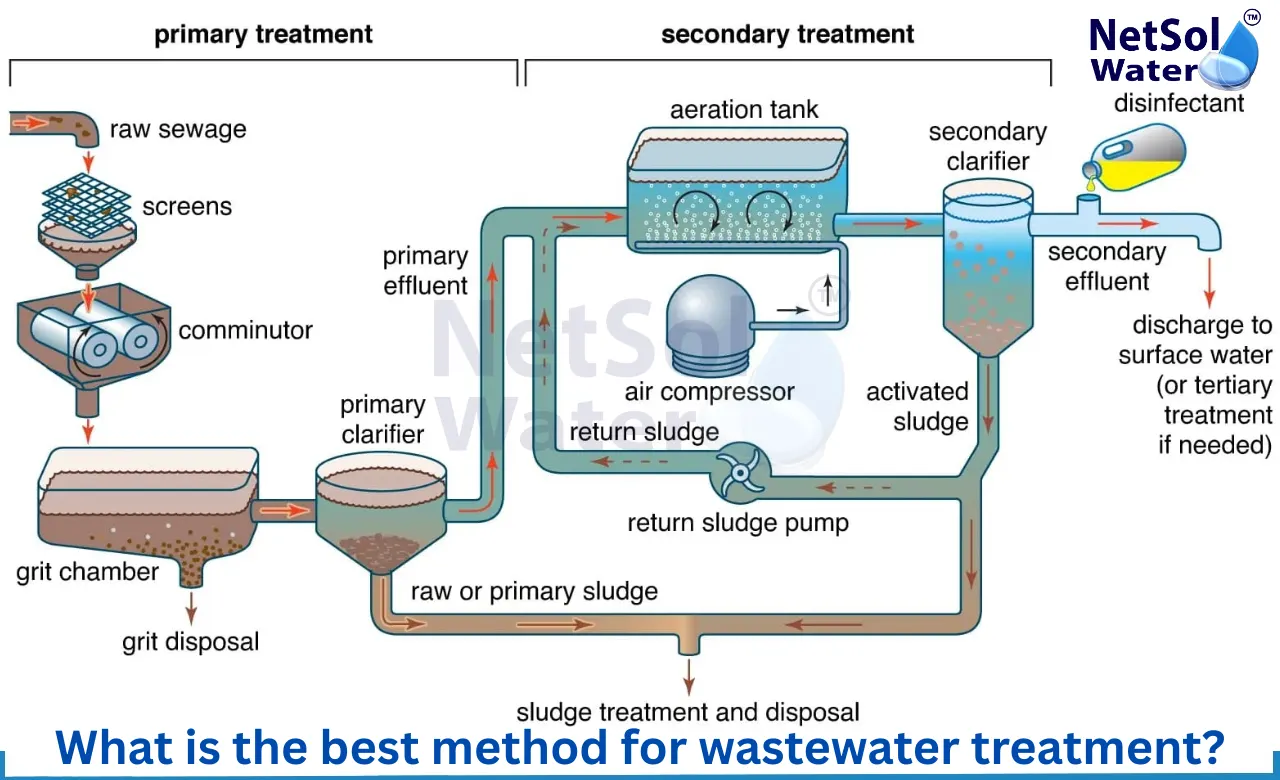
What is the best method for wastewater treatment?
Wastewater treatment matters in every city and industry because dirty water can harm health, land, and water sources if people release it without cleaning. We are the leading wastewater treatment plant manufacturer, and it supports projects that need safe and practical water cleaning systems.
There is no single method that works best in every case. The right choice depends on the source of the wastewater, the type of waste in it, and the final use of the treated water. Some places need low-cost treatment for sewage. Some industries need deep cleaning for toxic waste. Others need water that they can reuse again. This is why a complete system works better than one single process.
Effective Treatment Stages
Effective treatment stages form the base of every strong wastewater system. A good plant does not depend on one machine or one tank. It uses several steps in order so each step removes a different kind of waste. This approach helps the plant work with more balance and less stress. A skilled wastewater treatment plant manufacturer studies the water quality first and then decides the right process flow. Let us have a look at some important stages that make wastewater treatment effective.
1. Primary Treatment
Primary treatment is the first stage in most plants. It removes large and heavy waste before the water moves to deeper treatment steps. Screens catch plastic, cloth, leaves, and other floating waste. Grit chambers remove sand, stones, and small hard particles that can damage pumps and pipes. After that, sedimentation tanks allow the water to stay still so heavy solids can settle at the bottom. This settled matter becomes sludge.
This stage may look simple but it plays a major role in the full treatment process. It protects the next units from clogging and wear. It also reduces the load on later stages. When primary treatment works well, the plant runs more smoothly and needs less repair. Many plants ignore this stage at first and later face higher costs. A strong system always gives proper attention to this first step because it creates a clean start for the rest of the process.
2. Secondary Treatment
Secondary treatment handles the organic waste that remains after primary cleaning. This stage uses living microbes to break down waste in the water. It works because these microorganisms feed on the organic matter and turn it into simpler, harmless forms. Among all biological methods, activated sludge is one of the most common and trusted options. It works well for large municipal plants and for many industrial sites that produce organic waste.
In an activated sludge system, air enters the tank and helps the microbes stay active. These microbes grow and consume the waste in the water. After that, the water moves to a settling tank where the biological solids separate from the cleaner water. This method offers a strong balance between cost and performance. It has been used for many years and many plants still choose it because it gives steady results.
Some plants now use Membrane Bioreactors or MBR systems. These systems combine biological treatment with membrane filtration. This gives cleaner water in less space. It also supports water reuse because the treated water comes out with a high level of clarity. For cities and industries that want a compact system, MBR can be a smart choice. A reliable Wastewater Treatment Plant Manufacturer often recommends this method when space is limited and the water quality target is high.
3. Tertiary Treatment
Tertiary treatment gives the final polish to the water. Plants use this stage when they must meet strict discharge rules or when they plan to reuse the water. This stage removes fine particles, odours, dissolved salts, and harmful germs that may still remain after earlier steps. It adds an extra layer of safety and helps the treated water reach a better quality.
Filtration often comes first in this stage. Sand filters catch tiny particles and improve clarity. Activated carbon filters can remove odour, colour, and some chemical traces. After filtration, disinfection makes the water safe by killing remaining pathogens. Ultraviolet radiation is often seen as one of the best disinfection options because it does not add chemicals to the water. It also does not change the taste or pH of the water. That makes it a clean and simple choice for many plants.
Reverse Osmosis or RO works when the water needs deeper cleaning. It removes dissolved salts and very small impurities that other methods cannot catch. This method is useful for desalination and for recycled water that people may use again in sensitive applications. Tertiary treatment gives the final confidence that the water has reached the needed standard.
Key Methods by Use Case
Different wastewater problems need different solutions. A method that works well for domestic sewage may fail in a factory that releases strong chemical waste. That is why the best treatment method changes from one project to another. A smart Wastewater Treatment Plant Manufacturer studies the exact use case before choosing the design. Let us have a look at some common use cases and the methods that suit them best.
1. Municipal Sewage
Municipal sewage usually contains human waste, food waste, soap, and other organic matter from homes and public places. Activated sludge works very well for this type of water because it handles organic waste in a cost-effective way. It has a strong record in large-scale plants and it can treat high water volumes with stable results.
Cities need systems that are practical, easy to operate, and suitable for daily use. Activated sludge fits this need because plant teams already understand it well and spare parts are easy to manage. It also supports steady treatment for growing urban areas. When a city wants a proven and reliable process, this method often becomes the first choice. It gives the right balance between performance, cost, and long-term use.
2. High-Strength Waste
Some industries release wastewater with a very heavy organic load. Food processing, dairy plants, breweries, and some agro-based units often produce this kind of waste. In such cases, anaerobic digestion can work very well. This method breaks down organic matter without oxygen and turns part of the waste into biogas.
Anaerobic digestion offers two clear benefits. First, it reduces the pollution load in the water. Second, it creates useful energy that the plant can use for heating or power. This makes the system more efficient and more sustainable. It also works well for waste that is too strong for direct aerobic treatment alone. Industries with high organic waste often save money in the long run by choosing this method. It also supports cleaner plant operation because it turns waste into a useful output.
3. Water Reuse and Recycling
Many factories and institutions now want to reuse treated water instead of sending it away. This reduces fresh water demand and supports better resource use. Membrane Bioreactor or MBR systems work very well for this need because they produce very clean effluent in a compact space. The membrane acts as a strong barrier and helps remove fine solids from the water.
MBR systems are useful when land is limited and water quality must stay high. They work well in modern plants that want stable reuse for gardening, cooling, flushing, or other non-drinking uses. Some sites also connect MBR with further polishing steps when they need even better quality. This method has become popular because it combines biological treatment and filtration in one integrated system. It helps plants meet reuse goals with less space and a stronger final output.
4. PFAS and Toxic Removal
Some wastewater streams contain stubborn chemicals that do not break down easily. PFAS and other toxic compounds can stay in the environment for a long time if the plant does not use the right process. Advanced Oxidation Process or AOP can help in these cases. It creates highly reactive radicals that attack and break down difficult contaminants.
This method is useful when normal biological treatment cannot handle the waste. It does not work as a stand-alone answer for every site but it adds strong support in special cases. Industries with chemical waste, pharmaceutical waste, or other hard-to-treat streams may need this advanced step. It gives the plant a better chance to meet strict standards and protect the environment. When the treatment target is difficult, AOP can become a valuable part of the full system.
Read some interesting information for the Sewage Treatment Plant Manufacturer in Gurgaon
Conclusion
The best wastewater treatment method is the one that matches the water quality, the industry needs, and the final reuse goal. No single process can solve every problem by itself. A complete treatment train gives better results because it removes waste step by step and supports long-term plant performance. Netsol Water understands these needs and works as a trusted wastewater treatment plant manufacturer for projects that need practical and effective water treatment solutions. For businesses and cities that want better water management, this is the right time to explore the right system for their site. Get in touch with Netsol Water for more information or request a consultation to find a wastewater solution that fits your needs.
Contact Netsol Water at:
Phone: +91-9650608473
Email: enquiry@netsolwater.com