RO Plant Manufacturer - Page 2 of 5 - Sewage Treatment Plant Manufacturers

How-much-space-is-required-for-a-RO-plant-1.webp

April 7, 2026by Netsol Water

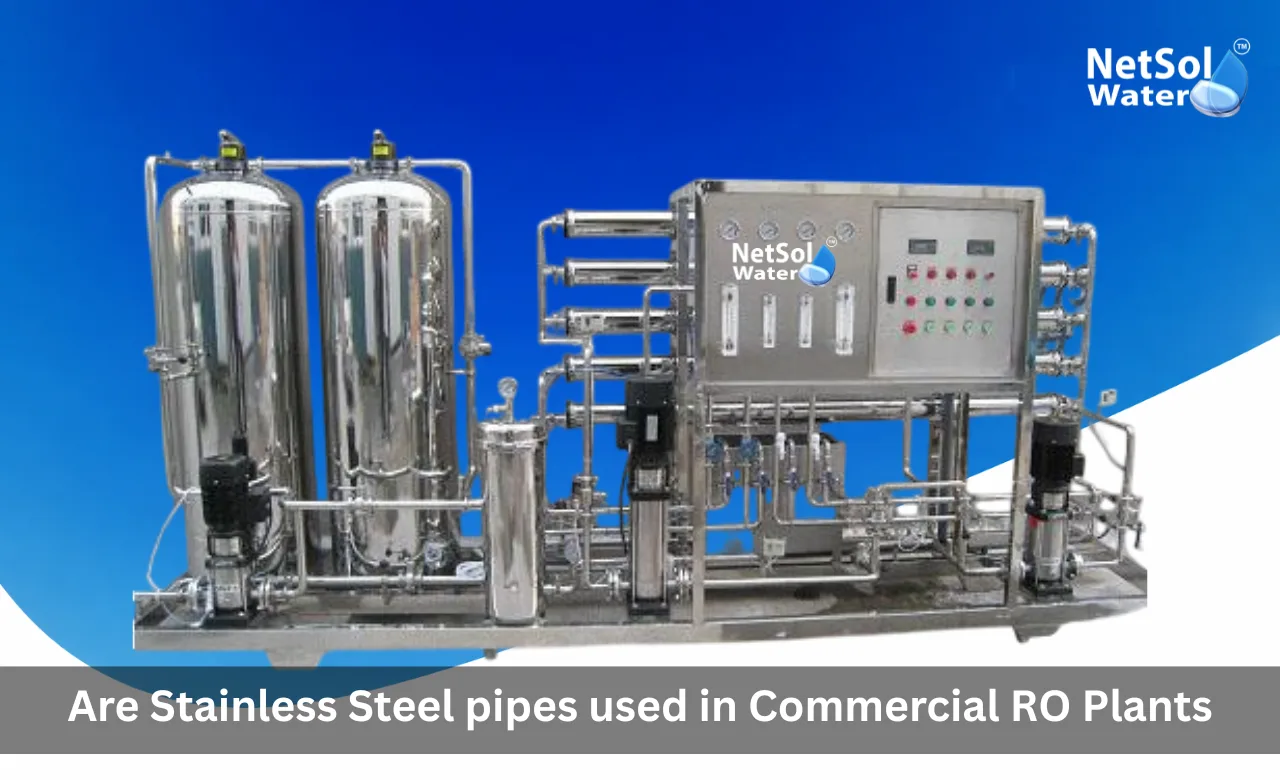
How much space is required for an RO plant?

Space planning matters in every water treatment project. An RO plant space includes pre-treatment equipment. It also includes membranes. It includes pumps. It includes storage tanks and working space for service teams. When businesses plan a plant without thinking about space, they often face trouble later. The system may fit at first, but maintenance becomes hard. Movement inside the plant area may also get blocked. This can slow down operations and raise the risk of damage.

A commercial RO plant manufacturer studies the water demand. It also studies the plant capacity and the available floor area before giving a design. This is why space planning is not just about fitting plants in one room. It is about building a setup that works well every day.

Capacity of the Plant

Plant capacity is the first thing that affects space. A small system may fit in a corner, while a large one needs a full dedicated room or even a separate shed. This is why the same RO setup cannot work for every site. Water demand changes from one business to another. A school needs a different setup from a factory. A bottled water unit needs far more space than a small office or café. Let us look at some common plant sizes so the requirement becomes clear.

1. 500 to 1000 LPH Plants
A plant with 500 to 1000 LPH capacity usually needs around 500 to 800 sq. ft. of space. This area is enough for pre-treatment units. It also covers the RO skid and the storage tanks. These plants work well for small industries. They also suit hotels and institutions that need a steady water supply. Even though these plants are not very large, they still need enough open space for piping and service access. A commercial RO plant manufacturer always keeps some extra space in the design because filters and pumps need easy access during routine checks.

2. 2000 LPH Packaged Drinking Water Plants
A 2000 LPH packaged drinking water plant needs much more room. The space requirement often falls between 1500 and 3000 sq. ft. This is because the system does not stop at purification alone. It also includes raw water pumps. It includes filtration vessels. It includes membrane racks. It also needs packing and bottling areas. In such cases, the plant layout must support a smooth flow from raw water to final packing. If the space is too tight, then bottling work becomes slow and unsafe. That is why this type of plant needs careful planning from the start.

3. Large Industrial RO Plants

Large industrial RO systems need 5000 sq. ft. or more in many cases. These plants handle high water demand and often work in heavy-duty environments. They may serve manufacturing units. They may also support large commercial campuses. Such systems need more room for multiple tanks. They also need larger pump sets and stronger support structures. In these projects, a commercial RO plant manufacturer must study both the current demand and the future expansion plan. This helps avoid costly changes later. When the space is large enough, the plant runs more smoothly and maintenance becomes far easier.

System Configuration

System configuration also changes the space requirement. Not every RO plant uses the same layout. Some plants use a skid-mounted design, while others use a more spread-out setup. A skid-mounted system keeps many parts on one frame. This makes the plant more compact and easier to install. It also reduces the need for extra floor area. A spread-out system takes more room, but it may suit larger or custom applications better. The right choice depends on the site and the water load.

A compact skid-mounted plant saves floor space and reduces installation time. It also helps when the customer has a limited area. On the other hand, a custom-built design may separate pumps, tanks, and filters into different zones. This can improve access in a large facility. It can also make the system easier to upgrade later. However, it needs more planning and more space.

A commercial RO plant manufacturer usually decides the layout after checking the site. This includes inlet water quality. It also includes the number of treatment stages. A simple setup may only need a small corner. A more detailed setup may need a dedicated room with clear walkways. So, the system design is not only about performance. It also shapes how much area the plant will use. When the layout fits the site well, the full project becomes easier to run and easier to maintain.

Storage and Pre-treatment

Storage and pre-treatment units take a large share of the total area. Many people focus only on the RO skid and forget the tanks and filters. That can lead to a poor layout. In reality, raw water tanks and purified water tanks often need more room than expected. A 10,000-liter tank can occupy a significant part of the plant space. When the capacity grows, the tank size grows too. This is why storage planning must happen at the same stage as machine selection.

Pre-treatment also needs proper space. These units may include sand filters. They may include activated carbon filters. They may include softeners or dosing systems. Each unit needs enough clearance for operation and inspection. If these items are packed too closely, then daily work becomes difficult. Service staff may struggle to replace media or clean vessels. That can affect plant performance over time.

A commercial RO plant manufacturer always checks the full process before finalizing the design. This includes raw water storage. It includes treated water storage. It also includes dosing tanks and filter vessels. When all these parts are placed well, the plant runs in a cleaner and safer way. Good spacing also supports better hygiene. That is very important in packaged drinking water plants and food-related units.

Operating Space

Operating space is another key part of the plan. An RO plant may fit inside a room, but that does not mean the room is suitable. Operators need space to move around the system. Technicians need room for filter replacement. They also need room to open membrane housings and inspect pumps. If the area is too narrow, then even a small repair can become a major task. This is why working space matters as much as machine space.

Membrane housings may come in 4-inch or 8-inch sizes. These parts need safe access during service. Filter changes also need room for handling and cleaning. If the plant is placed too close to a wall or another machine, then service teams may not reach the parts easily. That can increase downtime. It can also increase the chance of mistakes during maintenance.

A commercial RO plant manufacturer plans for this from the very start. The layout must allow free movement. It must also leave space for tools and spare parts. Proper operating space helps the plant run better and last longer. It also makes the workplace safer for the team. So, when people ask how much space an RO plant needs, the answer must include not only machine size but also service space.

Read some interesting information for the Effluent Treatment Plant Manufacturer in Gurgaon

Conclusion

Space planning decides how efficient an RO plant will be in daily use. A small system may work in a limited area. A medium plant may need several hundred square feet. A large industrial unit may need a fully planned site with room for tanks, pumps, and service access. The final requirement depends on plant capacity. It also depends on system design. It depends on storage needs and on the room needed for operation and maintenance. When these points are handled well, the plant works smoothly and lasts longer.

If you are planning a new project and need clear guidance from a commercial RO plant manufacturer, then expert support can save time and reduce avoidable problems. Netsol Water can help you choose the right layout for your space and your water demand. Contact us today to discuss your project and request a consultation for the right RO plant setup.

Contact Netsol Water at:

Phone: +91-9650608473
Email: enquiry@netsolwater.com

Which-type-of-STP-is-best-1.webp

April 6, 2026by Netsol Water

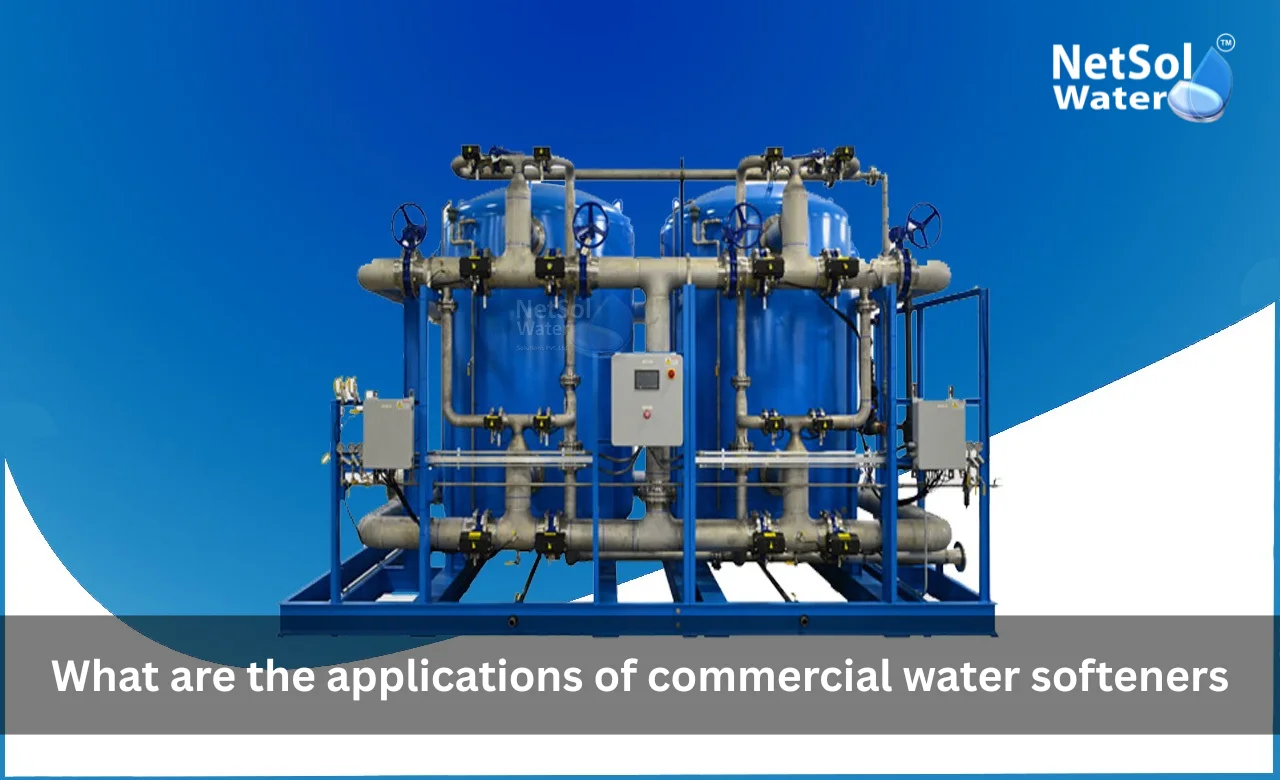
Which is the largest RO plant in India?

India faces a growing need for safe and clean water. Many cities and industrial areas now depend on reverse osmosis systems to meet that need. This is why people often ask which is the largest RO plant in India and what makes it so important. When we look at this topic, we do not only see one plant. We also see how water treatment supports daily life in large cities and how a strong commercial RO plant manufacturer helps build systems that can work at a large scale.

At present, the most widely known large operational seawater RO plant in India is the Minjur Desalination Plant in Chennai. It has played an important role in supplying drinking water to a city that often faces water stress. At the same time, a much larger plant is coming up in Perur near Chennai. This shows how fast water treatment needs are growing in India. In this article, we will look at the main plants that stand out and understand why they matter for water security and industrial growth.

The Current Largest Seawater RO Plant in India

The current largest operational seawater reverse osmosis plant in India holds a special place in the country’s water story. It stands as a practical answer to a serious water problem. Chennai has long faced water shortage and seawater desalination has helped bridge that gap. Let us have a look at some key details about this plant and why it matters so much.

1. Minjur Desalination Plant in Chennai

The Minjur Desalination Plant is located at Kattupalli village near Chennai in Tamil Nadu. It started commercial operations in 2010 and has a capacity of 100 MLD. That means it can produce 100 million liters of water each day. This water is used for drinking supply in Chennai. The plant was built by Chennai Water Desalination Ltd and it remains one of the best known seawater RO plants in the country.

Its importance goes beyond size. It shows how coastal cities can use seawater as a source of fresh water when natural freshwater sources do not meet demand. The plant also shows the value of proper planning. A well-designed RO system can support thousands of homes and help a city manage water shortage in a better way.

2. Why Minjur Matters for Water Security

Minjur matters because it gives Chennai a dependable water source during dry periods. Cities near the sea often face a strange problem. They have access to large amounts of water, but much of it is salty and not fit for use. A seawater RO plant solves this issue by removing salt and other unwanted matter from the water.

This is where the role of a skilled commercial RO plant manufacturer becomes clear. A large plant needs strong design, reliable membranes, and smooth operation. It must work every day with proper output and quality. Minjur has become a good example of how such systems can serve public needs on a large scale.

The Upcoming Largest RO Plant in India

The story does not stop with Minjur. India is now building even larger water treatment systems to meet future demand. This next step shows that water planning must grow with the needs of the city. Let us have a look at some key details of the new project that is expected to become the largest upon completion.

1. Perur Plant in Chennai

A new 400 MLD seawater RO plant is under construction in Perur, Chennai. Once completed, it will become the largest RO plant in India. Its size is much larger than the current Minjur plant and it will help strengthen water security in the region. Such a plant is not only about scale. It also reflects the changing needs of large urban areas where population growth puts extra pressure on water supply.

A project of this size needs careful engineering and planning. Every part of the system must support steady performance. This includes intake systems, treatment units, energy use, and output control. Large RO plants are never simple. They need strong technical support and constant monitoring. A trusted commercial RO plant manufacturer can help shape such a project by offering the right design and plant setup for long-term use.

2. What the Perur Project Means for Chennai

The Perur plant will play an important role in the future of Chennai’s water supply. It will add a large volume of fresh water and reduce pressure on other sources. This is especially useful in places where rainfall is irregular and freshwater storage is limited.

The project also shows that India is moving toward larger and smarter water treatment systems. Cities can no longer depend only on rivers, lakes, or groundwater. They must also use seawater treatment and wastewater recycling. This shift creates more demand for experienced engineering support and for a commercial RO plant manufacturer that understands both scale and efficiency.

Other Major RO Plants That Stand Out in India

India has more than one important RO plant. Some of them focus on seawater desalination, while others work on wastewater treatment and recycling. These plants may not all serve the same purpose, but each one adds value to the water system. Let us have a look at some key details of other plants that deserve attention.

1. Koyambedu Tertiary Treatment RO Plant

The Koyambedu plant in Chennai is known as India’s largest Tertiary Treatment RO plant. It is not a seawater desalination plant. Instead, it works on wastewater recycling. It has a capacity of 45,000 cubic meters per day. This makes it a major part of Chennai’s water reuse effort.

This plant is important because it shows how treated wastewater can return to useful service. Instead of letting water go to waste, the system cleans it and prepares it for further use. This is a smart way to reduce stress on freshwater sources. It also shows how RO technology can support more than one purpose. A strong Commercial RO Plant Manufacturer must understand both desalination and wastewater reuse because both areas need different design choices and treatment levels.

2. Jamnagar 100 MLD RO Plant in Gujarat

Another significant plant is the 100 MLD RO plant in Jamnagar, Gujarat. It is also a large system and it has helped show that big water treatment facilities are not limited to one region. Jamnagar is important because it reflects how industrial and urban needs can drive demand for large RO setups.

A plant of this size must deliver water with steady quality and dependable flow. That is why large projects like this need careful plant planning and technical strength. They also show the increasing need for an RO plant manufacturer who can build systems that match local water quality and demand levels. In a country as large as India, each region has different water conditions. So every large RO plant must be designed with those conditions in mind.

Why Large RO Plants Matter for India

Large RO plants are now a key part of India’s water future. They help cities deal with water shortage and they support industrial growth as well. They also reduce dependence on uncertain natural sources. This matters most in places where demand keeps rising and water supply does not always keep pace.

These plants also create a better path for the future. They show that water can come from seawater or from treated wastewater when managed well. They also show the value of long-term planning. A strong commercial RO plant manufacturer can support this change by building plants that are durable, efficient, and suited to local conditions. Netsol Water is one such leading name that supports projects with practical design and technical strength.

Read some interesting information for the Commercial RO Plant Manufacturer in Gurgaon

Conclusion

India’s largest RO plant story shows how water treatment has become a major need for growing cities. Minjur currently leads as the largest operational seawater RO plant, while Perur is set to take that place in the future. Plants like Koyambedu and Jamnagar also prove that large RO systems now play many roles across the country. They support drinking water supply, wastewater reuse, and industrial water needs.

A well-planned RO plant can make a real difference in water security. That is why the choice of an RO plant manufacturer matters so much for any large project. Netsol Water continues to stand out as a leading commercial RO plant manufacturer for projects that need reliable planning and strong performance. For more information or to discuss your water treatment needs, you can get in touch and request a consultation today.

Contact Netsol Water at:

Phone: +91-9650608473

Email: enquiry@netsolwater.com

Which-type-of-STP-is-best.webp

April 4, 2026by Netsol Water

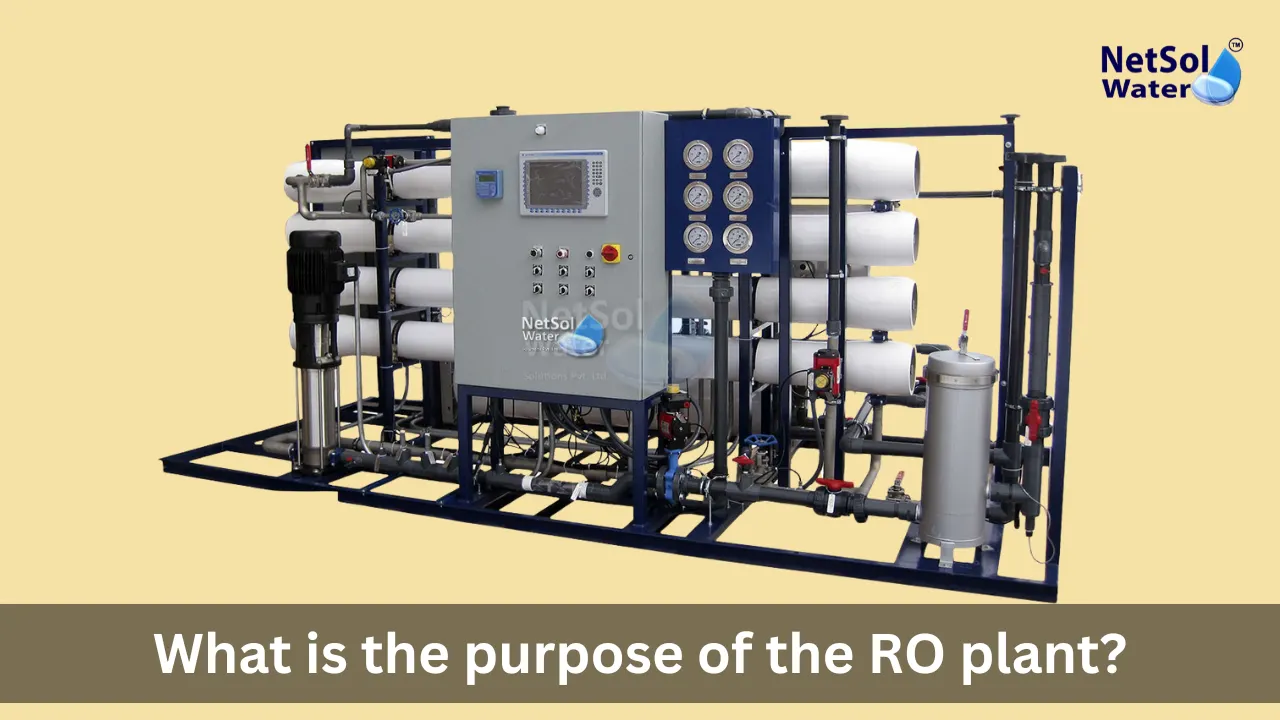
Which is the most expensive RO?

India needs clean water for homes, factories, schools, hospitals, and public places. That is why RO plants play such an important role across the country. When people ask which is the largest RO plant in India, they usually want to know about the biggest RO plant that can treat water on a huge scale. We are known as a leading commercial RO plant manufacturer.

Why people care about the largest RO plant in India

The size of an RO plant is not only about physical space. It is also about how much clean water it can produce each day and how well it can support real demand. A large plant can serve a city zone, a factory campus, or a group of commercial users. It can also reduce pressure on local water sources when it works with care and proper planning. Let us have a look at some key points that show why this question matters so much.

1. Capacity matters more than appearance

Many people think a plant looks large only because it has big tanks or many pipes. In truth, capacity matters more than appearance. A plant may take less space and still produce a huge amount of purified water every hour. That is why engineers focus on output quality and recovery rate. They also study water source conditions before they design the system.

2. Large plants support growth

A large RO plant supports growth in both business and public life. It helps industries keep their process water clean. It helps institutions meet daily need. It also helps areas with poor raw water quality. When a plant works well, it reduces waste and improves stability. This is why the largest RO plant in India is not just a technical subject. It is also a sign of how India manages water for future needs.

What makes an RO plant the largest

An RO plant becomes large for many reasons. Some plants handle a high flow rate, while others cover a wider service area. Some use advanced membranes, while others add extra treatment steps to handle tough water. The largest RO plant in India should be seen through a mix of design, output, treatment strength, and long-term performance.

1. Output and system design

Output is one of the first things engineers check. A plant that produces more water in less time is considered larger in practical use. But output alone does not tell the full story. The design must also support pre-filtration, membrane cleaning, pressure control, and safe discharge. If one part fails, the whole system loses value. That is why strong planning is needed from the start.

2. Water source and treatment load

Raw water can come from rivers, groundwater, borewells, or industrial sources. Each source brings its own challenge. Some water has high salt content, while some has dirt, iron, or hardness. A large plant must handle all these issues with care. It needs strong pre-treatment and good membrane support. It also needs regular service. A commercial RO plant manufacturer must study these points before final design because the plant must run smoothly for a long time.

3. Operation and maintenance

A large plant is only useful when it runs well every day. Operators must monitor pressure, water quality, and membrane condition. They must clean parts on time and replace worn items before failure spreads. This keeps water output stable and safe. In large projects, this part is just as important as installation. A plant that is large on paper but weak in operation cannot serve users well.

How a Commercial RO Plant Manufacturer shapes the final result

A strong RO plant depends on more than machines. It depends on design skill, site study, and after-sales support. This is where a commercial RO plant manufacturer adds real value. The right manufacturer does not just sell equipment. It studies water quality and user demand before it builds the system. That is how a plant becomes fit for its purpose and ready for long use.

1. Custom design for real needs

Every site has different water quality and different demand. A factory may need continuous supply. A hotel may need steady flow during peak hours. A school may need safe water for students and staff. A good manufacturer studies these needs before it builds the plant. This makes the system more useful and more cost-effective. Netsol Water is a leading commercial RO plant manufacturer because it focuses on such practical needs and helps clients choose the right design.

2. Quality parts and long service life

The life of a plant depends on the quality of its parts. Good membranes, pumps, valves, and control panels help the system work better. They also reduce breakdowns and repair cost. When a manufacturer uses strong parts and skilled assembly, the plant becomes more dependable. This matters a lot in commercial use where downtime can affect work and supply.

3. Support after installation

Installation is only the start. The plant needs testing, guidance, and regular care. Users may also need help with membrane cleaning, water checks, or pressure settings. Good support keeps the plant efficient for years. This is one reason buyers choose a manufacturer with a clear service system. A project becomes far better when the supplier stays involved after the plant starts running.

How commercial plants differ from high-end home purifiers

It is easy to confuse a large RO plant with a premium home purifier. Both use reverse osmosis, but they serve very different needs. A home unit gives drinking water for a family, while a commercial plant supplies far larger demand. This difference becomes clear when you compare size, features, and cost.

1. Premium home units are expensive but still small

High-end residential RO water purifiers in India usually cost between ₹25,000 and ₹40,000. Some specialized or commercial-grade home units can cross ₹50,000. These models may include stainless steel tanks, hot or ambient water dispensing, and advanced IoT features. Prices vary widely based on retailer, stainless steel parts, and advanced features.

2. Commercial systems work on a different level

A home purifier serves a small family need. A commercial RO plant serves large daily demand for business and public use. It may treat much more water and run for long hours. It also needs stronger pumps, larger membrane sets, and better control systems. That is why the price and build are very different from a home purifier. When buyers understand this gap, they can make better choices for their site and budget.

Why Netsol Water stands out in this field

Buyers often look for a supplier that can guide them from planning to operation. That is where experience matters most. Netsol Water is a leading Commercial RO Plant Manufacturer because it focuses on practical design, strong components, and long-term support. It helps businesses choose the right plant for their water source and demand. It also keeps the process simple for the client. This makes the whole project easier to manage and more reliable over time.

A partner for large water needs

When a company or institution needs a large RO system, it needs more than a machine. It needs a partner that understands water quality, flow rate, and future use. Netsol Water offers that kind of support. It helps clients avoid common mistakes and pick the correct design from the beginning. This saves time, money, and effort.

Read some interesting information for the Sewage Treatment Plant Manufacturer in Gurgaon

Conclusion

Clean water supports health, growth, and daily comfort. It also supports industry and public services in a big way. The largest RO plant in India matters because it shows how far water treatment has grown and how much planning such projects need. For any business or institution that needs reliable water treatment, the right partner makes all the difference. Netsol Water is a leading commercial RO plant manufacturer, and it can help you choose a system that fits your real need. Contact us today to learn more or request a consultation for your project.

Contact Netsol Water at:

Phone: +91-9650608473

Email: enquiry@netsolwater.com

Which-RO-is-best-for-commercial-use.webp

April 2, 2026by Netsol Water

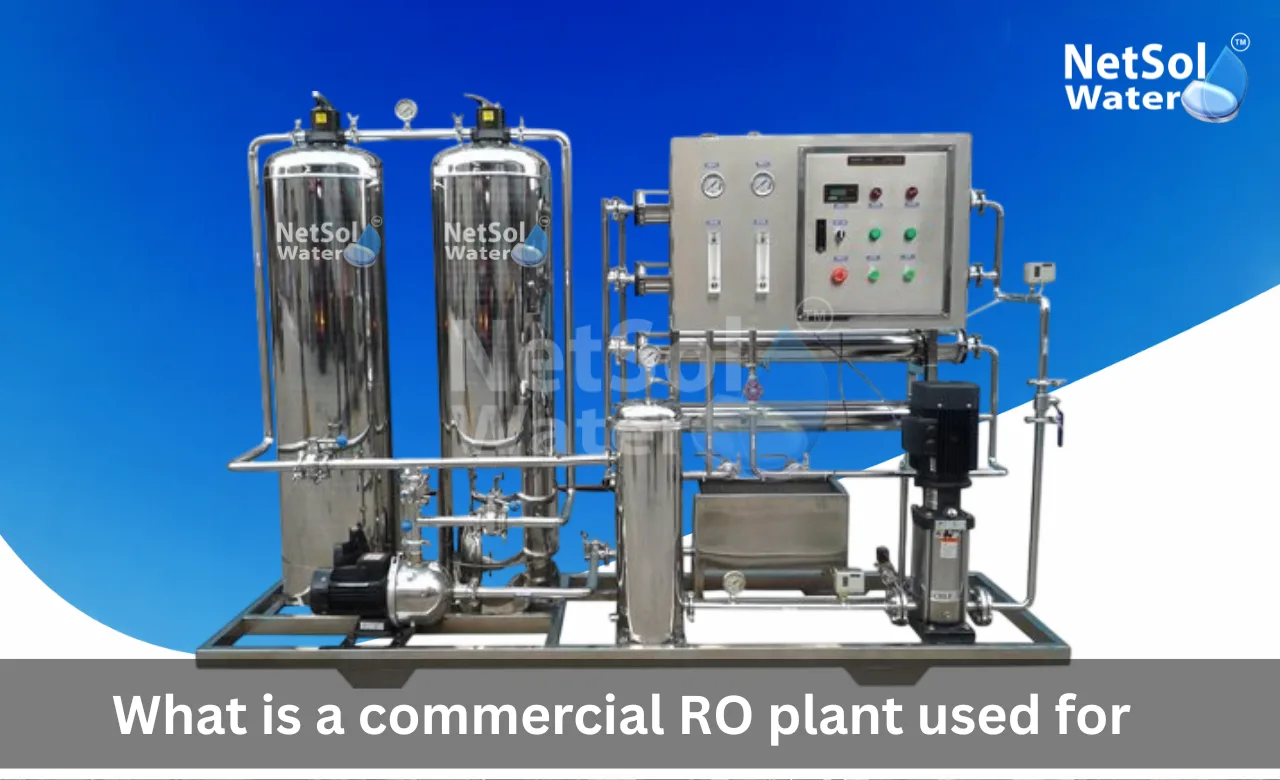
Which RO is best for commercial use?

When a business needs clean water every day, then the right RO plant becomes a practical need and not just an option. Every business has a different water demand. A small café needs a compact unit, while a hospital or factory needs a much larger plant. That is why the best choice depends on daily use, water quality, and the number of people who will use the water.

Netsol Water is the leading commercial RO plant manufacturer and helps businesses choose plants that match their real water needs. The right unit can improve water quality, support daily operations, and reduce stress on staff.

Top Commercial RO Recommendations

The importance of choosing the right commercial RO plant becomes clear when you compare the daily demand of different businesses. A small office does not need the same setup as a hotel or factory. Let us have a look at some common commercial RO choices and see where each one fits best.

1. 25 LPH Commercial RO

A 25 LPH commercial RO works well for very small businesses that use around 100 to 150 liters of water each day. It suits small offices, general stores, and similar places where water demand stays limited. This system often comes with a stainless steel body and fully automatic function, which makes it easy to use on a daily basis. It also offers around 10 stages of purification, which helps improve water quality before it reaches the user.

This unit is a good budget option because it serves basic needs without taking much space. It can fit into compact areas and still support safe drinking water for a small team. Many business owners choose this type when they want a simple and low-cost start. A trusted commercial RO plant manufacturer can also guide you on whether this size will work well for your source water and usage level.

2. 50 LPH RO+UF System

A 50 LPH RO+UF system suits small businesses such as cafés, clinics, and office pantries. It can produce up to 300 liters per day, which makes it more suitable for places with regular but not very heavy water use. This system often includes a TDS controller and an auto-off function. These features help improve safety and reduce waste.

The compact design makes it a practical choice for places where floor space is limited. It gives enough purified water for staff and customers while keeping the setup simple. This model works well when you need more than a basic small unit but do not want to move to a much larger plant. Many users prefer it because it balances size, cost, and daily output in a neat way.

3. 100 LPH Commercial RO

A 100 LPH commercial RO is one of the best choices for medium-scale use. It suits offices, restaurants, hotels, and gyms that need a stable water supply every day. This system can deliver about 1000 to 1200 liters per day, which makes it useful for places with more people and more water points. It often includes a TDS adjuster and UV purification. Many models also use a durable stainless steel frame, which supports long-term use in busy spaces.

This unit stands out because it gives a better balance between capacity and operating cost. It can handle regular demand without taking too much space or requiring a very large installation area. For businesses that are growing, this size often becomes the most practical choice. A commercial RO plant manufacturer can help match this capacity with your actual water use so that you avoid both shortage and extra cost.

4. 500 LPH Commercial RO Plant

A 500 LPH commercial RO plant suits large-scale users such as hospitals, institutions, manufacturing units, schools, and corporate headquarters. It can produce up to 12000 liters per day, which makes it a strong option for places where water demand stays high throughout the day. These plants often include multi-stage purification with RO, UV, UF, and carbon filtration. Many units can also support input TDS up to 3500 ppm.

This system is valuable because it can manage difficult water conditions and large daily consumption at the same time. It works well where many people depend on the same water source. The design usually supports steady output and better control over water quality. When a business grows to this level, then choosing a large plant becomes less about comfort and more about keeping daily operations smooth.

Choosing the Right Capacity

The importance of capacity selection cannot be ignored because the wrong size can cause water shortage or unnecessary expense. A smaller unit may fail to meet demand, while an oversized unit may cost more than needed. Let us have a look at some common business types and see which capacity fits best.

1. Small Office Use

A small office with 10 to 20 staff members usually needs around 100 to 150 liters per day. For this level of use, a 25 LPH commercial RO can work well. It gives enough drinking water for employees without wasting energy or space. This size is often chosen by small service offices, shops, and general stores that want safe water in a simple setup.

2. Mid Size Restaurant Use

A mid-size restaurant often needs around 250 to 400 liters each day. A 50 LPH system usually matches this level better. It can support kitchen use, staff drinking needs, and guest service. Since restaurants depend on clean water for food and beverages, the system must stay reliable. A properly chosen unit helps maintain smooth service during busy hours.

3. School Use

A school with around 500 students may need 1000 liters or more every day. In this case, a 100 LPH commercial RO is often a better fit. It can support higher demand during school hours and avoid water shortage in the middle of the day. Schools need strong water quality control because many people use the same source.

4. Large Factory or Hotel Use

Large factories and hotels often need between 2000 and 12000 liters each day, depending on staff size and services. In these cases, a 250 LPH to 500 LPH plant becomes more suitable. These systems can support large and continuous demand. They also help reduce the need for repeated refilling or outside water supply. That is why a commercial RO plant manufacturer usually checks daily consumption before suggesting the final model.

Key Features to Consider

The importance of system features becomes clear when you want a unit that works well for many years. Capacity alone does not solve every problem. You also need to look at water quality control, build strength, and filter stages. Let us have a look at some features that matter most.

1. TDS Adjuster

A TDS adjuster is important when your source water has high mineral content. This feature helps you control the mineral level in the final water. It allows the system to remove harmful salts while keeping useful minerals at a safe level. This becomes useful for borewell water and other hard water sources. A good adjuster can improve taste and make the water more suitable for daily use.

2. Build Material

The build material affects how long the system will last. Stainless steel frames such as SS 304 offer better strength and corrosion resistance. This matters in commercial spaces where the unit runs for long hours and faces regular use. A strong frame also supports easy cleaning and better safety. Businesses should always check build quality before making a final choice.

3. Filtration Stages

A high quality commercial system should offer at least 6 to 8 filtration stages. These may include pre-sediment filters, carbon filters, RO membranes, UV treatment, and UF protection. Each stage plays a role in removing different impurities from the water. When a system uses several stages, it can handle more water conditions and give cleaner output. This is one reason why many buyers prefer a well-designed commercial RO plant manufacturer instead of choosing only on price.

Read some interesting information for the Effluent Treatment Plant Manufacturer

Conclusion

Choosing the right RO plant for commercial use depends on daily demand, water source, and the type of business you run. A small office may only need a compact unit, while a large institution may need a heavy-duty plant. When you compare capacity, features, and build quality together, the decision becomes much easier. The best system is the one that meets your real use without adding extra cost or stress.

If you are planning to install a commercial RO plant, Netsol Water can guide you with the right model for your space and daily water needs. Contact us today to get more details or request a consultation for the right commercial RO plant for your business.

Contact Netsol Water at:

Phone: +91-9650608473

Email: enquiry@netsolwater.com

Industrial-RO-Plant-Manufacturer-in-Hyderabad-5.webp

February 27, 2026by Netsol Water

Which Water Filter Removes the Most Toxins?

Water keeps life going and people expect clean water at home and at work. In India, many cities face water that comes from rivers, lakes, and deep wells. Some areas have hard water and others have chemical traces or heavy metals. We will explain which water filter removes the most toxins.

Most Effective Water Purification Technologies

Let us have a look at some common technologies and how they act on different contaminants.

1. Reverse Osmosis (RO)

Reverse osmosis uses a dense membrane to force water through and leave many dissolved solids behind. RO removes salts and heavy metals such as lead, arsenic, and fluoride. It also reduces nitrates and many chemical ions. The membrane blocks protozoa, bacteria, and most viruses when the system runs correctly and when prefilters protect the membrane. RO works well against dissolved inorganic pollutants. The main drawback is that RO strips out minerals that some people value in drinking water. The process also does not fully remove some volatile organic compounds, and certain dissolved gases may pass through. RO plants produce some wastewater as the membrane flushes out concentrated waste.

2. Ultraviolet (UV) Sterilization

UV uses light to disrupt DNA in microbes and kill them fast. This step ensures bacteria, viruses, and many protozoa cannot reproduce. UV works without adding chemicals and it does not change the water taste. UV does not remove dissolved solids or heavy metals. It also does not clear physical sediment. After UV treatment, the water may still contain chemicals or particles that the lamp cannot affect. For this reason, UV pairs well with filters that remove particles and with RO, which handles dissolved pollutants. UV gives strong protection against biological hazards in a system that already removes the larger risks.

3. Ultrafiltration (UF)

Ultrafiltration uses hollow fiber membranes to trap suspended solids, bacteria, cysts, and some viruses. UF keeps out particles that make water cloudy and it improves clarity and safety from pathogens that are larger than its pore size. UF does not remove dissolved salts or heavy metals and it cannot remove small molecules that have dissolved in the water. When the feed water has a lot of suspended matter, the UF step protects downstream membranes by keeping them clean longer. UF works well as a mid-stage in a multi-stage system.

4. Activated Carbon

Activated carbon filters adsorb chlorine, many organic chemicals, pesticides, herbicides, and substances that cause tastes and smells. Carbon improves flavour and removes many common organic toxins. Carbon does not remove heavy metals or dissolved salts. It also cannot kill microbes on its own. When used before RO, carbon protects the membrane from chlorine that would otherwise damage it. Carbon is a strong complement to membrane and UV stages when the feed water contains organic pollutants.

Multi-Stage Water Purification System

Let us have a look at some reasons and at how stages join together to give broad protection. A system that includes UF, RO, activated carbon, and UV uses each method for what it does best. This reduces the gaps each method has when used alone.

1. How Stages Fit Together

A typical multi-stage system starts with a sediment filter to catch large particles. Next, an activated carbon stage removes chlorine and many organics that harm taste and that can damage membranes. Ultrafiltration follows to remove suspended solids and to lower microbial load. Reverse osmosis comes after these stages to remove dissolved salts, heavy metals, and many small chemical ions. Finally, UV light disinfects any remaining microbes. This flow uses each method in order and it protects each stage from wear. The result is water that meets broad safety needs.

2. Why Integration Matters

When water contains many types of pollutants, a single method will leave gaps. RO handles dissolved ions and metals but it does not remove gases or some organics well. UV ensures biological safety but it does not clean chemicals. Carbon removes organics and tastes but not dissolved salts. UF stops particles but not dissolved chemicals. Combining these methods fills the gaps and gives more consistent results. A multi-stage approach also makes maintenance more practical. Prefilters extend membrane life and UV lamps run better when the water is clear.

How to Choose the Right System and Care for It

Choosing a system needs tests and clear goals. Let us have a look at some key checks and steps that lead to the right choice. Start by testing water for hardness, heavy metals, organic pollutants, and microbes. This tells you which technologies you must include. If the water has heavy metals and high total dissolved solids, then RO must sit at the core. If the water shows organics or bad taste, then add activated carbon. If microbes appear, then include UF and UV.

Maintenance and Service Needs

Every system needs regular service to keep performance high. Prefilters must change on schedule to stop clogging. Carbon cartridges need replacement when they exhaust their adsorption capacity. RO membranes require cleaning and eventual replacement. UV lamps need replacement after their rated hours even if they still glow. Neglecting maintenance lowers safety and can damage components. Work with a reliable vendor for timely service.

Read some interesting information for the Commercial RO Plant Manufacturer in Gurgaon

Conclusion

Reverse osmosis gives strong removal of dissolved solids and heavy metals. Ultrafiltration and UV add microbial safety. Activated carbon removes many organics and improves taste. No single method removes everything. A multi-stage system uses each technology where it works best and gives water that meets many needs. If you want help with choice or testing, contact Netsol Water. As a trusted industrial RO plant manufacturer, we can advise on systems and offer service plans. Reach out for a consultation or for more information so you can get the right system for your water.

Contact Netsol Water at:

Phone: +91-9650608473

Email: enquiry@netsolwater.com

What-causes-high-TDS-in-water-2.webp

February 9, 2026by Netsol Water

Which is better, RO or UV?

Choosing the right water purifier matters for health and daily life. Water sources change from place to place and the impurities in water vary. Some areas face hard water with high dissolved salts. Other areas have safe mineral levels but risk microbes in water.

Choose RO if:

Water with high total dissolved solids or harmful chemicals needs strong treatment. RO works by forcing water through a fine membrane. That membrane removes dissolved salts, heavy metals, and many chemical pollutants. When water comes from deep wells or from some municipal supplies, the dissolved mineral load may rise. In those cases, RO gives clear benefits. Let us have a look at some common reasons to choose RO and what each case means.

1. High TDS or Hard Water

Hard water carries more dissolved salts and minerals. It can cause scale in pipes and affect taste. RO reduces total dissolved solids and gives water that feels fresher. People who use water for drinking and cooking will notice the change. RO also removes elements like lead, arsenic, and excess fluoride when they are present. The process uses a membrane that blocks particles the size of ions. This means RO can cut down health risks linked to heavy metals and salts. If your water report shows TDS above 300 parts per million, then RO will handle the dissolved solids better than UV alone.

2. Severe Chemical and Dissolved Contamination

Some waters carry industrial or agricultural chemicals. These show up as dissolved organics or ionic pollutants. RO filters out many of these chemicals. The system reduces salts and many synthetic compounds that UV cannot remove. For areas near factories or where groundwater is affected by runoff, RO adds a layer of protection. The system will need periodic maintenance and the membranes may need cleaning. Still, RO remains the tool for tackling dissolved chemical loads.

Choose UV if:

Microbes cause the main worry. UV treatment uses ultraviolet light to inactivate bacteria and viruses. The method works fast and it does not remove minerals. UV does not waste water and it costs less to run than RO. When water has low dissolved solids and chemical load, UV can handle biological risks well. Let us have a look at some situations where UV fits and what to expect from it.

1. Low TDS with Microbial Threat

When water has low total dissolved solids, people prefer to keep the minerals in place. In such water, a microbial hazard may still appear from old pipes or from poor storage. UV kills or inactivates bacteria and viruses without changing the taste. It works after physical filtration that removes suspended particles. The unit needs power and a clean lamp to work well. If TDS measures under about 300 parts per million and the main concern is microbes, then UV gives safe drinking water while leaving minerals intact.

2. Mineral Retention and Cost Effectiveness

Many users want water that keeps natural minerals for taste and nutrition. UV leaves those minerals. The system also avoids the wastewater that RO plants produce when they flush the membrane. UV units usually cost less to buy and to run. They need lamp replacement from time to time. Pump and power cost remain low and maintenance stays simple.

RO+UV+UF

When you cannot be sure about all possible problems, a combined system removes more risk. RO handles dissolved solids. UF or sediment filters remove suspended particles. UV takes care of microbes. This mix gives near complete purification for many sources. Let us have a look at why combining these methods helps and how each part works.

1. How RO, UV and UF Work Together

A combined system starts with prefiltration that removes sand and rust. Next UF or microfiltration catches suspended solids and larger pathogens. RO then reduces dissolved salts and chemicals. Finally UV treats any microbes that pass earlier stages or reappear in storage. This chain reduces the chances of any contaminant slipping through. The result suits areas where water quality varies with seasons or where tests are uncertain. People who want one solution for many problems find this arrangement useful and practical.

2. When to Choose a Combined System

Many households and small offices face mixed problems. Wells can bring both salts and microbes. Surface water can carry chemicals and bacteria after heavy rains. If you do not have a recent detailed water test, a combined RO+UV+UF system gives a safe option. It also suits places where the water source may change over time. The setup needs more space and higher initial cost. Still, it reduces the need to switch systems later.

Read some interesting information for the Effluent Treatment Plant Manufacturer in Gurgaon

Conclusion

Choosing RO or UV depends on the water you get and what you want to keep in it. RO works best for water with high dissolved solids and chemical threats. UV works best when microbes pose the main danger and you want to keep minerals. A combined RO+UV+UF system fits where water quality may vary or when you want full coverage. Netsol Water is the leading commercial RO plant manufacturer, and we offer plants for all these needs. If you want help choosing the right plant, contact us for a consultation or request a water test.

Contact Netsol Water at:

Phone: +91-9650608473

Email: enquiry@netsolwater.com

Why-is-STP-so-important-1.webp

February 2, 2026by Netsol Water

Do RO filters remove TDS?

Reverse osmosis stands as a common water treatment method. Many people ask if RO filters remove TDS. Water with high TDS can harm machines and affect taste. Industrial customers need clear answers before they buy large plants. We will explain how RO works and how it deals with TDS.

How RO filters work and why TDS matters

Understanding this process helps you decide if an RO plant will meet your needs. Let us have a look at some key ideas and how they affect final water quality.

1. What TDS means and how it affects water

“Total dissolved solids” means the sum of minerals, salts, and organic matter that dissolve in water. High TDS changes the taste of drinking water. High TDS also adds scale inside boilers and heat exchangers. Many industrial processes need low TDS to avoid product defects. Testing TDS gives a single number that shows general water purity. Machines do not like large swings in TDS. Operators need stable water quality for smooth operation.

2. RO membrane and how it removes dissolved solids

RO works by forcing water through a membrane that blocks most dissolved particles. The membrane has tiny pores that let water pass while holding many dissolved salts back. The driving force comes from pressure. The more pressure, the higher the flux through the membrane. Membrane performance depends on feed water temperature and feed water quality. Pretreatment helps membranes last longer and keeps rejection high. A well-designed industrial RO plant can lower TDS by a large margin. The exact reduction depends on the membrane type and the operating conditions.

How effective are RO filters at removing TDS

Knowing performance ranges helps set realistic expectations. Let us have a look at some factors that change how much TDS the RO will remove.

1. Typical TDS removal rates and what they mean for you

Most RO systems remove between 90 and 99 percent of dissolved solids under good conditions. If feed water TDS stands at 1000 parts per million, then product water can range from about 10 to 100 ppm after RO. Industrial plants aim for tighter control. The actual outlet number depends on feed water and on membrane condition. Poor pretreatment or aged membranes reduce removal. Operators must monitor TDS at the outlet and check salt passage daily when needed.

2. Factors that reduce RO performance and how to manage them

Scaling, fouling, and biological growth reduce membrane rejection and reduce flow. High silica or hardness can cause scale inside the membrane. Organic matter and microbes make biofouling worse. If the plant lacks proper pretreatment, then membranes foul faster. Operators fix this by adding softening or by dosing antiscalant. Regular cleaning restores flux and recovery. A reliable industrial RO plant manufacturer will design pretreatment correctly and provide a cleaning plan. Good installation and a maintenance schedule keep removal rates high for years.

Industrial RO plants versus domestic RO plants

Industrial needs differ from home needs in scale and in compliance. Let us have a look at some key differences and the benefits of working with a reliable manufacturer.

1. Design and scale differences between industrial and domestic RO

Industrial plants handle high flows and higher feed TDS. They run for long hours and must meet process specifications. Industrial plants use larger membranes, more robust pumps, and automation for remote control. Modules stack in arrays that allow staged recovery. Household units use small cartridges and low-pressure pumps. The design focus for industry lies on reliability and on steady water quality.

2. Why choose a reliable industrial RO plant manufacturer?

A reliable manufacturer designs plants to match feed water and the target product water. They size vessels and pumps correctly. They include pretreatment that prevents scaling and that reduces chemical use. We also provide training and spare parts. We are the leading industrial RO plant manufacturer and offer personalized solutions for different industries. Working with a trusted manufacturer lowers risk. The right partner reduces downtime and extends membrane life. That action saves costs over the life of the plant.

Maintenance, monitoring and ensuring low TDS in product water

Good maintenance ensures long-term performance and steady product water. Let us have a look at some routine practices and controls that operators must follow.

1. Routine checks and monitoring to keep TDS low

Operators must check feed and product TDS regularly. They also must watch differential pressure across the membrane and check permeate flow. Sudden changes mean a problem with feed quality or with scaling. Periodic cleaning brings performance back. Membrane replacement follows a documented lifecycle. Training staff to follow the checklist improves uptime. Recording the readings helps find trends long before a failure occurs.

2. Preventive maintenance

Preventive actions protect the membrane and keep product TDS low. Pre-filters protect the membrane from large particles. Antiscalants prevent deposits that reduce rejection. Softening protects against hardness. Chemical dosing prevents biological growth. Automation can add alarms and built-in cleaners. Remote monitoring lets engineers act faster. A full-service contract from the Industrial RO Plant Manufacturers reduces the load on in-house staff. That choice improves reliability and keeps TDS within the target range for the process.

Read some interesting information for the Industrial RO Plant Manufacturer in Faridabad

Conclusion

RO technology removes dissolved solids effectively when the plant matches the feed water and when operators follow a sound maintenance plan. Choosing the right RO plant manufacturer ensures correct design and steady product water. We are the leading industrial RO plant manufacturers and can help you assess your water and set the right targets. If you need a consultation or if you want to know more about industrial RO plants, then contact the team for a detailed site review and a personalized solution.

Contact Netsol Water at:

Phone: +91-9650608473

Email: enquiry@netsolwater.com

Which-water-has-the-highest-TDS.webp

January 28, 2026by Netsol Water

Which Water Has the Highest TDS?

Water contains minerals and salts that affect its quality. TDS tells us how much dissolved material sits in one liter of water. Places near the sea often show high TDS. Areas with dry soil and deep wells can also show high TDS. Industrial zones can give rise to water with many dissolved chemicals. This question matters for homes, farms, and industries. High TDS can change the taste of water and harm machines and pipes. It can also affect health when certain elements appear in high amounts. A commercial RO plant manufacturer helps to treat water with high TDS. We lead the field in designing plants for tough water.

Sources of High TDS Water

Let us have a look at some common sources. We will explore each source and see why the TDS level grows.

  • Seawater and Saline Water

Seawater contains a large amount of dissolved salt. Oceans use salt from rivers and from rock weathering. Seawater can contain about thirty-five grams of salt per liter. This level puts its TDS at a value far above what we see in most fresh sources. When seawater seeps into coastal aquifers, it makes groundwater saline. Farmers who work near the coast can find their wells salty. Desalination of seawater thus becomes necessary in many coastal towns. Making fresh water from this source uses energy. That energy comes in forms such as pressure and heat. An RO plant manufacturer designs plans that use pressure to push water through thin membranes. These membranes block salt and let water pass. This process gives clean water from salty sources. When seawater mixes with river water, the TDS can change. The mixing can create brackish water with lower TDS than the ocean but higher TDS than pure freshwater. The design must match the feed water to work well.

  • Brackish Groundwater and Mineral Springs

Some groundwater sits in rock layers that contain many minerals. As water moves through these rocks, it dissolves salts and minerals. The result can be brackish water or very hard water. Mineral springs often have high TDS because they travel a long path underground and pick up dissolved elements. Wells drilled into such aquifers can show a range of TDS values. Some wells will show low TDS, while others will show very high values. People who draw water for towns or for irrigation must test it first. Treatment for this water can need several steps. First, remove large particles and organics. Next, remove dissolved salts with membranes or ion exchange. Commercial RO plant manufacturers will modify the system to the feed water. Netsol Water can test the water and then choose the right membrane and pumps. This step keeps the system running well while keeping waste under control.

Health and Practical Effects of High TDS Water

Knowing the health and practical effects helps users pick the correct treatment. Let us have a look at some key effects of high TDS water.

  • Health Impacts of Certain Dissolved Elements

TDS itself is a sum value and not a direct measure of harm. The danger comes from what makes the TDS high. High TDS can include minerals that humans need. This mix can also include elements that harm health when present in high amounts. For example, high sodium can affect blood pressure for some people. High nitrate may harm infants. Excess fluoride can affect teeth and bones over long time spans. High levels of heavy metals can pose serious risk. Testing lets us find the exact makeup of the dissolved solids. Treatment then targets the harmful parts while keeping useful minerals if needed. Commercial RO plant manufacturers will help by offering testing and by designing a plant that removes the harmful parts. Netsol Water will advise on what to remove and what to retain so that the water meets safety standards.

  • Taste, Scale, and Equipment Damage

Water with high TDS often tastes bitter or salty. This change affects user acceptability. High TDS can also cause scale to form on pipes, boilers, and heat exchangers. Scale lowers efficiency and increases repair cost. Machines that use water in cooling or in process steps will suffer when scale grows. This outcome raises energy cost and lowers output. Removing dissolved solids reduces scale and extends the life of the plant. Treatment also keeps product quality steady for food and for chemical industries. An RO plant manufacturer designs pretreatment and membrane stages that protect downstream equipment. Netsol Water can add steps that reduce scale-forming ions before the main membrane. This design choice keeps membranes safe and lowers maintenance needs.

Treatment Options and Role of Manufacturer

Treatment selection matters for cost and for the final water quality. Let us have a look at some standard treatment choices.

  • Reverse Osmosis and Advanced Membranes

Reverse osmosis uses pressure to force water through a semipermeable membrane. The membrane stops most dissolved salts and passes water molecules. RO can remove the highest share of TDS from feed water. For seawater, the system needs high-pressure pumps and robust membranes. For brackish water, the pressure need falls and the cost drops. Membrane systems often use pretreatment to remove sand, organics, and chlorine that can damage the membrane. Post-treatment can add minerals back if needed. RO plants also produce a concentrate stream that needs safe disposal. The design must balance recovery rate, energy use, and waste volume. A commercial RO plant manufacturer will size the membranes, choose the feed pumps, and provide control systems that match the site needs. Netsol Water builds systems that aim for high recovery and low energy use. The company will work on an on-site assessment and follow up with a system plan that meets local rules for discharge.

  • Commercial Factors and Maintenance Needs

Building a plant that runs well for years needs attention to detail. The manufacturers must consider feed water quality and site space. The maker must also set up a program for routine checks and for membrane swaps. Pumps, valves, and controls must match the duty cycle. A commercial RO plant manufacturer will train the local staff and will provide spare parts. Warranties and service agreements reduce downtime. The system must also meet local regulations on where to send concentrate. Netsol Water offers service plans and remote support for many installations. The company also helps clients plan for future load increases. Good planning keeps costs low over the life of the plant.

Read some interesting information for the Industrial RO Plant Manufacturer in Delhi

Conclusion

Water with the highest TDS usually comes from the sea and from deep mineral-rich sources, and from heavy industrial discharge. The exact danger depends on which dissolved parts raise the TDS. Removal demands careful testing and a match between the feed water and the chosen method. For many cases, reverse osmosis gives the best removal of dissolved solids. If you look for a reliable partner to build and to service large systems, choose a proven commercial RO plant manufacturer. Netsol Water leads in design and in service for commercial-scale RO plants. Contact Netsol Water to get a water test or to request a consultation about your site needs.

Contact Netsol Water at:

Phone: +91-9650608473

Email: enquiry@netsolwater.com

How-to-reduce-TDS-in-RO-system-1.webp

January 27, 2026by Netsol Water

How to Reduce TDS in RO System?

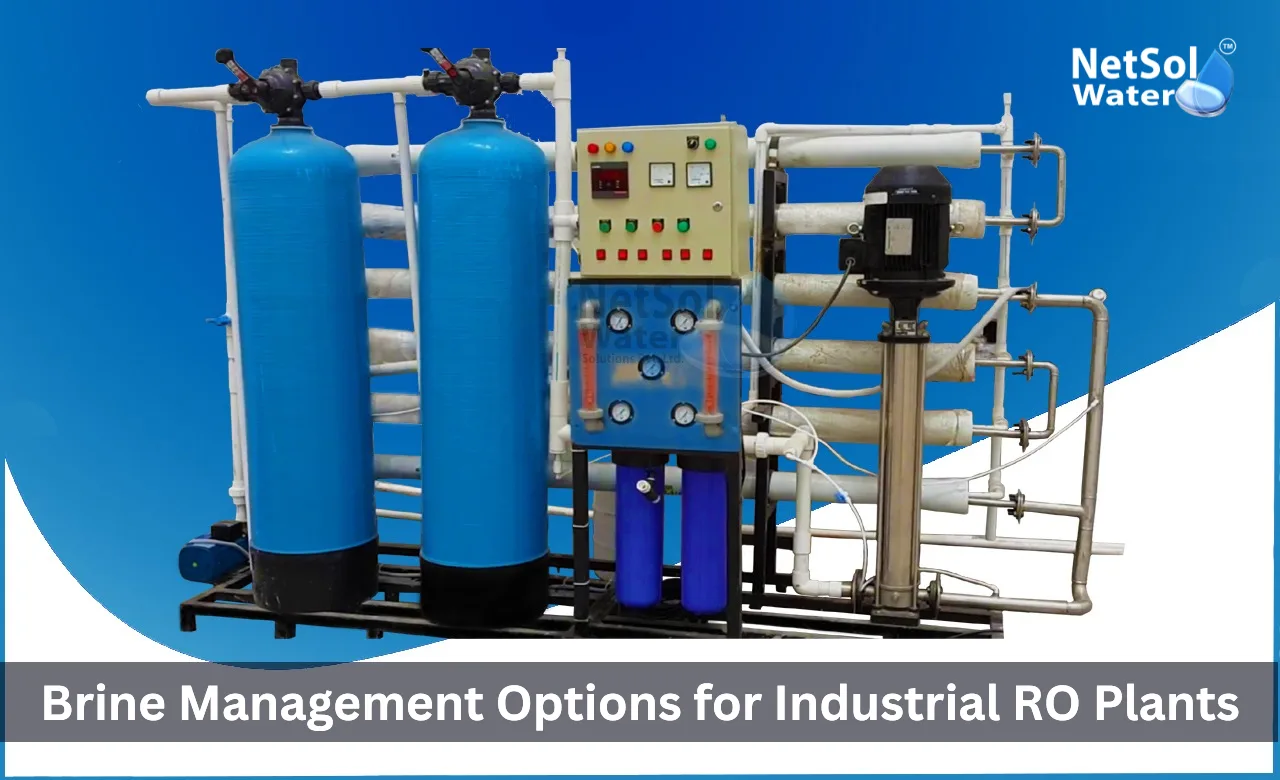
Reducing TDS in an RO plant matters for water quality and for the life of the plant. High TDS can change the taste of water, and it can harm appliances that use water. Industries and homes need water that meets set limits for safety and for downstream processes. Netsol Water is the leading RO plant manufacturer, and it makes plants that meet modern needs. We will explain steps to reduce TDS in an RO system.

Understanding TDS and Why Lowering TDS Matters

Understanding what TDS means helps you choose the right fixes. TDS stands for total dissolved solids. These are salts and minerals that dissolve in water. High TDS changes the taste of water, and it raises electrical conductivity. High TDS also makes scaling on membranes and on pipes more likely. Scaling reduces flow, and it forces more frequent cleaning. That raises cost and reduces uptime. Lower TDS improves taste, and it helps processes that need low mineral content. Medical labs and food makers need consistent low TDS water. Municipal projects use low TDS water to meet standards.

Let us have a look at some ways to deal with TDS and how to measure it accurately.

1. Sources of TDS and Its Measurement

TDS comes from groundwater that passes through soil and rocks. TDS also comes from industrial discharge and from sewer leaks. Seasonal changes can raise TDS in feed water. Measuring TDS is simple, and it helps you control the problem. You can use a TDS meter at the feed and at the permeate. That gives a clear view of RO performance. You must record values at regular intervals. You must compare feed TDS and permeate TDS to find percent rejection. A steady drop in rejection shows a problem such as fouling or membrane wear. Monitoring also helps you plan cleaning cycles.

2. Setting Realistic TDS Goals

Set clear target TDS for the permeate based on use. Drinking water may need lower TDS than cooling water. Industries that need pure water set tight limits. Choose membrane type and system design to meet those targets. When feed TDS is very high, you may need multi-stage RO. Designing a system with the right margin keeps the plant running without frequent shutdowns. The right target helps the RO plant manufacturer size the system and pick the correct components.

Pre-Treatment Methods to Lower the TDS Load on RO

Pre-treatment makes the RO do less hard work. Good pre-treatment protects the membrane, and it reduces operating cost. If feed water has suspended solids or organic matter, the membrane will foul quickly. If hardness is high, the membrane will scale. Pre-treatment removes these threats, and it improves recovery and throughput. When a plant has good pre-treatment, the membrane life grows and the need for chemical cleaning reduces. Let us have a look at some commonly used pre-treatment options and how they protect the system.

1. Mechanical Filtration and Activated Carbon

Mechanical filters remove sand and large particles from the feed water. That keeps the membrane from getting clogged quickly. Simple cartridge filters work when turbidity is low. Multimedia filters suit feeds with higher suspended solids. Activated carbon removes chlorine and organics that can damage thin-film composite membranes. Carbon also improves taste and odor of the feed water. Using a proper sequence of filters keeps the RO stable, and it reduces the chance of sudden failure. Maintenance of pre-filters matters. Replace cartridges and backwash media on a schedule. Doing so keeps flow steady, and it helps maintain consistent TDS removal.

2. Water Softening and Antiscalants

Hardness causes scale on membranes when salts concentrate during RO. Water softening removes calcium and magnesium. Ion exchange softeners swap hardness ions for sodium ions. Softening reduces scale, and it allows higher recovery. Antiscalants work on a chemical level to slow down scale formation. They protect membranes when hardness is present and when recovery is pushed higher. Using both softeners and antiscalants gives strong protection. A good RO plant manufacturer will size the softener and pick the right antiscalant. That choice depends on feedwater chemistry and on the target recovery. Proper dosage and monitoring make these measures effective.

Optimizing RO System Operation and Maintenance

Operation and maintenance decide how well the RO performs long-term. Even a well-built system will fail early if it runs without checks. Operating pressure and flow affect rejection and recovery. Membrane cleaning restores performance when fouling appears. Monitoring tells you when to act, and it keeps downtime low. Regular checks also stop small issues from becoming big ones. Let us have a look at key operational steps and practices that keep TDS low and that protect the system.

1. Membrane Selection and Cleaning

Membrane type affects TDS rejection. Thin-film composite membranes give high salt rejection for most salts. Low-fouling membranes help when organics or biofouling show up. Choose the membrane based on feed TDS and on the required permeate quality. Cleaning restores flux and rejection when fouling appears. Use the cleaning chemicals that match the foulant. Acid cleaners remove scale, while alkaline cleaners remove organic matter. Follow manufacturer guidelines for concentration and temperature. Do not over-clean because that can harm the membrane. Track membrane performance after each cleaning to confirm recovery. A clear log helps the RO plant manufacturer and your operator to refine cleaning intervals.

2. Monitoring Pressure and Recovery

Keep a watch on feed pressure and on permeate flow. Pressure tells you how hard the pump works, and it signals when membranes clog. Flow meters show changes in permeate rate. Sudden drops point to fouling. Keep recovery within design limits to avoid excessive concentration of salts. Too high recovery raises the risk of scaling even with antiscalants. Balance recovery and brine discard to meet TDS goals without wasting water. Install sensors for feed TDS and permeate TDS to watch rejection. Automated systems can alert operators when limits change so actions happen fast.

Read some interesting information for the Sewage Treatment Plant Manufacturer in Delhi

Conclusion

Choosing the right approach to lower TDS makes systems run longer, and it makes water safer and more usable. Practical steps include careful measurement of TDS and clear targets. Use proper pre-treatment to protect the RO. Choose membranes and cleaning plans that fit your feed. Add post-treatment when you need a final polish. Work with a trusted RO plant manufacturer to design the whole solution and to provide support. Netsol Water is the leading commercial RO plant manufacturer, and it can help you with testing, design, and commissioning.

Contact Netsol Water at:

Phone: +91-9650608473

Email: enquiry@netsolwater.com

What-are-the-latest-Hybrid-Purification-Systems-1-2.webp

January 23, 2026by Netsol Water

What is a Good TDS for RO Water?

TDS stands for total dissolved solids. This number tells us how much mineral and salt content water contains. People ask what a good TDS for RO water is because the answer affects health and equipment. The place where RO plants serve many needs is often industrial and commercial settings. These sites need water that meets process needs and safety rules. We are a leading Commercial RO Plant Manufacturer, and it makes plants for many kinds of water use.

TDS and Its Role in RO Water

TDS shows how much dissolved matter water holds. This measure includes minerals such as calcium and magnesium and also salts and small organic particles. Industries track TDS to control scaling and to meet product quality needs. For drinking water, TDS links to taste and health. For boilers and cooling towers, TDS links to scale and corrosion. Let us have a look at some details that explain how TDS shapes water quality.

  • What is TDS?

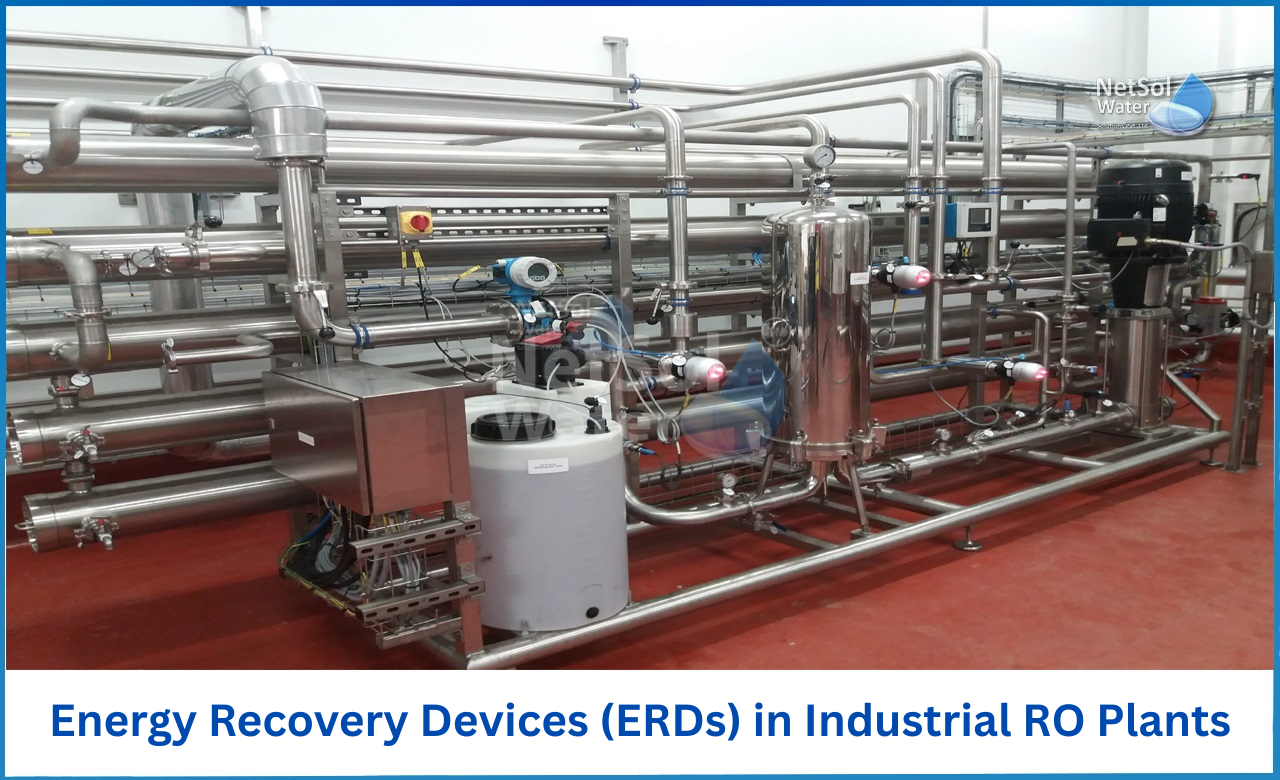
TDS measures all dissolved substances in water. Technicians use meters that read electrical conductivity to estimate TDS. The reading gives a number in parts per million. A low number means fewer dissolved minerals. A high number means more minerals or salts. RO plants remove a large part of these dissolved solids. The efficiency depends on membrane type, feed water pressure, and system design. A well-designed RO plant by an experienced Commercial RO Plant Manufacturer will show steady TDS reduction and low waste.

  • How TDS Affects Water Use

TDS affects taste and chemical balance. In food and beverage, it changes the final taste profile and may alter product stability. In pharmaceutical and lab use, TDS can influence reactions and test accuracy. In boilers and cooling systems, high TDS leads to scale and to higher maintenance. Low TDS can make water too pure, which may leach metals from pipes if not stabilized. Operators must pick a TDS target that matches the process need. Netsol Water is the leading Commercial RO Plant Manufacturer, and it works with clients to set practical TDS goals.

Ideal TDS Ranges for Different Uses

Choosing a target TDS depends on how the water will be used. A single number does not fit all uses. The difference between water for drinking and water for industrial use matters. Let us have a look at some common ranges and the reasons behind them.

  • TDS for Drinking Water

For general drinking water, people often prefer a balanced mineral level. Many agencies advise a range that keeps water safe and pleasant. Very low TDS can taste flat, while very high TDS can taste salty or metallic. Drinking water in many places sits in a range that keeps taste and nutrition balanced. Commercial RO Plant Manufacturers must tune systems to meet local preferences and regulatory standards. Operators may add a post-treatment step to bring minerals back into water. This step improves flavor and reduces corrosive behavior. For public supply and for bottled water, the plant will often aim for a TDS that matches accepted local limits. Netsol Water is the leading Commercial RO Plant Manufacturer, and it can design systems that meet drinking water targets and that add minerals when customers ask.

  • TDS for Industrial Processes

Industrial needs vary widely. Some processes demand very low TDS water to avoid interference in chemical steps. Other processes need a certain mineral content for lubrication or for product consistency. Boiler feed water must meet strict TDS limits to avoid scale and to protect heat exchange surfaces. Cooling towers accept higher TDS, but they need careful monitoring to control fouling. A commercial or industrial site must set a control strategy that fits the process. A reliable manufacturer will propose pre-treatment and post-treatment steps. The plant design will include controls that keep TDS within the chosen range. Netsol Water is the leading Commercial RO Plant Manufacturer, and it helps factories choose the right TDS targets for each application.

How RO Plants Change TDS and How to Control Targets

RO systems work by forcing water through a membrane that blocks many dissolved solids. Operators must manage feed water quality, pressure, and recovery rate. They must also add steps after RO to reach the final desired TDS. Let us have a look at practical steps that keep TDS stable and useful.

  • RO Performance and TDS Control

RO reduces TDS by a percentage that varies with membrane and conditions. The design will aim for a certain rejection rate. Operators test the feed and permeate regularly to confirm performance. System factors like temperature and pressure change rejection. Pre-treatment removes suspended solids and chlorine, which can harm membranes. Proper maintenance keeps performance steady. Commercial RO plant manufacturers will size the system to match daily flow and keep recovery at a safe level.Netsol Water is the leading RO Plant Manufacturer, and it trains staff to run tests and to act on trends.

  • Remineralization and Post-Treatment

Very pure water may not suit all systems. Remineralization adds back selected minerals. This step adjusts taste and stabilizes corrosive effects. Common methods for remineralization include mineral dosing and contact with calcium carbonate media. The choice depends on desired TDS and on the sensitivity of downstream equipment. Adding a controlled amount of mineral raises TDS to the target range. The process also helps pipes and storage tanks remain stable. A manufacturer can supply matched post-treatment units so that the final water meets process needs or consumer expectations.

  • Monitoring and Maintenance

Regular monitoring uses TDS meters and lab tests. Operators watch for sudden jumps or consistent rises in permeate TDS. These changes signal membrane wear or a change in feed water. Maintenance tasks include membrane cleaning and replacement. A trained maintenance plan keeps the RO plant working with steady TDS results. An RO Plant Manufacturer will offer service plans and spare parts to make long-term operation reliable.

Read some interesting information for the Effluent Treatment Plant Manufacturer in Gurgaon

Conclusion

The right TDS target depends on the use case and on local preferences. Commercial RO Plant Manufacturer expertise helps set realistic targets and deliver the plants that meet them. Netsol Water is the leading Commercial RO Plant Manufacturer, and it offers design and support for a wide range of needs. If you need help choosing a target TDS or if you plan to install a commercial system, contact Netsol Water for a consultation.

Contact Netsol Water at:

Phone: +91-9650608473

Email: enquiry@netsolwater.com