
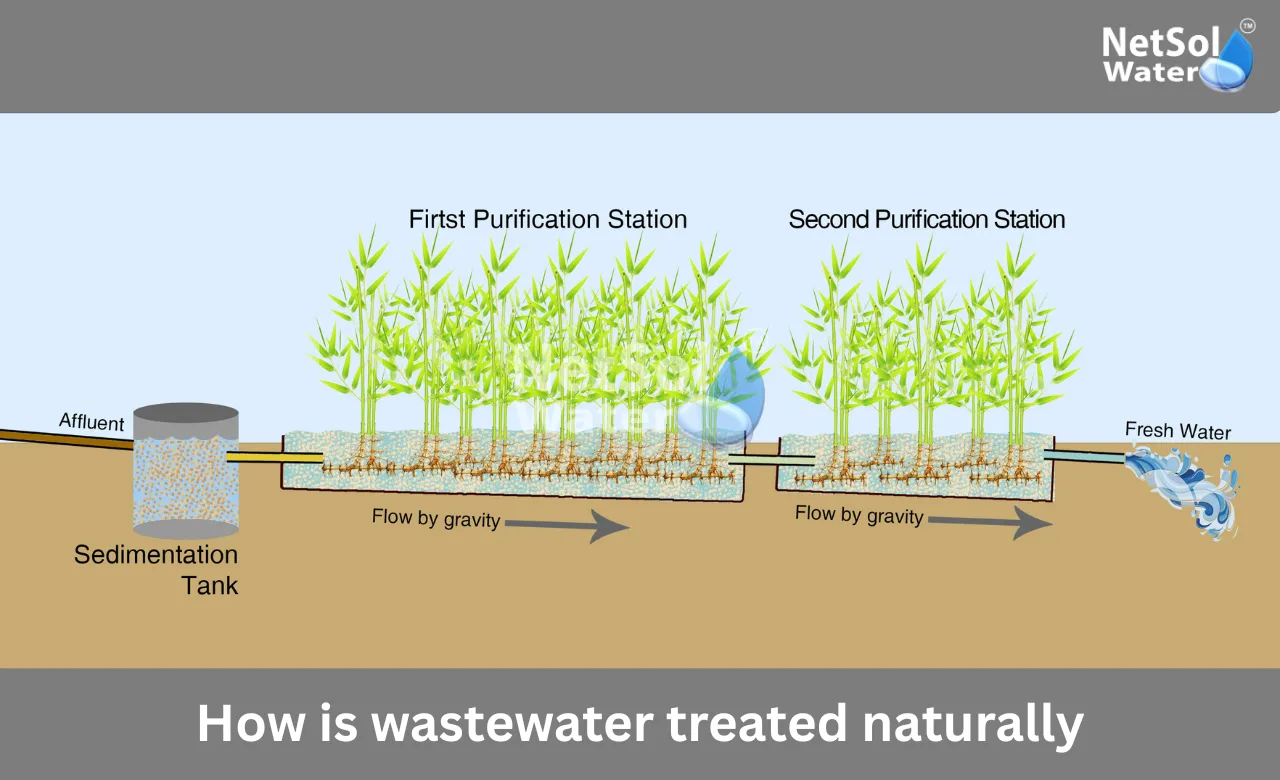
How Is Wastewater Treated Naturally?
Water is one of the most critical resources for human life, and it is used in large quantities by every industry on a daily basis. This water is then turned into wastewater and contains dirt, chemicals, organic matter, and harmful materials. This water can cause harm to rivers, lakes, and soil if it is not treated first. In many countries throughout the world, attention is now being paid to sustainable wastewater management, and natural treatment is gaining increasing popularity.
Natural wastewater treatment is a process that relies on the natural microbial action of plants, sunlight, and soil to purify polluted water. These methods are very simple and environmentally friendly, and have been applied for a long time. They also lower energy consumption and running expenses.
For many industry applications and cities, natural systems are sufficient, while for other applications, advanced systems designed by a professional wastewater treatment plant manufacturer are required. Netsol Water is a leading wastewater treatment plant manufacturer, delivering efficient solutions for wastewater treatment and thereby ensuring environmental protection in industries.
Need for Natural Wastewater Treatment
Natural treatments are worth mentioning because they work with nature rather than against it. They are easily able to remove pollutants, and they can help improve water quality. These systems also help protect the environment and conserve resources.
Let’s take a look at some of the major reasons why it’s important to utilize natural wastewater treatment.
1. Water Resources Protection
Fresh water is available primarily from rivers, ponds, and groundwater. These water bodies can be contaminated with harmful bacteria and chemicals when untreated wastewater is released. Many pollutants are removed by natural treatment methods before the water reaches the environment. This process helps maintain the health of aquatic life and ensures that water is ready for future uses.
2. Low Energy Requirement
Mechanical technologies typically need large equipment and a sustained power feed. Natural systems use plants and naturally occurring microorganisms that absorb sunlight, so they require less energy and lower operating costs. This makes them applicable for rural regions and small communities where energy resources may be limited.
3. Environmental Sustainability
Natural treatment solutions contribute to biodiversity and the development of green spaces. Wetlands and ponds constructed for treatment can also serve as habitats for birds and insects. Such systems also enhance the landscape and promote ecological balance. They are sustainable and play a crucial role in contemporary wastewater management strategies.
Natural Wastewater Treatment Methods
Pollutants are removed from wastewater through different natural processes. Both biological and physical means are used to clean the water. These methods may operate as stand-alone systems or be combined to provide improved treatment.
Let’s take a look at some common natural methods of wastewater treatment.
1. Constructed Wetlands
Constructed wetlands are man-made ponds with water plants and gravel beds. Microorganisms colonising the roots of plants decompose the organic material as the wastewater moves slowly through them. The plants also uptake nutrients like nitrogen and phosphorus. This helps decrease pollutants and enhance water quality. Constructed wetlands are low-maintenance systems that can be used to treat domestic and industrial wastewater.
2. Stabilization Ponds
Stabilization ponds are shallow ponds that hold wastewater for several days. Algae and light are important components of these ponds. Oxygen is generated by algae, which enables the growth of beneficial bacteria. These bacteria break down organic matter and decrease harmful substances in the water. Stabilization ponds are simple to operate and are in widespread use in regions where a large land area is available.
3. Soil Filtration Systems
A soil filtration system is a system in which wastewater passes through sand and soil layers. Suspended solids and microorganisms are filtered out by the soil. The soil is home to beneficial bacteria that further treat the pollutants. This is an easy and effective technique, and it has been used in small communities and neighbourhoods.
Role of Plants and Microorganisms in Natural Treatment
Plants and microorganisms are essential for the proper functioning of natural treatment systems. They undertake the primary clean-up and help each other keep the water clean. They provide balance in the system for the removal of contaminants from wastewater.
Let’s look at some of the roles of plants and microorganisms.
1. How Plants Improve Water Quality
Nutrients are taken up by plants from the water. They have a large surface area for beneficial bacteria to grow on. Certain plants also help capture suspended particles and facilitate oxygen flow in the water. This concurrent action enhances the efficiency of natural water treatment systems and yields better-quality water.
2. How Microorganisms Break Down Pollutants
Organic wastes in wastewater are consumed by microorganisms like bacteria and fungi. In the course of this process, they help turn harmful substances into simpler substances. They also help eliminate undesirable odours and enhance the quality of treated water. Since these organisms multiply naturally, they can continue the treatment process for a long time without major intervention.
Advantages and Disadvantages of Natural Wastewater Treatment
Natural systems provide a number of advantages and are an appealing choice for many communities. They also have some drawbacks that need to be taken into account before using this treatment method.
Let’s take a closer look at some advantages and disadvantages of natural treatment systems.
1. Major Benefits
Natural treatment methods are cost-effective and environmentally friendly. They use less energy and require less maintenance than many mechanical systems. They also help create green landscapes and protect wildlife. These systems can generate treated water that can be used for irrigation and other non-potable applications.
2. Limitations
Typically, larger land areas are required for natural systems than for advanced treatment plants. Their performance may also vary depending on the weather and seasons. Industries generate wastewater that may contain high concentrations of chemicals, and these types of wastewater may need other treatment technologies. That is why many industries require the assistance of a wastewater treatment plant manufacturer to develop a comprehensive treatment system that adheres to environmental requirements.
Read some interesting information for the Industrial RO Plant Manufacturer
Conclusion
Natural wastewater treatment is an example of how nature can offer an easy, sustainable solution to environmental issues. Pollutants are reduced and water quality is improved through the combined action of plants, microorganisms, soil, and sunlight. These methods conserve energy and are beneficial to the environment. However, some industries and large facilities need more sophisticated systems composed of both natural and modern technologies to improve system performance.
Proper selection of a treatment plant is important for the protection of water resources and meeting discharge criteria. Netsol Water is a top wastewater treatment plant manufacturer in India, providing wastewater treatment solutions to various industries. For expert advice, or if you are considering installing an advanced treatment system, you can contact an experienced wastewater treatment plant manufacturer and get a consultation to find the solution that works best for your needs.
Contact Netsol Water at:
Phone: +91-9650608473
Email: enquiry@netsolwater.com