
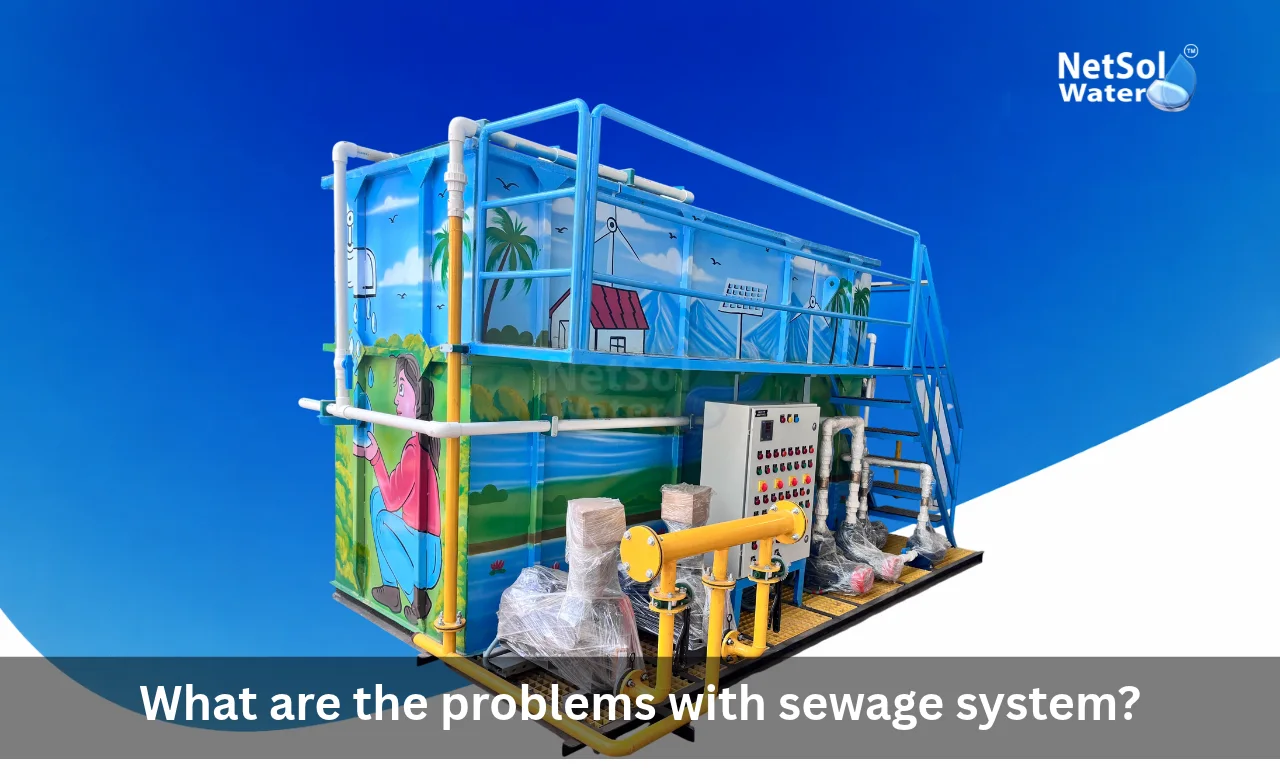
What are the problems with the sewage system?
One of the most important components of any type of city or town is a sewage system. It transports wastewater from residences, industries, hospitals, and businesses to treatment plants, where it is treated before being discharged or recycled. The sewage system protects public health and helps to maintain the cleanliness of rivers, lakes, and groundwater.
India is well known for its fast-growing cities and large population. This expansion has given rise to the need for improved sanitation and wastewater services. But despite these efforts, there are still issues in many locations due to the inability of existing sewer infrastructure to accommodate the volume of wastewater generated.
A poorly maintained sewage system poses health hazards and harms the environment. Diseases can be transmitted from impure water, it can make life unpleasant, and it can contaminate water bodies. This is one of the reasons why there is an increasing need for many industries and local bodies to invest in modern treatment solutions. Netsol Water is the top sewage treatment plant manufacturer that delivers its innovative solutions to streamline the wastewater treatment process and make the community cleaner, healthier, and more efficient.
Inadequate sewerage is a major issue
All communities need a robust sewage network to effectively capture and convey wastewater. Poor and underdeveloped infrastructure negatively affects both man and the environment. There are many cities with pipelines dating back many years. Systems frequently fail due to the fact that they were created for a lot smaller populace. Cities continue to expand with the old infrastructure straining to deal with the ever-growing amount of wastewater. Let’s check out some of the big infrastructure issues.
1. Old and damaged pipelines
A lot of pipes for sewage treatment have reached the end of their service life. Water escapes through cracks and broken joints and seeps into the ground. This pollution can impact groundwater and threaten the health of nearby communities. Damaged pipelines also allow rainwater to flow into the system, thus increasing the burden on treatment plants. By regularly inspecting and repairing damaged pipes promptly, such issues can be mitigated, and the sewage system can function more efficiently.
2. Growing population increases pressure
Urban development is ongoing every year, and more buildings are now connected to the same sewer system. The volume of the wastewater is significantly larger than the capacity of the existing system. The consequence is that sewage lines overflow, and untreated sewage flows into open drains and into the local rivers. Improving sewerage infrastructure through enhanced planning contributes to the provision of adequate sewerage services in the future and to sustainable development.
Poor maintenance reduces system efficiency
All sewage systems are maintained regularly and in good working order. Even if the network is well designed, it may still fail because of a lack of cleaning or inspections. Pumps and other equipment get damaged by blocked pipelines, and neglect lowers the overall system efficiency. These issues lead to additional environmental pollution and higher operating expenses. Let’s see some of the maintenance-related issues.
1. Blocked drains and pipelines
A lot of people dump cooking oil, food waste, and other trash into the drains in plastic bags. These materials develop within pipes and block the natural flow of wastewater. Flooding sewerage is a common problem during heavy rain because of blocked drains. The overflowing water helps to spread odors and promotes unhealthy conditions. Minimizing blockages can be done by raising awareness and proper disposal methods, thereby improving the performance of the system.
2. Failure to make regular inspections
Major issues are the only time that most sewage backup is addressed. Leaks, even small ones, can cause damage to pumps, while worn equipment can go unnoticed for extended periods of time. These minor problems can escalate to costly repairs. The regular inspections aid in early detection of issues and enable the treatment systems to work effectively year-round.
Pollution pollutes people and nature
The main purpose of a sewage treatment system is to provide protection to the environment by treating the sewage water before discharging it into the environment. Inadequate sewage treatment, or leakage into natural waters, can result in serious environmental damage. Rivers and lakes are clean and promote a healthy ecosystem and water for various uses. So, the preservation of these resources is crucial for each community. Let’s take a look at some of the environmental issues that arise from inadequate sewage systems.
1. Water pollution
Rivers, lakes, and ponds have dangerous bacteria, chemicals, and organic material in the water as a result of uncontrolled sewage releases. Polluted water becomes undrinkable for humans, and it also has a negative impact on fish, plants, and other aquatic organisms. The farmers affected can also produce poor-quality produce because of the use of contaminated water for irrigation. Effective treatment of wastewater protects the natural water resources and improves ecology.
2. Soil contamination
Toxic chemicals are found in surrounding soil from sewage pipelines/overfilled drains. Over time, polluted soil has an adverse impact on plant growth and the quality of land. Groundwater also may be contaminated in some areas and used for drinking. The proper collection and treatment of sewage will help to reduce risks and keep the environment cleaner.
Health and economic problems require immediate attention
The lack of adequate sewerage impacts many aspects and causes. It has an impact on the health of the populace as well as the economic development of public health and quality of life. Sewage management is important because communities with good sewage have a cleaner environment and fewer disease outbreaks. The other benefit to companies is that they appear more appealing to invest in, or public confidence is created in clean company environments. Let’s have a look at some of the major impacts.
1. Spread of diseases
Untreated sewage is a source of bacteria, viruses, and insects. The population around the overfilled drains suffers from diseases such as cholera, typhoid, and dysentery. Children and older adults are at higher risk for health problems due to weak immunity. These risks can be significantly reduced, and communities improved, by good wastewater treatment.
2. Financial losses
Sewage failures are common and have to be repaired in an emergency, causing increased maintenance costs. Flooded roads also lead to economic impacts on local government agencies and businesses, as well as damage to buildings and polluted water. Investing in modern sewage treatment plants is cost-effective in the long term because the sewage treatment plants have to be updated periodically, and a repeated failure can also lead to a low cost for sewage treatment plant maintenance.
Importance of modern sewage treatment solutions
Modern sewage treatment systems provide solutions to some of the wastewater problems that have existed for a long time. The more advanced technologies are more effective at removing pollutants that would otherwise be harmful to life and provide treated water for other uses such as landscape irrigation, industrial cooling systems, and much more. This alleviates the stress on fresh water and facilitates sustainable development.
The modern treatment plants are also equipped with energy-efficient equipment and an automated monitoring system that optimizes the performance of treatment while reducing the operational cost. Advanced sewage system treatment technology and regular maintenance will ensure efficient operation of the sewage system for many years. Industries and municipalities can increase their environmental compliance and long-term success by enlisting professional system design installers and maintainers.
Read some interesting information for the Effluent Treatment Plant Manufacturer
Conclusion
A well-designed sewage system is important to ensure the health of all communities and to save natural resources. Pipeline maintenance is still inadequate, and the increase in population and pollution is still a big issue. Problems can be minimized with improved planning, regular maintenance, and the implementation of more advanced wastewater technology. The selection of the correct sewage treatment plant manufacturer is an important step in the creation of robust sewage treatment plants that cater to current and future requirements.
Netsol Water is the top sewage treatment plant manufacturer, providing reliable wastewater treatment plants to industries, commercial buildings, and local authorities. You will be able to reach out to the knowledgeable team at Netsol Water, who will be able to guide you towards the right treatment plant or upgrade for your wastewater management needs.
Contact Netsol Water at:
Phone: +91-9650608473
Email: enquiry@netsolwater.com