Sewage Treatment Plant Manufacturer - Sewage Treatment Plant Manufacturers

Commercial-RO-Plant-Manufacturer-in-Uttar-Pradesh.webp

April 1, 2026by Netsol Water

What is the difference between STP and WWTP?

Water treatment plays a major role in keeping our homes, towns, and industries clean and safe. Many people hear the terms STP and WWTP and think they mean the same thing. They sound similar, and they both deal with used water. Still, they serve different needs and they work in different ways. When you understand the difference, you can make better choices for your project, building, or industry.

An STP means Sewage Treatment Plant. It treats wastewater that comes mainly from homes, offices, hotels, and residential buildings. A WWTP means Wastewater Treatment Plant. It covers a wider range of water treatment needs. It can treat sewage, but it can also treat industrial water and other mixed waste streams. This makes the difference important for anyone who wants the right system for the right purpose.

A trusted sewage treatment plant manufacturer helps clients choose the correct plant based on water source, flow load, and final use of the treated water. This choice affects cost, space, performance, and maintenance.

What Is an STP

An STP treats sewage from domestic sources. It removes solids, organic matter, grease, and harmful germs from wastewater that comes from daily human use. This water usually comes from toilets, bathrooms, kitchens, and washing areas. Since this water has a common pattern of pollution, the treatment process stays focused and well defined.

Let us have a look at some key points that make an STP useful in many places.

1. Main Source of Wastewater

An STP usually handles wastewater from homes, apartments, schools, hospitals, and small commercial buildings. The water has organic waste, soap, dirt, and human waste. It does not usually contain heavy industrial chemicals. Because of this, the treatment steps stay simple compared to larger mixed systems.

2. How an STP Works

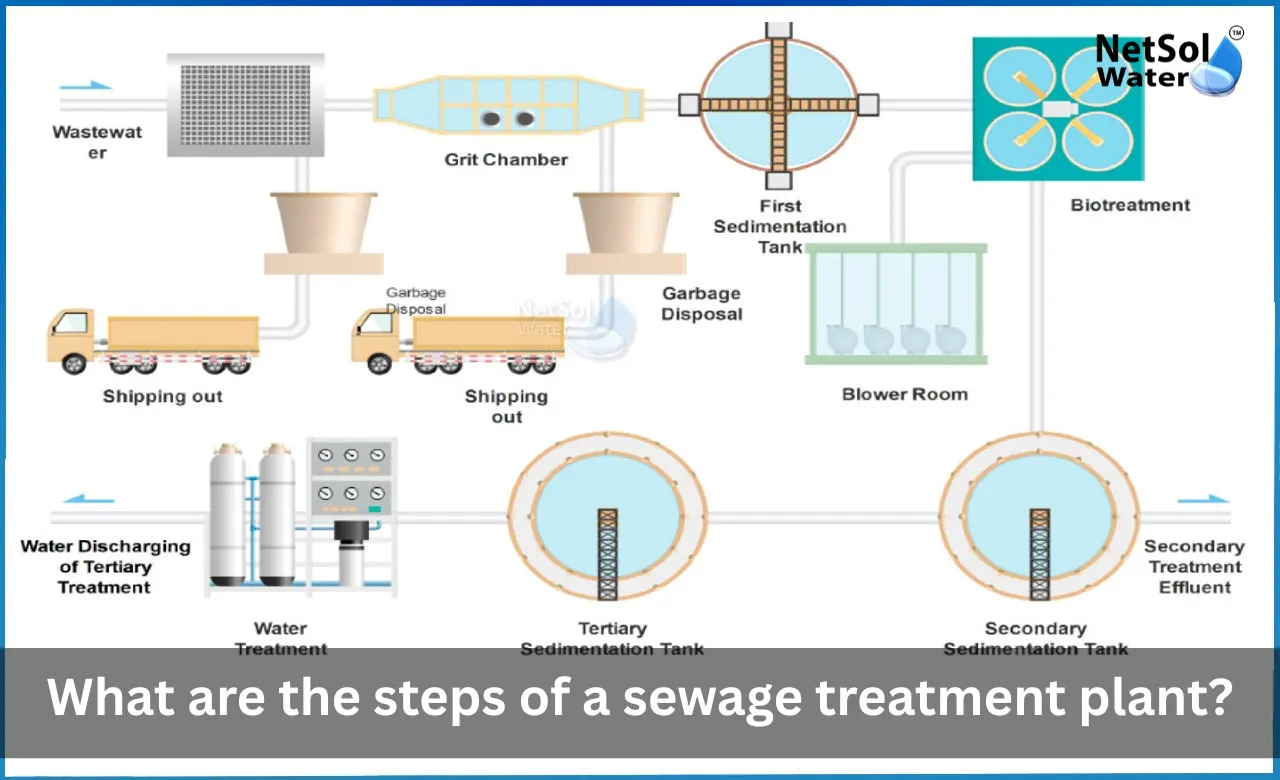
An STP works in stages. First, it removes large solids. Then it settles sludge and breaks down organic matter with biological treatment. After that, it clears the water further so people can reuse it for gardening, flushing, or other non-drinking uses. Each stage supports the next one and helps produce cleaner water.

3. Where STPs Fit Best

An STP suits places where sewage comes from people and daily living. It works well in housing societies, hotels, educational buildings, and office complexes. A sewage treatment plant manufacturer often recommends STP systems when the waste source stays mostly domestic and the treatment goal stays clear and direct.

What Is a WWTP

A WWTP treats a wider type of wastewater. It does not focus only on sewage from households. It can handle industrial effluent, storm-related water, and mixed wastewater from many sources. Because the waste load changes from site to site, the design often becomes more flexible and more complex.

Let us have a look at some important points that help explain WWTP systems.

1. Wider Range of Wastewater

A WWTP can treat water from factories, markets, processing units, and mixed urban drains. This water may contain chemicals, oils, suspended matter, and other pollutants. Since the wastewater changes a lot, the treatment system must adapt to different contamination levels.

2. More Flexible Treatment

A WWTP may use more treatment stages than an STP. It may include chemical treatment, advanced filters, membrane systems, and stronger biological processes. The plant must match the wastewater quality and the required output. This makes design and operation more detailed.

3. Where WWTPs Fit Best

WWTPs work well in industrial zones, cities, and large mixed-use areas. They suit places where water comes from many sources and where the pollution load changes often. A sewage treatment plant manufacturer may suggest a WWTP when the site needs a broader and more adaptable treatment solution.

STP and WWTP Difference

The main difference between STP and WWTP lies in the type of wastewater they treat. An STP handles sewage from homes and other domestic spaces. A WWTP handles sewage plus many other kinds of wastewater. This means a WWTP usually covers a wider scope than an STP.

Let us have a look at some clear points that separate the two.

1. Wastewater Type

An STP deals with sewage that mostly comes from human activity in domestic spaces. A WWTP deals with sewage and industrial or mixed water. This is the first and most basic difference. If the water comes from a housing society, then an STP may fit well. If the water comes from a factory or mixed site, then a WWTP may fit better.

2. System Design

An STP often follows a standard design because domestic sewage stays fairly similar from one project to another. A WWTP needs more custom planning because the waste type changes. It may need extra treatment units to handle oils, chemicals, or strong pollutants.

3. Treatment Complexity

An STP usually has a simpler process. It focuses on removing solids, organic load, and germs. A WWTP may include additional chemical or advanced treatment steps. This makes it more complex and often more expensive to build and run.

4. Operation and Maintenance

An STP usually needs regular care, but the process stays more predictable. A WWTP may need deeper technical support because its input water changes often. Operators may need more checks, more controls, and more testing to keep the system stable.

5. End Use of Treated Water

Both systems can produce reusable water. Still, the final use depends on how clean the water becomes. STP treated water often works for flushing, gardening, and similar uses. WWTP treated water may serve a wider set of reuse options after stronger treatment, depending on plant design and site needs.

Why the Difference Matters

Knowing the difference helps you save time, money, and effort. If you choose an STP for water that carries industrial waste, then the plant may not perform well. If you choose a WWTP for simple domestic sewage, then you may spend more than needed. The right choice depends on the source of wastewater and the quality you want at the end.

This is where a skilled sewage treatment plant manufacturer plays an important role. The right manufacturer studies the site and checks flow rate, waste type, space, and future demand. Then the team suggests a plant that fits the real need. This helps the project run better from the start and reduces trouble later.

The difference also matters for approvals and planning. Many projects need clear compliance with local rules. When you know whether you need an STP or WWTP, you can plan the layout, treatment stages, and budget in a more practical way. That saves both time and resources.

How to Choose the Right Plant

A good choice starts with a clear study of the wastewater. You need to know where the water comes from, what it contains, and how much water flows every day. You also need to think about how much space you have and what you want to do with the treated water.

A sewage treatment plant manufacturer can guide you through this process. The team can inspect the site and help you compare the load and the treatment need. If the project mainly deals with domestic sewage, then an STP may be enough. If the water has mixed or industrial waste, then a WWTP may be the better path.

Read some interesting information for the Sewage Treatment Plant Manufacturer in Gurgaon

Conclusion

STP and WWTP may sound similar, but they do not serve the same purpose. An STP focuses on domestic sewage, while a WWTP handles a wider range of wastewater. The right choice depends on the source of water, the type of waste, and the final reuse goal. When you understand this difference, you can plan a better and more efficient treatment system.

If you need support in choosing the right solution, then a sewage treatment plant manufacturer can help you with expert guidance and a practical design. Contact us to learn more or request a consultation for the right treatment plant for your project.

Contact Netsol Water at:

Phone: +91-9650608473

Email: enquiry@netsolwater.com

What-are-the-two-major-types-of-water-treatment-plants-1.webp

March 26, 2026by Netsol Water

What is the difference between wastewater and sewage?

We are the leading sewage treatment plant manufacturer and support communities and industries with practical systems that manage used water in a safe way. When people understand how wastewater and sewage differ, they can choose the right treatment method and support a cleaner and healthier environment for everyone.

What Is Wastewater?

Wastewater means any water that people use and then send away through drains. It comes from many daily activities in homes, offices, industries, and commercial places. This water may contain soap, grease, food particles, dust, cleaning agents, and other unwanted matter. It does not always contain human waste. That makes wastewater a broad term that includes many different kinds of used water. People should understand this term because it shows how much pollution can begin with ordinary daily life. Let us have a look at some important parts of wastewater so the idea becomes clear and easy to follow.

1. Domestic Wastewater

Kitchen water often carries oil and food waste, while bathroom water may carry soap and hair. This water may seem less dangerous than sewage, but it still creates harm if people release it without treatment. It can pollute drains, rivers, and soil, and it can also create bad smells in the surroundings. When communities collect and treat domestic wastewater properly, they reduce pollution and improve daily living conditions. That is why domestic wastewater needs care even when it does not contain toilet waste. Good treatment helps people protect local water sources and maintain better hygiene around homes and residential areas.

2. Industrial Wastewater

Industrial wastewater comes from factories and production units. It often carries chemicals, dyes, oils, salts, metals, and other harmful materials. Its content changes from one industry to another because each process uses different substances. A textile plant may release coloured water, while a food unit may release water with grease and organic waste. This type of wastewater can damage the environment very quickly if people do not treat it with care. It may also affect workers nearby and the water bodies around the industry. Because industrial wastewater can differ so much from place to place, a sewage treatment plant manufacturer may study the source in detail before suggesting the right treatment and disposal solution. The goal is not only to clean the water but also to make sure the plant matches the waste load and works in a stable way for a long time.

What Is Sewage?

Sewage is used water that mainly contains human waste along with water from toilets and washrooms. It usually comes from homes, offices, schools, hospitals, hotels, and other places where people use sanitary systems. Sewage carries a higher health risk because it can contain bacteria, viruses, parasites, and other harmful germs. For this reason, people must collect, transport, and treat it with great care. It needs a stronger treatment process than many other kinds of wastewater.

1. Sources of Sewage

Sewage usually begins in toilets and bathroom drainage systems. It may also include water from sinks and wash areas when the plumbing network mixes these flows together. In many buildings, all these streams enter the same sewer line and form one waste stream. Since sewage carries human excreta, it becomes much more dangerous than regular used water. It can spread infection if it leaks into open drains or if the treatment system fails. That is why cities and towns need proper sewer networks and treatment plants to move sewage away from people and handle it safely.

2. Risks Linked to Sewage

Sewage can harm public health very quickly when people do not manage it properly. It may spread stomach infections, skin diseases, and other waterborne illnesses. It also creates strong smells and attracts flies and mosquitoes. If sewage enters rivers, lakes, or soil, it can destroy water quality and affect plants, animals, and people around the area. That is why every city needs a strong system for collection, treatment, and safe discharge. A trusted sewage treatment plant manufacturer designs plants that remove solids, reduce germs, and help make the final water safer for the environment. Good treatment also supports better sanitation in neighbourhoods and lowers the chance of disease spread during regular daily life.

Main Difference Between Wastewater and Sewage

Wastewater and sewage both refer to used water, but they do not mean the same thing. Wastewater is the wider term and it covers all water that people use and then discharge. Sewage is a smaller category and it mainly refers to water that carries human waste from toilets and sanitary lines. This difference matters because treatment teams must understand what kind of water they are handling before they choose a process.

1. Source Difference

Wastewater can come from many places such as kitchens, laundry areas, cleaning systems, and industrial processes. Sewage usually comes from toilets and other sanitary outlets. Because of this, sewage contains a greater amount of human waste and harmful microorganisms. Wastewater may still contain dirt, soap, and chemicals, but it does not always carry toilet waste. This source difference helps people separate the two terms without confusion and choose the proper treatment approach. Once people know where the water comes from, they can understand what kind of risk it carries and what kind of plant or process it needs for safe handling.

2. Pollution Level Difference

Wastewater can contain oil, soap, dust, organic matter, and chemicals. Sewage contains all these types of matter too, but it also includes fecal waste and urine. That makes sewage more dangerous for health and the environment. It can spread disease faster than ordinary grey water. So while people can call all sewage a type of wastewater, they cannot call all wastewater sewage. This difference matters in water management because the treatment system must match the pollution level of the incoming water. A stronger waste load needs a stronger process, and that is why correct identification saves time and improves treatment results.

3. Treatment Difference

Different kinds of water need different treatment methods. Some wastewater may need simple screening, settling, or biological treatment before discharge. Sewage usually needs a stronger process because it carries more germs and more organic waste. It may need primary treatment, biological treatment, and disinfection before safe release. This is where a sewage treatment plant manufacturer plays an important role because the company studies the source and design needs before suggesting a plant. The right treatment method improves safety, lowers pollution, and also supports water reuse in many cases. It also helps plant owners avoid overdesign or underdesign, which can both create long-term problems in operation and maintenance.

Read some interesting information for the Commercial RO Plant Manufacturer

Conclusion

The difference between wastewater and sewage may sound small, but it affects health, safety, and the environment in a major way. Wastewater includes all used water, while sewage refers more specifically to water that carries human waste. This simple difference decides how people collect, treat, and reuse the water. When communities and industries understand it, they can reduce pollution, protect water sources, and improve sanitation. Choosing the right system also saves time, money, and effort in the long run. If you need expert help for water management, contact a trusted sewage treatment plant manufacturer and ask for a consultation today. Netsol Water can guide you with simple, reliable, and effective treatment solutions that suit modern needs.

Contact Netsol Water at:

Phone: +91-9650608473

Email: enquiry@netsolwater.com

Which-country-has-the-best-sewage-system-1280x853.webp

March 21, 2026by Netsol Water

Which Country Has the Best Sewage System?

Choosing which country has the best sewage system depends on many things. An STP plant manufacturer shapes how cities treat waste and reuse water. We lead as a sewage treatment plant manufacturer, and it also helps shape many projects in growing markets and urban hubs.

India: Rapid Expansion and Innovation

India stands at a turning point in wastewater work. The country now funds large projects and it pushes for reuse and better systems. Urban missions and river cleaning drives make wastewater treatment a national concern. These efforts aim to cut pollution and to turn treated water into a resource.

1. Scale

India now hosts some of the biggest treatment plants. The Okhla Wastewater Treatment Plant serves many people and it handles huge flow each day. Large plants help cities lower raw sewage discharges and they offer steady treated water for use. Building plants at this scale demands solid design and skilled operation. A sewage treatment plant manufacturer that works at this size must plan for long-term loads and changing patterns. Plant builders also must ensure safe sludge handling and clear out odour and risk. Strong scale brings the chance to treat more water and to reduce pollution in big rivers and lakes.

2. Zero Liquid Discharge (ZLD)

Some Indian cities now seek zero liquid discharge as a target for industrial effluent. Surat shows how this aim can work. The city now fields many plants and it rates them with clear standards. Zero liquid discharge forces firms and plant makers to find ways to recover water and solids from waste streams. This work reduces harm to rivers and it frees treated water for reuse. An STP plant manufacturer must add steps that remove salts and residuals. These steps need energy-wise choices and steady monitoring. Cities that adopt ZLD also gain new jobs in treatment and reuse operations.

3. Technology

India uses many modern methods that fit its climate and budgets. One widely used method is the Upflow Anaerobic Sludge Blanket in warm regions. This system breaks down organic matter and it can produce biogas as a useful fuel. Engineers choose UASB when they need cost control and steady performance at large scale. A sewage treatment plant manufacturer brings the right mix of tanks and controls and then matches them to local skill levels. When plants blend biological steps with simple mechanical screens, the whole system works with less downtime. New sensors and remote checks now help operators keep plants stable.

4. Reuse and Revenue

Some Indian cities now turn treated water into income. Cities like Bengaluru and Surat treat urban wastewater so industries can use it. This reuse cuts pressure on fresh water sources. It also creates fees and steady sales for treated flow. For a sewage treatment plant manufacturer, this change opens new business models. Suppliers need to meet industrial quality rules and then assure steady delivery. When plants run well, industries gain a reliable source. When municipalities sell treated water, they can fund more treatment work and expand coverage.

Global Leaders

Many nations now show models of high coverage and strong treatment levels. These nations often pair strict law with skilled design and steady funding. Let us have a look at some of the most cited leaders and the areas where they focus.

1. Denmark and Finland

Denmark and Finland appear at the top of many measures for wastewater work. These countries use rules and technology that push energy recovery and lower pollution. Plants often act as energy sources through gas capture and heat use. Systems also focus on turning nutrients into usable products. A sewage treatment plant manufacturer that serves these markets must meet strict standards and offer long-lived solutions. Operators in these nations train for precise control and they use ongoing research to improve performance. The result is near-universal connection and steady, high-quality discharge.

2. Singapore

Singapore now runs closed-loop schemes that show how cities can turn sewage into safe, high-grade water. The NEWater program cleans treated effluent to drinking quality and then it returns that water to the urban supply. This move reduces dependence on distant sources and it secures supply during dry periods. A sewage treatment plant manufacturer that helps this approach must deliver multi-stage cleaning and advanced membranes. Systems also need strong monitoring and public trust steps. Singapore shows that reuse at scale can become part of a city water plan.

3. The Netherlands

The Netherlands connects almost all people to advanced tertiary treatment. The nation now focuses on nutrient recovery and on cutting emissions. Farmers and industry can reuse nutrients that plants recover. A sewage treatment plant manufacturer working in the Netherlands must design for precision and for steady recovery of phosphorus and nitrogen. Plants often include steps that make recovered nutrients safe and market-ready. This work helps close loops in food and in urban systems.

4. Germany

Germany now treats nearly all private wastewater with engineered plants that meet tight rules. The nation keeps high reuse and it keeps strict control on industrial discharges. German systems show how robust laws and skilled plants combine to lower pollution. A sewage treatment plant manufacturer that serves Germany must meet high build and materials standards. Plants also must include steps for sludge treatment and for energy recovery. The outcome is long-lived systems that protect people and nature.

Read some interesting information for the Commercial RO Plant Manufacturer in Faridabad

Conclusion

Good sewage systems matter for health, for farming, and for cities that wish to grow. Different nations show different routes. Some scale big plants, and others push closed-loop reuse. A sewage treatment plant manufacturer can guide projects and match technology to local goals. Netsol Water leads in this space, and it can help design, bring, and run solutions that fit needs and budgets. If you want to learn more, or if you wish to request a consultation, reach out for project advice and for a practical plan that meets your goals. Contact Netsol Water to start a conversation about cleaner water and about plants that work for your place.

Contact Netsol Water at:

Phone: +91-9650608473

Email: enquiry@netsolwater.com

How-many-types-of-sewage-are-there.webp

March 17, 2026by Netsol Water

How Many Types of Sewage Are There?

Sewage affects every town and city and it shapes how people plan water services. We will explain the main types of sewage and why engineers and planners must treat each type with care. We are the leading sewage treatment plant manufacturer, and it offers plants that match each sewage type. Knowing the kinds of sewage helps local authorities and companies choose the right plant and reduce environmental harm.

Domestic Sewage (Sanitary Sewage)

Domestic sewage comes from homes, schools, and small businesses. It carries organic matter and household chemicals. This type of sewage forms the core of what many sewage treatment plant manufacturers designs must handle. Treating domestic sewage protects public health and keeps rivers and lakes safe.

Domestic sewage splits into two clear sub-categories. One sub-part covers water from sinks, showers, and laundry. The other sub-part covers toilet wastes and items flushed down the toilet. Each of these needs a focused approach in the plant design. Systems that work well for one sub-part may need changes to treat the other.

1. Greywater

Greywater comes from sinks, showers, bathtubs, and washing machines. This water contains soap, oils, hair, food scraps, and non-human bodily wastes. Greywater has lower pathogen levels than toilet waste so designers can use simpler treatment steps for many cases. Many households reuse treated greywater to wash floors or to water gardens. A Sewage Treatment Plant Manufacturer must ensure that filters and biological steps remove grease and suspended solids. Next, the plant must reduce organic load so reuse does not harm soil or plants. Greywater systems often include screens, sedimentation tanks, and biofilters. These parts keep solids from clogging pumps and drains. Proper design also keeps odours low and maintenance simple.

2. Blackwater

Blackwater contains toilet wastes that include faeces, urine, and toilet paper. This stream carries more pathogens and more organic load than greywater. Treatment for blackwater aims to remove pathogens and to lower nutrient and organic content before discharge or reuse. A Sewage Treatment Plant Manufacturer uses stronger biological processes and sometimes disinfection to meet health rules. Primary settling tanks remove heavy solids. Secondary biological reactors break down dissolved organics. Final steps focus on disinfection and sludge handling. Sludge must then be treated or handled in safe ways. Blackwater treatment must meet strict limits so public health stays protected. Plant design will include safe access for sludge removal and clear steps to prevent exposure.

Industrial Sewage

Industrial sewage comes from factories and production units and it varies with the industry. Some factories release mainly organic waste that machines and ovens produce. Other plants discharge strong chemicals, heavy metals, or oily wastes. Let us have a look at some common features.

Industrial sewage may contain high suspended solids and high chemical oxygen demand. It may also include toxic compounds that harm simple biological systems. Before sending this water to a municipal plant, many industries apply on-site pretreatment. Pretreatment may remove heavy solids, settle oil, and adjust pH. Some factories use advanced chemical steps to remove heavy metals. Biological reactors then handle the remaining organics when safe. A Sewage Treatment Plant Manufacturer may design equalization tanks to balance flow and load. Equalization helps the biological system to run steadily and safely. In many cases, the plant will include skid-mounted chemical dosing units and clarifiers. For highly toxic streams, the manufacturer will add advanced oxidation or membrane steps. These units reduce hazardous materials to safe levels or prepare them for recovery. The design must also include safe handling of the concentrated residues. Proper monitoring and controls help keep the system within discharge rules and protect worker safety.

Stormwater Sewage (Stormwater Runoff)

Stormwater starts as rain or melting snow and flows over roofs, roads, and pavements. This water does not begin as sewage. It changes into polluted runoff as it picks up oil, road dust, pesticides, and litter. Stormwater can then carry large loads of solids and pollutants into drains and rivers. Cities must plan for heavy pulses of stormwater and for its seasonal patterns. Let us have a look at handling and control methods.

When rain runs off impervious surfaces, it may overwhelm pipes and pumps. A Sewage Treatment Plant Manufacturer may offer stormwater management units that slow runoff and remove solids. These units include basins, filters, swales, and retention ponds. They store water and let sediments settle. They also allow plants to take up some pollutants. For combined sewer systems, the stormwater flows into the same pipes as domestic sewage. That can create overflow events that push untreated sewage into rivers. In that case, cities need combined sewer overflow controls or separate systems to reduce risk. For separate systems, stormwater still needs treatment before it reaches sensitive areas. Designers will use sediment traps, screens, and simple biofilters to cut pollution. The aim is to protect water bodies and to lower the load that reaches the main treatment plant.

Management Systems for Sewage

Cities and towns use different sewer systems to carry sewage to the treatment plant. The choice affects plant design and costs. A sewage treatment plant manufacturer must know which sewer network the client uses.

The separate system uses two pipe networks. One set carries sanitary and industrial sewage. The other set carries stormwater. This design limits how much stormwater reaches the treatment plant. It lowers the risk of overflow during heavy rain. A manufacturer can then size the plant for regular flows. For combined systems, one network carries both sewage and stormwater together. This choice reduces the pipe network but increases peak flows to the plant. Plants in this setup need storage or overflow controls to prevent untreated discharge. The partially separate option mixes some runoff with sanitary sewage while other runoff stays separate. Each approach requires different inlet works, screening, and equalization measures in the plant.

Read some interesting information for the Effluent Treatment Plant Manufacturer in Noida

Conclusion

Knowing the types of sewage helps planners choose the right technology and operation method. Sewage Treatment Plant Manufacturer expertise ensures that each waste stream gets proper handling and that the final discharge meets environmental rules. Netsol Water offers personalized plants to treat domestic, industrial, and stormwater streams and to match local sewer networks. Contact Netsol Water for a site review and a consultation on the best plant for your needs. Request a consultation to secure safe treatment and long-term performance.

Contact Netsol Water at:

Phone: +91-9650608473

Email: enquiry@netsolwater.com

What-is-a-Zero-Liquid-Discharge-and-How-Does-It-Work-3.webp

March 13, 2026by Netsol Water

How to Get Pollution Control Board Approval for STP?

Getting approval from the State Pollution Control Board secures the future of any project by a Sewage Treatment Plant Manufacturer who plans to build and operate an STP. This process protects the environment and keeps communities safe. Many developers and facility owners find the rules strict but clear when they follow each step with care. We are the leading Sewage Treatment Plant Manufacturer and it helps clients prepare correct documents and designs that meet board expectations.

Stage 1: Consent to Establish (CTE)

This stage matters because you need permission before you touch the ground or start civil works. The board checks your plan to make sure the plant design meets discharge and safety rules. Let us have a look at some key parts under this stage and how to present them so the application moves smoothly.

1. Preparation and Detailed Project Report

You must prepare a Detailed Project Report, or DPR, that explains the plant design and the expected treated water quality. The DPR should show the treatment train and the capacity of each unit. You should include calculations that show how much sewage the plant will treat every day and what quality the outlet water will meet. The DPR should also state the technology used for primary, secondary, and tertiary treatment and list any chemical dosing or sludge handling processes. A clear DPR helps board staff understand your design and reduces the chance of queries. A good DPR also shows the land layout and how the plant sits within the site.

2. Online Application and Documents

After the DPR, you must register on the state OCMMS portal or a similar single-window system to submit your request. You must upload site and layout plans that show exact plant position and access roads. You must include engineering drawings that match the DPR. You must add a water balance chart that shows source, consumption, and discharge. You must provide proof of land ownership or lease and a CA-certified project cost letter. You must pay the fee that the board sets based on the capital investment of the project. An inspector may visit the site to check the facts. If the board accepts your submission, they grant CTE that lasts from one year to five years depending on the state rules.

Stage 2: Consent to Operate (CTO)

This stage matters because you cannot run the STP without this permit. The board will verify that the built plant follows the approved design and that the treated sewage meets limits. Let us have a look at some actions that help you complete this step quickly.

1. Application and Commissioning Tests

Once construction ends, you must apply online for CTO through the same portal you used for CTE. You should attach a copy of the issued CTE and a completion certificate that shows civil work and equipment installation have finished. You should upload photographs of the installed plant and the control room. You must run trial operations and collect samples of treated sewage for laboratory analysis. Use a board-approved lab for these tests and include the lab report in your application. You must also prepare a compliance report that states how you met each CTE condition. A clear commissioning record makes the final check faster.

2. Final Inspection and Issuance

Board officials will inspect the plant to confirm that equipment and layout match the approved drawings. The inspectors will look at inlet screens, clarifiers, aeration units, and tertiary filters if any. They will check the sludge handling and the discharge outlet. If the plant meets standards, the board will issue CTO and you can operate legally. The CTO may include conditions that you must follow for monitoring and reporting. Keep your lab records and online monitoring ready to show at any time.

Note on Categories

Classification into Orange or Red category shapes the level of oversight that your Sewage Treatment Plant faces. This classification depends on capacity and the nature of the discharge point. Let us have a look at what each category means and how it affects approvals.

Orange and Red Category

Plants that serve small complexes and that discharge to non-sensitive areas may fall in the Orange group. Orange group projects receive regular review but the norms are less strict than those for the Red group. Larger plants and those that discharge to rivers, lakes, or sensitive zones often fall in the Red group. Red group projects face more detailed scrutiny and may require tighter monitoring and faster reporting. The classification also affects the fees and the type of conditions placed in CTE and CTO. Knowing the likely category helps you design the plant so that it meets the stricter limits if needed.

Common Mistakes and Tips for a Smooth Approval

Avoiding common mistakes speeds the approval process and reduces cost. Many applicants face delays because of weak documentation or mismatches between drawings and the built plant. Let us have a look at key mistakes and simple tips to avoid them.

Documentation and Design Matching

Applicants sometimes submit drawings that do not match the DPR, or deliver a plant that differs from the approved design. This mismatch causes re-inspections and delays in CTO. You must keep a single set of final drawings and use those drawings during construction. You must also keep installation records and purchase invoices for major equipment. Choose an approved laboratory for testing and keep the sample chain of custody clear. Hire an experienced project engineer who can coordinate civil work, mechanical installation, and instrumentation. A well-kept file reduces the time for board verification and helps you meet the conditions in both CTE and CTO.

Read some interesting information for the Industrial RO Plant Manufacturer in Delhi

Conclusion

Securing board approval takes care and a clear plan. A Sewage Treatment Plant Manufacturer that prepares a strong DPR and that follows the application steps will gain CTE and CTO more quickly. Netsol Water is the leading Sewage Treatment Plant Manufacturer and it can help with design, documentation, and with portal submissions. If you need help with your application or with preparing the DPR, contact an experienced manufacturer or request a consultation to start the process. A skilled partner will guide you through each step so that your plant begins operation with full approval.

Contact Netsol Water at:

Phone: +91-9650608473

Email: enquiry@netsolwater.com

What-is-UASB-technology-for-sewage-treatment-in-India-3.webp

March 9, 2026by Netsol Water

Where is the Sewage Treatment Plant Under Yamuna Action Plan Located?

The Yamuna Action Plan aims to reduce pollution in the Yamuna River and to improve water quality for people along its banks. Under this plan, several large sewage treatment plants operate to catch and treat wastewater before it reaches the river. The main concentration of new work sits in Delhi under Phase III. This work includes big projects that serve millions of residents and that set new standards for treated water quality. We stand as a leading name in the market as a sewage treatment plant manufacturer and as a supplier that many public and private clients consider for custom solutions.

Primary YAP-III Locations in Delhi

The YAP Phase III design targets three key drainage zones in the capital to intercept sewage before it flows into the Yamuna. The plan brings together large-scale plants and smaller local plants to balance capacity with local access. Authorities aimed to meet strict effluent standards so treated water can cause less harm downstream. The work on these sites includes new construction, upgrades, and pipeline links that move treated water away from the river. Below we look at the main plants and the role each one plays in keeping the Yamuna cleaner.

1. Okhla Sewage Treatment Plant

The Okhla plant serves a large part of the city and it stands as the biggest single package in the Phase III works. The combined new capacity at Okhla reaches into the hundreds of millions of litres per day. This scale allows the plant to treat wastewater from south, central, and old parts of the capital. The upgrade brings modern membrane and biological systems that aim to get BOD and TSS down to the strict limits set by regulators. The project also ties into energy recovery from sludge and into reuse projects that supply treated water for non-potable uses. The Okhla scale and its role in flow augmentation make it a keystone in the effort to improve river health.

2. Kondli Sewage Treatment Plant

Kondli handles sewage from east sectors of the city and from older settlements that drain into the Kondli channel. The plant capacity sits in the low hundreds of million litres per day range. Its role covers both treatment and diversion to keep untreated flows from reaching the river. Kondli uses a mix of biological and mechanical treatment steps that can adapt to changing loads. The site links to monitoring systems that report treated quality in near real time. This setup helps managers spot problems quickly and protect downstream water users. The Kondli works form a key defence against raw sewage entering the Yamuna from east Delhi drains.

3. Rithala Sewage Treatment Plant

Rithala serves the north and north-west parts of the city, including major residential and industrial catchments. The plant has moved through upgraded phases to meet tighter standards for effluent quality. The upgrades aim for very low BOD and suspended solids so treated water does less harm when it enters natural channels. Rithala also helps cut the load on downstream systems by taking treatment capacity closer to where the sewage originates. The plant plays an important role in the network that prevents pollution from the Najafgarh drain and from other major drains that feed the Yamuna.

4. Coronation Pillar Sewage Treatment Plant

This new plant stands as one of the large, modern additions in the northern part of the city. The Coronation Pillar facility treats hundreds of million litres per day and it uses advanced filtration systems. Its design includes membrane filtration and automated controls so operators can maintain steady treated quality. The treated outflow travels in rising mains to release points that keep raw sewage away from the river bank. Coronation Pillar combines treatment scale with technical controls to meet regulatory targets and to reduce foul events in the river.

Historical and Regional Locations Along the Yamuna

The Yamuna Action Plan must work across states. Pollution comes from many towns and cities along the stream. Authorities therefore placed plants in upstream and downstream towns to cut the load in stages. The project mixes large central plants with decentralised plants to reach smaller drains and to treat local flows close to the source. This approach aims to reduce pollution in the lower reaches and to protect culturally important sites that sit on the river banks. We will look at the main state-level clusters and the rollout of small, decentralised plants in fringe areas.

1. Haryana Towns and STP Work

Several towns in the Haryana stretch of the Yamuna now host treatment works. Places such as Sonepat and Panipat have projects that treat urban wastewater before it reaches the main river. The work in this state focuses on reducing the raw load from industrial and domestic sources. Local plants also help towns meet public health goals by improving local sanitation. The regional plants in Haryana link to larger networks so treated water does not return to the river in an untreated form. These projects reflect the multi-state nature of the river problem and they support the capital-level upgrades by cutting flow that would otherwise increase pollution.

2. Uttar Pradesh Towns and Downstream Action

Downstream of the capital, the lower reaches pass by cities like Agra, Mathura, and Vrindavan. These towns sit at important cultural sites and they draw tourists who depend on cleaner river conditions. STPs in these areas focus on both sewage and on flows from pilgrimage and tourist activity. The aim is to limit untreated discharge that harms bathing ghats and local fish stocks. Authorities also plan reuse where treated water assists local needs so less fresh water is withdrawn from the river. These steps work with the northern and central projects to give the river a better chance to recover.

3. Decentralised STPs in Southwest City Pockets

Alongside the large plants, the plan supports smaller, decentralised plants in local areas such as Jaffarpur, Galibpur, Khera, Dabar, and Hasanpur. These smaller units treat wastewater close to where it starts so raw sewage does not travel long distances in open drains. The decentralised plants use compact technologies that suit local space and load conditions. They allow fast deployment and local control. The presence of these plants reduces load on the big central plants and gives managers more options to meet quality limits across the whole system.

Read some interesting information for the Industrial RO Plant Manufacturer in Gurgaon

Conclusion

Clean river work needs both large central plants and smaller local plants. A balanced network gives managers the capacity to treat very large flows while also closing gaps where local drains send raw sewage into the river. Netsol Water stands out as a sewage treatment plant manufacturer that can provide both large solutions and custom decentralised units. If you need help choosing a sewage treatment plant, or if you want a consultation about a custom STP design, please get in touch. We can review your needs and propose a plant that fits your site and your targets. Contact us to request a consultation and to learn more about options for treated water reuse and for meeting regulatory limits.

Contact Netsol Water at:

Phone: +91-9650608473

Email: enquiry@netsolwater.com

What-is-UASB-technology-for-sewage-treatment-in-India.webp

March 7, 2026by Netsol Water

What is UASB Technology for Sewage Treatment in India?

Upflow Anaerobic Sludge Blanket, or UASB, plays a large role in how cities treat sewage in India. This method came into view in the late 1980s as part of the Ganga action work and it moved into use under the Yamuna Action Plan. Many municipal projects in northern states adopted this method because it needs less power and it can reduce organic load at low cost. We stand as a leading sewage treatment plant manufacturer in India, and it supports projects that use UASB along with follow-up polishing steps.

History and Regional Adoption

UASB gained fast use in India after small test plants showed good results. Let us have a look at some reasons that shaped its spread in the country. India took early steps in river cleaning under the Ganga plan, and later it made UASB a core option for the Yamuna Action Plan. These programs pushed many municipalities to choose UASB because the method lowers organic load with low power needs. Many northern districts embraced the method, and states like Uttar Pradesh and Haryana installed multiple reactors. India now holds a very large share of UASB reactors worldwide. The high share reflects a local choice for low-capital-cost systems that can treat large flows of domestic wastewater. Engineers in India learned how to size these reactors for mixed sewage and how to add polishing steps afterward. The learning curve also made maintenance plans better over time. These learning steps helped many small towns and large cities to manage sewage with lower energy use and with onsite biogas recovery.

1. Why Regions Chose UASB

Planners preferred UASB for its low construction cost and low day-to-day power need. Many local bodies faced limits on capital budgets and on electricity supply. UASB offered a clear route to cut organic load and to produce biogas at the same time. The biogas gave a side benefit for energy use at plants. This fit well for towns that wanted low-running-cost systems. The method also fits warm climates where anaerobic activity performs well. These facts helped UASB to spread across the plains and river basins where sewage volumes rose quickly.

2. Working Principle

First we set the scene, and then we have a look at the key parts of the process. Sewage flows up from the bottom into a reactor that holds a dense blanket of granulated sludge. The granular sludge contains many anaerobic microbes that feed on organic matter. The microbes break down organics and they form biogas made of methane and carbon dioxide. The gas lifts solids and creates a natural separation layer near the top. The plant then sends the cleaner liquid to a polishing step. Engineers design the reactor so that the sludge remains in place while the sewage flows up through it. This flow pattern gives a high contact time and good organic removal. The reactor also uses simple outlet devices to collect biogas and to keep solids from leaving.

3. Granular Sludge and Gas Production

Granule formation starts when microbes attach and grow on particles and on each other. Over time, these colonies form dense granules that settle well. The granules let the reactor keep more biomass in a small volume. Biogas forms as microbes digest organics and it provides a useful energy stream. Most Indian plants collect and burn this gas in engines or flares. The gas helps to offset plant energy use when engines run well and when gas cleaning works. Engineers watch for high hydrogen sulphide and for other impurities that can harm engines. Good gas cleaning and correct engine choice keep the energy benefit real.

Key Features of UASB in the Indian Context

UASB wins strong use because it offers cost-efficient treatment for large volumes of domestic sewage. India uses UASB widely and roughly eighty percent of global UASB reactors for domestic wastewater sit in the country. This scale gives local experience and local supply chains that help new projects start fast. The method keeps capital costs lower than many aerobic systems and it cuts the electricity bill because it does not need large blowers. UASB also produces biogas that plants can use to run small generators. These facts make it an attractive choice for municipal planners who face tight budgets and high flow needs.

1. Cost and Energy Benefits

The capital spending for a UASB plant sits at roughly one third of what an aerobic activated sludge plant needs. The day-to-day power use also stays low since the reactor runs without forced aeration. The biogas that reactors make can give a useful energy stream. When projects invest in gas cleaning and in proper engines, they can generate power that lowers the plant operating bill. However, the net energy outcome depends on how well the gas and the engine are handled. Indian plants learned to tune engine choices and to plan maintenance to keep the gain real.

2. Limitations and Post-Treatment

UASB works well for organic removal but it does not handle nitrogen and pathogens to modern discharge limits. This subtopic sets that key limit and then lists the common follow-up units that India uses to meet standards. Many projects use UASB as a first step and then send the effluent to polishing units that raise quality. Simple ponds can remove solids and lower pathogens with detention time. Newer options like down-flow hanging sponge, or DHS, give strong aerobic polishing with low energy need. Engineers also pair UASB with moving bed biofilm reactors or with sequencing batch reactors to get good nitrogen removal and stable effluent quality. The choice of a polishing unit depends on space, cost, and on the final discharge target. Many Indian plants now use a combination of two steps to meet tight norms and to protect river health.

3. Common Polishing Steps in India

Final polishing ponds give a cheap route to further settle solids and to lower pathogens. DHS provides a compact aerobic step that improves organic and pathogen removal with little power need. MBBR and SBR give better control for nitrogen and for variable flow. Many projects place a sand filter or a cloth filter after the polishing unit to remove remaining suspended solids. Engineers design these trains to hit the discharge norms and to keep operation simple for municipal staff.

Role of Netsol Water

Manufacturers shape how well UASB plants perform in the field. Let us have a look at the role they play and at why a strong local supplier matters. A good manufacturer offers design help and after-sale service that keeps reactors running. Netsol Water leads as a sewage treatment plant manufacturer in India and it supports clients with UASB design and with the right polishing steps. Local manufacturers also supply spare parts and train plant staff. This local support lowers downtime and helps plants to reach the intended energy and quality targets.

Conclusion

UASB gives a low-cost route to cut organic load and to make biogas in many Indian settings. Cities and towns need a full treatment train to meet modern discharge standards. For help with design and with integrated solutions, call a trusted Sewage Treatment Plant Manufacturer in India. Netsol Water offers project advice and plant delivery that fits municipal needs. Contact the team to get a consultation and to review how UASB can fit your project.

Contact Netsol Water at:

Phone: +91-9650608473

Email: enquiry@netsolwater.com

Which-type-of-STP-is-best.webp

March 5, 2026by Netsol Water

Which Type of STP is Best?

Choosing the right sewage system matters for water use and for saving space and money. India grows fast and cities use water in many ways. We are the leading sewage treatment plant manufacturer, and we help clients pick the right system for their needs.

Best for High-Quality Water Reuse: MBR (Membrane Bioreactor)

MBR gives the cleanest treated water among common technologies. If you plan to reuse treated water for toilets, cooling towers, or irrigation, then MBR will meet strict quality needs. MBR works by combining biological treatment with fine membranes that remove solids and most pathogens. This makes it the go-to choice when reuse is the main goal.

1. Advantages

MBR produces almost clear effluent that needs little further cleaning. The membranes stop suspended solids and reduce bacteria. This means you can use the water safely for non-potable uses. The compact design saves land and works well where space costs are high. Operators can run an MBR to meet tight discharge limits. These features make MBR ideal for hotels, commercial towers, and places that need reliable reuse.

2. Considerations

MBR has the highest initial cost among the options. It also needs steady energy for membrane cleaning and aeration. The membranes require periodic maintenance and occasional replacement. Skilled operators help keep membranes in good shape and prolong their life. Still, many sites accept higher cost for the reuse benefits and the small footprint.

Best All-Rounder (Efficiency vs. Cost): MBBR (Moving Bed Biofilm Reactor)

MBBR serves many sites well when you need strong treatment but you also watch costs. It uses floating media to host bacteria. The system adapts to changing loads and keeps treatment stable. For medium apartments, commercial buildings, and industries with variable waste loads, MBBR gives a good balance of performance and upkeep.

1. Advantages

MBBR works with less operator time than older systems. Its biofilm on media keeps bacteria active even when flows jump up and down. This makes it robust for places that face sudden spikes in sewage. The system resists shocks that would upset other technologies. It also needs no complex dosing or long start-up time. For many owners, this means lower routine cost and fewer surprises.

2. Considerations

MBBR often needs a separate clarifier to settle solids. Screens must stop media from leaving the tank. The capital cost sits between simple and advanced systems. The system suits clients who want strong treatment and less complexity. When skilled staff are scarce, MBBR often performs better than systems that need tight control.

Best for Flexibility and Automation: SBR (Sequencing Batch Reactor)

SBR fits sites where flow changes a lot during the day. Hotels, hospitals, and parts of smart cities often see peaks and lows. SBR treats water in timed cycles inside one tank. These cycles let operators target nutrient removal and let the plant adjust to daily patterns.

1. Advantages

SBR fills, then treats, then settles, and then decants in set steps. This cycle-based work lets the plant remove nitrogen and phosphorus when needed. The single-tank design keeps piping simple. Automation handles cycles and reduces manual intervention. The result is good-quality effluent and clear control over treatment phases.

2. Considerations

SBR needs reliable controls and some trained staff to tune the cycles. The electrical and control parts add cost and need maintenance. For sites that can afford automation and that need nutrient removal, SBR works very well. When operators learn the cycle logic, they can tune the plant for steady performance.

Best for Large-Scale Municipalities: ASP (Activated Sludge Process)

ASP suits large city plants where land is available and flow is steady. Cities often choose ASP for its low cost per cubic metre when volumes reach high levels. The process uses aeration and biological floc to remove organic matter from sewage.

1. Advantages

For very large flows, ASP offers the lowest construction cost per volume. The method is proven and familiar to many operators. The system can handle long-running loads without complex control. When city planners have land and a steady budget for power and sludge work, ASP can treat large volumes at scale.

2. Considerations

ASP needs a large footprint and steady aeration energy. The plant keeps producing sludge that needs handling. The constant aeration raises power bills and the site needs ongoing sludge management. For towns with space and a clear budget, ASP remains a common choice despite these demands.

Read some interesting information for the Effluent Treatment Plant Manufacturer in Gurgaon

Conclusion

Choosing the right system depends on your reuse goals, space limits, flow patterns, and budget. MBR gives reuse-ready water in the smallest footprint. MBBR blends robustness and lower upkeep. SBR fits sites that need flexible control and nutrient removal. ASP suits large municipal projects with land and steady flows. Netsol Water, as a sewage treatment plant manufacturer, can help you compare options and plan the right system for your site. Contact us for more information or request a consultation to find the best fit for your project.

Contact Netsol Water at:

Phone: +91-9650608473

Email: enquiry@netsolwater.com

Industrial-RO-Plant-Manufacturer-in-Varanasi-5.webp

February 28, 2026by Netsol Water

Which is the largest STP in Asia?

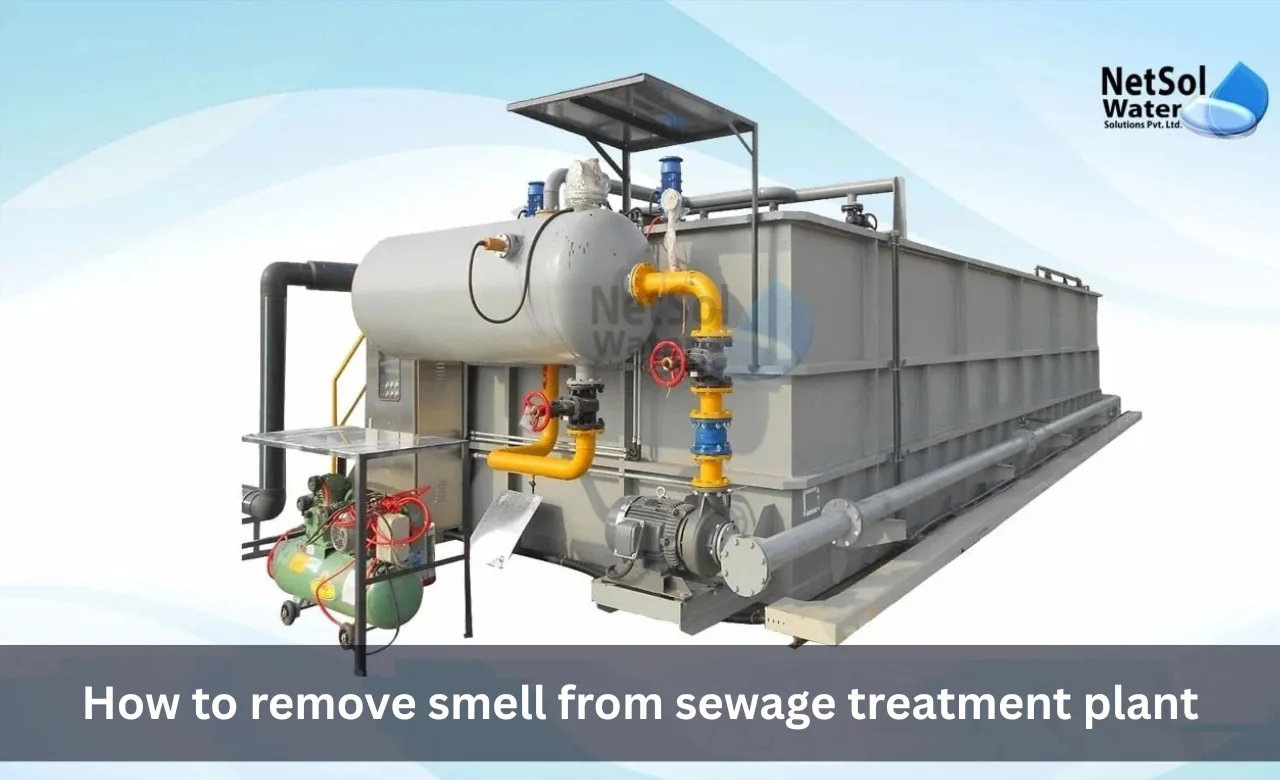
The question of which sewage treatment plant stands largest in Asia matters for city health and river clean up. People watch these projects because they shape how cities handle wastewater and protect water bodies. We will explain the largest plant and its features. We are the leading sewage treatment plant manufacturer, and choosing a proven manufacturer matters for long-term results.

Okhla Sewage Treatment Plant

The Okhla complex now combines several older units into one new plant with a total capacity of about 564 million litres per day. This makes it the largest single capacity STP in Asia by volume. The new work replaces older units at the site and sets a higher standard for treated water quality. The project serves large sections of South Central and Old Delhi. The scale alone lets the city treat far more sewage close to the source. This reduces the load that reaches the Yamuna River and cuts the chance of raw sewage entering the river. Large plants like this also free up space and lower the cost per litre of treatment compared with many small units.

Technology and sustainability

The Okhla plant uses modern disinfection and automated control systems to meet high-quality targets. It applies UV disinfection to remove pathogens, and it uses automated monitoring to keep process steps steady. These systems cut the need for manual checks, and they help keep treated water within strict limits. The plant also uses biological and mechanical steps to remove solids and nutrients. The treatment train aims to produce high-quality effluent that can be reused for non-drinking needs. This reuse helps save fresh water for people.

Energy from sludge adds to sustainability. The plant captures biogas and uses it to run plant equipment. That step reduces grid power use and lowers emissions. Reports show the facility generates several megawatts of green power from its sludge to cover part of its needs. The plant also treats sludge to a quality that can be used as manure. That step closes a loop and reduces waste. Together these features make the plant a stronger model for big-city treatment.

Yamuna River — impact on Delhi and the river

The Okhla plant can add treated water to the Yamuna flow and so help improve the river condition inside Delhi. Officials plan to divert part of the high-quality treated stream downstream of the Okhla Barrage. That move aims to raise the environmental flow and cut pollution in areas that face heavy froth and low oxygen. By sending cleaner water downstream, the plant reduces the direct sewage load on the river. The project also frees up water that cities can use for gardening and industry. That step lowers demand on drinking water supplies.

The plant serves about four million people in its service zones. That reach means fewer raw discharges from homes and businesses in those neighborhoods. The large treated flow also lets the city plan pipelines to move water where it is needed. The project fits with wider national programs to clean major rivers. When a big plant runs well, it gives steady treated output that planners can use to improve river health and city reuse.

History and how it compares with Bharwara STP

For many years the Bharwara Sewage Treatment Plant in Gomti Nagar, Lucknow, held a record for large capacity in Asia. Its design capacity sits around 345 MLD. That plant began work in the early 2010s, and it helped set a new scale for municipal treatment. At the time Bharwara showed how cities can treat large flows at one central site. The plant also added solar power to cover part of its energy need. Over the years its story taught planners about operations and the need for steady funding and technical upkeep.

Okhla now surpasses that earlier scale by a wide margin. The new combined 564 MLD capacity at Okhla replaces multiple older units at the same site. This move reduced the footprint and improved control over nutrient removal and disinfection. The speed of commissioning and the inclusion of energy recovery mark the latest thinking in large plant design. The shift from many small units to one large unit also concentrates the skilled staff and the spare parts that keep the plant running. Cities that plan similar upgrades can learn from both the Bharwara and Okhla experiences. Good operation planning helps avoid downtime, and it keeps treated water within the desired limits.

Read some interesting information for the Effluent Treatment Plant Manufacturer in Gurgaon

Conclusion

Large plants change how cities protect rivers and manage reuse. A clear plan helps a plant meet quality goals and deliver steady treated water. Netsol Water stands as a leading sewage treatment plant manufacturer, and it can support cities that need design-build or operations help. If you want more details or a consultation about building or upgrading a plant, please get in touch. A trusted STP plant manufacturer can guide you from study to handover and help your city meet its clean water goals.

Contact Netsol Water at:

Phone: +91-9650608473

Email: enquiry@netsolwater.com

Industrial-RO-Plant-Manufacturer-in-Varanasi-4.webp

February 26, 2026by Netsol Water

How to improve STP water quality?

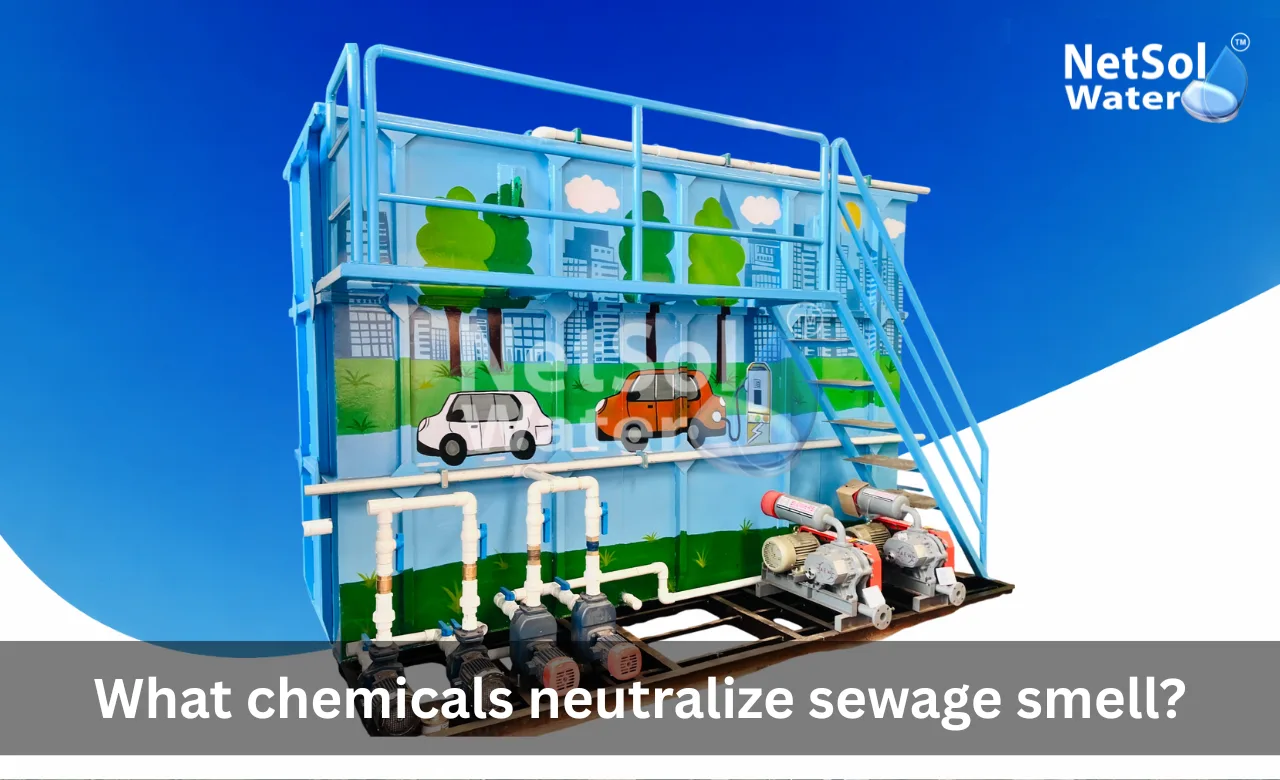
Improving water quality from a sewage treatment plant matters for public health and the environment. Many cities in India face pressure to meet strict discharge rules and to reuse treated water. We are the leading sewage treatment plant manufacturer, and it helps industries and towns get better effluent quality.

Upgrade Treatment Technologies

Upgrading technology gives the fastest path to better effluent quality. When a plant uses the right equipment, it removes more solids, organics, and pathogens. Upgrades also make it easier to meet new reuse goals. Let us have a look at some common options and how they change the final water quality.

1. Membrane Bioreactor (MBR)

MBR combines biological treatment with membrane filtration. This mix removes suspended solids very reliably. Plants with MBR deliver very clear water that works for reuse in cooling and irrigation. The membranes act as a tight barrier so bacteria and most viruses do not pass. MBR systems use smaller footprints than conventional plants so they fit where land is limited. Netsol Water installs MBR systems that come with easy cleaning routines. The operator still needs to monitor membrane fouling and to run regular chemical cleaning. With the right operation, MBR delivers stable, high-quality effluent day after day.

2. Moving Bed Biofilm Reactor (MBBR)

MBBR adds floating plastic media to the aeration tank. The extra surface helps bacteria grow without changing the tank size. This approach raises the biological capacity and makes the system tolerant to sudden load changes. Plants that face varying flows benefit from MBBR because the process stays stable. Installation needs less civil work and fits many retrofit jobs. The media keeps working with the same blower and diffuser layout so maintenance stays simple. MBBR systems also help reduce suspended solids in the outlet when combined with a good clarifier.

3. Sequential Batch Reactor (SBR)

SBR uses a single tank that works in timed cycles. The same tank fills, settles, aerates, and draws off treated water. This sequence helps handle fluctuating flow and changing load strength. SBR lets operators tune cycle times for better nutrient removal or for stricter BOD targets. The batch approach gives good control over oxygen levels and solids settling. SBR works well for small towns and for industries that cannot keep a steady flow. Staff training on cycle settings makes a big difference to final water quality.

4. Integrated Fixed Film Activated Sludge (IFAS)

IFAS adds fixed film media to an existing activated sludge tank. The retrofit raises the biological capacity without building a new tank. This option suits plants that need more nutrient removal but have limited space for expansion. IFAS supports both nitrifying bacteria and heterotrophs so it improves nitrogen removal. The media stays in place so sludge handling does not change much. A careful balance of solids and return activated sludge keeps IFAS stable and effective.

Optimize Biological Processes

Biological treatment relies on living microbes. Keeping these microbes healthy gives consistent removal of BOD, COD, and nutrients. When the microbiology runs well, the plant meets discharge standards with less energy and less chemical use. Let us have a look at effective steps to keep biology strong and active.

1. Bio-Culture Addition

Adding selected microbial cultures speeds up organic matter breakdown. These help when a plant sees toxic spikes or when organic composition changes. Regular dosing of bio-cultures can reduce start-up time after a shutdown. The cultures help consume fats, oil, and grease that often cause carryover into later stages. Netsol Water recommends culture programs that match the wastewater profile and the seasonal changes in load. A measured dosing schedule and monitoring of BOD helps to keep the process steady.

2. Dissolved Oxygen Control

Aerobic bacteria need the right oxygen level to work. Keeping DO within a target range improves BOD removal and prevents filamentous growth. Clean diffusers and well-maintained blowers deliver steady aeration. Operators should check DO sensors often and adjust blower speed as load changes. Using fine bubble diffusers boosts oxygen transfer and lowers energy use. Good DO control also reduces excess sludge production and makes settling easier.

3. Nutrient Removal

Nitrogen and phosphorus need special zones to be removed. Anoxic zones allow denitrification and anaerobic zones support phosphorus release. Plants must balance carbon availability and hydraulic times to remove nutrients well. Poor nutrient removal can cause algal growth in rivers and lakes that receive the discharge. Adding external carbon or adjusting recirculation helps when influent lacks enough organic matter. Careful control of mixing and flow paths keeps the nutrient process stable.

Enhance Tertiary Polishing

Tertiary treatment gives the final quality needed for safe discharge or reuse. This stage removes fine solids, dissolved salts, and pathogens. Good polishing lets plants meet stricter limits and support reuse in landscaping and cooling. Let us have a look at strong polishing choices and how they lift the treated water quality.

1. Advanced Filtration

Ultrafiltration and reverse osmosis remove very fine particles and dissolved salts. UF leaves water clear of suspended solids and most bacteria. RO removes dissolved salts and reduces TDS for higher-grade reuse. Combining UF with RO creates water that supports industrial cooling and some near-potable uses where rules allow. Filtration trains need regular cleaning and monitoring for pressure differential. Good pre-treatment protects membranes and extends their life. Netsol Water designs filtration trains with easy access for cleaning and with monitoring points at key stages.

2. Modern Disinfection

UV and ozone kill pathogens without adding long-lasting chemicals to the water. UV works well when the water has low turbidity and low colour. Ozone acts as both a disinfectant and an oxidant. Switching from chlorination to UV or ozone removes the need to neutralize residual chemicals before discharge. Operators must keep lamps clean and check dose levels. Ozone systems need careful control because the gas is reactive. Both options give safer discharge into sensitive waterways.

3. Polishing Filters

Pressure sand filters and activated carbon filters remove fine solids, odour, and trace organics. Regular backwashing keeps these filters effective. Activated carbon also reduces colour and some dissolved organics that cause taste or odour issues. Polishing filters protect downstream membranes and disinfection units by lowering the particulate load.

Read some interesting information for the Sewage Treatment Plant Manufacturer in Gurgaon

Conclusion

Netsol Water, as a sewage treatment plant manufacturer, offers solutions that fit both new plants and retrofit projects. Upgrades such as MBR and MBBR, better biological control, advanced polishing, and solid maintenance create long-term gains. If you want to meet stricter discharge rules or to reuse treated water, please contact Netsol Water for a consultation. A trusted sewage treatment plant manufacturer can review your plant and suggest changes that improve water quality and reduce operating costs. Reach out for more details and for a site-specific plan.

Contact Netsol Water at:

Phone: +91-9650608473

Email: enquiry@netsolwater.com