
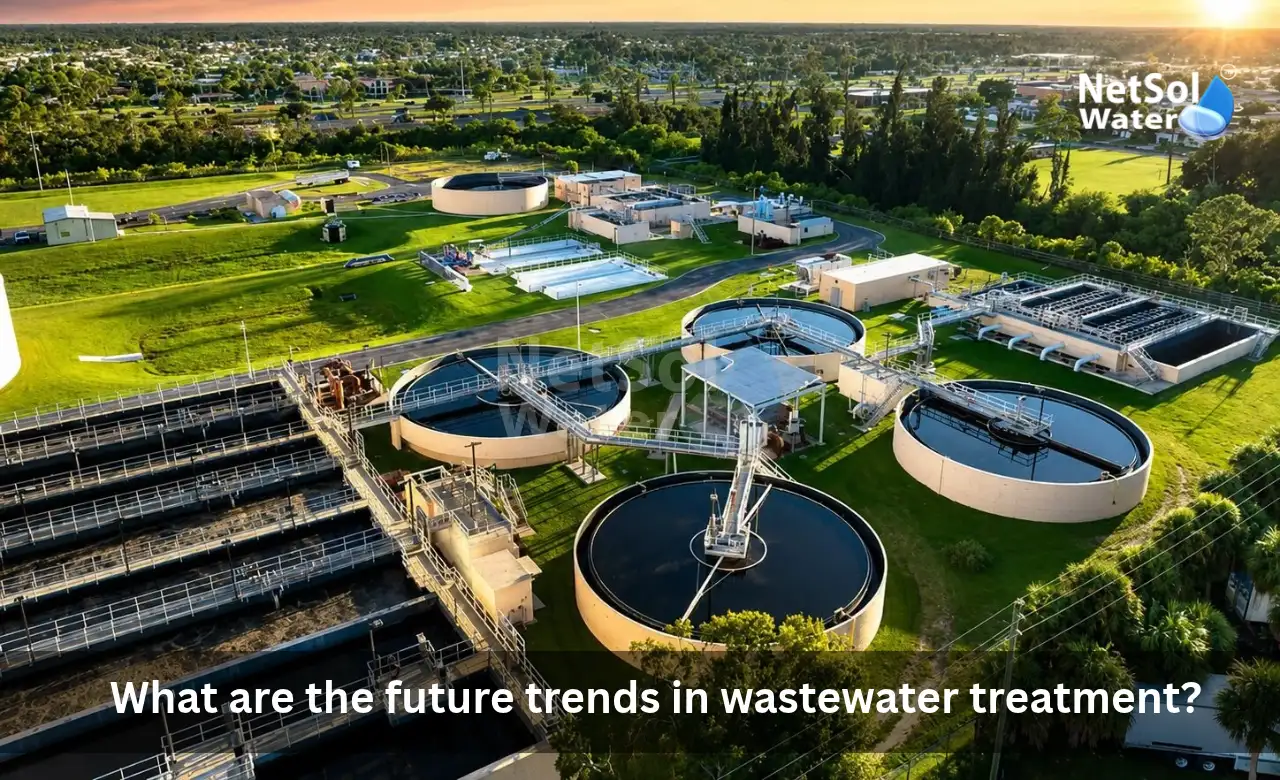
What are the future trends in wastewater treatment?
Clean water supports every home, every industry, and every community. As cities grow and industries expand, the amount of wastewater also continues to increase. This has created a strong need for better treatment methods that save water and protect the environment. A modern wastewater treatment plant helps remove harmful materials from wastewater before it returns to rivers and lakes or is reused for different purposes. This process protects public health and supports sustainable development.
Many industries now look for treatment systems that use less energy and produce better-quality water. They also want systems that can recover useful resources instead of creating waste. Because of this, the wastewater treatment sector continues to improve with new technologies and smarter solutions.
Smart Technology and Automation Are Shaping the Future
The future of wastewater treatment depends on intelligent systems that make treatment faster, more accurate, and easier to manage. Industries want plants that can monitor every stage without constant manual work. Smart technology helps operators understand plant performance in real time and solve problems before they become serious. This improves efficiency while reducing maintenance costs. Let us have a look at some important developments that are changing the industry.
1. Real-Time Monitoring
Modern treatment plants now use sensors that continuously monitor water quality, flow rate, pressure, and chemical levels. These sensors send instant information to operators, which helps them make quick decisions. Early detection of problems prevents equipment damage and improves treatment quality. Real-time monitoring also reduces unnecessary downtime because maintenance can be planned before failures occur. This keeps the plant running smoothly and improves overall productivity.
2. Artificial Intelligence and Data Analysis
Artificial intelligence has started changing the way treatment plants operate. AI studies large amounts of operating data and identifies patterns that people may not notice. It predicts equipment failures and suggests better operating conditions. This improves treatment efficiency while reducing energy use. Data analysis also helps industries maintain consistent water quality and meet environmental regulations with greater confidence.
Water Reuse and Resource Recovery Are Becoming More Important
Water shortages have encouraged industries to use every available resource wisely. Instead of treating wastewater as something to discard, many industries now see it as a valuable resource. Modern treatment methods allow water to be reused while recovering useful materials from the treatment process. This approach reduces environmental impact and supports sustainable industrial growth. Let us have a look at some important areas where this trend continues to grow.
1. Water Recycling for Industrial Use
Today, treated wastewater is used in many industries for cooling, cleaning, and manufacturing. This decreases the water requirements and operating expenses. The advanced filtration systems and membrane technologies yield treated water of quality up to industrial requirements. Water reuse also supports the production of industries in regions with limited fresh water resources. This means that wastewater treatment is a critical consideration in long-term business planning.
2. Energy and Nutrient Recovery
In the wastewater, there are valuable materials that shouldn’t be wasted. The modern treatment plants recover the biogas from the sludge, which can be used to generate electricity and heat used in plant operations. In some treatment processes, nutrients are also recovered, which can be used in agriculture. This not only prevents waste but also provides valuable products from what was once considered trash. Resource recovery is considered to be both an environmental and an economic benefit.
Advanced Treatment Technologies Are Improving Performance
Today, industries demand treatment systems to eliminate even the lowest levels of contamination while requiring less energy and space. New technologies for water treatment keep enhancing water quality and streamlining operations. Such systems can assist industries in complying with stringent environmental regulations and anticipating future regulations. Now, a modern Wastewater Treatment Plant integrates multiple advanced technologies to achieve improved treatment efficiencies. Let’s take a look at some relevant innovations.
1. Membrane-Based Treatment Systems
Membrane filtration has become one of the fastest-growing treatment technologies. Many dissolved impurities, bacteria, viruses, and suspended solids are removed from wastewater in a membrane. RO, ultrafiltration, and nanofiltration systems deliver high-quality treated water, which can be reused for industrial applications in many cases. Membrane systems are also space-saving, which is especially valuable for industries with limited installation space.
2. Advanced Oxidation Processes
Difficult pollutant removal is achieved by the use of advanced oxidation technologies, which can remove pollutants that conventional treatment technologies cannot completely remove. These processes treat harmful organic compounds with ozone, ultraviolet light, and/or special chemicals to convert them to more harmless products. They help to enhance water quality and reduce the bad odour and colour. Many industries are using these technologies for treatment of pharmaceutical, chemical, and textile wastewater streams due to their superior treatment ability.
Sustainable and Environment-Friendly Solutions Are Leading the Industry
Environmental protection remains a part of all wastewater treatment. Treatment systems that minimize pollution, energy consumption, and carbon emissions are being sought by industries. Companies are looking to sustainable solutions to comply with the government’s regulations and enhance their environmental reputation. These advances facilitate a better production process and responsible water management. Let’s take a look at some of the important sustainable practices that are influencing the future.
1. Energy-Efficient Plant Design
The more modern treatment facilities employ less energy-intensive pumps, blowers, and motors, reducing the electricity waste. By adjusting equipment to meet variable treatment conditions, smart process control also reduces unnecessary energy usage. Improved equipment design also reduces maintenance needs and increases system life. The upgrades not only lower operating expenses but also promote environmental sustainability.
2. Green Infrastructure and Nature-Based Solutions
Numerous treatment projects are now incorporating natural treatment technologies along with traditional technologies. Constructed wetlands and biological treatment systems are green landscapes and processes that treat the quality of wastewater naturally. Such systems need less energy to operate, provide desirable environments, and promote biodiversity.
Read some interesting information for the Sewage Treatment Plant Manufacturer
Conclusion
There are smarter solutions towards cleaner and more sustainable wastewater treatments of the future. The industry is becoming more efficient and environmentally friendly with advancement in the automation of advanced treatment technologies, water reuse, and resource recovery. Modern treatment systems can help industries enhance their water-use efficiency and standards for future environmental requirements while optimizing their operational performance.
A well-designed Wastewater Treatment Plant can aid businesses in conserving natural resources and promoting long-term growth. Netsol Water is the top Water Treatment Plant Manufacturer, offering reliable solutions to cater to evolving industry needs. If you want to upgrade your Wastewater Treatment Plant or want expert advice for a new project that you want to develop, you can reach out to the experienced team at Netsol Water for professional advice and a treatment solution for your business.
Contact Netsol Water at:
Phone: +91-9650608473
Email: enquiry@netsolwater.com