STP Manufacturer - Sewage Treatment Plant Manufacturers

Who-is-the-manufacturer-of-RO-membrane-in-India_-4.webp

November 17, 2026by Netsol Water

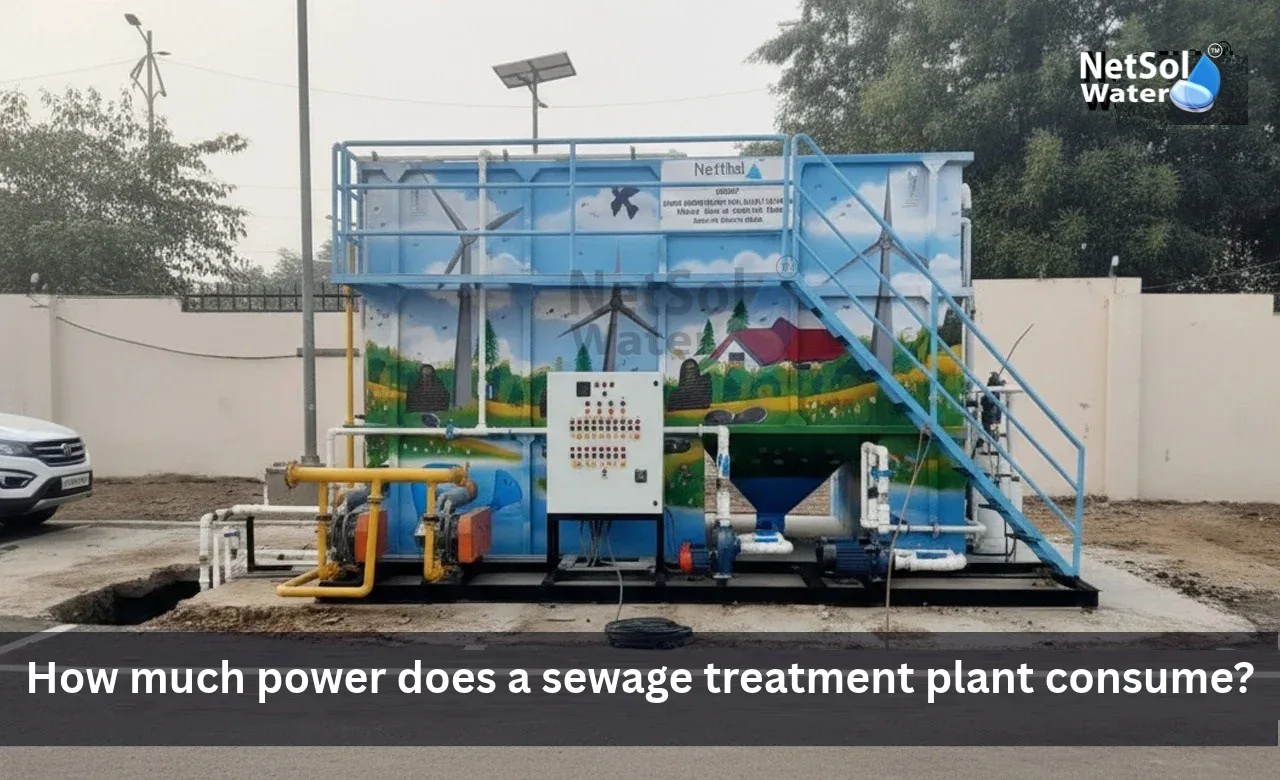
How much power does a sewage treatment plant consume?

Clean water is the basis for healthy communities and a safe environment. Wastewater generated in the everyday use of the home, office, school, hospital, or industry requires treatment prior to its return to nature. This is an important function performed by a sewage treatment plant that filters out pollutants from wastewater. The use of various equipment, including pumps, blowers, motors, mixers, and control systems, during this process. These machines require electricity for their operation, and power consumption is therefore an important factor in plant operations.

Many ask how much a sewage treatment plant uses, as electricity has an impact on both the operating cost and performance of the plant. A good system will consume energy efficiently and produce high-quality treated water. That’s why it’s important to hire an established sewage treatment plant manufacturer. We are the leading manufacturer of sewage treatment plants that offers efficient treatment plants to ensure optimal performance and substantial savings in energy usage while ensuring a long service life.

Factors That Affect Power Consumption in a Sewage Treatment Plant

Every sewage treatment plant is different because each one treats a different amount of wastewater and follows a different treatment process. Power consumption depends on many factors, and understanding these factors helps plant owners improve efficiency and reduce unnecessary energy use. Let us have a look at some important factors that influence electricity consumption in a sewage treatment plant.

1. Plant Capacity

The amount of wastewater entering the plant has a direct effect on electricity use. A small plant serving a residential building will consume much less power than a large municipal plant that treats millions of litres every day. As the flow increases, more pumps, blowers, and treatment units work for longer periods. This naturally increases electricity demand. However, larger plants often use advanced equipment that operates more efficiently and reduces energy use for every litre of treated water.

2. Treatment Technology

Different treatment methods consume different amounts of electricity. Conventional activated sludge systems usually require continuous aeration, which uses a large amount of power. Technologies such as Moving Bed Biofilm Reactor and Sequential Batch Reactor may improve treatment efficiency while reducing unnecessary energy consumption. The right technology helps achieve better results with lower operating costs.

3. Equipment Quality

The quality of motors, pumps, blowers, and control systems also affects energy use. Modern equipment works more efficiently than outdated machines. High-efficiency motors require less electricity while producing the same output. Regular maintenance also keeps equipment running smoothly and prevents energy loss caused by worn components or blockages.

4. Operating Conditions

Power consumption also changes according to operating conditions. Plants receiving wastewater with high organic load need more oxygen during treatment. This increases blower operation and raises electricity use. Seasonal changes and daily flow variations also influence energy demand. Good monitoring and proper process control help maintain stable performance while avoiding unnecessary power consumption.

Which Processes Consume the Most Electricity?

Every stage of wastewater treatment contributes to total power consumption. Some processes use only a small amount of electricity, while others account for the largest share of the energy bill. Understanding these areas allows plant operators to improve efficiency and reduce operating expenses. Let us have a look at some major processes that consume electricity in a sewage treatment plant.

1. Aeration System

Aeration is usually the largest consumer of electricity in most sewage treatment plants. During biological treatment, blowers supply oxygen to microorganisms that break down organic matter. These blowers often run for many hours every day, which makes them responsible for a major part of the total energy consumption. Proper oxygen control helps reduce unnecessary blower operation and saves electricity without affecting treatment quality.

2. Pumping Operations

Pumps move wastewater from one treatment stage to another. They also transfer sludge and treated water throughout the plant. Large plants may have several pumps operating at the same time. Efficient pump selection along with proper pipe design reduces energy losses and lowers electricity use. Variable speed drives also help pumps operate according to actual flow requirements instead of running continuously at full speed.

3. Sludge Treatment

After wastewater treatment, the remaining sludge must be processed before disposal. Sludge thickening, dewatering, and drying equipment require additional electricity. Although sludge handling does not always operate continuously, it still contributes to overall energy consumption. Efficient sludge management reduces operating time and lowers energy costs.

4. Monitoring and Support Systems

Lighting consumes electricity for the control panels of laboratory equipment, chemical dosing systems, and automation. Individually, these systems use less power than aeration or pumping, but together they contribute to the total energy demand. With modern automation, the operator can monitor plant performance and optimise the operation of the equipment to minimize unnecessary energy consumption.

How Can a Sewage Treatment Plant Reduce Power Consumption?

Reducing electricity use benefits both the environment and plant owners. Lower energy consumption decreases operating costs while improving overall plant efficiency. Careful planning and modern technology make it possible to save power without affecting treatment quality. Let us have a look at some effective ways to reduce energy consumption in a sewage treatment plant.

1. Use Energy-Efficient Equipment

Replacing old motors, pumps, and blowers with energy-efficient models can significantly reduce electricity consumption. Modern equipment performs better while using less power. High-efficiency motors and variable frequency drives adjust equipment speed according to actual demand, which prevents unnecessary electricity use.

2. Improve Process Control

Advanced monitoring systems continuously measure oxygen levels, flow rates, and treatment conditions. Operators can make quick adjustments whenever changes occur. Proper process control avoids excessive aeration and unnecessary equipment operation. This improves treatment performance while reducing energy costs.

3. Regular Maintenance

Routine maintenance keeps all equipment working efficiently. Cleaning pipelines, replacing worn parts, and checking motor performance prevent unnecessary power losses. Equipment operating under poor conditions usually consumes more electricity and delivers lower performance. Regular inspections extend equipment life and reduce operating expenses.

4. Select the Right Plant Design

An experienced sewage treatment plant manufacturer designs treatment systems according to actual wastewater characteristics instead of using oversized equipment. Proper design reduces unnecessary energy consumption from the beginning of plant operation. Efficient layout, proper equipment selection, and suitable treatment technology together create a plant that delivers reliable performance with lower electricity costs. This is one reason why many industries and institutions choose experienced manufacturers when planning new wastewater treatment facilities.

Read some interesting information for the Effluent Treatment Plant Manufacturer in Noida

Conclusion

The amount of power that is consumed in a sewage treatment plant relies on a variety of factors, such as the size of the plant, the technology used, the quality of the equipment used, the operating conditions, and the maintenance practices. Typically, the aeration system is the largest consumer of electricity, and sludge treatment and support systems are also responsible for substantial energy consumption. The use of modern equipment, proper process control, and efficient plant design is also used to lower operating costs while maintaining treatment efficiency.

An experienced sewage treatment plant manufacturer can make a huge difference, as a good design will make the treatment plant more efficient in energy and long-term reliability. Netsol Water is the best sewage treatment plant manufacturer that offers reliable wastewater treatment solutions that are designed to be efficient and sustainable. For new treatment plants or to upgrade an existing treatment plant, you can reach the team for expert advice and a solution that fits your treatment requirements.

Contact Netsol Water at:
Phone: +91-9650608473

Email: enquiry@netsolwater.com

What-are-the-problems-with-sewage-system.webp

October 28, 2026by Netsol Water

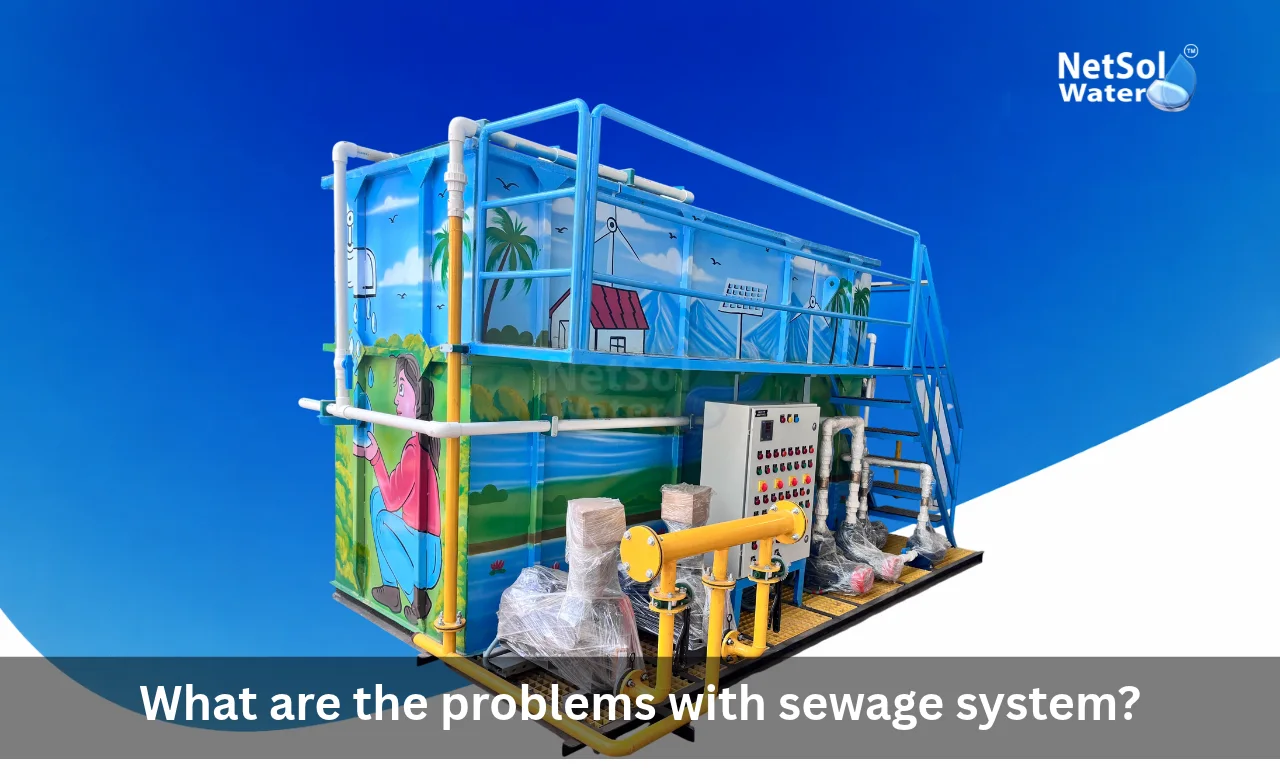
What are the problems with the sewage system?

One of the most important components of any type of city or town is a sewage system. It transports wastewater from residences, industries, hospitals, and businesses to treatment plants, where it is treated before being discharged or recycled. The sewage system protects public health and helps to maintain the cleanliness of rivers, lakes, and groundwater.

India is well known for its fast-growing cities and large population. This expansion has given rise to the need for improved sanitation and wastewater services. But despite these efforts, there are still issues in many locations due to the inability of existing sewer infrastructure to accommodate the volume of wastewater generated.

A poorly maintained sewage system poses health hazards and harms the environment. Diseases can be transmitted from impure water, it can make life unpleasant, and it can contaminate water bodies. This is one of the reasons why there is an increasing need for many industries and local bodies to invest in modern treatment solutions. Netsol Water is the top sewage treatment plant manufacturer that delivers its innovative solutions to streamline the wastewater treatment process and make the community cleaner, healthier, and more efficient.

Inadequate sewerage is a major issue

All communities need a robust sewage network to effectively capture and convey wastewater. Poor and underdeveloped infrastructure negatively affects both man and the environment. There are many cities with pipelines dating back many years. Systems frequently fail due to the fact that they were created for a lot smaller populace. Cities continue to expand with the old infrastructure straining to deal with the ever-growing amount of wastewater. Let’s check out some of the big infrastructure issues.

1. Old and damaged pipelines

A lot of pipes for sewage treatment have reached the end of their service life. Water escapes through cracks and broken joints and seeps into the ground. This pollution can impact groundwater and threaten the health of nearby communities. Damaged pipelines also allow rainwater to flow into the system, thus increasing the burden on treatment plants. By regularly inspecting and repairing damaged pipes promptly, such issues can be mitigated, and the sewage system can function more efficiently.

2. Growing population increases pressure

Urban development is ongoing every year, and more buildings are now connected to the same sewer system. The volume of the wastewater is significantly larger than the capacity of the existing system. The consequence is that sewage lines overflow, and untreated sewage flows into open drains and into the local rivers. Improving sewerage infrastructure through enhanced planning contributes to the provision of adequate sewerage services in the future and to sustainable development.

Poor maintenance reduces system efficiency

All sewage systems are maintained regularly and in good working order. Even if the network is well designed, it may still fail because of a lack of cleaning or inspections. Pumps and other equipment get damaged by blocked pipelines, and neglect lowers the overall system efficiency. These issues lead to additional environmental pollution and higher operating expenses. Let’s see some of the maintenance-related issues.

1. Blocked drains and pipelines

A lot of people dump cooking oil, food waste, and other trash into the drains in plastic bags. These materials develop within pipes and block the natural flow of wastewater. Flooding sewerage is a common problem during heavy rain because of blocked drains. The overflowing water helps to spread odors and promotes unhealthy conditions. Minimizing blockages can be done by raising awareness and proper disposal methods, thereby improving the performance of the system.

2. Failure to make regular inspections

Major issues are the only time that most sewage backup is addressed. Leaks, even small ones, can cause damage to pumps, while worn equipment can go unnoticed for extended periods of time. These minor problems can escalate to costly repairs. The regular inspections aid in early detection of issues and enable the treatment systems to work effectively year-round.

Pollution pollutes people and nature

The main purpose of a sewage treatment system is to provide protection to the environment by treating the sewage water before discharging it into the environment. Inadequate sewage treatment, or leakage into natural waters, can result in serious environmental damage. Rivers and lakes are clean and promote a healthy ecosystem and water for various uses. So, the preservation of these resources is crucial for each community. Let’s take a look at some of the environmental issues that arise from inadequate sewage systems.

1. Water pollution

Rivers, lakes, and ponds have dangerous bacteria, chemicals, and organic material in the water as a result of uncontrolled sewage releases. Polluted water becomes undrinkable for humans, and it also has a negative impact on fish, plants, and other aquatic organisms. The farmers affected can also produce poor-quality produce because of the use of contaminated water for irrigation. Effective treatment of wastewater protects the natural water resources and improves ecology.

2. Soil contamination

Toxic chemicals are found in surrounding soil from sewage pipelines/overfilled drains. Over time, polluted soil has an adverse impact on plant growth and the quality of land. Groundwater also may be contaminated in some areas and used for drinking. The proper collection and treatment of sewage will help to reduce risks and keep the environment cleaner.

Health and economic problems require immediate attention

The lack of adequate sewerage impacts many aspects and causes. It has an impact on the health of the populace as well as the economic development of public health and quality of life. Sewage management is important because communities with good sewage have a cleaner environment and fewer disease outbreaks. The other benefit to companies is that they appear more appealing to invest in, or public confidence is created in clean company environments. Let’s have a look at some of the major impacts.

1. Spread of diseases

Untreated sewage is a source of bacteria, viruses, and insects. The population around the overfilled drains suffers from diseases such as cholera, typhoid, and dysentery. Children and older adults are at higher risk for health problems due to weak immunity. These risks can be significantly reduced, and communities improved, by good wastewater treatment.

2. Financial losses

Sewage failures are common and have to be repaired in an emergency, causing increased maintenance costs. Flooded roads also lead to economic impacts on local government agencies and businesses, as well as damage to buildings and polluted water. Investing in modern sewage treatment plants is cost-effective in the long term because the sewage treatment plants have to be updated periodically, and a repeated failure can also lead to a low cost for sewage treatment plant maintenance.

Importance of modern sewage treatment solutions

Modern sewage treatment systems provide solutions to some of the wastewater problems that have existed for a long time. The more advanced technologies are more effective at removing pollutants that would otherwise be harmful to life and provide treated water for other uses such as landscape irrigation, industrial cooling systems, and much more. This alleviates the stress on fresh water and facilitates sustainable development.

The modern treatment plants are also equipped with energy-efficient equipment and an automated monitoring system that optimizes the performance of treatment while reducing the operational cost. Advanced sewage system treatment technology and regular maintenance will ensure efficient operation of the sewage system for many years. Industries and municipalities can increase their environmental compliance and long-term success by enlisting professional system design installers and maintainers.

Read some interesting information for the Effluent Treatment Plant Manufacturer

Conclusion

A well-designed sewage system is important to ensure the health of all communities and to save natural resources. Pipeline maintenance is still inadequate, and the increase in population and pollution is still a big issue. Problems can be minimized with improved planning, regular maintenance, and the implementation of more advanced wastewater technology. The selection of the correct sewage treatment plant manufacturer is an important step in the creation of robust sewage treatment plants that cater to current and future requirements.

Netsol Water is the top sewage treatment plant manufacturer, providing reliable wastewater treatment plants to industries, commercial buildings, and local authorities. You will be able to reach out to the knowledgeable team at Netsol Water, who will be able to guide you towards the right treatment plant or upgrade for your wastewater management needs.

Contact Netsol Water at:

Phone: +91-9650608473

Email: enquiry@netsolwater.com

Who-is-the-manufacturer-of-RO-membrane-in-India-4.webp

October 15, 2026by Netsol Water

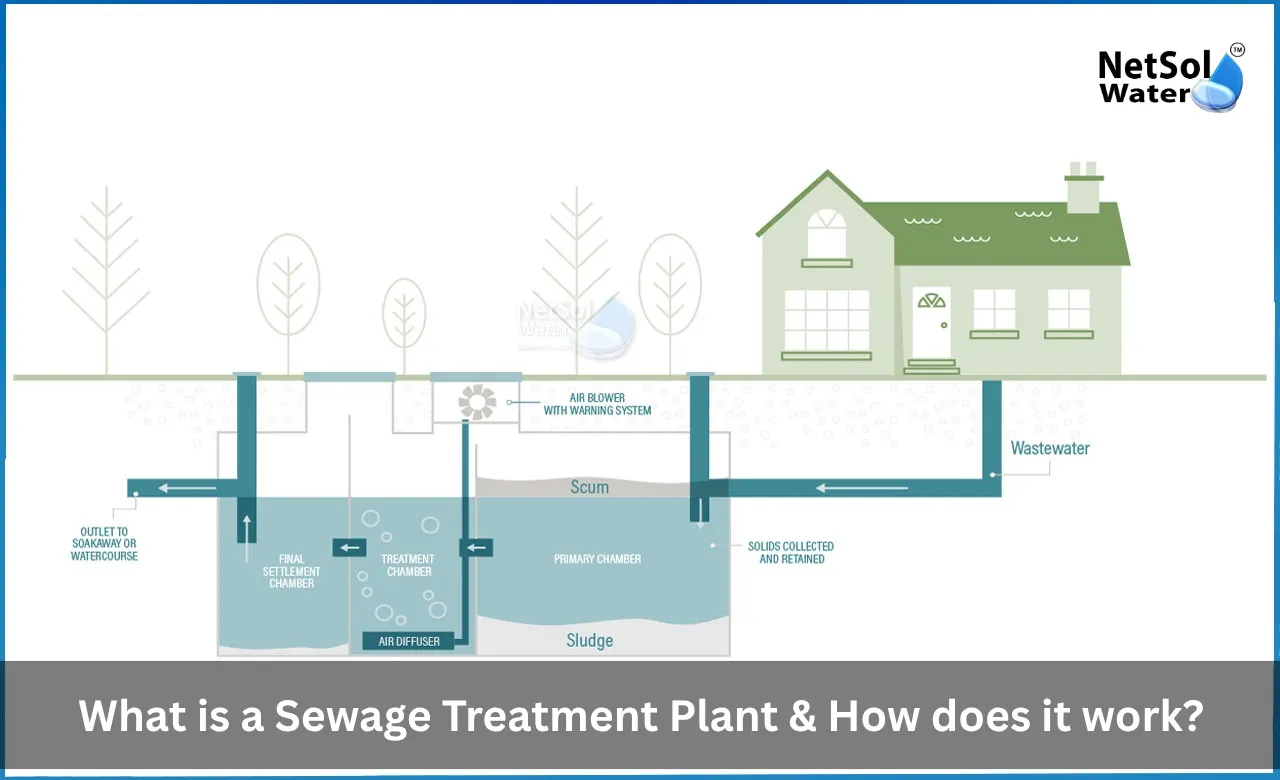
What is a sewage treatment plant and how does it work?

If untreated sewage is discharged to the environment, it may pollute rivers and lakes. It may also impact soil quality and cause health issues. A sewage treatment plant can resolve this problem by treating the sewage before discharge/reuse.

India is still developing new residential developments and commercial buildings. As industries are growing, the growth of these developments is creating a greater demand for proper sewage treatment. A properly functioning sewage treatment facility contributes to a cleaner environment and improved water management.

A reputable sewage treatment plant manufacturer will be able to create a sewage treatment system that takes into account the actual sewage load of a site. We are the leading sewage treatment plant manufacturer and provide solutions for different residential, commercial, and industrial needs.

What is a sewage treatment plant?

A sewage treatment plant is a system for treating wastewater produced by toilets, bathrooms, kitchens, and other domestic activities. The plant filters out unwanted solids and organic material from sewage. It also reduces the amount of pollutants before the treated water goes into the environment or is reused.

The value of an STP is apparent when observing the untreated sewage: suspended solids, organic wastes, and microorganisms. These can lead to poor water quality and unpleasant conditions. These problems can be controlled with proper treatment. Let’s take a look at some of the important components of sewage treatment.

1. Removal of Solid Waste

One of the first operations of a sewage treatment plant is to eliminate large and unwanted materials from the wastewater being introduced into the treatment facility. Screens catch plastic, cloth, and solid materials such as paper. This will help to prevent damage to pumps and other equipment.

The sewage is screened and passed into a chamber where heavy objects settle. Sand and grit are apt to accumulate in this step. The process helps to ease the downstream treatment units. It also pretreats the wastewater for biological treatment.

2. Biological Treatment

The sewage passes to the biological treatment after filtering out large solids. In there, microorganisms decompose the organic material of the wastewater. The system provides suitable conditions for these microorganisms so they can work effectively.

Various plants have various biological methods. MBBR and SBR are some of the more common sewage treatment technologies. There are various ways to use the methods. The right one is dependent on the flow, water quality, treatment goals, and space available.

How Does a Sewage Treatment Plant Work?

An STP’s working process consists of treatment stages. Each stage will accomplish a particular duty and condition the wastewater for the following stage. Appropriate plant design contributes to their functioning. It also enhances the quality of the treated water.

Typically, the first step of the treatment process involves physical separation. It then progresses towards biological treatment. Additional clarification and filtration can be added if the application requires improving the quality of the water. Let’s take a closer look at the major stages in detail.

1. Screening and Grit Removal

The raw sewage is initially directed to the screening area. Screens prevent larger materials from entering the treatment system. The collected wastes are removed by the operators at regular intervals.

The sewage then flows through a grit removal system or chambers. In this stage, sand is removed. When the plant does not remove these materials early, they can cause settling in pipelines and tanks.

By removing solids at the beginning, the plant protects pumps, valves, and other items of equipment. This simple measure also helps to treat the disease later.

2. Primary Treatment

The wastewater is screened and then flows to a primary settling pond. The flow of the water is slowed by the tank. Suspended solids will settle out, and lighter particles can float on the surface.

The material that settles forms sludge. This sludge is removed by the plant and then treated. The primary treatment process helps to remove solids that enter the biological treatment process.

This stage also ensures the stability of the biological system in operation. It provides a more manageable wastewater stream for microorganisms to treat in the second stage.

3. Secondary Biological Treatment

The primary method of sewage treatment, which treats the bulk of the water, is called secondary treatment. It is a process involving microorganisms to eat and decompose dissolved and suspended organic matter.

An MBBR plant incorporates microplastic media in the bio-tank. As the wastewater flows through the tank, the microorganisms grow on the media and “eat” the wastewater.

In an SBR system, the different treatment steps are performed sequentially in one tank. This system is designed for filling the tank, treating the wastewater, allowing solids to settle, and then removing the treated water.

The technology is chosen by the plant based on site parameters. This decision will impact plant size, power use, and requirements for operation and maintenance.

4. Final Treatment and Disinfection

Following the biological treatment, water can pass through a clarifier. Biological solids are removed from the treated water by the plant. This step results in clearer water for the last stage of treatment.

Filtration is needed after clarification for some applications. Filters can decrease leftover suspended particles. Disinfection may also be a part of the plant’s defense against harmful microorganisms.

Treated water can be disinfected using ultraviolet treatment and others. It depends on the purpose for which the treated water will be used and the desired water quality.

Why Is Sewage Treatment Important?

Good wastewater treatment contributes to the health and well-being of the public and to the conservation of natural resources. It also assists industries and buildings to manage the water that they create responsibly. A large number of sites now treat sewage for reuse instead of all sewage being disposed of.

A good design system can help to lower pollution, encourage water reuse, and promote good sanitation practices. The correct size of the plants is also a key factor in the quality of care provided, along with appropriate technology and frequent use. Let’s take a look at some important benefits.

1. Water Reuse

But treated sewage can be used for several non-potable purposes provided that the quality of the treated sewage is adequate. Treated water can be consumed for gardening purposes in buildings, flushing toilets, and some cleaning work.

Reducing demand for fresh water can be achieved through water reuse. It can also help to improve water management practices in water-scarce regions.

2. Environmental Protection

Untreated sewage can pollute rivers, drains, lakes, and groundwater. Proper treatment reduces the pollutant load before discharge.

A good STP also manages sludge in a controlled manner. This reduces the chance of improper waste disposal and keeps the surrounding area cleaner.

Read some interesting information for the Sewage Treatment Plant Manufacturer in Faridabad

Conclusion

A sewage treatment plant does much more than clean wastewater. It helps protect water resources, supports hygiene, and creates opportunities for safe water reuse. The right treatment process can also improve plant performance and reduce operating problems over time.

Every project has different wastewater characteristics. A system that works well for one site may not suit another site. Proper assessment and plant design therefore remain important from the beginning.

Netsol Water works as a trusted Sewage Treatment Plant Manufacturer and provides treatment solutions for residential, commercial, and industrial applications. Businesses and institutions can contact Netsol Water to discuss their sewage treatment requirements and request a suitable consultation.

Contact Netsol Water at:
Phone: +91-9650608473

Email: enquiry@netsolwater.com

Why-is-STP-so-important.webp

February 2, 2026by Netsol Water

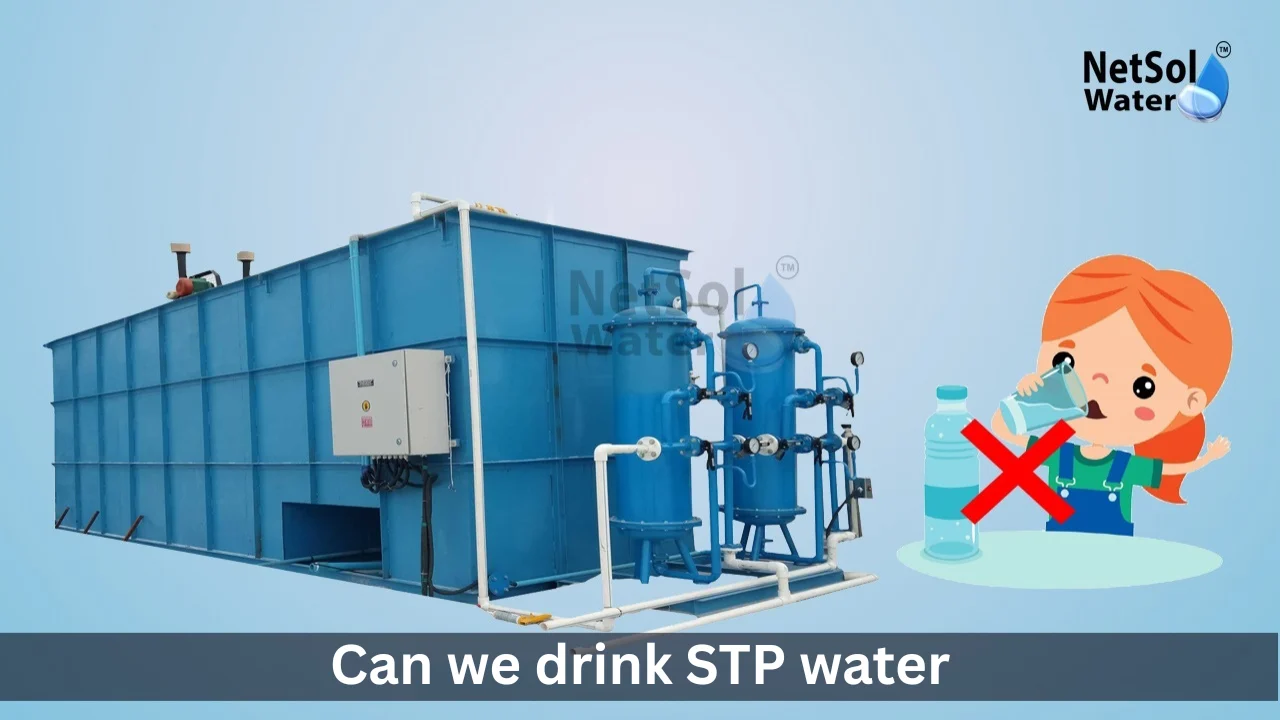
Can we drink STP water?

Many cities now reuse treated wastewater to manage rising demand and shrinking freshwater sources. People often ask whether treated sewage water can replace normal drinking water. Urban areas face pressure on rivers and groundwater. Because of this pressure, many communities explore water recycling. We will explain what standard STP water can and cannot do.

Why Standard STP Water Is Not Drinkable

Knowing the limits of treated wastewater protects public health. We will explain why normal discharge from a sewage treatment plant does not match drinking water quality. Let us have a look at some main reasons and their impact.

1. Treatment Goals and Limits

A sewage treatment plant mainly removes solids and reduces organic pollution. The system also lowers harmful microorganisms so water becomes safe for reuse activities. Normal treatment stages include screening, settling, and biological processes. These stages clean visible dirt and break down organic waste. After treatment, the water often appears clear and carries little odours. Even with this appearance, the water still holds dissolved chemicals and microscopic contaminants. Some viruses and resistant bacteria pass through regular treatment. Many pharmaceutical traces and household chemicals also remain in small amounts. These substances enter sewage from daily human use and industrial discharge. Standard systems do not fully remove them. Nutrients such as nitrates and phosphates also stay in the water. High nitrate levels create health risks, especially for children. Because of these remaining elements, standard STP water fails to satisfy drinking water limits in most regions.

2. Health and Regulatory Concerns

Health authorities demand strict testing before people can drink any water supply. They define limits for bacteria, viruses, and chemical residues. Normal Sewage Treatment Plant effluent usually does not reach these targets without added purification. Regulators also consider public confidence. Even when risk stays low, people hesitate to drink recycled water. Because of this concern, governments require several safety barriers. Typical STP designs do not include such high-level safeguards. Without these layers, direct drinking reuse becomes unsafe and also illegal in many areas.

How Standard STP Water Is Used Safely

Understanding safe reuse protects natural water sources. Let us have a look at some common reuse practices and their controls.

1. Non-Potable Reuse in Cities

Cities use treated wastewater for activities that do not involve drinking. Parks and gardens use this water for irrigation. Large buildings use it for toilet flushing. Municipal services use it for road washing and construction needs. This reuse reduces pressure on rivers and borewells. Authorities design separate pipelines for reused water. They label these pipelines clearly to avoid mixing with drinking water lines. Operators test quality often to confirm safety for nonpotable tasks. These controls keep exposure low and prevent health issues in daily urban operations.

2. Industrial and Agricultural Uses

Factories use treated wastewater for cooling and process work where drinking quality is not required. Agriculture also benefits from treated water when rules permit. Farmers use it for specific crops under controlled methods. Using Sewage Treatment Plant water in farms saves fresh water for homes. Crop type and irrigation method decide safety.

Making STP Water Drinkable

Changing wastewater into drinking water requires more than basic treatment. Let us have a look at some advanced methods and how they work together.

1. Advanced Treatment Technologies

Advanced treatment builds several layers of protection. Ultrafiltration removes fine particles and bacteria. Reverse osmosis pushes water through membranes to separate salts and dissolved chemicals. UV treatment destroys microorganisms and damages virus DNA. Advanced oxidation breaks complex organic compounds. Together these steps create water that meets drinking standards. Engineers also place prefilters to protect main membranes from damage. Sensors monitor flow, pressure, and clarity at each stage. Operators review results daily to keep performance stable. When these processes combine with constant monitoring, they deliver water that people can safely drink.

2. Regulatory Approval and Public Trust

Even strong technology needs legal and social approval. Regulators require performance records and safety audits before approval. They also demand backup systems to handle failures. Emergency response plans stay part of every potable reuse project. These requirements improve reliability. Public acceptance also matters. Authorities share data and explain processes so people understand water quality. Cities that use potable reuse invest in education programs.

Examples and Real-World Context

Real examples show how communities transform treated wastewater into a safe supply. Let us have a look at some global and local examples.

1. International Examples

Several countries operate large potable reuse plants. These projects use advanced treatment and strict quality checks. Engineers test water continuously and keep independent reviews. These programs strengthen water security and reduce stress on lakes and rivers. They also prove that treated wastewater can support cities during drought periods. These models guide other regions facing water shortages.

2. Local and Small-Scale Efforts

Some housing societies and institutions install advanced reuse systems on site. These plants treat wastewater to high quality and reuse it within the campus. Operators sometimes blend this water with other sources under rules. These local projects help develop technical skills and awareness. They also guide regulators while forming policies. Small-scale reuse shows how communities can manage water better with the right technology.

Read some interesting information for the Effluent Treatment Plant Manufacturer in Faridabad

Conclusion

Water from a sewage treatment plant supports many activities, but people should not drink it without extra purification. Only advanced multi-stage treatment and strict control can convert treated wastewater into safe drinking water. Netsol Water is the leading sewage treatment plant manufacturer and offers guidance for reuse and treatment planning. If you want to understand how water reuse fits your project or community, you can connect with experts for advice. Reach out today to request a consultation and explore our solutions for safe reuse and future water security.

Contact Netsol Water at:

Phone: +91-9650608473

Email: enquiry@netsolwater.com