STP Plant Manufacturer - Sewage Treatment Plant Manufacturers

Industrial-RO-Plant-Manufacturer-in-Hyderabad-3.webp

February 16, 2026by Netsol Water

What is a key benefit of the STP process?

We are the leading sewage treatment plant manufacturer, and it uses a clear market focus to reach buyers who need reliable solutions. This approach helps teams plan better and spend less on ads that do not work. It also helps shape a brand that buyers trust. We will explain a main benefit of the STP process, and then we will look in detail at how that benefit shows up in real marketing work.

Enhanced Relevance

The importance of relevance in marketing is large. When a company talks in a way that matches what its buyers care about, it wins attention and trust. For a sewage treatment plant manufacturer, relevance means speaking about capacity, maintenance, durability, compliance, and local service rather than general features. Relevance helps sales teams start conversations that matter, and it helps technical teams build offers that match real needs. Let us have a look at some ways enhanced relevance works in practice for companies that sell treatment systems and for buyers who need fast answers.

1. How relevance improves buyer response

When a message matches the needs of a buyer, it feels useful. The sewage treatment plant manufacturers who highlight system uptime and easy maintenance will draw inquiries from facility managers who face daily operational pressure. This match shortens the path from first contact to a site visit. It also reduces time spent with leads that will not fit the product. Clear messages cut confusion and boost the chance that a buyer will choose a supplier. Better focus also lets marketing teams test messages quickly and pick the ones that generate real inquiries.

2. Example for project-level communication

Consider a municipal project that needs a plant for a town with seasonal rain. A precise message that covers modular design and quick installation will reach the project officer fast. Netsol Water, as an STP manufacturer, can create localized case studies and speak about permissions and upkeep in plain terms. This approach helps project teams see how a vendor fits their timeline and their budget.

Improved Efficiency

Marketing efficiency means doing more with less. Firms that use STP focus on the segments most likely to buy, and they cut waste in both time and money. For a sewage treatment plant manufacturer, efficiency can mean fewer broad ads and more targeted outreach to industries that need treated water. This saves budget and drives stronger results. Let us have a look at some strategies that lead to better efficiency and how they support steady sales growth for suppliers.

Resource allocation at the project stage

Teams can assign sales and technical staff to the most promising leads. This shift reduces time spent on poor fits and increases the number of clear bids. Netsol Water, as an STP manufacturer, can send a technical specialist early to complex projects so the scope and cost match buyer expectations. This step lowers the chance of wasted site visits and increases the success rate of proposals.

Better Positioning

Positioning helps a brand stand apart in the mind of the buyer. It tells buyers why one supplier fits their goals better than another. For companies that build and supply treatment systems, positioning can highlight fast delivery, long-term support, or custom design. Let us have a look at how better positioning changes buying decisions and builds steady demand for suppliers.

1. Building a clear value message

When a sewage treatment plant manufacturer positions itself around a clear benefit, buyers remember that benefit when they compare options. A focus on low life cycle cost or local service will shape the questions that buyers ask in tender rounds. Clear positioning helps marketing create content that supports sales in a consistent way. It also helps customers set realistic expectations, which reduces disputes later.

2. Long-term trust through consistent messages

Consistent positioning helps a supplier win repeat business. When buyers see the same strengths across websites, case studies, and proposals, they develop trust. Netsol Water, as a sewage treatment plant manufacturer, can show past project records and service timelines that prove their claims. Trust lowers negotiation friction and shortens procurement cycles.

Higher ROI

Return on investment matters for every marketing and sales team. The STP process improves return because it focuses spending on high-value segments, and it improves conversion rates. For a sewage treatment plant manufacturer, higher ROI appears as fewer wasted bids, lower cost per project, and stronger margins on won contracts.

Measuring impact and scaling success

Firms can track leads by segment and then measure how many hires a segment produces. This data shows where to scale outreach and where to pause activity. A sewage treatment plant manufacturer can use project size, location, and industry as key markers. By repeating campaigns that work, a company can grow without raising marketing spend at the same rate.

Read some interesting information for the Sewage Treatment Plant Manufacturer in Noida

Conclusion

Focused marketing raises clarity and cuts waste. This approach drives more qualified leads and stronger project wins for companies that supply treatment systems. Netsol Water, as a STP manufacturer shows how clear segmentation, targeting, and positioning can deliver measurable benefits. If you want help to map your market or to get a consultation for your next project, please contact us.

Contact Netsol Water at:

Phone: +91-9650608473

Email: enquiry@netsolwater.com

What-causes-high-TDS-in-water-3.webp

February 10, 2026by Netsol Water

How does sewage affect human health?

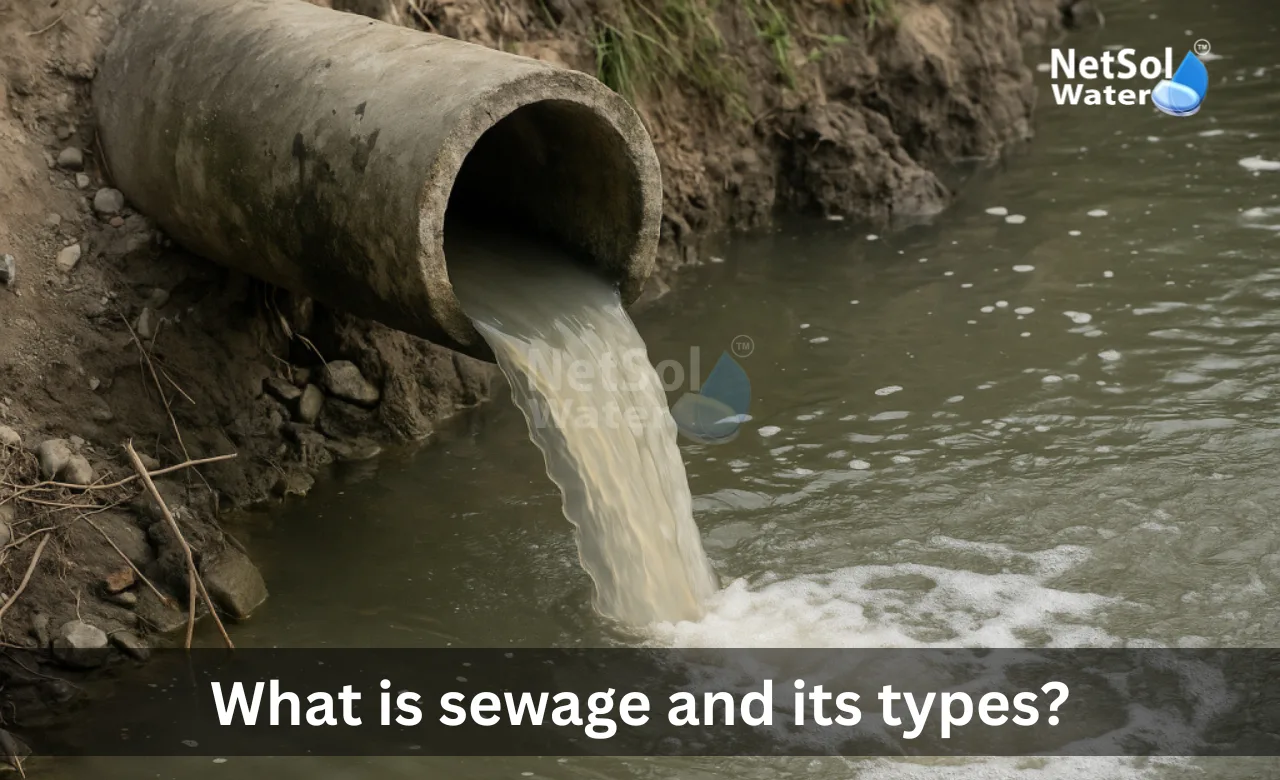
Urban growth brings more waste. Sewage can harm people in many ways. Clean systems keep communities safe. We are the leading sewage treatment plant manufacturer, and they offer solutions that protect public health. We will explain how sewage affects human health.

Water contamination and waterborne disease

Water forms the base of life. When sewage mixes with drinking sources, people face direct health risks. Let us have a look at some of the ways water contamination harms health and how exposure happens.

1. Faecal pathogens and outbreaks

Sewage carries bacteria, viruses, and parasites that start in the gut. When these agents enter drinking water, they cause diarrhea, cholera, typhoid, and hepatitis A, among other illnesses. Poor treatment or broken pipes let sewage reach wells and taps. Children and the elderly suffer more in these conditions. Quick spread happens where people share water sources or where water storage lacks cover. Prevention needs safe treatment, safe storage, and careful handling at the point of use. Clean water systems stop many outbreaks before they start.

2. Chemical contaminants in water

Sewage can also carry chemicals from industry and homes. Heavy metals, pesticides, and household cleaning agents end up in streams and rivers when treatment fails. These chemicals may not cause sudden illness. They affect health over time. Long-term exposure can harm the kidneys, liver, and nervous system. Farmers who use polluted water on crops pass chemicals into food. Testing and removal of these pollutants is necessary. A good sewage treatment plant manufacturer helps towns reduce chemical load in water and protect public health.

Air pollution and vector spread

Sewage does more than pollute water. It changes the air in nearby areas and it creates places where disease carriers breed. Let us have a look at some air and vector risks from sewage and how they affect breathing and infection rates.

Mosquitoes, flies, and other vectors

Stagnant sewage gives mosquitoes and flies a place to breed. Mosquito bites spread dengue, malaria, and chikungunya. Flies carry pathogens on their legs and on food that people eat. Wastewater pools in open tanks and in blocked drains. This creates more breeding sites in dense urban areas. Community health falls when vector numbers rise. Cleaning drains, covering tanks, and improving flow reduce these breeding sites. A sewage treatment plant manufacturer can design systems that remove stagnation and cut insect breeding.

Soil contamination and food chain risks

Sewage touches the soil in many ways. It seeps from leaks and floods. It also returns to land when farmers use untreated water to irrigate. Let us have a look at some soil and food chain risks and how they shape long term health.

1. Pathogen transfer to crops

When farmers use raw sewage or polluted water on fields, crops absorb or carry pathogens on their surface. Vegetables eaten raw become a route for bacteria and parasites to enter the body. Shellfish from polluted estuaries concentrate microbes from sewage and become a source of severe foodborne illness. Local markets then spread these contaminated foods to many people. Safe treatment removes pathogens before water reaches fields, and so it reduces infections linked to food.

2. Persistent chemicals in soil

Some industrial chemicals and heavy metals do not break down. They bind to soil, and they enter plants over time. Food grown in such fields may carry traces into daily meals. Accumulation in human tissue leads to chronic conditions that appear over years. Children face developmental risks with long-term exposure. Clean disposal and monitored treatment keep these toxic agents out of farmland. Effective design by a sewage treatment plant manufacturer helps stop the slow buildup of such harmful agents in soil.

Read some interesting information for the Industrial RO Plant Manufacturer in Gurgaon

Conclusion

Waterborne infections spread rapidly when sewage reaches drinking sources. Air pollution and vector breeding raise respiratory and infectious disease rates. Soil contamination passes pathogens and chemicals into the food chain and causes slow, long-term harm. Preventing these problems needs strong systems and skilled partners. Netsol Water is the leading sewage treatment plant manufacturer, and they design solutions that protect public health and the environment.

Contact Netsol Water at:

Phone: +91-9650608473

Email: enquiry@netsolwater.com

What-Are-the-Different-Types-of-STP-Plants.webp

February 6, 2026by Netsol Water

What are the different types of STP plants?

Sewage affects health and environment in equal measure, and good treatment makes a strong difference. We will explain the main types of sewage treatment plants. For industries and cities that must manage wastewater, the choice of plants determines costs, space, and future reuse options. As a reliable partner in design and delivery, we stand as a leading sewage treatment plant manufacturer and offer solutions across technologies.

Activated Sludge Process (ASP)

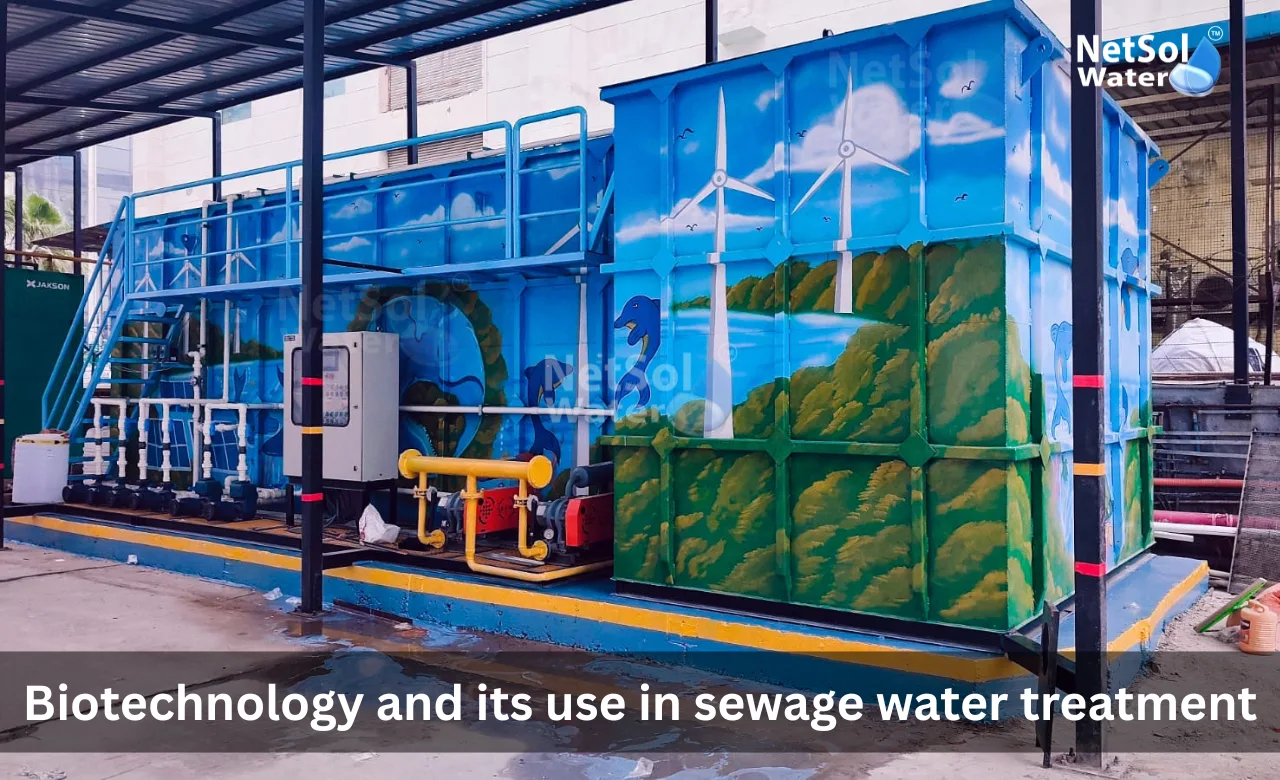
The activated sludge process offers a standard route for biological removal of organic matter. This approach uses aeration and a mix of microbes that form flocks to digest pollutants. Facilities choose this process when they have steady flow and space for tanks and blowers. Let us have a look at some key points and the operation of this method.

1. How it works

In this system, wastewater moves to an aeration tank where oxygen enters the water and microbes feed on organic matter. The mixed liquor then flows to a settling tank where the microbial flocks settle as sludge. The settled sludge returns in part to the aeration tank to keep the microbial population steady, while the excess sludge leaves the plant for further handling. This cycle removes organic load and reduces biochemical oxygen demand so the final water meets required standards.

2. Advantages and applications

The ASP works well for municipal plants and for industries that have constant wastewater strength and flow. The method handles fluctuations to some degree and scales from small to very large systems. Operators can tune aeration time and sludge return to meet effluent targets. The system also allows nutrient removal steps to be added when nitrogen or phosphorus limits apply. The capital cost remains moderate, while the operating cost depends on energy use for aeration and on sludge disposal needs.

Moving Bed Biofilm Reactor (MBBR)

The MBBR brings efficiency in a compact format by using carrier media that float in the tank and support biofilm growth. This method fits sites that need a small footprint and stable performance. Let us have a look at some core features.

1. How it works

MBBR tanks hold millions of small plastic carriers that provide surface area for bacteria to attach and form biofilm. The wastewater flows through the tank while aeration or mixing keeps the carriers moving. Biofilm on the carriers digests organic matter, and the treated water then proceeds to a clarifier or to a membrane step for polishing. The carriers avoid clogging, and they maintain treatment even when flows vary.

2. Advantages and applications

MBBR suits retrofit projects and plants with limited land. The system reduces the need for large clarifiers, and it offers resilience when the load varies. Maintenance focuses on keeping carriers in good condition and on controlling solids that leave the system. MBBR works well for municipal plants, for hotels, and for small industrial units that want low-footprint solutions.

Sequential Batch Reactor (SBR)

SBR treats wastewater in a single tank by running a sequence of steps in time. The system handles changes in flow with less space than continuous flow plants. Let us have a look at where SBR fits best.

1. How it works

An SBR runs in cycles that include fill, react, settle, decant, and idle periods. Operators control the length of each phase to shape treatment outcomes. During react, the microbes act on organics, during settle, solids separate, and during decant, the clear supernatant moves out. The same tank does all steps, so the plant design stays simple and flexible.

2. Advantages and applications

SBR works best where flow varies by hour or by day. The batch mode allows the operator to change cycles for stronger or weaker wastewater without physical changes to equipment. The plant needs fewer tanks, and it fits sites that must meet strict effluent targets with changing loads. Maintenance stays straightforward, and control systems can automate the cycle to reduce the need for constant supervision.

Membrane Bioreactor (MBR)

MBR merges biological treatment with membrane filtration to produce very clean effluent that can be reused. This approach suits projects that must meet high water quality or that plan to recycle treated water. Let us have a look at some key design points and typical uses.

1. How it works

An MBR places membranes after or within the biological reactor so that solids and most pathogens remain behind. The membranes act as a barrier, and the treated water passes through the pores. The membrane step replaces or trims the need for large clarifiers, and it yields low-turbidity water that stands ready for reuse in irrigation, cooling, or some industrial processes.

2. Advantages and applications

MBR gives high-quality effluent in a relatively small footprint. The system costs more in capital and needs careful operation to avoid fouling. Operators perform regular cleaning and monitoring of transmembrane pressure. For hospitals, hotels, and industrial plants that want high reuse potential, MBR often proves the best choice even when the initial cost sits higher than simpler systems.

Rotating Biological Contactor (RBC)

RBC uses a series of rotating discs that host a biological film and that pass through wastewater as they turn. This method offers gentle energy use and steady treatment for small to medium flows. Let us have a look at some mechanical and performance aspects.

1. How it works

RBC units mount discs on a shaft and submerge part of each disc in wastewater. The discs rotate slowly so biofilm grows on the wet surface and gains access to oxygen when the film emerges from the water. The rotation balances exposure to air and to wastewater so the microbes digest organic matter in a stable way. Spent biofilm sheds off, and the solids move to a settling step.

2. Advantages and applications

RBC suits municipal plants in small towns and light industry streams. The equipment uses less energy than full aeration systems, and it needs less operator attention. The system handles steady flows well, and it keeps maintenance simple when accewaterss to discs and to bearings remains clear.

Upflow Anaerobic Sludge Blanket (UASB)

UASB provides an anaerobic route that treats high-strength wastewater while creating biogas. The process reduces sludge output, and it can offset energy needs with methane. Let us have a look at its anaerobic reaction and common uses.

1. How it works

Wastewater enters the UASB from the bottom and passes upward through a dense sludge bed. Microbes in the bed work without oxygen, and they break down organic matter to biogas while forming granular sludge. Gas lifts and carries particles to separators, and the clarified liquid leaves the top of the reactor. The produced biogas moves to a flare or to a generator for energy use.

2. Advantages and applications

UASB fits high-strength industrial waste from food and beverage or from some chemical processes. The method reduces sludge volume, and it creates energy as a byproduct. The reactor needs warm conditions for high performance, and it requires downstream polishing when strict discharge standards apply.

Read some interesting information for the Sewage Treatment Plant Manufacturer in Gurgaon

Conclusion

Choosing the right plant needs clear goals and a view of future use for treated water. The design must match the flow profile, pollutant strength, space, and reuse plans. A good sewage treatment plant manufacturer will guide the choice and deliver a plant that fits budget and performance needs. If you want to explore options or to get a detailed consultation, contact a trusted sewage treatment plant manufacturer to discuss your site and your goals. Reach out to learn more and to request a consultation.

Contact Netsol Water at:

Phone: +91-9650608473

Email: enquiry@netsolwater.com

Sewage-Treatment-Plant-Manufacturer-in-Varanasi-2.webp

February 4, 2026by Netsol Water

What is STP in DENR compliance?

In this blog, we will explain what STP means in DENR compliance and why it matters for places that depend on clean water and healthy rivers. DENR stands for the Department of Environment and Natural Resources. Wastewater from homes, hotels, factories, and markets must meet those rules before it goes back to the environment. An STP or sewage treatment plant removes pollutants from wastewater so the treated water meets the DENR limits.

What is an STP and why it matters in DENR compliance

Wastewater carries organic matter, solids, nutrients, and harmful germs. Without treatment, these wastes reduce oxygen in water, harm fish, and threaten public health. A well designed STP removes most of these pollutants so rivers and coastal areas stay safe for people and for life that depends on them. Let us have a look at some key points that explain how STPs protect water and how regulators assess performance.

  • Types of STP and core purpose

STPs come in many forms and each fits a different need. Some plants treat wastewater from a small subdivision. Other plants serve a hotel, a factory, or an entire municipality. Common processes include primary settling, biological treatment, and final clarification. Biological treatment uses microbes to break down organic matter. Final steps remove remaining solids and reduce bacteria counts. Each step plays a clear role in meeting the effluent standards that DENR sets for discharge into a water body.

  • Purpose of STP in a compliance context

An STP must control biochemical oxygen demand, total suspended solids, nutrients, and bacteria among other items. The plant also helps control oil, grease, and toxic chemical levels when they appear. Operators must monitor results and report them to regulators to show the treated water meets the limits. Proper operation reduces the chance of fines and legal action. Proper design reduces the chance of frequent failures and high costs later.

Key DENR rules and the permit process for wastewater discharge

DENR issues Administrative Orders that set effluent limits and water quality guidelines. Facilities that discharge treated wastewater must secure a Wastewater Discharge Permit WWDP from the EMB or from the regional office. The permit details sampling frequency, reporting duties, and the final limits the treated water must meet. Let us have a look at some of the most important rules and how they affect plant owners.

Important effluent standards and guidance documents

DENR Administrative Order 2016 08 updates the water quality guidelines and general effluent standards that plants must meet. Older orders such as DAO 1990 35 still provide useful detail for many parameters. Permits often refer to these orders and to additional region specific rules. For projects near priority areas, regulators may require further measures such as full sewer connection and stricter limits. These rules affect design capacity, monitoring systems, and the lab tests that the plant must perform.

Design and components of an STP to meet DENR standards

STP contains sections that remove large solids and grit, then separate settleable solids, then apply biological treatment, and then polish the water before discharge. Design must match the type and strength of wastewater and the flow pattern through the day. Let us have a look at some design features that help meet limits and ease monitoring.

  • Primary treatment and solids handling

Primary units remove large materials and reduce the load that the biological system sees. Proper design of screens, settling tanks, and grit chambers makes the rest of the plant more stable. Designers must size these units with expected peak flows in mind and provide safe access for cleaning. Solids removed at this stage need safe handling and disposal to prevent secondary pollution.

  • Biological stage and nutrient control

The biological stage often uses activated sludge or sequencing batch reactors to reduce BOD and nutrients. Designers choose a method based on space available, energy cost, and the required pollutant removal. Proper aeration, mixing, and sludge return help microbes perform well. Sampling points and instrumentation must measure oxygen levels and sludge age so operators can adjust process conditions.

Monitoring testing and reporting that prove compliance

Regulators require regular sampling of effluent for BOD, TSS, ammonia, and coliform among other items. Accredited labs must run the tests and operators must keep records for inspection. Let us have a look at how to set up a robust monitoring plan and how to avoid common errors.

  • Sampling frequency and lab accreditation

Owners must send samples to an accredited lab and keep chain of custody documents. Online instrumentation helps detect problems early but independent lab checks verify final compliance. Operators must log results and report them on schedule to the EMB regional office.

  • Common causes of non compliance and how to prevent them

Non compliance often follows poor maintenance, sudden changes in wastewater strength, or missing records. Simple steps cut the risk. Operators must follow a routine that includes daily checks, cleaning of screens, prompt removal of scum and sludge, and calibration of sensors. Training for staff reduces human error and helps the plant run in a steady way.

Steps to secure compliance and typical challenges for owners

First owners should complete an environmental impact check and obtain permits before starting operation. Next they work with designers and Sewage Treatment Plant Manufacturers to build a system that meets the permit limits. After installation, the plant should run a commissioning period with intensive monitoring to show it consistently meets the limits.

Permitting commissioning and continuous improvement

The path includes permit application, design review, and then the commissioning stage when the plant must demonstrate steady performance. Owners must tune process settings and build a maintenance schedule. Records from commissioning help when applying for the WWDP. Common problems include seasonal flow changes and sudden loads from new tenants. Planning for some extra capacity and rapid bypass controls helps the plant cope.

Role of a Sewage Treatment Plant Manufacturer and why Netsol Water matters

A manufacturer helps with design choices that meet the DENR effluent limits and with documentation for permits. Let us have a look at services manufacturers provide and why selecting the right partner reduces long term risk.

What manufacturers provide and how to pick one

Manufacturers offer design service, equipment supply, installation, and commissioning. They also provide training for operators and after sale maintenance contracts. Choose a partner with local experience, knowledge of DENR rules, and a record of successful projects. Netsol Water is the leading Sewage Treatment Plant Manufacturer in many projects across the region. They support clients through design, permitting, and long term operation and they help clients meet monitoring and reporting duties.

Read some interesting information for the Effluent Treatment Plant Manufacturer

Conclusion

A Sewage Treatment Plant Manufacturer can guide owners from permit to steady operation. For help with design, permitting, or to request a consultation, contact a trusted provider that understands DENR rules and sampling protocols. Reach out to a Sewage Treatment Plant Manufacturer today for a site review and a compliance plan. Netsol Water can provide guidance and support and help you meet effluent standards and keep your community safe.

Contact Netsol Water at:

Phone: +91-9650608473

Email: enquiry@netsolwater.com

Sewage-Treatment-Plant-Manufacturer-in-Varanasi-1.webp

February 4, 2026by Netsol Water

When should I use an STP?

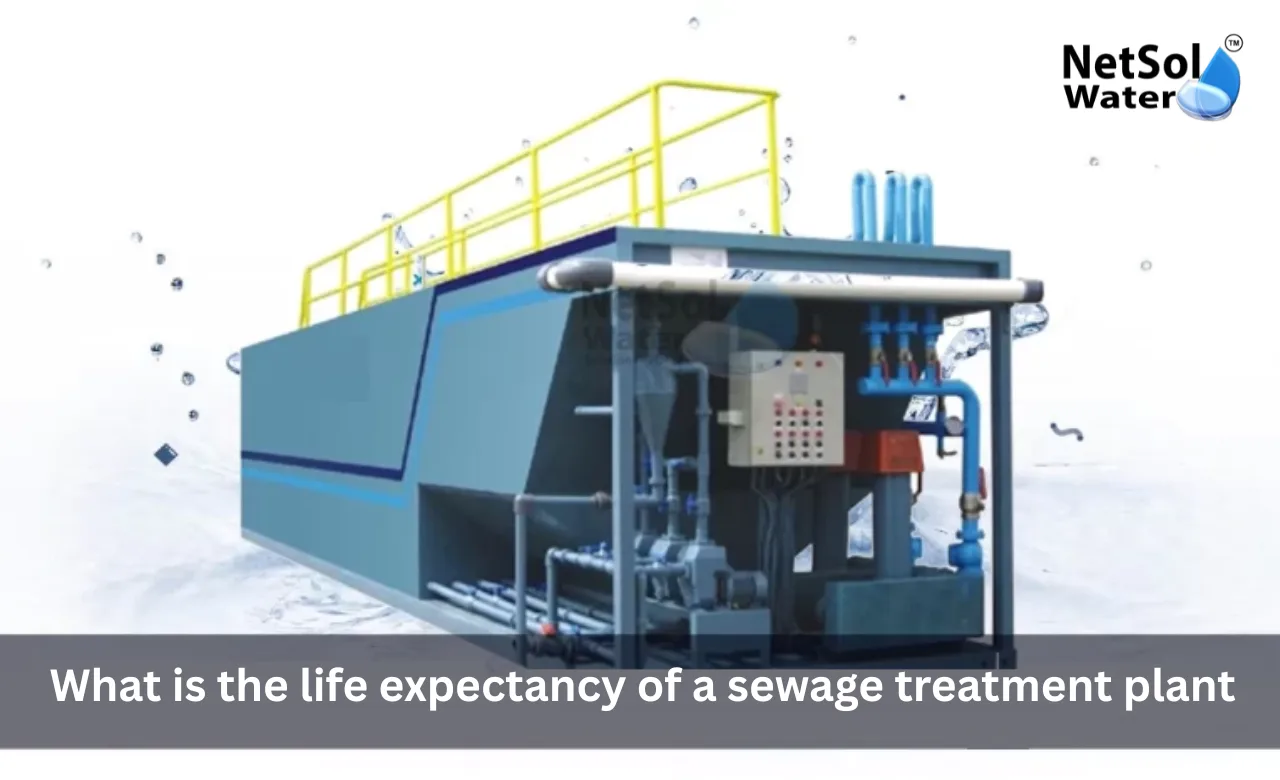
Choosing the right time to install a sewage treatment plant matters for health, safety, and long term cost control. We will explain when you should use an STP. We lead as a Sewage Treatment Plant Manufacturer for many clients who need design and installation help.

Need of an STP

Every property owner should know the key signs that show an STP will help them. These signs affect daily operations and future costs. Let us have a look at some common indicators and how they point to the need for an STP.

1. Increasing Wastewater Volume

When a site grows, it produces more wastewater. An STP handles rising flow and prevents overflow. If your drainage backs up or if septic tanks fill fast, then you need a planned solution. Installing an STP stops pollution and protects nearby water bodies. Modern STPs scale with need and let you match capacity to demand.

2. Regulatory and Permit Needs

Local rules can demand treatment before release to the public sewer or natural waterways. A Sewage Treatment Plant Manufacturer can help you meet those rules. When authorities inspect your site and ask for proof of treatment, you must act. An STP will document compliance and reduce the risk of fines.

3. Odour and Health Concerns

Strong smells and repeated sickness among workers point to untreated waste. An STP removes organics and reduces pathogens. That protects health and improves conditions for people on site. Fixing these problems early saves money and avoids escalation.

Where to Use an STP

Some places need an STP more often than others. Each type of site offers a clear case for treatment. Let us have a look at some typical installations and how an STP fits each one.

1. Residential Complexes and Housing Societies

Large housing complexes generate steady wastewater every day. A central STP treats this flow and returns water for gardening and flushing. Residents gain cleaner living areas and the site lowers its demand on municipal water. Owners can save on water bills by reusing treated water.

2. Industrial Units and Factories

Factories often discharge waste with solids and chemicals. An STP built for industrial needs will remove these materials and protect local drains. A Sewage Treatment Plant Manufacturer can design a personalized system that fits the process waste. Such a system prevents plant shutdowns and keeps the business running.

3. Commercial Buildings and Hotels

Hotels, restaurants, and malls face high peaks during busy hours. An STP sized for peak load manages these surges. Treated water can serve cooling towers, irrigation, and cleaning. This reduces fresh water needs and supports business continuity.

When to Install or Upgrade an STP

Timing the install or upgrade affects cost and disruption. Choose the right moment and you gain value fast. Let us have a look at common timing scenarios and the best approach for each.

1. New Construction Projects

If you plan new buildings, install the STP during the build phase. This reduces retrofitting costs and avoids space conflicts later. Early design also allows easy pipe routing and long term maintenance access. Builders can integrate the STP into the site plan and speed up final approvals.

2. Expansion of Existing Sites

When a plant expands its capacity, you must add treatment capacity too. Upgrading the STP or adding parallel units keeps performance stable. A Sewage Treatment Plant Manufacturer can assess current load and propose staged upgrades. This approach prevents service gaps and keeps the site compliant.

3. After Regulatory Changes or Inspections

Inspectors can require new standards at any time. If rules change, upgrade the STP to meet the new limits. Fast action prevents penalties and future restrictions. A well planned upgrade also improves reliability and reduces operating cost.

Benefits of Using an STP Now

Installing an STP brings many benefits. These benefits affect budgets, operations, and public image. Let us have a look at the most important benefits and how they add up over time.

1. Water Reuse and Cost Savings

An STP turns wastewater into a useful resource. Reusing water for landscaping, flushing, or cooling cuts fresh water use. The savings return the investment in stages and make the site less exposed to price rises. Long term planning with a Sewage Treatment Plant Manufacturer helps you measure savings and payback.

2. Environmental Protection and Community Trust

Treating waste prevents pollution of rivers, lakes, and groundwater. That protects the local ecosystem and supports public health. Companies that show care for the environment build trust with neighbours and authorities. This trust helps when you seek approvals or want to expand.

3. Reduced Liability and Better Risk Management

Untreated discharge creates legal risk and public complaints. An STP reduces that risk and gives clear records of compliance. This lowers insurance exposure and makes audits simpler. Choosing the right technology and service ensures steady operation.

How to Choose a Sewage Treatment Plant Manufacturer

Choosing the right partner matters as much as choosing the right system. Look for clear design advice, proven installation skills, and steady service. Let us have a look at selection steps to make your choice simple and effective.

1. Technical Fit and Custom Design

A good manufacturer checks your flow and waste profile and then offers a matched design. Custom design reduces surprises and speeds up commissioning.

2. Service and After Sales Support

Ongoing support matters for long term performance. Choose a manufacturer who offers maintenance, training, routine checks, and quick repair service. This keeps the plant online and reduces downtime.

3. Local Experience and Compliance Know How

Local rules change by state and region. A manufacturer with local experience will handle approvals and coordinate with authorities. That shortens the time to operate and avoids common delays. Netsol Water can guide many clients through this process.

Read some interesting information for the Industrial RO Plant Manufacturer

Conclusion

A well planned STP protects health, saves water, and supports compliance. A Sewage Treatment Plant Manufacturer can assess your site and offer a clear plan. Contact a trusted manufacturer for a site visit and a consultation. Request a quote to compare options and start a simple timeline for installation. Take the next step to secure cleaner water and smoother operations.

Contact Netsol Water at:

Phone: +91-9650608473

Email: enquiry@netsolwater.com

Why-is-STP-so-important-1-1.webp

February 3, 2026by Netsol Water

What is the main purpose of STP?

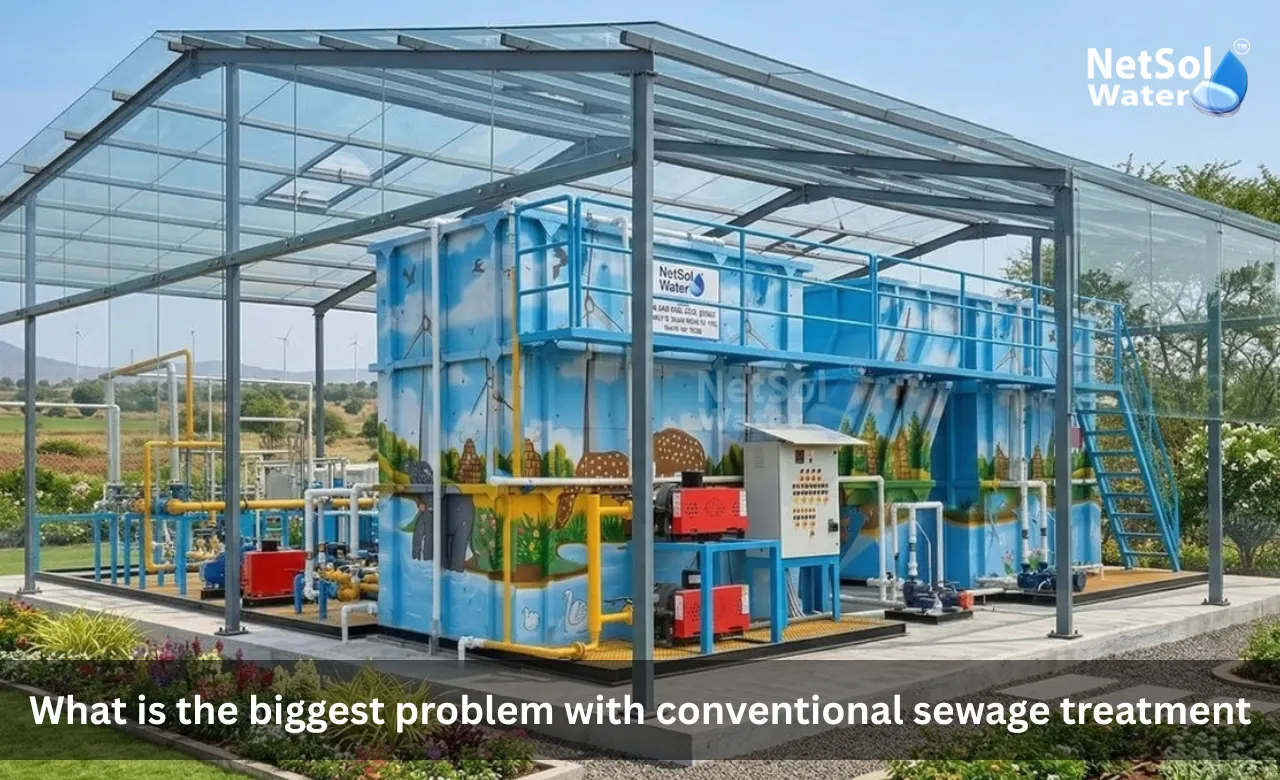
Sewage treatment plants remove harmful material from used water and return clean water to the environment. A sewage treatment plant manufacturer designs and makes these plants so communities can live with less pollution and better public health. We lead the field and offer solutions that meet local needs. We will explain the main purpose of an STP and see how a manufacturer shapes design, operation, and long-term performance.

Main Purpose of an STP and How Manufacturers Serve That Purpose

A sewage treatment plant manufacturer must design systems that remove solids, reduce organic load, and control harmful microbes. This protects human health, and it guards the environment. When a plant works well, it prevents disease, and it keeps rivers, lakes, and groundwater clean. Let us have a look at some core functions and how a manufacturer meets each need.

1. Primary function and primary treatment

Solid removal forms the first step in treatment. A manufacturer designs screens, grit chambers, and settling tanks that separate large debris and sand from the flow. These components protect pumps and downstream units from damage. A robust primary treatment stage reduces the load on biological systems, and it lowers maintenance needs. Manufacturers choose materials and sizes that match the expected flow. They also ensure access points for manual cleaning and for safe disposal of collected solids.

2. Biological treatment and organic reduction

After solids come organic pollutants that cause oxygen loss in water bodies. A sewage treatment plant manufacturer provides biological reactors that use bacteria to break down organic matter. These reactors may use fixed films, suspended growth, or a hybrid of both. Proper aeration and mixing keep microbes active and healthy. The manufacturer sets parameters like hydraulic retention time and loading rate so the biological stage can meet discharge targets.

Design and Customization by the Manufacturer

Each site has unique needs, and a one-size-fits-all unit rarely works. A sewage treatment plant manufacturer customizes the design to match site constraints, flow patterns, and budget limits. Good design increases efficiency and reduces life cycle cost. Let us have a look at some design choices and the benefits they provide.

1. Site assessment and personalized solutions

Manufacturers begin work with a site survey and a load study. They measure flow rate, and they test wastewater character. These steps let them choose the right process and the right capacity. Personalized solutions avoid oversizing and undersizing. When the plant fits the real need, it uses less energy, and it needs fewer chemicals. The manufacturer also plans for future growth so the system can expand with the community.

2. Modular versus packaged plants and material selection

Some projects call for modular units that arrive on-site ready to install. Others need on-site buildup from raw materials. The sewage treatment plant manufacturers recommend modular systems when speed and a compact footprint matter. For large projects, the manufacturer may propose a built-in-place solution that uses reinforced concrete. Material selection affects durability and maintenance. Choosing the correct material reduces corrosion and improves lifespan.

Installation, Operation, and Maintenance Role of the Manufacturer

A sewage treatment plant manufacturer must support site installation, and they must train operators for daily care. Proper operation keeps the plant within discharge limits, and it extends equipment life. Let us have a look at tasks that ensure reliable operation.

1. Commissioning and start up support

Commissioning sets the plant into steady-state operation. The manufacturer guides the startup sequence, and they balance flows and loads. This step lets technicians confirm sensors, pumps, and control systems work as planned. Manufacturer-led commissioning shortens the time to stable operation, and it reduces initial faults.

2. Training maintenance schedules and spare parts supply

Good training gives operators the skill to run the plant and to spot problems early. A sewage treatment plant manufacturer provides manuals and hands-on sessions. They also supply preventive maintenance schedules and a list of wear parts. Quick access to spare parts reduces downtime. Regular checks keep performance steady, and they lower the total operating cost.

Environmental and Regulatory Compliance

Compliance with law and with environmental standards prevents fines, and it protects public health. A sewage treatment plant manufacturer must design plants that meet local rules and that can adapt to future changes. Following standards also helps with project approvals and public acceptance. Let us have a look at how manufacturers ensure compliance and support monitoring.

1. Meeting discharge norms and testing procedures

Manufacturers select treatment stages to achieve the required removal of biochemical oxygen demand, suspended solids, and nutrients. They add polishing steps when stricter limits apply. The plant must include sampling points and access for lab work. The manufacturer often sets up automatic samplers and online sensors so performance stays visible.

2. Supporting permits, monitoring and record keeping

Getting permits requires documentation from design to expected outcome. A sewage treatment plant manufacturer prepares technical reports, and they may help with permit submission. Ongoing monitoring keeps records that prove compliance. When an issue arises, the manufacturer can suggest tuning steps or upgrades to restore compliance.

Read some interesting information for the Commercial RO Plant Manufacturer

Conclusion

Sewage treatment plants protect water and health while they allow safe reuse of treated water. A sewage treatment plant manufacturer plays an important role at every stage from design to long-term care. Good manufacturers deliver personalized plants that meet flow needs, comply with law, and keep operating costs low. If you want more information or if you need a consultation, contact a qualified provider and ask about site-specific solutions.

Contact Netsol Water at:

Phone: +91-9650608473

Email: enquiry@netsolwater.com

Why-is-STP-so-important.webp

February 2, 2026by Netsol Water

Can we drink STP water?

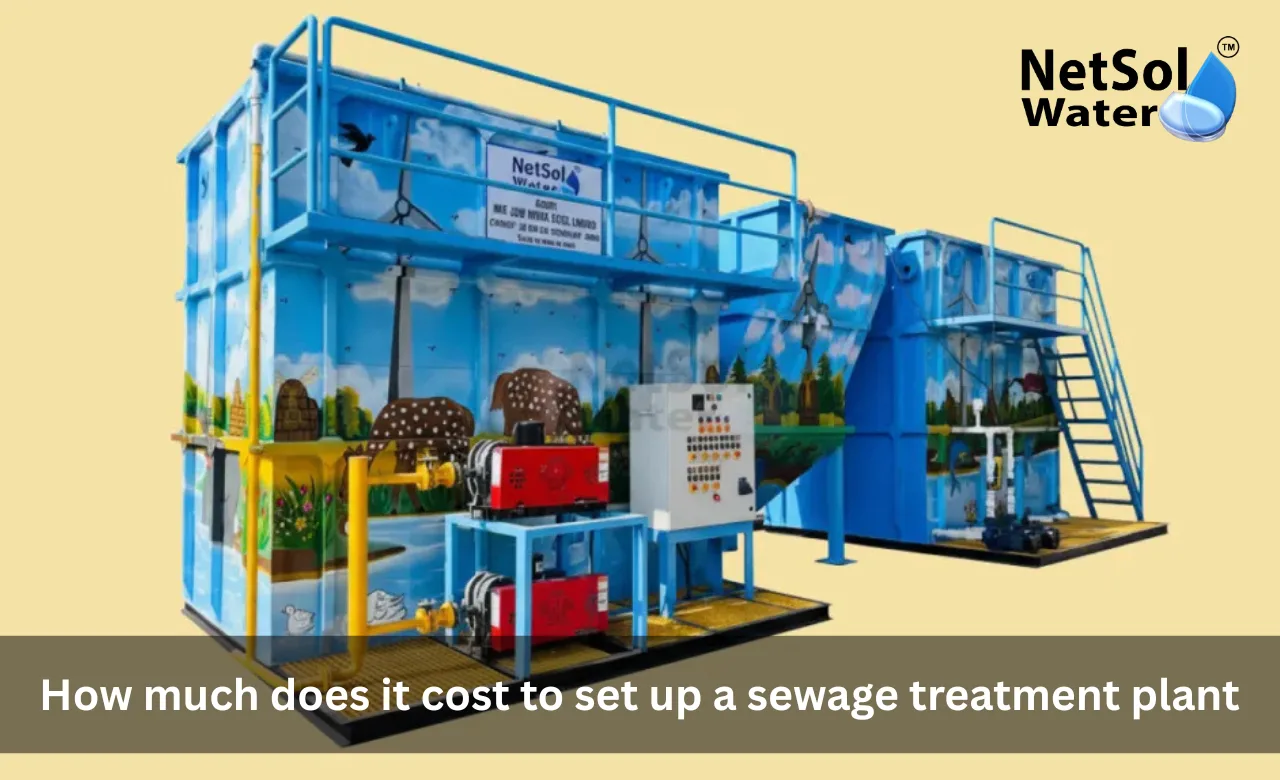
Many cities now reuse treated wastewater to manage rising demand and shrinking freshwater sources. People often ask whether treated sewage water can replace normal drinking water. Urban areas face pressure on rivers and groundwater. Because of this pressure, many communities explore water recycling. We will explain what standard STP water can and cannot do.

Why Standard STP Water Is Not Drinkable

Knowing the limits of treated wastewater protects public health. We will explain why normal discharge from a sewage treatment plant does not match drinking water quality. Let us have a look at some main reasons and their impact.

1. Treatment Goals and Limits

A sewage treatment plant mainly removes solids and reduces organic pollution. The system also lowers harmful microorganisms so water becomes safe for reuse activities. Normal treatment stages include screening, settling, and biological processes. These stages clean visible dirt and break down organic waste. After treatment, the water often appears clear and carries little odours. Even with this appearance, the water still holds dissolved chemicals and microscopic contaminants. Some viruses and resistant bacteria pass through regular treatment. Many pharmaceutical traces and household chemicals also remain in small amounts. These substances enter sewage from daily human use and industrial discharge. Standard systems do not fully remove them. Nutrients such as nitrates and phosphates also stay in the water. High nitrate levels create health risks, especially for children. Because of these remaining elements, standard STP water fails to satisfy drinking water limits in most regions.

2. Health and Regulatory Concerns

Health authorities demand strict testing before people can drink any water supply. They define limits for bacteria, viruses, and chemical residues. Normal Sewage Treatment Plant effluent usually does not reach these targets without added purification. Regulators also consider public confidence. Even when risk stays low, people hesitate to drink recycled water. Because of this concern, governments require several safety barriers. Typical STP designs do not include such high-level safeguards. Without these layers, direct drinking reuse becomes unsafe and also illegal in many areas.

How Standard STP Water Is Used Safely

Understanding safe reuse protects natural water sources. Let us have a look at some common reuse practices and their controls.

1. Non-Potable Reuse in Cities

Cities use treated wastewater for activities that do not involve drinking. Parks and gardens use this water for irrigation. Large buildings use it for toilet flushing. Municipal services use it for road washing and construction needs. This reuse reduces pressure on rivers and borewells. Authorities design separate pipelines for reused water. They label these pipelines clearly to avoid mixing with drinking water lines. Operators test quality often to confirm safety for nonpotable tasks. These controls keep exposure low and prevent health issues in daily urban operations.

2. Industrial and Agricultural Uses

Factories use treated wastewater for cooling and process work where drinking quality is not required. Agriculture also benefits from treated water when rules permit. Farmers use it for specific crops under controlled methods. Using Sewage Treatment Plant water in farms saves fresh water for homes. Crop type and irrigation method decide safety.

Making STP Water Drinkable

Changing wastewater into drinking water requires more than basic treatment. Let us have a look at some advanced methods and how they work together.

1. Advanced Treatment Technologies

Advanced treatment builds several layers of protection. Ultrafiltration removes fine particles and bacteria. Reverse osmosis pushes water through membranes to separate salts and dissolved chemicals. UV treatment destroys microorganisms and damages virus DNA. Advanced oxidation breaks complex organic compounds. Together these steps create water that meets drinking standards. Engineers also place prefilters to protect main membranes from damage. Sensors monitor flow, pressure, and clarity at each stage. Operators review results daily to keep performance stable. When these processes combine with constant monitoring, they deliver water that people can safely drink.

2. Regulatory Approval and Public Trust

Even strong technology needs legal and social approval. Regulators require performance records and safety audits before approval. They also demand backup systems to handle failures. Emergency response plans stay part of every potable reuse project. These requirements improve reliability. Public acceptance also matters. Authorities share data and explain processes so people understand water quality. Cities that use potable reuse invest in education programs.

Examples and Real-World Context

Real examples show how communities transform treated wastewater into a safe supply. Let us have a look at some global and local examples.

1. International Examples

Several countries operate large potable reuse plants. These projects use advanced treatment and strict quality checks. Engineers test water continuously and keep independent reviews. These programs strengthen water security and reduce stress on lakes and rivers. They also prove that treated wastewater can support cities during drought periods. These models guide other regions facing water shortages.

2. Local and Small-Scale Efforts

Some housing societies and institutions install advanced reuse systems on site. These plants treat wastewater to high quality and reuse it within the campus. Operators sometimes blend this water with other sources under rules. These local projects help develop technical skills and awareness. They also guide regulators while forming policies. Small-scale reuse shows how communities can manage water better with the right technology.

Read some interesting information for the Effluent Treatment Plant Manufacturer in Faridabad

Conclusion

Water from a sewage treatment plant supports many activities, but people should not drink it without extra purification. Only advanced multi-stage treatment and strict control can convert treated wastewater into safe drinking water. Netsol Water is the leading sewage treatment plant manufacturer and offers guidance for reuse and treatment planning. If you want to understand how water reuse fits your project or community, you can connect with experts for advice. Reach out today to request a consultation and explore our solutions for safe reuse and future water security.

Contact Netsol Water at:

Phone: +91-9650608473

Email: enquiry@netsolwater.com

Why-is-STP-so-important-1.webp

January 31, 2026by Netsol Water

What does STP stand for?

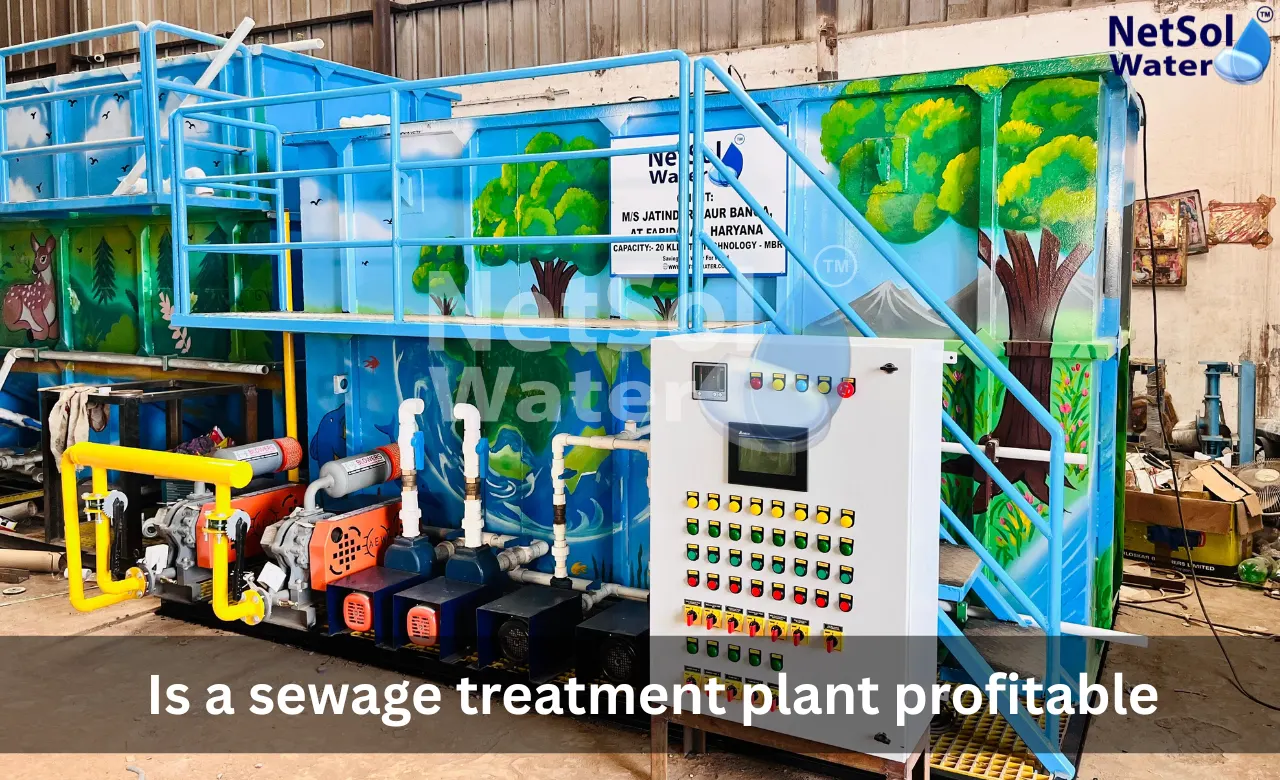
STP stands for Sewage Treatment Plant. Clean water and safe disposal matter for health and for the environment. Netsol Water leads as an STP manufacturer, and it brings expertise to design and to deliver plants that match local needs.

Sewage Treatment Plant (STP)

Understanding the meaning and the basic function of STP helps to see why the Sewage Treatment Plant matters so much. At its core, an STP takes used water and removes harmful materials so the water can return to the environment in a safer form. This function protects public health and reduces pollution. It also supports water reuse in areas that face shortages.

1. What STP stands for and why the name matters

STP stands for Sewage Treatment Plant. The term points to the two main ideas in the process. The first idea is sewage, which means wastewater from homes, businesses, and industries. The second idea is treatment, which means the steps that remove solids, harmful microbes, and chemicals from this water. The name matters because it tells users that the system handles both collection and cleaning. Choosing a skilled sewage treatment plant manufacturer ensures that the plant matches the volume and the nature of the wastewater.

2. Main stages in the treatment process

The STP works in stages that remove different types of contaminants. The first stage removes large solids and grit so that pumps and later stages do not get damaged. The second stage focuses on organic matter. This step often uses biological processes where microbes break down organic load. The third stage removes nutrients and fine particles. This stage may use filtration or chemical steps. Each stage needs careful control, and the sewage treatment plant manufacturers must choose parts that work well together. Modern plants may include further polishing and disinfection so the treated water meets legal standards or so it can be reused for tasks like irrigation.

Why STP design and manufacture matter

Good design and careful manufacture determine how well an STP performs over time. A sewage treatment plant manufacturer plays an important role in turning plans into robust systems that deliver expected results. Designers must understand the wastewater type, the available space, the local climate, and the operation skills of the staff who will run the plant.

1. Matching the plant to local needs

Not all sewage is the same, and not all sites require the same size or the same processes. Residential complexes have a different waste profile than food processing units. The STP manufacturer needs to assess the inflow amount, the variation over time, and any specific chemicals in the wastewater. This assessment guides the choice of process, such as activated sludge, membrane bioreactor, or constructed wetland. The design must also fit into the available space and allow for future expansion. Netsol Water follows a process where engineers study the site and then suggest options that balance cost and performance.

2. Quality control and long-term support

After the design comes manufacture and then installation. Each step affects how the plant performs in real life. A reliable STP manufacturer uses tested components and follows strict quality checks. The manufacturer also offers training to the operators and a plan for spare parts. These services make sure the plant stays online and meets the standards set by authorities. In many places, regulations require regular testing and reporting. A good manufacturer provides documentation and helps with commissioning tests.

Benefits applications and reuse options

Knowing what an STP can do helps to see why the Sewage Treatment Plant Manufacturer must think beyond cleaning. Treated water can serve many uses when the plant delivers consistent quality. This reduces demand on fresh water and cuts disposal cost. The benefits also include lower pollution and safer communities.

1. Common applications of treated water

Treated water from an STP can support landscape irrigation, industrial washing and cooling, and some cleaning tasks in buildings. When further polishing happens, the water can fill flush tanks or serve as process water in factories. Using treated water reduces demand on municipal supplies. It also reduces the volume sent to rivers or to the sea, which in turn protects fish and plants. However, safe reuse depends on meeting quality standards and on monitoring. The sewage treatment plant manufacturer must design systems that deliver the required output and that include steps for disinfection where needed. Netsol Water offers modular solutions that allow clients to add reuse options as their needs grow.

2. How reuse boosts value and sustainability

When a facility adopts treated water, it lowers its operating cost and shows a clear commitment to sustainability. This approach helps companies meet regulatory goals, and it improves public image. The STP manufacturer plays a role by ensuring the plant is reliable and by providing controls that show water quality over time. Sensors and automation make it easier to manage reuse safely and to react if a parameter moves out of range. Good manufacturers also build in safety steps like multiple barriers to prevent any health risk. This attention to detail makes reuse a practical option rather than a risky experiment.

Read some interesting information for the Sewage Treatment Plant Manufacturer in Faridabad

Conclusion

Understanding what STP stands for shows how important the Sewage Treatment Plant Manufacturer is for clean water and for safe disposal. The right manufacturer designs, builds, and supports plants that protect health and that help reuse water in useful ways. Netsol Water stands as a leading STP manufacturer with experience across many sectors and site types. If you need advice on the right STP for your site or if you want a consultation on water reuse, contact Netsol Water for more information. The team can assess your needs, provide a clear plan, and help you with installation and operation.

Contact Netsol Water at:

Phone: +91-9650608473

Email: enquiry@netsolwater.com

What-are-the-4-stages-of-sewage-treatment-plant.webp

January 30, 2026by Netsol Water

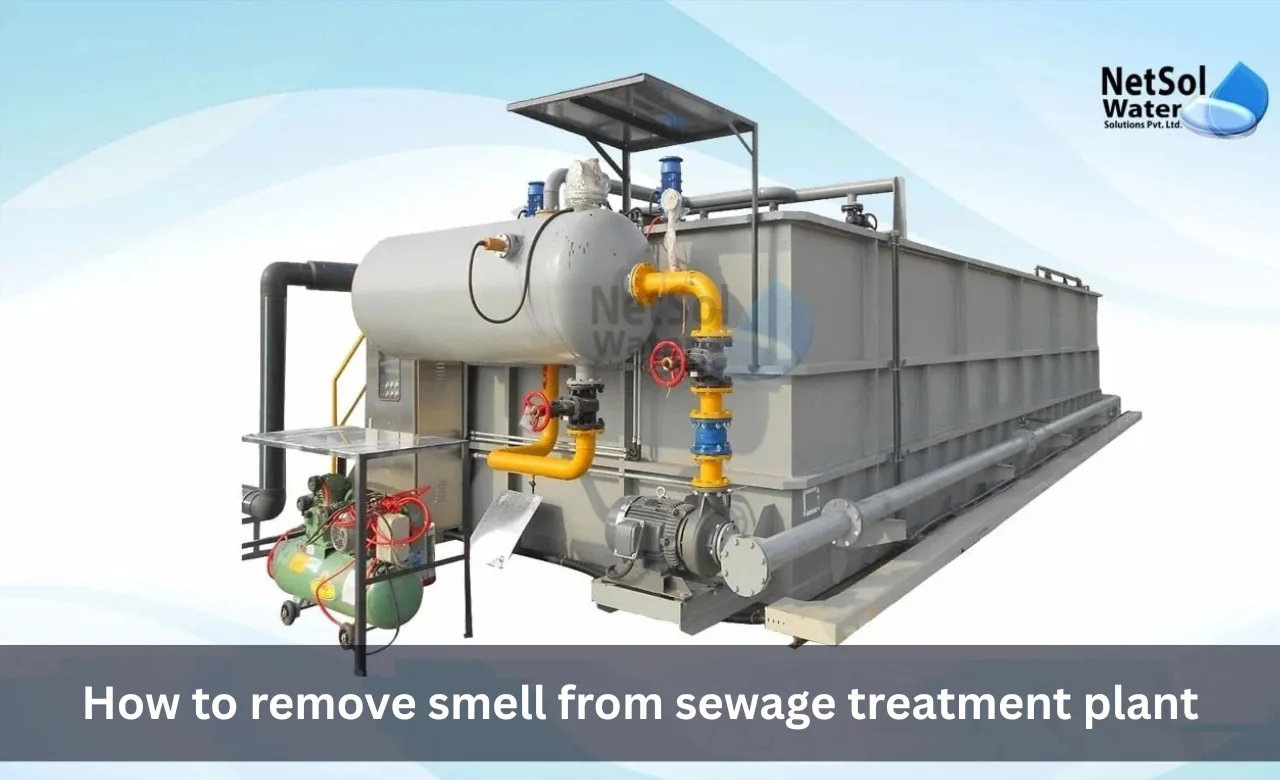
What are the 4 stages of sewage treatment plant?

Sewage treatment keeps cities clean and water safe. A good sewage treatment plant manufacturer makes plants that remove harmful matter and protect rivers and groundwater. Cities face growing demand for clear water and strict rules for discharge. Netsol Water is the leading STP manufacturer, and they design plants that meet local needs and rules. We will explain the four main stages of a sewage treatment plant.

What are the 4 stages of sewage treatment plant?

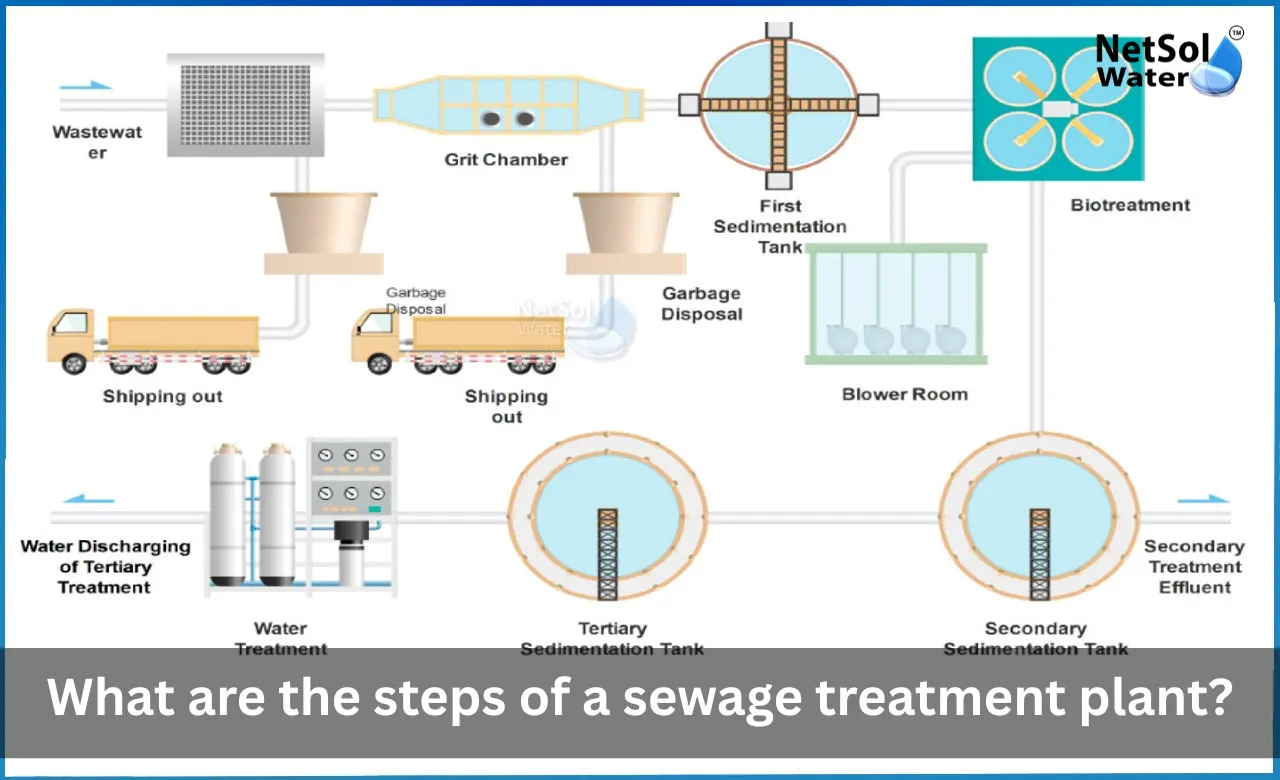
Stage 1: Preliminary Treatment

Preliminary treatment removes large objects and heavy particles that can damage pumps and later equipment. This stage protects the whole plant and makes the next steps more effective. Let us have a look at some common processes used in this stage and how they keep the plant safe and efficient.

1. Screening

Screening stops large solids from moving further into the plant. Screens trap rags, plastic pieces, and large debris. Operators clean the screens on a regular schedule. When workers remove the trapped material, they do so in a safe manner that keeps the plant running. Screening prevents blockages in pumps and pipes. It also reduces wear on mechanical parts.

2. Grit Removal

Grit removal separates sand, gravel, and other heavy inorganic matter from wastewater. These particles settle quickly and can abrade pumps and mechanical parts. Grit chambers slow the flow to allow heavy particles to fall out. The settled grit then moves to grit handling for disposal. Correct grit removal extends the life of pumps and protects later biological processes. Design choices include vortex chambers, horizontal flow tanks, or aerated basins. A good sewage treatment plant manufacturer selects the best option for the local conditions and for the expected load of grit.

Stage 2: Primary Treatment

Primary treatment focuses on removing settleable solids and floating matter. This stage reduces the load on biological systems by taking out a large share of suspended solids and oil. Let us have a look at the main operations used in primary treatment and how they prepare the water for biological cleaning.

1. Primary Sedimentation

Primary sedimentation tanks slow the water to let heavier solids sink to the bottom. The settled solids form primary sludge. Operators use mechanical scrapers or pumps to remove this sludge. Removing these solids reduces organic load and helps the secondary stage work better. Proper tank design controls flow patterns and prevents short-circuiting. Sewage treatment plant manufacturers must size tanks to match peak flows so the settling works well under different conditions.

2. Skimming and Oil Removal

Skimming removes lighter materials that float on the water surface. Oils, grease, and scum collect on the top and move to a separate removal zone. Mechanical skimmers or oil traps collect these materials for disposal. Removing oil prevents it from interfering with biological processes and reduces odors.

Stage 3: Secondary Treatment

Secondary treatment uses biological processes to remove dissolved and suspended organic matter. This stage turns organic pollutants into stable forms that settle out or can be further removed. Let us have a look at typical systems used in this stage and how they transform pollution into safe byproducts.

1. Activated Sludge Process

The activated sludge process mixes wastewater with a concentrated mix of microorganisms. These microbes feed on organic matter and break it down into carbon dioxide, water, and microbial biomass. Aeration supplies oxygen, which the microbes need. After aeration, the mixture flows to a secondary clarifier where biomass settles out. The settled biomass returns partly to the aeration tank to keep the system active. The rest moves to sludge handling. A sewage treatment plant manufacturer must design aeration and mixing to match the oxygen needs and to control sludge age. Good control keeps the biology stable and prevents poor settling.

2. Trickling Filters and Biofilm Systems

Trickling filters let wastewater flow over a bed of media that hosts a living biofilm. The biofilm consumes organic matter as wastewater trickles through. These systems use less energy than activated sludge in some cases, and they handle shock loads well. The media can be stones, plastic media, or other structured materials. Periodic cleaning or backwash keeps the media working well. A well-designed system by a sewage treatment plant manufacturer balances load distribution and ensures even flow to prevent channeling and loss of performance.

Stage 4: Tertiary Treatment and Disinfection

Tertiary treatment polishes the water to meet strict discharge or reuse standards. This stage removes fine suspended solids, nutrients, and harmful microbes. Let us have a look at common tertiary processes and how they help meet strict water quality goals.

1. Filtration and Nutrient Removal

Filtration removes small particles that pass through secondary clarifiers. Sand filters, membrane filters, and other media help remove these particles. Many facilities also add biological or chemical steps to remove nitrogen and phosphorus. Removing nutrients prevents algae growth in receiving waters. A sewage treatment plant manufacturer must choose filters and nutrient removal steps that match the required discharge quality and the budget for operation. Correct design reduces chemical use and extends filter life.

2. Disinfection

Disinfection kills pathogenic organisms that pose a risk to public health. Plants may use chlorine, ultraviolet light, or ozone for disinfection. Each method has benefits and operating needs. Chlorine works well and has a lasting effect but needs careful dosing and handling. Ultraviolet systems do not add chemicals, and they work fast. Ozone is powerful but needs special equipment.

Read some interesting information for the Effluent Treatment Plant Manufacturer in Noida

Conclusion

Choosing the right sewage treatment plant manufacturer matters for long-term performance and safe operation. Netsol Water is the leading STP manufacturer, and they offer design, selection, and service to meet local requirements. If you need help with a new plant, an upgrade, or a consultation, contact Netsol Water to discuss your needs. Request a site visit or a technical review to learn how your project can meet standards and run efficiently.

Contact Netsol Water at:

Phone: +91-9650608473

Email: enquiry@netsolwater.com

How-to-reduce-TDS-in-RO-system-1-1.webp

January 29, 2026by Netsol Water

What are the benefits of STP?

Cities grow fast, and industries expand. Rivers and lakes face pressure from waste. People need clean water for daily life and for farming. Netsol Water is the leading sewage treatment plant manufacturer, and the company makes plants that fit many needs. India is famous for its long rivers and rich farming lands. It is also home to many growing towns that need steady water supplies. This mix makes sewage treatment more important than ever. Good treatment plants protect rivers and keep land healthy.

Environmental protection and biodiversity

Sewage treatment keeps pollution out of rivers and lakes. Clean water helps plants and animals to live and to grow. Let us have a look at some key ways treatment systems protect nature and help ecosystems recover.

1. Reduction of pollution load

When a sewage treatment plant manufacturer builds a plant, the first goal is to remove harmful solids and organic matter. Treatment removes suspended particles and lowers the amount of nutrients that cause algae blooms. This process prevents oxygen loss in water bodies. Fish and other aquatic animals need oxygen to survive. Too much untreated waste causes dead zones where few species can live. A proper plant brings water quality back to safe levels. This in turn restores the balance in rivers and wetlands. Communities then see clearer water and more life near their shores. Rivers become more usable for fishing and for cultural uses. Over time the chemical balance of the water improves. That change helps native species to return.

2. Protection of aquatic life

Healthy water supports a wide range of species. When treatment removes toxic compounds, the food chain recovers. Small organisms return first. Then larger species come back as their food sources grow. This change improves biodiversity and strengthens natural resilience. A stable ecosystem resists disease and recovers faster from shocks like floods. Sewage treatment also reduces heavy metals and persistent chemicals. Removing these agents stops harmful buildup in fish tissue. People who depend on fish for food gain safer meals.

Water reuse and resource recovery

Treating sewage turns waste into a resource. Reuse reduces pressure on freshwater sources. Let us have a look at some common ways treated water and recovered materials support local life and industry.

1. Irrigation and industrial reuse

Treated sewage water can serve farms and factories. When a sewage treatment plant manufacturer designs plants for reuse, the output meets local needs. Farmers can water crops with treated water during dry seasons. This reduces the need to draw from wells. Industries can use treated water for cooling and for some processes. Reuse lowers the demand for fresh water and cuts costs for users. It also frees more groundwater for drinking. Reused water keeps green spaces alive near towns. City planners can use reuse to support parks and street trees. In areas with limited rainfall, treated water acts as a steady supply. This change supports food security and keeps businesses running during dry months.

2. Groundwater recharge and conservation

Another benefit comes from using treated water to recharge aquifers. When STP plant manufacturer teams plan recharge schemes, they guide water back to the ground in controlled ways. This step raises the water table over time. Higher groundwater levels reduce the cost of pumping and protect wells from running dry. Recharge also prevents land from sinking in places with heavy extraction. Restored groundwater supports rural and urban users alike. It helps small farmers who rely on shallow wells. It also serves cities that face seasonal shortages. By returning treated water to the ground, communities secure a long-term water supply.

Public health safety and economic savings

Sewage treatment protects people from disease. It also creates jobs and saves money in the long run. Let us have a look at some ways treatment systems raise living standards and support growth.

1. Improved sanitation and disease reduction

Untreated sewage spreads pathogens that cause diarrhea and other illnesses. A well-built plant removes bacteria and viruses from water before it returns to the environment. This reduction lowers the burden on clinics and hospitals. Children gain better health and miss fewer school days. Clean surroundings also cut the cost of medical care for families. Public places such as markets and schools become safer. Clean rivers reduce the spread of waterborne diseases during floods. When sewage treatment plant manufacturers work with local leaders, the project links to sanitation programs. Combined action on treatment and on sanitation raises hygiene standards across a town. This change leads to long-term gains in public health.

2. Cost savings and local employment

Building and running sewage plants creates jobs for engineers and for technicians. It also supports local businesses that supply parts and services. In the long term, treated water lowers the cost of water for farms and factories. Saving on water reduces production costs. Cities then use funds for other services such as roads and schools. Proper treatment also cuts the cost of environmental cleanup after pollution incidents. Repairing a damaged river is far more costly than running a treatment system. Investment in treatment therefore pays back through lower health bills and through new economic activity. Local companies gain a steady supply of water, which they can use reliably. This stability attracts further investment and supports steady growth.

Read some interesting information for the Commercial RO Plant Manufacturer in Noida

Conclusion

Sewage treatment brings clear benefits for nature, health, the economy, and social life. A reliable STP plant manufacturer can turn waste into useful water and protect the places we live in. Netsol Water is the leading sewage treatment plant manufacturer, and the company offers solutions for towns, industries, and farms. If you want to learn how a treatment system can help your project, contact Netsol Water for more details. Request a consultation to explore options that fit your site and your budget.

Contact Netsol Water at:

Phone: +91-9650608473

Email: enquiry@netsolwater.com