
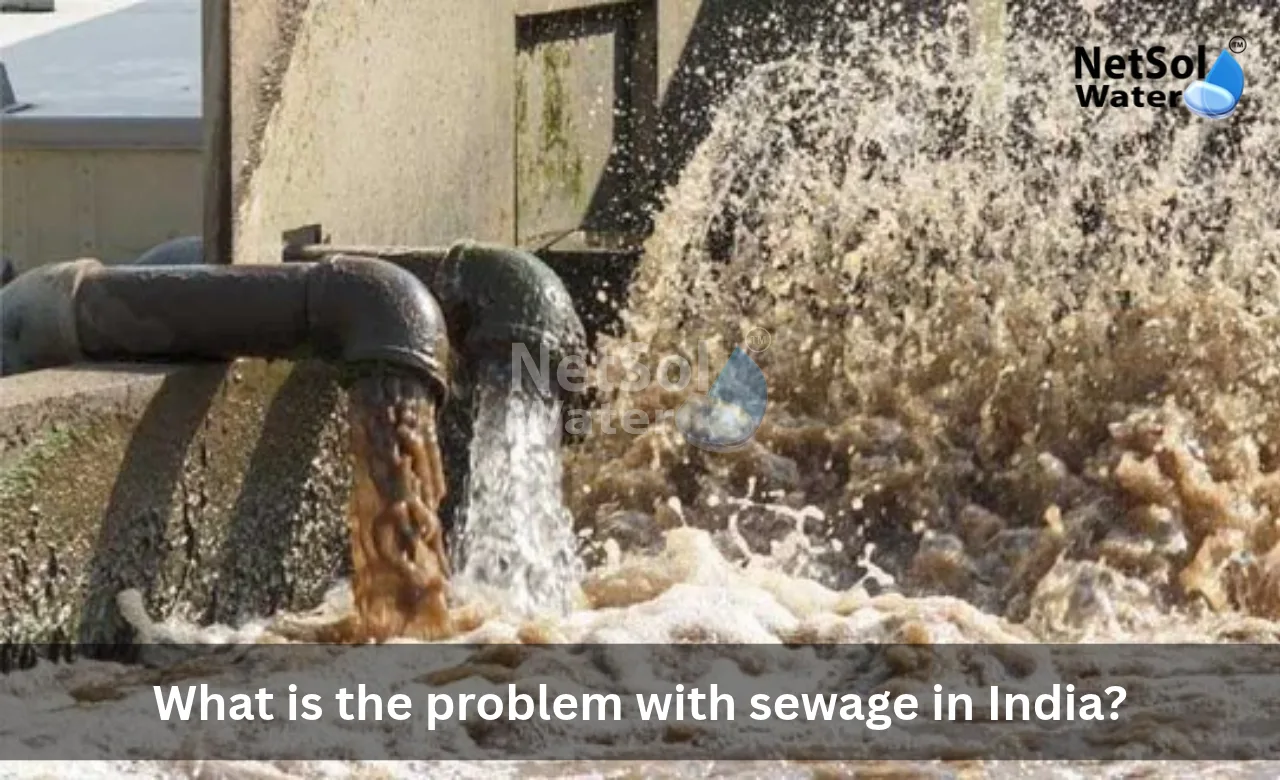
What is the problem with sewage in India?
India is a country known for its rich culture and long history. It is also renowned for its rivers that provide livelihood to millions of people every day. The rivers are used for drinking, irrigation of farms, and industries. With ever-expanding urban populations, the volume of sewage grows each year as well. There is no adequate wastewater collection and treatment in many places before it reaches rivers, lakes, and open land. This situation results in numerous environmental and public health issues. It also has an impact on agriculture, tourism, and everyday life.
With urbanization, sewage management has become an important consideration. A top sewage treatment plant manufacturer can be the solution to these issues by offering plants that can treat the wastewater before it gets released into the environment. We are the top sewage treatment plant manufacturer, which provides the latest and most reliable sewage treatment solutions to various sectors in India.
Increasing Sewage Generation and Lack of Treatment Capacity
The increasing generation of sewage has become one of the biggest environmental issues of India. In every town and city, every household, every school, every hospital, every office, and every industry produces wastewater every day. If it is not treated properly, this sewage enters into rivers, lakes, and groundwater. This results in contaminated air and implications for people and nature. Protection of clean water is growing increasingly difficult, and improved sewage treatment plants are needed. Let’s take a look at some of the primary reasons for this problem.
1. Rapid Urban Growth
The growth rates of the cities in India are very high. Increasingly, people are flocking to the cities for better education and employment opportunities. This, in turn, results in increased water usage and creates extra sewerage. There are numerous old drainage systems that weren’t constructed for that many people. As a result, untreated wastewater often flows into nearby water bodies. The current system is unable to handle the increasing volume of traffic.
2. Limited Treatment Facilities
Sewage treatment plants are not adequate to treat all the sewage in many cities. Poor maintenance or out-of-date equipment causes some treatment plants to operate at less than capacity. In a few locations, the sewage is not treated and flows to a river. This decreases the water quality and leads to pollution. This can be overcome by communities developing modern treatment plants with improved technologies to enable effective management of wastewater.
Environmental and Health Problems Due to Sewage
Avoid eating food that may be contaminated by untreated sewage because it can make people sick. It also poses health and environmental problems. Clean water is necessary for safe lives. Clean water is required for a healthy community. Untreated sewage can be a source of disease-causing bacteria and chemicals in the environment. It has an impact on human beings, animals, and plants. Now, let’s have a look at some of these major impacts of untreated waste.
1. Water Pollution
Every day, numerous rivers and lakes are polluted with untreated sewage. This decreases the amount of oxygen in water and impacts fish and other aquatic organisms. Water is also rendered undrinkable for irrigation, recreation, and other uses when it is contaminated. Many communities are dependent on these water sources, and poor water quality is a serious concern in these communities. The pollution also impacts the ecological systems and biodiversity.
2. Public Health Risks
Untreated sewage is contaminated with harmful bacteria, viruses, and parasites. These can cause disease when they contaminate water. Dwellers in the vicinity of polluted water sources are more vulnerable to infections and stomach disease. The immune systems of children and older people are less robust, making them the most vulnerable. These health concerns are mitigated, and the quality of life of the local community is improved, with safe sewage treatment.
Challenges in Managing Sewage across India
Sewage management is a complicated process, as there are various requirements for various cities, and there are different levels of infrastructure. Many small towns do not have adequate collection and treatment facilities, and some of the urban treatment plants are modern. Proper planning and ongoing maintenance will be required to manage the sewage effectively. Let’s see some of the common challenges throughout the country.
1. Lack of Proper Sewer Networks
Many towns and villages do not have complete sewer systems. Wastewater is likely to pass through open drains before getting into rivers or vacant land. These drains flood during rainy seasons and cause pollution in neighbourhoods. It’s important to plan and invest in the right sewer systems. Even the best treatment plants are not efficient without these systems.
2. Poor Maintenance and Awareness
There are operational challenges for some sewage treatment plants due to improper maintenance. Equipment can malfunction, and treatment effectiveness will decline over time. Awareness among the public is also not very widespread in many areas. Some individuals put plastic and other solid waste in drains, causing pipeline blockage and an impact on sewage flow. Better sewage management systems throughout the country can be achieved through regular maintenance and public education.
How Modern Sewage Treatment Plants Help Solve the Problem
Sewage treatment plants are essential to safeguarding water resources and public health. These extract the toxic elements from wastewater before dumping it into rivers or recycling it for other uses. Advances in technology also enhance the efficiency of treatment and lower the operating expense. Let’s take a look at some of the treatments by which modern treatment plants make a difference.
1. Advanced Treatment Technologies
Today’s treatment facilities utilize biological, chemical, and filtration systems to efficiently treat wastewater. These technologies are used to filter the suspended solids containing harmful bacteria and other pollutants from sewage. Treated water may be used again for landscaping, cooling industrial processes, and other “non-potable” applications. This contributes to conserving fresh water and promotes sustainable use of water.
2. Support from Experienced Manufacturers
The selection of the right sewage treatment plant manufacturer can make a world of difference in the performance of the treatment system. For experienced manufacturers, plants are designed on the basis of the project’s needs. They also offer installation support, maintenance services, and technical support. Netsol Water is the top sewage treatment plant manufacturer in the country, which provides you the best solutions for both residential and commercial, as well as institutional and industrial applications in India.
Read some interesting information for the Commercial RO Plant Manufacturer
Conclusion
Improper sewage management and inadequate sewage treatment facilities can be a threat to water resources and public health in India. Water resources can be well protected, and public health can be enhanced, with good sewage management and development of treatment facilities. Wastewater treatment is essential to clean rivers, healthy communities, and a healthy environment.
Government, industries, and citizens need to collaborate in improving the sewage collection and treatment systems throughout the country. One of the key factors in helping you accomplish these goals is choosing an established sewage treatment plant manufacturer. Netsol Water is a reputed sewage treatment plant manufacturer offering reliable and efficient sewage treatment plants to projects of all sizes. Call Netsol Water today to discuss your needs and request a professional consultation about the sewage treatment plant right for you.
Contact Netsol Water at:
Phone: +91-9650608473
Email: enquiry@netsolwater.com