Wastewater Treatment - Sewage Treatment Plant Manufacturers

Why-is-reverse-osmosis-used-in-water-treatment.webp

August 3, 2026by Netsol Water

What is the physical treatment of wastewater?

Clean water supports every home, industry, and community. As cities grow and industries expand, the amount of wastewater also increases every day. If this wastewater is released without proper treatment, it can pollute rivers, lakes, and underground water sources. For this reason, every treatment process starts with a strong foundation. Physical treatment is the first and one of the most important stages of wastewater cleaning. It removes large and visible materials before advanced treatment begins.

India is known for its fast industrial growth and increasing focus on water conservation. Many industries now understand the need to treat wastewater before discharge or reuse. A trusted wastewater treatment plant manufacturer helps industries choose the right plants that improve treatment performance and protect the environment.

We are the leading wastewater treatment plant manufacturer that provides dependable wastewater treatment solutions for different industries. Understanding physical treatment helps industries manage wastewater in a better and more responsible way.

Physical Treatment of Wastewater

Physical treatment forms the first step in the wastewater treatment process. It prepares wastewater for the next treatment stages by removing unwanted solid materials. Without this stage, the later biological and chemical processes cannot perform properly. This makes physical treatment an important part of every wastewater treatment plant.

Let us look at some important parts of physical treatment that make this process successful.

1. Screening Process

Screening removes large objects that enter the wastewater stream. These materials include plastic bags, cloth, paper, sticks, leaves, and other large waste items. Special screens are installed at the beginning of the treatment plant to catch these unwanted materials.

The screens protect pumps, pipes, and other equipment from damage. They also help reduce blockages inside the treatment plant. Operators clean the collected waste regularly and send it for proper disposal. A clean screening system allows wastewater to move smoothly through the treatment process. This simple step improves the overall performance of the treatment plant and lowers maintenance needs.

2. Grit Removal

After screening, wastewater enters the grit removal chamber. This process separates heavy particles such as sand, gravel, broken glass, and small stones. These materials settle quickly because of their weight.

Removing grit protects mechanical equipment from wear and damage. It also prevents sediment from collecting inside tanks and pipelines. Proper grit removal helps treatment plants work efficiently for a long time. This process supports smooth plant operation and improves the quality of the next treatment stages.

Different Physical Treatment Methods Used in Wastewater Plants

Every wastewater treatment plant uses different physical methods to remove unwanted materials. Each method performs a specific task and prepares wastewater for further cleaning. These methods improve treatment efficiency and help industries meet environmental standards.

Let us look at some commonly used physical treatment methods.

1. Sedimentation

Sedimentation allows suspended solids to settle naturally at the bottom of a large tank. Wastewater remains inside the tank for a certain period, which gives heavier particles enough time to settle.

The settled material forms sludge, while the cleaner water stays above it. Operators remove the sludge for further treatment. Sedimentation removes a large amount of suspended solids before biological treatment begins. It also lowers the load on the following treatment stages. Proper sedimentation improves water quality and increases the efficiency of the complete wastewater treatment process.

2. Flotation

Flotation removes light materials such as oil, grease, and small floating particles. Air bubbles are introduced into the wastewater. These bubbles attach to the floating particles and lift them to the surface.

Operators then remove the floating layer using skimming equipment. This process works well in industries that produce oily wastewater, such as food processing, oil refining, and automobile manufacturing. Flotation helps improve water quality and supports better performance in the next treatment stages.

Benefits of Physical Treatment in Wastewater Management

Physical treatment offers several advantages that improve the overall wastewater treatment process. It removes unwanted materials early and creates better conditions for advanced treatment methods. Every industry benefits from a properly designed physical treatment system.

Let us look at some important benefits of physical treatment.

1. Better Protection of Equipment

Large solids, sand, and heavy particles can damage pumps, valves, pipes, and mixers. Physical treatment removes these materials before they reach expensive equipment. This protection lowers repair costs and extends the working life of plant machinery.

Equipment that remains free from blockages operates more efficiently and requires less maintenance. This also reduces unexpected plant shutdowns and keeps operations running without interruption.

2. Improved Performance of Further Treatment

Biological and chemical treatment processes work better when physical treatment removes unwanted solids first. Cleaner wastewater allows microorganisms to perform more effectively during biological treatment.

Physical treatment also reduces the amount of chemicals needed in later stages. This improves treatment efficiency and helps industries save on operating costs. A good physical treatment system supports stable plant performance and better water quality throughout the treatment process.

Choosing the Right Wastewater Treatment Plant Manufacturer

Selecting the right manufacturer plays an important role in building a successful wastewater treatment system. Every industry produces different types of wastewater. A suitable treatment solution depends on wastewater quality, production capacity, and environmental requirements. An experienced manufacturer understands these factors and designs systems that meet specific industry needs.

Let us look at some qualities that industries should consider when selecting a manufacturer.

1. Experience and Engineering Knowledge

An experienced manufacturer studies wastewater characteristics before designing the treatment plant. Good engineering ensures smooth operation, easy maintenance, and consistent treatment results. A properly designed physical treatment system also improves the efficiency of every treatment stage that follows.

Experienced manufacturers provide practical solutions that match industry requirements. They also help industries comply with environmental regulations while improving water management.

2. Reliable Support and Quality Solutions

A dependable manufacturer provides support before installation, during commissioning, and after the plant starts operating. Regular maintenance guidance, technical support, and timely service help industries keep their treatment plants working efficiently.

Netsol Water is the leading wastewater treatment plant manufacturer that delivers quality wastewater treatment solutions for different industrial applications. The company designs systems that combine efficient physical treatment with advanced technologies to achieve dependable results. Industries that choose an experienced wastewater treatment plant manufacturer receive long-lasting solutions that improve water management and support sustainable operations.

Read some interesting information for the Industrial RO Plant Manufacturer in Delhi

Conclusion

Physical treatment forms the base of every successful wastewater treatment process. It removes large solids, grit, suspended particles, oil, and grease before advanced treatment begins. This improves equipment safety, increases treatment efficiency, and supports better water quality. Every industry should invest in a well-designed physical treatment system to achieve reliable wastewater management and meet environmental standards.

If you are looking for an experienced wastewater treatment plant manufacturer that understands your treatment needs, Netsol Water offers practical and dependable solutions. As a leading wastewater treatment plant manufacturer, the company helps industries build efficient wastewater treatment systems that deliver long-term performance. Contact Netsol Water today to discuss your project and request a professional consultation for the right wastewater treatment solution.

Contact Netsol Water at:

Phone: +91-9650608473

Email: enquiry@netsolwater.com


What-are-the-advanced-methods-of-wastewater-treatment.webp

July 29, 2026by Netsol Water

What Are the Advanced Methods of Wastewater Treatment?

The amount of wastewater generated by industries and cities on a daily basis is quite high. This water is contaminated with dirt, chemicals, oil, grease, heavy metals, and other harmful substances. This wastewater can have adverse environmental and health consequences when it enters rivers, lakes, and the ground. For this reason, industries need effective treatment plants that can remove pollutants before water is discharged.

A modern treatment plant utilizes advanced technology to enhance the quality of water and comply with environmental requirements. These techniques benefit industrial facilities in their efforts to lower pollution, conserve water, and enhance overall operational efficiency. The right treatment process also minimizes operational issues and facilitates sustainable business expansion.

A reliable wastewater treatment plant manufacturing company designs a treatment plant based on the type of wastewater and the desired water quality. We are the top wastewater treatment plant manufacturer, providing dependable wastewater treatment solutions to various industries. Wastewater treatment methods are highly advanced, and when industries are aware of them, they can choose a method that provides even greater performance and long-lasting results.

Why Advanced Wastewater Treatment Methods Are Important

Over the years, there have been significant changes in wastewater treatment due to the increased complexity of the wastewater produced by industries. Traditional treatment methods can remove many common pollutants; however, not all of these methods can remove dissolved chemicals, harmful microorganisms, or very fine particles. These issues are addressed by advanced treatment techniques, which enhance the quality of treated water.

Let’s take a look at some of the more advanced wastewater treatment methods commonly used in today’s industries.

1. Membrane Bioreactor Technology

Membrane Bioreactor technology combines biological treatment with membrane filtration. During this process, microorganisms decompose organic pollutants, and a special membrane separates the clean water from suspended solids and bacteria. This results in water of high quality, which can be reused in industry in many cases.

The membranes are able to remove very small particles that are not removed by conventional treatment plants. The treated water is much cleaner, and industries can use water recycling to cut down on freshwater use. Another benefit of this process is that it requires less space than numerous traditional treatment plants. The system is also stable in the face of changes in wastewater quality. This technology is employed in many industries, including pharmaceuticals, food processing, and textile manufacturing, due to its consistent results and water conservation.

2. Reverse Osmosis Technology

Reverse Osmosis is another advanced treatment process that removes dissolved salts, heavy metals, and many harmful contaminants from water. Water under pressure is forced through a special membrane, while impurities are left behind on one side and clean water passes through.

This process produces water with very low levels of dissolved solids, which makes it suitable for reuse in industrial operations. Reverse Osmosis also helps industries adhere to strict environmental regulations by enhancing the quality of treated water. This process is often employed as a second stage after biological treatment to achieve a more purified product in many industries.

Advanced Biological Treatment Methods

Biological treatment is significant in wastewater management because microorganisms are naturally able to remove organic pollutants. Modern biological systems enhance this process and make it more efficient. These techniques are used to control the pollution load and ensure consistent system performance for industries.

Let’s take a look at some more sophisticated methods of biological treatment.

1. Moving Bed Biofilm Reactor

The Moving Bed Biofilm Reactor is another technology that employs small plastic media in a treatment tank. As the wastewater passes through the reactor, beneficial microorganisms flourish and consume the organic pollutants.

The media is constantly in motion, which brings microorganisms into closer contact with the wastewater. This means pollutant removal can be improved without the need to enlarge the treatment facility. The system is also more stable amid fluctuations in wastewater flow and pollutant levels.

MBBR is a preferred option for industries due to its low maintenance requirements and stable treatment performance over a longer period. The technology also allows for upgrading existing treatment plants without significant structural modifications.

2. Sequencing Batch Reactor

The Sequencing Batch Reactor, or SBR, carries out all stages of treatment in a single reactor. The sequence of filling, biological treatment, settling, and treated water discharge is carefully planned. This controlled operation enhances treatment quality and reduces the need for additional equipment.

SBR is an excellent method for high-quality removal of organic matter, nitrogen, and phosphorus. The process enables operators to modify the number of treatment cycles based on wastewater characteristics. This versatility is beneficial for industries with varying wastewater quality. All operations take place in a single reactor, which simplifies the overall plant design while retaining good treatment performance.

Advanced Physical and Chemical Treatment Methods

Physical and chemical treatment methods can be used to remove pollutants that microorganisms cannot easily treat, supporting biological treatment. These methods enhance final water quality and facilitate the reuse or safe discharge of wastewater.

Let’s have a look at some advanced physical and chemical treatment methods.

1. Dissolved Air Flotation

Dissolved Air Flotation, also called DAF, is a process that separates suspended solids, oil, grease, and floating materials from wastewater. Small air bubbles form, which pick up contaminants and bring them to the surface, allowing for easy removal.

Food processing, petroleum, and chemical manufacturing are some of the industries that use this process most effectively. Pre-treating oil and suspended solids prior to biological treatment increases the efficiency of the overall treatment system. DAF also helps minimize sludge production and prevents damage to downstream equipment. The process is stable and contributes to improved overall plant operation.

2. Advanced Oxidation Process

Advanced Oxidation Process is a powerful method that uses strong oxidizing agents to destroy complex chemicals that traditional treatment methods are unable to break down. These reactions help degrade harmful organic compounds and reduce pollutants that have not been removed from the water by biological processes.

This technology is used in industries that produce pharmaceutical chemicals, dyes, or hazardous waste, as it processes materials that are difficult to remove using traditional methods. Advanced Oxidation also reduces unwanted colour and odour in treated water. The process benefits both water quality and the safe discharge of water into the environment. It provides very good overall purification when used in conjunction with other treatment technologies.

Choosing the Right Wastewater Treatment Method

It is essential to select the proper treatment technology, as all industries produce different types of wastewater. The treatment design is affected by available water quality, pollutant concentration, production capacity, as well as plans for future expansion. Engineers use the results of extensive wastewater analysis to decide on appropriate treatment technologies based on the desired treatment levels.

An experienced Wastewater Treatment Plant Manufacturer examines these factors before designing a complete treatment solution. By selecting the appropriate system, operational efficiency is improved, maintenance costs are lowered, and equipment life is extended. Today, a variety of modern technologies are used in combination in treatment plants, rather than relying on a single process. This comprehensive approach leads to better treatment results and greater water reuse.

Read some interesting information for the Sewage Treatment Plant Manufacturer in Delhi

Conclusion

Advanced wastewater treatment techniques help industries achieve better water quality, lower pollution levels, and promote sustainable water use. A variety of technologies can be used for the efficient treatment of different industrial wastewater, including Membrane Bioreactor, Reverse Osmosis, Moving Bed Biofilm Reactor, Sequencing Batch Reactor, Dissolved Air Flotation, and Advanced Oxidation Process. The choice of technology is determined by the type of wastewater and the treatment objectives of the industry.

Netsol Water, being one of the leading Wastewater Treatment Plant Manufacturers, can be the right choice to design reliable and efficient wastewater treatment systems. Our professionals deliver tailored wastewater treatment solutions to meet your industrial needs. Call Netsol Water today, let us know what you’re looking for, and our experts will provide advice on the right wastewater treatment solutions for you.

Contact Netsol Water at:

Phone: +91-9650608473

Email: enquiry@netsolwater.com


What-are-the-advantages-and-disadvantages-of-membrane.webp

July 15, 2026by Netsol Water

What Are the Advantages and Disadvantages of Membrane?

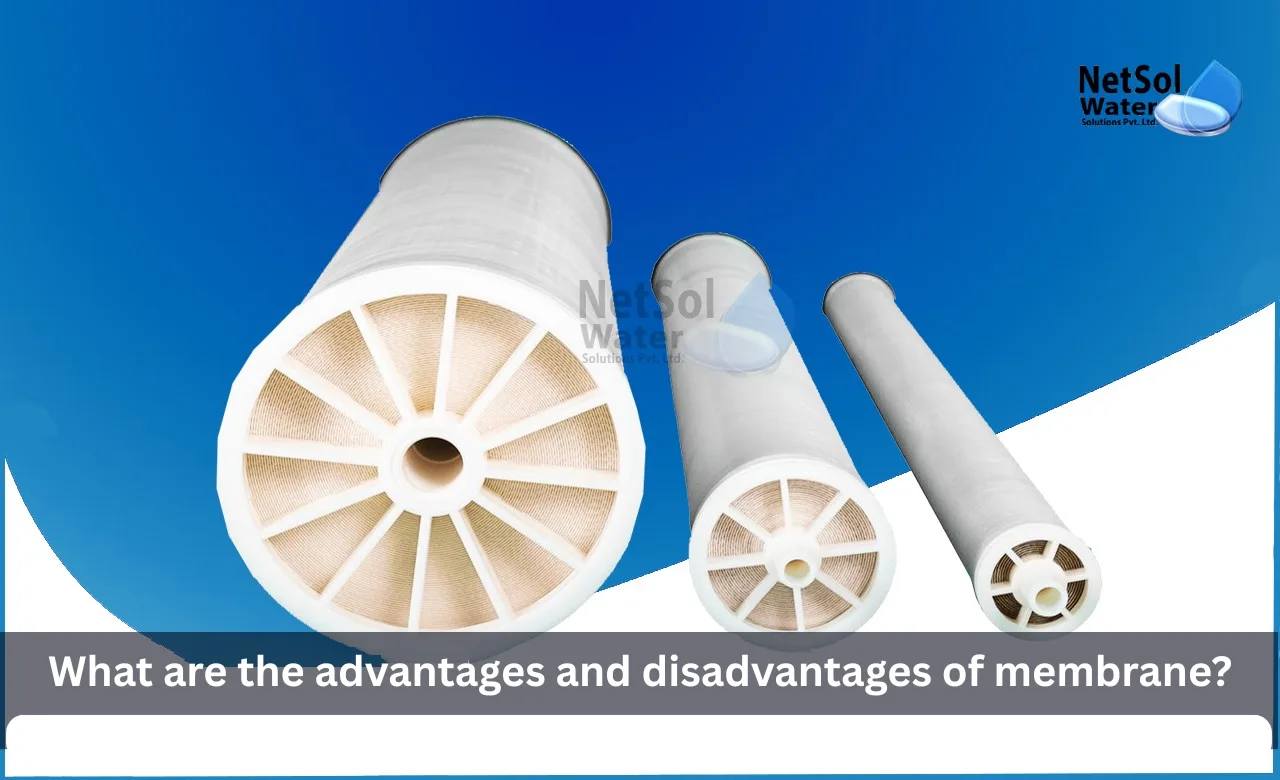
Clean water and safe treatment systems matter in homes, factories, and cities. That is why many people now look at membrane-based treatment as a strong option for water cleaning and separation. A membrane works like a thin barrier. It allows some parts to pass through while it holds back unwanted matter.

We are the leading name in water and wastewater treatment solutions in India and have helped many businesses choose the right system for their needs. A membrane can improve water quality and save space. It can also bring some cost and operating challenges. So it helps to understand both sides clearly before making a choice.

Advantages of Membrane

The value of membrane technology is easy to see once we look at its role in modern treatment systems. It helps remove fine particles and improves water quality in a direct way. It also fits many plant designs and supports a wide range of industries. Let’s look at some of the main advantages.

1. High-Quality Filtration

One of the biggest strengths is its strong filtration ability. It can remove very small particles that many other systems may miss. This includes dirt, suspended solids, bacteria, and in some cases even salts, depending on the type of membrane used. Because of this, the treated water often comes out much cleaner and more stable in quality.

This benefit matters in places where water quality must stay high every day. A food plant, a hospital, or a drinking water unit cannot afford wide changes in output. The membrane helps keep the process steady. It gives users better control over the final quality of water and supports safe use in many applications. That is why many industries prefer it when they need strict and reliable treatment.

2. Compact Design and Easy Fit

Another major advantage is the small space it needs compared with some older treatment methods. Many plants do not have much free area. In such cases, a compact system becomes very useful. A membrane-based unit can fit into a smaller footprint while still doing a strong job.

This helps businesses save land and use the available space in a better way. It also makes system planning easier in crowded industrial sites or urban areas. Since many projects today face space limits, this feature adds real value. The compact setup also supports neat installation and can make the plant easier to arrange with other treatment units. As a result, users often choose it when they want good output without building a very large plant.

3. Flexible Use across Industries

A membrane system works in many different fields. It can support drinking water treatment, wastewater reuse, dairy processing, chemical production, and many more. This wide use makes it a flexible choice for engineers and plant owners. They can adapt it based on water quality, flow rate, and final use.

This flexibility is important because not every site faces the same problem. Some places need better taste and clarity. Others need reuse of treated water. Some need removal of very fine solids. The membrane can serve these needs with the right design. That makes it a practical option for both small and large projects. When a system works across many sectors, it becomes easier for companies to trust it for future growth as well.

Disadvantages of Membrane

Even though the benefits are strong, it is also important to look at the weak points. No treatment system is perfect. A membrane can give excellent results, but it may also create cost and operating concerns. Let’s look at some of the main disadvantages.

1. Higher Cost of Setup and Operation

The first challenge is cost. A membrane system often needs a higher starting investment than simpler treatment methods. The equipment itself can be expensive, and the design may need skilled planning. This can make the total project cost rise at the beginning.

The running cost can also be higher. Pumps, cleaning chemicals, replacement parts, and energy use all add to the expense. For some projects this is not a big issue. But for others it can become a major factor in decision-making. A business with a tight budget may find it hard to choose this option without careful planning. So while the system gives strong output, it also asks for more financial support over time. That is why a cost study matters before installation.

2. Fouling and Cleaning Needs

Another problem is fouling. This means that dirt, salts, oils, or organic matter slowly build up on the surface of the membrane. When this happens, the flow can reduce and the system may lose efficiency. If the issue grows, the plant may need more cleaning and sometimes part replacement.

This point is very important because regular maintenance takes time and effort. A plant team must monitor the system closely and follow cleaning schedules. If they ignore this need, the system may not perform well. In some cases, fouling can also shorten the life of the unit. So even though the membrane gives good quality output, it also demands care. Users must stay alert to keep the system working at its best.

3. Skilled Operation and Monitoring

A membrane unit does not always run well on its own without proper control. It often needs trained staff who understand pressure, flow, quality checks, and cleaning routines. This is a serious point for plants that do not have experienced operators. A small mistake in operation can affect performance.

Monitoring is also important because water quality can change with time. If the feed water becomes more polluted, the system may face more stress. Operators must respond quickly to protect the unit. This need for skilled handling can be a disadvantage for some users. They may need more training or technical support to keep the plant efficient.

Read some interesting information for the Sewage Treatment Plant Manufacturer

Conclusion

A membrane system can bring strong treatment results and support many water projects with high quality output. It gives compact design, flexibility, and reliable filtration. At the same time, it also comes with higher cost, cleaning needs, and the need for skilled operation. So the right choice depends on the project goal, budget, and water condition. A careful study can show whether this option fits the need in a practical way.

If you are planning a new plant or thinking about an upgrade, then the next step should be a proper consultation. Netsol Water can guide you with simple advice and the right treatment approach for your site. For more information or to request a consultation, get in touch and explore the best solution for your water treatment need.

Contact Netsol Water at:

Phone: +91-9650608473

Email: enquiry@netsolwater.com

What-are-the-three-levels-of-wastewater-treatment.webp

March 20, 2026by Netsol Water

What are the three levels of wastewater treatment?

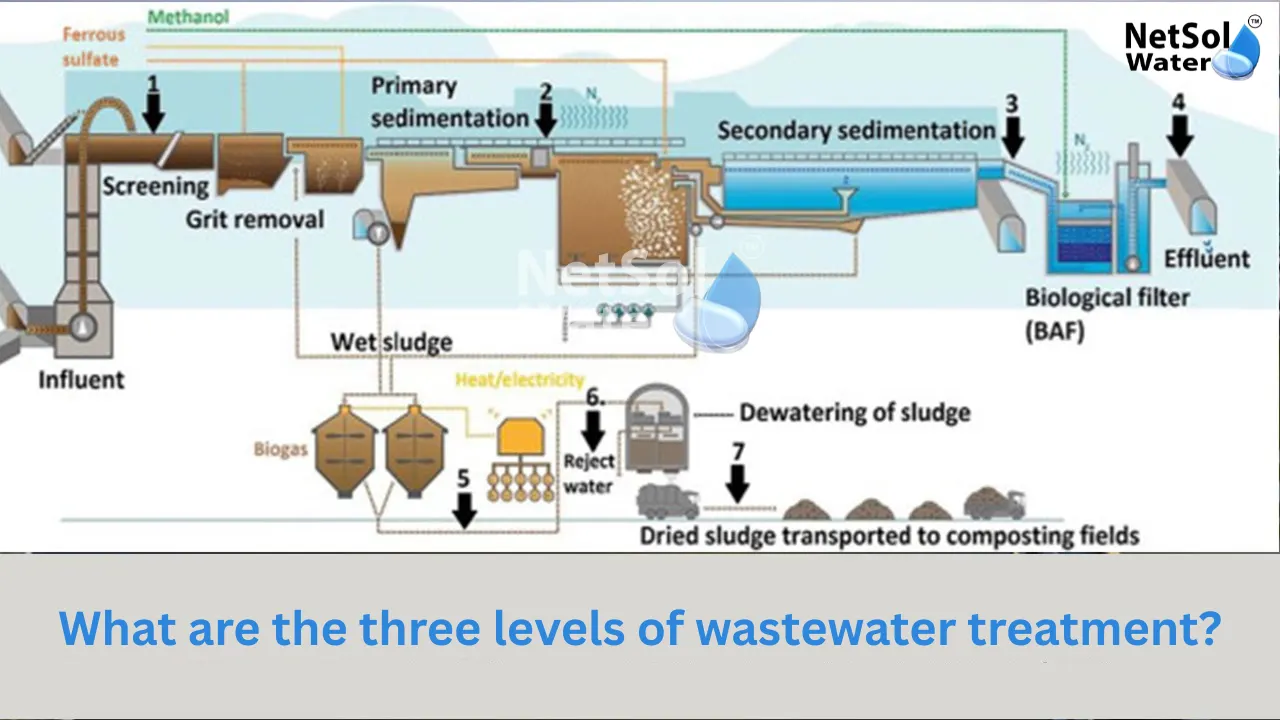
Wastewater treatment keeps water safe for people and for nature. A wastewater treatment plant cleans water that homes, industries, and streets send away. Many plants use three main stages to remove solids, organics, and chemical pollutants. Some sites add a pre-treatment step to protect pumps and pipes. We are the leading provider of wastewater solutions.

Primary Treatment (Mechanical)

Primary treatment removes large solids and floating matter by physical means. This stage lowers the load on later stages and helps protect equipment. Primary treatment acts first to slow flow, let heavy particles settle, and let oils rise. Let us have a look at some main parts of this stage and how they work in real plants.

1. Process

Primary tanks hold wastewater long enough for solids to sink and for light materials to float. Operators move water slowly through settling basins. Grates and screens stop rags, plastics, and large debris before the water reaches the tanks. Sludge collects at the bottom and the plant pumps it out for further processing. Scum forms on the surface and staff remove it by skimming. The mechanical steps cut the solid mass, which reduces the work needed by biological systems later. This stage also helps avoid blockages and damage to pumps and fans.

2. Efficiency

Primary treatment removes a large share of suspended solids and some organic load. Typical plants see half to two thirds of the suspended solids leave the water in this step. Removing these solids lowers the oxygen demand that would otherwise stress microbes downstream. The sludge that forms in primary tanks must receive careful handling. Many plants send the sludge to digesters or to dewatering units. Proper operation in this stage reduces odour and keeps later stages more stable.

Secondary Treatment (Biological)

Secondary treatment uses living microbes to break down dissolved and fine suspended organics. This stage transforms waste that mechanical methods cannot remove. Plants use air or biofilms to give microbes a place to grow. These microbes feed on organic matter and convert it into simpler compounds. Let us have a look at some common secondary methods and how they handle organic load.

1. Process

In the activated sludge method, the plant pumps air into tanks to feed bacteria. The bubbles keep the microbes mixed with the water so they can find food fast. In trickling filters, the water moves over a bed of media where a film of microbes grows. Oxidation ponds use open water where sunlight and natural bacteria act together. Each method aims to lower the biochemical oxygen demand, or BOD. Operators control the time the water stays in the system and the amount of air or surface area to match the waste strength.

2. Efficiency

Secondary systems often remove most of the organic material that primary treatment leaves behind. Plants may remove around eighty-five percent of BOD with a well-run biological stage. The quality of the effluent after secondary treatment depends on the type of system and on how well the plant runs. Sludge from the biological tanks also needs treatment. Plants often recycle part of the biomass to keep the system balanced. Good control keeps the system stable and reduces the chance of odour or loss of treatment function.

Tertiary Treatment (Advanced Chemical)

Tertiary, or polishing, treatment prepares water for reuse or for release to sensitive waters. This stage targets nutrients, pathogens, and trace chemicals that earlier steps could not remove. Operators design tertiary steps to meet specific discharge or reuse rules. Let us have a look at the main polishing options and what each one achieves.

1. Nutrient Removal

Nitrogen and phosphorus cause algae growth in rivers and lakes when they enter the environment. Tertiary systems remove these nutrients by chemical precipitation or by special biological steps that convert nitrogen into harmless gas. Plants may add a stage that encourages bacteria to use nitrogen as a food source under changing conditions. Other plants add chemicals that bind phosphorus so operators can remove it with the settled solids. Proper nutrient control helps protect rivers, lakes, and coastal areas from poor water quality.

2. Disinfection and Filtration

After the main pollutants leave the water, tertiary steps kill or remove the remaining pathogens and fine particles. Plants may use ultraviolet light to inactivate bacteria and viruses. Chlorine or ozone provides a chemical barrier against microbes. Sand filters, activated carbon filters, and membrane systems remove tiny particles and trace organics. Reverse osmosis can clean water to a very high level for reuse in industry or for safe discharge to sensitive zones. The choice of method depends on the end use and on cost and energy factors.

Read some interesting information for the Sewage Treatment Plant Manufacturer in Faridabad

Conclusion

A three-stage approach helps plants meet health and environmental goals. Each stage plays a different role and each stage adds value before the water leaves a wastewater treatment plant. Primary steps take out solids, secondary steps break down organics, and tertiary steps polish the water to meet strict standards. Netsol Water is the leading partner for those who need reliable design and service. If you want more details on plant design, or if you need a consultation, contact us to discuss your site needs and options for a personalized solution.

Contact Netsol Water at:

Phone: +91-9650608473

Email: enquiry@netsolwater.com

Industrial-RO-Plant-Manufacturer-in-Varanasi-1.webp

February 14, 2026by Netsol Water

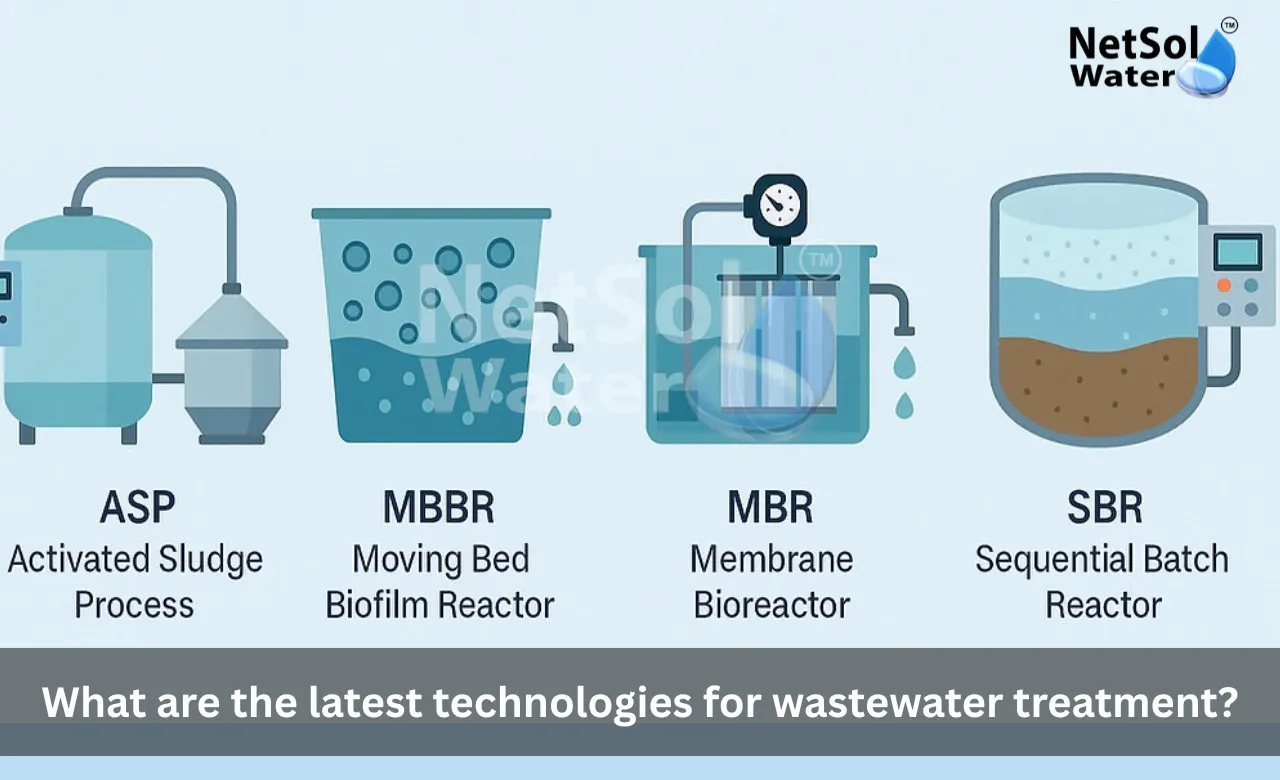
What are the latest technologies for wastewater treatment?

Wastewater treatment shows fast change today. Netsol Water is the leading name that many industries trust. Cities that have heavy manufacturing find good treatment crucial. These places need reliable methods to protect health and the environment. Modern wastewater treatment now moves toward a circular economy. It aims to recover energy and harvest nutrients. It also works to break down persistent chemicals such as PFAS. We will look at new tools and methods that make treatment safer, cleaner, and more useful.

Advanced Oxidation & Chemical Destruction

Advanced chemical methods matter because some pollutants resist normal biological systems. These methods break hard molecules into simple, harmless parts. Let us have a look at some of the key technologies and how they work.

1. Supercritical Water Oxidation (SCWO)

SCWO works at very high temperature and pressure above the water critical point. This setting forces organic waste to react with oxygen fast. The process converts stubborn compounds into water and CO₂. Facilities use SCWO to treat sludges and compounds that refuse to break down. Operators note that SCWO reduces final waste mass. The process needs strong engineering and careful control. When plants run SCWO, they can destroy PFAS and similar chemicals that many other methods cannot touch.

2. Photocatalytic Degradation

Photocatalytic systems use light and a catalyst to split pollutants. Titanium dioxide often acts as the catalyst. When light hits the surface, it creates reactive species that attack organic molecules. The technology suits dilute streams and polishing steps after the main treatment. Plants can add photocatalysis to remove traces of colour and taste or to target specific toxins. The method runs with low chemical use, and it can work with sunlight or artificial lamps.

3. Reductive Defluorination (PRD)

Reductive defluorination cuts strong fluorine bonds inside PFAS. The method pairs UV light with special reagents to kick off step-by-step removal of fluorine atoms. PRD aims to turn PFAS into simpler, safe molecules. Research teams improve yields and lower energy use. When PRD works well, it offers a route to handle chemicals once thought permanent. Operators may combine PRD with other steps to ensure full removal.

Biological & Nature-Based Innovations

Biological systems deliver low-energy treatment and small land needs. New nature-based methods boost performance and add resource recovery. Let us have a look at some of these living solutions and how plants use them.

1. Aerobic Granular Sludge (AGS)

AGS forms dense round granules that settle fast. These granules let multiple treatment steps occur in one tank. Plants that use AGS cut space needs by up to seventy-five percent. The granules keep bacteria close so reactions run faster and more stable. Many factories choose AGS to lower their footprint and to reduce pumping and tank count. The system suits places with variable loads, and it trims operating costs while keeping strong effluent quality.

2. Vermifiltration

Vermifiltration uses worms and microbes to clean wastewater in an organic bed. The worms break down solids, and the microbes digest dissolved organics. The method can remove a high share of contaminants in short contact times. Designers use vermifiltration for small community plants and for pretreatment in industries. The process needs mild upkeep, and it produces a usable organic residue. Sites that favor nature-based steps often add vermifiltration to reduce sludge volume and to recover soil matter.

3. Algal Biofilms

Algal biofilms capture nutrients like nitrogen and phosphorus and convert them into biomass. Revolving algae belts and other moving systems boost contact with light and boost uptake. After harvest, the algal biomass can turn into fertilizer or biomaterial. This path closes a loop and shifts waste into value. Municipal systems use algae to meet strict nutrient limits while adding a product stream. Algal steps help reduce chemical dosing, and they link treatment with agriculture.

Smart Systems & Resource Recovery

Digital control and electrochemical tools change how plants run. New methods cut energy use, and they let operators reclaim power and materials. Let us have a look at some smart tools and recovery technologies now in use.

1. Bio-Electrochemical Treatment (BETT)

Bio-electrochemical systems let microbes drive electrical current while they digest organics. These units can treat strong waste streams, and they may generate small power output. Facilities use BETT to reduce energy needs and to lower sludge. The technology works well for high-strength industrial effluent. Engineers integrate BETT with other steps to capture electrons and to make treatment more circular.

2. AI and Machine Learning

AI and machine learning link sensor data to better control. These tools predict maintenance needs, and they set chemical dosing with fine-tuned accuracy. Plants that use AI cut reagent use and boost compliance. The systems also spot anomalies so teams can act before failures grow. This change lets operators run steady processes with less manual tuning.

3. Membrane Innovations

Membrane tech moves ahead with new pore designs and materials. Additive manufacturing helps make membranes with uniform pores that resist fouling. These membranes lower energy demand for pressure-driven steps. Firms test new membranes for longer life and easier cleaning. Improved membranes broaden reuse options since they deliver high-quality output with less backwash and less downtime.

Decentralized & Onsite Reuse

Local treatment cuts pipes, and it feeds reuse close to the source. Onsite reuse saves water and lowers infrastructure cost. Let us have a look at practical systems that enable reuse today.

1. Modular Gray Water Systems

Modular systems treat shower and laundry water for reuse in toilets and landscaping. They sit inside homes and buildings. These units filter and disinfect water so people can reuse it safely. The units fit retrofits and new builds alike. Homeowners and building managers find these systems reduce fresh water demand and cut sewer flow. The approach helps spread reuse in urban areas where new pipework proves costly.

2. Distributed Treatment

Distributed treatment scales municipal-grade technologies down to small footprints. Systems can fit under basements or in compact rooms. They return up to ninety-five percent of building water for non-potable uses. Developers use distributed plants in office towers and in large apartment blocks. These plants shorten water travel, and they keep treatment close to where water flows.

Read some interesting information for the Effluent Treatment Plant Manufacturer in Delhi

Conclusion

Netsol Water is the leading partner for many projects that aim to recover energy, harvest nutrients, and remove forever chemicals. If your site needs help with new technology or with a feasibility review, reach out for a consultation. Wastewater treatment now can save money and protect resources. Contact a specialist to learn which mix of tools fits your needs.

Contact Netsol Water at:

Phone: +91-9650608473

Email: enquiry@netsolwater.com

How-to-Choose-the-Right-Wastewater-Treatment-Provider-for-Your-Business.webp

December 15, 2025by Netsol Water

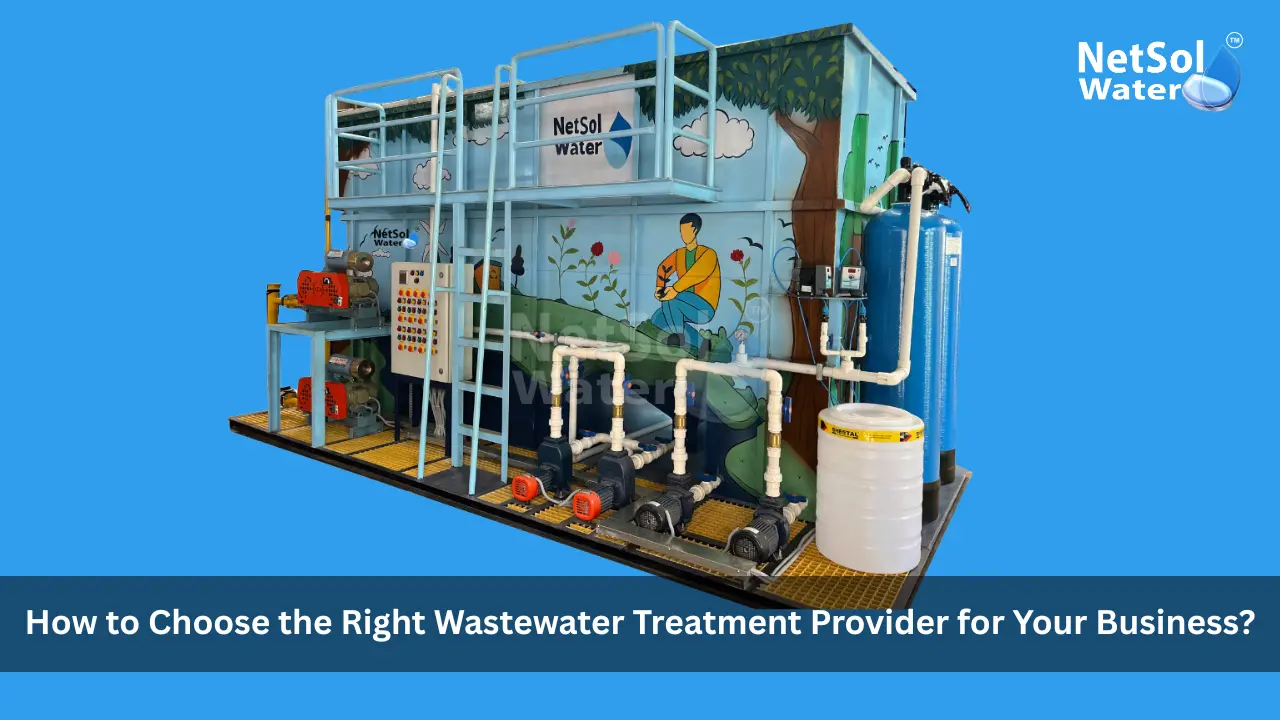
How to Choose the Right Wastewater Treatment Provider for Your Business?

Noida has many factories and service firms that need reliable water care. Netsol Water is the leading wastewater treatment plant provider in Noida and the firm often works with clients across nearby regions. We will explain how to pick a strong provider. You must choose your provider with care because the right choice supports smooth operations and long term growth. Every business needs a system that treats waste safely and meets local rules without delay. A good provider guides you at each step and helps you avoid future issues through clear planning and steady support.

Experience and Technical Capability

Choosing a provider with real experience makes a big difference when your project begins. Providers who know local needs and rules can design plants that work without repeated changes. Let us have a look on some issues to check.

Track Record and References

Look for firms that show past projects that match your industry and capacity. Ask for contact details of past clients and visit a few sites if you can. A visit lets you see how the system runs each day. Talk to the plant staff to learn about uptime and common repairs. A provider that shares clear results and data shows confidence in their work. Check the timeline of each past project to see if the firm met deadlines. Check if the firm handles installations that match your wastewater volume and pollutant levels. A good provider will explain how they solved problems for other clients and how they adjusted their designs when conditions changed. This insight helps you predict how they will handle your project.

Technology and Design Expertise

Good design starts with a clear survey of your waste stream and site layout. Providers must test samples and then propose systems that match your waste profile. Systems for organic waste differ from systems for heavy metals. Design choices affect energy use operating cost and footprint on your site. Ask how a provider sizes tanks and selects aeration and filtration methods. Request drawings that show placement of pumps valves and control panels. Providers that use proven and simple methods reduce the risk of repeated field changes. Also ask about their in house design team and their experience with automation and sensors. A provider who can explain trade offs and future expansion options helps you plan for growth. Make sure the design includes easy access for cleaning and maintenance tasks.

Service Support and Compliance

After a plant starts running you will need steady support and proof of legal compliance. Let us have a look on some key service and compliance items you must confirm.

Maintenance and After Sales Support

A provider should offer clear maintenance plans and spare part support. Ask if they provide training for your operators. Training helps your team run the plant safely and spot early faults. Check if the firm offers periodic inspections and remote monitoring. Remote data lets the provider spot issues before they grow. Also confirm response times for call outs and the cost model for spare parts. A contract that covers critical parts and labour helps you avoid surprise bills. Demand a list of regular tasks and intervals so your internal team knows what to expect. Good providers also offer simple manuals and check lists for daily checks. These steps reduce downtime and keep treatment running as designed.

Regulatory Compliance and Testing

Your plant must meet local discharge rules and obtain clearances from authorities. Ask the provider to handle permits and to show test reports from past projects. Regular sampling and lab reports prove compliance and help you avoid fines. Check how the provider collects samples and who does the lab work. Independent testing gives extra assurance. Also ask about sludge handling and safe disposal options. A provider who plans for disposal shows they think beyond the main tanks. Make sure the provider can prepare reports that match the format required by regulators. Clear documentation saves time during inspections and shows your company follows safe practices.

Read some interesting information for the Sewage Treatment Plant Manufacturer in Faridabad

Conclusion

A strong choice for your wastewater work combines real project experience, design skill and steady service. Netsol Water has experience in Noida and nearby regions and can guide you from survey to handover. Choose a partner that shows clear references offers solid maintenance and knows how to meet local rules. If you plan a new Wastewater Treatment Plant or need to upgrade an existing one contact a provider to request a site survey and a detailed quote. Get in touch to discuss your needs and to arrange a consultation that fits your schedule.

Contact Netsol Water at:

Phone: +91-9650608473

Email: enquiry@netsolwater.com

Add-a-subheading-1-2.webp

November 3, 2025by Netsol Water

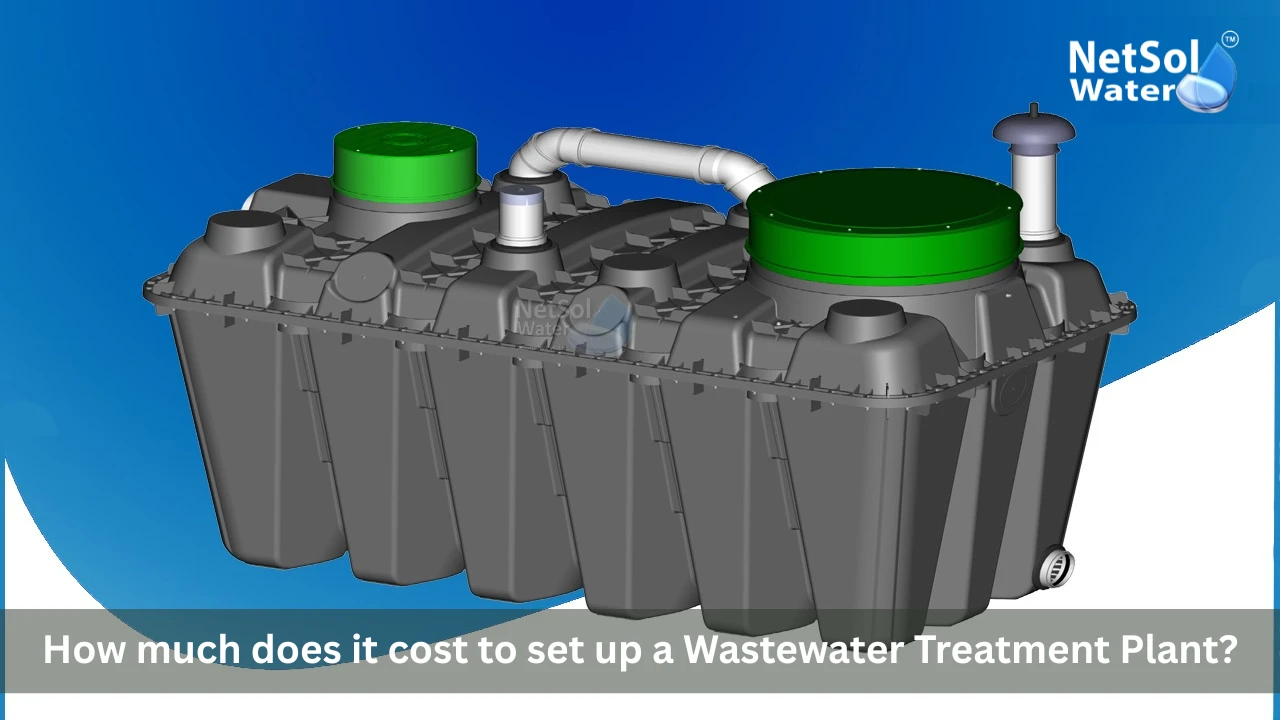
How much does it cost to set up a Wastewater Treatment Plant?

Setting up a Wastewater Treatment Plant involves many steps and many choices. Netsol Water is the leading Wastewater Treatment Plant Manufacturer and it works with clients to design plants within budget. We will explain what drives cost and what a buyer should check before they decide.

Factors that affect cost

Understanding cost starts with knowing which parts make the price change. Let us have a look on some of the key cost drivers.

Size and capacity

Plant capacity shapes most of the price. A small plant for a housing cluster will cost much less than a plant for a factory complex. Size affects tank volumes pumps and piping. Larger capacity needs stronger support and more land. Civil work scales up as size grows. Equipment such as blowers filters and clarifiers must fit the flow. The cost per cubic meter may fall as capacity rises. This means a bigger plant can offer lower unit cost but will need a higher total spend.

Treatment technology

The choice of treatment method changes the budget. Simple systems use primary settling and biological treatment. Advanced systems add membrane filters or chemical dosing. Each technology adds cost for equipment and control systems. Simpler technology needs less skilled staff and lower power use. Advanced technology gives better water quality and lower footprint.

Site work and civil scope

Land type and site access add cost. Hard ground or sites that need deep excavation will raise civil charges. Foundations and concrete tanks need quality checks and steady work. Access roads and site utilities also add to the budget. Labour and local rates affect how much the civil part costs. Good site planning lowers surprises and keeps the project on budget.

Design and permits

A solid design saves money during build and use. Engineering fees cover layout and control logic and safety checks. Permits and approvals are part of the timeline and the cost. Delays in approvals can raise site fees and labour charges. Work with a supplier that helps with permit steps and with testing for discharge standards.


Types of plants and rough cost ranges

Choosing the right plant type helps set realistic budgets. Let us have a look on some plant categories and cost ranges that buyers see in the market.

Small domestic and community plants

Small plants serve housing clusters, schools and small hotels. These plants use simpler biological processes and take less land. A small plant gives clear savings in civil work and in equipment size. For basic needs the main cost comes from tanks pumps and a small control system. A buyer should budget for quality installation and for testing after start up. Small plants need regular checks and some spare parts. The initial cost stays lower but good operation helps keep the water safe and the lifespan long.

Medium industrial and commercial plants

Medium plants fit factories malls and residential blocks. These plants require better control systems. You will see higher costs for blowers clarifiers and final polishing units. Medium plants often include options for recycling and for reusing water on site. This step adds cost but can lower overall water purchase needs. Choose a qualified supplier who can match process steps to the waste profiles from your site. The right match avoids over design and keeps costs steady.

Large scale and advanced systems

Large plants serve multiple industries or large towns. These installations need strong design for flows and for peak loads. Advanced modules like membrane filtration or tertiary polishing raise the build price and the energy use. Large plants need trained staff and steady maintenance plans. The life cycle cost must guide the choice more than the first price. A buyer should plan for spare parts and for upgrades over time.

Read some interesting information for Commercial RO Plant Manufacturer in Noida

Conclusion

Wastewater Treatment Plant costs change with size, site and service needs. Netsol Water is the leading Wastewater Treatment Plant Manufacturer and it can help with budget estimates design and delivery. If you want a clear budget or a plan reach out for a consultation. Contact the manufacturer to start the next step.

Contact Netsol Water at:

Phone: +91-9650608473

Email: enquiry@netsolwater.com

Add-a-subheading-1-2-2.webp

October 27, 2025by Netsol Water

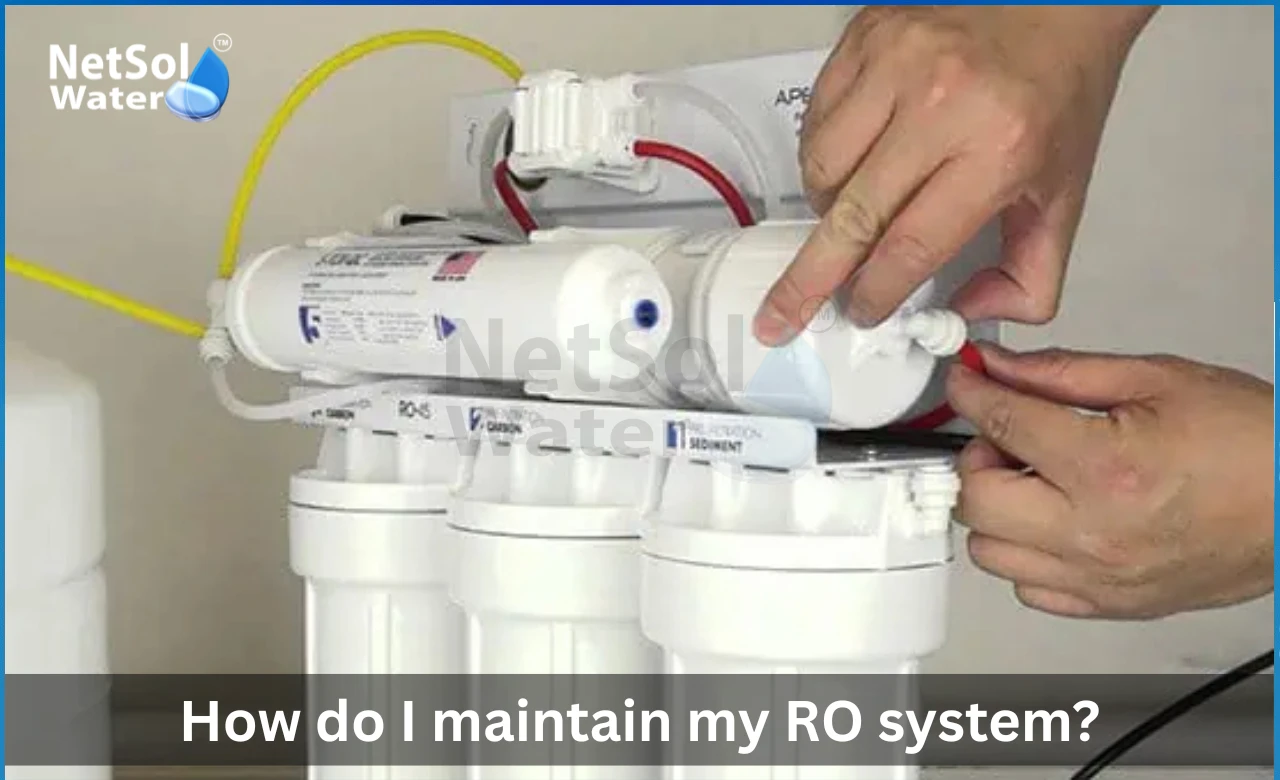
How do I maintain my RO system?

A clean water source keeps a home healthy and safe. Many cities in India face hard water and mixed sources that carry particles and salts. An RO Plant does the heavy work of cleaning such water so families get pure drinking water. Netsol Water is the leading RO Plant provider and they make plants that last long. Good maintenance keeps the plant working well and saves money over time.

Regular filter checks and replacements

Maintaining filters keeps the RO Plant healthy. Filters stop dust and large particles from reaching the main parts of the system. Clean filters also keep flow stable and protect the RO membrane. Let us have a look on some common filter parts and how to care for each one.

Pre filter care and timeline

Pre filters handle larger particles and sediment in the incoming water. They act as the first shield. Check the pre filters every two weeks for visible dirt if your water is very dirty. In normal city water check them monthly. Replace the sediment cartridge every three months or sooner if you see reduced flow. When you change the cartridge wash the housing and seals with clean water. Dry the parts before fitting new cartridges. Tighten the housing but do not over tighten it. Run water for a few minutes after replacing the cartridge to flush any loose particles. Maintain a record of each replacement date so you know when to change the next cartridge.

Carbon filter and post filter care

Carbon filters remove chlorine taste and organic matter that can harm the RO membrane. These filters need replacement every six to twelve months based on water quality and use. A worn carbon filter reduces taste and smell removal and can let chemicals reach the membrane. Replace the carbon filter on schedule to keep the system safe. After replacement run the unit and check for steady pressure and clear water. A slow flow or odd odor indicates the carbon filter needs attention. Keep spare cartridges at home so you can swap them quickly when needed.

Membrane care sanitization and pressure checks

The RO membrane does the fine separation in an RO Plant. Membrane life depends on pre filter care and proper sanitation. If you leave particles and chemicals near the membrane it will clog or degrade. Let us have a look on some membrane care steps and how to keep the pressure and tanks in good condition.

Membrane cleaning and signs of trouble

Clean the membrane when water quality drops or the system shows low output. Most membranes last two to three years with good care. If water tastes salty or the system output falls by half then check the membrane. Use only the cleaning solutions that the manufacturer or an expert recommends. Never use harsh chemicals at home as they can damage the membrane. Follow the flush and soak steps that come with the cleaning kit. After cleaning run the system and test the water. If the membrane does not recover then you must replace it. Keep a spare membrane if your system serves many people. A fresh membrane restores output and improves water quality fast.

Sanitization schedule and professional service

Sanitize the whole RO Plant at least once a year to stop bacterial growth. Use a mild sanitizing solution and follow the steps in the user manual. Drain the storage tank and add the sanitizer then let the system run for the time that the manual states. Rinse the system fully before using the water again. In addition check the pressure gauge and the pump body each month. Low pressure can reduce membrane performance. If you hear odd noises or find leaks then stop the unit and call a trained technician.

Read some interesting information for Industrial RO Plant Manufacturer

Conclusion

A well maintained RO Plant gives safe water day after day. Small steps like timely filter replacement, membrane cleaning and yearly sanitation keep the system strong. Regular checks prevent big repairs and make the unit serve longer. Netsol Water can help with parts and service if you want a smooth and worry free experience. Contact Netsol Water for details or to request a consultation.

Contact Netsol Water at:

Phone: +91-9650608473

Email: enquiry@netsolwater.com

Explain-the-working-of-treatment-of-industrial-waste.webp

October 15, 2025by Netsol Water

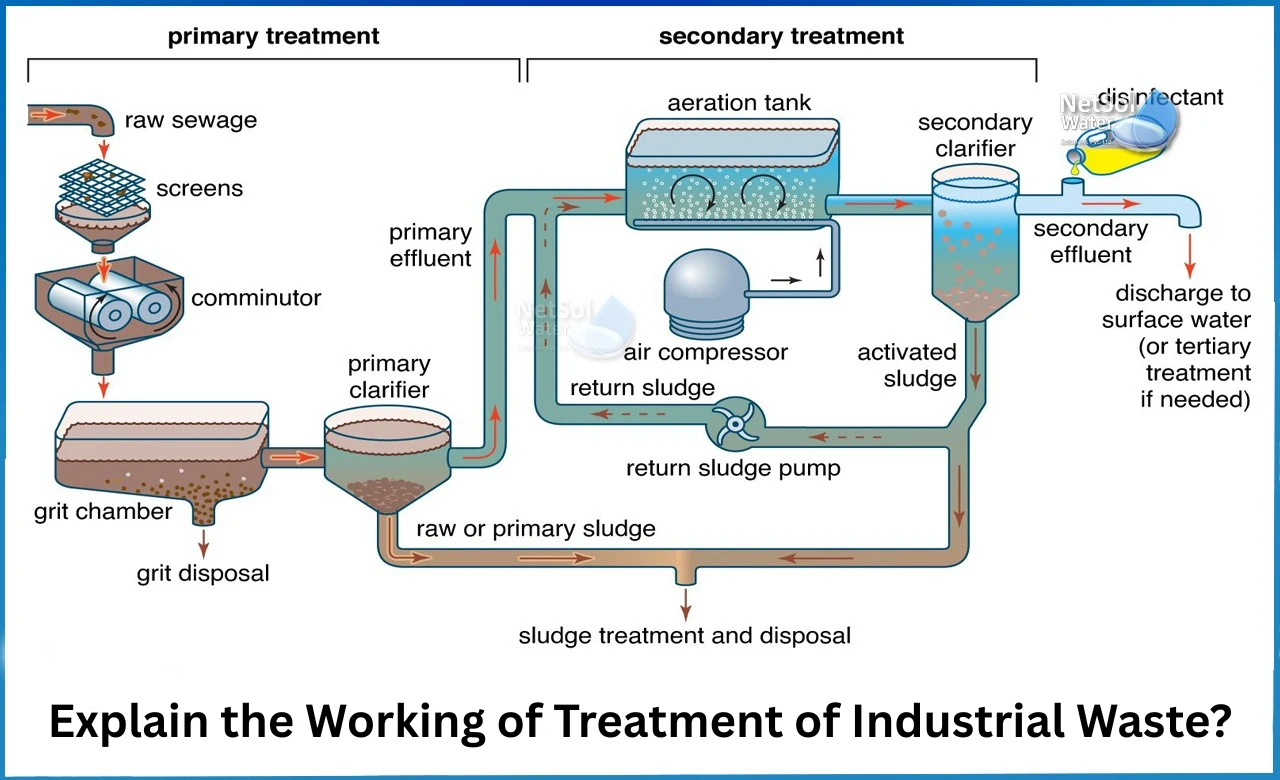
Explain the Working of Treatment of Industrial Waste?

Industrial waste can harm people and the environment if we do not treat it well. A Wastewater Treatment Plant helps to clean the water that comes out of factories. Netsol Water is the leading Wastewater Treatment Plant Manufacturer and it makes plants to make industrial discharge safe to release or reuse. We will explain the working of treatment of industrial waste.

Preliminary and Primary Treatment

Preliminary and primary treatment prepare the wastewater for the main cleaning steps. These early steps protect pumps and equipment and reduce the load on the biological systems that follow. Plants remove large objects and heavy particles so that the next stages can focus on smaller pollutants and dissolved substances. Let us have a look on some of the main units in this stage and how they work.

Screening and Grit Removal

The first unit is the screen. Screens stop rags plastic pieces and large debris from moving into pumps and tanks. The water passes through bars or mesh and solid items stay on the screen. Workers remove the trapped material and take it away for safe disposal. After screening the flow goes to a grit chamber. In the grit chamber sand and small stones settle down while organic solids stay in suspension. The settled grit moves to a separate collection area and operators remove it on a regular schedule. This step helps the plant last longer and lowers maintenance needs.

Primary Sedimentation and Oil Removal

Primary sedimentation gives suspended solids a chance to settle by gravity. The flow slows down in a large tank and the heavier particles sink to the bottom. Operators scrape the settled sludge from the tank floor and send it to sludge handling units. Floating oils and lighter solids rise to the surface and workers remove them with skimmers. Removing these solids early makes the next biological steps more efficient. The water that leaves primary sedimentation still holds dissolved organic matter but it has far fewer solids. This cleaned stream moves to the biological stage where microbes will remove the dissolved pollution.

Secondary Biological Treatment and Tertiary Treatment

Secondary biological treatment removes organic matter and some dissolved pollutants by using microbes. This stage converts harmful compounds into simpler forms that are easier to remove. The process controls oxygen and mixing so microbes can work well. Let us have a look on some common biological systems and the final finishing steps that make the water safe.

Activated Sludge and Biological Reactors

The activated sludge process uses tanks where bacteria grow and feed on organic waste. The plant pumps air into the tank to give oxygen so aerobic bacteria can break down organics. After a period of mixing the water and sludge move to a settling tank. The bacteria then settle out as sludge and the clear water flows on. The settled sludge or biomass returns in part to the reactor to keep a strong population of microbes. The rest of the sludge moves to sludge treatment for thickening and dewatering. In some plants engineers use trickling filters or biofilm reactors instead of activated sludge. These systems give the microbes a surface to grow on and the wastewater flows over that surface. Operators choose the right system based on the type of industrial waste and local space and cost limits.

Tertiary Treatment and Disinfection

Tertiary treatment polishes the water to remove nutrients color and fine particles. Plants use sand filters membrane filters or chemical dosing to remove these traces. For some industries the plant also uses specific chemical steps to remove heavy metals or toxic compounds. After physical and chemical polishing the plant disinfects the water to kill disease causing organisms. Disinfection happens with chlorine ultraviolet light or ozone. The choice depends on safety cost and the quality required for reuse or discharge. Final quality checks confirm that the treated water meets the required standards. When plants prepare water for reuse they include extra monitoring and sometimes extra filtration to meet industrial or irrigation needs.

Read some interesting information for Effluent Treatment Plant Manufacturer 

Conclusion

A well designed Wastewater Treatment Plant handles industrial waste step by step from coarse removal to fine polishing. The plant protects the environment and helps factories meet rules and save resources. Netsol Water provides plants and service to help industries install and run efficient plants. If you want to learn how a plant can fit your site or if you want a consultation please contact Netsol Water for more information and to request a site visit. A proper plant improves water quality reduces risk and supports long term operations.

Contact Netsol Water at:

Phone: +91-9650608473

Email: enquiry@netsolwater.com

Hospital-Effluent-Treatment-Plant-Requirements-and-Compliance-in-India-2.webp

October 11, 2025by Netsol Water

What is the cost of wastewater management plant in India?

Waste Water Management Plant projects matter for cities, towns, factories and farms. People and businesses need safe water and clean land. India faces a growing need for good waste water systems. Cities expand and industries grow. They must treat water before they return it to rivers or use it again. Netsol Water is the leading name in this field and we make plants for small, complexes and large factories. We will explore what drives cost and what price ranges you can expect.

Factors That Influence the Cost

Understanding cost starts with knowing the main factors. These factors shape the design the materials and the daily running costs. Let us have a look on some of the key items that change the total amount you must pay.

Scale and Capacity

Capacity plays the largest role in cost. A plant for a small apartment complex that treats a few thousand liters per day will cost much less than a plant for a factory that treats hundreds of thousands of liters per day. Larger plants need bigger tanks pumps and more control systems. They also require a larger space and stronger foundations. These needs add to the price. When you plan capacity think about future growth. A plant sized for current need can fail as the project grows. Netsol Water helps customers plan a size that fits both current and future demand. A smart size choice saves money over time. It keeps the running cost lower and it reduces the need for urgent upgrades.

Technology and Treatment Process

The treatment technology you choose changes both the upfront cost and the running cost. Simple systems that use basic filters and settling tanks cost less at purchase. They need more space and more frequent manual checks. Modern biological systems such as activated sludge or MBBR need more control and more motors. These systems cost more to buy but they treat water better and they need less manual handling. Advanced steps like membrane filtration or UV disinfection add to the bill. These steps improve water quality and reduce health risk. For industrial waste water you may need extra chemical treatment or special separators. Each extra unit raises the price. Choose the process that matches your discharge rules and reuse goals.

Types of Waste Water Management Plant and Typical Costs

The plant type shapes the budget. A clear view of common plant types helps you set a realistic number. Let us have a look on some common plant types and their rough price bands in India.

Small Commercial and Institutional Plants

Small plants serve hotels, schools, clinics and small housing complexes. These plants treat between one thousand and fifty thousand liters per day. They use simple mechanical screens primary settling and a biological unit. The cost range depends on materials and automation. A compact plant for a small site may cost much less. A more automated model that needs less staff will cost more at the start but will reduce salary cost later. For many small owners the best choice balances price and ease of use. Netsol Water offers compact models that match small budgets and still meet safety rules. You must also include cost for site work piping and electrical supply when you make a plan.

Industrial and Large Scale Plants

Large plants serve factories industrial parks and big townships. They treat tens of thousands to millions of liters per day. These plants use stronger construction heavy duty pumps and more precise controls. They need space and skilled operators. They also need strict monitoring to meet environmental law. The upfront cost for large systems rises fast. But the cost per liter often drops as scale grows. Industries that need reuse grade water may add membranes or chemical dosing. These add to both the purchase cost and the running cost. Netsol Water makes industrial plants that follow rules and cut long term cost. We plan the layout to reduce civil work and to make maintenance simple.

Read some interesting information for Effluent Treatment Plant Manufacturer 

Conclusion

A clear budget helps you move from plan to build. The cost of a Waste Water Management Plant changes with size technology and use. Small plants cost less up front and need more hands on care. Large plants cost more but can treat water at lower cost per liter. The treatment steps you choose also change the price. Netsol Water is the leading provider that can advise on cost and design. If you want a quote or a site study, contact Netsol Water today. Ask for a free consultation to find the best Wastewater Management Plant for your need.

Contact Netsol Water at:

Phone: +91-9650608473

Email: enquiry@netsolwater.com