
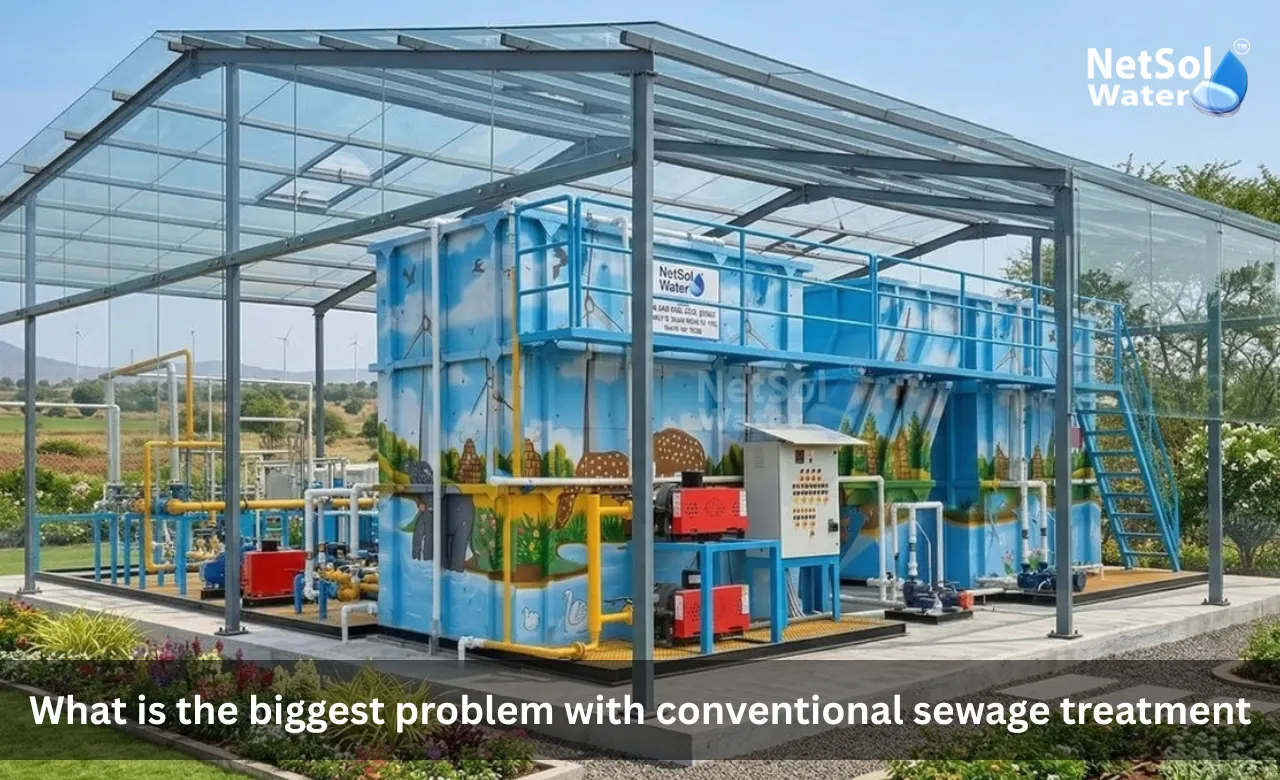
What is the Biggest Problem with Conventional Sewage Treatment?
Sewage treatment plays a major role in keeping water safe and protecting public health. As industries grow and cities expand, the pressure on old treatment systems also rises. Conventional sewage treatment still works in many places, but it often struggles when wastewater becomes more complex and when discharge rules become stricter. This issue affects homes, factories, hotels, hospitals, and many other sectors that depend on clean water and safe waste handling.
We are the leading sewage treatment plant manufacturer and work with different industries that need reliable treatment plants for daily use. The biggest concern with conventional sewage treatment is that it often cannot keep up with modern waste loads and changing water quality needs. That creates more operating trouble, higher costs, and weaker treatment results.
Why Conventional Sewage Treatment Fails
A plant that works well in one setting may fail in another because sewage does not always stay the same. It can contain chemicals, oils, grease, organic waste, and harmful microbes. Conventional systems were made for simpler waste patterns and steady flow conditions. Today, many industries produce wastewater that changes from hour to hour. That makes treatment harder.
Let us have a look at some of the main reasons why conventional sewage treatment struggles.
1. Changing Wastewater Quality
One major issue is that conventional systems cannot handle sudden changes in wastewater quality very well. In many industries, the waste load changes during production cycles. Sometimes the water carries a high level of organic matter. At other times, it may contain cleaning chemicals or suspended solids. A fixed treatment process often reacts slowly to such changes. As a result, the plant may not clean the water properly. This leads to unstable output and more pressure on plant operators.
2. Heavy Space and Maintenance Needs
Another problem is the large space and care that conventional plants need. Many older systems need big tanks, long pipelines, and regular manual attention. Industries that work in crowded areas often do not have enough land for such plants. Even when space is available, the system needs regular monitoring and cleaning. Sludge buildup, machine wear, and process imbalance can all raise maintenance needs. A sewage treatment plant manufacturer often sees that industries want smaller and easier systems now because old systems take too much time and effort.
3. Slow Treatment Process
Conventional treatment also takes time. Water moves through several stages and each stage needs enough retention time. That works in some cases, but it becomes a weakness when industries need fast and steady discharge. If the flow rises above the planned level, the plant may fail to treat the sewage fully. This creates a bottleneck. It can also affect production if the industry depends on constant waste management. Slow treatment becomes a real problem in sectors where time and space matter.
Problem in Conventional Sewage Treatment
The biggest problem is poor flexibility. Conventional sewage treatment often cannot adjust quickly to different waste loads and changing water quality. This single issue creates many other problems. When the system cannot adapt, the treatment quality drops. Then odour rises, sludge increases, and operating cost also grows. For industries, this means more downtime, more manual correction, and more risk of meeting discharge limits.
This lack of flexibility matters even more because industries now use different raw materials and cleaning methods. Their wastewater often carries a mixed load. Some streams have high organic matter while others include toxic or oily waste. A fixed process cannot always treat all of them with the same success.
Let us have a look at some of the effects that come from this main problem.
1. Poor Treatment Quality
When a system cannot adjust, it may leave behind harmful pollutants. That can affect the water released into drains or reused inside the plant. In industries that need strict water control, this becomes a serious concern. Poor treatment quality may also create trouble during inspections and audits. It can damage the image of the company and increase the chance of penalties.
2. High Operating Cost
A rigid system often needs more chemicals, more power, and more manual work to keep running. Staff may need to correct the process again and again. That increases cost and reduces efficiency. Over time, the plant may also need major repair because parts face more stress. This makes the system expensive even if it looks simple at first.
3. Limited Use in Modern Industries
Modern industries want systems that save space, reduce cost, and allow reuse of treated water. Conventional treatment does not always support these goals. It may still serve small and simple sites. Yet it often falls short in large and busy industrial settings. That is why many businesses now prefer advanced treatment methods that adjust better to real conditions.
Impact Across Different Industries
The problem with conventional sewage treatment does not stay the same in every sector. Different industries face different waste patterns, and each one feels the weakness in a unique way. A sewage treatment plant manufacturer must understand these needs before suggesting a system. That is why the issue becomes important across many business areas.
1. Food and Beverage Units
Food plants release wastewater with high organic content, grease, and suspended solids. This sewage changes often depending on production. Conventional treatment may struggle with those changes. If the system cannot break down the waste quickly, the plant may face odour and poor output. This can affect hygiene and daily operations.
2. Textile and Dyeing Units
Textile wastewater often contains dyes, chemicals, and other hard-to-treat waste. Conventional systems usually find it hard to remove these materials fully. As a result, the treated water may still carry strong colour or harmful substances. Such industries need more controlled and modern treatment methods.
3. Hotels and Commercial Buildings
Hotels, shopping centres, and office complexes also produce sewage in large amounts. Their flow changes with occupancy and daily activity. A rigid system may not work well during peak hours or low-use periods. This leads to uneven treatment and more power use than needed.
4. Healthcare and Institutional Sites
Hospitals and large institutions need careful treatment because their wastewater can carry pathogens and cleaning chemicals. Conventional systems may not always give the level of control these places need. They require dependable systems that keep the discharge safe and stable.
Read some interesting information for the Commercial RO Plant Manufacturer in Gurgaon
Conclusion
Conventional sewage treatment still has a role, but its biggest weakness is clear. It lacks the flexibility needed for today’s changing wastewater needs. Industries now need plants that can handle varied waste loads, save space, and give steady results without heavy manual effort. That is why many businesses now look beyond old methods and choose modern treatment options that fit their daily work.
Netsol Water is a trusted sewage treatment plant manufacturer that understands these challenges and offers solutions for different industry needs. If you need better treatment performance and a system that matches your site needs, then get in touch with our team today for more information or request a consultation.
Contact Netsol Water at:
Phone: +91-9650608473
Email: enquiry@netsolwater.com