
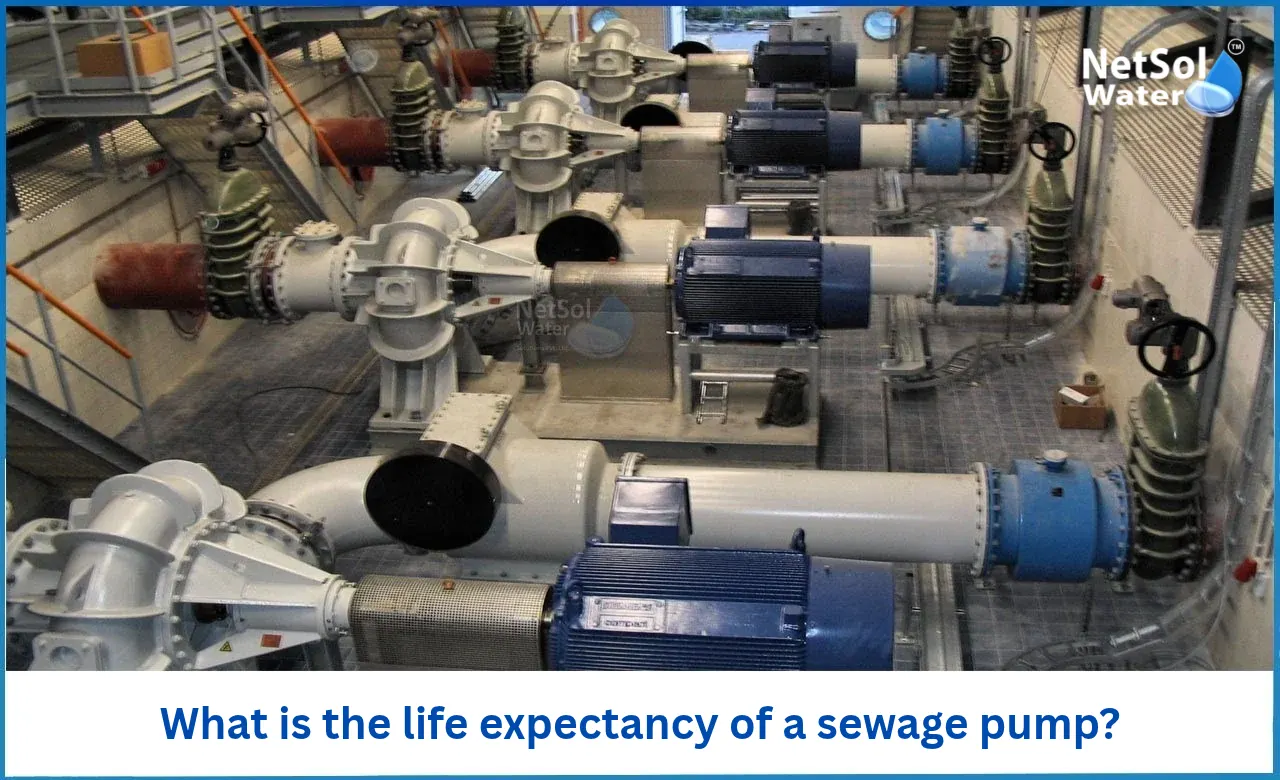
What is the life expectancy of a sewage pump?
A sewage pump is one of the most important parts of any sewage treatment system. It moves wastewater from one point to another and helps the complete treatment process work without interruption. A damaged or weak sewage pump can slow down the system and may even stop the treatment process. That is why every industry, commercial building, apartment, and institution should understand how long a sewage pump can last and what affects its working life.
A well-designed treatment system from a trusted sewage treatment plant manufacturer offers better performance and long service life. Good-quality pumps along with proper installation and regular maintenance can work efficiently for many years. Since wastewater contains solid waste, chemicals, and other materials, the pump operates in difficult conditions every day.
Factors That Affect the Life Expectancy of a Sewage Pump
The life of a sewage pump depends on many important factors. Every treatment plant operates under different conditions. Because of this, the life of one pump may be different from another. Understanding these factors helps owners increase the working life of the equipment and improve system performance. Let us have a look at some important factors that influence the life expectancy of a sewage pump.
1. Quality of the Pump
The longevity of the pump will depend largely upon the quality of the pump. Strong materials are used to make pumps that can operate more effectively and can resist harsh wastewater. High-quality motors, seals, and impellers minimize wear and enhance reliability. A good pump will generally require fewer repairs and function at higher efficiencies during its service life. The use of a trusted manufacturer also assures that the equipment is of standard quality and that its performance is stable for many years.
2. Installation Method
Proper installation is also important, as a good pump can still have a short life if it is not installed properly. Correct alignment, secure connections, and pipe sizing aid in smooth pump operation. Improper installation may cause vibration, leakage, or undue load on the motor. These problems lead to pump wear and shorten the life of the pump. Proper installation also ensures the correct flow and minimizes the risk of unforeseen failures.
3. Wastewater Characteristics
The durability of the wastewater directly affects the type of wastewater that is entering the pump. Excessive solids, chemicals, grease, and abrasive particles put extra strain on the pump parts. Seals can suffer from exposure to such materials, which can cause damage to seals, impellers, and internal components. A sewage pump that is used for cleaner wastewater will typically last longer than one in a very dirty environment. Unwanted damage and equipment longevity are reduced by regular wastewater quality monitoring.
Maintenance Practices That Extend Pump Life
One of the best ways to extend the life of a sewage pump is by frequent maintenance. All mechanical systems require maintenance and care to function well for a long time. Regular checks and routine maintenance can minimise the risk of unscheduled failures. This also reduces repair costs and increases the reliability in operations. Let’s take a look at some maintenance techniques to make the sewage pump last longer.
1. Routine Inspection
Regular checks can detect minor issues before they escalate into major issues. Operators should inspect for unusual sounds, vibration, leaks, and decreased pumping ability. Also, they need to examine the electricity supply and the temperature of the motors. Early detection of wear enables prompt repairs and avoids large damage. The pump is inspected regularly to ensure that it runs smoothly and without costly downtimes.
2. Cleaning the Pump
Another important maintenance task is cleaning, as the water in the wastewater may contain materials that settle in the pump. The pumping efficiency is lowered, and the impeller can be clogged by dirt, grease, and solid wastes. The deposits are removed by regular cleaning and do not cause the pump to work unnecessarily. A clean pump uses less energy, has less mechanical stress, and prolongs the service life.
3. Replacing Worn Parts at the Right Time
These components are subject to natural wear and tear in continuous operation. After a period of time, seals, bearings, impellers, and gaskets might require replacement. Properly replacing worn components at the appropriate times will help avoid additional damage to the entire system. The delayed replacement can be accompanied by larger failures and costly repair bills. Scheduled replacement ensures the pump is maintained in good condition and will provide long-term performance.
Average Life Expectancy of a Sewage Pump
Many people would like to know the average life expectancy of a sewage pump. The answer is dependent on the quality of the operating conditions and the quality of the equipment design. There is a general life span that most sewage pumps will last throughout, although every installation is unique. Let’s take a look at some key facts on the expected life of sewage pumps.
1. Standard Operating Life
The life of a well-maintained sewage pump is typically between 7 and 15 years. Pumps that are used under moderate conditions and are serviced regularly may still be efficient during this time. A longer working life is also achieved with the use of high-quality materials and the correct installation. Industrial pumps can be maintained and used past their 15-year mark.
2. Signs of Replacement
All pumps will reach the end of their useful life. If the breakdowns are becoming more frequent, and/or the energy usage is higher, or excessive vibration and poor pumping performance occur, it may be time for replacement. The ongoing repair expenses could also escalate to a greater level than the price of a new pump. Early detection of these signs will prevent full system failure and will not disrupt wastewater treatment.
3. Importance of Professional Assessment
Experienced technicians make routine evaluations to see if the pump is still working efficiently. Experts check inside parts and test the motor’s performance to uncover potential issues that could still be present, even without a visual symptom. They can evaluate whether maintenance is appropriate or if a replacement is a better option for the owner. This will save money and help keep plants running.
Choosing the Right Partner for Long-Lasting Sewage Pumps
Choosing the appropriate manufacturer is a critical component of equipment operation and maintenance. Quality products, technical guidance, and dependable after-sales support are offered by a trusted company. This ensures better system performance and longer equipment life. Let’s take a quick look at some of the reasons why the right manufacturer is important.
1. Quality Engineering
An experienced manufacturer designs pumps that perform well under demanding wastewater conditions. Strong construction, accurate engineering, and dependable components improve efficiency and reduce maintenance requirements. Better engineering also increases operational safety and extends equipment life.
2. Technical Support
Professional technical support helps plant owners solve problems quickly and maintain smooth operations. Guidance during installation, maintenance, and troubleshooting reduces the chances of incorrect practices. Fast assistance also minimizes downtime and improves system reliability.
3. Long-Term Value
Choosing a reliable manufacturer provides long-term value because the equipment performs consistently and requires fewer repairs. Better-quality products reduce operating costs and improve treatment efficiency over many years. This makes the investment more economical and beneficial for plant owners.
Read some interesting information for the Sewage Treatment Plant Manufacturer in Delhi
Conclusion
The life expectancy of a sewage pump depends on equipment quality, operating conditions, maintenance, and proper installation. A pump that receives regular inspection, cleaning, and timely repairs can continue working efficiently for many years. Good operating practices reduce failures and improve the performance of the entire treatment system. Choosing an experienced sewage treatment plant manufacturer also increases the chances of getting durable equipment that delivers dependable results.
Netsol Water is the leading sewage treatment plant manufacturer that provides reliable sewage treatment solutions designed for long-lasting performance. If you want expert guidance or need a dependable sewage treatment solution, you can contact Netsol Water for professional consultation and the right system for your requirements.
Contact Netsol Water at:
Phone: +91-9650608473
Email: enquiry@netsolwater.com