Water Treatment Plant Manufacturer - Page 4 of 6 - Sewage Treatment Plant Manufacturers

What-Every-Company-Should-Know-about-Wastewater-Reuse-Recycling.webp

November 7, 2025by Netsol Water

What Every Company Should Know about Wastewater Reuse & Recycling

Wastewater reuse and recycling can cut costs and protect the environment. It can also help companies meet rules and show that they act responsibly. Cities and industrial areas around India face water stress. Companies in these places can gain from using treated water for cooling cleaning and landscaping. Choosing the right Wastewater Treatment Plant affects how well a reuse plan works. Netsol Water is the leading Wastewater Treatment Plant Manufacturer and it offers plants that match many needs.

Benefits and Importance of Reuse

Wastewater reuse brings strong benefits for the environment and for business stability. Companies that treat and reuse water cut their fresh water demand. They also reduce the cost of water purchase and of discharge fees. It can help secure permits and build good ties with local authorities. Let us have a look on some key benefits.

Environmental benefits

Companies that treat wastewater reduce the load on local rivers and drains. They lower the risk of pollution and harm to local wildlife. Treating water also cuts the need to draw water from lakes, rivers and underground sources. This helps protect those sources for future use. When a company reuses water it shrinks its effect on the local water cycle. This action also supports wider goals for resource saving and climate action. Many industries find that reuse helps them meet national and local environmental rules. This reduces the chance of fines and legal delays. A clear reuse plan makes it easier to share water with nearby partners in times of shortage.

Economic and social benefits

Reusing treated water can reduce the water bill and the cost of waste discharge. It can also lower the cost that the firm faces when rules tighten in the future. Firms may win new contracts by showing steady water management. Communities near the plant gain when companies cut pollution and protect local supplies. In some areas treated water can serve green spaces or be used in basic industrial tasks. This frees clean water for drinking and other needs. Over time the savings on water and on waste handling can outweigh the cost of a good Wastewater Treatment Plant. A strong reuse plan can also attract investors and partners who care about long term sustainability.

Design and Technical Considerations

A reuse project needs the right design and solid operation plans. The choice of technology affects safety cost and ease of use. Firms must match the treatment level to the use case. They must also plan for space energy needs and for future growth. Let us have a look on some major technical and logistic elements that decide project success.

Treatment levels and technology choices

Design begins by setting the water quality target. Reuse for irrigation needs a different quality from reuse for cooling or for certain process uses. Companies must choose filters disinfectors and sometimes membrane systems. They must also plan for chemical dosing and for solids handling. The chosen technology must fit the waste type and the volume. It must also fit the site space and the power supply. Good design keeps the system simple to run. It also keeps running costs low. Firms should prefer modular systems that allow step by step upgrades. This approach helps match investment to need. When a company buys a Wastewater Treatment Plant it must ask about spare parts service and about training for its staff.

Operation, monitoring, maintenance and partnerships

Operation needs skilled staff clear schedules and good monitoring. Online sensors help track quality in real time. Regular maintenance prevents breakdowns and extends plant life. Companies can train their in house team or can sign a service contract. A reliable manufacturer can offer both parts and training and can support remote monitoring. Netsol Water is the leading Wastewater Treatment Plant Manufacturer and it offers service plans and training that help firms keep systems in strong working order. Good partnerships reduce risk and help firms reach reuse goals faster.

Read some interesting information for Effluent Treatment Plant Manufacturer

Conclusion

Companies that plan reuse need clear goals, good design and steady operation. A smart Wastewater Treatment Plant reduces cost and protects local water. It also shows that the company cares for the community and the natural resource base. Netsol Water can guide firms from design to steady operation. If you want help with a reuse plan or with a plant that fits your needs get in touch for more information or request a consultation today.

Contact Netsol Water at:

Phone: +91-9650608473

Email: enquiry@netsolwater.com


Add-a-subheading-2.webp

October 31, 2025by Netsol Water

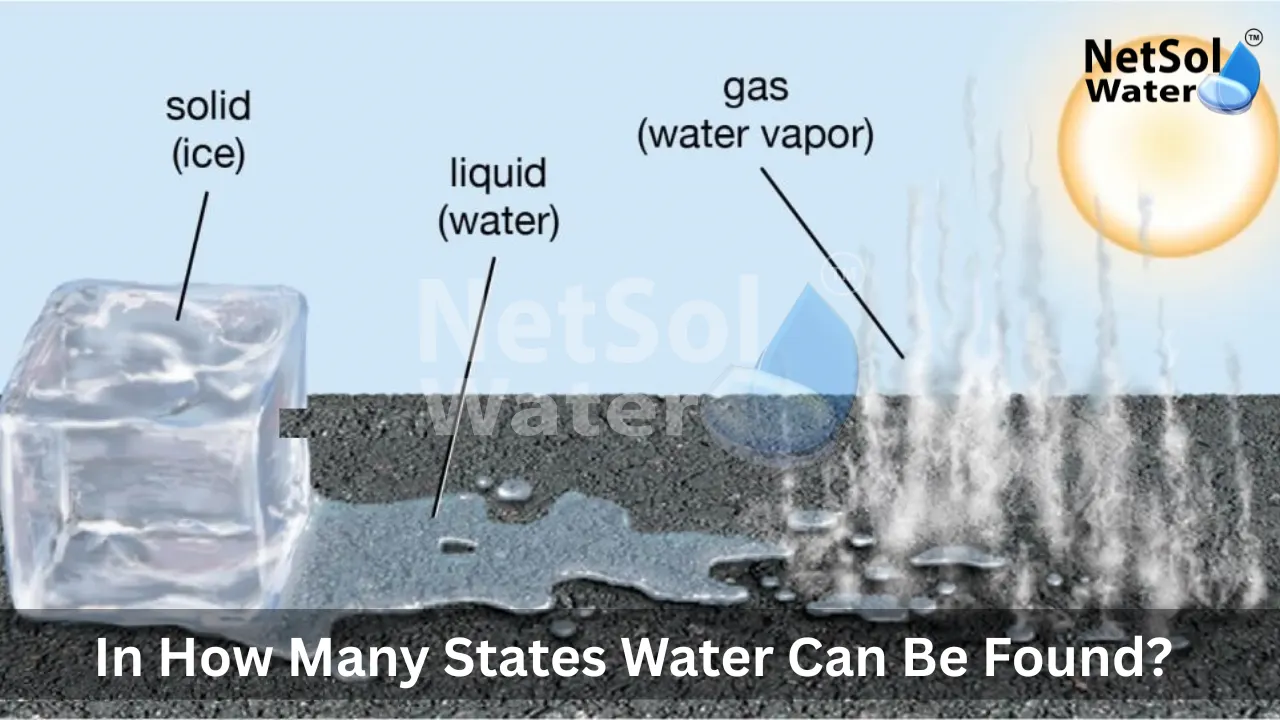
In How Many States Water Can Be Found?

Cities and towns grow around water sources. Netsol Water is the leading company that cares for how we use water and how we clean it for safe use. People who run a plant need to know what form water takes. They then choose the right steps to treat and to reuse water. Let us explore the main forms of water and let us see why each form matters.

Common states of water

Water has three familiar states that affect daily life and work. Knowing these states helps design a Water Treatment Plant and helps control how water moves and how we clean it. Let us have a look on some main forms. The first is the solid state. Solid water appears as ice or snow. It forms when temperature falls below freezing. Ice can store water for long times. Mountains and polar areas keep large stores of ice. When ice melts it feeds rivers and lakes.  The second form is the liquid state. This form carries most life needs and most industry needs. Liquid water flows through pipes into homes and into plants. Plants blend physical and chemical steps to remove dirt and microbes. The third form is the gas state. Water vapor moves in the air. It shapes weather and gives rain and fog. Gas form links to evaporation and to cooling towers. These three forms explain most of the water we meet. Each form links to how we collect treat and store water. Solid stores can feed liquid flows. Liquid flows turn to vapor and then fall again as rain. The cycle connects rivers lakes soils and the built systems we make.

Liquid water

Liquid water plays the main role for people and for industry. It fills tanks and flows through pipes to homes and factories. A Water Treatment Plant focuses heavily on liquid forms. The plant removes sediments and harmful germs. It then makes water fit for drinking or for industrial use. Treatment steps must match the source. River water may hold silt and organic matter. Ground water may hold minerals. Waste water will hold chemicals from homes and from industry. Operators check the water and change the steps as the water changes. Good design keeps the system low in cost and strong in safety. Many places plan for storage to face dry months. Liquid water moves and shifts with seasons and with human use. This flow drives the need for steady care and for smart systems.

Less known states of water

Water can also appear in less known and extreme forms. They also matter for some advanced Water Treatment Plant designs. Let us have a look on some of the rare forms. The first rare form is the supercritical phase. This form appears at high pressure and at high heat. It acts like both a liquid and a gas. Scientists use supercritical water in special reactors to break down hard waste. The second rare form is plasma. Plasma needs extreme heat that splits atoms. This state does not appear in daily life but plays a role in some high energy research. The third group covers many kinds of solid ice that form under pressure and at odd temperatures. These ices look different from the soft ice we touch. They store water inside planets and inside lab cells. These rare forms help science and they show the many ways water behaves under change.

Supercritical water

Supercritical water appears when we push heat and pressure past a certain point. It loses a clear divide between liquid and gas. This form can dissolve materials that normal water cannot dissolve. Labs use this trait to break down tough organic waste. The method can cut down harmful compounds that resist regular treatment. Some modern projects test supercritical water steps as a tool in advanced treatment chains. They aim to turn hard waste into safe residues and to lower the need for land disposal. The technology needs high energy and careful design. It also needs skilled teams to run and to maintain the system. For now this method fits special sites and research efforts.

Read some interesting information for Commercial RO Plant Manufacturer in Noida

Conclusion

Water appears in many states. A Water Treatment Plant must match its steps to the form and the source of water. Netsol Water is the leading partner for those who need a strong plan and a clear design for a plant. Reach out to learn more and to request a consultation for your water needs. A good plan will save cost and will keep water safe for the long term. Contact Netsol Water today to start a simple study for your next Water Treatment Plant.


Add-a-subheading-1-2-1.webp

October 25, 2025by Netsol Water

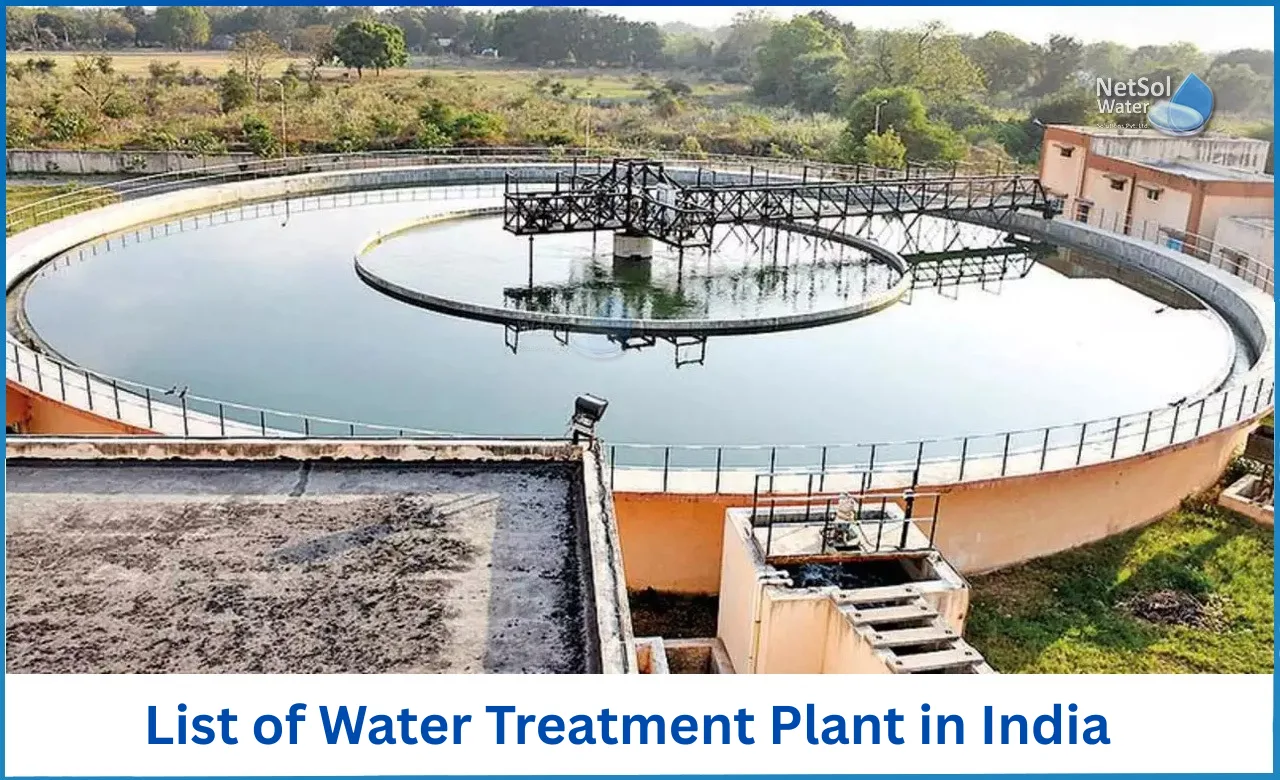
List of Water Treatment Plant in India

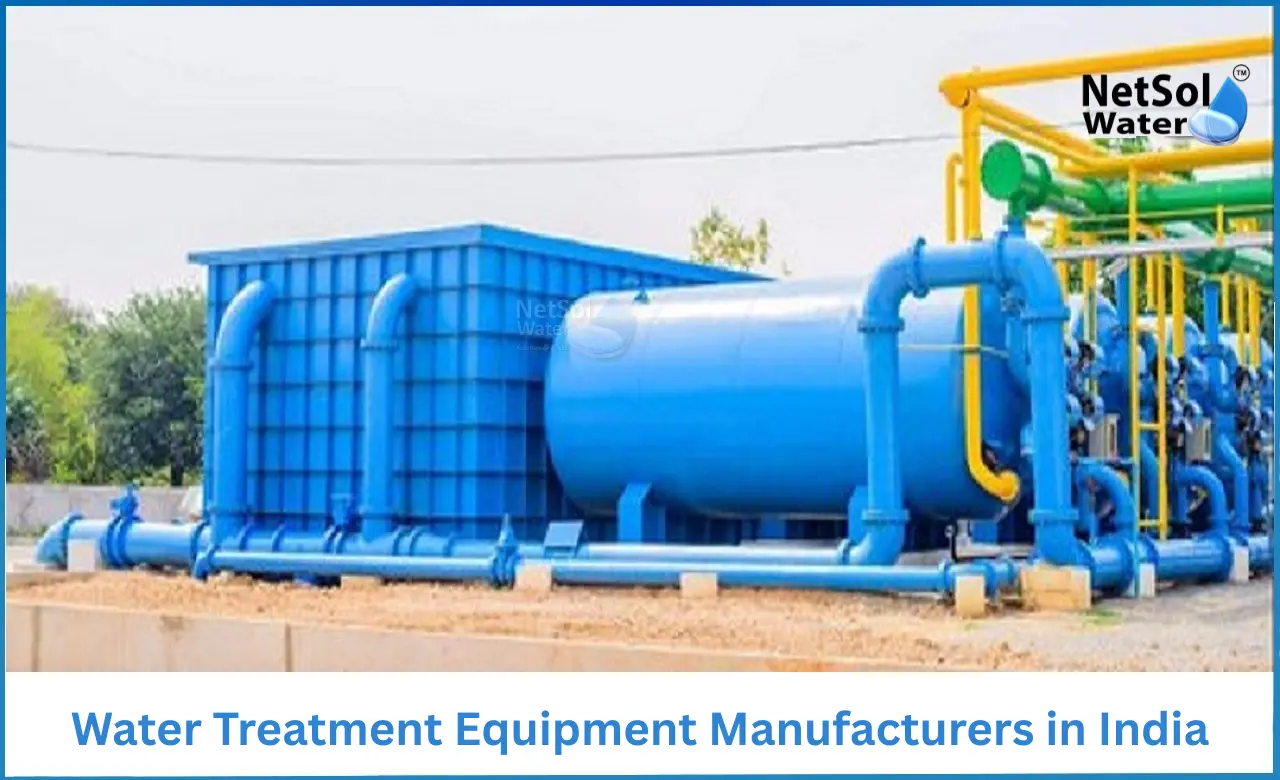
India faces rising demand for clean water for homes, farms and industry. Many cities and towns struggle with polluted rivers and weak supply. A Water Treatment Plant Manufacturer makes plants that remove solids, chemicals and microbes and that restore water for safe use. Netsol Water is the leading Water Treatment Plant Manufacturer in India and it serves clients across the country.

Major Water Treatment Plant Manufacturers in India

Choosing the right manufacturer shapes the whole project outcome. A strong Water Treatment Plant Manufacturer will design and make a plant that runs well and that meets local rules. Let us have a look on some real firms and how they serve different needs.


Netsol Water

Netsol Water stands out as a practical manufacturer of RO and wastewater systems. The firm works on projects for housing complexes hotels factories and small towns. Netsol Water will test raw water then offer a design that fits the site and the budget. Let us have a look on some key features and service steps.

Overview

Netsol Water will supply membranes filters pumps and control panels with clear manuals and on site training. The firm will complete installation and then run tests to confirm output quality. The team will train local operators so daily steps stay simple and effective.

Services and support

The company offers routine service visits spare parts supply and emergency repair support. Netsol Water will tailor a maintenance plan to match plant size and load. The firm keeps lines of communication open during the project and after handover. This approach helps reduce downtime and keeps running cost under control.

Sewage Treatment Plants

Sewage Treatment Plants builds systems for both municipal supply and for industry. The firm supplies resin systems softeners desalination plants and large scale filtration modules. Let us have a look on some strengths and project types.

Overview

Sewage Treatment Plants will handle raw water analysis design and module fabrication. The firm will supply chemical dosing systems and automated controls to maintain steady performance. The team will run acceptance trials and it will hand over clear operation procedures to the client.

Services and support

The company will offer on site service visits and long term maintenance contracts. Sewage Treatment Plants will provide spare parts and technical help to address process changes. This work helps keep plants compliant with local rules and reduces unscheduled downtime.

Commercial RO Plant

Commercial RO Plant acts as a major EPC contractor on large water supply sewage and desalination projects. The firm handles complete project delivery from civil works to mechanical installation and to final commissioning. Let us have a look on some project roles and delivery model.

Overview

Commercial RO Plant will manage design approvals procurement of major equipment and on site construction work. The firm will coordinate subcontractors and it will run quality checks at every stage. Commercial RO Plant will also provide testing during commissioning to verify treated water meets standards.

Services and support

The company often offers delivery and project management for large scale urban projects. Commercial RO Plant will also arrange operation and maintenance contracts and it will support expansion plans as cities grow. The firm aims to deliver projects on schedule and to meet regulatory milestones


VA Tech Wabag

VA Tech Wabag serves large municipal and industrial projects across India. The firm handles design build and operation work and it works with city agencies on permits and testing. Let us have a look on some capabilities and project roles.

Overview

VA Tech Wabag will supply clarifiers biological reactors filtration trains and final disinfection stages for large scale plants. The firm will plan civil works and mechanical installation and it will run commissioning tests on samples. The team will also advise on sludge handling and on measures to meet discharge standards.

Services and support

A Tech Wabag often offers long term operation contracts and technical support during the plant life. The firm will assist during tender stages and it will carry out factory acceptance tests for key modules. The aim is to deliver systems that meet regulatory checks and that remain reliable as flow changes over time.

Thermax Limited

Thermax Limited focuses on industrial water treatment and process systems for manufacturing sites. The firm supplies chemical dosing units softening trains filtration and thermal systems for water recovery. Let us have a look on some typical offerings and client benefits.

Overview

Thermax will assess process needs then propose a system that matches water quality and temperature requirements. The firm will design pretreatment and final polishing stages to protect downstream equipment. Thermax will also deliver control systems that allow simple monitoring by plant staff.

Services and support

The firm provides commissioning support and operator training for daily checks. Thermax will also supply spare parts and service contracts that include preventive maintenance. The focus stays on reducing process risk and on lowering operating cost for the client.

Read some interesting information for Commercial RO Plant Manufacturer in Noida

Conclusion

A good Water Treatment Plant Manufacturer will make the project simpler and will help secure clean water for homes and for business. Netsol Water is the leading Water Treatment Plant Manufacturer in Noida and it offers personalized solutions and steady support. If you plan a new system or if you need maintenance for an existing plant contact a qualified manufacturer for a consultation. Reach out to discuss your need request a site visit and get a detailed quote.

Contact Netsol Water at:

Phone: +91-9650608473

Email: enquiry@netsolwater.com


Which-of-the-processes-cannot-be-used-for-water-disinfection.webp

October 16, 2025by Netsol Water

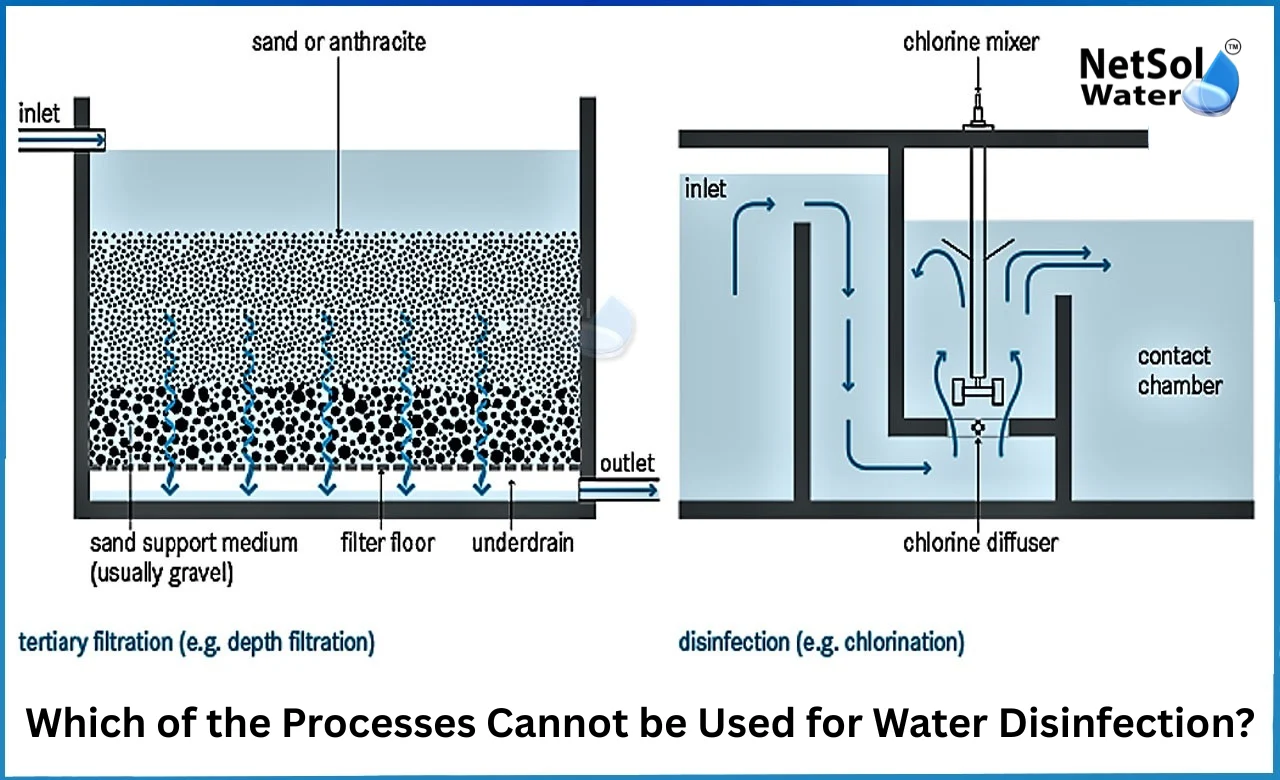
Which of the processes cannot be used for water disinfection?

A Water Treatment Plant plays a key role in making raw water safe for homes, schools and industry. Netsol Water is the leading name that many turn to for expert support and clear advice. We will explore which of the processes cannot be used for water disinfection and why that matters for plant designers operators and local planners.

Processes That Cannot Be Used for Water Disinfection

Water safety depends on many actions that work together. Some steps help water look clear or improve taste. These steps do not kill germs on their own. Let us have a look on some that do not disinfect water by themselves.

Sedimentation and Simple Settling

Sedimentation helps to remove heavy particles. A slower flow gives solids time to sink to the bottom. Plants use this step to prepare water for the next stage. Sedimentation does not kill bacteria viruses or protozoa. These microbes may ride on small particles that do not settle well. Even when water looks clear after settling the tiny germs can still pass through. Operators must not treat clear water as safe without a proven disinfection step. Sedimentation reduces load on filters but it does not replace disinfection. In many plants teams measure turbidity after settling to check how well the next steps will work. If turbidity stays high then filters and disinfectants must work harder. Relying on settling alone can create a false sense of security and raise public health risk.

Filtration Without Disinfection

Filtration removes particles that cause cloudiness. Sand filters membrane filters and cartridge filters work at different levels of performance. Some filters remove larger organisms but leave smaller microbes behind. A simple rapid sand filter will not inactivate viruses. Membrane filters such as ultrafiltration or microfiltration can remove many pathogens but they still need checks and backups. If the filter develops a crack or the pores block the barrier will fail. Filters also require routine cleaning and careful monitoring. Without a final disinfection step filters do not guarantee safe drinking water.

Adsorption and Ion Exchange

Adsorption on activated carbon improves taste and removes some organic chemicals. Ion exchange removes dissolved ions that affect hardness and some contaminants. These processes improve water quality for many uses. They do not kill or remove most harmful microbes on their own. Bacteria can grow on carbon surfaces when the material ages. Ion exchange resins can host microbes when they do not get cleaned. Using these steps without disinfection can let germs reach customers. Plants must follow adsorption and ion exchange with a clear disinfection method to make water safe.

Safe Alternatives and Best Practices in a Water Treatment Plant

Disinfection must end the chain of treatment in a way that kills or inactivates pathogens and also keeps treated water safe in the distribution system. Let us have a look on some methods that do disinfect well and how to use them in a Water Treatment Plant.

Chemical Disinfection With Chlorine

Chlorine based methods kill a wide range of germs and they leave a lasting protective effect in the pipes. Chlorine is easy to measure and to feed into the system. Plant staff monitor free chlorine to ensure the dose meets the treatment target. They also watch for by products and adjust feeds to reduce their formation. Chlorine works well when water has low turbidity. Plant teams pair proper coagulation sedimentation and filtration with chlorine to get a reliable outcome. Chlorine remains a main choice in many Water Treatment Plant designs because it balances cost ease of use and distribution system protection.

Ultraviolet Light and Advanced Options

Ultraviolet light inactivates bacteria viruses and some protozoa by damaging their genetic material. UV does not add chemicals to water and it does not leave a residual in the distribution network. For this reason many plants use UV together with a low level disinfectant in the pipes. UV systems require clean water before treatment because high turbidity reduces UV penetration. Advanced methods such as ozone also inactivate microbes and they can handle certain organic pollutants. Ozone does not leave a long lasting residual so plants pair it with another disinfectant when they need ongoing protection in the network.

Use of Multiple Barriers and Monitoring

A safe Water Treatment Plant uses more than one step to reduce risk. Combining coagulation filtration and a proven disinfection method gives better results than any single step. Plants also use real time sensors lab testing and simple visual checks to catch problems early. Operators train to follow clear protocols and to log results every day. A strong monitoring plan helps teams detect a failing filter a drop in disinfectant or a rise in turbidity before people face harm.

Read some interesting information for Commercial RO Plant Manufacturer in Noida

Conclusion

Water Treatment Plant teams must avoid using only those processes that do not disinfect by themselves. Netsol Water is the leading partner that can guide planners operators and local leaders to make plants that clean and protect water. If you want help to review a plant to improve safety or to design a new plan please get in touch for more information or request a consultation today.

Contact Netsol Water at:

Phone: +91-9650608473

Email: enquiry@netsolwater.com

Hospital-Effluent-Treatment-Plant-Requirements-and-Compliance-in-India-1-1.webp

October 14, 2025by Netsol Water

Explain the Different Types of Water Conservation Techniques?

Noida is known for growing industry and rising residential areas. A water treatment plant plays a key role in saving water and in giving safe water for homes and factories. We will explore different water conservation techniques that work with a water treatment plant.

Rainwater Harvesting and Storage

Rainwater harvesting helps capture rain that would otherwise run off and get wasted. This method reduces demand on a water treatment plant and gives a nearby water source for many uses. Let us have a look on some common ways to collect and store rainwater and how each one helps conserve water.

Rooftop harvesting systems collect rain from building roofs and move it to a storage tank. A simple roof screen keeps out leaves and larger debris. A first flush device diverts the first flow and keeps the stored water cleaner. Storage tanks can be above ground or buried under the ground. For homes the stored water can serve gardening car washing and toilet flushing. For factories and offices the water can feed cooling towers and process needs. When installers add a basic level of filtration the water can meet higher use standards.

Ground and surface recharge methods return rain to underground aquifers. Trenches soak pits and permeable pavements help rain move into soil. Recharge limits land subsidence and keeps wells productive. In urban places a recharge system requires planning to avoid contamination. Well designed recharge uses layers of sand and gravel to filter the water as it moves down. Municipal planners can pair recharge ponds with treated wastewater to refill aquifers. This approach supports long term supply and reduces the need for distant water sources.

Greywater Recycling and Reuse

Greywater comes from sinks showers and laundry and it offers a major source for reuse. Let us have a look on some practical greywater systems and how they serve homes and small businesses.

Simple household systems divert greywater from showers and washbasins for garden use. A gravity fed filter and a mulch basin can clean the water enough for irrigation. Plants then absorb nutrients that the water contains. This lowers the need for fresh water and it reduces the volume of wastewater that a water treatment plant must process. Home owners can install diverters that switch flow to sewer during heavy rain or when treatment is not active. These systems keep health risks low while saving water for outdoor use.

Compact treatment units serve larger buildings and small industries. These units use biological filters sand beds and small pumps to remove solids and to reduce organic matter. Treated greywater can then feed toilet flushing cooling systems and some process tasks. The system design must match the quality needs of the reuse application. Regular checks and a clear maintenance plan help keep these systems safe and effective.

Efficient Irrigation and Landscape Design

Irrigation uses a large share of water in cities and farms. Better irrigation can reduce that use. Let us have a look on several methods that save water and that keep plants healthy.

Drip irrigation sends water slowly to plant roots. This method avoids water loss through evaporation and runoff. Drip systems place emitters near each plant and they deliver measured doses of water. This reduces the total water used and it improves plant growth by giving steady moisture. Drip systems also work well with treated wastewater and with stored rainwater. They require filters and simple maintenance to keep emitters from clogging. When planners group plants with similar needs they can run drip lines on a schedule that matches the plants rather than running a single long cycle that overwaters some areas.

Smart scheduling and sensors cut waste from over watering. Soil moisture sensors and simple timers let managers water only when plants need it. These controls lower the number of irrigation cycles and they reduce the load that the local water supply feels. When users combine sensors with drip systems they gain a high level of control over outdoor water use.

Using native and drought tolerant plants reduces water need and lowers maintenance. A properly planned landscape uses grouping and mulching to keep soil moisture longer. This reduces the need for a water treatment plant to supply large amounts of fresh water for landscaping.

Read some interesting information for Effluent Treatment Plant Manufacturer 

Conclusion

Good water management strengthens supply and reduces the load on every water treatment plant. Rainwater harvesting greywater reuse and efficient irrigation work well together. Netsol Water is the leading partner for designing systems that match local needs. If you want to save water and to protect supply please contact us for a consultation. We can review your site and suggest a plan that lowers water use and that improves system reliability.

Contact Netsol Water at:

Phone: +91-9650608473

Email: enquiry@netsolwater.com

How-much-does-it-cost-to-install-a-water-treatment-plant.webp

September 30, 2025by Netsol Water

How much does it cost to install a water treatment plant?

Installing a Water Treatment Plant matters for any business or community that needs safe water. In India cities and towns grow fast and industries use more water than before. This rise makes treatment plants more important than ever. Netsol Water is the leading Water Treatment Plant Manufacturer and we design plants that fit many needs.

Cost depends on many things. Some factors you can control and some you cannot. The size of the plant matters. The quality of the raw water matters. The technology you choose matters. Your site and local rules matter. Each of these parts adds to the total price.

Key factors that affect the cost

When you plan a Water Treatment Plant you must first know which items drive cost. Understanding these items helps you make trade offs. Let us have a look on some of the main cost drivers.

Capacity and size

Capacity drives most of the price. A small unit for a building costs far less than a plant for a factory or a town. You pay for tanks pumps and filters that match the required flow. Larger plants need stronger foundations more complex piping and more control systems. This adds cost in materials and labor. You should size the plant with some margin. If you choose too small a system you may need costly upgrades later. If you choose a system with a clear growth path you save money over time.

Technology and components

The treatment steps you choose affect cost strongly. Basic filtration and disinfection cost less. Reverse osmosis and advanced membrane systems cost more. Chemical dosing and automation add to the budget. Higher quality components last longer and reduce maintenance cost. You will pay more up front for good pumps valves and control panels but you will face fewer breakdowns later. Think about life cycle cost and not only initial price.

Raw water quality and pre treatment

Poor source water raises cost. Water with high solids or heavy contaminants needs extra pre treatment. That can mean sand filters media filters or special chemical dosing systems. Groundwater and surface water have different needs. Testing the source water early helps you choose the right steps. Early testing saves money by avoiding over design and by targeting the exact problems that need fixing.

Site work and local rules

Site preparation and civil work matter. If the place needs heavy foundation work or remote access you will pay more for transport and labour. Local permits and inspections can add fees and time. Some areas require treated water standards that demand extra steps. Factor in these costs when you make a budget.

Cost ranges by plant type

Choosing the plant type tells you the broad price band for a Water Treatment Plant. Let us have a look on some common types and what budgets they usually need. Then we will examine installation and running cost so you can plan total spending.

Small commercial systems

Small systems for offices shops or small hotels focus on safe water for drinking and general use. These plants often use simple filtration followed by disinfection or a small RO unit. The price stays moderate because parts and civil work are small. You will pay for a good quality RO unit for consistent taste and safety. Maintenance remains a regular item to keep filters and membranes working well.

Medium industrial plants

Medium scale plants for factories or housing complexes need higher flow and better control. These sites need robust pumps larger tanks and automated controls. The technology may include media filters softeners and RO or membrane bioreactors. Costs rise because of the scale and the need for reliable continuous operation. You should plan for spare parts and skilled operation staff.

Large municipal plants

Large municipal plants serve whole towns or big industrial zones. They need many treatment stages and often advanced biological or membrane steps. These plants require large civil works electrical systems and long term operation teams. The initial cost is high but the cost per unit of treated water tends to be lower as scale goes up. Funding and long term planning are key for such projects.

Read some interesting information for Commercial RO Plant Manufacturer in Noida

Conclusion

A clear budget starts with a good plan. Netsol Water is the leading Water Treatment Plant Manufacturer and we can help you with testing design and a clear price estimate. If you want a reliable cost guide or a consultation reach out to Netsol Water today. We can visit your site test the water and give a detailed quote that fits your needs.

Contact Netsol Water at:

Phone: +91-9650608473

Email: enquiry@netsolwater.com


How-Much-Does-an-RO-Water-Purifier-Really-Cost-2.webp

September 15, 2025by Netsol Water

What are the emerging trends in sustainable water treatment quiz?

Sustainable water management grows more important each year as and industries face water shortages and stricter rules. Netsol Water is the leading Water Treatment Plant Manufacturer and it helps clients adopt new methods. India is known for fast urban growth and heavy industrial use of water. People here need clear answers on how to save water and treat it safely. We will explore the emerging trends in sustainable water treatment.

Digital and Smart Technologies in Water Treatment

Understanding digital tools helps people run Water Treatment Plants with less waste and more control. Let us have a look on some technologies that change how plants work and how staff learn faster and respond better.

Sensors and Real Time Monitoring

Smart sensors send live data on flow quality and pressure. Operators can watch this data on simple screens. Plants save water and reduce downtime because staff act fast. Remote monitoring lets experts help from a distance. Automated alarms bring attention to unusual changes at once. The result is a cleaner output and steady operations. People use that data to plan maintenance and to tune processes for higher efficiency.

AI and Predictive Control

AI models analyze sensor data and predict what will happen next. AI helps adjust pumps filters and chemical dosing without human delay. The models spot trends that humans might miss. Plants cut power use and lower costs when they use predictive control. Training the models does not take weeks. Teams feed past data to the system and it learns patterns. This reduces surprises and helps staff make better decisions. Small plants and large plants both gain from these tools.

Nature Based and Resource Recovery Approaches

Using nature based methods and recovering resources makes Water Treatment Plant work smarter for the environment. Let us have a look on some methods that use natural cycles and that help communities gain more from treated water.

Constructed Wetlands and Green Processes

Constructed wetlands mimic rivers and lakes to filter water with plants and microbes. Designers shape shallow beds and steady flows so plants can remove nutrients and sediments. These plants need less power than many mechanical units. Communities use them in small towns and at industrial sites. The result is clear water and added green space that supports birds and insects. Wetlands also lower maintenance needs because plants do much of the work naturally. When a wetland pairs with a mechanical unit the overall cost can drop and the output can meet strict standards.

Resource Recovery and Circular Use

Treating water can recover useful materials such as nutrients and biogas. Anaerobic digesters break down sludge and produce gas that plants burn for heat or power. Other units recover phosphorus and nitrogen for use as fertilizer. Recovering these items reduces waste truck trips and cuts chemical buys. This approach turns a Water Treatment Plant into a resource hub. Cities and factories that embrace this method lower landfill inputs and gain steady supplies for gardens and fields. This method also gives new income streams that help pay for upgrades.

Read some interesting information for Commercial RO Plant Manufacturer

Conclusion

Digital tools and nature based approaches both play strong roles in this change. Netsol Water is the leading Water Treatment Plant Manufacturer and it can guide you from design to operation. If you want to learn more or if you need a consultation reach out to the team for a clear plan and for help on choosing the right mix of technology and nature based design. A short call or a site visit can start a plan that saves water and reduces costs over time.

Contact Netsol Water at:

Phone: +91-9650608473

Email: enquiry@netsolwater.com

Add-a-subheading-1-1-3.webp

September 5, 2025by Netsol Water

What are the consequences of non-compliance with water regulations?

Water rules protect people and the land. Cities grow fast, and this growth makes managing water use and waste more urgent. When a Water Treatment Plant does not follow the rules the results reach many places. They affect homes, schools, and farms. They affect local businesses and city services. Netsol Water is the leading Water Treatment Plant Manufacturer and it works with clients to meet the rules and avoid harm.

Legal and Financial Penalties

Legal and financial penalties matter because they can end operations and drain budgets. Companies and councils depend on steady water services. They face lawsuits, fines, and loss of permits if they do not meet rules. Let us have a look on some main legal outcomes and how these hit finances and daily work.

Regulatory fines and loss of license

Many water laws set clear limits for discharge and for treatment processes. When a Water Treatment Plant breaks these limits regulators may issue fines. These fines grow larger if the breach lasts for a long time. A plant may also face orders to stop work until it fixes the problems. These steps halt revenue and raise repair costs. Firms also spend more on legal help and on monitoring to satisfy the regulator after a penalty. These added costs reduce profit and may harm future investment plans.

Civil suits and insurance impact

Affected communities and businesses can start civil cases for harm from poor water control. These suits can claim damages for lost income health costs and property harm. Even when a suit does not win the legal fees and the time spent to defend it weigh on managers. Insurance firms may raise premiums or refuse cover when a plant shows repeated rule breaks. A refusal to insure leaves projects at high risk. This chain of events can force owners to sell or to close a facility.

Long term business consequences

Beyond fines and suits a firm can lose contracts and trust. Buyers and partners avoid firms with poor compliance records. Banks may limit loans and investors may withdraw support. These steps reduce the ability to grow and to invest in new systems. A plant that must rebuild trust faces many years of slow recovery. This outcome shows why a Water Treatment Plant must keep clear records follow strong operating steps and plan upgrades in good time.

Environmental and Public Health Impact

Environmental and health impacts matter because they shape life for many people. Broken rules let pollution reach rivers farms and the ground. Polluted water harms fish, crops, and human health. Let us have a look on some key environmental harms and the public health risks that follow.

Water body damage and loss of biodiversity

Water that leaves a plant without full treatment carries solids chemicals and microbes. Rivers and lakes that receive this water change fast. Fish die and plants fail to grow. This damage reduces the numbers of species in the area. Local fishers and farmers lose a source of income and food. Restoring a river takes long time and costs a lot. Cleanup work may demand new treatment steps and new wetland projects. These efforts add to the cost of fixing the original failure to follow the rules.

Human health and community harm

When a Water Treatment Plant fails to remove harmful germs and chemicals local people face real health risks. People can get stomach infections skin problems and other serious illnesses from bad water. Children and older adults face extra risk. When illness spreads the local clinic and hospitals face more demand and local workers lose days of work. This outcome reduces household income and puts pressure on public health services. The ripple effects reach schools and shops and they can change the life of the whole town.

Soil food and long term use

Polluted water does not stay in one place. It enters the soil and the food chain. Crops that use bad water pick up salts and chemicals. These changes lower crop quality and crop yield. Farmers then must pay for better water or move to other lands. The cost of poor compliance thus grows with time. It affects food prices and the long run health of the local land.

Read some interesting information for Sewage Treatment Plant Manufacturers

Conclusion

Non compliance brings legal risk financial loss and long term harm to people and land. A Water Treatment Plant that meets rules protects health, the land, and the business. Netsol Water is the leading Water Treatment Plant Manufacturer and it can help companies plan systems and follow the rules. If you want to lower risk protect your workers and serve your community get in touch for more information or request a consultation today.

Contact Netsol Water at:

Phone: +91-9650608473

Email: enquiry@netsolwater.com

Add-a-subheading-1-1-1.webp

September 3, 2025by Netsol Water

What are the list of advanced water treatment technologies?

Water matters for homes, farms, and factories. Netsol Water provides plants that clean water for many uses. People look to good water treatment to protect health, save money, and keep machines running well. A Water Treatment Plant must remove dirt, germs, and chemicals. It must also work for small sites and for large factories. Modern needs call for methods that do more than simple filters. They must handle tough pollutants and reuse water when possible. We will explore key advanced technologies that help plants run better. Netsol Water is the leading Water Treatment Plant Manufacturer and it offers many of these solutions.

Membrane Technologies

Membrane methods play a big role in modern water treatment. They remove tiny particles and many dissolved chemicals without using lots of chemicals. These methods fit well for places that must meet strict water quality rules. Let us have a look on some major membrane options and how they work.

Reverse Osmosis

RO pushes water through a very fine membrane to separate clean water from salts and dissolved pollutants. Systems use pressure to force water through pores that block most ions and molecules. This process suits desalination and for treating waste streams from industry. RO plants work best with good pre treatment. That step protects the membranes and keeps them running longer. Operators must control scale and fouling with simple cleaning plans. RO also creates a concentrate that needs safe handling or reuse steps. RO proves reliable for high purity needs and for places that must remove hard to treat contaminants. A Water Treatment Plant with RO can provide water for drinking for workers or for sensitive industrial use. Netsol Water installs RO plants that match site needs and that come with operation advice and service.

Ultrafiltration and Nanofiltration

Ultrafiltration uses membranes with larger pores than RO. It removes suspended particles, bacteria, and some large organic molecules. UF works well as a step before RO or as a standalone option for safe water for many uses. Nanofiltration sits between UF and RO. It removes small organics and some salts. NF helps soften water and cut down on some hard to remove pollutants. Both UF and NF need less pressure than RO. That lowers energy use and cost while keeping a high level of performance. These membranes fit well in Food and Beverage plants in hospitals and in municipal plants that want to reduce chemical use. Operators value these methods for stable performance and for their ability to protect later treatment stages.

Advanced Oxidation and Biological Hybrid Systems

Advanced chemical and biological methods help remove hard to break down pollutants. These plants work well when simple filters fail. They also prepare water for reuse with lower risk. Let us have a look on some important options and how they fit into a full plant.

Advanced Oxidation Processes

Advanced oxidation uses powerful reactive molecules to destroy persistent organic pollutants. Systems often mix ozone hydrogen peroxide and UV light to form hydroxyl radicals. These radicals attack complex molecules and break them into smaller and safer pieces. AOPs suit pharmaceutical waste streams dye removal and sites with organic toxins that resist biology. Engineers design these plants to match flow and pollutant loads. They add controls to keep operation safe and to avoid excess chemical use. AOPs do not leave a large solid waste stream. They can reduce the need for long term storage of contaminated water. This makes them a strong choice for many industrial plants.

Membrane Bioreactors and Hybrid Systems

Membrane bioreactors pair biological treatment with membrane separation. Microbes break down organic matter while membranes keep the biomass inside the reactor. This yields a high quality effluent with a small footprint. Hybrid systems mix MBRs with AOPs or with RO to meet strict reuse rules. These combinations let plants remove organics nutrients and tiny particles in a controlled way. MBR systems run reliably when operators manage biomass and membrane integrity. These systems save space and often cut down on sludge handling. Many facilities choose hybrid systems when they want to reuse water on site or meet strict discharge limits.

Read some interesting information for Sewage Treatment Plant Manufacturers

Conclusion

A modern Water Treatment Plant must use a mix of methods to meet quality and reuse goals. Membrane methods AOPs and hybrid biological systems form a strong toolkit. Netsol Water is the leading Water Treatment Plant Manufacturer, and it can help design, build, and maintain systems that match your needs. Contact Netsol Water to request a consultation and to learn how a personalized plant can save water, reduce costs and protect health.

Contact Netsol Water at:

Phone: +91-9650608473

Email: enquiry@netsolwater.com

How-does-Desalination-work-and-where-is-it-used.webp

September 2, 2025by Netsol Water

How does Desalination work and where is it used?

Desalination changes salt water into fresh water for people to use. This process helps places that do not have enough river water or groundwater. Netsol Water is the leading Water Treatment Plant Manufacturer, and it makes plants that serve homes, towns, farms, and factories. Desalination adds more clean water, and it supports businesses that need pure water for machines and products.

How Desalination Works

Desalination provides fresh water from salty sources by removing salt and other minerals. Let us have a look on some of the common methods and how they work in steps.

Reverse Osmosis

RO forces water through a fine membrane to separate salt from water. A pump pushes water at high pressure into a vessel that holds thin membranes. The membranes let water pass and they block salt molecules and other solids. Clean water collects on the low pressure side and the salty concentrate flows away. Operators pre-treat the input water to remove big particles and reduce fouling on the membranes. They then use chemicals carefully to protect the system from scaling and from microbes. After the membranes the water may pass through filters and through a final disinfectant step to meet drinking rules. RO uses electricity for pumps and it needs ongoing membrane care and periodic replacement. Modern plants recover a high share of input water so waste stays lower than older systems. Plants also add energy recovery devices to reduce power use and to cut running costs.

Thermal Distillation

Thermal distillation heats salty water to create steam and then cools the steam to collect fresh water. A heat source warms the water until it forms vapor. The vapor leaves salts behind and it travels to a condenser where it changes back into liquid. The result is low salt water ready for use after some polishing steps. Some plants use multi stage units that reuse heat from one step to the next. This reuse keeps energy needs lower than a single stage unit. Maintenance checks focus on scaling removal and on keeping heat exchangers clean. Many coastal industrial plants and large municipal plants choose thermal methods when they can use low cost heat from other operations.

Where Desalination is Used?

Desalination serves many regions and many sectors where fresh water is limited. Let us have a look on some common uses from city supply to industry needs.

Coastal Cities and Municipal Supply

Coastal cities often turn to desalination when rivers dry or when ground water drops. City planners add desalination as a steady source to meet growing demand. Municipal plants connect to existing water networks and they send treated water to tanks and to pumping stations. Engineers size the plant to match peak needs and to allow for maintenance without service loss. Operators include steps for brine disposal and for environmental checks to protect marine life. Cities also plan for energy supply and for ways to lower costs by using renewable sources or by adding energy recovery devices. For many towns desalination brings a reliable source that works year round and that helps keep water taps running during long dry spells.

Industrial and Agricultural Use

Industries use desalination when they need pure water for cooling for making products or for cleaning equipment. Factories that make electronics, food, and chemicals require steady quality and low mineral levels. Desalination provides this water and it protects machines and it improves product quality. Farms and greenhouses use desalinated water to keep crops healthy when other freshwater cannot meet demand. Systems for industry and for agriculture include pretreatment units and controls that match each process need. Designers focus on cost per cubic meter and on integrating the plant into existing operations. Many industrial sites prefer on site plants so they can control water quality and so they can avoid high transport costs.

Read some interesting information for Sewage Treatment Plant Manufacturers

Conclusion

Water from the sea can meet demand when land sources fall short. Desalination methods give cities and companies options to secure fresh water. Netsol Water as the leading Water Treatment Plant Manufacturer can help design and install plants that match local needs. If you want to explore a project or to request a consultation contact the team for guidance and a clear plan for a Water Treatment Plant that fits your site and your budget.

Contact Netsol Water at:

Phone: +91-9650608473

Email: enquiry@netsolwater.com