Water Treatment Plant Manufacturer - Page 3 of 6 - Sewage Treatment Plant Manufacturers

Top-Mistakes-to-Avoid-When-Installing-a-Water-Wastewater-Treatment-Plant-1-2.webp

December 30, 2025by Netsol Water

How Climate Change is Impacting Wastewater Infrastructure & Treatment

Climate change now shapes how cities manage water and how they run Wastewater Treatment Plant systems. We will look at coastal cities and river basin towns that need large plants and that face rising seas and shifting weather. These places support dense populations and many industries. They need clean water and they need steady treatment systems. People expect treated water that meets health standards. Operators must cope with changing weather that can push systems beyond design limits. Netsol Water is the leading provider and Sewage Treatment Plant Manufacturer that understands these pressures and that helps managers plan for change.


Rising Temperatures and Biological Process Disruption

When temperatures change microbes respond. That change can cut treatment performance and it can force operators to change how they control plants. Let us have a look on some key ways heat changes plant function and what teams can do to keep water safe.

How heat affects microbial treatment

Warm water speeds up many chemical and biological reactions. Microbes that digest organics may grow faster. That change can seem helpful at first. Faster growth can raise oxygen demand in aeration tanks. When demand climbs a plant may not supply enough oxygen. Low oxygen can let harmful microbes thrive. That shift can raise effluent ammonia or cause odors. Warm conditions can also reduce the solubility of oxygen in water. That effect makes it harder to keep respiration and nitrification balanced. When nitrifying bacteria slow down high ammonia can leave the final effluent. Plants that treat nutrient rich wastewater face more stress. Seasonal swings in temperature can also upset settled sludge. Bulking events can happen when filamentous bacteria grow more in warm months. When sludge bulks it does not settle well. That issue can push solids into the outflow. Managers must watch microbial indicators and adjust aeration and return rates.

Operational changes operators must adopt

Teams must adapt operations to keep process stability. First they can raise monitoring frequency for dissolved oxygen and ammonia. Frequent checks show trends before limits break. Second they can tune aeration controls to keep oxygen near the set point. Variable speed blowers can help by matching oxygen supply to demand. Third teams can adjust sludge age and wasting rates to avoid bulking. Shorter sludge age can limit slow growers and support nitrifiers if done carefully. Fourth operators can use staged aeration or bypass lines to isolate parts of the plant when loads spike. Finally managers can review chemical dosing for pH control and for nutrient removal. Small changes in feed and mixing can protect microbes and performance. These operational moves cost less than rebuilding tanks and they can buy time while long term upgrades proceed.


Extreme Weather Events and Physical Damage to Systems

When physical systems fail treated water quality can drop and reuse or discharge can stop. Let us have a look on some common extreme weather impacts and on how teams can strengthen plants to face these events.

Flooding and inlet overload

Floods bring two main risks to plants. First heavy inflow can push volumes beyond design capacity. When influent rises a plant can spill untreated water or it can overload biological units. That surge can carry high solids and debris. Debris can block screens and pumps and it can damage mechanical equipment. Second flood water can carry industrial contaminants that shock the microbial community. Sudden toxic loads can collapse nitrification and cause long term recovery delays. To respond teams can install robust screening and coarse solid removal ahead of sensitive units. They can fit bypass channels and emergency storage to hold sudden surges. Raised access points and sealed electrical rooms stop water from hitting control panels. Maintenance crews should plan fast debris removal after storms. Regular drills help teams act quickly and reduce repair time. Longer term planners can move critical equipment above flood levels or add flood walls to protect key structures.

Storms wind and power outages

Strong storms can damage roofs tanks and pipelines. High wind can drop trees onto aeration basins or on conveyance lines. Storms can also knock out grid power for hours or days. When power fails pumps stop and aeration ceases. That loss can quickly reduce treatment and push oxygen down. To limit harm plants can install backup power systems like generators or battery arrays. Redundant electrical feeds and automatic transfer switches help reduce downtime. Teams can also design critical systems to operate in low power modes so essential treatment continues. Physical designs that shield instruments and that use secure fastenings for tanks and covers cut the chance of wind damage. Staff training for safe shutdown and restart sequences reduces risk of human error after a storm. Planning for spare parts and for rapid contractor support cuts repair time and keeps the plant online.

Read some interesting information for the Sewage Treatment Plant Manufacturer in Noida

Conclusion

Climate change changes how wastewater systems behave and how teams must run them. Wastewater Treatment Plant managers now need to plan for heat and for extreme weather that can stress biological systems and can harm infrastructure. Netsol Water is the leading partner and Sewage Treatment Plant Manufacturers that can assess risk and that can design upgrades and operational plans that match local needs. If you want a clear review of your plant or a practical adaptation plan then get in touch for more information or request a consultation.

Contact Netsol Water at:

Phone: +91-9650608473

Email: enquiry@netsolwater.com

Add-a-subheading-1-2-1.webp

December 27, 2025by Netsol Water

Wastewater Management for Hotels, Resorts & Hospitality Industry

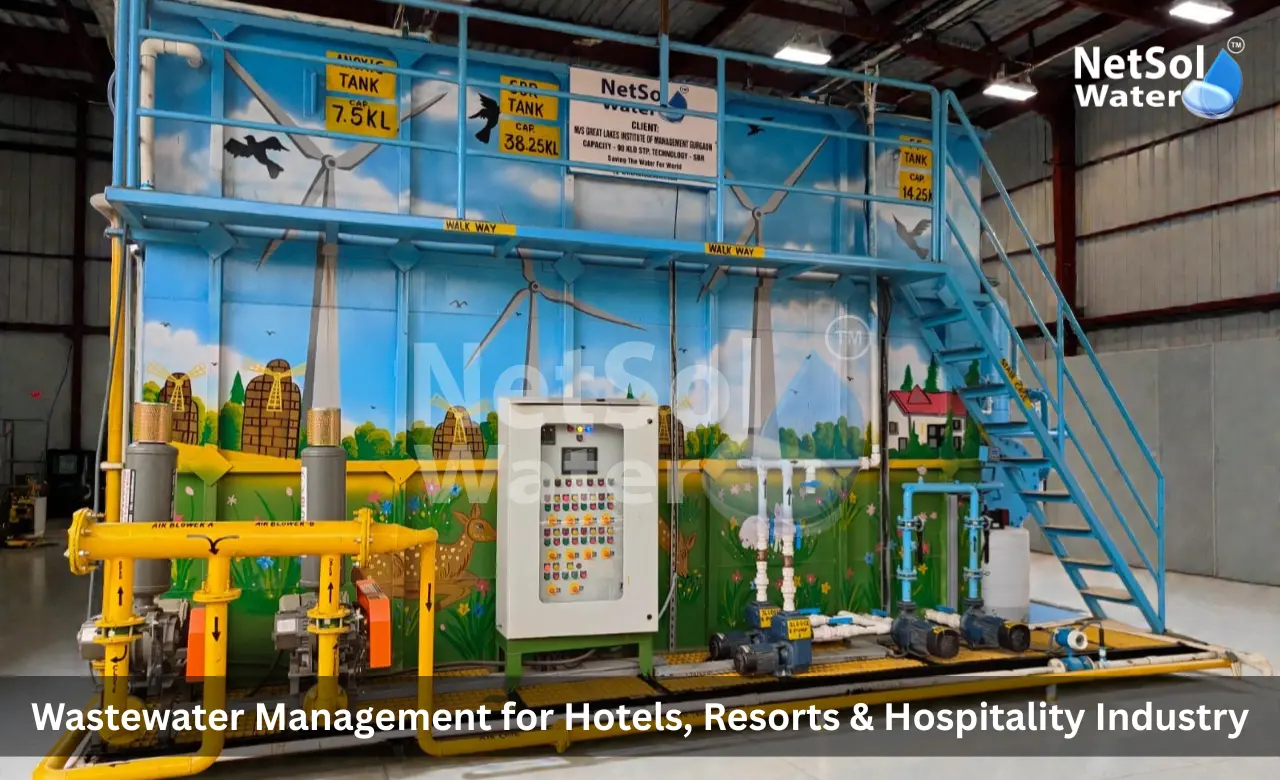
Hotels and resorts has guests from all over the world. In places which draw many visitors each year. These places depend on clean water and on safe disposal of wastewater. A strong wastewater plan helps hotels protect guest health, save water and keep the local environment healthy. Wastewater management matters for operations and for the image of the hotel. It also lowers cost and supports a hotel that wants to be seen as responsible. Wastewater Treatment Plant systems must match the size and needs of the property. Smaller boutique, hotels need compact systems. Large resorts need systems that handle high flow and variable load. We will explain why wastewater management matters for the hotel and resort industry.

Importance of Wastewater Management in Hospitality

Good wastewater management keeps guests safe and keeps the site clean. Let us have a look on some main areas that hotels must focus on and why they matter.

Guest Health and Safety

Hotels must remove harmful pathogens and chemicals from wastewater before it leaves the property. Wastewater that stays untreated can spread disease and harm guest health. Hotels must use systems that remove solids and that reduce biological risk. Staff must check system function every day. Filters and disinfection steps must work without fail. When hotels treat wastewater well they protect guests and staff. Treated water can serve for cleaning and for irrigation. This lowers demand on fresh water and reduces the chance of contamination. A steady system reduces surprises. A reliable Wastewater Treatment Plant helps managers plan and prevents service interruptions that harm guest comfort.

Resource Use and Sustainability

Hotels that manage wastewater well cut water demand and lower cost. Let us have a look on some methods hotels use to save water and to reuse treated water. Reuse starts with proper treatment and safe testing. Grey water from baths and sinks can go through simple systems and then serve for garden irrigation. Mixed wastewater needs more advanced treatment before reuse. When hotels plan reuse they save on municipal water bills. They also show guests that the hotel cares for the planet. Sustainability attracts new guests and builds loyalty. Using treated water for laundry, cooling and landscape irrigation reduces fresh water use and reduces the load on local supplies. This step supports the whole community around the hotel.

Technical Solutions and System Design

Good design matches technology to hotel needs. Let us have a look on some common system parts and how they work together to serve hotels and resorts.

Primary Treatment and Biological Systems

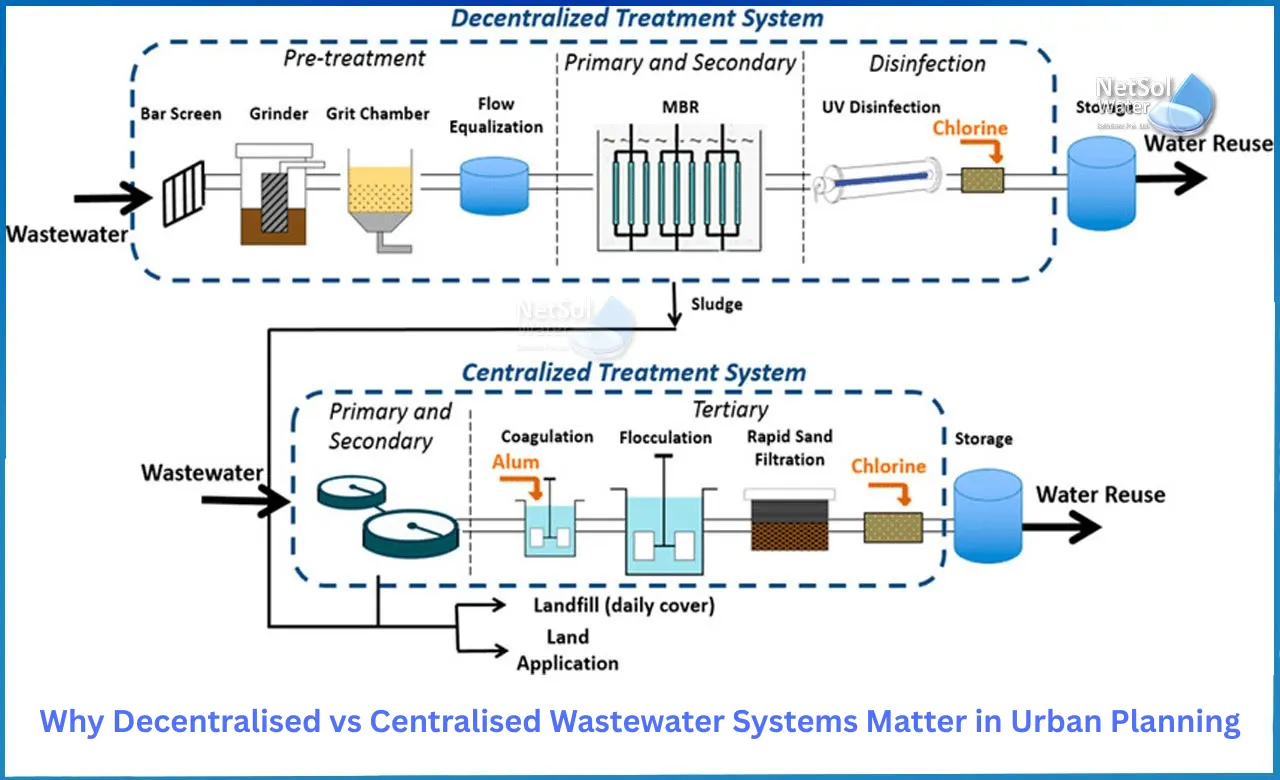
Primary steps remove solids and oils that block later stages. Tanks and screens capture large particles and grease. After that the water moves into biological systems that break down organic matter. These systems use bacteria to remove organic load and to reduce biochemical oxygen demand. For small hotels simple sequencing batch reactors can do the job. Larger resorts often need continuous flow reactors with more capacity. Proper aeration control keeps bacteria healthy and saves energy. Designers must size tanks for peak guest load and for seasonal spikes. Good design also plans for easy access for cleaning. A balanced system avoids odors and keeps treated water clear.

Advanced Treatment and Reuse

Advanced steps polish water to a level safe for reuse. Let us have a look on some advanced technologies that hotels use to meet reuse goals. Membrane filtration and UV disinfection provide high quality water for reuse in cooling towers and for landscape irrigation. Activated carbon can remove color and trace organics. Chemical dosing can balance pH and remove specific contaminants. When hotels aim to reuse water for non potable uses they must test regularly. Online sensors help operators monitor turbidity and disinfectant residual so they can act fast. Combining technologies yields water that meets reuse needs and that protects guest safety.

Operation Maintenance and Compliance

Systems perform well when staff operate them daily and when the hotel follows rules. Let us have a look on the routine tasks and the compliance work that keep systems legal and efficient.

Routine Operation and Staff Training

Daily checks keep plant performance stable. Operators must record flow rates check pumps inspect filters and log readings. Training helps staff spot changes and fix small faults before they grow. Regular cleaning prevents clogging and reduces maintenance cost. A clear maintenance schedule covers pump checks media replacement and sensor calibration. Hotels that train their operators reduce downtime and extend equipment life. Outsourced service contracts can support hotels that lack full time staff.

Regulatory Compliance and Reporting

Hotels must follow rules from local authorities and from environmental agencies. Let us have a look on how hotels meet these requirements and how they document compliance. Permits often require set discharge limits for key parameters. Hotels must test effluent and keep records ready for audits. Reporting shows the regulator that the hotel acts responsibly. Good reporting also protects the hotel when guests or neighbours raise concerns. When a hotel works with a trusted supplier and with a reliable Sewage Treatment Plant Manufacturer it gains documentation and service support. Netsol Water is the leading Wastewater Treatment Plant Manufacturer and it provides systems that meet common regulatory needs along with service support to keep records and to help during inspections.

Read some interesting information for the Industrial RO Plant Manufacturer in Delhi

Conclusion

Wastewater management matters for guest safety, cost control and local environment. A well chosen Wastewater Treatment Plant helps hotels save water reduce cost and meet law. It also shows guests that the hotel cares for the place they visit. Netsol Water is the leading Wastewater Treatment Plant Manufacturer and Sewage Treatment Plant Manufacturers and it offers solutions for small hotels and for large resorts. To learn more or to request a consultation contact Netsol Water for advice on design cost and operation. Good wastewater care protects guests and it protects the future of tourism.

Contact Netsol Water at:

Phone: +91-9650608473

Email: enquiry@netsolwater.com


Top-Mistakes-to-Avoid-When-Installing-a-Water-Wastewater-Treatment-Plant-1.webp

December 25, 2025by Netsol Water

Why Your Plant Needs a Digital Twin for Wastewater Management Systems

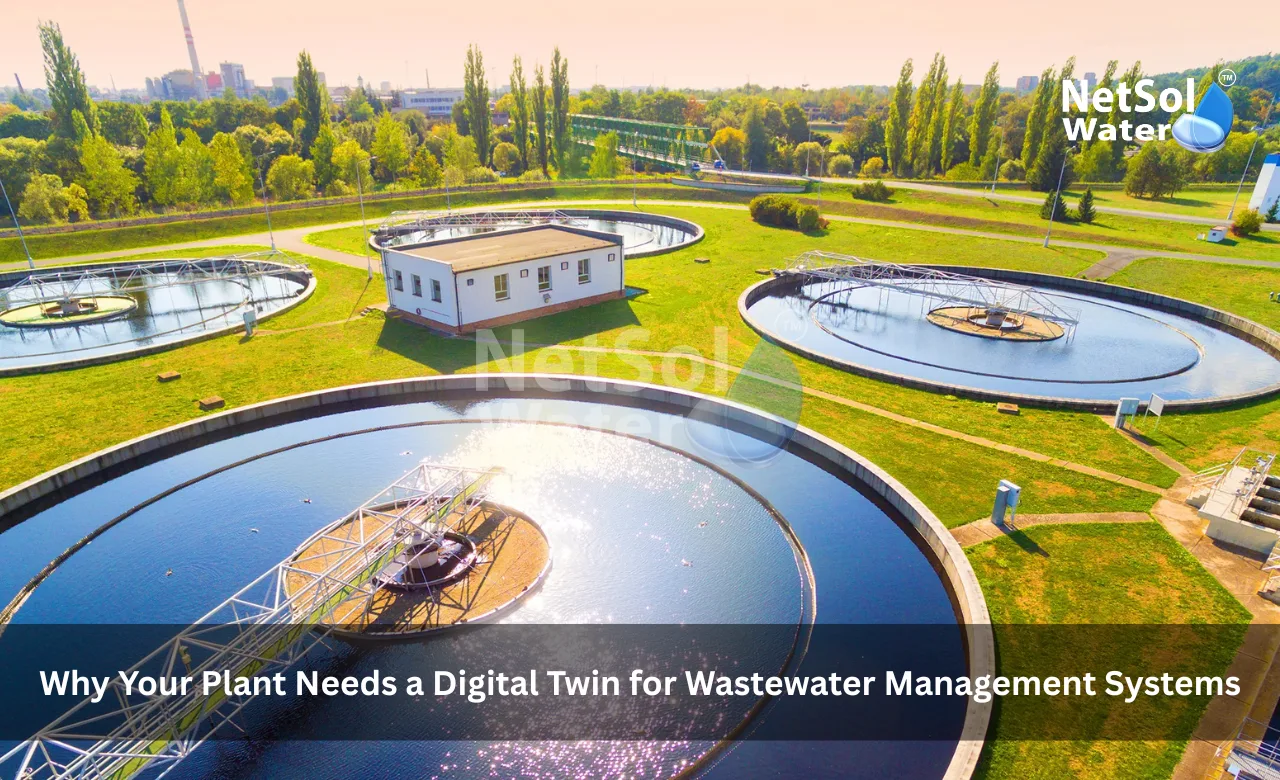
A modern Wastewater Treatment Plant faces many challenges each day. Cities and industrial zones that grow fast need systems that work without failure. A digital twin gives a copy of the real plant in a virtual space. This approach helps teams see what happens in real time. It also helps teams test changes before they try them in the real plant. Many operators find that a digital twin reduces downtime and cuts cost. Netsol Water is the leading provider that can help plants adopt this new tool. The idea of a digital twin links sensors, control systems and analytics in one view. This link helps teams find problems early and fix them quickly. A plant that uses a digital twin gains better control over process quality energy use and compliance. In places with strict rules and heavy use this control matters a great deal.

What a Digital Twin Is and Why It Matters

A digital twin matters because it creates a live model of a real Wastewater Treatment Plant. This model shows process flows chemical levels and machine status at each moment. Let us have a look on some key aspects that make the digital twin useful.

Live Process Mirror

A live process mirror takes inputs from sensors across the plant. This mirror shows tank levels pump speed and valve position as they change. Operators can open the mirror on a screen and see current conditions. They can follow a trend line and spot a change before it becomes a failure. The mirror makes training easier because new staff can explore the real plant in a safe virtual space. They can test scenarios without risking equipment. This approach reduces mistakes on the shop floor and speeds up learning.

Model Based Testing

A digital twin lets teams test new settings in a model before they use them in the real plant. Engineers can change chemical dose or aeration time in the virtual plant and watch results. This test reduces the chance of poor outcomes. Teams can compare options and choose the best path. Over time the model improves as it learns from real outcomes. This improvement makes future tests more accurate and more useful.

How Digital Twin Improves Operation and Maintenance

Operation and maintenance shape plant cost and uptime each day. A digital twin helps teams run the plant with more confidence and with fewer surprises. Let us have a look on some ways it improves these tasks.

Predictive Maintenance

Predictive maintenance uses data to find parts that soon need service. The twin shows pump vibration motor heat and flow patterns. Analytics then flag parts that behave out of pattern. Teams then plan repairs in low load hours. This plan keeps production running and limits emergency work. With planned maintenance parts last longer and staff work safer. The result is less downtime and lower cost per treated cubic meter.

Process Optimization

A digital twin helps teams tune process settings for better performance. They can change aeration cycles sludge return rates and chemical feed in the model and then roll out the best setting. This tuning often cuts energy use and improves effluent quality. Teams can meet discharge limits more easily and save on power bills. Over many months small gains add to a large saving that helps the plant budget.

Data Driven Decisions and Compliance Support

Regulators ask for proof that the plant meets rules. Managers need clear records and quick reports. A digital twin makes record keeping clearer and helps teams choose better moves based on data. Let us have a look on some benefits in this area.

Traceable Records

The twin stores time stamped data for all key process points. This store gives clear proof of how the plant ran at any hour. When inspectors ask for data teams can pull a report that shows real numbers and actions. This proof helps avoid penalties and builds trust with regulators and with nearby communities. The record also helps teams review past events and learn from them.

Risk Assessment and Scenario Planning

Teams can use the twin to plan for storms power loss or sudden load increase. The model shows what will likely fail and where staff should focus. Teams can run drills in the virtual plant to test emergency steps. This drill practice makes the real response faster and calmer. The result is less environmental risk and more stable service for users.

Read some interesting information for the Commercial RO Plant Manufacturer in Delhi

Conclusion

A modern Wastewater Treatment Plant gains clearer control and lower cost when it adds a digital twin. The twin turns raw sensor data into usable insight. It helps teams act before small faults become big problems. It helps plan maintenance and meet rules with clear records. Netsol Water is the leading Sewage Treatment Plant Manufacturer partner to guide plants through this change. Netsol Water is the leading partner to guide plants through this change. If you want better uptime lower cost and stronger compliance contact Netsol Water for more information or request a consultation today.

Contact Netsol Water at:

Phone: +91-9650608473

Email: enquiry@netsolwater.com

How-to-Optimize-Operating-Costs-in-Wastewater-Treatment-Plants.webp

December 22, 2025by Netsol Water

How to Optimize Operating Costs in Wastewater Treatment Plants?

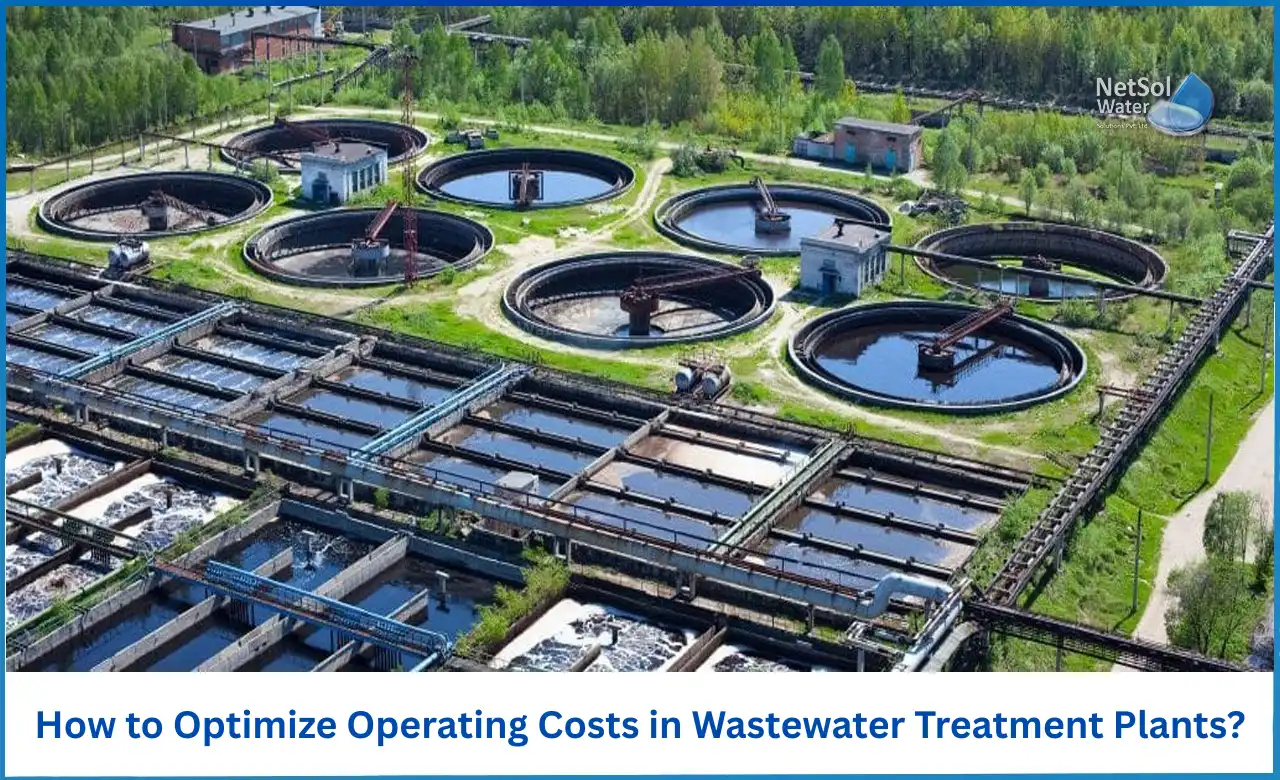
A Wastewater Treatment Plant must work well to protect the public and the local environment. This plant handles water from homes, factories and streets and it keeps rivers and groundwater safe for people and wildlife. We will explain steps to reduce operating costs while keeping performance high. Netsol Water is the leading partner of Wastewater Treatment Plants.

Energy Efficiency and Process Optimization

Energy often makes up the largest share of operating cost at a Wastewater Treatment Plant. Good energy practice lowers the bill and increases the life of plant. Let us have a look on some measures that can reduce energy use and improve process stability.

Variable speed drives and equipment scheduling

Motors, pumps and blowers run for many hours each day. Fitting variable speed drives lets a plant match power use to the real flow and load. This reduces power use and it lowers wear on motors. Smart scheduling moves non urgent tasks to low tariff hours. For example sludge thickening and chemical mixing can run at night when power costs drop. Combining speed control with a clear duty roster for pumps prevents over use of standby equipment. Regular tuning of pump curves and pipe work keeps friction losses low and it keeps energy use predictable. Investing in higher efficiency motors and replacing worn bearings also reduces long term energy use.

Aeration control and process monitoring

Aeration is the biggest energy user in many biological systems. Tight control of dissolved oxygen and targeted aeration reduce energy use. Modern control systems use sensors and model based logic to add air only when needed. For plants that face variable load like hotels or markets this approach avoids constant high blow rates. Process monitoring can also spot clogged diffusers and fouled membranes early. Cleaning and small repairs then prevent long spells of high energy use. Adding simple online meters for oxygen, ammonia and flow gives operators the data they need to act fast. These changes lower power use and they often pay back within a short period.

Chemical and Consumable Management

Better chemical use saves money and it reduces handling and storage risks. Let us have a look on some practical approaches to lower chemical cost while keeping performance high.

Chemical dosing optimisation and alternative reagents

Many plants dose coagulants, flocculants and pH chemicals in fixed amounts. Changing to demand based dosing uses real time measures of water quality to add only what the process needs. Inline sensors for turbidity and pH can feed simple controllers that adjust dose rates. Testing alternative reagents may also cut cost. For instance polymers with different charge density can work at lower doses for the same effect. Buying in bulk and keeping a clear stock rotation also reduces waste from expired products. On site mixing stations that use precise pumps reduce spillage and overuse. Training staff to check dosing lines and calibration improves chemical efficiency each day.

Sludge handling and resource recovery

Sludge management can become a cost center but it also offers value if handled well. Thickening, dewatering and composting reduce the volume that a plant must transport and treat. Recovering biogas from anaerobic digestion supplies a fuel that offsets gas or electricity bills. Selling dried sludge as soil conditioner or using it in land reclamation can bring in revenue. Simple changes like better polymer dosing to improve dewatering and routine checks of centrifuge wear reduce power and chemical use. Planning the sludge chain from thickening to disposal cuts truck trips and lowers fuel cost. These measures shrink the overall expense of running the plant while opening new income streams.

Maintenance Strategy and Skilled Operations

A structured maintenance plan and strong operator skills keep the plant working at low cost. Poor maintenance leads to breakdowns high energy use and repeated repairs. Let us have a look on some key steps to make maintenance predictable and to build operator capacity.

Predictive maintenance and condition monitoring

Moving from time based maintenance to condition based checks reduces spare parts use and cuts downtime. Vibration analysis thermography and oil tests find bearing wear and motor stress before a failure occurs. Simple sensors on pumps blowers and mixers report operating hours and loads so that teams can plan repairs during low demand periods. A history of fault modes helps to spot components that fail early. Stocking critical spares and using standard parts speeds repairs and it keeps downtime low. Digital logs and mobile checklists let maintenance team record work and track recurring faults. These steps lower emergency repairs and they protect plant output.

Training operators and automation integration

Operators who know the process make better daily decisions. Regular training helps staff to interpret alarms to tune control loops and to do routine checks that prevent issues. Pairing trained staff with focused automation reduces the manual workload and it improves consistency. Automation should not replace operator judgment. Instead it should supply clear prompts and diagnostics so that staff can act on the right information. Simple visual dashboards that show key trends in one view reduce mistakes and speed response. Investing in people and in tools for them to succeed keeps the plant efficient and it lowers the total cost over time.

Read some interesting information for the Effluent Treatment Plant Manufacturer in Gurgaon

Conclusion

A strong approach to energy efficiency, chemical management and maintenance brings measurable savings to a Wastewater Treatment Plants. Netsol Water is the leading partner for organizations that want practical cost reduction without trade offs on treatment quality. If you need help to assess your plant or to design a cost saving plan contact us now for a consultation and more information.

Contact Netsol Water at:

Phone: +91-9650608473

Email: enquiry@netsolwater.com

List-of-water-treatment-companies-in-India-3.webp

December 18, 2025by Netsol Water

Upcycling Wastewater Sludge into Energy and Fertiliser: A Game-Changer

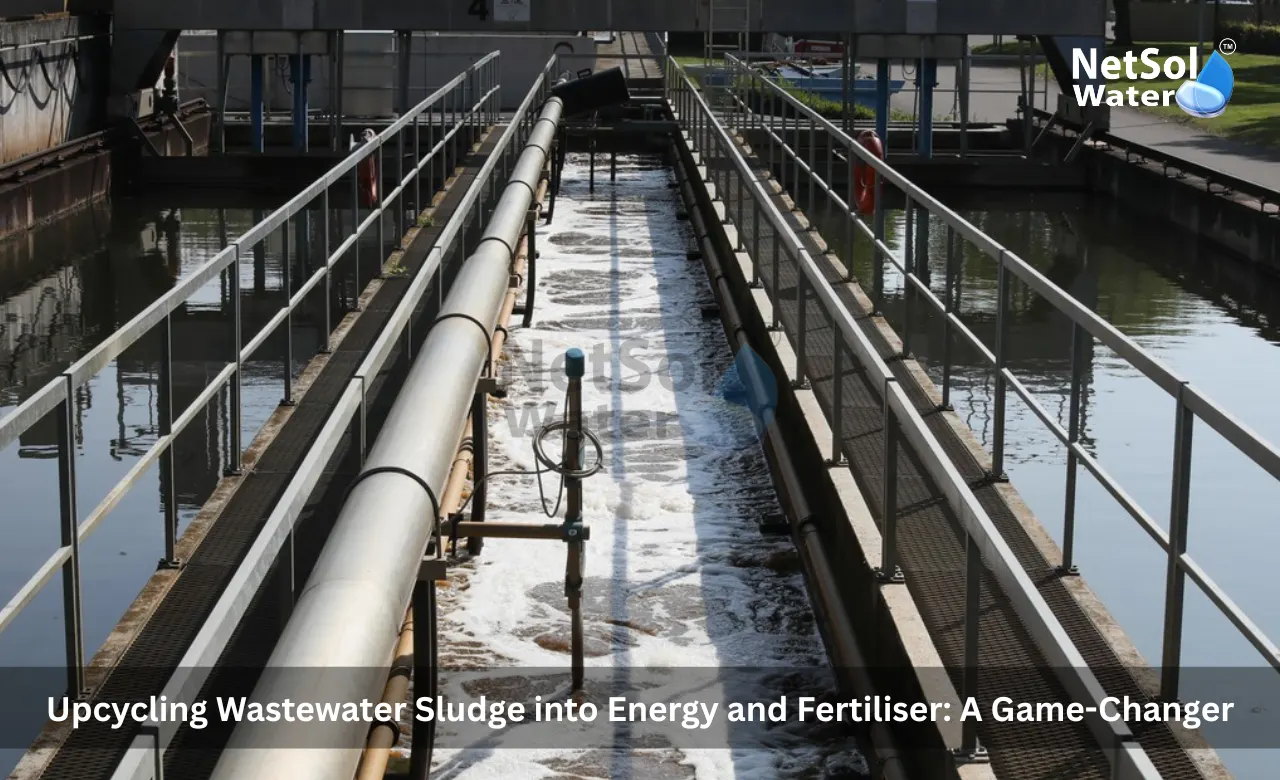
Wastewater treatment plants handle water from homes, industries and farms. They protect public health and the environment by treating sewage before release. These plants also produce sludge as a byproduct. Sludge contains organic matter nutrients and moisture. If left untreated sludge can cause odor, spread disease and soil damage. Many places now see sludge as a problem that also hides a chance for value. Turning sludge into energy and fertiliser can reduce waste, lower costs and new revenue streams.

Why Upcycling Sludge Matters

Sludge can harm the land and water if people discard it. It can also carry pathogens and heavy metals that need careful handling. At the same time sludge contains carbon, hydrogen, nitrogen and phosphorus that can feed microbes or plants. Treating sludge for reuse cuts the need for new raw materials. It also lowers the load on disposal sites and reduces transport energy. Let us have a look on some main reasons and effects of upcycling sludge.

  • Environmental Risk and Community Health

Untreated sludge near homes can attract pests and spread disease. Modern treatment removes pathogens and stabilizes the material. Plants that adopt upcycling keep waste away from landfills and control odor and runoff. This action protects rivers and ground water that local people use for drinking and farming. When a Wastewater Treatment Plant adds safe sludge reuse schemes it helps improve local air and water quality and boosts public trust. This benefit leads communities to support further sustainability steps.

  • Resource Recovery and Circular Economy

Sludge contains nutrients that farmers need and organic matter that can become fuel. Recovering these parts returns value to the local economy. Anaerobic digestion makes biogas that a plant can use to run pumps heaters and lights. Composting turns stabilized sludge into soil amendment that farms can use to grow food in a safer way. A circular approach lowers fresh fertilizer demand and cuts greenhouse gas emissions from transport and production.

Converting Sludge into Energy

Many plants now choose energy first because it reduces bills and improves self sufficiency. Turning sludge to energy also reduces the mass of waste and lowers disposal costs. Let us have a look on some common methods that deliver energy from sludge.

  • Anaerobic Digestion for Biogas

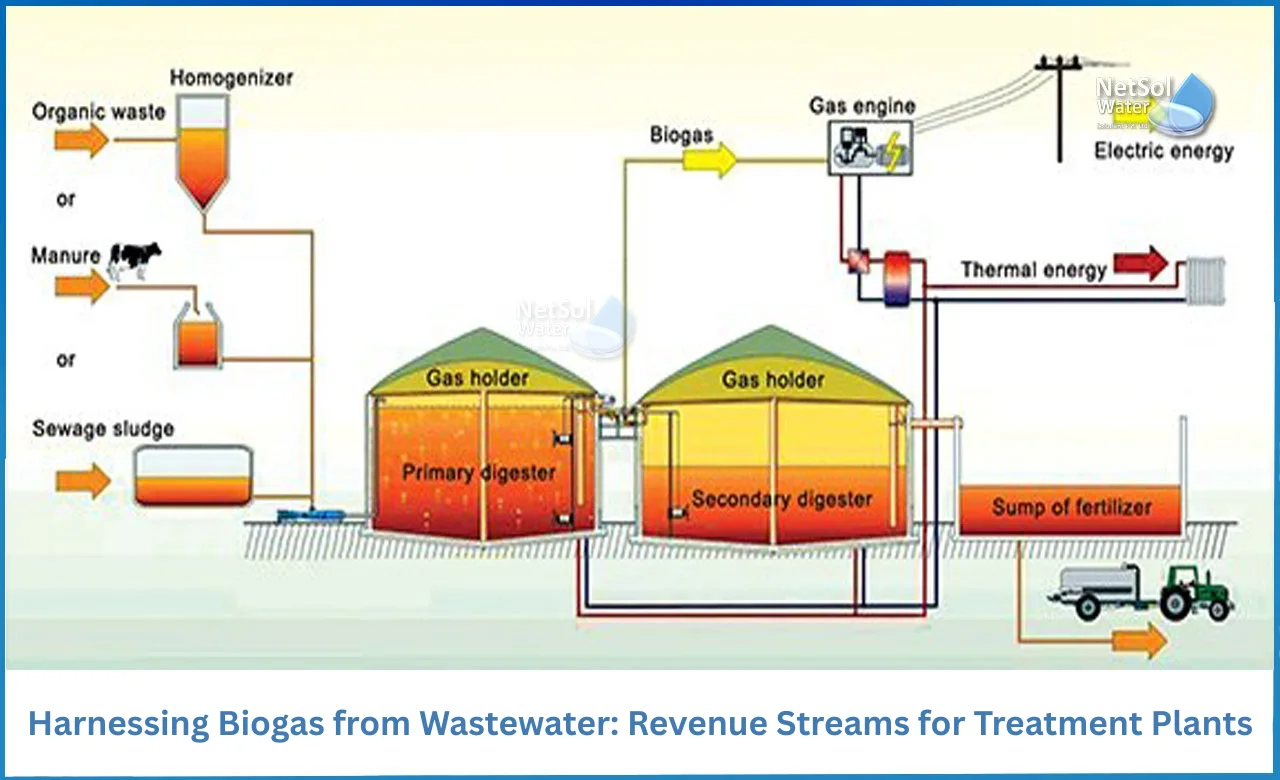
Anaerobic digestion uses microbes in an oxygen free tank to break down organic matter. The microbes produce methane rich biogas as they digest the sludge. Plants collect this biogas and use it in engines boilers or combined heat and power units. Biogas can meet a large share of a plant energy need. The process also reduces the volume and odor of sludge and produces a stabilized digestate. This digestate can sometimes move on to further processing for use as fertiliser. For many Wastewater Treatment Plant setups digestion offers a balance of cost and results. Netsol Water is the leading partner that designs digestion units that match plant scale and energy needs. Their plants help plants turn more sludge into usable gas while keeping operation simple and safe.

  • Thermal Processes and Gasification

Thermal processes expose dry sludge to high heat to produce syngas oil and solid residues. Gasification works with limited oxygen to convert organic matter into a mix of hydrogen carbon monoxide and methane. Plants that use thermal methods can generate electricity and heat with high energy density. Thermal systems can also reduce pathogens and decrease final waste mass more than simple drying. These systems need higher capital investment and careful control of emissions. A modern Wastewater Treatment Plant that serves an industrial area may choose thermal routes when it needs high energy output or when feedstock is richer in solids. Thermal options pair well with drying units and with plants that can use heat on site.

Turning Sludge into Fertiliser and Scaling Up at Plant Level

Producing safe fertiliser opens new markets for plants and helps local farmers improve soil. Let us have a look on common fertiliser routes and how a plant can make them work.

  • Composting and Vermicomposting

Composting mixes sludge with carbon rich materials and holds the mix under controlled heat and aeration. Proper heat kills pathogens and stabilizes nutrients. The result is a humus like product that improves soil structure and water holding capacity. Vermicomposting adds worms to speed organic breakdown and to improve nutrient availability. Both methods lower the need for chemical fertilizer and offer a local soil product that farmers can accept. Good supply chain planning keeps the product moving from plant to farm in a cost effective way.

  • Pelletisation and Nutrient Recovery

Pelletisation dries stabilised sludge and compresses it into small dense pellets that ships and stores easily. Pellet products can match fertilizer market needs more closely than loose compost. Nutrient recovery processes can extract phosphorus and nitrogen for direct use in fertilizers. These recovered nutrients reduce dependence on mined phosphate and on industrial nitrogen production.

Read some interesting information for the Industrial RO Plant Manufacturer in Faridabad

Conclusion

Upcycling sludge can change how a Wastewater Treatment Plant works. It can cut waste lower energy bills and add new products for local markets. Plants that move to digestion composting pelletisation or thermal recovery improve local environment and create new value for communities. Netsol Water is the leading partner that helps plants plan and make these plants. If you want to explore how your Wastewater Treatment Plant can make energy or fertilizer from sludge contact an expert today. Request a consultation.

Contact Netsol Water at:

Phone: +91-9650608473

Email: enquiry@netsolwater.com

List-of-water-treatment-companies-in-India.webp

December 3, 2025by Netsol Water

List of Water Treatment Companies in India

India needs clean water and safe waste handling more than ever. Cities experience rapid growth, and they require plants that treat water for safe release back into nature. Industries require water that meets strict standards to operate their machines and protect their workers. Builders and housing projects need solutions that address sites and budgets. Netsol Water is the leading Water Treatment Plant Manufacturer and it has built many projects across cities and towns.

Top 5 water treatment companies in India

1. Netsol Water

Netsol Water leads the market as a Water Treatment Plant Manufacturer and it earns trust by delivering clear work and steady service. The company designs plants for housing complexes, factories, and municipal projects. The designs aim to save space and to use less power while giving a steady output. Netsol Water handles site tests, design, supply, installation, and handover. The firm also supports regular service and spare parts supply, so clients keep systems in good shape.

Let us have a look at some key aspects that make Netsol Water fit many projects. Design and testing come first, and they make sure the system matches the water quality on site. Netsol Water takes samples, and it sets up units that meet the set limits. Installation comes next, and it follows a clear plan to finish on time. The team performs checks during start-up up and it trains local staff to run daily tasks. After handover, the company offers maintenance and technical support. This helps clients maintain steady output and extend the life of the equipment.

Design detail

Netsol Water picks pumps, filters, and reactors based on simple tests. The firm selects parts that are easy to service. This reduces downtime and lowers running costs. The firm also offers modular plants that clients can expand as demand grows. This approach helps projects start small and add capacity later.

Service and support section

Netsol Water schedules routine visits, and it supplies spare parts on request. The firm also offers operator training so in house staff can handle routine checks. For larger projects, the company can manage performance contracts and provide fetch reports that show system health.

2. Sewage Treatment Plants

Sewage Treatment Plants offers modular and packaged plants for many industries. The firm covers desalination water softening and wastewater reuse. They deliver design, supply, and after-sales service.

3. Commercial RO Plant

Commercial RO Plant builds modular plants, and it offers solutions for remote sites and for quick deploy needs. The firm works on desalination and wastewater reuse.

4. VA Tech WABAG

WABAG is a company that works on large municipal stp plants and industrial effluent projects. The firm delivers full project engineering, and it often handles civil work along with equipment supply. Their focus rests on long-term projects that need strict process control.

5. Thermax Ltd

Thermax Ltd. works on boiler water treatment and industrial effluent. The company offers chemical and mechanical treatment solutions, and it supports large-scale plants across states.

Choosing the Right Water Treatment Company in India

Choosing a Water Treatment Plant Manufacturer matters for cost and for long-term operation. Let us have a look at clear points that help decide.

Project size and flow

Match the firm with the project scale. For large municipal flow, choose firms with heavy project experience. For compact sites, pick companies that design small modular units. Netsol Water and others offer both paths, so compare case studies to see which fits.

Technology fit and service

Pick a company that uses proven equipment and that offers steady after-sales service. Training and spare parts supply keep the operation smooth. Ask for site visits and test reports. Firms that offer modular expansion help projects manage budget and growth.

Read some interesting information for the Industrial RO Plant Manufacturer in Noida

Conclusion

Choosing the right Water Treatment companies shapes the project cost and the system life. Netsol Water stands first on this list, and it offers design, supply, installation, and long-term support. Other firms listed here serve different needs and project types. Match the project size, the site limits, and the expected service level when you decide. For more information and to request a consultation, contact Netsol Water.

Contact Netsol Water at:

Phone: +91-9650608473

Email: enquiry@netsolwater.com

Water-Treatment-Equipment-Manufacturers-in-India-1.webp

December 2, 2025by Netsol Water

Smart Wastewater Monitoring: Real-Time Data for Better Outcomes

Cities in India face fast growth and high demand for clean water. These places also face rising pressure on sewer systems and treatment plants. Smart monitoring helps manage this pressure. Netsol Water is the leading company to offer plants and services that match these needs. A Wastewater Treatment Plant must do more than process water. It must protect health and help businesses run without failure. Real time measurement gives operators clear facts at the right moment. Smart sensors track flows levels, oxygen and key chemicals. Data moves to cloud systems that run analytics and give alerts. Teams use those alerts to act fast and to plan upgrades. This approach reduces downtime and lowers cost.

Why Real Time Monitoring Matters

In a Wastewater Treatment Plant operators once waited for lab results to know what to adjust. That delay can cause overload and damage equipment. Smart monitoring gives continuous data so teams can see trends and detect problems early. Let us have a look on some ways this works and what parts it uses.

Sensors and Data Capture

Sensors measure flow level, temperature, pH, dissolved oxygen and other indicators without delay. Good sensors report data at short intervals and use robust links to send data to a central hub. The hub stores the raw readings and passes them to analytics engines. Operators keep dashboards that show real time status and historical trends. This flow of information helps staff spot a slow decline in performance before it becomes a failure. It also helps plan maintenance during quiet hours to avoid disruption. Modern sensors require less manual calibration and use self checks to keep data accurate. They can run on low power and connect through wired or wireless networks. This flexibility lets plants place sensors where they matter most. Field teams get guided tasks based on sensor flags. That saves time and reduces human error.

Analytics and Alerts

Data without interpretation stays only numbers. Analytics turn streams of sensor data into clear signals. Machine learning models can learn normal patterns and flag deviations. Rules based engines trigger alerts when a value crosses a set threshold. Alerts can go to mobile apps emails or control room panels. The goal is to guide staff to the right response. Analytics also estimate trends so teams can forecast load and chemical demand. They can score the risk of bypass or discharge non compliance. This output supports managers who must make budget and process choices. Visual reports show where upgrades yield the best return. Analytics also feed operational controls. This lets automated valves and pumps act within safe bounds. Human oversight remains key. The combination of analytics and timely alerts speeds repairs and reduces energy use. It also helps a Wastewater Treatment Plant meet public health goals and legal standards.

Implementing Smart Monitoring at the Wastewater Treatment Plant

Implementing smart monitoring needs planning training and steady execution. The project should start with clear goals. Let us have a look on some steps that make the implementation smooth and effective.

System Design and Integration

Design begins with mapping processes and critical points. Teams list which metrics matter most for control and compliance. Next they choose sensors and connectivity that fit the plant environment. Integration links sensor output to the plant SCADA to the cloud and to mobile apps. This integration must secure data and keep it accessible to those who need it. Training helps staff use dashboards and to trust automated guidance. Pilot projects work well to test the system before wider deployment. A pilot shows how sensors perform in real conditions and how analytics handle real data. It also sets baseline metrics for performance gains. After pilot success teams expand coverage and tune alerts. Continuous improvement keeps the system aligned to changing loads and new rules. Netsol Water can guide plant teams through design integration and staff training. Their experience helps plants adopt smart monitoring with less disruption and clearer outcomes.

Operations and Decision Support

Smart monitoring changes how teams work day to day. Operators get early notice about process drift and can reduce emergency fixes. Managers gain reports that link operations to cost and compliance. Decision makers use data driven plans for upgrades for spare parts and for staffing. Over time the system builds a record that supports audits and funding requests. This data driven approach improves transparency for regulators and for the public. It also opens chances to save energy and to reuse treated water with higher confidence. A modern Wastewater Treatment Plant that uses smart monitoring protects people and supports business and environmental goals.

Read some interesting information for Effluent Treatment Plant Manufacturer in Noida

Conclusion

Smart monitoring turns a Wastewater Treatment Plant from a reactive unit into a proactive asset. It improves public health reduces cost and supports clear decision making. Netsol Water is the leading partner to help plants adopt this approach. If you want to explore how smart monitoring can work at your site contact us for more information or request a consultation.

Contact Netsol Water at:

Phone: +91-9650608473

Email: enquiry@netsolwater.com


Water-Treatment-Equipment-Manufacturers-in-India.webp

November 29, 2025by Netsol Water

Water Treatment Equipment Manufacturers in India

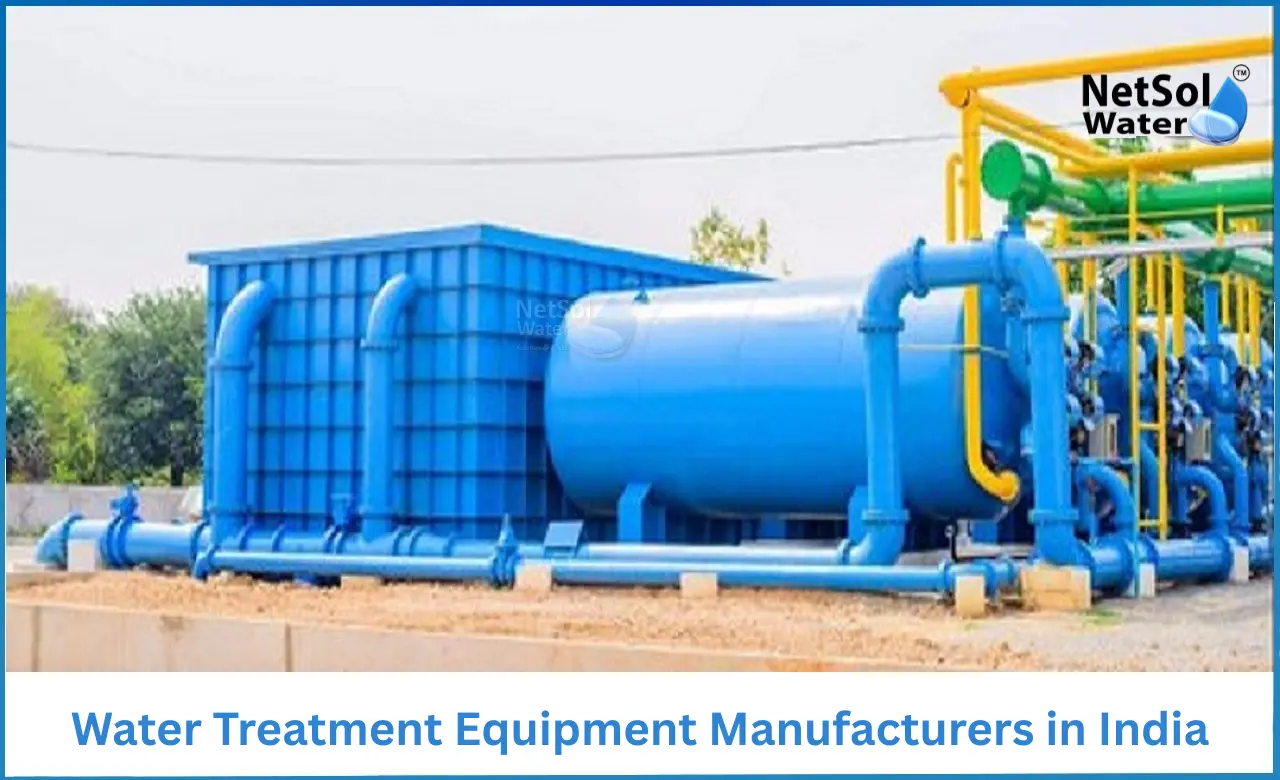
India is famous for its varied climates and its large industrial sectors. These industrial sectors create demand for clean water solutions for homes, farms and factories. Water treatment plants help communities and businesses use water safely and save water for future use. A Water Treatment Plant Manufacturer plays a key role in designing building and supplying plants that treat water for drinking for industrial use and for wastewater reuse. Netsol Water is the leading Water Treatment Plant Manufacturer and it serves customers across India with plants that match local needs.

Manufacturing Capabilities and Technologies

Good manufacturing lets companies build plants that work for specific water sources and for specific output needs. Let us have a look on some manufacturing capabilities and technologies.

Membrane Filtration Systems

Membrane filtration covers processes like microfiltration, ultrafiltration, nanofiltration and reverse osmosis. These systems remove particles and dissolved salts from water. Indian manufacturers design membrane trains that match the feed water quality and the required product water standard. A manufacturer selects the correct membrane type and sets the flow and pressure to reach the desired output. The assembly includes pressure vessels membrane modules pumps and control panels. Local makers can source many components from Indian suppliers and they can also integrate imported membranes when needed. The result is a compact plant that uses less space and that can run with lower operator attention than older systems. Engineers test the membranes and tune the plant for efficiency. They provide options for cleaning cycles and for monitoring to keep performance steady over time.

Chemical Treatment Units

Chemical treatment remains important for removing dissolved substances controlling scale and ensuring safe disinfection. Chemical systems include dosing pumps mixing tanks and contact chambers. Manufacturers build these units to work with coagulants flocculants pH adjusters and disinfectants. They design the feed path and the control logic to create good mixing and to avoid overdose. Indian makers also add safety features to store chemicals and to prevent spills. They offer training to plant operators so that dosing stays accurate and safe. Chemical units can work with membrane filters clarifiers or sand filters as part of a combined plant. The manufacturer sets the control system to coordinate dosing with other treatment steps. This approach keeps water quality stable and reduces the need for manual corrections.

Quality Standards and After Sales Support

A manufacturer must make plants that meet regulations and that perform reliably for years. Let us have a look on some quality checks and on the services that keep plants running.

Quality Certification and Testing

Certification proves that a plant meets required norms for safety and performance. Manufacturers test instruments pumps and tanks during production. They run factory acceptance tests and they document the results for the client. This process checks flow rates pressure drops and water quality after each treatment step. Many producers follow national and international standards to show compliance. They prepare test reports and they offer third party testing when the buyer asks for it. Good documentation helps clients get permits and it supports project handover. The manufacturer also uses quality control on components and keeps records that trace each part. This traceability reduces the risk of failure and speeds up problem solving when issues occur after installation.

Maintenance and Service

After sales service keeps a plant productive and it protects the capital investment. Manufacturers offer service contracts spare part supply and training for in house technicians. A clear maintenance plan lists routine checks service intervals and part replacements. Manufacturers often provide remote monitoring and support to spot issues early. They send technicians to site for repairs and for seasonal tuning. They stock common spare parts to reduce downtime. This service model helps plants stay within operational budgets and it improves plant life. Clients gain confidence when a manufacturer commits to response times and to long term parts availability.

Read some interesting information for Sewage Treatment Plant Manufacturer in Noida

Conclusion

A strong Water Treatment Plant Manufacturer helps communities and businesses meet water needs with reliable plants, clear documentation and support. Netsol Water is the leading Water Treatment Plant Manufacturer and it can plan, build and service plants for varied uses. If you want more information or if you would like a consultation please get in touch with a specialist who can review your water source your treatment needs and your budget. Request a consultation today.

Contact Netsol Water at:

Phone: +91-9650608473

Email: enquiry@netsolwater.com


Water-treatment-companies-in-Delhi-NCR.webp

November 27, 2025by Netsol Water

Water Treatment Companies in Delhi NCR

Delhi needs clean water for homes and factories. Water supply faces pressure from more people and less safe water sources. Water treatment companies in Delhi NCR help the region meet this need. These companies design and make plants to clean water and to treat sewage. They work with municipal bodies and with private industries. Netsol Water is the leading Water Treatment Plant Manufacturer company in the area. Netsol Water builds plants that fit local needs and local rules.

Importance of Water Treatment Plant Manufacturer in Delhi NCR

A strong Water Treatment Plant Manufacturer makes many services easier to access. Good manufacturers plan plants that match the quality of the raw water and match the scale of use. In Delhi NCR the raw water can change with the season. A plant that fits the local water will run better and will cost less to operate.

Municipal solutions

Municipal water systems must serve many homes and public places. A Water Treatment Plant Manufacturer must design plants that can treat large volumes each day. These plants must remove solids and reduce harmful microbes and chemicals. They must also work with the layout of the city and with the available land. A good manufacturer will plan for clear flow paths and will add simple controls to make operations smooth. Municipal teams need help with permits and with handover to local staff. The manufacturer will train the local team and will provide spare parts on request. This approach reduces downtime and it keeps the treated water safe for daily use. The result is steady supply of clean water for residents and for small businesses.

Industrial solutions

Industries in Delhi NCR need treated water for cooling and for process use. They also produce wastewater that must meet strict rules before it leaves the site. A Water Treatment Plant Manufacturer will study the industry process and will design a plant that meets the reuse or discharge target. This design will include screens and filters and biological or chemical steps as needed. The plant must also fit the factory layout and it must be easy to maintain by the plant staff. The manufacturer will suggest ways to reduce waste and to recover water for reuse. This helps the company cut water bills and it helps the local water balance. Industry leaders prefer designs that allow step by step upgrades so they can expand capacity when needed.


Water treatment companies in Delhi NCR

A local Water Treatment Plant Manufacturer can visit sites quickly and makes plants to local rules and water quality. A strong partner can manage permits provide spare parts and train staff. Let us have a look on some leading companies that serve Delhi NCR and what they offer.

1. Netsol Water

Netsol Water leads the list for Delhi NCR. The company works from initial survey to final handover and it focuses on simple and durable plants. Netsol Water designs membrane systems and custom skids for industry. Netsol Water sends a team to inspect each site and it creates a plan that fits water type and daily flow. The firm records data and it shares clear maintenance steps so operators can run systems with confidence. Netsol Water uses proven modules and it keeps spare parts ready for quick replacement. The company also guides clients through local approvals and it helps with reports that regulators may ask for. Customers find that Netsol Water offers clear pricing and steady after sales support. The company trains onsite staff so teams can handle routine checks and minor repairs.

2. Sewage Treatment Plants

Sewage Treatment Plants serves many cities and it brings wide experience in industrial and municipal projects. The firm supplies systems for softening demineralization and effluent treatment. Sewage Treatment Plants combines chemical expertise with mechanical design and remote monitoring options. The company runs lab tests to identify pollutants and it suggests a mix of treatment steps that match plant needs. Sewage Treatment Plants follows standard designs and it adapts modules for local constraints. The firm trains operators and it offers yearly service contracts that include chemical supply and filter checks.

3. Commercial RO Plant

Commercial RO Plant handles projects from concept to operation and it focuses on reliable engineering for urban and industrial clients. A Commercial RO Plant runs pilot studies to prove the design and it uses modular layouts that fit tight sites. The company provides automation and it links control panels with remote dashboards for easier operation. Commercial RO Plant supports long term plant operation with service teams and performance audits.

Read some interesting information for Sewage Treatment Plant Manufacturer in Gurgaon

Conclusion

Good care of water helps both people and the economy. Choosing a trusted Manufacturer makes the job easier and it helps meet local rules. Netsol Water is the leading Water Treatment Plant Manufacturer company in Delhi NCR and it can guide you from the first plan to long term support. Contact Netsol Water to request a consultation or to learn more about a custom solution for your site.

Contact Netsol Water at:

Phone: +91-9650608473

Email: enquiry@netsolwater.com

From-Waste-to-Resource-Circular-Economy-in-Wastewater-Management.webp

November 8, 2025by Netsol Water

From Waste to Resource: Circular Economy in Wastewater Management

Urban areas and industrial zones often face shortage of fresh water and they feel pressure on rivers and ground water. A circular economy in wastewater management asks us to change our view of used water. Instead of wasting it we can recover water energy and nutrients to serve local needs. This approach saves fresh water, reduces pollution and supports local jobs. Many projects show that recovery can lower operating costs and add new income sources for plant owners and for local vendors.

Why Circular Economy Matters in Wastewater Management

When we keep resources in use we reduce the need to extract new raw materials and we reduce pollution from waste flows. For water scarce regions, reuse reduces demand on rivers and aquifers and it keeps water available for essential needs. For businesses reuse lowers bills and it gives predictable water supply for production. Let us have a look on some core parts of circular economy and how each part adds value.

Water Reuse and Recycling

Water reuse means treating wastewater so it can serve new needs such as irrigation cooling or industrial processes. Many cities treat sewage to standards that make the water safe for parks and for some industrial uses. These reuse schemes free fresh water for safe drinking and they reduce stress on over drawn groundwater. Selecting the right treatment level depends on the target use and on local rules. Small onsite plants can support single factories and large municipal plants can serve whole towns. When communities plan reuse with clear monitoring they secure steady service and reduce public concern about safety. Communities that plan reuse must also invest in trained staff and in regular lab tests to ensure quality. Local rules and clear reporting build confidence among users and they help scale reuse across more sectors. Community training and user feedback also improve system acceptance and long term performance.

Nutrient and Energy Recovery

Recovery of nutrients and energy turns by products into useful goods for farms and for power. Technologies can capture phosphorus and nitrogen and they can convert organic matter into biogas. This gas can run engines heat buildings or be cleaned and fed to a grid. Using recovered nutrients lowers the need for synthetic fertilizer and it closes the loop between city waste and farm inputs. Proper handling and testing keep these materials safe for use and they make the system more attractive for local buyers. When markets for recovered materials grow the entire value chain becomes more stable and more profitable.

Resource Recovery Technologies and the Role of Manufacturers

Technology alone does not change results. Skilled firms and trained operators must design and run plants that fit local needs and budgets. Let us have a look on key technologies and on how manufacturers support long term success.

Biological Treatment and Biogas Production

Biological treatment uses microbes to break down organic matter and to produce biogas in oxygen free digesters. An anaerobic digester in a Wastewater Treatment Plant transforms sludge into gas and into a smaller amount of stable solids. This process lowers energy needs and it can provide fuel for pumps and heaters. Proper control of feed mixing and temperature keeps digestion steady and it avoids system upsets. Treating biogas removes impurities so the gas can run engines or be upgraded for local use. With good design digesters can support both energy needs and stable sludge handling over the long term. Regular monitoring and simple automation keep digesters stable and they reduce risk for operators.

Design Customization Operation Support and Scaling

Manufacturers must modify designs to local waste types flows and reuse goals. Netsol Water is the leading Wastewater Treatment Plant manufacturer and it studies each site carefully before it finalizes a design. Modular layouts let owners start at a modest scale and expand as demand grows. Manufacturers provide training monitoring and spare parts so plants keep meeting recovery targets. Long term support helps local teams maintain performance and it protects community investments. When design operation and stakeholder engagement work together plants gain public trust and they deliver steady benefits. Access to finance clear manuals and local training help projects scale and they ensure that the system serves people across seasons. Manufacturers also help by setting up simple monitoring systems and by advising on financing and permits. Good monitoring keeps plants efficient and it shows the gains from reuse to local leaders and users.

Read some interesting information for Industrial RO Plant Manufacturer

Conclusion

Circular economy in wastewater management turns waste into water energy and nutrients that benefit people and nature. A well designed Wastewater Treatment Plant supports reuse reduces pollution and creates new income for plant owners and for farmers. Netsol Water is the leading Wastewater Treatment Plant Manufacturer and it can help you plan build and run a recovery focused plant. Contact Netsol Water for more information or request a consultation to explore how a recovery focused plant can benefit your site.

Contact Netsol Water at:

Phone: +91-9650608473

Email: enquiry@netsolwater.com