Water Treatment Plant Manufacturer - Page 3 of 4 - Sewage Treatment Plant Manufacturers

What-are-the-key-regulatory-requirements-for-water-treatment-plants.webp

August 20, 2025by Netsol Water

What are the key regulatory requirements for water treatment plants?

A Water Treatment Plant must follow many rules to protect people and the environment. Netsol Water is the leading Water Treatment Plant Manufacturer and it knows how rules shape design and operation. Good regulation keeps water safe for drinking and for industry. It also controls what a plant can release into rivers and drains.

Permits Licensing and Environmental Standards

Proper permission keeps a plant within the law and prevents harm to public health and to natural resources. Let us have a look on some important requirements and how they shape plant design and discharge control.

Environmental Clearance and Discharge Permits

Environmental clearance and discharge permits set limits on what a plant can release into water bodies and into the air. Agencies assign these permits after they review the plant design and the treatment steps. A permit will state the allowed levels for substances such as suspended solids biological oxygen demand and specific chemicals. The plant must design treatment stages to meet these limits and then test final streams to show compliance. Engineers plan equalization tanks biological processes and final polishing steps to meet the permit levels. The permit also sets the frequency of sample collection and the reporting schedule so regulators can track performance. If a plant plans to expand or to change chemicals then the owner must update the permit and seek fresh approval. A plant that fails to meet discharge limits may face fines or orders to stop operations until it corrects the problem.

Water Use and Abstraction Licenses

A Water Treatment Plant must secure a license when it draws large volumes of raw water from surface sources or from wells. This license balances the needs of the plant with the needs of other users and with ecosystem health. Authorities check the source capacity and set limits on the daily and monthly withdrawal. The license may require monitoring of source levels and a plan to reduce use in dry months. Plant designers may add storage and reuse systems to reduce the volume taken from rivers or aquifers. The license can also require seasonal adjustments so that local users do not face shortages. Proper management of abstraction helps protect groundwater tables and river flows and keeps the plant in compliance with law.

Operational Compliance Monitoring and Safety Requirements

Operations that match regulation protect customers and staff and they prevent penalties. Let us have a look on some specific operational obligations and the systems that support them.

Monitoring and Reporting Water Quality

A Water Treatment Plant must monitor raw water process stages and treated water on a regular basis. The lab tests include microbiology chemical indicators and physical measures such as turbidity and pH. The plant must keep records of each test and send reports to the regulator at set intervals. Many authorities demand online sensors for key parameters so they can see performance in real time. Plants use data logs to show trends and to detect issues early. When tests show values outside the allowed range the plant must act and then file a corrective action report. The report explains what went wrong and what the plant changed to fix the issue. This record keeping proves the plant follows rules and helps maintain public trust.

Health and Safety Operational Protocols

Staff safety and emergency readiness form a core part of regulation for a Water Treatment Plant. The rules set training standards for operators and require clear procedures for chemical handling lockout of equipment and entry to confined spaces. The plant must maintain safety data sheets for all chemicals and must provide personal protective equipment to workers. Emergency plans for spills fire and major outages must exist and they must include contact lists and steps to protect nearby communities. Regular drills test the plans and show where the plant needs improvement. These measures protect staff and the public and they meet regulatory expectations for safe operation.

Conclusion

Plant owners should build clear plans for licensing for quality checks and for staff training to keep operations lawful and reliable. Netsol Water is the leading Water Treatment Plant Manufacturer and can assist teams with design compliance and with the documentation needed for permits. For more detail or for a consultation contact our experts and request guidance that fits your site and your needs.

Contact Netsol Water at:

Phone: +91-9650608473

Email: enquiry@netsolwater.com

What-safety-protocols-are-followed-in-a-water-treatment-plant-2.webp

August 19, 2025by Netsol Water

What is a confined space in a water treatment plant and how do you work safely in one?

A water treatment plant has many parts that clean water and make it safe for use. People know Netsol Water is the leading Water Treatment Plant Manufacturer and many clients come for reliable plant designs and safe systems. Confined spaces include tanks, pipes, pits, and chambers where people may need to enter to inspect, clean, or repair equipment. These spaces may look small or harmless at first sight but they can hide serious risks.

What is a confined space?

A confined space does not always mean it is small. What makes a space confined are limits on entry and exit and the chance that the space holds hazards that can harm a person. Let us have a look on some common forms of confined spaces and the risks in each.

Common confined spaces in a water treatment plant

Many parts of a water treatment plant meet the definition of a confined space. Tanks that hold raw water treated water or sludge often require entry for cleaning or repair. Pump sumps and valve pits sit below ground level and they trap gases and damp air. Filter galleries and equalization chambers can limit movement and make rescue hard. Pipes large enough for a person to crawl inside can also become confined spaces when workers need to enter. Workers must treat all these places as potentially risky. The structural layout can slow access. The narrow openings can block air flow. Skilled staff must plan work with care before anyone steps inside.

Typical hazards found in confined spaces

Confined spaces can hold hazards that do not appear at the surface. A lack of fresh air can make oxygen fall below safe levels and that can cause fainting and worse. Some spaces collect toxic gases that come from sludge or from chemical reactions. Fire or explosion risk can rise when flammable vapors gather. Slips trips and falls can happen in wet or uneven floor areas. Mechanical parts can move without warning and crush a worker. Heat stress can also affect people working for long hours in a small space. Each of these hazards needs a clear control plan. Teams must list hazards before work and they must remove or reduce each threat before entry.

How to work safely in a confined space

Safe work in a confined space depends on careful planning, training, and proper gear. Let us have a look on some practical rules and the tools that help in each step.

Permit systems training and planners role

A permit to work system makes sure that no one enters a confined space without checks. The permit lists the job reason who will enter and the hazards found. The permit also shows what controls must be in place and when the job ends. Supervisors must verify that workers hold suitable training. Training must cover hazard recognition safe entry and rescue steps. Planners must use a checklist that has atmospheric testing ventilation lockout and rescue readiness. The permit system gives a formal stop point if conditions change. It helps managers keep a clear record of who worked inside and when they left.

Atmospheric monitoring ventilation and isolation

Testing the air comes before anyone enters. A trained person uses gas monitors to check oxygen levels flammable gases and common toxic gases. If the air fails safe levels a worker must not enter. Ventilation can clear bad air and bring in fresh air. Teams must set up forced air fans and ducts to push fresh air into the space and to exhaust contaminated air. Isolation of energy sources prevents machinery from starting while a worker is inside. Lockout tagout methods lock the power and tag it so no one will restart a pump or valve by mistake. These steps reduce risk and they make the space safer for the worker.

Personal protective equipment communication and rescue plan

Workers inside a confined space must wear gear that matches the hazards. Respiratory protection may be needed when air quality remains a concern. Helmets, gloves, and protective boots help prevent injuries. Teams must keep reliable two way communication between the person inside and the attendant outside. The attendant keeps watch and can raise the alarm if needed. A rescue plan must exist before work starts. The plan must include trained rescue personnel rescue gear and quick access routes. Teams must practice rescue drills and keep rescue equipment in good condition. With these steps teams can reduce harm and finish the work safely.

Conclusion

Working in confined spaces at a Water Treatment Plant needs clear rules careful checks and trained people. Netsol Water is the leading Water Treatment Plant Manufacturer and they can help set safe entry procedures and supply safer access points. If your team inspects cleans or repairs tanks pits or pipes you should use permit systems test the air ventilate isolate energy and keep a strong rescue plan. Good training and steady supervision protect lives and keep the plant running. For more information or to request a consultation contact Netsol Water and get help to make your plant safer and more ready for confined space work.

Contact Netsol Water at:

Phone: +91-9650608473

Email: enquiry@netsolwater.com


What-safety-protocols-are-followed-in-a-water-treatment-plant.webp

August 16, 2025by Netsol Water

What safety protocols are followed in a water treatment plant?

A Water Treatment Plant keeps water safe for homes schools and businesses. A good plant uses clear rules and steady checks to protect the staff, the public, and the environment. Netsol Water is the leading Water Treatment Plant Manufacturer and helps design plants that follow safety rules and meet local laws. Safety covers how staff work, how chemicals are stored, how machines are run, and how the plant responds to emergencies. Workers need training and clear signs. Machines need regular checks and proper guards. Chemical areas need secure storage and spill plans. Emergency plans must be clear and practiced by all staff.

Personal Protective Equipment and Staff Safety

Staff safety forms the base for safe plant operations. Workers face many tasks that include handling tools, walking near machines, and watching chemical processes. Proper safety measures protect workers and keep the plant working without interruption. Let us have a look on some key parts of staff safety and how they protect people and the plant.

Training and Work Procedures

Training gives each worker the knowledge to act with care when they face hazards at work. Training covers how to use equipment how to read meters and how to follow safety checklists. New staff learn by watching skilled staff and by doing supervised tasks. Regular drills help staff practice what they will do in an emergency. Clear step-by-step procedures reduce mistakes and help teams work in synchronisation. Supervisors check performance and give feedback so skills grow over time. Good training also teaches how to spot risks before they cause harm.

Personal Protective Equipment and Access Control

Protective gear keeps workers safe from splashes sharp edges and loud noise. Staff wear gloves eye protection and face shields when they work with chemicals. Hard hats and safety shoes protect workers in machine areas and near heavy loads. Access control keeps unsupervised people away from dangerous zones. Locked rooms and safety signs guide visitors and staff to safe paths. When workers follow gear rules and access rules injuries fall and work moves ahead without long stoppages.

Chemical Handling and Storage

Chemicals help remove germs and clean water. At the same time chemicals can harm people and the environment if they are not handled the right way. Proper chemical management keeps the plant safe and the treated water clean. Let us have a look on some methods that plants use to control chemical risks and make handling safe.

Safe Storage and Labeling

Safe storage keeps chemicals from mixing and causing harm. Plant storage areas use clear labels and separate shelves for acids bases and oxidizers. Containers stay sealed and they sit on spill trays that block leaks from spreading. Storage areas have good light and clear paths so staff can move safely. Material safety sheets sit nearby so staff can check hazards and first aid steps when they need to. This care lowers the chance of spills and the chance of workers facing chemical harm.

Handling Pumps and Spill Response

Pumping systems move chemicals in measured amounts so people do not handle strong doses. Pumps have alarms and cut-off switches that stop flow if pressure jumps or a leak starts. Staff train on how to use neutralizing agents and how to contain spills. An organized spill kit stays in each key area. Quick response and clear steps stop a small leak from growing into a large problem. If a spill reaches drains the team follows rules that protect local water bodies and soil.

Operational Procedures and Monitoring

A plant must run to steady schedules and tight checks. Proper operations protect the machine life and keep treated water within safe limits. Control rooms and field checks work together to spot faults and to fix them fast. Let us have a look on some operational systems that keep a Water Treatment Plant steady and safe.

Process Control and Instrument Calibration

Process control uses meters and sensors to track flow quality and chemical levels. Operators watch the screens and adjust flows and doses when values change. Instruments need regular calibration so the data stays true. A false reading can lead to wrong actions and harm the output water. Teams plan calibration on a set cycle and they log each check. This record helps find trends and prevents failures before they occur.

Maintenance and Audit Practices

Maintenance keeps motors, valves, and filters in good shape so the plant does not stop unexpectedly. Teams use routine checks and they replace worn parts on schedule. Safety audits assess how well rules work and they show areas that need improvement. External audits add a fresh view and they help the plant meet law and industry needs. When teams fix issues found in audits the plant stays strong and the water stays safe.

Read some interesting information for Sewage Treatment Plant Manufacturers

Conclusion

Safety protects people, property, and the local environment. Plants that follow clear rules for staff protection chemical care and process control supply clean water without long breaks. Netsol Water is the leading Water Treatment Plant Manufacturer and it can help design systems that meet these safety needs. For more information or to request a consultation contact the team and discuss how to make your plant safer and more reliable.

Contact Netsol Water at:

Phone: +91-9650608473
Email: enquiry@netsolwater.com

Add-a-subheading-1-1-1.webp

August 14, 2025by Netsol Water

How Do You Handle A Chemical Spill In A Water Treatment Plant?

A water treatment plant keeps a city safe by turning raw water into clean water for homes and business. A chemical spill at a plant can harm people and damage equipment. Staff must act fast. The plant must protect supply and limit harm to the environment. Netsol Water is the leading Water Treatment Plant Manufacturer and it has seen how quick action keeps systems running and people safe.

Immediate Response and Safety Measures

Handling a chemical spill starts with people first. Protecting staff and visitors must come before any technical fix. Quick and calm action keeps harm low and keeps the plant running. Let us have a look on some actions that save lives and limit damage.

Staff Safety and Evacuation

When a spill happens staff must move away from the area that has the chemical. A trained senior person should direct the team. Call emergency services if the chemical poses risk beyond the plant. Use alarms to warn people. Check for injuries and give first aid when it is safe. Make sure all staff wear proper gear. This gear includes gloves, masks and eye protection that match the chemical hazard. If a person inhales fumes move them to fresh air right away. Stop any non essential work near the spill area. Clear the scene of extra people so responders can work without delay. Record who was present and who left. This record helps later when teams review what happened and when they plan training to prevent the same mistake.

Shut Down and Isolate Affected Systems

After staff safety the plant must stop flow to the damaged area. Turn off pumps and close valves that let water pass through the spill zone. This step keeps the chemical from spreading into filters and storage tanks. Label the affected pipes and equipment so no one opens them by mistake. Isolate electrical systems if the chemical conducts electricity or makes sparks likely. Use portable tanks to divert clean water away from the spill if needed. If the chemical can react with other substances keep it away from chlorine and acids. Operators should follow the plant spread sheet for hazardous chemicals. That sheet tells which valves to close and which neutralizing agents to use. Work with a safety officer to make sure the isolation steps do not harm other parts of the plant or the public water supply.

Containment and Cleanup Procedures

Stopping the spill from moving comes next. A controlled cleanup reduces waste and cuts cost for repair. Planning and clear methods make cleanup safe and effective. Let us have a look on some containment tools and cleanup steps that plants use.

Containment and Neutralization

Containment uses simple tools like barriers and absorbent pads. Place barriers downhill of the spill so the chemical cannot flow into drains. Use sand or specific absorbent materials that match the chemical type. For vapors use fans placed to move air away from work areas but not toward public spaces. If the chemical needs neutralizing use only a substance that suits it. Wrong neutralizers can cause heat or gas. Check the chemical data sheet before mixing anything. Collect the absorbed material into sealed drums that show the chemical name and hazard. Keep those drums in a safe zone until disposal staff arrive. The goal is to keep the chemical in one place and stop it from entering rivers or tanks.

Cleanup and Waste Disposal

Once the spill sits in sealed drums trained staff must clean the floor and the tools. Use scrubbers and approved cleaning agents. Rinse water can carry small amounts of chemical so capture rinse water and treat it as hazardous waste. Label all waste clearly with the date and the chemical involved. Arrange to move waste to a licensed disposal site. Do not mix wastes unless rules say it is safe. Keep copies of disposal records. These records show regulators that the plant followed rules. After cleanup inspect the equipment and test the water to confirm no chemical remains. Repair or replace any damaged parts before restarting systems. A clear checklist helps staff avoid missed steps and speeds the return to normal operations.

Read some interesting information for Sewage Treatment Plant Manufacturers

Conclusion

A clear plan makes a chemical spill easier to manage. The plan must protect people stop the spread and guide cleanup. It must also record each step so the plant learns and improves. Netsol Water is the leading Water Treatment Plant Manufacturer and it can help plants write a practical plan and train staff. A short visit and a simple plan can prevent a large problem later. Contact us to set up a review and to build a safe response path for your plant.

Contact Netsol Water at:

Phone: +91-9650608473

Email: enquiry@netsolwater.com


What-is-the-role-of-Activated-Carbon-in-Water-Treatment.webp

August 8, 2025by Netsol Water

What is the role of Activated Carbon in Water Treatment?

Activated carbon plays a key role in any Water Treatment Plant by cleaning water in an efficient and natural way. Many areas face water that has chemicals and odors that harm health and taste. Netsol Water leads the field as the top Water Treatment Plant Manufacturer. Our plants use activated carbon to remove unwanted elements and to make water safe to drink. We will explain the role of Activated Carbon in Water Treatment and why it matters. First we will discuss how it captures harmful chemicals. Then we will explore how it removes bad taste and odor.

Removal of Chemical Contaminants

Activated carbon matters when water holds chemicals that can harm people and machines. It works by drawing those chemicals into tiny pores on its surface.

Organic Compound Removal

Activated carbon excels at capturing organic molecules in water. These compounds include pesticides, fuel residues and industrial solvents. When water passes through a bed of activated carbon, it forces organic molecules into its pore network. The large surface area inside each carbon particle holds these molecules until the carbon is replaced or reactivated. This process keeps water free from many toxic substances. The material does not add new chemicals to water or change its pH. It only holds the unwanted organics on its surface. Water that leaves this step stays clear and safe from many common harmful chemicals.

Inorganic Compound Reduction

Many dissolved metals and salts can also threaten water quality. Activated carbon can reduce some of these inorganic elements by adsorbing metal ions into its pore structure. Though it does not remove all metals, it cuts levels of lead, mercury, and copper in many cases. This helps protect sensitive equipment and plumbing. It also shields people from drinking water that could cause health issues over time. By placing activated carbon after initial filtration the Water Treatment Plant gains a strong shield against a wide range of chemical risks.

Improvement of Water Taste and Odor

Bad taste or odor in drinking water can stop people from using it regularly. Activated carbon offers a simple remedy that does not depend on harsh chemicals.

Taste Enhancement

Water can taste bitter or metallic when it holds chlorine or byproducts from disinfection. Activated carbon attracts these taste causing molecules on its surface. When water flows through a carbon filter it leaves behind the compounds that make water taste unpleasant. This step helps bring out the natural fresh flavor of water.

Odor Reduction

Many water sources carry odours from sulfur compounds, algae, or decaying organic matter. Activated carbon traps these odor forming molecules inside its pores. As a result water becomes free from musty or rotten smells that may scare people away. The filter does not mask the odor with a scent or cover it up. It removes the cause at the molecular level. After this step water enters homes or offices without any strange scent. This builds trust in the Water Treatment Plant performance and in the quality of drinking water.

Conclusion

A Water Treatment Plant that uses activated carbon gains a strong tool for guarding water quality at each stage. It removes a wide range of chemical threats, and it refines taste and odour without adding new chemicals or changing pH. Netsol Water, as a leading Water Treatment Plant Manufacturer, offers plants that use high-grade activated carbon in every design. Contact our team to learn how to add activated carbon treatment to your next project. Request a consultation today to see how we can support your water needs and health goals.

Phone: +91-965-060-8473

Email: enquiry@Netsolwater.com


What-is-Coagulation-and-Flocculation-in-Water-Treatment.webp

August 5, 2025by Netsol Water

What is Coagulation and Flocculation in Water Treatment?

Water Treatment Plant operations start with key steps that ensure clean water for many uses. We will explain the process of coagulation and flocculation and why these steps matter in water treatment. Netsol Water is the leading Water Treatment Plant Manufacturer and they design plants that use these two steps well to make water clear.

Coagulation: What It Means and Why It Matters

Let us have a look on some key aspects of coagulation.

Importance of Coagulation

Coagulation matters because raw water carries tiny particles that carry negative charges. These charges keep particles apart and prevent settling. The coagulation step adds a coagulant that has opposite charge. That neutralises the negative charge on particles. This action causes micro‑flocs to form. These remain too small to settle quickly but they start clustering. A Water Treatment Plant that uses coagulation correctly helps remove most suspended matter before filtration. This reduces load on filtration and lowers chemical costs.

Types of Coagulants

In most treatment plants including those from Netsol Water the common coagulants are aluminium sulphate known as alum or iron salts like ferric chloride ferric sulphate. These chemicals dissolve and release positive ions that neutralise negative colloids. Polyelectrolyte aids or polymeric coagulants also help by bridging microflocs together. The Water Treatment Plant must choose a dose based on water pH, turbidity, and organic content. Engineers often perform a jar test to find the best dose. The jar test shows how quickly flocs form and how dense they become before settling. This helps design a plant that works efficiently.

Flocculation: How It Builds on Coagulation

Let us have a look on several elements of flocculation in detail.

Importance of Flocculation

Flocculation helps micro‑flocs combine into larger visible flocs. That step gives time and gentle agitation so particles collide slowly and stick. Without flocculation the tiny clumps cannot settle and remain suspended. A Water Treatment Plant that applies flocculation well makes sedimentation easier. That reduces fine solids in the treated water. It also allows the clarifier to work at full capacity without clogging filters later. Netsol Water is the leading Water Treatment Plant Manufacturer and they optimise flocculation zones to match water quality and flow.

Mixing Intensity and Time

In a flocculation basin the water receives slow mixing. They maintain low shear so flocs grow and do not break apart. Mixing intensity and time matter. If mixing runs too fast flocs break. If too slow they fail to collide. The best mix keeps turbulence gentle but consistent over fifteen to thirty minutes. That yields flocs that grow to hundreds of microns in size. When plants built by Netsol Water adjust the basin shape speed and paddle speed carefully they improve floc size and settling speed. That ensures less solids carry over into filters.

Role of Polymers and Natural Aids

Sometimes the plant adds a polymer aid such as polyDADMAC or biodegradable chitosan. These compounds attach to micro‑floc surfaces and help them bind faster. Natural aids like powdered activated carbon or clay may also help. These act as nucleation sites to build larger flocs. A water treatment design from Netsol Water considers the source water chemistry and recommends the right polymer or natural aid. The result is better clarity faster settling and less sludge mass to remove.

Connection with Clarification and Filtration

Let’s see why linking coagulation, flocculation, clarifier, and filter matters. Let us have a look on how these parts link.

Clarifier Performance

After flocculation the treated water flows into a clarifier or sedimentation basin. Here the dense flocs sink by gravity. The clarifier then removes sludge at the bottom. Clear water flows out on top and moves on to filtration. Coagulation and flocculation support make this step more efficient. Larger heavier flocs settle faster. That reduces time in clarifier and reduces space needed. That lets a Water Treatment Plant work at lower cost. Plants built by Netsol Water often include tube settlers to speed up settling and improve clarifier efficiency.

Impact on Filtration and Disinfection

When flocs settle out well the filtrations step removes fewer solids and works for longer without cleaning. That means filters last longer and need less backwash. Also the water entering disinfection has fewer natural organic matter molecules. That reduces chlorine demand and limits harmful by‑products. Netsol Water is the leading Water Treatment Plant Manufacturer and they design plants that balance coagulation flocculation and filtration to reduce chemical use and produce safer drinking water.

Conclusion

Coagulation flocculation form the heart of any effective Water Treatment Plant design. These processes transform raw turbid water into clearer water before filtration and disinfection steps. Netsol Water is the leading Water Treatment Plant Manufacturer and they guide clients on each stage from jar test to full scale plant operation. If you want to explore how a Water Treatment Plant can work for your project or industry feel free to get in touch with Netsol Water for more information or to request a consultation. They will advise on the right dosing mixing times and system setup to ensure clear safe water in your application.

Phone: +91-965-060-8473

Email: enquiry@Netsolwater.com


What-are-the-main-contaminants-removed-during-water-treatment.webp

July 28, 2025by Netsol Water

What are the main contaminants removed during water treatment?

Water in India carries dust and waste from fields and towns. People depend on clear water for drinking and farming. Netsol Water is the leading Water Treatment Plant Manufacturer that helps remove these impurities. India faces challenges such as heavy rains that wash soil into rivers and old pipes that carry germs. A good Water Treatment Plant makes sure water reaches homes free of harmful matter. It gives peace of mind and supports health and growth.

Physical Contaminants

Physical matter in water can cause cloudiness and affect taste and smell. Treating these contaminants keeps water clear and saves pipes from damage. Let us have a look on some common physical contaminants.

Suspended Solids

Suspended solids include soil, sand and tiny fibers. These particles make water look muddy and rough. A Water Treatment Plant uses screens and settling tanks to trap this matter. In a settling tank water moves slow and heavy particles sink down. Workers then drain these particles away. A final filter step uses a layer of sand or special media to catch any small bits that remain. This system gives clear water to homes.

Turbidity Particles

Turbidity shows how cloudy water looks. It rises when algae bits or clay float in water. A Water Treatment Plant adds safe chemicals that make particles stick together and fall out. This step clears the water of fine matter that screens and filters might miss. After this stage water flows through clean sand layers. This final step gives bright clear water that meets strict safety rules.

Biological Contaminants

Tiny living germs can cause illness when people drink or bathe in water. Let us have a look on some key biological contaminants and tools a plant uses to remove them.

Bacteria

Bacteria such as E coli and Salmonella can live in wastewater and spread sickness. A Water Treatment Plant brings water into a tank where ultraviolet light kills these germs. The light breaks their cells so they cannot live or grow. This step takes place after most dirt and solids are gone. It gives water free of bacteria that harm people.

Viruses

Viruses hide inside tiny water drops and resist simple filters. Chlorine enters water and attacks virus walls so they cannot infect. Ozone breaks virus parts with strong oxygen power. Both methods give water that stays fresh in storage tanks and pipes.

Chemical Contaminants

Water can hold harmful chemicals from farms and factories. Let us have a look on some common chemical hazards and how a plant clears them.

Dissolved Salts

Salts such as calcium and magnesium make water hard and affect taste. These beds swap salts for sodium in a process called ion exchange. The result is soft clear water that does not leave scale on taps or inside pipes. Soft water extends pipe life and makes soap work better.

Organic Chemicals

Farm life and roads add fuel bits and pesticides into rivers and wells. Carbon has many pores that catch chemicals as water flows through. This step gives water free of bad taste and smell. It also stops long term harm from these toxic bits.


Conclusion

A Water Treatment Plant stands as a shield that guards health and supports daily life by removing the main contaminants in water. Netsol Water is the leading Water Treatment Plant Manufacturer that offers strong solutions to clear physical dirt, biological germs, and chemical threats. Reach out to learn more or to book a consultation with our experts. Let us help you bring safe clear water to your community and home.

Phone: +91-965-060-8473

Email: enquiry@Netsolwater.com


What-are-the-different-types-of-water-treatment-plants.webp

July 26, 2025by Netsol Water

What Are The Different Types Of Water Treatment Plants?

Water Treatment Plant serve to make water safe for use in towns and factories. In India this need grows as factories expand and homes rise. Netsol Water leads this field through reliable solutions that meet strict rules. A Water Treatment Plant removes dirt and germs from water. It turns raw water into fit water for drinking or for machines.

Physical Treatment Plant

Physical treatment has a key role in removing large items and fine particles from water. It protects later systems from overload and it gives easy results that you can see. Let us have a look on some common methods that a Physical Treatment Plant uses.

Sedimentation Plant

Sedimentation plays a key role in letting heavy bits sink out of water by simple gravity pull. Water flows into a wide tank at low speed. Solid waste drops to the bottom. This process keeps water clear of big waste before it moves to the next step. In a plant near Gurgaon a sedimentation unit may clear river water of sand and stones. The slow flow lets clay and grit rest at the tank base. Workers then scrape out the settled layer. This action makes water finer and safe to treat further. Users can then pump the water to filters or into a chemical stage.

Filtration Plant

Filtration steps in after sedimentation to catch the tiny bits that still float in water. Water moves through layers of sand or gravel or another porous medium. These layers trap dirt as water slips down by gravity. Engineers choose the depth and grain size of the filter medium to match water quality. For instance, a site in Noida may use deep sand beds to clear muddy water from a lake. Each bed filters out algae spores and fine silt. This care makes water clear in look and free of most particles. The filtered water then moves to advanced stages for microbe control.

Chemical Treatment Plant

Chemical treatment plays a strong role in removing germs and in making particles clump together. It kills bacteria and viruses that reach the water. Let us have a look on some common methods that a Chemical Treatment Plant uses.

Coagulation and Flocculation

Coagulation starts by adding a chemical that bonds with small particles in water. These new bonds create tiny clumps that float free. Next comes flocculation. It stirs water at mild speed to help the tiny clumps grow and merge. The larger flocs then rise or fall out of the water. At an industrial site in Delhi a plant may feed alum to raw water from a river. The alum binds with clay dust and germs. Then a slow mixer spins water so that lots of flocs form fast. The clear layer then moves on while the flocs drop down.

Disinfection System

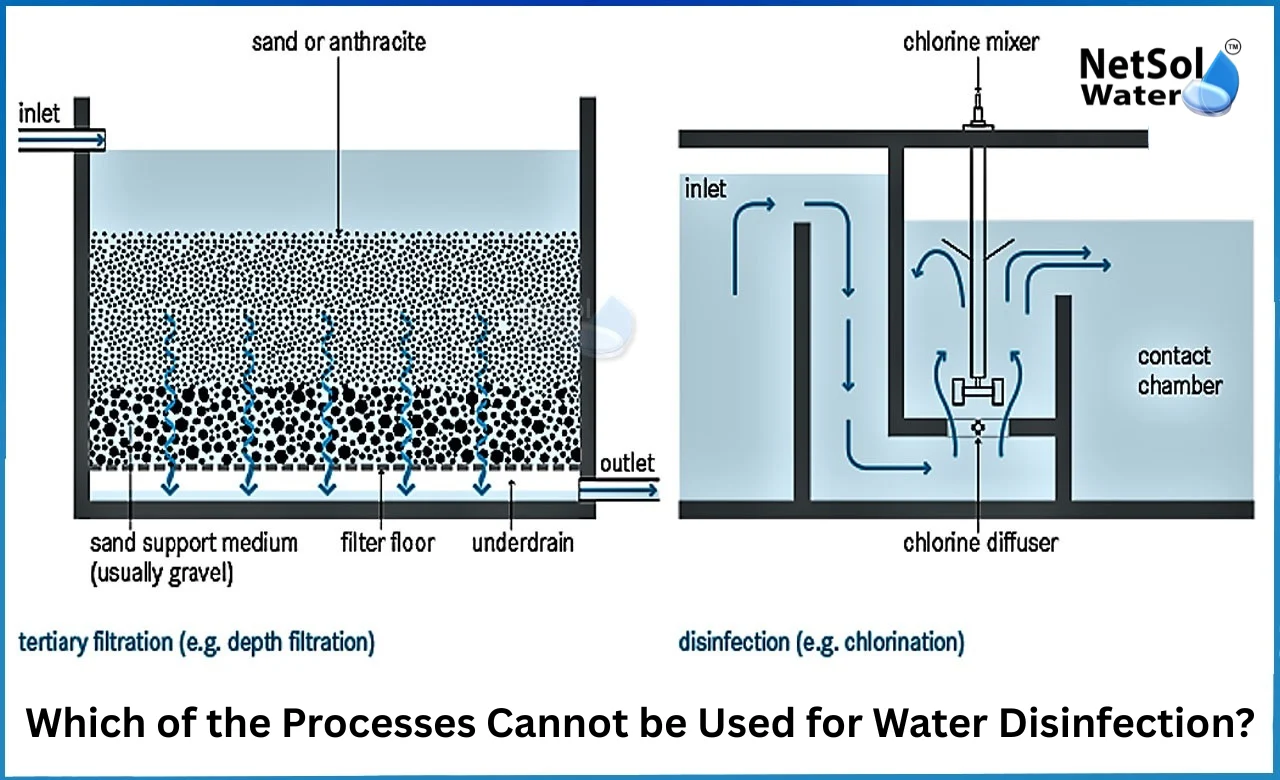
After clumps clear out the next need is to kill any germs that stay in water. A disinfection unit adds chlorine or ozone or it shines UV light on the flow. Chlorine kills bacteria and it adds a safe barrier as water leaves the plant. Ozone breaks down microbe cells in a short contact time. UV light zaps germs without adding any chemical. In Gurgaon a commercial plant may choose UV for its speed and zero chemical by product.

Membrane Treatment Plant

Membrane systems form a high grade barrier to keep out even the finest impurity. They use thin sheets that act like a sieve at the molecular scale. Let us have a look on some common methods that a Membrane Treatment Plant uses.

Reverse Osmosis Module

Reverse osmosis uses a thin film membrane that lets water slip through but blocks salt or dye or virus. The plant pumps water at high pressure into a membrane pack. Pure water moves past the film. The brine and waste stay on the other side. A plant at a factory site in Noida may feed brackish well water into an RO unit. At the membrane bank the salt and metal reject back to drain. The pure water flows out to a storage tank. This process yields very low levels of dissolved solids.

Ultrafiltration Unit

Ultrafiltration works on a similar idea but at lower pressure and with larger pore size. It lets minerals stay but it blocks bacteria and fine colloids. A UF module fits before RO or after chemical steps to guard downstream parts. In a hospital near Delhi a UF system may clear pathogen and protein from water. Water first meets a prefilter screen. Next it pushes through hollow fibers. These fibers trap germs that measure larger than the pore size. Clean water then flows out. This step cuts the load on any RO plant that follows or it stands on its own to provide safe water where salt levels stay low.

Conclusion

A Water Treatment Plant can use physical steps or chemical means or a membrane barrier to meet your water quality goal. Each type works best for certain feed water and for certain end use. Netsol Water designs each plant with care to match your need. We invite you to speak with our team to learn which Water Treatment Plant fits your site. Contact us now to get expert help and to see how a quality solution will serve you well.

Phone: +91-965-060-8473

Email: enquiry@Netsolwater.com


How-Does-a-Water-Treatment-Plant-Work.webp

July 25, 2025by Netsol Water

How Does a Water Treatment Plant Work?

A Water Treatment Plant plays a key role in turning river or ground water into safe water for daily use. Netsol Water leads the field in designing and building a Water Treatment Plant that serves homes and businesses. People rely on its processes to remove dirt and living hazards that hide in water. Clean water helps communities stay healthy and it supports farms and factories too. We will explore how a Water Treatment Plant works step by step.

Intake to Filtration

Every Water Treatment Plant must start with water intake and move through several steps before it reaches our homes. Let us have a look on some key processes that make water clear and ready for final cleaning.

Intake and Screening

A plant first draws raw water by using pumps at a river bank or well head. It sends the flow into large screens that stop sticks leaves and fish from entering. The flow then moves into a settling tank. In that tank sand and heavy dirt sink to the bottom. The clear flow rises and moves on. Screening and settling reduce big solids early so that later steps can focus on fine particles.

Coagulation and Flocculation

After large bits leave the flow it goes into a mixing tank. The plant adds a gentle mix of chemicals. Those chemicals make small particles stick together. As they join they form larger clumps called floc. A steady stir then moves those flocs through the tank. They grow heavy as more particles cling to them. This step makes fine clay and silt gather so that they can fall out later.

Sedimentation and Filtration

Next the flow enters a tank that runs very slow. In that tank floc drops to the bottom by weight. That leaves a clear layer on top. The plant then moves that layer through filters made of sand gravel or charcoal. The filters catch what the settling tank left behind. After this the water looks pure and it feels clear.

Screens block wood twigs and stones at the start. Sedimentation then lets gravity send clumped particles down. Together these tasks make sure large and heavy bits leave the flow early. That lowers the load for filters. The plant can then run more smoothly and avoid clogging. This step uses simple design with nature’s force to clear out most dirt before final cleaning.

Disinfection and Distribution

Once a plant removes solids it must stop germs from growing. Let us have a look on some ways the plant makes water safe and sends it to taps.

Disinfection

A Water Treatment Plant uses a measured dose of chlorine or ozone in a contact tank. Those agents kill bacteria, viruses and parasites in seconds. The tank holds water long enough to let the disinfection go to work. After that the flow moves to final storage tanks. The plant keeps a small level of chlorine in the water. That prevents any germs from returning as water travels through pipes.

Distribution

The plant pumps water into a network of pipes that run under streets and paths. Pressure in those pipes pushes water uphill or to distant areas. Tanks on hilltops store water. They keep the flow steady when many homes open taps at once. Water moves on demand. It reaches each home school and factory at safe pressure and quality because the plant keeps testing samples at many points.

Chlorine kills most germs fast and stays active in pipes. UV lamps work by shining strong light on the flow. That light destroys tiny microbes in the beam path. Some plants use both methods. They add chlorine and then let water pass by UV lamps. This double step gives extra safety. It blocks any germ that escaped the first layer of defense.


Conclusion

A Water Treatment Plant stands as a promise of health and trust. Netsol Water builds each plant with care to meet community needs. Clean water keeps life running smoothly and it shapes the well being of each town and city. To learn more about a Water Treatment Plant or to discuss a project reach out today. Our team at Netsol Water will answer your questions and guide you toward the right solution.

Phone: +91-965-060-8473

Email: enquiry@Netsolwater.com


What-is-Water-Treatment-and-Why-is-it-Necessary.webp

July 24, 2025by Netsol Water

What is Water Treatment and Why is it Necessary?

Water shapes life in India and across the world. India lies on great rivers like the Ganges and spans vast plains and deserts. It has a rich tradition of water use for homes, farms and industry. Yet water often carries particles, germs and hidden chemicals that harm health and lands. Netsol Water leads as a Water Treatment Plant Manufacturer and brings expert solutions that fit local needs. We will see what water treatment means, why it matters, and how a Water Treatment Plant works.

What is Water Treatment?

Water treatment means removing unwanted elements from water to meet human needs. It uses steps that clear solids kill germs and adjust chemistry. Treatment lets people drink and use water with no harm. It also keeps pipes and machinery safe from scale and rust. Let us have a look on some key processes that make water fit for use.

Physical Treatment Processes

Physical methods sort out large particles and suspended solids. First water flows through screens that trap sticks and leaves. Then it moves into tanks where gravity makes sand and grit settle. Devices called clarifiers speed up this settling. They push water through slow zones so tiny clay and silt drop out. Plants often use filters filled with sand or other media. Water passes through the grains and leaves behind any remaining solids. This stage also removes tiny organisms that stick to particles. Physical steps set the base for more precise cleaning later.

Chemical and Biological Treatment Processes

Chemical methods target dissolved impurities and germs. Treatment plants add chemicals that bind to unwanted matter. For example alum or iron salts cause fine dirt to clump into larger bits. Operators then remove these bits with settling or filtration. Disinfection follows to kill bacteria and viruses. Plants use chlorine or UV light that destroys harmful microbes on contact. Biological treatment works for organic waste in sewage and industrial water. Microbes feed on organic pollutants and convert them into harmless byproducts. Aeration tanks supply air to boost microbe action. At the end treated water meets quality standards.


Why is Water Treatment Necessary

Safe water plays a key part in health and growth. Without treatment water may carry disease germs or toxic chemicals. Polluted water also harms ecosystems. Clean water supports farming industry and urban life. It keeps communities strong. Let us have a look on some reasons why we need treatment plants at scale.

Protecting Public Health

Drinking water may hide bacteria, viruses or parasites. These can cause cholera typhoid and other illnesses. Water treatment plant plants remove or kill these threats. They also strip out heavy metals like lead and mercury that damage organs and nerves. It also cuts medical costs and keeps people at work and school.

Saving Resources and Environment

Untreated wastewater harms rivers and lakes. It drains oxygen and kills fish. It also floods shores with sludge and odor. Treatment plants return clean water to the environment. This reuse keeps lakes and aquifers full. It helps farms by supplying water when rains run low. Recycled water can cool power stations or wash streets. This reuse cuts pressure on natural sources. It also meets growing demand in cities where fresh water is scarce.

Types of Water Treatment Plants

Netsol Water offers plants for many needs. We design and build plants for towns, factories and farms. Each plant meets strict quality rules. We match design to water source and use case. Let us have a look on some options we deliver.

Industrial Water Treatment Plant

Factories need water free from scale and chemicals. We use processes that remove hardness and oil plus organic waste. RO plants reduce dissolved salts to low levels. Ion exchange filters swap out hardness minerals for harmless ones. Dosing units add precise chemicals to prevent corrosion. Our skid mounted modules work at remote sites and start fast. They deliver water that protects boilers turbines and chillers.

Municipal Water Treatment Plant

Cities draw water from rivers and reservoirs. They need plants that treat large volumes each day. We build conventional plants with rapid mixers, flocculators, clarifiers and filters. We also add advanced steps like ozone or UV for extra safety. Our control systems adapt to seasonal changes. They keep water quality stable during floods or droughts. Communities count on our plants for clean water at every tap.

Conclusion

Clean water shapes a healthy society and a strong economy. Water Treatment Plant solutions secure quality at every step. Netsol Water leads as a Water Treatment Plant Manufacturer. We guide clients from design to start up and beyond. Feel free to reach out today for more details or to request a consultation.

Phone: +91-965-060-8473

Email: enquiry@Netsolwater.com