Wastewater - Page 4 of 11 - Sewage Treatment Plant Manufacturers

What-are-the-two-major-types-of-water-treatment-plants-2.webp

March 27, 2026by Netsol Water

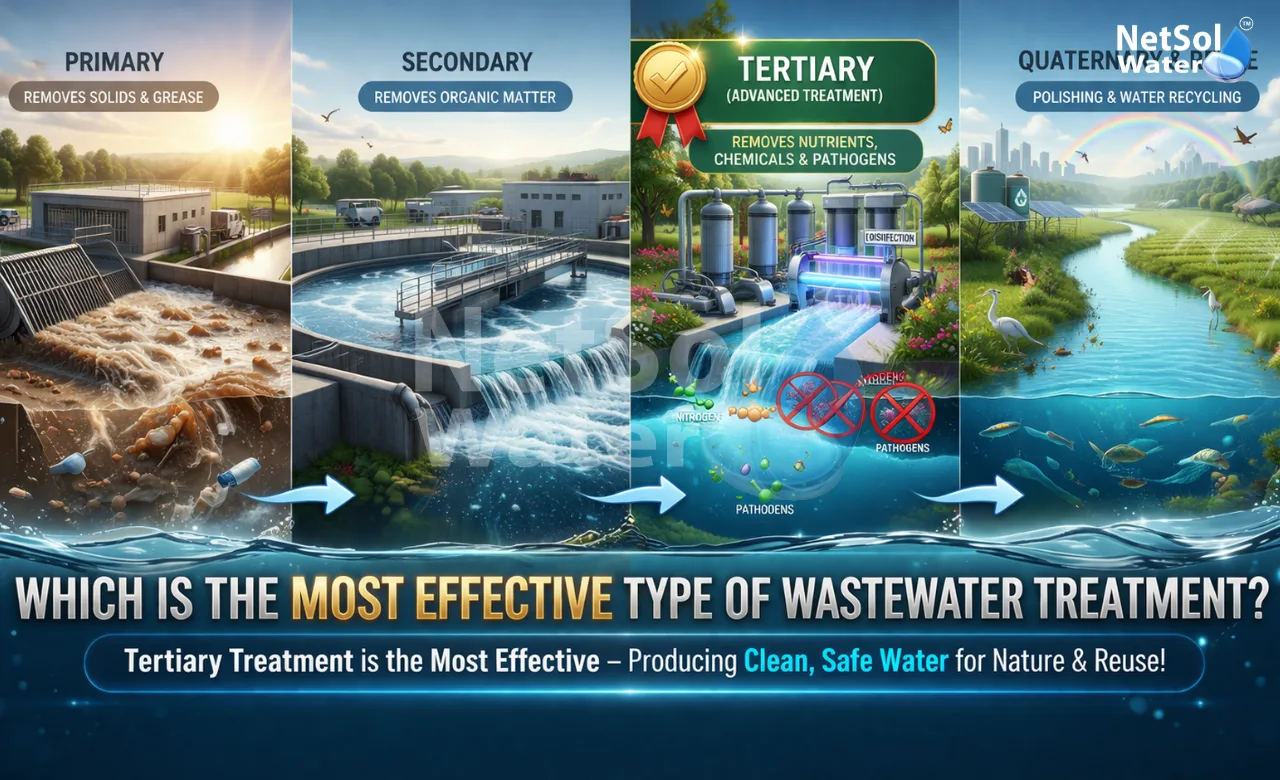
Which is the most effective type of wastewater treatment?

Wastewater treatment plays a major role in keeping water safe for people and the environment. Every home, factory, office, and commercial site produces used water. This water carries dirt, chemicals, grease, organic matter, and harmful germs. If people release it without proper treatment, then it can pollute rivers, lakes, and soil. It can also spread disease and damage natural life. That is why a wastewater treatment plant matters so much in modern life.

Many people ask which treatment method works best. The answer is not always the same for every case because the best choice depends on the type of wastewater, the level of pollution, and the final use of the treated water. Some water needs only basic cleaning, while some needs deep treatment before reuse or release. In general, the most effective solution comes from a proper treatment process that removes solids, breaks down waste, and removes harmful particles in stages. This layered method gives better results than using only one step. It also helps industries and communities meet safety rules and manage water in a smart way.

A wastewater treatment plant can use different methods such as physical treatment, biological treatment, and advanced polishing treatment. Each one has its own value. When these methods work together, the plant can produce clean and safe water in a reliable way.

Why Treatment Choice Matters

The choice of treatment method shapes the full result of the process. A weak method may remove only visible dirt while hidden pollution stays in the water. That can create trouble later during discharge or reuse. A strong method can reduce smell, improve water quality, and protect equipment from clogging and damage. This is why the first step is always to understand the wastewater itself.

Let us have a look at some of the main points that make treatment choice important.

1. Nature of the Wastewater

Different sources create different kinds of wastewater. Domestic water usually carries soap, food waste, and human waste. Industrial water may contain oils, dyes, heavy metals, and chemicals. Some water is full of suspended solids, while some water carries dissolved pollutants that are harder to remove. A wastewater treatment plant must match the treatment method to the waste type. When the plant does this, it performs better and gives a more stable output.

2. Final Use of the Treated Water

The end use also matters. If the treated water will go to a river, then the plant must meet strict discharge limits. If the water will be reused for gardening, flushing, or industrial cooling, then the treatment must reach a higher level of clarity and safety. The more useful the final water needs to be, the more advanced the treatment must become. This is why one fixed method cannot serve every need in the same way.

3. Cost and Operation

A strong system should not only clean water well. It should also run in a practical way. Some methods need less space, while others need more care and energy. Some systems are simple to operate, while others need trained workers and regular checks. So the most effective type is often the one that gives the best balance between cleaning power, cost, and maintenance.

Primary Treatment

Primary treatment is the first cleaning stage and it removes large solids from wastewater. This stage matters because it protects the next stages from extra load. Without this step, the whole process can become slow and less stable. It also helps the plant work with better flow and less clogging.

Let us have a look at some of the main parts of primary treatment.

1. Screening

Screening removes large waste like plastic, cloth, leaves, and other floating material. It works like a barrier that stops unwanted items before they enter deeper units. This simple step may seem small, but it saves equipment from damage and keeps the system clean.

2. Sedimentation

Sedimentation lets heavier particles settle at the bottom of a tank. These solids form sludge, which the plant can remove later. This process clears a good amount of suspended matter from water and prepares it for the next stage. It is a basic but very useful step in any wastewater treatment plant.

3. Grease Removal

Some wastewater carries oil and grease. If the plant does not remove these substances early, then they can block pipes and disturb later treatment. Grease removal improves the flow of water and helps the plant work in a cleaner way.

Secondary Treatment

Secondary treatment often gives the biggest improvement in water quality. It uses biological action to break down organic waste. Tiny organisms feed on the waste and reduce pollution in a natural way. This stage is highly effective for many types of wastewater because it targets dissolved and fine organic material that primary treatment cannot remove fully.

Let us have a look at some of the important secondary treatment methods.

1. Activated Sludge Process

This method uses air and helpful microorganisms. The microorganisms consume organic matter and convert it into simpler forms. The process works well for municipal and industrial wastewater with high organic load. It often gives excellent results when the plant manages aeration and sludge properly.

2. Trickling Filters

Trickling filters use a bed of material where microorganisms grow. Wastewater passes through this bed and the biological layer treats the water as it moves. This method is steady and useful for many plants because it does not need very complex control. It offers a good balance between treatment quality and simple operation.

3. Moving Bed Biofilm Systems

These systems use special carriers where microbes grow and treat the water. They work well in limited space and can handle changing loads more easily. Many modern plants prefer such systems because they support strong treatment in a compact setup.

Tertiary Treatment

Tertiary treatment gives the final polishing to the water. It becomes important when the water must reach a very high standard before reuse or release. This stage removes small particles, remaining nutrients, and some harmful substances. It adds the finishing touch that improves water quality even more.

Let us have a look at some of the main tertiary treatment options.

1. Filtration

Filtration removes fine suspended matter that passes through earlier steps. Sand filters, membrane filters, and other systems can help make water clearer. This step improves appearance and also supports safe reuse.

2. Disinfection

Disinfection destroys harmful germs. Plants may use chlorine, UV light, or ozone for this purpose. This step matters greatly when people may come in contact with the treated water. It adds another level of safety and makes the water more acceptable for many uses.

3. Nutrient Removal

Some wastewater carries too much nitrogen and phosphorus. These nutrients can harm water bodies by causing algae growth. Advanced treatment helps reduce this problem. It protects natural water systems and improves the environmental value of the final discharge.

Which Type Works Best

The most effective type of wastewater treatment is usually not one single method. It is a complete system that combines primary, secondary, and tertiary treatment in the right order. This approach works best because each stage handles a different part of the pollution load. Primary treatment removes large solids. Secondary treatment breaks down organic waste. Tertiary treatment polishes the water and removes the last traces of impurities.

For most cases, this multi-stage method gives the strongest and most dependable result. It offers better water quality and better control over discharge or reuse. A wastewater treatment plant that uses this full process can handle a wide range of wastewater types and provide safer output.

The best treatment still depends on the situation. A small site with light wastewater may need only a simple setup. A large industrial site may need advanced biological and membrane systems. So effectiveness comes from matching the method to the water rather than choosing one option for every case.

Read some interesting information for the Sewage Treatment Plant Manufacturer

Conclusion

Wastewater treatment is not just a technical need. It is a practical step that protects health, saves water, and supports cleaner surroundings. The most effective method is the one that fits the waste source, the treatment goal, and the level of purity needed at the end. In many cases, a combined process gives the best result because it treats the water in stages and leaves less room for error.

If you are planning a wastewater treatment plant, then the right design can make a big difference in long-term performance. A well-planned system can improve water quality, reduce waste, and support reuse in a safe way. For more information or to request a consultation, get in touch and choose a solution that fits your need.

Contact Netsol Water at:

Phone: +91-9650608473

Email: enquiry@netsolwater.com

What-are-the-two-major-types-of-water-treatment-plants-1.webp

March 26, 2026by Netsol Water

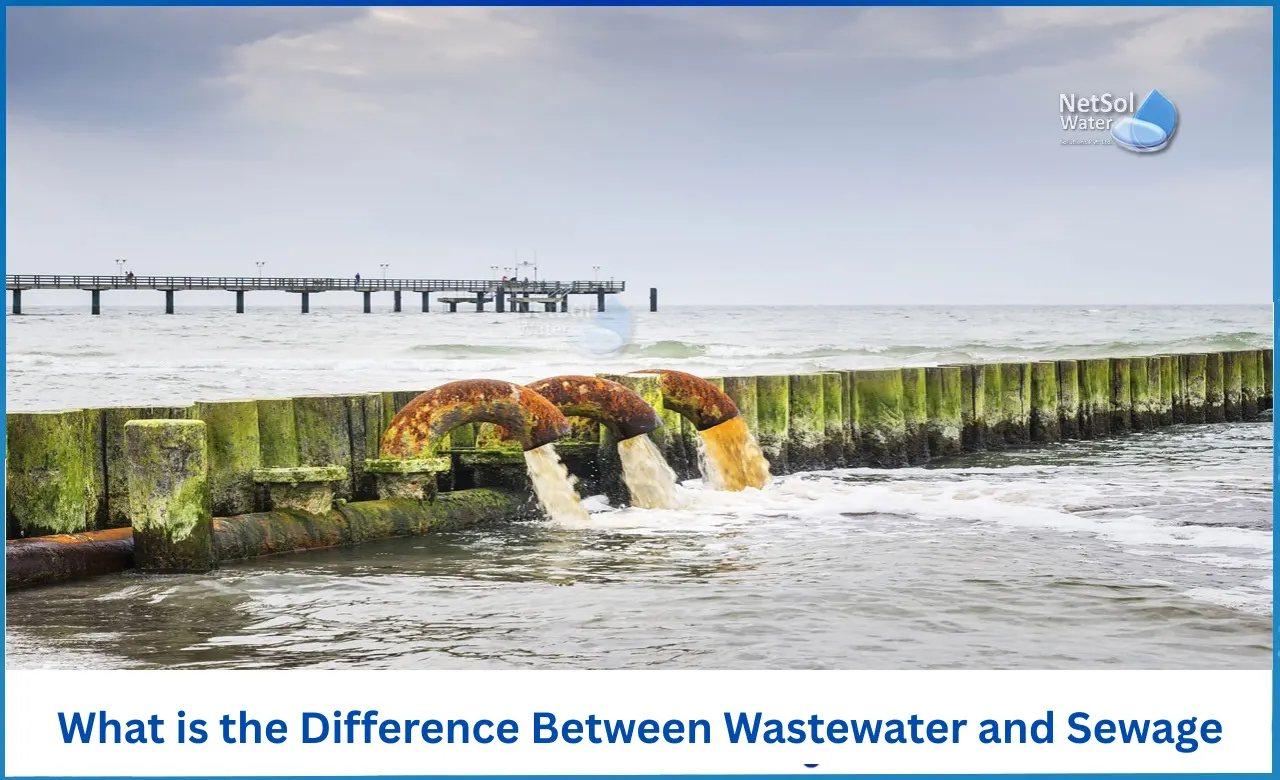
What is the difference between wastewater and sewage?

We are the leading sewage treatment plant manufacturer and support communities and industries with practical systems that manage used water in a safe way. When people understand how wastewater and sewage differ, they can choose the right treatment method and support a cleaner and healthier environment for everyone.

What Is Wastewater?

Wastewater means any water that people use and then send away through drains. It comes from many daily activities in homes, offices, industries, and commercial places. This water may contain soap, grease, food particles, dust, cleaning agents, and other unwanted matter. It does not always contain human waste. That makes wastewater a broad term that includes many different kinds of used water. People should understand this term because it shows how much pollution can begin with ordinary daily life. Let us have a look at some important parts of wastewater so the idea becomes clear and easy to follow.

1. Domestic Wastewater

Kitchen water often carries oil and food waste, while bathroom water may carry soap and hair. This water may seem less dangerous than sewage, but it still creates harm if people release it without treatment. It can pollute drains, rivers, and soil, and it can also create bad smells in the surroundings. When communities collect and treat domestic wastewater properly, they reduce pollution and improve daily living conditions. That is why domestic wastewater needs care even when it does not contain toilet waste. Good treatment helps people protect local water sources and maintain better hygiene around homes and residential areas.

2. Industrial Wastewater

Industrial wastewater comes from factories and production units. It often carries chemicals, dyes, oils, salts, metals, and other harmful materials. Its content changes from one industry to another because each process uses different substances. A textile plant may release coloured water, while a food unit may release water with grease and organic waste. This type of wastewater can damage the environment very quickly if people do not treat it with care. It may also affect workers nearby and the water bodies around the industry. Because industrial wastewater can differ so much from place to place, a sewage treatment plant manufacturer may study the source in detail before suggesting the right treatment and disposal solution. The goal is not only to clean the water but also to make sure the plant matches the waste load and works in a stable way for a long time.

What Is Sewage?

Sewage is used water that mainly contains human waste along with water from toilets and washrooms. It usually comes from homes, offices, schools, hospitals, hotels, and other places where people use sanitary systems. Sewage carries a higher health risk because it can contain bacteria, viruses, parasites, and other harmful germs. For this reason, people must collect, transport, and treat it with great care. It needs a stronger treatment process than many other kinds of wastewater.

1. Sources of Sewage

Sewage usually begins in toilets and bathroom drainage systems. It may also include water from sinks and wash areas when the plumbing network mixes these flows together. In many buildings, all these streams enter the same sewer line and form one waste stream. Since sewage carries human excreta, it becomes much more dangerous than regular used water. It can spread infection if it leaks into open drains or if the treatment system fails. That is why cities and towns need proper sewer networks and treatment plants to move sewage away from people and handle it safely.

2. Risks Linked to Sewage

Sewage can harm public health very quickly when people do not manage it properly. It may spread stomach infections, skin diseases, and other waterborne illnesses. It also creates strong smells and attracts flies and mosquitoes. If sewage enters rivers, lakes, or soil, it can destroy water quality and affect plants, animals, and people around the area. That is why every city needs a strong system for collection, treatment, and safe discharge. A trusted sewage treatment plant manufacturer designs plants that remove solids, reduce germs, and help make the final water safer for the environment. Good treatment also supports better sanitation in neighbourhoods and lowers the chance of disease spread during regular daily life.

Main Difference Between Wastewater and Sewage

Wastewater and sewage both refer to used water, but they do not mean the same thing. Wastewater is the wider term and it covers all water that people use and then discharge. Sewage is a smaller category and it mainly refers to water that carries human waste from toilets and sanitary lines. This difference matters because treatment teams must understand what kind of water they are handling before they choose a process.

1. Source Difference

Wastewater can come from many places such as kitchens, laundry areas, cleaning systems, and industrial processes. Sewage usually comes from toilets and other sanitary outlets. Because of this, sewage contains a greater amount of human waste and harmful microorganisms. Wastewater may still contain dirt, soap, and chemicals, but it does not always carry toilet waste. This source difference helps people separate the two terms without confusion and choose the proper treatment approach. Once people know where the water comes from, they can understand what kind of risk it carries and what kind of plant or process it needs for safe handling.

2. Pollution Level Difference

Wastewater can contain oil, soap, dust, organic matter, and chemicals. Sewage contains all these types of matter too, but it also includes fecal waste and urine. That makes sewage more dangerous for health and the environment. It can spread disease faster than ordinary grey water. So while people can call all sewage a type of wastewater, they cannot call all wastewater sewage. This difference matters in water management because the treatment system must match the pollution level of the incoming water. A stronger waste load needs a stronger process, and that is why correct identification saves time and improves treatment results.

3. Treatment Difference

Different kinds of water need different treatment methods. Some wastewater may need simple screening, settling, or biological treatment before discharge. Sewage usually needs a stronger process because it carries more germs and more organic waste. It may need primary treatment, biological treatment, and disinfection before safe release. This is where a sewage treatment plant manufacturer plays an important role because the company studies the source and design needs before suggesting a plant. The right treatment method improves safety, lowers pollution, and also supports water reuse in many cases. It also helps plant owners avoid overdesign or underdesign, which can both create long-term problems in operation and maintenance.

Read some interesting information for the Commercial RO Plant Manufacturer

Conclusion

The difference between wastewater and sewage may sound small, but it affects health, safety, and the environment in a major way. Wastewater includes all used water, while sewage refers more specifically to water that carries human waste. This simple difference decides how people collect, treat, and reuse the water. When communities and industries understand it, they can reduce pollution, protect water sources, and improve sanitation. Choosing the right system also saves time, money, and effort in the long run. If you need expert help for water management, contact a trusted sewage treatment plant manufacturer and ask for a consultation today. Netsol Water can guide you with simple, reliable, and effective treatment solutions that suit modern needs.

Contact Netsol Water at:

Phone: +91-9650608473

Email: enquiry@netsolwater.com

What-are-the-two-major-types-of-water-treatment-plants.webp

March 25, 2026by Netsol Water

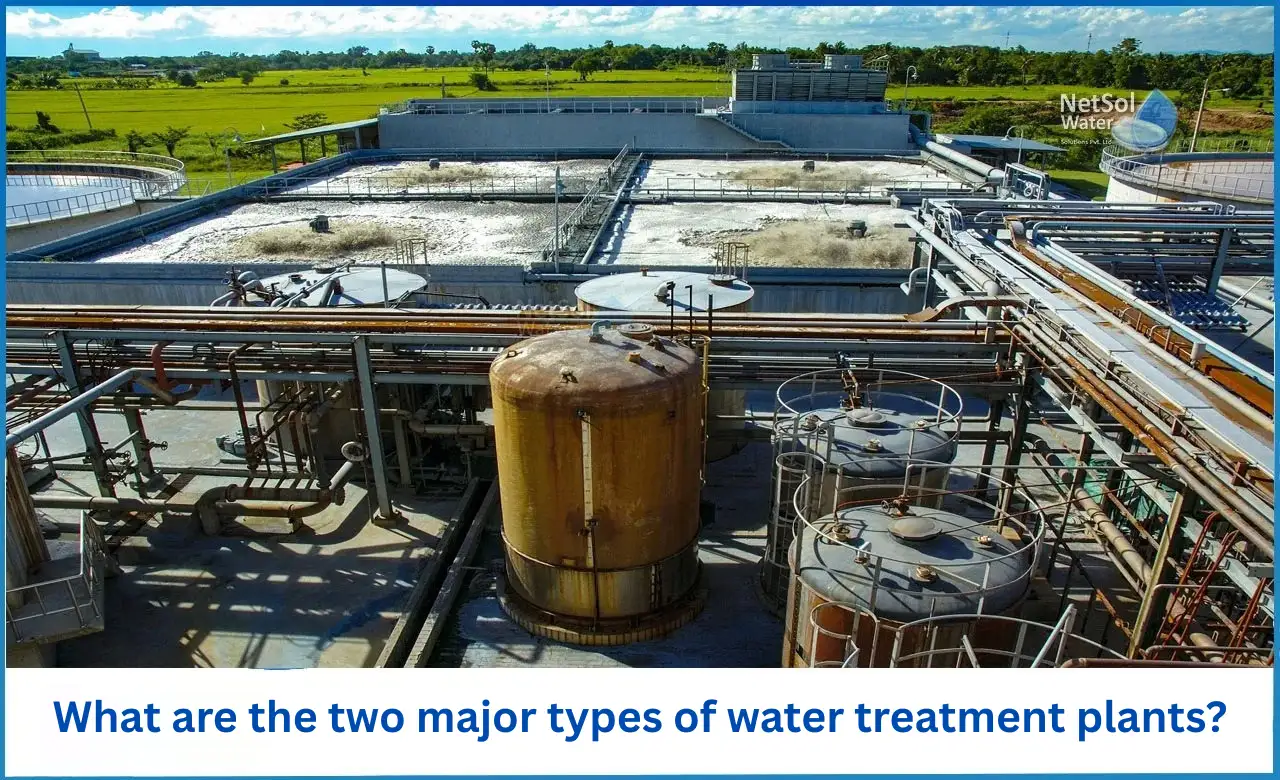
What are the two major types of water treatment plants?

Water connects to every part of life and every industry. Cities and towns with many people and many factories need strong systems to treat water. These plants protect health and protect rivers and lakes. They also help reuse water for work and farming. We will look at the two major types of water treatment plants. We are the leading name in many solutions for both kinds of plants.

Drinking Water Treatment Plants

Drinking Water Treatment Plants matter because people need safe water for daily life. These plants turn raw water from rivers, lakes, or wells into clean water that meets health standards. Cities and towns use them to protect public health and to support hospitals, schools, and businesses. Let us have a look at some main parts of these plants and how they work.

1. Intake and Pretreatment

Intake and pretreatment form the first stage in a drinking water treatment plant’s process. Water arrives from the source, and plants remove large debris and sand right away. Screens and grit channels remove sticks and stones. This step stops damage to equipment and helps the next steps work better. Operators monitor flow and adjust intake to match demand. Pretreatment also helps reduce the load on filters later in the process. Clear intake work keeps the whole plant efficient and lowers energy use.

2. Main Treatment Steps

Main treatment steps remove fine particles and microbes to make water safe. Plants often use coagulation and flocculation to clump tiny particles into larger masses. The water then goes to sedimentation tanks, where these masses settle down. Filters then polish the water by removing remaining solids. Finally, the plant adds disinfectant to kill bacteria and viruses. Quality checks follow each step to ensure the water meets standards. Operators test for clarity, taste, and common contaminants. Good control at each step keeps treated water safe for homes and businesses.

3. Distribution and Storage

After treatment plants finish their work, they store and send water to users. Large tanks hold treated water so supply remains steady during peak hours. Pumps push water through pipes to homes and to industries. Cities plan pipes and storage to reduce pressure drops and water loss. Regular checks on pipes and valves avoid leaks and keep the supply safe. Safe storage and steady distribution close the loop from source to tap.

Wastewater Treatment Plants

Wastewater Treatment Plants treat sewage and industrial runoff before releasing the water back to nature or sending it for reuse. They reduce pollution and help meet rules for discharge. Let us have a look on some core parts of these plants and how they manage waste.

1. Primary and Secondary Treatment

Primary and secondary treatment handles solids and organic matter in wastewater. In primary treatment the plant removes large solids and suspended matter by settling. This step reduces the load for biological systems that follow. In secondary treatment microbes break down organic matter that causes pollution. Systems such as activated sludge and biofilm reactors encourage helpful microbes to eat the organic load.

2. Tertiary Treatment and Reuse

Filtration and advanced treatment steps remove fine solids and some chemicals. Nutrient removal cuts nitrogen and phosphorus to prevent algae growth in lakes and rivers. Disinfection removes pathogens so treated water can return to nature or be served for irrigation or industry. Many plants also use recovery steps to reclaim water for reuse. Reuse eases pressure on freshwater sources and helps areas with low rainfall.

3. Sludge Treatment and Resource Recovery

Sludge treatment handles the solids that the plant removes. Plants thicken and dewater sludge to reduce its volume. They may also digest sludge to shrink it and to make biogas. Biogas can generate heat or electricity for the plant. Some plants turn treated sludge into compost for land use. Proper sludge work lowers costs and reduces the risks of harmful disposal. Resource recovery turns a waste problem into useful outputs such as energy and soil products.

Comparison and Choice

Choosing between systems or choosing the right design depends on the water source and on the goals of the community. Drinking Water Treatment Plants focus on safety and taste. Wastewater Treatment Plants focus on removing pollution and on recovering water and energy. Both types use instruments and controls to keep operations steady. Engineers design plants to fit the space, the budget, and the local rules. Good design also plans for future growth and for easier maintenance.

Read some interesting information for the Industrial RO Plant Manufacturer in Faridabad

Conclusion

Water treatment protects health the environment and the economy. Well designed Wastewater Treatment Plants reduce pollution and support reuse and recovery. Good drinking water systems ensure safe water at every tap. Netsol Water is the leading provider for water and wastewater solutions. If you need more details on a Wastewater Treatment Plant or if you want a site review or a consultation contact us today.

Contact Netsol Water at:

Phone: +91-9650608473

Email: enquiry@netsolwater.com

What-are-the-two-major-types-of-wastewater.webp

March 24, 2026by Netsol Water

What Are the Two Major Types of Wastewater?

Wastewater carries the waste of our daily life and industry. Understanding its kinds helps cities and industries plan how to clean and reuse water. Many urban areas are known for dense housing and growing factories. These places need strong plants to handle wastewater and protect health. We are the leading company that builds solutions for these needs.

1. Sewage (Domestic Wastewater)

Sewage, or domestic wastewater, comes from homes and public buildings. It carries food waste, body waste, and used water from baths and washing. Treating this water keeps people healthy. It also protects rivers and groundwater from pollution. Cities plan systems that collect this wastewater and move it to a plant where microbes and filters remove most pollution. Let us have a look at some of the common forms of domestic wastewater and how they differ.

A. Blackwater

Blackwater comes from toilets and some kitchen drains. It holds solid waste, food scraps, and disease-causing germs. This mix needs careful handling. Treatment begins with removal of large solids. Then biological processes break down organic matter. Sludge that forms must be treated or safely disposed of. A Wastewater Treatment Plant uses tanks that separate solids from liquid. It then uses bacteria to convert harmful matter into safer substances. This process reduces disease risk and lowers the load on rivers. Properly treated blackwater can become safe for irrigation or industrial use. Cities must keep blackwater away from drinking water sources.

B. Greywater

Greywater comes from showers, sinks, and washing machines. It has fewer solids than blackwater. It carries soap, oils, and small food particles. Treatment for greywater can be simpler. It often needs screens, settling, and biological filters. Homes can recycle greywater for garden use after simple treatment. This reuse lowers fresh water demand. A well-designed Wastewater Treatment Plant can separate greywater at source. Then the plant can treat it with less energy than blackwater. This approach reduces overall cost for water and makes systems more flexible.

C. Yellow Water

Yellow water means urine that is collected separately. It lacks the solids found in blackwater. This makes it easier to treat and recover nutrients. Many systems now test separate collection to recover nitrogen and phosphorus. These nutrients can support agriculture. Treating yellow water uses simpler filters and disinfection. It reduces the volume of waste that must go through heavy treatment. When cities adopt urine separation, they cut costs for the main treatment plant. They also make nutrient recovery a real option.

2. Non-Sewage (Industrial and Stormwater)

Non-sewage wastewater does not come from normal home use. It comes from factories and from rain that runs over streets and roofs. These waters vary a lot in what they carry. Some industrial streams contain oils, heavy metals, or toxic chemicals. Stormwater brings dirt, road salt, and garden chemicals. A single Wastewater Treatment Plant cannot solve all these problems the same way. Let us have a look at some common non-sewage sources and how they shape treatment choices.

A. Industrial Wastewater

Industrial wastewater comes from manufacturing and chemical processes. Each factory creates a unique mix of pollutants. Some industries add heavy metals or strong acids and bases. These wastes need targeted removal steps. Treatment often starts with neutralization and separation of oils and heavy particles. Then chemical or advanced physical methods remove specific contaminants. Biological treatment alone may not work. A modern wastewater treatment plant for industry includes many units. These units treat distinct streams before they join other flows. Proper pre-treatment protects the main plant. It also helps companies meet legal limits for discharge.

B. Stormwater Runoff

Stormwater runoff flows over land after rain or snowmelt. It picks up debris, oils, and fertilizer from fields and streets. In some places, the city uses a combined system that carries both stormwater and sewage together. That increases flow in wet weather and can overload treatment plants. Cities often use separate systems to keep stormwater out of sewage lines. Stormwater needs screening, settling, and sometimes pollutant traps. It also benefits from green solutions. Filters, swales, and small wetlands slow the flow and remove contaminants before water enters rivers. Handling stormwater well reduces flooding and improves water quality.

Read some interesting information for the Effluent Treatment Plant Manufacturer in Faridabad

Conclusion

Choosing the right plant depends on the kind of wastewater a place produces. Designing treatment steps for blackwater, greywater, yellow water, industrial waste, and stormwater helps protect health and save water. A well-planned Wastewater Treatment Plant handles each stream in the proper way. Netsol Water is the leading partner for building such plants. If you want to learn how a plant can fit your city, factory, or community, contact us. Ask for a consultation to explore options and get a site-level plan.

Contact Netsol Water at:

Phone: +91-9650608473

Email: enquiry@netsolwater.com

What-are-the-three-levels-of-wastewater-treatment.webp

March 20, 2026by Netsol Water

What are the three levels of wastewater treatment?

Wastewater treatment keeps water safe for people and for nature. A wastewater treatment plant cleans water that homes, industries, and streets send away. Many plants use three main stages to remove solids, organics, and chemical pollutants. Some sites add a pre-treatment step to protect pumps and pipes. We are the leading provider of wastewater solutions.

Primary Treatment (Mechanical)

Primary treatment removes large solids and floating matter by physical means. This stage lowers the load on later stages and helps protect equipment. Primary treatment acts first to slow flow, let heavy particles settle, and let oils rise. Let us have a look at some main parts of this stage and how they work in real plants.

1. Process

Primary tanks hold wastewater long enough for solids to sink and for light materials to float. Operators move water slowly through settling basins. Grates and screens stop rags, plastics, and large debris before the water reaches the tanks. Sludge collects at the bottom and the plant pumps it out for further processing. Scum forms on the surface and staff remove it by skimming. The mechanical steps cut the solid mass, which reduces the work needed by biological systems later. This stage also helps avoid blockages and damage to pumps and fans.

2. Efficiency

Primary treatment removes a large share of suspended solids and some organic load. Typical plants see half to two thirds of the suspended solids leave the water in this step. Removing these solids lowers the oxygen demand that would otherwise stress microbes downstream. The sludge that forms in primary tanks must receive careful handling. Many plants send the sludge to digesters or to dewatering units. Proper operation in this stage reduces odour and keeps later stages more stable.

Secondary Treatment (Biological)

Secondary treatment uses living microbes to break down dissolved and fine suspended organics. This stage transforms waste that mechanical methods cannot remove. Plants use air or biofilms to give microbes a place to grow. These microbes feed on organic matter and convert it into simpler compounds. Let us have a look at some common secondary methods and how they handle organic load.

1. Process

In the activated sludge method, the plant pumps air into tanks to feed bacteria. The bubbles keep the microbes mixed with the water so they can find food fast. In trickling filters, the water moves over a bed of media where a film of microbes grows. Oxidation ponds use open water where sunlight and natural bacteria act together. Each method aims to lower the biochemical oxygen demand, or BOD. Operators control the time the water stays in the system and the amount of air or surface area to match the waste strength.

2. Efficiency

Secondary systems often remove most of the organic material that primary treatment leaves behind. Plants may remove around eighty-five percent of BOD with a well-run biological stage. The quality of the effluent after secondary treatment depends on the type of system and on how well the plant runs. Sludge from the biological tanks also needs treatment. Plants often recycle part of the biomass to keep the system balanced. Good control keeps the system stable and reduces the chance of odour or loss of treatment function.

Tertiary Treatment (Advanced Chemical)

Tertiary, or polishing, treatment prepares water for reuse or for release to sensitive waters. This stage targets nutrients, pathogens, and trace chemicals that earlier steps could not remove. Operators design tertiary steps to meet specific discharge or reuse rules. Let us have a look at the main polishing options and what each one achieves.

1. Nutrient Removal

Nitrogen and phosphorus cause algae growth in rivers and lakes when they enter the environment. Tertiary systems remove these nutrients by chemical precipitation or by special biological steps that convert nitrogen into harmless gas. Plants may add a stage that encourages bacteria to use nitrogen as a food source under changing conditions. Other plants add chemicals that bind phosphorus so operators can remove it with the settled solids. Proper nutrient control helps protect rivers, lakes, and coastal areas from poor water quality.

2. Disinfection and Filtration

After the main pollutants leave the water, tertiary steps kill or remove the remaining pathogens and fine particles. Plants may use ultraviolet light to inactivate bacteria and viruses. Chlorine or ozone provides a chemical barrier against microbes. Sand filters, activated carbon filters, and membrane systems remove tiny particles and trace organics. Reverse osmosis can clean water to a very high level for reuse in industry or for safe discharge to sensitive zones. The choice of method depends on the end use and on cost and energy factors.

Read some interesting information for the Sewage Treatment Plant Manufacturer in Faridabad

Conclusion

A three-stage approach helps plants meet health and environmental goals. Each stage plays a different role and each stage adds value before the water leaves a wastewater treatment plant. Primary steps take out solids, secondary steps break down organics, and tertiary steps polish the water to meet strict standards. Netsol Water is the leading partner for those who need reliable design and service. If you want more details on plant design, or if you need a consultation, contact us to discuss your site needs and options for a personalized solution.

Contact Netsol Water at:

Phone: +91-9650608473

Email: enquiry@netsolwater.com

What-chemicals-are-used-in-wastewater-treatment.webp

March 19, 2026by Netsol Water

What Chemicals Are Used in Wastewater Treatment?

Wastewater treatment keeps water safe for people and for the environment. A Wastewater Treatment Plant processes water from homes and industry to remove solids and harmful germs. We are the leading name in many projects that serve cities and factories. We will explain the main chemical groups used in common treatment steps.

Coagulants and Flocculants

Coagulation and flocculation help clear cloudy water so that solids fall out. This step lowers the load on filters and on biological tanks. Operators use coagulants to make tiny particles stick together. Then they add flocculants to make the particles grow into heavier flocs so the particles settle fast. This process reduces turbidity and removes some organics and metals. Let us have a look at some key types and how the plant uses them.

1. Coagulants

Coagulants neutralize the surface charge on small particles so they can come together and form microflocs. In a Wastewater Treatment Plant, staff dose a coagulant in a rapid mix tank. The mix creates tiny clumps that hold suspended matter. Common coagulants include compounds based on aluminium or iron. These chemicals react with particles and with dissolved substances to make solids that are easier to remove. Operators monitor pH and dosage to avoid excess chemical use. Proper dosing saves money and prevents leftover metal in treated water. Plants often test jar samples to find the best dose for current water quality.

2. Flocculants

Flocculants help microflocs bind into larger macroflocs that settle quickly. A flocculant is often a polymer that links many particles together. The Wastewater Treatment Plant adds the flocculant after the coagulant and uses slow mixing to form large flocs. Natural polymers such as chitosan can work where operators prefer biodegradable options. Synthetic polymers like polyacrylamide give fast results for high solids loads. The operator picks a flocculant based on the type of solids and on settling needs. Good flocculation reduces filter fouling and lowers sludge volume. When plants control this step well, they reduce downstream energy and chemical needs.

pH Adjusters and Neutralizing Agents

Controlling pH protects microbes in biological tanks and keeps pipes safe from corrosion. A Wastewater Treatment Plant must bring pH into a safe range before and after many steps. If pH stays too low or too high, then microbes will stop working and many treatment reactions will fail. Let us have a look at some common alkaline and acidic agents and how staff use them to tune the process.

1. To Raise pH

Operators add alkaline chemicals when water has strong acids from industry or when biological steps need a higher pH. Common alkaline agents include sodium hydroxide and lime. These chemicals neutralize acids and stabilize the water for further treatment. In a Wastewater Treatment Plant, staff may add a base in a dosing tank while monitoring pH continuously. Proper choice balances cost with handling safety and impact on sludge. Lime can also help with solids settling by increasing particle density. Plants that dose base carefully avoid overshoot and prevent harm to downstream systems.

2. To Lower pH

Acid dosing becomes necessary when water is too alkaline or when some reactions need a neutral pH. Acid chemicals such as sulfuric acid and hydrochloric acid lower pH quickly. Operators add acid in controlled amounts using metering pumps and they watch pH probes closely. A Wastewater Treatment Plant uses acid to protect biological tanks that work best near neutral pH. Staff must follow safety rules for acid storage and handling. Proper acid dosing reduces the risk of corrosion in some equipment while keeping treated water within discharge limits.

Disinfectants

Disinfection removes disease-causing microbes before water leaves the plant. This step protects public health and helps meet regulatory standards. A Wastewater Treatment Plant chooses a disinfectant that matches cost, rules, and environmental goals. Let us have a look at two widely used groups and how plants balance performance with by-product control.

1. Chlorine-Based

Chlorine-based disinfectants kill many bacteria and viruses at low dose and with short contact time. Plants use chlorine gas or sodium hypochlorite to keep disinfection simple and effective. The chemical forms hypochlorous acid in water and that kills microbes quickly. Plant staff measure residual chlorine to confirm the dose and to avoid excess that can harm waterways. Operators also use dechlorination where rules require low residual chlorine at discharge. Chlorine remains common because it gives reliable control for many applications and because monitoring is straightforward.

2. Oxidizing Agents

Oxidizing agents such as ozone and hydrogen peroxide provide strong disinfection and can remove some organic compounds as well. Ozone acts fast and leaves no long-lasting disinfectant in water. Hydrogen peroxide adds oxygen and can work with catalysts to improve removal of pollutants. These agents cost more in many cases but they reduce the formation of some chlorinated by-products. A Wastewater Treatment Plant may use them when stricter limits or special pollutants are present. Operators must design contact tanks for the short life of these oxidants so the disinfection works well.

Specialty Treatment Chemicals

Specialty chemicals handle niche problems that appear in many plants. These chemicals address heavy metals, odour problems, and adsorptive removal of hard-to-treat organics. A Wastewater Treatment Plant keeps a small stock of specialty chemicals to meet changing influent conditions. Let us have a look at two common categories and how they support plant goals.

1. Precipitants

Precipitants remove dissolved metals and some other ions by creating insoluble solids that settle or filter out. Chemicals such as sodium sulfide form metal sulfides that drop out of solution. Precipitation works in a mixing tank followed by clarification or filtration. Plants use precipitant dosing for industries that discharge heavy metals. Proper control of pH and dose ensures near-complete removal. The settled, metal-rich sludge then goes for safe disposal or for recovery. Operators plan this step to avoid harming later biological stages.

2. Odour Control Agents

Odour control agents reduce gases such as hydrogen sulfide that can appear in sewers and in tanks. Plants dose oxidants such as hydrogen peroxide or they add compounds like calcium nitrate to prevent odour formation. Odour control improves worker comfort and reduces complaints from nearby communities. A Wastewater Treatment Plant uses these agents in raw sewage tanks and in sludge handling areas. The choice depends on the source of odour and on safety rules for chemical use. Regular monitoring helps staff keep doses low while achieving steady odour control.

Read some interesting information for the Industrial RO Plant Manufacturer in Noida

Conclusion

Understanding chemical use helps plant teams run a safer and more efficient Wastewater Treatment Plant. Each chemical group plays a clear role in removing solids, in activating biological systems, and in protecting public health. Operators must choose agents with care and must monitor dosing and pH to avoid waste and to meet discharge standards. If you want more details on chemical selection or a site review, please get in touch for a consultation. Netsol Water can support plant audits and offer advice on chemical dosing.

Contact Netsol Water at:

Phone: +91-9650608473

Email: enquiry@netsolwater.com

Commercial-RO-Plant-Manufacturer-in-Uttar-Pradesh-1.webp

March 14, 2026by Netsol Water

CPCB Norms for ETP Treated Water

The Central Pollution Control Board sets rules to control industrial water pollution. These rules guide how factories must treat and release water after cleaning. CPCB Norms help protect rivers, lakes, and coastal areas from harmful discharges. We are the leading company that designs and installs effluent treatment systems that meet these rules.

Core Discharge Parameters (Inland Surface Water)

The CPCB Norms set limits for several core parameters. These numbers tell plants what the treated water must look like before they send it to a river or lake. Meeting these limits reduces harm to plants, fish, and people who use the water downstream. Let us have a look at some of the key measurable items that the board watches and why each one matters.

1. pH and General Balance

pH shows how acidic or alkaline the water is. The allowed range keeps the water safe for life and for the materials used in pipes and treatment units. Plants must adjust pH values so the discharge stays within the permitted window. If the pH sits outside the range, the board can order corrective actions. Operators monitor pH often because it affects how other treatment steps work. Stable pH helps biological treatment and reduces the chance of toxic shocks to microbes. Good pH control also prevents corrosion and damage in sewers and drains.

2. BOD, COD, and Suspended Solids

Biochemical oxygen demand shows how much oxygen the organic matter will use in natural waters. Chemical oxygen demand measures both organic and some inorganic substances that can consume oxygen. Total suspended solids include particles that reduce light and harm fish. The CPCB Norms set clear limits for these numbers to protect rivers and lakes. Treatment plants use biological reactors, sedimentation, and filtration to cut these loads. Operators test these values at regular intervals and adjust aeration and solids removal to meet the standards. Keeping these values low helps the river carry life and supports safe use by communities.

Heavy Metal and Specific Pollutant Limits

The CPCB Norms apply stricter rules to these substances because they can build up in food chains. The board names limits for elements and compounds that cause health risks and ecological damage. Let us have a look at some of the most watched contaminants and how plants control them.

1. Mercury, Lead, and Chromium

Mercury can harm the nervous system even at very low levels. Lead can damage brain development in children and harms many organs. Chromium appears in two forms and the hexavalent form causes strong health concerns. The CPCB Norms keep these metals at very low concentrations to prevent harm. Treatment may use chemical precipitation, ion exchange, or specialized adsorption to remove these ions. Plants must monitor for these metals in their influent and effluent. If any value nears the limit, the team must act fast to change the process and protect the people who live downstream.

2. Arsenic, Phenolic Compounds, and Cyanide

Arsenic can cause long-term poisoning when it enters drinking water sources. Phenolic compounds can harm aquatic life and cause taste and odour issues in water. Cyanide can cause acute poisoning in humans and animals. The CPCB Norms give specific caps for each of these pollutants. Treatment methods include advanced oxidation, adsorption, and personalized chemical steps. Many industries that use chemicals must add targeted units to their ETP to cut these contaminants. Regular checks and good record keeping show regulators that the plant follows the rules and protects the environment.

Key Compliance Requirements

The board does not only set numbers. It also sets rules for monitoring, reporting, and reuse. These rules help regulators check results and help firms avoid fines and shutdowns. Let us have a look at some of the main compliance tools industries must use to show ongoing conformance.

1. Online Continuous Effluent Monitoring Systems

The CPCB Norms require many highly polluting industries to install online monitors that report in real time. These systems measure flow, pH, BOD, COD, and other key values as the water leaves the plant. The data goes directly to the board and to the state agency. Continuous monitoring helps detect problems fast and it helps the team take steps before a major breach occurs. Firms must keep the equipment calibrated and they must keep records to show proper functioning.

2. Industry-Specific Standards and Controls

Not all industries produce the same waste. The CPCB Norms include extra rules for sectors such as tanneries, textiles, and pharmaceuticals. These sectors must follow limits and process steps that match their waste profiles. Firms must design ETPs that handle the specific chemicals and solids in their effluent. Regulators may ask for additional treatment stages or for changes in raw material handling to reduce pollutant loads. Clear planning and good design help industries meet these sector-specific demands.

3. Mandatory Reuse and Zero Liquid Discharge Push

The board promotes reuse of treated water and it pushes many industries toward Zero Liquid Discharge. Reuse reduces the need for fresh water and it lowers the volume that must be discharged. ZLD uses evaporation, reverse osmosis, and other steps to capture nearly all water for reuse. Many plants now plan for reuse in cooling systems, washing, and landscaping. Achieving high reuse rates takes design work and operational discipline. The effort helps conserve resources and it reduces the risk of violating limits at the discharge point.

Read some interesting information for the Sewage Treatment Plant Manufacturer in Noida

Conclusion

CPCB Norms set a clear path for how treated water must be safe before it enters rivers, lakes, or the sea. Firms that follow these rules protect human health and the environment, and they reduce the chance of legal trouble and public complaints. Good design, careful operation, and solid monitoring form the base of any successful compliance plan. If you manage a plant, or if you plan a new ETP, you can get expert help to meet the CPCB Norms. Contact us for more details or to request a consultation on design, monitoring, and compliance.

Contact Netsol Water at:

Phone: +91-9650608473

Email: enquiry@netsolwater.com

Add-a-heading.webp

March 11, 2026by Netsol Water

What are the 3 Types of Septic Systems?

Septic systems handle household wastewater where central sewers are not available. They protect health and keep soil and water clean. We are the leading wastewater treatment plant manufacturer and can help design systems that match local ground conditions and rules. We will explain the three main types of septic systems and how each one treats wastewater.

Conventional Septic Systems

Conventional septic systems serve most homes because they cost less and work simply. They use a tank that holds solids and lets liquid flow out to a drainfield in the ground. The tank separates solids from liquids. Bacteria in the tank break down organic waste. Then the liquid moves by gravity to trenches in the soil. Soil microbes filter and clean the liquid as it moves down. The soil acts as the final natural treatment step. Proper spacing and a good soil type make this system reliable. If the ground drains well, the system can last many years with regular pumping and care.

Let us have a look at some common design features and maintenance tips.

  • First, the septic tank size must match the home size and daily water use. Larger tanks give more time for solids to settle.
  • Next, the drainfield must sit where soil can absorb water and where the water table is low. Trenches filled with gravel spread the treated liquid evenly.
  • Finally, maintenance needs include regular inspections and pumping when sludge fills too much of the tank.

These steps keep the system working and protect nearby wells and streams.

Alternative (On-Site) Septic Systems

Alternative septic systems serve places where conventional systems cannot work because of high water tables, shallow soil, or steep slopes. These systems add treatment steps to meet local rules and to protect water. They often suit small lots or sensitive sites.

Let us have a look at some common alternative designs and how they meet tougher site needs. We will explain three of the most used systems and what makes each one different from conventional systems.

1. Mound Systems

Mound systems use a raised bed of sand and soil built above the natural ground. They move treated liquid through layers that mimic deeper soil. This design helps when the natural soil sits on rock or the water table sits near the surface. The mound holds a septic tank outlet and a distribution network that spreads effluent across the sand. Microbes in the sand and the soil break down remaining contaminants as the liquid flows downward. Mounds need careful design and height to match site needs and to prevent surface damage. Proper plant cover on the mound prevents erosion and hides the system.

2. Aerobic Treatment Units (ATUs)

Aerobic treatment units add air to the wastewater to speed up the breakdown of organic matter. These units act like small treatment plants that treat liquid more deeply than a simple tank. Air pumps or blowers feed oxygen into the treatment chamber. Oxygen helps aerobic bacteria to break down pollutants fast. The treated liquid leaves the unit cleaner and with less odour. ATUs work well where strict discharge rules exist or where shallow soils limit filtering. They need power and regular checks to keep blowers and pumps running. When well-maintained, they provide better-quality effluent than a conventional tank.

3. Sand Filter Systems

Sand filter systems pass effluent through a box of sand before it reaches the soil. The sand acts as a tight filter and hosts microbes that remove pollutants. This design suits sites with poor soil or where extra treatment is required before the liquid enters the ground. The filter box sits after the septic tank and before the drainfield. It removes suspended solids and lowers biological load. The cleaned effluent then goes to a dispersal area or to a drain. Sand filters need occasional cleaning and careful monitoring. They offer a reliable way to improve water quality where a simple drainfield would fail.

Discharging Systems

Discharging systems serve sites where the soil cannot accept wastewater at all. These systems treat effluent to a high standard and then send it to a surface water body under strict permits. The process often includes disinfection steps to remove harmful bacteria. Municipal rules control where and how these systems may release water. Owners must follow monitoring and testing rules to protect public health and the environment.

Let us have a look at how these systems work and when they apply.

  • First, these systems include stages that remove solids and chemical contaminants.
  • Next, advanced processes such as filtration and disinfection prepare water that meets discharge limits. Then, treated water leaves through a pipe to a stream, ditch, or other approved outlet.
  • Finally, the owner must keep records and allow inspections to show the system meets permit terms.

These steps make discharging systems a controlled option when no soil-based treatment can work.

Read some interesting information for the Commercial RO Plant Manufacturer in Delhi

Conclusion

Choosing the right septic system affects home safety and water quality. A proper wastewater treatment plant design protects neighbors and the wider environment. Netsol Water is the leading wastewater treatment plant manufacturer and can provide advice and site-specific designs. If you want a system that fits your land or you need a consultation, request help from a qualified designer today. Contact an expert for a site assessment, a written plan, and a maintenance schedule that keeps your plant working well.

Contact Netsol Water at:

Phone: +91-9650608473

Email: enquiry@netsolwater.com

What-is-a-UASB-reactor-How-does-it-work.webp

March 10, 2026by Netsol Water

What is a UASB Reactor? How Does it Work?

A UASB Reactor can change how facilities treat strong organic wastewater. Netsol Water is the leading name in supplying this system for industrial sites that need reliable and cost-smart treatment. We will explain the basic idea behind a UASB Reactor and see how the system works in clear steps.

What is a UASB Reactor?

A UASB Reactor stands for Upflow Anaerobic Sludge Blanket. The reactor treats wastewater that contains high amounts of organic material. The unit uses anaerobic bacteria that live in dense granules. These granules form a sludge blanket that stays in the reactor while water moves up through it. The bacteria break down organic compounds and turn them into biogas. The tank does not need mechanical mixing or a packing medium to support biomass. This simple design lowers power needs and reduces maintenance work. Operators can place the reactor as a first stage for heavy industrial wastewater or as a main treatment unit for streams from food and beverage, pulp and paper, and some chemical plants. The reactor works best when the feed has a stable organic load and when temperature stays warm enough for anaerobic microbes. Engineers choose this technology when they want compact systems that give energy recovery from the biogas and cut the amount of sludge that needs to be handled.

Key Characteristics

The UASB Reactor depends on granular sludge. The granules measure about 1 to 4 mm and hold high numbers of active microbes. These granules resist wash-out and keep biomass inside the reactor for long running times. The reactor typically removes a major share of biochemical oxygen demand and chemical oxygen demand from the feed stream. You can expect removal in the range of 60 to 90 percent depending on reactor design and operating conditions. The system yields biogas that operators can capture for heat or electricity. The tank uses upflow distribution to keep solids inside and to allow gases to rise up for capture. The reactor needs careful control of hydraulic loading and organic loading to avoid sludge wash-out. It performs best in warm climates because microbial activity falls with low temperature. Many industries adopt this technology to cut operating cost and to gain energy from their waste. The compact footprint and low power need make the reactor easy to fit into new or existing plants. Staff training and routine checks will ensure steady gas capture and stable effluent quality.

How it Works

The UASB Reactor uses upflow motion and a sludge blanket to make contact between wastewater and microbes. The reactor keeps microbes in dense granules. Wastewater enters at the bottom and flows upward through the sludge. Biogas that forms in the granules rises and helps mix the reactor naturally. At the top, a three-phase separator divides gas, liquid, and solids. The treated liquid then leaves the tank for final polishing.

1. Wastewater Entry

Influent water enters at the reactor base through a feed distribution system. The distribution must spread the inflow evenly across the cross-section to avoid channelling. Even flow ensures that all incoming waste sees the sludge blanket as it rises. Engineers fit the inlet with a manifold or perforated plate to smooth the flow pattern. The feed pumps work at a controlled rate to match the hydraulic retention time set for the reactor. Operators watch the feed quality for sharp spikes in load. Big swings in organic load can upset the microbes and cause gas production to change too quickly. Careful feed control gives steady reactor performance and reduces the chances of biomass loss.

2. Biological Digestion

The sludge blanket holds granules that contain a mixed microbial community. These microbes break down complex organics by anaerobic digestion. The process moves through hydrolysis, acidogenesis, acetogenesis, and methanogenesis in a linked chain of reactions. Fermenting bacteria first break large molecules into smaller acids and alcohols. Other microbes convert these products into acetate, hydrogen, and carbon dioxide. Methanogens then turn acetate, hydrogen, and carbon dioxide into methane and more carbon dioxide. The result is a steady stream of biogas and a smaller mass of residual sludge. The granules give high process stability since they keep bacteria in close contact with the waste stream and with each other.

3. Phase Separation

Biogas forms inside the granules and then escapes as bubbles. The bubbles lift flocs and fine particles upward. At the reactor top, a three-phase separator catches the rising gas and sends it to a collection dome. The dome channels gas to storage or to a flare. Solids that reach the separator hit baffles and then fall back into the sludge blanket. The clarified liquid flows over the overflow weir and leaves the reactor. This stage prevents biomass loss and collects gas for energy use. Proper design of the separator ensures clean effluent and steady gas capture.

Read some interesting information for the Sewage Treatment Plant Manufacturer in Delhi

Conclusion

UASB Reactor systems give a practical way to treat strong organic wastewater while producing usable biogas. The design delivers low power need, a compact footprint, and high biomass retention. Industries with warm climates and steady loads can see large benefits from this approach. Netsol Water is the leading supplier that can help with system selection, design, and commissioning. If you want more details or a site-specific study, please get in touch to request a consultation.

Contact Netsol Water at:

Phone: +91-9650608473

Email: enquiry@netsolwater.com

Industrial-RO-Plant-Manufacturer-in-Varanasi.webp

March 2, 2026by Netsol Water

What is the cost of a 20 liter mineral water plant?

We will explain how much a 20 liter mineral water plant can cost and what drives that cost. India has a large bottled water market, and many towns and cities depend on safe drinking water. The low cost of bottled water units helps small traders serve local demand. At the other end, large industrial setups serve big markets and export needs. Understanding the money you need helps you choose the right scale and the right partner.

Estimated Setup Costs by Plant Scale

Setting up a plant starts with picking the right scale. The cost changes a lot with capacity, automation, and the quality of parts. Let us look at typical scales and what you can expect to pay.

1. Small Scale and Low Budget (250–1000 LPH)

Small plants suit local jar filling. These systems often work semi-automatically. You can start with a basic RO unit and a semi-automatic filling station. Typical investment falls between ₹1.5 lakh and ₹9 lakh. This price usually covers the RO system, the sand and carbon filters, a small storage tank, and a semi-automatic filler. You may need a small shed and basic electrical and plumbing work. Labour costs stay low because one or two people can run the plant. These units do not include high-speed bottling or full automation. They work well when you want a low initial cost and gradual growth.

2. Medium Scale and Medium Budget (2000 LPH+)

Medium plants serve town-level demand and small distributors. These plants use stronger RO units and semi-automatic to fully automatic fillers. Expect total spending in the range of ₹12 lakh to ₹22 lakh. The higher cost covers larger RO membranes, better pre-filtration systems, larger storage, and a more reliable filling line. You will need better civil work and more trained staff. Packaging and labeling machines add to the cost. These plants let you produce at higher speed and open new sales channels. They provide a step up in quality and consistency compared to small units.

3. Industrial and Fully Automatic

Industrial setups aim for high output and automation. They handle thousands of liters per hour and often include automatic bottling, blowers, conveyors, and labeling units. Investment can start at ₹30 lakh and go up to ₹1.5 crore or more for very high-capacity lines. These plants need professional installation, detailed testing, and full compliance with food safety standards. You must also budget for utilities like consistent raw water supply, stable power, and a trained operations team. The high upfront cost usually returns through scale, lower per-liter production cost, and wider market reach.

Key Machinery and Component Costs

Choosing machines determines most of the budget. Good choices lower running costs and reduce downtime. Let us have a look at some key items and how much they typically cost.

1. Core Treatment Equipment: RO, UV, and Ozone

The RO plant forms the heart of the system. For standard industrial units, the RO cost ranges from ₹70,000 to ₹150,000. UV and ozone units work as disinfection stages. Each unit can cost between ₹20,000 and ₹80,000 depending on capacity. These items control water quality and ensure compliance. Choosing reliable brands and certified parts reduces the risk of failure. You also save on maintenance and chemical use when you pick quality membranes and lamps.

2. Packaging and Bottling Machines

Filling machines and blowers shape plant speed and cost. A water filling machine can range from ₹200,000 to ₹1,500,000 depending on automation. A PET bottle blower machine can cost between ₹150,000 and ₹675,000. Higher automation reduces labour costs but raises capital needs. Look for machines that offer easy parts replacement and clear after-sales support. A balanced choice makes production steady and predictable.

3. Compliance, Licensing, and Certification

Licensing and certification matter for market access. BIS and FSSAI approvals often add to setup costs. Licensing and certification can range from ₹50,000 to ₹6.5 lakh depending on the level of compliance you need and the tests required. You must plan for lab tests, quality control documentation, and occasional renewals. Proper certification helps you sell with confidence and avoids penalties that harm your business.

Factors That Affect Total Cost

Let us look at some common factors that affect total costs.

1. Automation and Capacity

Automation pushes the price up quickly. Manual or semi-automatic systems cost less to buy. Fully automatic lines cost more but lower labour needs and improve output. Capacity determines machine size and water treatment stages. Bigger plants often need multiple RO trains, bigger pumps, and stronger electrical systems. The balance between automation and manual work defines your payback period and daily running complexity.

2. Location and Infrastructure

Location affects price through land cost, civil work, and utility access. A rented shed near a market may cost less to start. Building a plant on owned land may need investment in foundation and interior work. Water quality at the site also matters. If raw water needs heavy pretreatment, you add the cost of extra filters and pumps. Reliable power reduces the need for large backup generators, which saves money in the long term.

3. Quality Standards and Ongoing Costs

Choosing higher-grade parts and membranes increases capital expenditure. It can cut long-term spending on replacements. Running costs include electricity, labour, packaging materials, and routine lab tests. Proper waste handling and disposal also add cost. If you plan to meet strict standards, you must budget for monitoring equipment and staff to keep records and perform checks.

How to Choose the Right Supplier and Get Value

Selecting the supplier shapes your experience. A good supplier helps with design, installation, commissioning, and service. Let us look at what to check before you sign a deal.

1. After-Sales Service and Spare Parts

After-sales support matters more than the initial price. Ask about warranty, spare part availability, and response time for service. Check if the supplier offers training for your team and test runs before handover. A supplier who provides clear service terms reduces downtime and helps you meet quality standards. We are the leading wastewater treatment plant manufacturer, and many businesses choose partners who back their machines with reliable service.

2. Return on Investment and Payback

Calculate your expected daily production, sales, and operating costs to find payback time. A medium-sized plant may pay back faster if you secure steady buyers and manage distribution. Include costs like utilities, labour, and packaging when you run the numbers. A clear plan for sales channels and pricing improves your chance to recover investment early. Choose a machine mix that matches projected demand to avoid overpaying for unused capacity.

Read some interesting information for the Commercial RO Plant Manufacturer in Gurgaon

Conclusion

Choosing the right 20-liter mineral water plant means matching scale, machines, and service to your market. A small setup can start from ₹1.5 lakh, and a full industrial line can exceed ₹30 lakh or more. Netsol Water is the leading wastewater treatment plant manufacturer, and we help customers choose the right balance of cost and capability. If you want a detailed estimate or a site-specific plan, contact us for a consultation. Use the wastewater treatment plant expertise we offer to get a clear plan and a reliable quote. Reach out to request a discussion and a custom proposal.

Contact Netsol Water at:

Phone: +91-9650608473
Email: enquiry@netsolwater.com