Wastewater - Page 2 of 9 - Sewage Treatment Plant Manufacturers

How-much-space-is-needed-for-an-ETP-plant.webp

April 23, 2026by Netsol Water

How Much Space is Needed for an ETP Plant?

An effluent treatment plant helps industries treat wastewater in a safe and proper way. Many factories need this plant to meet legal rules and protect the environment. Before setting up the unit, one of the first questions is about space use. Space matters because it affects the plant layout, cost, and future growth. A small site may work for low-flow wastewater while a large industrial unit needs much more room for tanks, pumps, pipes, and support areas. This is why every project needs careful planning from the start. We are the leading effluent treatment plant manufacturer, and it helps industries choose the right plant based on flow type and site conditions.

Typical Space Requirements by Capacity

The size of an effluent treatment plant depends first on its treatment capacity. Capacity shows how much wastewater the plant can treat each day. A plant with lower KLD needs less land while a plant with higher KLD needs more area for tanks, equipment, and working space. This is why every effluent treatment plant manufacturer studies the daily flow before suggesting a layout. Let us have a look at some common space ranges so the size idea becomes clear.

1. Small-Scale Plants Up to 50 KLD

A small plant often needs about 500 to 1,000 square feet. This range suits compact industrial units where wastewater flow stays limited. In some very small residential or community-based settings, the need can go down to 300 to 600 square feet. These plants usually use simple and compact units that fit into a small footprint. Even then, the site should allow easy access for cleaning, inspection, and repair.

A small plant may look easy to install but it still needs proper planning so that each part works smoothly. When the layout is tight, the system becomes harder to manage. Good design keeps the plant safe and practical for daily use.

2. Medium-Scale Plants 50 to 200 KLD

A medium plant usually needs around 2,000 to 5,000 square feet. This size suits many industrial units because it gives enough room for treatment tanks, chemical dosing units, sludge handling, and service areas. As the wastewater flow increases, the plant needs wider spacing between units to support smooth movement and maintenance.

A trusted effluent treatment plant manufacturer will often suggest a layout that keeps the system compact while still giving enough working room. This balance matters because a crowded plant can create trouble in operation. Medium plants also need room for future changes. If production grows, then the site should still support extra equipment without major rebuilding.

3. Large-Scale Plants Above 200 KLD

Large plants often need 10,000 square feet or more. These plants treat high wastewater volume and use more tanks, more equipment, and more support structures. The land need rises not only because of flow but also because larger plants often include stronger treatment stages and bigger storage zones.

Industrial sites with heavy discharge must prepare for this from the beginning. When an industry works with an experienced effluent treatment plant manufacturer, it can plan a layout that saves land without affecting performance. A large site must stay flexible because expansion often comes later as production grows.

Factors Influencing Footprint

Capacity gives the base size but it does not tell the full story. Many other points shape the final footprint of an effluent treatment plant. Technology selection, treatment steps, safety distance, and future growth all play an important role. This is why two plants with the same KLD can still need different land areas. Let us have a look at some of the main factors that change the space need.

1. Technology Type

The treatment technology has a major effect on land use. Modern package plants and modular systems can fit into smaller spaces because they use compact tanks and smart layouts. These systems are useful where land is limited.

Conventional treatment systems may need more area because they use larger settling tanks, aeration units, and sometimes lagoons. Such systems spread out more and take more land. An industry should choose the technology after studying wastewater quality, available land, and operating needs. A skilled effluent treatment plant manufacturer can compare different options and suggest the one that matches the site. The right choice saves land and also supports better operation.

2. Treatment Stages

The number of treatment stages also changes the plant size. Basic systems need a simpler layout while advanced systems require more units. If an industry adds tertiary treatment such as RO (Reverse Osmosis) or UV disinfection, then the plant needs more space for extra equipment and supporting pipes.

Advanced biological systems also need room for reactors and control units. Each added stage makes the layout longer and more detailed. This is why industries should think not only about present discharge but also about future treatment goals. A good layout keeps each stage connected in a clean and simple flow. That helps operators work with less confusion and better control.

3. Buffer Zones

A plant should not stand too close to homes or other sensitive areas. Safe distance helps reduce odour, noise, and safety problems. Planning should include a buffer zone of about 150 feet between the plant and nearby residential areas. This space supports better comfort for people around the site and also gives the plant room for safe operation.

Buffer space may not always look like active plant area but it still matters a lot in the total land plan. Many projects fail because they ignore this point at the start. A responsible effluent treatment plant manufacturer always checks the site position before final design. That step helps avoid trouble during installation and later operation.

4. Future Expansion

Industries often grow with time and wastewater volume may rise with production. Because of that, it is wise to keep extra space in the beginning. Many planners add about 20 to 30 percent more area as a buffer for future growth or equipment upgrades. This simple step saves money and time later because the plant can expand without major changes.

If the site has no spare area, then even a small change can become difficult and costly. Future expansion planning also helps an industry stay ready for new rules and new treatment needs. A flexible site always works better in the long run. That is why a careful effluent treatment plant manufacturer does not design only for today. It also keeps tomorrow in mind.

Read some interesting information for the Sewage Treatment Plant Manufacturer

Conclusion

Proper space planning decides how well an effluent treatment plant will perform for years. The right area improves operation, reduces maintenance trouble, and supports future growth. Every industry should study wastewater flow, technology choice, safety distance, and expansion needs before finalizing land.

Netsol Water, as a leading ETP manufacturer, helps industries choose a layout that fits both present needs and future goals. If you are planning a new plant or upgrading an existing one, then now is the right time to get expert guidance. Contact a trusted Effluent Treatment Plant manufacturer today to request a consultation and find the best space plan for your project.

Contact Netsol Water at:

Phone: +91-9650608473

Email: enquiry@netsolwater.com


What-is-the-price-of-100-KLD-ETP-plant.webp

April 22, 2026by Netsol Water

What is the price of 100 KLD ETP plant?

A 100 KLD ETP plant is an important system for industries that need to treat wastewater before reuse or discharge. In India, many factories look for a plant that can handle daily effluent in a safe and steady way. A 100 KLD plant means it can treat 100 kiloliters of wastewater per day. That makes it suitable for medium-scale industries where water treatment matters for both compliance and cost saving. The final price depends on many points such as technology, material quality, and automation level.

We are the leading effluent treatment plant manufacturer, and many businesses look at its solutions when they want reliable treatment performance. A good plant does more than clean wastewater. It also helps industries reuse water, reduce waste load, and follow pollution control rules. That is why buyers should understand the cost structure before they make a decision.

Price of a 100 KLD ETP Plant

The price of a 100 KLD ETP plant can vary widely because every industry has different wastewater quality and different treatment needs. In India, the cost usually starts from around ₹3,50,000 for a basic model and can go up to ₹25,00,000 for a highly specialized unit. This difference exists because one plant may handle simple industrial wastewater while another may treat difficult effluent with heavy chemicals, oils, dyes, or toxic load. The more complex the waste, the more stages the plant needs and the higher the price becomes.

A buyer should also understand that the cheapest plant is not always the best choice. A low-cost system may look attractive at first. However, if it cannot manage the actual waste load, then it may cause frequent issues and higher repair cost later. A trusted effluent treatment plant manufacturer studies the effluent first and then suggests the right design. That approach helps the buyer get a plant that works well from the start.

Estimated Price by Plant Type

1. Basic and Semi-Automatic ETP

A basic or semi-automatic 100 KLD ETP plant usually suits industries with standard wastewater quality. This type often uses MBBR technology because it offers a practical balance between cost and performance. The starting price can be around ₹3,50,000 and it may increase depending on the build quality and extra treatment units. Such plants work well when the effluent does not contain highly difficult contaminants. They also suit buyers who want manageable operation and moderate maintenance needs.

2. Containerized or Packaged ETP

Containerized ETP units come as compact and ready-to-install systems. Many industries choose them when they want quick setup and less civil work. These units usually cost between ₹12,00,000 and ₹18,00,000. The higher cost comes from the factory-built structure and the convenience of plug-and-play use. They also help when space is limited or when the plant must move easily from one site to another. A good effluent treatment plant manufacturer can supply these systems with proper internal arrangement so that operation stays smooth and simple.

3. Fully Automatic ETP

Fully automatic plants use advanced controls like PLC and SCADA. These systems reduce manual work and improve consistency. A 100 KLD fully automatic plant can cost above ₹15,99,980 and often moves higher based on customization. Many industries prefer this type when they want better monitoring, less human error, and stable output quality. These plants also help large operations where regular tracking of pH, flow, and other values matters every day.

4. Specialized Industrial ETP

Some industries generate very difficult wastewater. Textile units, chemical plants, and pharmaceutical facilities often need stronger and more detailed treatment. In such cases, a 100 KLD plant may cost between ₹20,00,000 and ₹25,00,000. This price reflects the need for extra treatment stages, dosing systems, and corrosion-resistant materials. These plants handle tough waste more effectively and protect the environment better. Buyers in such sectors should always work with an experienced effluent treatment plant manufacturer because a standard design may not deliver the required output.

Factors Influencing the Price

1. Technology Choice

Technology has a big impact on the final cost. MBBR systems often remain more affordable and easier to operate. SBR and MBR systems usually cost more because they offer advanced treatment and better output quality. MBR systems in particular use membranes, which raise the price but also improve water clarity. When a plant needs stronger treatment or better reuse quality, then the cost naturally goes up. A buyer should match the technology with actual need instead of choosing only by price.

2. Material of Construction

The material used in the plant also changes the budget. FRP structures can keep the cost lower in many cases. Mild steel with anti-corrosive coating costs more but it may offer stronger support for some industrial uses. Stainless steel builds usually sit at the higher end because they provide excellent durability and resistance to corrosion. Since wastewater can damage weak materials over time, this factor becomes very important. A reliable effluent treatment plant manufacturer will suggest the right material based on effluent type, site conditions, and expected life of the plant.

3. Type of Industry

Every industry produces wastewater with different characteristics. Dairy and laundry wastewater usually needs a simpler treatment line than textile dye waste or chemical waste. When the waste contains more colour, oil, grease, solids, or toxic material, the plant needs additional stages. These extra stages increase the cost of equipment, power use, and space. This is why two 100 KLD plants may have very different prices even if the capacity stays the same.

4. Automation and Monitoring

Automation improves convenience and control but it also adds to the price. Basic systems may need more manual checks while advanced plants use sensors and control panels to manage operations. This saves labour and improves consistency. Over time, automation can reduce errors and support better output quality. Many industries choose this feature when they want smoother operation and lower day-to-day supervision.

Read some interesting information for the Industrial RO Plant Manufacturer in Faridabad

Conclusion

A 100 KLD ETP plant comes with a wide price range because industries have different wastewater treatment needs. The final cost depends on technology, material, automation, and the nature of the effluent. Buyers should not look at the price alone. They should also think about treatment quality, operating cost, and long-term savings. A properly designed plant supports compliance, protects the environment, and helps the business manage water in a better way.

If you are planning to buy a 100 KLD system, then connect with an experienced effluent treatment plant manufacturer for the right guidance. Netsol Water can help you understand the best option for your industry and budget. Reach out today to request a consultation and get the right solution for your wastewater treatment needs.

Contact Netsol Water at:

Phone: +91-9650608473

Email: enquiry@netsolwater.com

Effluent-Treatment-Plant-Manufacturer-in-Haryana-1.webp

April 16, 2026by Netsol Water

Which is better SBR or MBBR?

When people plan a sewage treatment plant, they often ask a simple question. Which system will work better for their site and their budget? That is where the choice between SBR or MBBR becomes important. Both plants treat wastewater well. Both can support clean water goals. Yet they work in different ways and suit different needs.

We are the leading name in water and wastewater treatment and helps clients choose a plant that fits the site instead of forcing one design on every project. This matters because a small housing project does not need the same setup as a busy industrial unit.

What Makes SBR a Strong Choice?

SBR plays an important role in many treatment plants because it works in a simple cycle and gives good control over water quality. It treats wastewater in batches instead of a constant flow. This makes it useful where the plant can manage timed steps with careful automation. Let us have a look at some of the main points that make this plant valuable.

1. How SBR Works in Practice

SBR means Sequencing Batch Reactor. In this plant, one tank handles several stages one after another. The tank first fills with wastewater. Then it aerates the water so microbes can break down waste. After that, the plant lets the solids settle. Then it removes the clear treated water. This cycle repeats again and again.

This batch style gives the operator a lot of control. The plant can change the timing of each stage based on the quality of incoming sewage. That makes SBR helpful when effluent limits are strict. It can also support good nitrogen and phosphorus removal because the process can be adjusted with care. This is one reason many municipal projects prefer it. The plant can manage flow well when the sewage supply stays fairly steady.

2. Benefits and Limits of SBR

SBR often suits small to medium plants because it can combine treatment steps in one tank. That saves space in some cases and can lower the first cost of construction. It also gives good water quality when skilled staff monitor the cycle. Many engineers like it for planned urban projects where the flow remains regular through the day.

Still, the system needs proper automation and attention. If the timing goes wrong, the treatment quality can fall. It also depends on trained operators who understand the cycle and keep the process stable. That is why SBR or MBBR is not only a technical choice. It is also a choice about site skill and daily management. SBR works best when the plant has regular flow and a team that can manage the system well.

What Makes MBBR a Strong Choice?

MBBR has become popular because it offers strong treatment in a compact space and handles changes in load with ease. It uses small plastic carriers inside the tank. These carriers give microbes a surface to grow on. That helps the plant treat more wastewater in less space. Let us have a look at the main reasons people choose this system.

1. How MBBR Works in Practice

MBBR stands for Moving Bed Biofilm Reactor. In this setup, the tank contains special media or carriers that move with the water and air flow. Microorganisms grow on these carriers and form a biofilm. As wastewater passes through the tank, the microbes break down the organic matter.

This design gives the system high biomass in a small area. That is a big advantage where land is costly or space is limited. The system also handles shock loads well. If the incoming wastewater suddenly changes in strength or volume, the biofilm can stay stable and keep working. That makes MBBR a good fit for industrial sites, hotels, and remote plants where flow can change often.

2. Benefits and Limits of MBBR

MBBR is easy to expand. If a plant needs more capacity, engineers can often add more media instead of building a new tank. That helps owners who want future growth without major civil work. The system also needs less daily attention than many other options because the biofilm does much of the work on its own.

Even so, MBBR may need post-treatment in some projects if the plant wants very high nutrient removal or very clear water. It usually works best as a strong and flexible biological stage rather than a complete answer for every case. That is why many people compare SBR or MBBR carefully before they build. MBBR often wins when the site needs compact design, strong stability, and simple operation. It becomes a very practical choice when wastewater volume changes through the day.

SBR or MBBR: Which One Fits Better?

This question matters because the best plant is not the one with the most features. It is the one that suits the site conditions and the long-term operation plan. Let us have a look at some clear situations where one system may suit better than the other.

1. When MBBR Fits Better

MBBR often suits projects where land is tight and wastewater flow changes often. The carrier-based system gives strong treatment in a smaller tank and keeps working well under sudden load changes. That is useful for industrial plants. It also helps when the owner wants a system that does not need very complex daily control.

MBBR also works well in retrofit projects. If an existing plant needs higher capacity, the team can sometimes increase performance by adding media. That makes it attractive for upgrades. For sites with limited operator support, it can also feel easier to manage. The process stays stable and does not need the same level of cycle control as batch systems.

2. When SBR Fits Better

SBR often suits projects where the plant has a more steady flow and where cost control matters. It can offer strong treatment in one tank and can be a smart option for small to medium municipal projects. It is also a good choice when the plant must control nutrient removal with more precision. The timed stages allow the engineer to shape the process with care.

SBR can also support lower power use in some cases because aeration only happens during the react stage. That can help owners who watch operating cost closely. Yet the plant must have proper automation and trained staff. Without that support, the system may not perform at its best. So the choice depends on more than just treatment strength. It depends on people, equipment, and operating habits too.

Read some interesting information for the Effluent Treatment Plant Manufacturer in Noida

Conclusion

Choosing the right treatment system starts with the real needs of the site. Space. A plant should solve today’s problem and also support future needs without creating avoidable cost.

For many projects, SBR or MBBR can both work well. The better choice depends on how the plant will run every day and what kind of water quality the site expects. A careful review with the right technical team can save time, money, and future trouble. Netsol Water can help you compare both systems and select the one that fits your project goals. Reach out for more information or request a consultation to find the right solution for your plant.

Contact Netsol Water at:

Phone: +91-9650608473

Email: enquiry@netsolwater.com

How-to-reduce-RO-reject-water.webp

April 10, 2026by Netsol Water

How to Reduce RO Reject Water?

In many homes and businesses, clean water matters every day. At the same time, an RO plant sends a part of water to drain as reject water. This waste can feel frustrating because the system gives pure water but also sends away a large amount of usable water. We are the leading name in water treatment solutions and helps people choose better plants for lower waste and better use of water.

An RO water plant works well when water pressure is right and when filters stay clean. It also works better when you use the right pretreatment and choose a plant with a better recovery rate. When you combine practical reuse with technical care, you save water and money. You also make your home or unit more responsible.

Practical Ways to Reuse RO Wastewater

Using reject water again is one of the easiest ways to lower waste. This method does not need a major change in your setup. It only needs planning and regular use. When you collect the water in a drum or tank, you can put it to work in many daily tasks. This gives the water a second life before it goes out of use. Let us have a look at some common ways to reuse it in a safe and useful manner.

1. Cleaning and Washing

Reject water can serve many cleaning jobs in the home. You can use it for mopping floors and cleaning toilets. It also helps in washing dirty utensils before the final rinse. Many people use it for washing vehicles too. These jobs do not need pure drinking water. So reject water fits well here. When you use it for such tasks, you save fresh water for better needs. You also lower the amount of water that goes to drain. This small habit can save a good amount each day. In many homes, an RO Water Plant sends out enough reject water to handle a large part of daily cleaning work. If you keep a separate container near the system, then collection becomes easy. The more regular this habit becomes, the more water you save over time.

2. Gardening

Reject water can also help in gardening. This water often carries minerals and can support trees and non-edible plants. You can use it for watering shrubs and flower plants that do not need highly pure water. It also works well for outdoor plants and lawn areas. Still, you should avoid using it on edible plants if the water has a high salt level or if the system rejects too much dissolved material. It is better to test your plant needs first. When you use reject water for garden care, you cut waste and support healthy plant growth at the same time. Many homes and offices that run an RO Water Plant keep a small pipe or bucket system to collect this water for garden use. This makes a simple and practical cycle that works every day without extra effort.

3. Laundry

You can also use reject water in laundry work. Many people collect it in a drum and use it for the first wash cycle of clothes. This helps remove dust and heavy dirt before the cleaner rinse cycle begins. It works well for clothes that are not delicate. You should not use it for final washing if the water has too many salts or if the smell is not good. The first wash stage is enough for most heavy clothes. This method helps save a large amount of fresh water each week. It also lowers the load on your main water supply. In homes where washing happens often, this can make a real difference. A well-planned RO water plant setup can feed this collected water into a laundry drum and make the process smooth and simple.

4. Household Chores

Reject water also fits many small household chores. You can use it for washing kitchen cloths and soaking utensils before cleaning. It can also help in scrubbing balconies and washing outdoor surfaces. Some people use it for washing dustbins and cleaning storage areas. These tasks do not need drinking-quality water. So reject water can support them well. When you assign this water to such jobs, you make the most of every drop. It also teaches the whole family to treat water as a shared resource. Over time, this habit becomes natural and useful. In a busy home, even small savings matter. That is why an RO water plant should never send reject water out without thought. A small storage drum or tank can turn waste into a useful supply for everyday chores.

Technical Methods to Reduce Wastewater

Practical reuse helps a lot, but technical care matters just as much. If your RO system wastes too much water, then you should check the cause. Pressure problems, clogged filters, and poor pretreatment often create extra waste. Good system care helps the membrane work better and lowers drain flow. Let us have a look at some technical steps that can make the system more efficient and less wasteful.

1. Install a Pump

A booster pump can improve pressure in low-pressure areas. When pressure stays low, the membrane cannot work properly and the system sends more water to waste. A pump solves this problem by pushing water through the membrane with better force. This helps the system produce more clean water and less reject water. It also improves the life of the membrane because the system does not struggle to work. Before you install a pump, you should check the water source and system size. A proper match gives better results. Many users see a clear drop in waste after this change. For a busy RO Water Plant, this step can make a strong difference because it helps maintain steady performance through the day.

2. Regular Maintenance

Regular maintenance keeps the system healthy. Clogged filters and dirty membranes make the RO unit work harder. When that happens, the system sends more water to drain and may also give lower output. You should change filters on time and clean the membrane as needed. You should also check for leaks and poor fittings. These small issues often cause big water loss. A clean system runs more smoothly and uses water in a better way. Maintenance also supports safe water quality. When the system stays in good shape, you save water and protect the parts at the same time. An RO Water Plant that gets regular care can work for a longer time with better recovery and less waste. This is one of the simplest ways to improve performance without major cost.

3. Use a Storage Tank

A storage tank for reject water can help you collect and reuse more water. When you send the waste water into a tank instead of letting it go directly to drain, you gain more control over it. You can then use this water for cleaning, garden work, and other chores. The tank should be placed in a safe and easy spot. It should also be cleaned at regular intervals. A covered tank protects the water from dirt and insects. This method does not cut waste at the membrane level, but it does stop the water from being lost. In many homes, this step gives quick value because it creates a simple reserve for daily use.

4. Pre-treatment and Upgrading

Pre-treatment lowers the load on the RO membrane. A sand filter or pre-softener removes dirt and hardness before the water reaches the system. When the feed water becomes cleaner, the membrane works with less stress. This improves output and can lower reject water over time. Upgrading the system also helps. Newer systems often offer better recovery rates and may use water more wisely. Some models give a better water-to-waste ratio than older units. If your current system wastes too much, then a higher recovery model may be a smart choice. This is especially useful for homes and commercial setups that use a lot of water every day.

Read some interesting information for the Commercial RO Plant Manufacturer in Delhi

Conclusion

Cutting RO reject water is not only about saving money. It is also about using water with care and planning. When you reuse reject water for cleaning, gardening, laundry, and household work, you make each drop count. When you add better pressure, regular maintenance, proper storage, and good pretreatment, you also improve the system itself. These steps work together and give better results over time.

Contact Netsol Water at:

Phone: +91-9650608473

Email: enquiry@netsolwater.com

Which-RO-is-best-for-commercial-use.webp

April 2, 2026by Netsol Water

Which RO is best for commercial use?

When a business needs clean water every day, then the right RO plant becomes a practical need and not just an option. Every business has a different water demand. A small café needs a compact unit, while a hospital or factory needs a much larger plant. That is why the best choice depends on daily use, water quality, and the number of people who will use the water.

Netsol Water is the leading commercial RO plant manufacturer and helps businesses choose plants that match their real water needs. The right unit can improve water quality, support daily operations, and reduce stress on staff.

Top Commercial RO Recommendations

The importance of choosing the right commercial RO plant becomes clear when you compare the daily demand of different businesses. A small office does not need the same setup as a hotel or factory. Let us have a look at some common commercial RO choices and see where each one fits best.

1. 25 LPH Commercial RO

A 25 LPH commercial RO works well for very small businesses that use around 100 to 150 liters of water each day. It suits small offices, general stores, and similar places where water demand stays limited. This system often comes with a stainless steel body and fully automatic function, which makes it easy to use on a daily basis. It also offers around 10 stages of purification, which helps improve water quality before it reaches the user.

This unit is a good budget option because it serves basic needs without taking much space. It can fit into compact areas and still support safe drinking water for a small team. Many business owners choose this type when they want a simple and low-cost start. A trusted commercial RO plant manufacturer can also guide you on whether this size will work well for your source water and usage level.

2. 50 LPH RO+UF System

A 50 LPH RO+UF system suits small businesses such as cafés, clinics, and office pantries. It can produce up to 300 liters per day, which makes it more suitable for places with regular but not very heavy water use. This system often includes a TDS controller and an auto-off function. These features help improve safety and reduce waste.

The compact design makes it a practical choice for places where floor space is limited. It gives enough purified water for staff and customers while keeping the setup simple. This model works well when you need more than a basic small unit but do not want to move to a much larger plant. Many users prefer it because it balances size, cost, and daily output in a neat way.

3. 100 LPH Commercial RO

A 100 LPH commercial RO is one of the best choices for medium-scale use. It suits offices, restaurants, hotels, and gyms that need a stable water supply every day. This system can deliver about 1000 to 1200 liters per day, which makes it useful for places with more people and more water points. It often includes a TDS adjuster and UV purification. Many models also use a durable stainless steel frame, which supports long-term use in busy spaces.

This unit stands out because it gives a better balance between capacity and operating cost. It can handle regular demand without taking too much space or requiring a very large installation area. For businesses that are growing, this size often becomes the most practical choice. A commercial RO plant manufacturer can help match this capacity with your actual water use so that you avoid both shortage and extra cost.

4. 500 LPH Commercial RO Plant

A 500 LPH commercial RO plant suits large-scale users such as hospitals, institutions, manufacturing units, schools, and corporate headquarters. It can produce up to 12000 liters per day, which makes it a strong option for places where water demand stays high throughout the day. These plants often include multi-stage purification with RO, UV, UF, and carbon filtration. Many units can also support input TDS up to 3500 ppm.

This system is valuable because it can manage difficult water conditions and large daily consumption at the same time. It works well where many people depend on the same water source. The design usually supports steady output and better control over water quality. When a business grows to this level, then choosing a large plant becomes less about comfort and more about keeping daily operations smooth.

Choosing the Right Capacity

The importance of capacity selection cannot be ignored because the wrong size can cause water shortage or unnecessary expense. A smaller unit may fail to meet demand, while an oversized unit may cost more than needed. Let us have a look at some common business types and see which capacity fits best.

1. Small Office Use

A small office with 10 to 20 staff members usually needs around 100 to 150 liters per day. For this level of use, a 25 LPH commercial RO can work well. It gives enough drinking water for employees without wasting energy or space. This size is often chosen by small service offices, shops, and general stores that want safe water in a simple setup.

2. Mid Size Restaurant Use

A mid-size restaurant often needs around 250 to 400 liters each day. A 50 LPH system usually matches this level better. It can support kitchen use, staff drinking needs, and guest service. Since restaurants depend on clean water for food and beverages, the system must stay reliable. A properly chosen unit helps maintain smooth service during busy hours.

3. School Use

A school with around 500 students may need 1000 liters or more every day. In this case, a 100 LPH commercial RO is often a better fit. It can support higher demand during school hours and avoid water shortage in the middle of the day. Schools need strong water quality control because many people use the same source.

4. Large Factory or Hotel Use

Large factories and hotels often need between 2000 and 12000 liters each day, depending on staff size and services. In these cases, a 250 LPH to 500 LPH plant becomes more suitable. These systems can support large and continuous demand. They also help reduce the need for repeated refilling or outside water supply. That is why a commercial RO plant manufacturer usually checks daily consumption before suggesting the final model.

Key Features to Consider

The importance of system features becomes clear when you want a unit that works well for many years. Capacity alone does not solve every problem. You also need to look at water quality control, build strength, and filter stages. Let us have a look at some features that matter most.

1. TDS Adjuster

A TDS adjuster is important when your source water has high mineral content. This feature helps you control the mineral level in the final water. It allows the system to remove harmful salts while keeping useful minerals at a safe level. This becomes useful for borewell water and other hard water sources. A good adjuster can improve taste and make the water more suitable for daily use.

2. Build Material

The build material affects how long the system will last. Stainless steel frames such as SS 304 offer better strength and corrosion resistance. This matters in commercial spaces where the unit runs for long hours and faces regular use. A strong frame also supports easy cleaning and better safety. Businesses should always check build quality before making a final choice.

3. Filtration Stages

A high quality commercial system should offer at least 6 to 8 filtration stages. These may include pre-sediment filters, carbon filters, RO membranes, UV treatment, and UF protection. Each stage plays a role in removing different impurities from the water. When a system uses several stages, it can handle more water conditions and give cleaner output. This is one reason why many buyers prefer a well-designed commercial RO plant manufacturer instead of choosing only on price.

Read some interesting information for the Effluent Treatment Plant Manufacturer

Conclusion

Choosing the right RO plant for commercial use depends on daily demand, water source, and the type of business you run. A small office may only need a compact unit, while a large institution may need a heavy-duty plant. When you compare capacity, features, and build quality together, the decision becomes much easier. The best system is the one that meets your real use without adding extra cost or stress.

If you are planning to install a commercial RO plant, Netsol Water can guide you with the right model for your space and daily water needs. Contact us today to get more details or request a consultation for the right commercial RO plant for your business.

Contact Netsol Water at:

Phone: +91-9650608473

Email: enquiry@netsolwater.com

What-are-the-two-major-types-of-wastewater-1.webp

March 31, 2026by Netsol Water

What wastes the most water in a home?

Water loss in homes often looks small at first. A tap may drip. A toilet may run for a while. A shower may stay open for a few extra minutes. These small actions may not look serious in the moment, but they can waste a large amount of water over time.

A home uses water in many places. Some of it supports comfort and hygiene. Some of it goes to cleaning, cooking, and gardening. Some of it is used wisely, while some of it is lost without notice. A wastewater treatment plant handles used water after it leaves homes, but the first step always starts inside the house. If people reduce waste at home, then less water needs treatment and less clean water gets wasted before use.

Bathroom Wastes the Most Water

The bathroom usually wastes the most water in a home because people use water there many times each day. It is important to look at this area first because even one small habit can waste a surprising amount of water over time. Many families do not notice how much water leaves the house from this one room. Let us have a look at some major ways the bathroom creates waste.

1. Toilets Use a Large Share of Home Water

Toilets take up a big part of home water use because each flush needs a fresh supply. Older toilets often use much more water than newer ones. A running toilet can waste huge amounts every day, and many people only notice it when the water bill rises. A small leak inside the tank can also cause silent waste for weeks. Since the toilet works many times a day, it becomes one of the main reasons a home loses water.

2. Showers Can Waste Water Quickly

Showers also waste a lot of water when people leave them running longer than needed. A long shower may feel harmless, but it can use many gallons before a person even notices. Hot water waste is even worse because it also wastes the energy used to heat it. Families often save more water by shortening shower time than by making many other small changes. This makes the shower one of the easiest places to improve daily water use.

3. Bathroom Taps Often Run Too Long

Bathroom taps may not seem like a major problem, but they waste water every time someone leaves them open while brushing or shaving. People often turn on the tap and forget it for a short moment. That short moment adds up across many days and many people in the same home. A Wastewater Treatment Plant receives this used water later, but the best savings begin before the water ever leaves the sink.

Kitchen Also Creates Heavy Water Waste

The kitchen matters a lot because it supports cooking, cleaning, and food preparation every day. It is one of the busiest spaces in any home and it can waste water in many small ways. Let us have a look at some common reasons the kitchen becomes a major source of loss.

1. Dishwashing Can Waste More Than Expected

Dishwashing can waste a lot of water when people keep the tap running during the full cleaning process. Many families use more water than they need while washing plates and pans. A sink full of dishes can also lead to repeated rinsing, which increases waste. If people clean in a smarter way, then they can reduce this loss without giving up hygiene or comfort.

2. Food Rinsing Uses Extra Water

Many people rinse fruits, vegetables, and cookware under open water for longer than necessary. This feels simple, but it sends clean water straight down the drain. A bowl or basin can often do the same job with much less waste. Small kitchen habits like this seem minor, yet they create a steady flow of wasted water each day.

3. Refrigerator and Sink Habits Matter

Some homes also waste water when they throw away ice cubes or let water run to warm up. These habits seem small, but they repeat often. When families change these routines, they can reduce waste in a simple and practical way. This also lowers the amount of used water that later moves toward a Wastewater Treatment Plant.

Laundry Uses a Hidden Amount of Water

Laundry is another major source of home water waste because washing machines use a large volume each cycle. It is important to understand this area because many people wash clothes without thinking about how much water each load needs. Let us have a look at some reasons laundry adds to water loss.

1. Small Loads Waste Water

Running the machine for only a few pieces of clothing wastes the same water as a fuller load in many cases. People often wash too often when they could wait and combine clothes. This creates extra water use and also adds more work to the drainage system. Better load planning can save both water and energy.

2. Old Machines Use More Water

Older washing machines often use more water than newer, efficient models. Some homes still depend on machines that waste water with every cycle. Even when people use them carefully, the machine itself may use more than necessary. This is why equipment choice matters as much as daily habit.

3. Extra Rinsing Adds Waste

Many users select additional rinse cycles even when they do not need them. This creates more clean water use with little benefit in return. A careful laundry routine can lower waste and still keep clothes clean. When homes manage laundry better, they also reduce the burden on the Wastewater Treatment Plant that receives the used water.

Outdoor Water Use Can Be Very High

Outdoor use can waste a lot of water, especially in warm months or dry areas. It is important because many people forget to count gardens, driveways, and car washing as part of home water use. Let us have a look at some outdoor habits that lead to waste.

1. Garden Watering Can Be Excessive

Some homes water lawns and plants more than they need. Water may run on the ground instead of reaching the roots. People often water at the wrong time of day, which causes more evaporation and less benefit. A smarter watering routine can protect plants while saving a large amount of water.

2. Hose Use Can Waste Quickly

Using a hose for cleaning pavements or vehicles can send a lot of water away very fast. Many people keep it running longer than needed. A bucket or controlled spray often works better. This small change can make a clear difference over time.

Hidden Leaks Waste Water Silently

Leaks are one of the most dangerous forms of water waste because people often do not see them right away. This section matters because hidden loss can continue day and night without warning. Let us have a look at some common leak points.

1. Dripping Taps

A slow dripping tap may look harmless, but it can waste a large amount across weeks or months. Many homes ignore this problem until it becomes expensive. A quick repair can stop a lot of waste.

2. Pipe and Tank Leaks

Leaks in pipes, tanks, and toilet parts can stay hidden for a long time. Water may escape inside walls, under floors, or through small cracks. These leaks often create the biggest waste because they continue without direct use. Early repair saves both water and money.

Read some interesting information for the Industrial RO Plant Manufacturer

Conclusion

A home wastes the most water through bathrooms, kitchens, laundry, and hidden leaks. Each area may seem small on its own, but together they create a large loss over time. Families can make better choices when they understand where waste begins and how daily habits shape water use. Simple action at home can save money, reduce stress on supplies, and support better water management for the future. A wastewater treatment plant can treat used water, but every household should also focus on prevention before waste starts.

Contact Netsol Water at:

Phone: +91-9650608473

Email: enquiry@netsolwater.com

What-are-the-two-major-types-of-water-treatment-plants-2.webp

March 27, 2026by Netsol Water

Which is the most effective type of wastewater treatment?

Wastewater treatment plays a major role in keeping water safe for people and the environment. Every home, factory, office, and commercial site produces used water. This water carries dirt, chemicals, grease, organic matter, and harmful germs. If people release it without proper treatment, then it can pollute rivers, lakes, and soil. It can also spread disease and damage natural life. That is why a wastewater treatment plant matters so much in modern life.

Many people ask which treatment method works best. The answer is not always the same for every case because the best choice depends on the type of wastewater, the level of pollution, and the final use of the treated water. Some water needs only basic cleaning, while some needs deep treatment before reuse or release. In general, the most effective solution comes from a proper treatment process that removes solids, breaks down waste, and removes harmful particles in stages. This layered method gives better results than using only one step. It also helps industries and communities meet safety rules and manage water in a smart way.

A wastewater treatment plant can use different methods such as physical treatment, biological treatment, and advanced polishing treatment. Each one has its own value. When these methods work together, the plant can produce clean and safe water in a reliable way.

Why Treatment Choice Matters

The choice of treatment method shapes the full result of the process. A weak method may remove only visible dirt while hidden pollution stays in the water. That can create trouble later during discharge or reuse. A strong method can reduce smell, improve water quality, and protect equipment from clogging and damage. This is why the first step is always to understand the wastewater itself.

Let us have a look at some of the main points that make treatment choice important.

1. Nature of the Wastewater

Different sources create different kinds of wastewater. Domestic water usually carries soap, food waste, and human waste. Industrial water may contain oils, dyes, heavy metals, and chemicals. Some water is full of suspended solids, while some water carries dissolved pollutants that are harder to remove. A wastewater treatment plant must match the treatment method to the waste type. When the plant does this, it performs better and gives a more stable output.

2. Final Use of the Treated Water

The end use also matters. If the treated water will go to a river, then the plant must meet strict discharge limits. If the water will be reused for gardening, flushing, or industrial cooling, then the treatment must reach a higher level of clarity and safety. The more useful the final water needs to be, the more advanced the treatment must become. This is why one fixed method cannot serve every need in the same way.

3. Cost and Operation

A strong system should not only clean water well. It should also run in a practical way. Some methods need less space, while others need more care and energy. Some systems are simple to operate, while others need trained workers and regular checks. So the most effective type is often the one that gives the best balance between cleaning power, cost, and maintenance.

Primary Treatment

Primary treatment is the first cleaning stage and it removes large solids from wastewater. This stage matters because it protects the next stages from extra load. Without this step, the whole process can become slow and less stable. It also helps the plant work with better flow and less clogging.

Let us have a look at some of the main parts of primary treatment.

1. Screening

Screening removes large waste like plastic, cloth, leaves, and other floating material. It works like a barrier that stops unwanted items before they enter deeper units. This simple step may seem small, but it saves equipment from damage and keeps the system clean.

2. Sedimentation

Sedimentation lets heavier particles settle at the bottom of a tank. These solids form sludge, which the plant can remove later. This process clears a good amount of suspended matter from water and prepares it for the next stage. It is a basic but very useful step in any wastewater treatment plant.

3. Grease Removal

Some wastewater carries oil and grease. If the plant does not remove these substances early, then they can block pipes and disturb later treatment. Grease removal improves the flow of water and helps the plant work in a cleaner way.

Secondary Treatment

Secondary treatment often gives the biggest improvement in water quality. It uses biological action to break down organic waste. Tiny organisms feed on the waste and reduce pollution in a natural way. This stage is highly effective for many types of wastewater because it targets dissolved and fine organic material that primary treatment cannot remove fully.

Let us have a look at some of the important secondary treatment methods.

1. Activated Sludge Process

This method uses air and helpful microorganisms. The microorganisms consume organic matter and convert it into simpler forms. The process works well for municipal and industrial wastewater with high organic load. It often gives excellent results when the plant manages aeration and sludge properly.

2. Trickling Filters

Trickling filters use a bed of material where microorganisms grow. Wastewater passes through this bed and the biological layer treats the water as it moves. This method is steady and useful for many plants because it does not need very complex control. It offers a good balance between treatment quality and simple operation.

3. Moving Bed Biofilm Systems

These systems use special carriers where microbes grow and treat the water. They work well in limited space and can handle changing loads more easily. Many modern plants prefer such systems because they support strong treatment in a compact setup.

Tertiary Treatment

Tertiary treatment gives the final polishing to the water. It becomes important when the water must reach a very high standard before reuse or release. This stage removes small particles, remaining nutrients, and some harmful substances. It adds the finishing touch that improves water quality even more.

Let us have a look at some of the main tertiary treatment options.

1. Filtration

Filtration removes fine suspended matter that passes through earlier steps. Sand filters, membrane filters, and other systems can help make water clearer. This step improves appearance and also supports safe reuse.

2. Disinfection

Disinfection destroys harmful germs. Plants may use chlorine, UV light, or ozone for this purpose. This step matters greatly when people may come in contact with the treated water. It adds another level of safety and makes the water more acceptable for many uses.

3. Nutrient Removal

Some wastewater carries too much nitrogen and phosphorus. These nutrients can harm water bodies by causing algae growth. Advanced treatment helps reduce this problem. It protects natural water systems and improves the environmental value of the final discharge.

Which Type Works Best

The most effective type of wastewater treatment is usually not one single method. It is a complete system that combines primary, secondary, and tertiary treatment in the right order. This approach works best because each stage handles a different part of the pollution load. Primary treatment removes large solids. Secondary treatment breaks down organic waste. Tertiary treatment polishes the water and removes the last traces of impurities.

For most cases, this multi-stage method gives the strongest and most dependable result. It offers better water quality and better control over discharge or reuse. A wastewater treatment plant that uses this full process can handle a wide range of wastewater types and provide safer output.

The best treatment still depends on the situation. A small site with light wastewater may need only a simple setup. A large industrial site may need advanced biological and membrane systems. So effectiveness comes from matching the method to the water rather than choosing one option for every case.

Read some interesting information for the Sewage Treatment Plant Manufacturer

Conclusion

Wastewater treatment is not just a technical need. It is a practical step that protects health, saves water, and supports cleaner surroundings. The most effective method is the one that fits the waste source, the treatment goal, and the level of purity needed at the end. In many cases, a combined process gives the best result because it treats the water in stages and leaves less room for error.

If you are planning a wastewater treatment plant, then the right design can make a big difference in long-term performance. A well-planned system can improve water quality, reduce waste, and support reuse in a safe way. For more information or to request a consultation, get in touch and choose a solution that fits your need.

Contact Netsol Water at:

Phone: +91-9650608473

Email: enquiry@netsolwater.com

What-are-the-two-major-types-of-water-treatment-plants-1.webp

March 26, 2026by Netsol Water

What is the difference between wastewater and sewage?

We are the leading sewage treatment plant manufacturer and support communities and industries with practical systems that manage used water in a safe way. When people understand how wastewater and sewage differ, they can choose the right treatment method and support a cleaner and healthier environment for everyone.

What Is Wastewater?

Wastewater means any water that people use and then send away through drains. It comes from many daily activities in homes, offices, industries, and commercial places. This water may contain soap, grease, food particles, dust, cleaning agents, and other unwanted matter. It does not always contain human waste. That makes wastewater a broad term that includes many different kinds of used water. People should understand this term because it shows how much pollution can begin with ordinary daily life. Let us have a look at some important parts of wastewater so the idea becomes clear and easy to follow.

1. Domestic Wastewater

Kitchen water often carries oil and food waste, while bathroom water may carry soap and hair. This water may seem less dangerous than sewage, but it still creates harm if people release it without treatment. It can pollute drains, rivers, and soil, and it can also create bad smells in the surroundings. When communities collect and treat domestic wastewater properly, they reduce pollution and improve daily living conditions. That is why domestic wastewater needs care even when it does not contain toilet waste. Good treatment helps people protect local water sources and maintain better hygiene around homes and residential areas.

2. Industrial Wastewater

Industrial wastewater comes from factories and production units. It often carries chemicals, dyes, oils, salts, metals, and other harmful materials. Its content changes from one industry to another because each process uses different substances. A textile plant may release coloured water, while a food unit may release water with grease and organic waste. This type of wastewater can damage the environment very quickly if people do not treat it with care. It may also affect workers nearby and the water bodies around the industry. Because industrial wastewater can differ so much from place to place, a sewage treatment plant manufacturer may study the source in detail before suggesting the right treatment and disposal solution. The goal is not only to clean the water but also to make sure the plant matches the waste load and works in a stable way for a long time.

What Is Sewage?

Sewage is used water that mainly contains human waste along with water from toilets and washrooms. It usually comes from homes, offices, schools, hospitals, hotels, and other places where people use sanitary systems. Sewage carries a higher health risk because it can contain bacteria, viruses, parasites, and other harmful germs. For this reason, people must collect, transport, and treat it with great care. It needs a stronger treatment process than many other kinds of wastewater.

1. Sources of Sewage

Sewage usually begins in toilets and bathroom drainage systems. It may also include water from sinks and wash areas when the plumbing network mixes these flows together. In many buildings, all these streams enter the same sewer line and form one waste stream. Since sewage carries human excreta, it becomes much more dangerous than regular used water. It can spread infection if it leaks into open drains or if the treatment system fails. That is why cities and towns need proper sewer networks and treatment plants to move sewage away from people and handle it safely.

2. Risks Linked to Sewage

Sewage can harm public health very quickly when people do not manage it properly. It may spread stomach infections, skin diseases, and other waterborne illnesses. It also creates strong smells and attracts flies and mosquitoes. If sewage enters rivers, lakes, or soil, it can destroy water quality and affect plants, animals, and people around the area. That is why every city needs a strong system for collection, treatment, and safe discharge. A trusted sewage treatment plant manufacturer designs plants that remove solids, reduce germs, and help make the final water safer for the environment. Good treatment also supports better sanitation in neighbourhoods and lowers the chance of disease spread during regular daily life.

Main Difference Between Wastewater and Sewage

Wastewater and sewage both refer to used water, but they do not mean the same thing. Wastewater is the wider term and it covers all water that people use and then discharge. Sewage is a smaller category and it mainly refers to water that carries human waste from toilets and sanitary lines. This difference matters because treatment teams must understand what kind of water they are handling before they choose a process.

1. Source Difference

Wastewater can come from many places such as kitchens, laundry areas, cleaning systems, and industrial processes. Sewage usually comes from toilets and other sanitary outlets. Because of this, sewage contains a greater amount of human waste and harmful microorganisms. Wastewater may still contain dirt, soap, and chemicals, but it does not always carry toilet waste. This source difference helps people separate the two terms without confusion and choose the proper treatment approach. Once people know where the water comes from, they can understand what kind of risk it carries and what kind of plant or process it needs for safe handling.

2. Pollution Level Difference

Wastewater can contain oil, soap, dust, organic matter, and chemicals. Sewage contains all these types of matter too, but it also includes fecal waste and urine. That makes sewage more dangerous for health and the environment. It can spread disease faster than ordinary grey water. So while people can call all sewage a type of wastewater, they cannot call all wastewater sewage. This difference matters in water management because the treatment system must match the pollution level of the incoming water. A stronger waste load needs a stronger process, and that is why correct identification saves time and improves treatment results.

3. Treatment Difference

Different kinds of water need different treatment methods. Some wastewater may need simple screening, settling, or biological treatment before discharge. Sewage usually needs a stronger process because it carries more germs and more organic waste. It may need primary treatment, biological treatment, and disinfection before safe release. This is where a sewage treatment plant manufacturer plays an important role because the company studies the source and design needs before suggesting a plant. The right treatment method improves safety, lowers pollution, and also supports water reuse in many cases. It also helps plant owners avoid overdesign or underdesign, which can both create long-term problems in operation and maintenance.

Read some interesting information for the Commercial RO Plant Manufacturer

Conclusion

The difference between wastewater and sewage may sound small, but it affects health, safety, and the environment in a major way. Wastewater includes all used water, while sewage refers more specifically to water that carries human waste. This simple difference decides how people collect, treat, and reuse the water. When communities and industries understand it, they can reduce pollution, protect water sources, and improve sanitation. Choosing the right system also saves time, money, and effort in the long run. If you need expert help for water management, contact a trusted sewage treatment plant manufacturer and ask for a consultation today. Netsol Water can guide you with simple, reliable, and effective treatment solutions that suit modern needs.

Contact Netsol Water at:

Phone: +91-9650608473

Email: enquiry@netsolwater.com

What-are-the-two-major-types-of-water-treatment-plants.webp

March 25, 2026by Netsol Water

What are the two major types of water treatment plants?

Water connects to every part of life and every industry. Cities and towns with many people and many factories need strong systems to treat water. These plants protect health and protect rivers and lakes. They also help reuse water for work and farming. We will look at the two major types of water treatment plants. We are the leading name in many solutions for both kinds of plants.

Drinking Water Treatment Plants

Drinking Water Treatment Plants matter because people need safe water for daily life. These plants turn raw water from rivers, lakes, or wells into clean water that meets health standards. Cities and towns use them to protect public health and to support hospitals, schools, and businesses. Let us have a look at some main parts of these plants and how they work.

1. Intake and Pretreatment

Intake and pretreatment form the first stage in a drinking water treatment plant’s process. Water arrives from the source, and plants remove large debris and sand right away. Screens and grit channels remove sticks and stones. This step stops damage to equipment and helps the next steps work better. Operators monitor flow and adjust intake to match demand. Pretreatment also helps reduce the load on filters later in the process. Clear intake work keeps the whole plant efficient and lowers energy use.

2. Main Treatment Steps

Main treatment steps remove fine particles and microbes to make water safe. Plants often use coagulation and flocculation to clump tiny particles into larger masses. The water then goes to sedimentation tanks, where these masses settle down. Filters then polish the water by removing remaining solids. Finally, the plant adds disinfectant to kill bacteria and viruses. Quality checks follow each step to ensure the water meets standards. Operators test for clarity, taste, and common contaminants. Good control at each step keeps treated water safe for homes and businesses.

3. Distribution and Storage

After treatment plants finish their work, they store and send water to users. Large tanks hold treated water so supply remains steady during peak hours. Pumps push water through pipes to homes and to industries. Cities plan pipes and storage to reduce pressure drops and water loss. Regular checks on pipes and valves avoid leaks and keep the supply safe. Safe storage and steady distribution close the loop from source to tap.

Wastewater Treatment Plants

Wastewater Treatment Plants treat sewage and industrial runoff before releasing the water back to nature or sending it for reuse. They reduce pollution and help meet rules for discharge. Let us have a look on some core parts of these plants and how they manage waste.

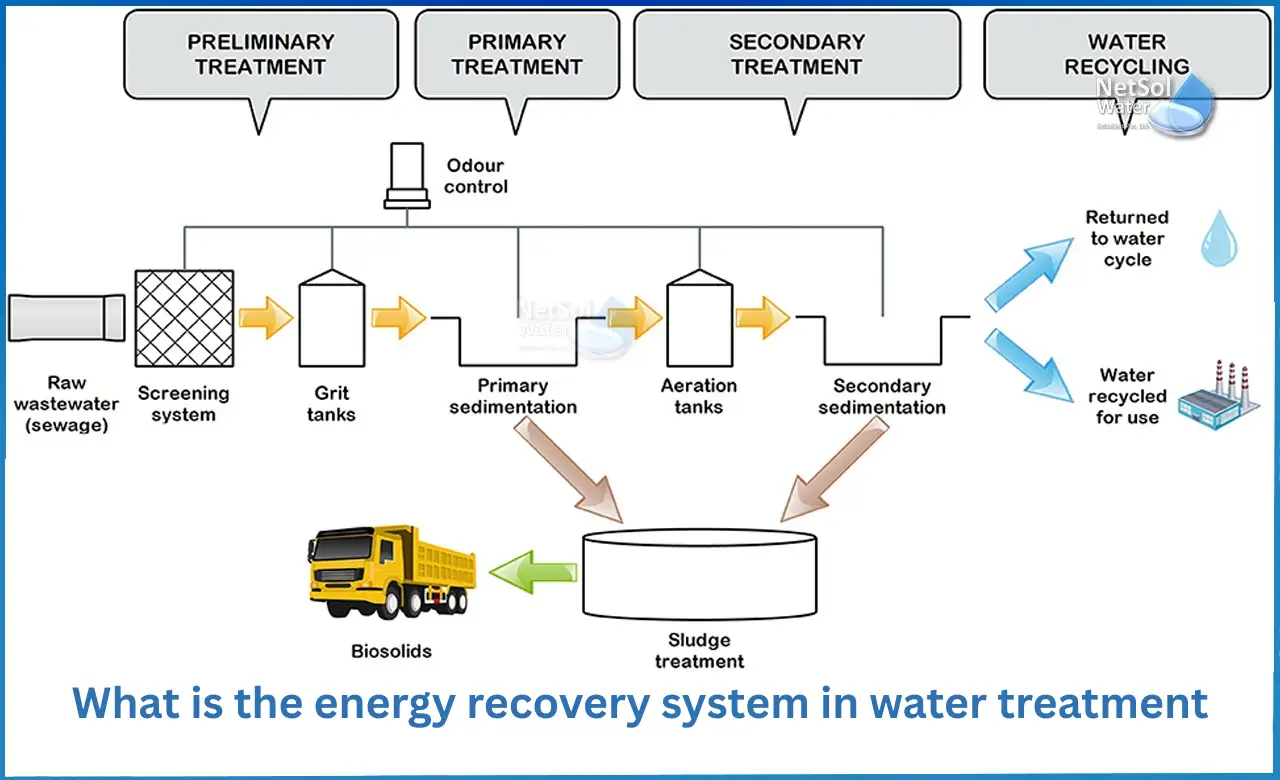
1. Primary and Secondary Treatment

Primary and secondary treatment handles solids and organic matter in wastewater. In primary treatment the plant removes large solids and suspended matter by settling. This step reduces the load for biological systems that follow. In secondary treatment microbes break down organic matter that causes pollution. Systems such as activated sludge and biofilm reactors encourage helpful microbes to eat the organic load.

2. Tertiary Treatment and Reuse

Filtration and advanced treatment steps remove fine solids and some chemicals. Nutrient removal cuts nitrogen and phosphorus to prevent algae growth in lakes and rivers. Disinfection removes pathogens so treated water can return to nature or be served for irrigation or industry. Many plants also use recovery steps to reclaim water for reuse. Reuse eases pressure on freshwater sources and helps areas with low rainfall.

3. Sludge Treatment and Resource Recovery

Sludge treatment handles the solids that the plant removes. Plants thicken and dewater sludge to reduce its volume. They may also digest sludge to shrink it and to make biogas. Biogas can generate heat or electricity for the plant. Some plants turn treated sludge into compost for land use. Proper sludge work lowers costs and reduces the risks of harmful disposal. Resource recovery turns a waste problem into useful outputs such as energy and soil products.

Comparison and Choice

Choosing between systems or choosing the right design depends on the water source and on the goals of the community. Drinking Water Treatment Plants focus on safety and taste. Wastewater Treatment Plants focus on removing pollution and on recovering water and energy. Both types use instruments and controls to keep operations steady. Engineers design plants to fit the space, the budget, and the local rules. Good design also plans for future growth and for easier maintenance.

Read some interesting information for the Industrial RO Plant Manufacturer in Faridabad

Conclusion

Water treatment protects health the environment and the economy. Well designed Wastewater Treatment Plants reduce pollution and support reuse and recovery. Good drinking water systems ensure safe water at every tap. Netsol Water is the leading provider for water and wastewater solutions. If you need more details on a Wastewater Treatment Plant or if you want a site review or a consultation contact us today.

Contact Netsol Water at:

Phone: +91-9650608473

Email: enquiry@netsolwater.com

What-are-the-two-major-types-of-wastewater.webp

March 24, 2026by Netsol Water

What Are the Two Major Types of Wastewater?

Wastewater carries the waste of our daily life and industry. Understanding its kinds helps cities and industries plan how to clean and reuse water. Many urban areas are known for dense housing and growing factories. These places need strong plants to handle wastewater and protect health. We are the leading company that builds solutions for these needs.

1. Sewage (Domestic Wastewater)

Sewage, or domestic wastewater, comes from homes and public buildings. It carries food waste, body waste, and used water from baths and washing. Treating this water keeps people healthy. It also protects rivers and groundwater from pollution. Cities plan systems that collect this wastewater and move it to a plant where microbes and filters remove most pollution. Let us have a look at some of the common forms of domestic wastewater and how they differ.

A. Blackwater

Blackwater comes from toilets and some kitchen drains. It holds solid waste, food scraps, and disease-causing germs. This mix needs careful handling. Treatment begins with removal of large solids. Then biological processes break down organic matter. Sludge that forms must be treated or safely disposed of. A Wastewater Treatment Plant uses tanks that separate solids from liquid. It then uses bacteria to convert harmful matter into safer substances. This process reduces disease risk and lowers the load on rivers. Properly treated blackwater can become safe for irrigation or industrial use. Cities must keep blackwater away from drinking water sources.

B. Greywater

Greywater comes from showers, sinks, and washing machines. It has fewer solids than blackwater. It carries soap, oils, and small food particles. Treatment for greywater can be simpler. It often needs screens, settling, and biological filters. Homes can recycle greywater for garden use after simple treatment. This reuse lowers fresh water demand. A well-designed Wastewater Treatment Plant can separate greywater at source. Then the plant can treat it with less energy than blackwater. This approach reduces overall cost for water and makes systems more flexible.

C. Yellow Water

Yellow water means urine that is collected separately. It lacks the solids found in blackwater. This makes it easier to treat and recover nutrients. Many systems now test separate collection to recover nitrogen and phosphorus. These nutrients can support agriculture. Treating yellow water uses simpler filters and disinfection. It reduces the volume of waste that must go through heavy treatment. When cities adopt urine separation, they cut costs for the main treatment plant. They also make nutrient recovery a real option.

2. Non-Sewage (Industrial and Stormwater)

Non-sewage wastewater does not come from normal home use. It comes from factories and from rain that runs over streets and roofs. These waters vary a lot in what they carry. Some industrial streams contain oils, heavy metals, or toxic chemicals. Stormwater brings dirt, road salt, and garden chemicals. A single Wastewater Treatment Plant cannot solve all these problems the same way. Let us have a look at some common non-sewage sources and how they shape treatment choices.

A. Industrial Wastewater

Industrial wastewater comes from manufacturing and chemical processes. Each factory creates a unique mix of pollutants. Some industries add heavy metals or strong acids and bases. These wastes need targeted removal steps. Treatment often starts with neutralization and separation of oils and heavy particles. Then chemical or advanced physical methods remove specific contaminants. Biological treatment alone may not work. A modern wastewater treatment plant for industry includes many units. These units treat distinct streams before they join other flows. Proper pre-treatment protects the main plant. It also helps companies meet legal limits for discharge.

B. Stormwater Runoff

Stormwater runoff flows over land after rain or snowmelt. It picks up debris, oils, and fertilizer from fields and streets. In some places, the city uses a combined system that carries both stormwater and sewage together. That increases flow in wet weather and can overload treatment plants. Cities often use separate systems to keep stormwater out of sewage lines. Stormwater needs screening, settling, and sometimes pollutant traps. It also benefits from green solutions. Filters, swales, and small wetlands slow the flow and remove contaminants before water enters rivers. Handling stormwater well reduces flooding and improves water quality.

Read some interesting information for the Effluent Treatment Plant Manufacturer in Faridabad

Conclusion

Choosing the right plant depends on the kind of wastewater a place produces. Designing treatment steps for blackwater, greywater, yellow water, industrial waste, and stormwater helps protect health and save water. A well-planned Wastewater Treatment Plant handles each stream in the proper way. Netsol Water is the leading partner for building such plants. If you want to learn how a plant can fit your city, factory, or community, contact us. Ask for a consultation to explore options and get a site-level plan.

Contact Netsol Water at:

Phone: +91-9650608473

Email: enquiry@netsolwater.com