Wastewater - Page 10 of 11 - Sewage Treatment Plant Manufacturers

RO-Plant-Maintenance-Checklist-Essential-Tasks-for-Longevity.webp

October 2, 2025by Netsol Water

RO Plant Maintenance Checklist: Essential Tasks for Longevity

India has many places that face water stress and varied water quality. Cities and villages need clean water every day and they need plants that last. Netsol Water is the leading RO Plant Manufacturer and we design plants that work well in many climates and for different water sources. We will explain the basic checks and care routines for daily, weekly, monthly and yearly needs.

Daily and Weekly Maintenance Tasks

Maintenance at short intervals keeps small problems from growing into major faults. Regular checks help operators spot changes in pressure flow and water taste. Let us have a look on some daily and weekly tasks that matter. These tasks start with visual checks and move to simple testing.

Membrane Care

Membranes form the heart of any RO plant. Operators must monitor permeate flow and reject rate each day. If flow falls or salt passage rises the membrane needs attention. Clean the membrane when signs of fouling appear. Use cleaning chemicals that the membrane maker approves. Follow the chemical dosing instructions and flush the system well after cleaning. Proper membrane care extends life and keeps water quality steady.

Pre Filter Checks

Pre filters stop large particles and protect the membrane. Check the pre filters each day for pressure drop. Replace cartridges when the pressure rises beyond the normal range. Inspect housings for leaks and seals that show wear.

Sanitization and Minor Repairs

Sanitize the system weekly if the plant serves potable water. Use safe sanitizing methods and let the system dry well after sanitizing. Tighten loose fittings and replace worn gaskets. Keep a log of repairs and cleaning. A clear log helps track recurring faults and shows when parts fail more often.

Monthly and Annual Maintenance Tasks

Monthly and yearly work keeps the plant in stable long term condition. These tasks need more time and more tools. Let us have a look on some monthly and yearly jobs and how to plan them. Plan these tasks so the plant faces minimal downtime.

Pump and Motor Service

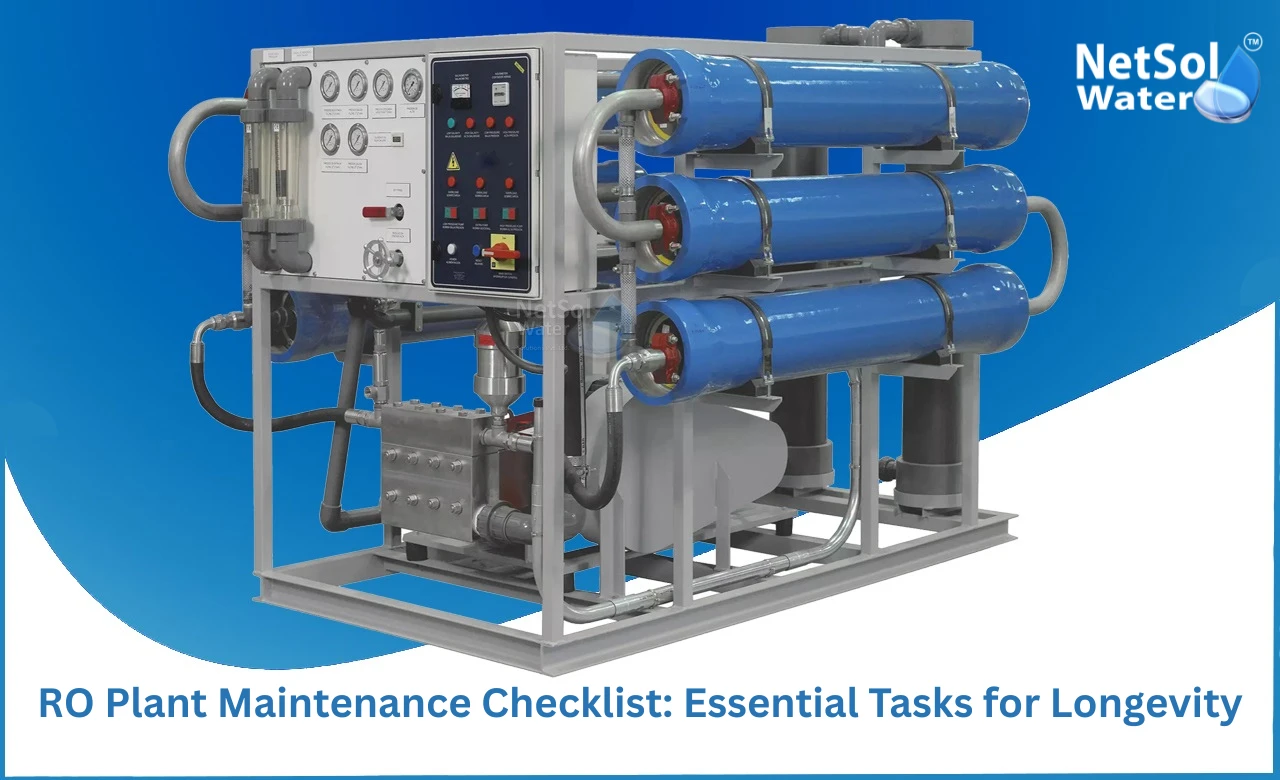
Pumps and motors need inspection and lubrication on a monthly basis. Check motor bearings for noise and heat. Measure current draw to spot abnormal load. Clean cooling fins and ensure electrical connections remain tight. Replace worn belts and check coupling alignment. Yearly service should include bearing checks and motor insulation tests. Well kept motors run longer and use less power.

Chemical Dosing and Water Testing

Check chemical dosing systems every month. Refill chemical tanks and inspect dosing pumps for correct stroke and timing. Test water chemistry monthly to confirm product water meets standards. Test for parameters like TDS conductivity and microbial counts. Keep a record of the results. If tests show drift take corrective action at once. Annual calibration of instruments keeps test results reliable.

Structural and Safety Checks

Inspect tanks valves and piping each month. Look for corrosion leaks and scaling. Service safety devices like pressure relief valves and alarm systems. Test emergency stop functions and interlocks. Annual inspection should include a full survey of the plant foundation and supports. A safe plant protects staff and reduces risk of major failure.

Troubleshooting and Spare Parts Management

Fast diagnosis and ready spare parts reduce downtime and cost. A clear troubleshooting plan helps technicians act fast. Let us have a look on common faults and how to prepare for them. This helps teams restore service with less stress.

Common Faults and Actions

When pressure falls check feed water supply and pre filters first. If product water TDS rises check the membrane and the high pressure pump. Strange noises often point to cavitation or bearing failure. Record symptoms and consult the maintenance log. A step by step approach saves time and often avoids unnecessary part changes.

Spare Parts and Inventory

Keep a stock of critical spares like membranes cartridges seals and dosing pump parts. Track spare use and reorder before stock runs out. A good inventory plan includes estimated lead times and preferred vendors. Train staff to swap parts and to test the system right after replacement. A ready spare stock reduces emergency procurement and speeds repairs.

Read some interesting information for Commercial RO Plant Manufacturer in Noida

Conclusion

A clear maintenance plan keeps an RO plant efficient and reliable. Regular daily checks and planned monthly and annual work protect system components and ensure steady water quality. Netsol Water is the leading Reverse Osmosis Plant Manufacturer and we can help you set up a maintenance schedule and supply genuine parts. Contact us for more information or to request a consultation. We will guide you to keep your plant running well.

Contact Netsol Water at:

Phone: +91-9650608473

Email: enquiry@netsolwater.com

Troubleshooting-Low-Water-Pressure-in-Your-RO-System.webp

October 2, 2025by Netsol Water

Troubleshooting Low Water Pressure in Your RO System

RO plants supply clean water for homes, industry and farming. Netsol Water is the leading RO Water Plant Manufacturer and it helps many sites get steady flow and pure water. A plant that makes safe water is famous for constant delivery and long term use. This makes pressure a key part of plant health. Low water pressure can reduce output shorten membrane life and increase cost. Plant managers must find the cause fast and fix it in a clear way.

Common Causes of Low Water Pressure

Low pressure reduces production and it stresses pumps and membranes. Fixing the right cause saves time and money. Let us have a look on some issues that commonly reduce pressure and how to spot them.

Clogged Pre Filters

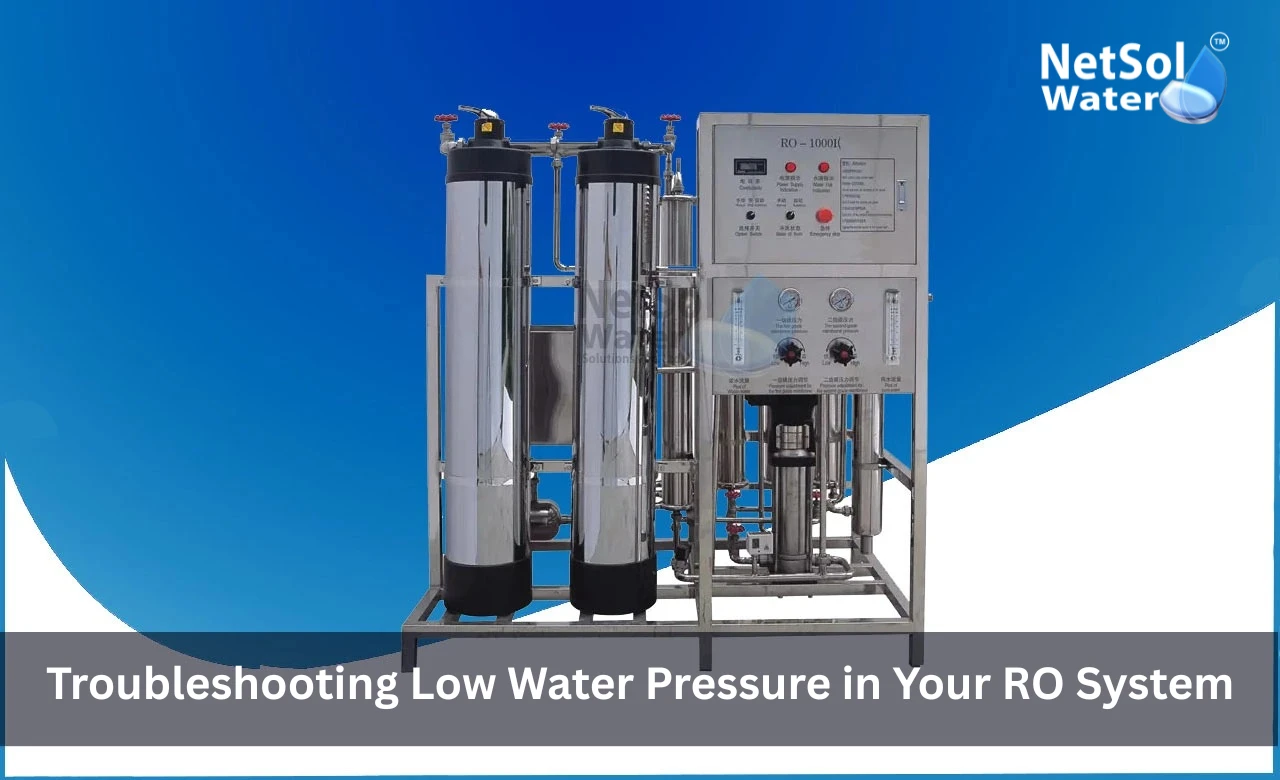
Clogged pre filters reduce feed flow into the RO plant. A filter that blocks water makes the pump work harder and the plant give less output. A technician must inspect the pre filters early. Remove the filter housings and check sediment levels. A filter that looks dirty or that resists flow needs replacement. Change filters based on measured pressure drop across them. If you do not replace clogged filters the pump may run under strain and membranes may face uneven feed. Replace filters with correct grade for your feed water. Use the recommended Micron rating for your system. Clean housing seats before fitment. After replacement run the pump and watch the inlet and outlet pressure. A steady rise shows flow is restored. If pressure does not improve then look further along the feed train because clogged filters are not always the only cause.

Membrane Fouling and Scaling

Membrane fouling blocks the small pores that let pure water pass. Scaling forms hard layers on the membrane surface and this reduces permeate flow. Check membrane differential pressure by measuring feed and concentrate pressures. A rise in differential pressure points to fouling. Remove one membrane element and inspect it visually. Brown or slimy layers show organic fouling. White hard crust shows scaling. Clean or replace membranes as per the manufacturer instructions. Use chemical cleaning agents that match the foulant type. After cleaning test flow and salt rejection. If the flow returns to normal, you have found the cause. If not then the issue may be upstream or with the pump. Monitor permeate flow in liters per hour and compare with rated values. This check helps you decide if cleaning will work or if replacement is needed.

Troubleshooting Steps and Tools

A structured approach keeps work efficient and it avoids unnecessary replacements. Let us have a look on some steps and the instruments that give reliable readings.

Pressure Gauge Checks

Pressure gauges tell you what is happening at each stage of the RO system. Install gauges at the pump inlet, at the pump outlet, at the membrane feed, and at the concentrate line. Start by reading the pump inlet gauge. A low inlet pressure points to feed supply problems. Next read the pump outlet gauge. If the outlet is low but the inlet is normal the pump may be failing. Compare membrane feed and concentrate pressures. A large drop across the membrane string shows fouling or blockage. Calibrate gauges regularly and keep spare gauges on site. Use quick coupling points to allow fast gauge checks without stopping the system. Record readings after any maintenance so you can see trends. This method makes it fast to separate pump issues from membrane or feed problems.

Flow Meter and Pump Inspection

A flow meter gives real time output data. Check permeate flow against the system design numbers. A drop in flow confirms low pressure. Inspect pump seals bearings and impeller. Worn seals let air enter the pump and this reduces pressure. Check pump speed and voltage. A drop in motor input or a worn V belt will lower pump output. Clear any air pockets by venting the pump and the piping. Tighten loose couplings and replace worn parts. After pump work run the system and compare the flow meter reading with the expected value. Keep a log of performance after each repair to confirm stability.

Preventive Maintenance and Best Practices

Preventive steps stop small faults from becoming major breakdowns. Let us have a look on some practices that always improve pressure stability and plant life.

Scheduled Filter Replacement

A planned filter change keeps feed flow steady. Set filter change intervals using measured pressure drop and not a fixed date alone. Measure the differential across each filter and replace when the drop exceeds the safe limit. Keep a stock of correct filter sizes and types. Use the same quality parts each time to maintain consistent flow. Document each change and record inlet and outlet pressures. This record helps you predict future changes and it reduces unplanned downtime. When technicians follow the schedule the system keeps better pressure and output.

Water Quality Monitoring

Feed water quality affects how fast membranes foul and how often you must clean them. Regular testing for turbidity, hardness, and iron helps you adjust pre-treatment steps. If hardness rises you need stronger antiscalant dosing or an additional softening stage. If turbidity increases add a deeper sediment stage. Monitor these parameters and log results in a simple chart. Use these trends to update the maintenance plan and to avoid sudden pressure drops. Good monitoring gives you time to act before flow falls.

Read some interesting information for Commercial RO Plant Manufacturer in Noida

Conclusion

Proper troubleshooting gives steady pressure and longer membrane life. Netsol Water is the leading RO Water Plant Manufacturer and we help many operators fix pressure issues fast. If you want support with checks, cleaning or a maintenance plan contact Netsol Water for a consultation. Our team can guide you step by step and help you restore steady flow and reliable output. Get in touch to learn more or to request a site review from a trusted Reverse Osmosis Plant Manufacturer.

Contact Netsol Water at:

Phone: +91-9650608473

Email: enquiry@netsolwater.com

How-much-does-it-cost-to-install-a-water-treatment-plant.webp

September 30, 2025by Netsol Water

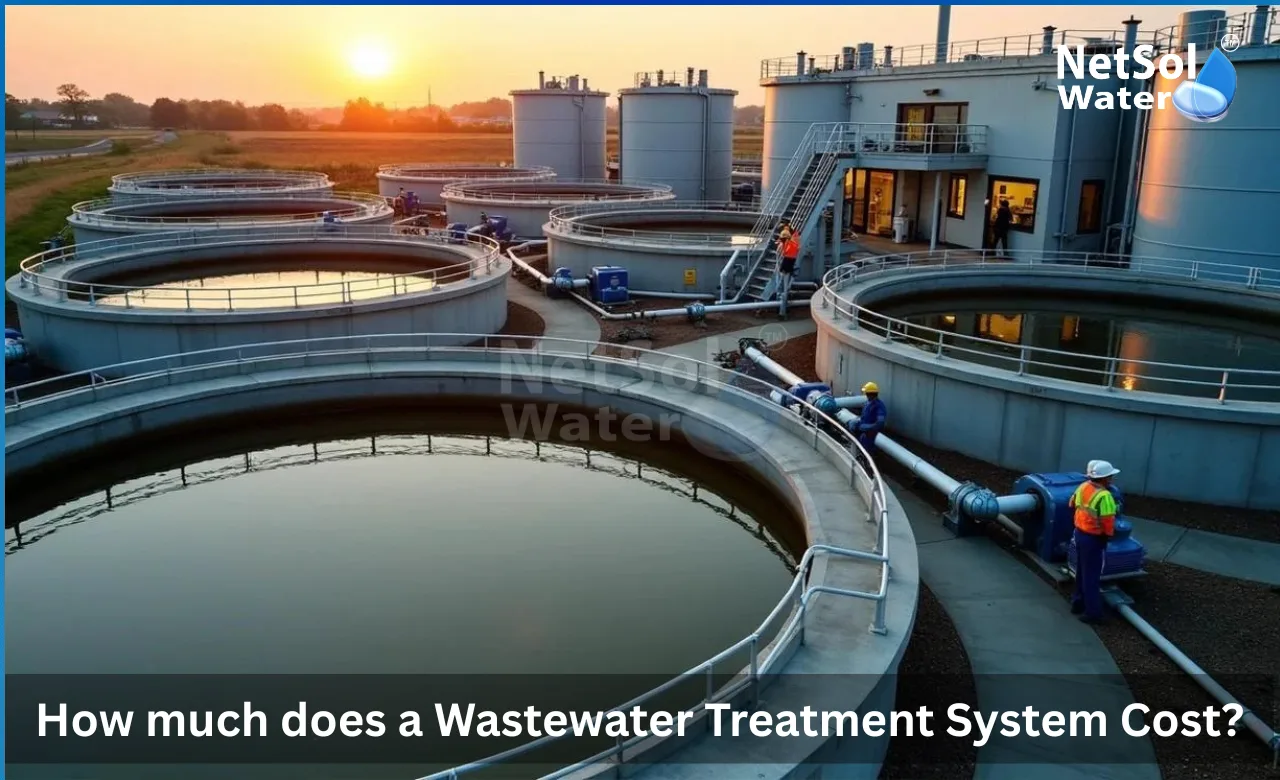
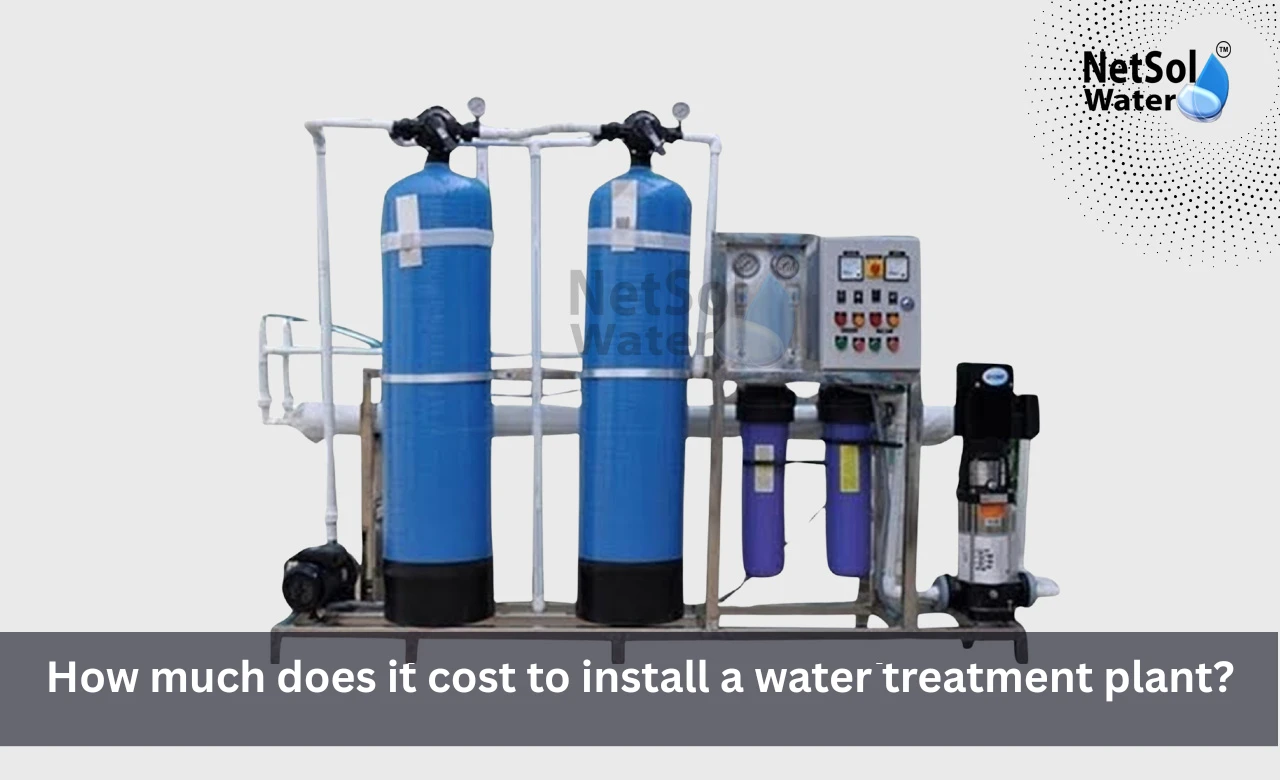
How much does it cost to install a water treatment plant?

Installing a Water Treatment Plant matters for any business or community that needs safe water. In India cities and towns grow fast and industries use more water than before. This rise makes treatment plants more important than ever. Netsol Water is the leading Water Treatment Plant Manufacturer and we design plants that fit many needs.

Cost depends on many things. Some factors you can control and some you cannot. The size of the plant matters. The quality of the raw water matters. The technology you choose matters. Your site and local rules matter. Each of these parts adds to the total price.

Key factors that affect the cost

When you plan a Water Treatment Plant you must first know which items drive cost. Understanding these items helps you make trade offs. Let us have a look on some of the main cost drivers.

Capacity and size

Capacity drives most of the price. A small unit for a building costs far less than a plant for a factory or a town. You pay for tanks pumps and filters that match the required flow. Larger plants need stronger foundations more complex piping and more control systems. This adds cost in materials and labor. You should size the plant with some margin. If you choose too small a system you may need costly upgrades later. If you choose a system with a clear growth path you save money over time.

Technology and components

The treatment steps you choose affect cost strongly. Basic filtration and disinfection cost less. Reverse osmosis and advanced membrane systems cost more. Chemical dosing and automation add to the budget. Higher quality components last longer and reduce maintenance cost. You will pay more up front for good pumps valves and control panels but you will face fewer breakdowns later. Think about life cycle cost and not only initial price.

Raw water quality and pre treatment

Poor source water raises cost. Water with high solids or heavy contaminants needs extra pre treatment. That can mean sand filters media filters or special chemical dosing systems. Groundwater and surface water have different needs. Testing the source water early helps you choose the right steps. Early testing saves money by avoiding over design and by targeting the exact problems that need fixing.

Site work and local rules

Site preparation and civil work matter. If the place needs heavy foundation work or remote access you will pay more for transport and labour. Local permits and inspections can add fees and time. Some areas require treated water standards that demand extra steps. Factor in these costs when you make a budget.

Cost ranges by plant type

Choosing the plant type tells you the broad price band for a Water Treatment Plant. Let us have a look on some common types and what budgets they usually need. Then we will examine installation and running cost so you can plan total spending.

Small commercial systems

Small systems for offices shops or small hotels focus on safe water for drinking and general use. These plants often use simple filtration followed by disinfection or a small RO unit. The price stays moderate because parts and civil work are small. You will pay for a good quality RO unit for consistent taste and safety. Maintenance remains a regular item to keep filters and membranes working well.

Medium industrial plants

Medium scale plants for factories or housing complexes need higher flow and better control. These sites need robust pumps larger tanks and automated controls. The technology may include media filters softeners and RO or membrane bioreactors. Costs rise because of the scale and the need for reliable continuous operation. You should plan for spare parts and skilled operation staff.

Large municipal plants

Large municipal plants serve whole towns or big industrial zones. They need many treatment stages and often advanced biological or membrane steps. These plants require large civil works electrical systems and long term operation teams. The initial cost is high but the cost per unit of treated water tends to be lower as scale goes up. Funding and long term planning are key for such projects.

Read some interesting information for Commercial RO Plant Manufacturer in Noida

Conclusion

A clear budget starts with a good plan. Netsol Water is the leading Water Treatment Plant Manufacturer and we can help you with testing design and a clear price estimate. If you want a reliable cost guide or a consultation reach out to Netsol Water today. We can visit your site test the water and give a detailed quote that fits your needs.

Contact Netsol Water at:

Phone: +91-9650608473

Email: enquiry@netsolwater.com

The-Role-of-RO-in-Pharmaceutical-Food-Production.webp

September 18, 2025by Netsol Water

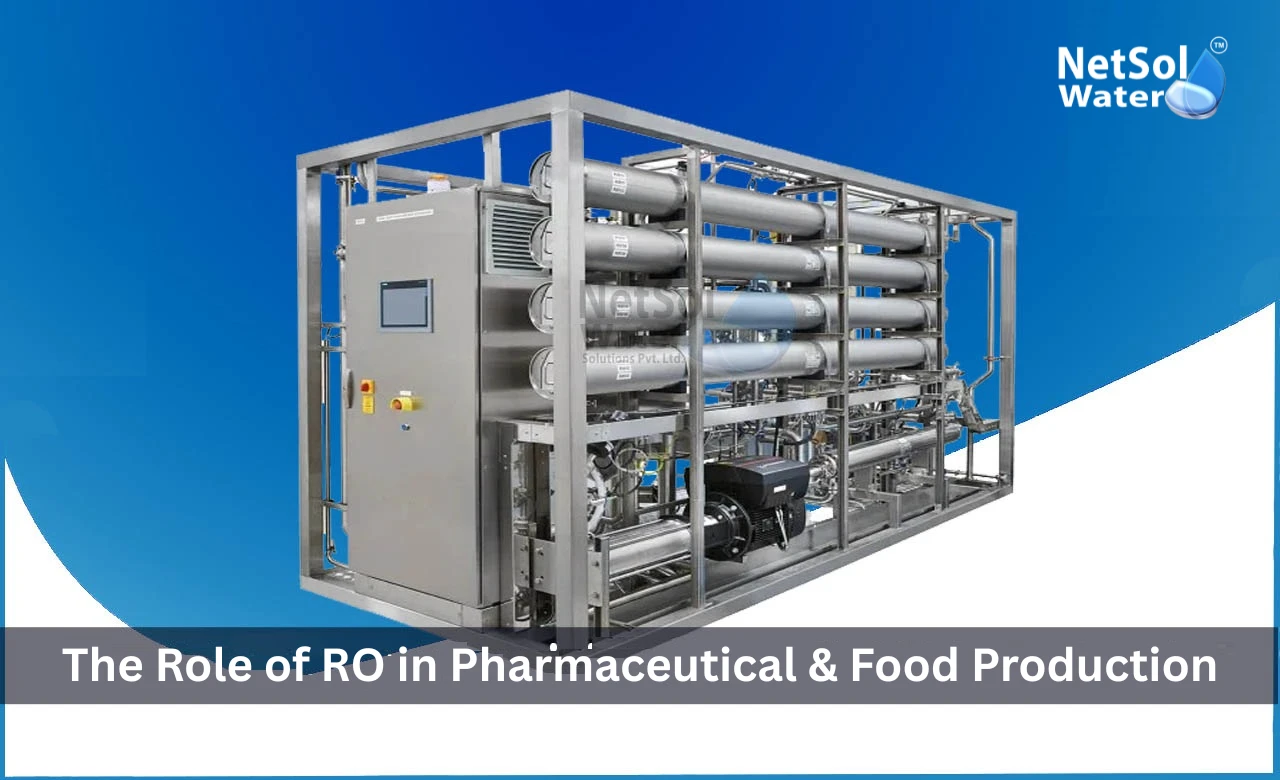
The Role of RO in Pharmaceutical & Food Production

RO plays a key role in modern drug making and food making. High quality water shapes product quality, safety and trust. Many factories choose RO plants that remove salts, particles and microbes. Netsol Water is the leading RO Plant Manufacturer and many firms work with them to meet strict needs. We will explore how RO fits into both pharma and food production.

Water Purity in Pharma and Food

Water purity matters for both drug making and food making. Clean water protects patients and consumers. It also supports precise processes and predictable outcomes. Let us have a look on some major areas where purity makes a clear difference.

Pharmaceutical Uses

Drug makers use water in many steps that include making formulations and cleaning tools. Water with contaminants can change how a drug works or can harm a patient. Manufacturers require water that meets strict tests. RO removes dissolved salts and small particles. RO pairs well with other steps like sterilization and final filtration to meet the standards. Many plants monitor water quality every day to catch changes early. Good monitoring keeps batch results steady and reduces rejects.

RO plants also help labs run tests that need consistent water quality. When labs test active ingredients impurities in water can create wrong results. RO gives labs water that keeps tests valid. This step supports better research quicker troubleshooting and safer final products. Operators train staff to follow cleaning plans and to check sensors. This reduces the chance of contamination and supports a smooth production line.

Food Production Uses

Food makers use water when they wash ingredients, mix recipes, and run heat processes. Water that carries salts or microbes can change taste, texture, and shelf life. RO helps by giving water that stays the same day after day. Plants that make bottled drinks, dairy, and sauces use RO to protect flavour and to meet safety checks.

RO also helps in processes that heat or cool food. Scale from hard water can clog pipes and reduce machine life. Removing those minerals stops costly breakdowns and keeps machines running well. Food teams watch water quality and clean equipment on a regular plan. This practice keeps food safe and helps brands keep customer trust.

RO Technology and Industry Benefits

Understanding how RO works helps teams choose the right plant. RO plant moves water through a membrane that blocks dissolved salts particles and some microbes. That step makes water pure and predictable. Let us have a look on some technical and business benefits.

Process Control and Compliance

RO plants fit into control plans that include testing, cleaning and record keeping. Regulators expect logs tests and proof that water stays within set limits. RO makes it easier to meet those limits most of the time. When a plant links RO to sensors and alarms staff can see changes fast. They can then act before a batch leaves the plant.

This control also helps during audits. Inspectors want to see traceable records and clear ways to fix problems. RO plants that log data and keep alarms help teams show proof of control. This reduces audit stress and helps plants keep approvals that allow them to sell drugs and food.

Cost Efficiency and Sustainability

RO helps plants save money over time by lowering waste and by cutting repairs. Pure water stops scale and corrosion which extends machine life and reduces downtime. Plants spend less on chemical cleaning when RO removes the main cause of scale.

RO plants can also fit into green plans. When plants reduce waste and use energy smartly they lower their overall footprint. Teams may pair RO with recovery and reuse steps to cut fresh water need. This approach supports better long term cost control and helps companies meet public expectations on resource use.

Read some interesting information for Commercial RO Plant Manufacturer

Conclusion

Clean water underpins safe drugs and safe food. RO plants give predictable water that helps teams meet rules keep machines running and protect customers. Netsol Water is the leading Reverse Osmosis Plant Manufacturer and can help design, install, and support systems that match industry needs. If you want to improve water quality or review an existing system, contact an RO Plant Manufacturer for a consultation and for clear next steps.

Contact Netsol Water at:

Phone: +91-9650608473

Email: enquiry@netsolwater.com


Add-a-subheading-1-1-4.webp

September 6, 2025by Netsol Water

Is RO Water Safe for Daily Drinking? Myths vs. Facts

We will explore if water from an RO unit is safe for daily drinking. Netsol Water is the leading RO Plant Manufacturer. The company serves homes and businesses in India and in many nearby regions where people face hard water and mixed water quality. People use RO to remove salts and other unwanted parts from their water.

Health and Mineral Concerns

Many people worry that RO water lacks minerals. That worry can shape what people drink and how they treat their water. Let us have a look at some ways to see the facts and to decide what you should do for your health.

Mineral removal and nutrition

RO removes dissolved salts and minerals from water. This action helps lower hardness and it reduces the amount of sodium and other ions. Some minerals like calcium and magnesium lower in RO water. People worry that this change may affect daily mineral intake. Most nutrition experts say that drinking water adds only a small share of daily minerals. Most minerals come from food and not from water.

Potential contaminants and system effectiveness

Let us have a look at some facts about contaminants and filter performance. RO plants (Reverse osmosis plants) remove many kinds of contaminants such as dissolved salts, metals, and many chemical residues. They also reduce down microbes when used with proper membranes and with extra stages such as UV or ultrafiltration. No system removes everything all the time. The system will not work well if filters are old or if maintenance lags. Also some very small organic chemicals may pass through in tiny amounts. The key fact is that a well designed RO unit gives very high purity for drinking water. Combining RO with a UV lamp and a carbon filter gives a broad shield against both chemical and biological risks. Netsol Water is the leading RO Water Manufacturer and they offer units with clear performance specs and easy service plans. That makes it easier for users to keep their water safe each day.


Maintenance Safety and Best Practices

Let us have a look at some rules and practices that keep RO water safe over time.

Proper maintenance and filter changes

Good maintenance keeps the membrane and filters working well. Let us have a look at the key steps that users must follow. Clean or replace the RO membrane according to use and test results. Use only approved replacement parts and certified service. Flush the system after long idle periods. Check the storage tank pressure once in a while. Replace the post mineral or carbon filter on schedule if your unit has one. If you notice taste or smell changes test the water and service the unit. Poor maintenance can bring back contaminants or allow microbes to grow in the tank.

Storage and re mineralization

Let us have a look at how to store and how to restore a good mineral balance. Use a clean sealed tank for storage and avoid direct sunlight on the tank. Draw water often so the stored water does not sit for weeks. If you prefer a mild taste choose a unit with a remineralizer. That stage adds small amounts of calcium and magnesium back into your water. The remineralizer can also raise the pH a little and make the water taste pleasant. For people who want soft pure water without added minerals the plain RO output will work fine. For people who want balanced taste and some minerals the post mineral step gives both safety and ease of use. Test water once in a while to confirm the levels and change the post filters as needed.


Read some interesting information for Commercial RO Plant Manufacturer


Conclusion

RO plants give strong removal of salts metals and many contaminants when you keep them in good shape. Netsol Water is the leading RO Water Manufacturer and they design plants that meet common needs and that support regular service. If you want safe daily drinking water choose a unit that fits your water source ask about post mineral options and follow the maintenance plan. Contact Netsol Water for more details or request a consultation to find the right RO Water Manufacturer solution.

Contact Netsol Water at:

Phone: +91-9650608473

Email: enquiry@netsolwater.com



Gurgaons-Most-Trusted-Effluent-Treatment-Plant-Manufacturer.png

May 14, 2025by Netsol Water

Gurgaon’s Most Trusted Effluent Treatment Plant Manufacturer

Companies in Gurgaon face growing pressure to manage wastewater in a cleaner and greener way. An efficient Effluent Treatment Plant Manufacturer in Gurgaon can help industries meet strict norms and protect local water bodies. Netsol Water emerged as the leading Effluent Treatment Plant Manufacturer due to focused design and reliable service. We will explore why industries choose Netsol Water and how its plants deliver clean water back into the environment. We will cover key components offered by Netsol Water and the industries that benefit most.

Why Choose Netsol Water as Your Effluent Treatment Plant Manufacturer in Gurgaon

Effectively managing industrial wastewater requires a partner who has local expertise with strong engineering skills. Netsol Water fills this need by offering personalized solutions in Gurgaon. Let us have a look at what sets this manufacturer apart.

Deep Local Expertise

Netsol Water began work in Gurgaon and learned the demands of local firms. They know rules laid out by authorities and shapes each design to meet them. This local edge means faster approvals and smoother start up.

Customized Plant Design

Every industry discharges waste in different ways. Netsol Water studies each client’s process to design a plant that fits just right. Engineers visit the site to sample water and note flow rates. They then model a solution that handles pollution load without waste or overcapacity.

Strong After-Sales Care

Installing a plant marks only the start of a long partnership. Netsol Water sends trained technicians on a regular basis to service pumps and check sensors. This hands-on support ensures your plant runs day in and day out.

Netsol Water earned its reputation by local know-how with custom engineering and caring support. These strengths make it the go-to Effluent Treatment Plant Manufacturer in Gurgaon.

Key Components of Our Effluent Treatment Plants

A complete treatment plant contains several linked units that remove solids and break down pollutants. Let us have a look at some main components used by Netsol Water.

Primary Treatment Unit

The first step in any plant removes large particles from water. Netsol Water uses a grit chamber and a primary clarifier to trap sand and settleable solids. The chamber slows flow so heavy grit falls out and collects in a hopper. This primary layer clears water of about thirty percent of solids before it moves on.

Secondary Treatment Unit

After coarse removal the water moves into a biological tank. Netsol Water fits these tanks with aerators and biofilm media. Beneficial bacteria attach to the media and feed on organic pollutants. The aerators pump air into the mix to keep those microbes alive and active. This secondary stage can remove up to ninety percent of biochemical oxygen demand and suspended matter.

Each component pairs with durable pumps valves and sensors that guarantee steady flow and simple control. The primary and secondary units delivers water that meets local discharge standards.

Our Treatment Process

Netsol Water follows a step-by-step path from study to startup. Let us have a look at each stage.

Site Survey and Feasibility

Engineers visit the client site to take samples and record flow data. They inspect available land and review utilities such as power and drainage. This survey confirms the right capacity and layout.

Detailed Engineering and Approvals

After survey work the team drafts process flow charts and drawings. These master plans show every tank pump and valve in the system. Netsol Water then handles local paperwork to win BGPCB or HSPCB approvals for effluent handling.

Fabrication and Assembly

With designs cleared the firm’s workshop builds tanks and frames from corrosion-resistant steel. Pipes and fittings meet Indian standards to prevent leaks. Skilled welders and fitters assemble modules that slip together on site.

Installation and Commissioning

Netsol Water ships modules to Gurgaon where technicians bolt them into place. They wire instruments and connect pipes. After a dry-run check the team pours water through each stage to test alarms pumps and valves. This final check makes sure your plant runs smoothly from the first drop of effluent.

By following this clear process Netsol Water stays on schedule and on budget. You get an Effluent Treatment Plant Manufacturer in Gurgaon who works with precision from start to finish.

Conclusion

You deserve an Effluent Treatment Plant Manufacturer in Gurgaon who knows local rules and meets your unique needs with skill. Netsol Water brings deep expertise and a clear process to every project. Reach out today to discuss your wastewater challenge or to request a consultation. Let us show you how a well-built plant can protect your operations and your community.

Phone: +91-965-060-8473

Email: enquiry@netsolwater.com

Sustainable-Commercial-Water-Treatment-–-Delhi-RO-Experts.webp

May 5, 2025by Netsol Water

Sustainable Commercial Water Treatment – Delhi RO Experts

Businesses need clean water for processes, products and people. They look for reliable solutions to save costs. Commercial RO Plants meet this need. Netsol Water is the leading Commercial RO Plant Manufacturer in Delhi. They bring eco‐friendly methods to treat water on a large scale. They help enterprises run smoothly while caring for the environment. We will explore how sustainable water treatment works.

Sustainable Commercial Water Treatment

Sustainable water treatment lowers energy use and reduces waste. It cuts chemical use and recovers resources. For businesses, this means lower bills and a smaller environmental footprint. Let us have a look on some key aspects of sustainable treatment.

Designing Energy-Efficient Water Treatment Plants

Energy drives every stage of water treatment. Pumps, filters and membranes all need power. Reducing that need saves money and cuts carbon output. Netsol Water uses motors that adjust speed to flow demand. This avoids waste when water use dips. They choose membranes with low pressure needs. These steps form a plant that works smart. It draws only the power it requires. As a result businesses see lower energy bills.

Recovering and Reusing Water and By-Products

Treating water creates brine and sludge. Netsol Water fits units that separate solids for safe use as soil additive. They install brine concentrators that cut discharge volume. They return clean reject water back into the process for non‐potable uses. This cycle slashes fresh water intake. Companies in Delhi can thus turn waste into resource.

Selecting Durable, Low-Maintenance Materials

Plants often sit idle when parts fail or need cleaning. Choosing durable materials cuts downtime. Netsol Water picks corrosion-resistant alloys and robust polymer liners. They fit self-cleaning filters to reduce manual work. This focus on maintenance means smoother operation. It drives steady production without abrupt stops for repair.

Optimizing Chemical Use in Treatment

Chemicals help remove particles and kill microbes. But excess chemicals harm ecosystems and raise cost. Sustainable treatment aims to minimize their use. Netsol Water use online sensors to track water quality and adjust dosing. This careful control keeps treated water safe. It also avoids chemical overuse, thus making Netsol Water a Leading Commercial RO Plant Manufacturer in Delhi.


Advanced Membrane Technologies for Better Performance

Membranes form the heart of commercial RO Plants. Let us have a look on some Advanced Membrane Technologies for Better Performance.

Thin-Film Composite Membranes

These membranes mix a thin selective layer with a sturdy support layer. They let water pass easily while blocking salts and contaminants. Their high permeability cuts pressure needs. This lowers energy use. They resist fouling better than older designs. In practice they extend run times between cleaning cycles. They help plants operate with consistent output and lower maintenance demands.

Antifouling Coated Membranes

Fouling slows plants and forces shutdowns for cleaning. New coatings repel organic matter and microbes. These membranes maintain high flux for longer stretches. They cut cleaning frequency and chemical use. They boost overall plant uptime. For Delhi firms, this means reliable water supply without surprise dips in quality or flow.

Nanostructured Membranes

Membranes built with nanomaterials offer precise pore control. They remove even tiny pathogens and micropollutants. They work at moderate pressures. They deliver very high rejection rates. Using them in key stages ensures the final water meets strict standards. They also stand up to harsh feed water without rapid degradation.

Integration of Renewable Energy Sources

Linking water treatment to renewables adds sustainable value. Let us have a look on how solar and wind can power RO plants.

Solar-Powered Treatment Units

Netsol Water fits solar panels to drive pumps and controls. During peak sun, plants run solely on solar power. They store surplus energy in batteries for night and cloudy days. This cuts grid dependence. It shields businesses from rising electricity rates. It also lowers carbon footprint.

Wind-Assisted Systems

In areas with steady wind, small turbines can supplement energy needs. Netsol Water integrates wind and solar data into the plant control system. It shifts loads to the cheapest available source in real time. This hybrid approach ensures continuous, low-cost power.

Conclusion

Sustainable Commercial Water Treatment brings real benefits. It cuts energy use, recovers resources, reduces chemicals and boosts reliability. Netsol Water stands out as the leading Commercial RO Plant Manufacturer in Delhi. They modify plants that meet business needs while caring for the planet. To explore how these solutions can work for your enterprise, reach out today for more information or to request a consultation. Trust Commercial RO Plant Manufacturer in Delhi experts to deliver water treatment that lasts.

Phone: +91-965-060-8473

Email: enquiry@netsolwater.com

Add-a-subheading-1-1.webp

May 2, 2025by Netsol Water

Zero Liquid Discharge (ZLD) Systems – Gurgaon’s Top ETPs

Gurgaon’s rapid growth brings a growing need to manage industrial wastewater in a way that protects local water bodies. Zero Liquid Discharge systems deliver a path to recycle and reuse every drop of wastewater. Effluent Treatment Plant Manufacturers design these plants to meet strict environmental rules. Netsol Water has earned its place as a leading Effluent Treatment Plant Manufacturer in Gurgaon by offering reliable ZLD solutions that match Gurgaon’s industrial needs. ZLD systems matter because they eliminate any discharge of liquid waste. As industries expand in Gurgaon they must handle rising wastewater volumes.

Zero Liquid Discharge Systems

Importance of ZLD in Industrial Growth

ZLD systems play a key role in supporting Gurgaon’s factories and plants. They ensure no untreated water leaves the site. This protects rivers and groundwater from harmful chemicals. As a result industries can expand without harming the environment. Let us have a look on some core elements of ZLD systems.

Wastewater Collection and Pre-Treatment

ZLD begins with gathering wastewater from production units. Pretreatment removes large solids and oil traces. Screens and grit chambers separate coarse particles. Oil-water separators handle oily effluent. This stage sets the stage for efficient downstream processes. Pretreatment also uses equalization tanks. These tanks balance flow rates and pollutant levels. A steady feed into the main treatment units prevents shocks to membranes and evaporators. Proper pretreatment cuts maintenance needs and prolongs equipment life.

Membrane Filtration

After pretreatment the water moves through membranes. Ultrafiltration and RO membranes block dissolved solids. They yield a clean permeate and a concentrate rich in salts. This concentrate then heads to evaporation units. Membrane filtration offers high removal rates for organic matter and salts. Membranes work under pressure. Operators must control pressure levels to avoid damage. Regular cleaning protocols prevent fouling. A robust membrane plan ensures consistent performance and lowers operating costs.

Evaporation and Crystallization

The concentrated brine from membranes enters evaporators. Here heat drives off water as vapor. Vapor condenses into pure water that returns to plant use. The remaining brine grows even more concentrated until salts crystallize. Crystallizers handle salt recovery. They produce solid salts that industries can sell or dispose of safely. This stage completes the ZLD cycle by leaving zero liquid waste.

How ZLD Protects Water Resources

ZLD prevents pollutants from entering natural water bodies. It turns wastewater into a resource. Recovered water can feed boilers cooling towers or process lines. Solid salts may find use in chemical industries. This circular approach cuts freshwater demand and disposal fees. By adopting ZLD Gurgaon industries show environmental leadership. They secure social license to operate. They also avoid fines linked to wastewater violations.

Key Benefits of ZLD Systems

Water Conservation and Cost Savings

ZLD systems deliver high water recovery. Plants can reuse over 95 percent of their wastewater. This reduces freshwater purchases. It also lowers effluent discharge fees. By reusing water on site companies cut their utility bills. They also reduce dependence on municipal supplies. This proves vital in water-stressed regions like Gurgaon.

Regulatory Compliance and Risk Reduction

Gurgaon industries face strict rules from pollution control boards. ZLD ensures no liquid discharge so plants stay within legal limits. This reduces the risk of fines and shutdowns. It also shields companies from reputational damage tied to environmental incidents.

Resource Recovery

ZLD turns waste into value. Crystallized salts can serve as raw materials. Recovered water feeds cooling systems and boilers. This resource recovery creates new revenue streams. It also aligns with circular economy goals embraced by modern industries.

Operation and Maintenance Practices

Routine Monitoring and Control

ZLD systems need constant supervision. Netsol Water equips plants with online sensors for pH conductivity and flow. Automated control loops adjust pressures and temperatures in real time. This proactive control maintains steady performance.

Scheduled Cleaning and Servicing

Membrane fouling can reduce efficiency. Netsol Water implements cleaning-in-place protocols. Pumps valves and heat exchangers also follow preventive maintenance schedules. Regular servicing avoids unexpected downtime and extends plant life.

Training and Support

A well trained operations team is important. Netsol Water provides on-site training for plant staff. They cover system operation troubleshooting and safety. They also offer remote support via data links. This ensures expert help is always available.

Why Choose Netsol Water as Effluent Treatment Plant Manufacturer in Gurgaon

Let us explore why to choose Netsol Water as Effluent Treatment Plant Manufacturer in Gurgaon.

Proven Track Record

Netsol Water has delivered numerous ZLD projects in North India. Their Gurgaon installations boast over 95 percent water recovery and zero non-compliance events.

Customized Solutions

They customise each design to site needs. Their modular approach speeds up installation and reduces civil work.

Local Service Network

With offices near Gurgaon Netsol Water offers fast response for spare parts and service calls. Their team knows local regulations and climate factors.

Commitment to Innovation

They invest in pilot testing new membrane materials and energy recovery systems. This keeps Gurgaon clients ahead in efficiency and cost savings.

Conclusion

Effective wastewater management shapes Gurgaon’s sustainable growth. Netsol Water stands out as the leading Effluent Treatment Plant Manufacturer in Gurgaon by delivering reliable ZLD solutions that ensure compliance. To explore how a ZLD system can transform your plant reach out to Netsol Water today for a consultation or more information.

Phone: +91-965-060-8473

Email: enquiry@netsolwater.com

Top-Commercial-RO-Plant-Manufacturers-in-Delhi.webp

April 25, 2025by Netsol Water

Top Commercial RO Plant Manufacturers in Delhi

In India’s bustling capital, access to clean water has become a critical need for commercial establishmentshousing societies, and industries. With increasing water contamination and dissolved solids in raw water, businesses are turning to advanced reverse osmosis plants to ensure safe drinking water. We will explor the top commercial RO plant manufacturers in Delhi, highlighting their cutting-edge membrane systemsenergy-efficient designs, and commitment to customer satisfaction. Whether you need high-quality water for beverage productionboiler feed water, or general commercial usage, these manufacturers provide effective water treatment solutions.

Why Choose a Commercial RO Plant in Delhi?

Delhi faces severe water quality challenges due to industrial pollution and depleting fresh water resources. A commercial RO plant offers:

✔ Advanced purification through semi-permeable membranes
✔ Removal of harmful chemicalscolloid solids, and dissolved salts
✔ Modular designs for flexible installation
✔ Low power consumption with high-pressure pumps
✔ Compliance with ISO 9001:2015 standards

These systems are essential for:

  • Hotels & Restaurants – Ensuring 100% contaminant-free water

  • Hospitals & Schools – Providing safe drinking water

  • Pharmaceutical & Beverage Industries – Meeting desired water quality criteria

Top Commercial RO Plant Manufacturers in Delhi

1. Netsol Water Solutions

A pioneer in the water treatment market, Netsol delivers superior water treatment solutions with advanced membrane technology.

Key Features:
✅ FRP RO Plants for corrosion resistance
✅ Automated control panels for smooth operations
✅ Carbon & sediment filters for multi-stage purification
✅ 1000-10,000 liters per hour capacity

2. Sewage Treatment Plant

Specializes in industrial RO plants with energy-efficient designs.

Key Features:
✅ UV + RO integration for absolute purity
✅ Stainless steel construction for durability
✅ 24/7 service engineer support

Key Technologies in Commercial RO Plants

1. Reverse Osmosis Method

  • Uses osmotic pressure to separate impurities

  • Semi-permeable membranes block contaminants

2. Multi-Stage Filtration

  • Sand filters → Carbon filters → Sediment filters

  • Removes chlorineheavy metals, and microorganisms

3. Advanced Components

  • Dosing pumps for chemical treatment

  • High-pressure pumps for optimal performance

Applications Across Industries

Industry RO Plant Usage
Healthcare Ultra-pure water for labs & dialysis
Food & Beverage Bottled water plants & production
Hospitality Safe water for guests & cooking
Automobile Process water for manufacturing


Buying Guide: Choosing the Best RO Manufacturer

✔ Capacity (Litres per hour)
✔ Filtration Stages (3-stage to 7-stage)
✔ Material (FRP / Stainless steel)
✔ Maintenance Services
✔ Warranty & Certifications

Conclusion

Delhi’s leading commercial RO plant manufacturers like Netsol Water and Sewage Treatment combine innovative solutions with reliable performance. Whether you need a compact system for a café or an industrial-scale RO plant, these providers ensure optimal water purification at affordable prices.

Investing in a high-quality RO system guarantees:
🔹 Safe, healthy water free from contaminants
🔹 Low operational costs with energy-efficient designs
🔹 Long-term sustainability with minimal maintenance


Hard-Water-Solutions-for-Manufacturing-Plants.webp

April 18, 2025by Netsol Water

Hard Water Solutions for Manufacturing Plants

Water plays an essential role in manufacturing operations. Many manufacturing plants face challenges with hard water, which impacts equipment performance and longevity. Hard water contains high levels of calcium and magnesium minerals that create scale buildup inside pipes and equipment. This accumulation leads to equipment inefficiency. Manufacturing plants need effective hard water solutions to maintain production quality and protect expensive machinery. The presence of hard water affects various industrial processes, including cooling systems, boiler operations and cleaning procedures. Understanding hard water treatment options helps plant managers make informed decisions to safeguard their equipment and optimize manufacturing processes.

We will discuss Hard Water Solutions for Manufacturing Plants, focusing on prevention methods, treatment systems and maintenance practices.


Scale Formation and Equipment Impact

Hard water creates significant problems in manufacturing settings. Scale deposits form when dissolved minerals in hard water crystallize and stick to equipment surfaces. These mineral deposits accumulate over time creating a thick layer that restricts water flow and heat transfer. Manufacturing equipment affected by scale buildup requires more energy to operate. The heating elements in boilers and heat exchangers work harder to maintain required temperatures. Production lines experience unexpected downtimes due to equipment maintenance or replacement. Scale formation also impacts product quality especially in processes that use water directly. The interaction between hard water minerals and cleaning agents reduces cleaning effectiveness. Understanding scale formation helps plant managers implement appropriate preventive measures. Let us explore the common areas where scale formation occurs and its effects on manufacturing equipment.


Common Areas Affected by Scale

Cooling towers experience substantial scale buildup on fill materials and heat exchange surfaces. The continuous evaporation of water concentrates mineral content leading to accelerated scale formation. Boiler systems suffer from reduced heat transfer efficiency when scale coats heating surfaces. Process equipment like heat exchangers, reactors and tanks develop scale on internal surfaces. Water pipes throughout the facility experience restricted flow due to mineral deposits. Manufacturing tools and molds that come in contact with hard water show premature wear. The scale affects sensitive measurement instruments leading to inaccurate readings.


Economic Impact

Scale formation creates substantial financial burden for manufacturing plants. Equipment replacement costs increase due to shortened equipment life spans. Energy consumption rises as systems work harder to overcome scale-related inefficiencies. Production schedules face disruption during equipment cleaning or replacement. Product quality issues lead to increased waste and customer complaints. Maintenance costs escalate with frequent descaling requirements. Plant managers need to consider these economic factors when evaluating hard water treatment options.


Hard Water Treatment Methods

Manufacturing plants have several options for treating hard water problems. Each treatment method offers specific advantages based on water quality plant requirements and budget considerations. Plant managers should evaluate these solutions based on their facility’s needs. The selection process involves analyzing water quality testing results, understanding process requirements and considering implementation costs. Let us examine the main treatment methods available for manufacturing facilities.


Water Softening Systems

Industrial water softeners remove calcium and magnesium through ion exchange. The process replaces hard water minerals with sodium ions. Water softening systems require regular regeneration with salt. These systems work well for smaller applications with moderate hardness levels. The treated water prevents new scale formation in equipment. Plant managers must consider salt storage and handling requirements. Regular maintenance ensures optimal performance of the softening system.


Chemical Treatment Programs

Chemical treatments prevent scale formation through various mechanisms. Scale inhibitors modify crystal formation preventing mineral deposits from sticking to surfaces. Dispersants keep minerals suspended in water preventing them from settling. Chemical programs require precise dosing and monitoring systems. Plant personnel need proper training for chemical handling and testing. Regular water analysis helps optimize chemical treatment programs.


Reverse Osmosis Systems

Reverse osmosis removes dissolved minerals through membrane filtration. These systems produce high-quality water suitable for sensitive processes. RO treatment reduces the need for chemical additives. The systems require pretreatment to protect membrane elements. Plant managers should consider water recovery rates and concentrate disposal. Regular membrane cleaning maintains system efficiency.


Preventive Maintenance Practices

Effective maintenance programs help manage hard water problems in manufacturing plants. Regular monitoring and preventive actions reduce equipment damage and operational disruptions. Plant managers should develop comprehensive maintenance schedules. Staff training ensures proper implementation of maintenance procedures. Let us examine key maintenance practices for hard water management.


Water Quality Monitoring

Regular water testing identifies changes in hardness levels. Online monitoring systems provide real-time water quality data. Plant operators track treatment system performance through routine testing. Documentation of water quality trends helps optimize treatment programs. Testing results guide adjustments to treatment methods.


Equipment Inspection Programs

Regular equipment inspections identify early signs of scale formation. Maintenance teams document equipment conditions through detailed reports. Inspection schedules align with production requirements. Early detection allows for timely intervention preventing major problems. Plant managers use inspection data to evaluate treatment effectiveness.


Cleaning Protocols

Proper cleaning procedures remove existing scale deposits. Cleaning frequency depends on scale formation rates. Plant personnel follow safety guidelines when using cleaning chemicals. Documentation tracks cleaning effectiveness and equipment condition. Regular cleaning extends equipment life and maintains efficiency.


Take Action for Better Water Treatment: 

Take control of hard water problems in your manufacturing plant today. Our team specializes in hard water treatment solutions designed for industrial applications. Contact us to schedule a plant assessment. We will analyze your water quality, develop Hard Water Solutions for Manufacturing Plants and provide ongoing support. Protect your manufacturing equipment and improve operational efficiency with customized hard water solutions.

To explore customised commercial RO plants, Industrial RO plants, ETP or STP solutions for your needs in your areas and nearby regions, Contact Netsol Water at:

Phone: +91-965-060-8473

Email: enquiry@netsolwater.com