Wastewater - Page 11 of 11 - Sewage Treatment Plant Manufacturers

Add-a-subheading-1-15.webp

April 18, 2025by Netsol Water

Water Softening Technologies for Textile Industries

The textile industry faces many challenges in water treatment. Hard water creates problems in textile processing by affecting fabric quality. Water hardness causes spots on finished products. It also makes dyes work poorly. These issues cost textile manufacturers money through wasted materials. Water softening helps textile makers produce better products. This technology removes minerals that make water hard. The right water treatment leads to brighter colours in fabrics. It creates smoother finishes on textiles. Proper water softening also helps machines run better. It prevents scale buildup in equipment. This saves money on repairs. In this blog, we’ll explore Water Softening Technologies for Textile Industries.


Ion Exchange Systems in Textile Water Treatment:

Ion exchange stands as a fundamental approach to water softening in textile processing. This method transforms how textile manufacturers handle water quality. Ion exchange systems swap hardness-causing calcium and magnesium ions with sodium ions. This process creates soft water perfect for textile operations. Let us examine the key aspects of ion exchange systems:

1. Resin-Based Technology:

The core of ion exchange systems contains special resin beads. These beads attract and capture hardness minerals from water. Fresh sodium ions move from the resin into the water. This exchange happens automatically as water flows through the system. The resin needs regular regeneration with salt to keep working well. Modern resins last longer than older types. They need less salt to regenerate.

2. Automated Control Systems:

Modern ion exchange systems use smart controls. These systems monitor water quality constantly. They start regeneration when needed. This saves salt and water. The controls track system performance. They alert operators about maintenance needs. This prevents unexpected shutdowns.

3. Integration with Production:

Ion exchange systems connect directly to textile processing equipment. They provide consistent soft water flow. The systems adjust to changing production demands. They maintain water quality during peak usage. This keeps textile production running smoothly.


Membrane-Based Water Softening

Membrane technology brings new possibilities to textile water treatment. This approach uses special filters to remove hardness minerals. It offers benefits beyond traditional methods. Membrane systems produce extremely pure water. Let us explore the main membrane technologies:

  • Reverse Osmosis Systems: Reverse osmosis pushes water through tiny membrane holes. These holes block almost all dissolved minerals. The process creates very pure water. This water works great for sensitive textile processes. Reverse osmosis systems need proper pretreatment. This protects the membranes from damage.
  • Nanofiltration Solutions: Nanofiltration offers targeted mineral removal. It blocks hardness minerals while letting beneficial minerals pass. This creates ideal water for specific textile needs. Nanofiltration uses less energy than reverse osmosis. It produces more treated water from each gallon processed.
  • Membrane Maintenance Programs: Proper membrane care ensures long system life. Regular cleaning prevents membrane fouling. Monitoring catches problems early. This reduces downtime and repair costs. Good maintenance makes membrane systems very reliable.


Chemical Treatment Methods:

Chemical approaches provide another option for water softening. These methods use specific compounds to treat hard water. They offer flexibility in different situations. Chemical treatment complements other softening methods. Let us understand the main chemical treatment approaches:

1. Precipitation Softening: This method adds chemicals that react with hardness minerals. The reactions form solid particles. These particles settle out of the water. Precipitation works well for very hard water. It handles high mineral levels effectively.

2. Scale Inhibition Treatment: Scale inhibitors prevent mineral buildup on surfaces. They keep hard minerals dissolved in water. This protects equipment from scale damage. Scale inhibitors work well with other treatment methods. They provide extra protection for textile equipment.

3. Chemical Dosing Systems: Modern chemical treatment uses precise dosing equipment. These systems add exactly the right amount of chemicals. They adjust doses based on water conditions. This prevents waste and ensures good results. Smart dosing systems track chemical usage patterns.


Take Action for Better Water Treatment:

Water-softening technology keeps evolving. Textile manufacturers need the right solution for their needs. Our team helps you choose the best Water Softening Technologies for Textile Industries. We understand textile industry requirements. Contact us to discuss your water treatment needs. We offer free consultations to analyze your situation. Let us help you improve your textile production through better water treatment.

To explore customised commercial RO plants, Industrial RO plants, ETP or STP solutions for your needs in your areas and nearby regions, Contact Netsol Water at:


Phone: +91-965-060-8473

Email: enquiry@netsolwater.com


Desalination-Systems-for-Coastal-Industries-1280x720.webp

April 18, 2025by Netsol Water

Desalination Systems for Coastal Industries

Water scarcity affects industrial operations worldwide. As coastal industries expand their operations many businesses face the challenge of securing reliable freshwater sources. Desalination systems offer a solution by converting seawater into freshwater suitable for industrial processes. These systems help coastal industries maintain continuous operations without depending on limited freshwater resources. More industries now turn to desalination as climate change impacts traditional water sources. This shift toward desalination technology creates opportunities for sustainable industrial growth along coastlines. The technology enables industries to operate in water-stressed regions while protecting natural freshwater sources for communities. Desalination systems also allow industries to expand their operations in coastal areas that previously lacked adequate water infrastructure.

We will explore Desalination Systems for Coastal Industries and their economic benefits and environmental considerations.


Modern Desalination Technologies

Modern desalination technologies have transformed how coastal industries access fresh water. The technology behind these systems continues to advance, making the process more efficient. Industrial desalination uses different methods to remove salt minerals from seawater. Each method suits specific industrial needs based on factors like water quality requirements, energy costs and production scale.


1. Reverse Osmosis: The Industry Standard

Reverse osmosis leads industrial desalination applications. The process uses special membranes that block salt molecules while letting water molecules pass through. High-pressure pumps push seawater against these membranes, creating pure water on one side and salt concentrate on the other. Modern reverse osmosis plants include energy recovery devices that capture pressure from the concentrate stream. This energy recovery makes the process more cost-effective for industrial use.


2. Thermal Desalination Methods

Thermal desalination works well for industries with excess heat energy. The process involves heating seawater until it evaporates leaving behind salt minerals. The steam then condenses into pure fresh water. Multi-stage flash distillation uses several chambers operating at different pressures and temperatures to maximize efficiency. Multiple-effect distillation reuses heat energy from each evaporation stage, making it suitable for industries with steady heat sources.


3. Emerging Technologies

Forward osmosis represents a new approach to desalination. This method uses natural osmotic pressure differences, reducing energy requirements. Membrane distillation combines thermal evaporation with membrane technology, creating hybrid systems. These emerging technologies show promise for specific industrial applications where traditional methods prove less effective.


Economic Considerations for Industrial Desalination

The economics of desalination systems shape industry decisions about water management. Understanding these factors helps industries plan their water infrastructure investments. Several elements influence the financial performance of industrial desalination projects.


1. Initial Investment Analysis

Setting up industrial desalination requires careful financial planning. The cost includes equipment installation, infrastructure development and staff training. Modern systems offer different capacities, allowing industries to match their water needs. Modular designs enable gradual expansion as water demands grow. This flexibility helps industries manage their capital investments effectively.


2. Operating Costs Management

Energy consumption represents a major part of desalination operating costs. Industries must consider power requirements when choosing desalination technologies. Maintenance expenses include membrane replacement, chemical treatments and system cleaning. Staff training ensures proper system operation, reducing unexpected downtime costs. Modern monitoring systems help optimize operations, lowering long-term expenses.


3. Return on Investment Factors

Industries evaluate desalination investments against other water supply options. The analysis includes water quality requirements and production capacity growth plans. Location-specific factors affect project economics, including energy costs and environmental regulations. Many industries find desalination becomes more cost-effective as traditional water sources become scarce or expensive.


Environmental Impact Management

Environmental considerations play an important role in industrial desalination projects. Modern systems incorporate features to protect marine ecosystems and local environments. Industries must balance water production needs with environmental responsibilities.


  • Marine Environment Protection

Intake systems affect marine life near desalination plants. Modern designs use screen barriers to prevent marine organisms from entering the system. Discharge management ensures concentrated brine doesn’t harm marine ecosystems. Some facilities dilute brine before release or find alternative uses for the concentrate.


  • Energy Efficiency Measures

Industries implement various strategies to reduce desalination energy use. Solar power and wind energy can supplement traditional power sources. Heat recovery systems capture waste energy from industrial processes. These measures lower both operating costs and environmental impact. Energy-efficient designs help industries meet sustainability goals while maintaining water production.


  • Sustainable Practices Integration

Modern desalination plants often incorporate broader sustainability measures. Water reuse programs maximize the value of desalinated water. Waste heat recovery systems improve overall plant efficiency. These practices help industries demonstrate environmental responsibility while optimizing operations.


Take Action on Industrial Water Security

Desalination systems offer coastal industries a path to water security. Our team specializes in designing and implementing Desalination Systems for Coastal Industries. Contact us to discuss how desalination technology can support your industrial operations. We can assess your water needs and recommend appropriate desalination systems for your facility. Schedule a consultation to explore desalination options that match your industry requirements and budget goals.

Contact Netsol Water at:

Phone: +91-965-060-8473

Email: enquiry@netsolwater.com


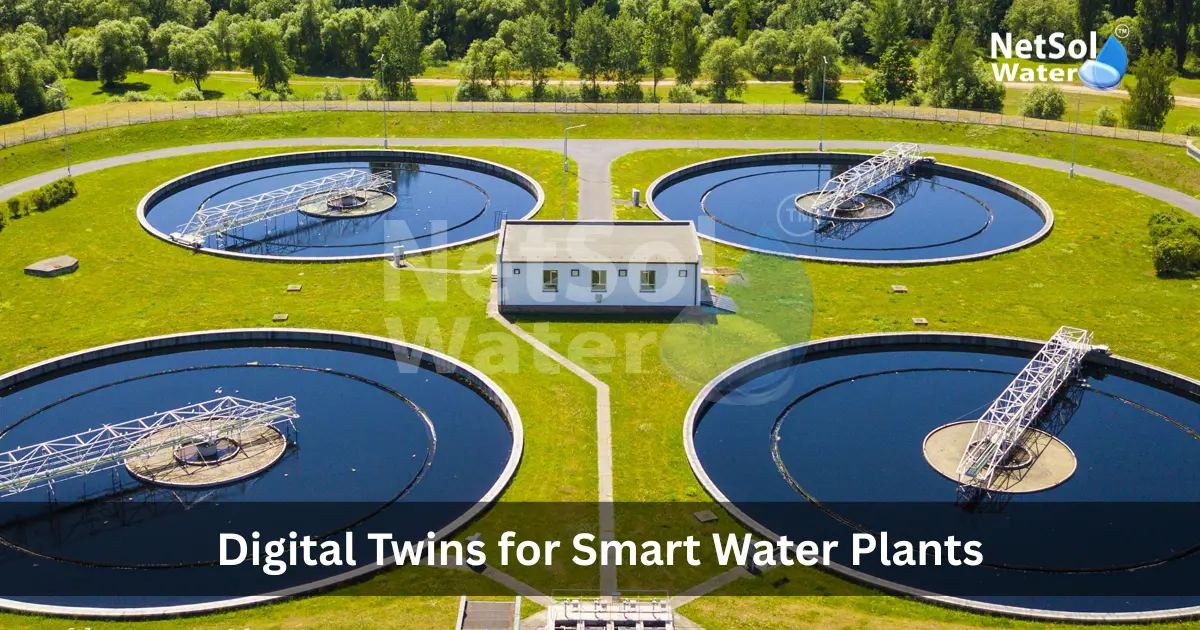
Digital-Twins-for-Smart-Water-Plants-1.webp

April 12, 2025by Netsol Water

Digital Twins for Smart Water Plants

Smart water plants must adapt to meet growing water demands. Digital twins empower water utilities to enhance their operations by creating virtual replicas of physical systems. The technology produces exact digital copies of water treatment facilities which enables operators to test scenarios without affecting actual operations. Water plant managers deploy these virtual models to identify problems early and enhance decision-making processes.


The water industry encounters mounting challenges from population growth, environmental changes and ageing infrastructure. Digital twin technology empowers water utilities to address these challenges by delivering real-time insights into plant operations. This advanced modelling enables operators to comprehend system behaviour under various conditions. Operators can experiment with new processes, evaluate performance, and schedule maintenance activities while maintaining uninterrupted plant operations.


Digital twins establish connections between physical water treatment systems and their virtual counterparts through sensors and data analytics. This connection provides operators with a comprehensive overview of their facility’s performance. Water utilities across the globe implement digital twins to enhance operations, minimize costs, and upgrade water quality. The technology advances as more water treatment plants discover its potential for building efficient sustainable operations.


Digital Twin Architecture in Water Plants

Digital twin architecture establishes the foundation for smart water plant operations. A well-designed digital twin system obtains data from multiple sources throughout the water treatment process. The architecture incorporates sensors monitoring devices and control systems that collaborate to build an accurate virtual model. Let us examine the key components that make up digital twin architecture:


Data Collection Systems: Modern water plants deploy various sensors to obtain information about water quality flow rates and equipment status. These sensors transmit data to the digital twin platform continuously. The system transforms this information to generate real-time updates of plant operations.


Integration Platform: The integration platform links different components of the water treatment system. It coordinates data flow between physical equipment and the virtual model. This platform ensures effective communication between all components and upholds data accuracy.


Visualization Interface: Operators need intuitive methods to interact with digital twin data. The visualization interface presents complex information in accessible formats. It displays 3D models dashboards and performance metrics that guide operators toward informed decisions.


Benefits of Digital Twins for Water Plant Operations

Digital twins deliver substantial advantages to water treatment facilities. These virtual models enable plants to function more efficiently and provide enhanced service to their communities. The technology transforms how water utilities handle their resources and prepare for future demands. Let us explore the main benefits of implementing digital twins:


  • Improved Decision Making: Water plant operators employ digital twins to simulate various scenarios. They test different operating conditions and observe the outcomes before implementing changes to the actual system. This capability guides them toward optimal solutions for specific challenges.


  • Predictive Maintenance: Digital twins examine equipment performance patterns to forecast maintenance requirements. This approach prevents unexpected breakdowns and extends equipment longevity. Plants schedule maintenance during optimal periods to minimize operational disruptions.


  • Resource Optimization: The technology enables water plants to maximize resource utilization. Operators adjust treatment processes according to changing conditions. This optimization decreases energy consumption and chemical usage while maintaining water quality standards.


Implementation Strategies for Digital Twin Technology

The successful implementation of digital twin technology demands thorough planning and execution. Water utilities must address various factors to ensure their digital twin systems fulfill their requirements. The implementation process encompasses multiple steps and stakeholders. Let us review the essential aspects of implementing digital twins:


1. Assessment and Planning: Water utilities begin by examining their current systems and establishing clear objectives. They determine which processes will gain maximum benefit from digital twin technology. This assessment shapes a detailed implementation plan that addresses specific needs.


2. Data Management Framework: A comprehensive data management system supports digital twin operations. The framework handles extensive data from multiple sources efficiently. It processes this information promptly and maintains data integrity.


3. Staff Training Programs: Employees require thorough training to operate digital twin systems effectively. Training programs empower staff to understand the technology and maximize its potential. This knowledge enables them to extract maximum value from digital twin implementation.


Take action for Better Water Management:

Contact us today to discover how digital twin solutions can enhance your water treatment facility. Our team will guide you through the transformation potential of this technology for your operations. We provide customized consultations to understand your unique requirements and develop a targeted implementation plan for your facility.

To explore customised commercial RO plants, Industrial RO plant, ETP or STP solutions for your needs in your areas and nearby regions, Contact Netsol Water at:

Phone: +91-965-060-8473

Email: enquiry@netsolwater.com