Sewage Treatment Plant Manufacturer in Noida - Sewage Treatment Plant Manufacturers

Brine-Management-Options-for-Industrial-RO-Plants.webp

August 31, 2026by Netsol Water

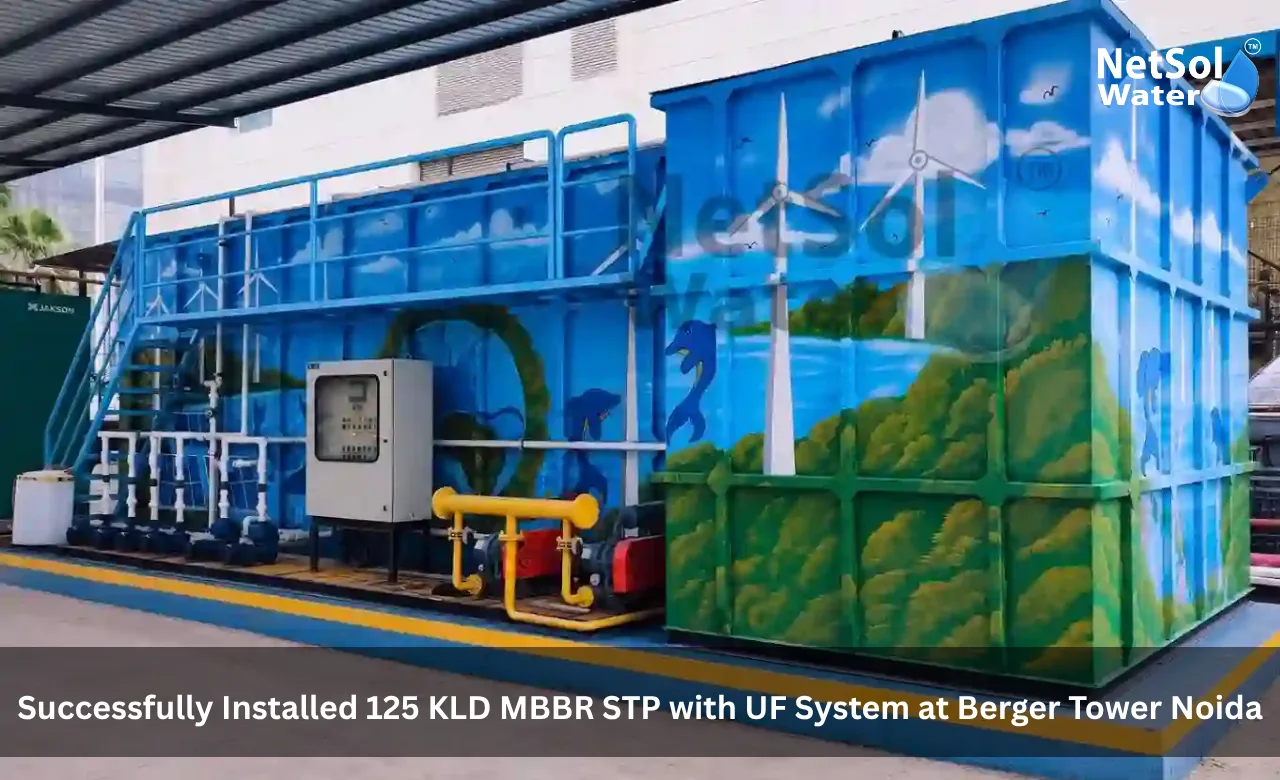
Successfully Installed 125 KLD MBBR STP with UF System at Berger Tower Noida

Managing wastewater is an important part of operating a large commercial facility. A busy building can generate a significant amount of sewage every day from restrooms, housekeeping areas, pantry facilities and other regular activities. Without a suitable treatment plant, this wastewater cannot be managed responsibly or reused for non-potable purposes. This makes a properly designed Sewage Treatment Plant an important part of modern commercial infrastructure.

At Berger Tower in Sector 16B, Noida, Wisdom Colonizers Private Limited required a suitable wastewater treatment solution for its commercial development. The project called for a system that could handle a daily sewage load of 125 KLD while producing treated water suitable for planned reuse. Netsol Water designed and installed a 125 KLD Sewage Treatment Plant based on Moving Bed Biofilm Reactor technology with an Ultrafiltration polishing stage. The project covered design, engineering, manufacturing, supply, installation, testing and commissioning.

The combination of MBBR and UF provided a practical treatment arrangement for a commercial building. The biological treatment stage addressed the main organic load in sewage while UF provided additional filtration before disinfection and reuse. The result was a treatment system designed around the capacity, space and reuse needs of the facility.

Project Overview

A commercial building needs more than a sewage collection system. It needs a treatment process that can manage changing wastewater flow throughout the day and provide treated water at a consistent quality. This project focused on creating such a system for Berger Tower while keeping the treatment arrangement suitable for a commercial site.

Wisdom Colonizers Private Limited engaged Netsol Water for the installation of a 125 KLD STP at Berger Tower in Noida. The project required a complete treatment solution rather than a standalone equipment supply. Netsol Water handled the work from design and engineering through manufacturing, installation, testing and commissioning. The selected treatment arrangement combined MBBR technology with an Ultrafiltration system.

The objective was to treat the sewage generated by the facility and produce water that could support non-potable applications such as flushing and landscaping. The design also considered the practical requirements of a commercial building where water generation can vary depending on occupancy and daily activity.

The project therefore required careful process selection and proper integration of each treatment stage. The treatment sequence had to protect downstream equipment while providing biological treatment and final filtration. With the overall scope established, the next consideration was the client and the nature of the facility where the plant would operate.

Client Details

The client for the project was Wisdom Colonizers Private Limited. Public company records identify Wisdom Colonizers Private Limited as an active private company registered in Noida. Its registered address is in Sector 16B and its business classification falls under real estate activities.

The project was associated with Berger Tower. The commercial development supports office and other commercial activities and therefore requires regular water use across different areas of the facility. Such a building generates wastewater as part of its normal daily operation. Restrooms, housekeeping and other building services contribute to the sewage load that must be collected and treated.

For the client, the treatment plant had to provide a suitable way to manage this wastewater within the facility. The plant also needed to support water reuse where treated water could replace part of the freshwater requirement for non-potable applications.

This requirement made treatment quality an important part of the project. The client was not simply looking for a system that could receive sewage. The plant needed to provide a controlled treatment process that could produce water suitable for the intended reuse applications. The location of the facility added another important consideration.

Project Location

The project was executed at Berger Tower in Sector 16B, Noida, Uttar Pradesh. Public records also associate Wisdom Colonizers Private Limited with Plot No. C-001 A/2 in Sector 16B.

The location is relevant because commercial development in an urban environment often places practical limits on the space available for wastewater treatment equipment. Treatment systems therefore need to use available space carefully while allowing access for operation and maintenance.

Berger Tower is a high-rise commercial building in Noida. Public building information identifies Berger Tower as part of the Delhi One development and places it in Noida. This setting made an organised treatment arrangement important. The system had to fit within the available facility layout and connect properly with the building’s wastewater and treated-water requirements.

The project was therefore approached as a site-specific installation rather than a simple equipment placement exercise. The capacity and treatment technology had to match the wastewater requirement and the conditions of the building. This led directly to the selection of the 125 KLD plant capacity.

Plant Capacity

Plant capacity determines how much wastewater an STP can treat during a normal operating period. Selecting the right capacity is important because the plant must accommodate the expected sewage generation without creating unnecessary treatment capacity. A suitable capacity also helps the treatment process remain stable when wastewater flows vary during different parts of the day.

For Berger Tower, Netsol Water installed a 125 KLD Sewage Treatment Plant. The stated capacity of 125 KLD corresponds to approximately 125,000 litres of sewage treatment capacity per day. The project source identifies the plant as a 125 KLD installation using MBBR technology with UF polishing.

The selected capacity was intended to address the wastewater generated by the commercial facility. Since sewage flow can change with occupancy and daily activity, the treatment arrangement also included an equalization stage. This helped balance variations before the wastewater entered the main biological treatment section.

Capacity alone does not determine plant performance. The treatment technology must also match the wastewater characteristics, available space and quality required at the outlet. For this project, MBBR combined with UF was selected to address those requirements.

Treatment Technology

Selecting the right treatment technology is one of the most important decisions in an STP project. Commercial buildings can experience changing wastewater flows and loads. The treatment process therefore needs to provide effective biological treatment while remaining practical to install and operate.

For Berger Tower, Netsol Water selected Moving Bed Biofilm Reactor technology followed by Ultrafiltration. The system used MBBR as the core biological treatment stage and UF as the polishing stage. Netsol Water identifies this combination as a suitable approach for the commercial tower because it provides advanced treatment without using a complete membrane bioreactor configuration.

1. Moving Bed Biofilm Reactor

The MBBR process uses specially designed carrier media inside the biological reactor. Microorganisms grow on the surface of this media and form a biofilm. When air enters the reactor through the aeration system, the media moves within the wastewater.

The microorganisms use organic matter in the sewage as part of their biological activity. This reduces the organic pollution load and supports the removal of substances such as BOD, COD and ammonia. The moving media also provides a large surface area for microbial growth within the treatment tank.

One practical advantage of MBBR is that the biological treatment stage can provide a high treatment capacity within a relatively compact arrangement. This makes the technology useful for commercial buildings where available plant space may be limited.

2. Ultrafiltration System

The UF system provides an additional filtration stage after biological treatment. Ultrafiltration membranes contain very small pores that physically separate fine suspended matter and microorganisms from the treated water.

At Berger Tower, the UF stage works as a polishing process after the MBBR and clarification stages. This improves the physical quality of the treated water before disinfection and reuse. The project information describes the system as a hollow-fibre UF arrangement.

The combination of biological treatment followed by membrane filtration creates a multi-stage treatment process. Each stage performs a defined function and prepares the water for the next stage. Before selecting these stages, however, the incoming sewage characteristics must be considered.

Influent Characteristics

Understanding the incoming wastewater is necessary before designing any treatment plant. Sewage quality can vary depending on the type of building, the number of users and the activities carried out at the site. Changes in flow can also affect the treatment process.

For a commercial facility such as Berger Tower, the incoming sewage is expected to contain biodegradable organic matter, suspended solids and microorganisms that are commonly associated with domestic sewage. Wastewater from restrooms and other building activities can also contain grease, food-related residues and other contaminants depending on the source.

Treatment system was designed around the expected characteristics of commercial sewage and the required treated-water quality. Pretreatment removed larger materials before the biological stage. Equalization helped balance the hydraulic load. MBBR then reduced the biological pollution load while the UF stage provided additional filtration.

This approach shows why influent assessment and process selection need to work together. Once the incoming wastewater enters the plant, each stage must support the next stage in a controlled sequence.

Treatment Process

A well-planned treatment sequence helps the plant operate consistently. Each stage performs a specific task and prepares the water for the following stage. At Berger Tower, the 125 KLD plant used a sequence that moved the sewage from preliminary screening through biological treatment, clarification, UF filtration and disinfection.

Process Stage Description
Bar Screen Chamber The treatment process begins when incoming sewage enters the bar screen chamber. The screen captures larger solid materials that may be present in the wastewater. Items such as rags, plastic pieces and other coarse debris can create blockages or damage pumps and downstream equipment if they are allowed to pass through. Removing these materials at the beginning protects the rest of the plant. It also makes the following treatment stages easier to operate.
Equalization Tank After screening, the wastewater enters the equalization tank. Commercial sewage does not arrive at a constant rate throughout the day. Flow can rise during busy periods and decrease when building activity is lower. The equalization tank stores the incoming wastewater and helps balance these changes. Mixing keeps the wastewater reasonably uniform and reduces the effect of sudden changes in flow on the biological treatment stage. The balanced flow then moves forward toward the MBBR reactor.
MBBR Tank The MBBR tank serves as the main biological treatment stage. The reactor contains biofilm carrier media that supports the growth of microorganisms. Aeration provides oxygen and keeps the media moving. The microorganisms attached to the carriers use biodegradable matter present in the wastewater. Their biological activity reduces the organic load and supports the removal of pollutants. This stage is central to the overall treatment process because it converts dissolved and biodegradable pollutants into forms that can be separated from the water in later stages.
Secondary Clarifier Following biological treatment, the wastewater contains biological solids and detached biofilm material. The secondary clarifier provides a quiet zone where these solids can settle. As the flow slows down, heavier solids move toward the bottom of the clarifier. The clearer water from the upper part moves toward the next treatment stage while the settled sludge is collected for further handling. This separation is important because the UF system should receive water with reduced suspended solids. The clarifier therefore acts as a bridge between biological treatment and membrane filtration.
Ultrafiltration System The clarified water then passes through the UF system. The hollow-fibre membranes provide fine filtration and remove remaining suspended particles and microorganisms that may still be present after clarification. The project specification identifies UF as the tertiary polishing stage. It also states that the system was designed to produce treated water with low BOD, low TSS and low turbidity for reuse applications. The UF system also includes a membrane backwash arrangement. Regular backwashing helps control membrane fouling and supports stable filtration performance.
Disinfection and Treated Water Storage After filtration, the treated water passes through disinfection. The project uses sodium hypochlorite dosing to reduce remaining pathogens before the water enters treated-water storage. The treated water is then stored and pumped toward the intended reuse points within the building. This final stage completes the treatment chain and makes the water available for suitable non-potable applications.

Major Equipment

Good equipment selection supports reliable treatment and simplifies plant operation. Every major component must perform its intended function while working correctly with the equipment installed before and after it.

The Berger Tower plant included equipment for screening, wastewater equalization, biological treatment, clarification, UF filtration, aeration, disinfection and treated-water transfer.

Equipment / Component Description
MBBR Reactor Used HDPE biofilm carrier media with a high internal surface area. Fine-bubble diffusers and blowers supplied air to the biological stage.
Ultrafiltration Section Used hollow-fibre membranes for final filtration. Automated backwashing helped maintain membrane performance.
Control Panel A PLC-based control panel for automatic start and stop functions, level controls and alarms.
Sludge Handling A gravity thickener and sludge drying bed for sludge management, allowing solids collected during treatment to be handled separately from the treated-water stream.
Chemical Dosing Sodium hypochlorite dosing equipment linked with the treated-water flow so that disinfection could be controlled during plant operation.


Together, these components created a complete treatment system rather than a collection of independent machines. The next challenge was installing them correctly at the project site.

Installation Process

Installation work affects the long-term performance of any wastewater treatment plant. Equipment must be positioned correctly and connected according to the process design. Civil, mechanical, electrical and piping work must also remain coordinated throughout the installation.

At Berger Tower, the project followed a full-scope execution model covering design, engineering, manufacturing, supply, installation, testing and commissioning.

The process began with site planning and preparation. The available installation area was assessed against the plant layout and equipment requirements. The equipment and treatment tanks were then positioned according to the prepared arrangement.

Mechanical connections linked the different treatment stages. Piping connected the wastewater route from screening and equalization to the biological reactor, clarifier and UF system. Treated-water lines connected the final filtration and disinfection stages with the storage and reuse system.

Electrical work connected pumps, blowers, controls and other powered equipment to the control panel. The PLC-based panel provided automatic controls and alarms to support routine operation.

The installation process also included checking equipment alignment, pipe connections and control functions before the plant moved into testing. These checks reduced the risk of avoidable problems during commissioning and prepared the system for controlled startup.

Plant Commissioning

Commissioning is the stage where an installed plant moves from construction into operating condition. It confirms that the equipment works together and that the treatment process functions as intended.

After installation, the project team carried out testing and commissioning of the complete system. Equipment was checked individually and then operated as part of the full treatment sequence. Pumps, blowers, dosing equipment, control systems and membrane operations were examined during the process.

The biological treatment stage required particular attention because MBBR depends on an active microbial population. Operating conditions such as aeration and hydraulic flow have to support the biological process. The UF section was also checked for filtration and backwashing performance.

The commissioning stage provided an opportunity to identify issues before regular operation. Process connections, level controls and alarms were verified and the complete treatment flow was checked from inlet to treated-water storage.

Netsol Water’s published project scope includes testing and commissioning as part of the completed work. This helped establish the operating readiness of the plant before handover.

Treated Water Reuse

Treating wastewater becomes more valuable when the resulting water can be used effectively. Many commercial applications do not require drinking-quality water. Flushing and landscaping are examples where appropriately treated and disinfected wastewater can serve as an alternative water source.

For Berger Tower, the treated-water system was designed to support non-potable reuse. Netsol Water identifies flushing and gardening as reuse applications for the treated water produced by the plant.

This approach allows the facility to make better use of the water already consumed within the building. Instead of treating sewage only for disposal, the plant converts it into a resource for suitable secondary applications.

The UF stage supports this objective by producing clearer water with lower suspended solids and turbidity. Disinfection then provides an additional treatment barrier before reuse. The treated-water storage arrangement makes the water available for distribution according to the facility’s requirements.

The reuse system therefore connects directly with the wider purpose of the STP. It supports wastewater management while creating an opportunity to reduce the use of fresh water for applications that do not require potable water.

Results and Performance

Project results provide a practical measure of whether the treatment solution has addressed the original requirement. For this installation, the main outcomes relate to treatment capacity, process design, filtration quality and water reuse.

The completed plant has a treatment capacity of 125 KLD and uses MBBR followed by UF polishing. The project specification identifies treated-water targets that demonstrate the intended quality level of the treated output and its suitability for designated non-potable reuse:

Parameter Treated-Water Target
BOD Below 10 mg/L
TSS Below 10 mg/L
Turbidity Below 1 NTU


The plant also includes automated controls. A PLC-based control system manages start and stop functions, level controls and alarms. This reduces the need for continuous manual intervention in basic operating functions.

Another important result is the integration of the complete treatment process. Screening protects the equipment. Equalization balances the hydraulic load. MBBR performs biological treatment. Clarification removes settled solids. UF provides fine filtration and disinfection completes the final treatment barrier.

The project also reflects a broader water-reuse objective. Netsol Water lists Berger Tower as a 125 KLD MBBR and UF installation in Noida where treated water is reused for applications including flushing and gardening.

Customer Feedback or Testimonial

Customer feedback can provide useful insight into how a completed treatment system performs from the facility owner’s perspective. It can also help readers understand whether the project addressed the practical needs that existed before installation.

The installation covered design, engineering, manufacturing, supply, installation, testing and commissioning of the 125 KLD MBBR STP with UF. The treatment system was designed to support wastewater management and non-potable water reuse at the commercial facility.

Read some interesting information for the Commercial RO Plant Manufacturer in Delhi

Conclusion

A well-planned sewage treatment system can help a commercial facility manage wastewater in a more organised and useful way. The 125 KLD installation at Berger Tower in Noida demonstrates how biological treatment and membrane filtration can be combined to address the needs of a large commercial facility. MBBR provides the main biological treatment while UF adds a fine filtration stage before disinfection and reuse.

The project also highlights the importance of selecting a treatment system according to capacity, wastewater flow, available space and the intended quality of treated water. By following a complete treatment sequence and integrating automated controls, the plant provides a structured approach to sewage treatment and reuse.

Netsol Water has completed this installation as part of its work in water and wastewater treatment. The company states that it provides design, manufacturing, installation, commissioning and ongoing support for water and wastewater treatment projects. For organisations planning a new facility or upgrading an existing sewage treatment system, working with an experienced Sewage Treatment Plant Manufacturer in Noida can help ensure that the selected technology matches the actual site requirement.

Businesses, commercial developers and facility managers looking for a suitable STP solution can contact Netsol Water to discuss their wastewater generation, available space, treatment goals and water reuse plans. With the right assessment and process design, a sewage treatment plant can become an important part of responsible water management rather than simply a compliance requirement.

Contact Netsol Water

Phone: +91-9650608473

Email: enquiry@netsolwater.com

What-are-the-Applications-of-Commercial-Water-Softeners-5.webp

August 22, 2026by Netsol Water

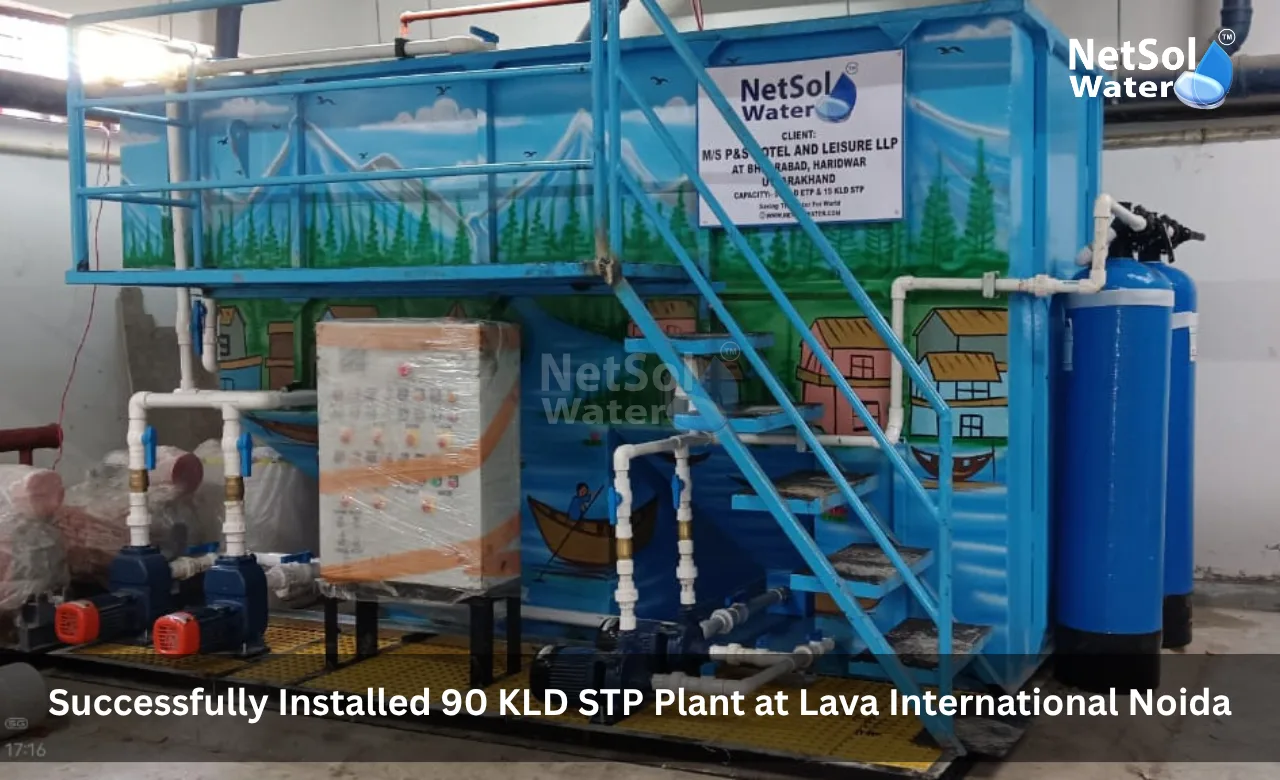
Successfully Installed 90 KLD STP Plant at Lava International Noida

Good sewage control is important in big sized industrial and commercial units that produce substantial amount of sewage daily. A well-designed Sewage Treatment Plant can effectively manage wastewater and help the organization use the treated water in non-potable applications, which can minimize fresh water usage.

Netsol Water installed successfully 90KLD Sewage treatment plant at Lava International, Noida. The project entailed planning, supply, installation, integration, testing and commissioning a sewage treatment system of the capacity to treat about 90 kilolitres of wastewater per day.

The main goal was to create an efficient and reliable wastewater-treatment solution that would reliably treat sewage generated at the facility and make it suitable for re-use in various other non-potable applications including flushing, horticulture, and as approved by the MWD.

Since we are a leading Sewage Treatment Plant Manufacturer in Noida, we made sure that we could provide an operationally easy, space saving, energy efficient and system which can give a consistent quality of treated water throughout the project.

Project Overview

The project was the successful installation of a 90 KLD Sewage Treatment Plant at Lava International, Noida, Uttar Pradesh.

A place like this produces domestic wastewater from various locations such as washers, washrooms, hand washing areas, pantry areas, and other employee-use areas. When not properly treated, this sewage may cause problems of the environment, hygiene, odour and wastewater disposal.

The need was thus to provide a centralized treatment system to capture and treat the resultant wastewater efficiently for reuse or disposal based on the applicable requirements.

The project involved:

Project Activity
Estimation of the expected amount of sewage and wastewater.
Design and engineering of 90 KLD STP.
Tank and mechanical equipment, pumps, blowers, piping, and control systems to treat wastewater.
Installation and interconnection of the different treatment units.
Electrical and mechanical integration.
Operating and process development/trials.
Testing and commissioning of the entire STP.
Directions on plant operations and regular maintenance.


Upon its completion, the finished plant will allow Lava International to have an organised wastewater management system, and will also contribute to the overall goal of conserving freshwater through reusing the treated water.

The project also showcases our competence as Sewage Treatment Plant Manufacturer in Noida in executing all Sewage Treatment Plant projects from design, procurement of equipment, installation to commissioning.

Client Details

Field Details
Client Lava International
Industrial Sector Electronics / Corporate and Industrial Facility
Application Only domestic sewage produced on site can be treated by application.
STP Capacity 90 KLD


Lava International has facilities to accommodate the employees and associated support activities. Reliable wastewater infrastructure is important at such facilities, as there is continuous generation of wastewater.

The client needed a treatment system that would be able to handle the wastewater volume that they can expect each day, without adding excessive complexity to operations. During the project, the following factors were considered: reliability, compact installation, ease of maintenance and treated-water reuse were all important factors.

The 90 KLD plant was hence designed to offer an acceptable balance between treatment effectiveness, equipment reliability, operational control and ease of maintenance.

Project Location

The Sewage Treatment Plant was set up at Lava International, Noida, Uttar Pradesh.

Noida is one of the key industrial, commercial, IT, electronics and residential hubs of NCR. As commercial and industrial growth has become more significant throughout the region, the need for sustainable water and wastewater management has grown.

On-site wastewater treatment can be beneficial for factories, office complexes, institutions, commercial establishments, residential societies, hotels, hospitals etc. to achieve a substantial reduction in the discharge of untreated effluents and re-use of treated wastewater to a certain extent.

As a Sewage Treatment Plant Manufacturer in Noida, we know that the design of the STP systems in such a plant must not only be based on rated capacity but also operating conditions, space availability, variations in wastewater, maintenance requirements, energy consumption and the purpose of reusing treated water.

These factors were taken into account in the development of the Lava International project.

Plant Capacity

The installed Sewage Treatment Plant, its treatment capacity is:

Parameter Value
Treatment Capacity 90,000 litres per day (LPD) – 90 KLD


This is to accommodate an estimated inflow of about 90,000 litres per day of sewage, considering the actual hydraulic loading and condition of the STP‘s operation.

Capacity Selection is one of the critical design phases in STPs. An undersized plant can lead to hydraulic overload and inadequate treatment time, while an oversized plant can result in unnecessary high capital and operation expenses.

The size of the Lava International STP was chosen according to the estimated wastewater flow rate and treatment need of the plant.

Although average daily volume of sewage is a critical factor, the treatment system must also be able to cope with fluctuations in flow rates across the day. Thus, equalization and controlled pumping play a key role in a well-designed sewage-treatment process.

Treatment Technology

The 90 KLD STP utilizes a biological wastewater-treatment system supplemented with primary treatment, aeration, clarification/separation, filtration and disinfection stages.

The treatment philosophy is the removal of:

Removal Target
Suspended solids
Organic pollutants
Biodegradable contaminants
Unpleasant odour-producing matter
Residual fine solids
Microbial contamination


In domestic sewage, a large amount of the pollution load is in the form of biodegradable organic matter and biological treatment is especially important in this case.

In biochemical treatment process, the microorganisms in the sewage use the organic pollutants as a source of energy and nutrients. These microorganisms can be used to reduce the organic load of the wastewater under proper operating conditions and adequate aeration.

Treating water separates the solids from the treated water. The water is further treated using filtration and disinfection before storing and re-using it.

The treatment system has been designed to provide the required dependable wastewater treatment, and will be an easy system to operate and maintain for the plant staff.

Influent Characteristics

The quality of domestic sewage may vary based on the factors related to employee occupancy, water usage, sanitation usage, working hours, cleaning schedule, and other site-specific factors.

The key factors for the design of such an STP typically are:

Parameter Design Range
pH 6.5–8.5
BOD 200–300 mg/L
COD 400–600 mg/L
TSS 200–350 mg/L
Oil & Grease Variable
Daily Flow Up to 90 KLD


BOD, or Biochemical Oxygen Demand is a measure of the content of biodegradable organic pollutants in wastewater.

The Chemical Oxygen Demand (COD), which gives a wider range of indication of oxidisable pollutants.

Total Suspended Solids (TSS) is a measurement of the solids that are suspended in the wastewater.

These pollutants are treated at various stages of the STP before water is reused or disposed to an approved facility.

Treatment Process

The 90 KLD Sewage Treatment Plant is a series of treatment stages where the wastewater is improved progressively, rather than using one stage of treatment.

1. Sewage Collection

The waste water produced at the plant is collected and channeled to STP. A controlled sewage inflow at the treatment plant is provided by proper collection.

2. Screening

At the preliminary-treatment stage, sewage flows through screening arrangements which remove relatively large floating and solid materials.

Coarse material like plastic, cloth, paper, packaging fragments and other coarse material can cause problems with pumps, pipelines, and down stream treatment equipment. Screening thus safeguards the system, and enhances its operational reliability.

3. Equalization

Following preliminary screening, the wastewater flows into the equalization area.

The generation of wastewater is not constant during the day. Flows can be increased throughout the day, at lunchtime or specific times. These fluctuations are balanced with the equalization tank.

Mixing or aeration can also be used to prevent the formation of septic conditions in the wastewater and to reduce wastewater settlement in the tank.

The sewage is pumped at a controlled rate from the equalization stage towards the biological-treatment system.

4. Biological Treatment & Aeration

The biological stage is the central component in the sewage-treatment process.

Blower and diffusered air are fed to microorganisms that degrade biodegradable organic contaminants.

Proper aeration supports:

Aeration Benefit
Biological degradation of the organic contaminants.
Mixing of wastewater and biomass.
Reduction of BOD.
Prevention of anaerobic conditions & odours.
Creating a stable biological treatment environment.


Although oxygen levels and biological activity are not essential for treatment to be consistent, they are important.

5. Solid-Liquid Separation

Suspended biological solids need to be removed from the treated wastewater after biological treatment.

These solids are removed during the clarification/filtration stage to provide relatively clear treated water to the tertiary treatment stage.

Sludge created in the treatment process is occasionally conveyed to the correct sludge disposal system.

6. Tertiary Filtration

Biological treatment is very effective in upgrading wastewater quality, but there may be remnants of small suspended particles.

Depending on the final plant configuration water is thus passed through polishing filtration systems like pressure sand filtration and activated carbon filtration.

The residual suspended solids and turbidity are removed to some extent using the Pressure Sand Filter (PSF).

An Activated Carbon Filter (ACF) can be used to further polish the water and may help to remove any leftover organic chemicals, odour and colour.

7. Disinfection

After filtration, the water is disinfected.

The goal is to minimize microbial contamination prior to the treated water being returned to the final storage/reuse system.

The disinfection system chosen is used as specified based on the desired disinfection quality of treated water and its purpose.

The system is referred to as a treated water storage and reuse system.

The treated water is then gathered in a treated water tank.

This water is not regarded as waste but may be recycled for suitable non-potable uses which will include other water utilities within the facility.

Major Equipment

The 90 KLD STP is operated by several mechanical, electrical and process elements.

Most of the equipment that is usually put into the system is:

Equipment Function
Sewage Transfer Pumps These are used to pump wastewater from one treatment stage to another.
Air Blowers Provide the air needed for treatment and mixing in the biological processes.
Fine Bubble Diffusers Efficiently distribute air inside the aeration/biological treatment tank.
Pressure Sand Filter Residual suspended particles removal and improvement of clarity.
Activated Carbon Filter Fine polishing and helps removing odours and organics.
Tertiary filtration pumps Maintain the flow and pressure needed for tertiary filtration.
Sludge Transfer Pumps For biological sludge that is generated during the wastewater treatment process.
Piping and Valves Allow wastewater, sludge, air and treated water to be moved in a controlled manner throughout.
Electrical Control Panel Provides control and protection over pumps, blowers and other electrical equipment.
Level Control Arrangement Assists in controlling pumping as a function of water levels in the tank.
Disinfection System Final microbial treatment before re-use.


Selection of reliable equipment is important as it is not only the treatment principle that is important for the overall performance of an STP, but also the reliability of individual pieces of equipment.

Installation Process

The installation of the 90 KLD STP was achieved in a logical order in order to ensure proper alignment, interconnection, electrical safety and process functionality.

The first step was to look at the space available and verify the layout of various treatment units. Placement of equipment to allow adequate access for operation, inspection, servicing and future maintenance.

Mechanical equipment like pumps and blowers were installed as per approved plant arrangement.

The piping connections were then made between the various treatment stages. Flow regulation, isolation and maintenance was allowed by installing appropriate valves and fittings.

The air piping was linked from the blowers to the aeration system in order to get equal air distribution.

The overall treatment line was then connected to filtration systems, pumps, and treated-water connections.

Electrical cabling and connections to the control panel were installed and adequate protection and operating controls put in place.

The entire installation was checked prior to commissioning for:

Pre-Commissioning Check
Correct equipment positioning.
Piping integrity.
Valve operation.
Electrical connections.
Pumping and working of the pump.
Blower performance.
Air distribution.
Leakage.
Suitable flow of treatment through treatment units.
General operational safety.


This systematic installation procedure assisted the installation of the 90 KLD STP for trial operation and commissioning.

Plant Commissioning

Commissioning is an important phase in any Sewage Treatment Plant project as the job of mechanical installation is not enough to ensure proper biological treatment.

Once installed, the 90 KLD system was subjected to inspection, testing, trial operation and process stabilization.

The individual pumps, blowers, valves, pipeline, filters and control components were tested before running the plant as a system.

The flow of wastewater in each of the treatment stages was monitored and adjusted as needed.

The aeration system was inspected to make sure that there was sufficient and reasonably even air distribution through the biological-treatment section.

During process stabilization, operating conditions were gradually adjusted to support the development and maintenance of the microorganisms responsible for sewage treatment.

Plant operators were also guided regarding important operational aspects such as:

Operational Aspect
Pump operation.
Blower operation.
Tank-level monitoring.
Sludge management.
Filter operation and backwashing.
Routine inspection.
Preventive maintenance.
Identification of unusual odour, foaming, or other abnormal operating conditions.


After the necessary checks and stabilization procedures, the plant was successfully commissioned for wastewater treatment.

Treated Water Reuse

One of the best benefits of running an STP is that if the water is treated well, it can be a source of recycled water.

The 90 KLD STP treated water can be used for approved non-potable uses as per final water quality and applicable local requirements.

Applications for re-use are:

1. Horticulture

The treated water may be used for irrigation of landscaped areas, lawns, plants and other green spaces as permitted.

2. Toilet Flushing

If possible, there is a dual plumbing system where treated wastewater can be used to flush instead of using freshwater.

3. Cleaning of floors and external area

Also suitable cleaning applications may use treated water, provided the required quality standards are met.

Non-Potable Utility uses include the following:

Other utility uses might be taken into account if they can be guaranteed to meet the treated-water quality requirements and if there are no cross connections with potable-water systems.

The facility can utilize treated water to reduce its freshwater requirement for uses where potable-quality water is not required.

This means that sewage treatment is an important element of sustainable water-management planning.

Results and Performance

Post installation and commissioning, the 90 KLD STP offers Lava International a structured method of treating waste water produced at the plant.

The project has achieved a number of operational and environmental benefits.

Benefit Description
Effective Sewage Management Wastewater is not treated or left without proper treatment, but passes through a known treatment process.
Lowering of Organic Pollution The purpose of biological treatment is to reduce biodegradable pollutants, as measured by parameters like BOD and COD to a significant level.
A decrease in turbidity, or suspended solids The clarification and tertiary filtration processes help to reduce suspended particles and to increase the clarity of treated water.
Better Odour Control Good aeration and wastewater management will reduce the likelihood of extended anaerobic periods which may lead to odours.
Treated-Water Recovery The system treats the wastewater and can be used for appropriate non-potable use.
Reduced Freshwater Requirement Water reuse can replace fresh water, such as for horticulture and flushing, and lead to better water-use efficiency.
Reliable Plant Operation Structured treatment process is provided by suitable pumps, blowers, treatment units, controls and filtration equipment, which are designed for regular operation.

Customer Feedback / Testimonial

Good coordination between the installation team and client when carrying out and commissioning the project is indicated by the successful completion of the project.

Special attention was paid to the reliable operation, practical maintenance and treatment of wastewater produced at the facility in the installation of the STP.

Client Testimonial

The project was successfully installed and commissioned at our facility, the project team provided professional support during installation, testing and commissioning, and the system is designed to provide efficient wastewater treatment and reuse of treated water.

Project Feedback:

The successful installation and commissioning of 90 KLD STP at Lava International is proof of the effective implementation of the project starting from equipment installation to plant start-up and operational handover.

Why is it that we are selected as Sewage Treatment Plant Manufacturer in Noida?

The specific standards required for a sewage-treatment project vary from project to project. The appropriate STP size, technology, equipment, civil engineering, piping, automation and treated-water application are therefore a function of the site-specific situation.

The Sewage Treatment Plant Manufacturer in Noida offers solutions for all kinds of wastewater-treatment solutions.

We provide services such as:

Service
STP design and engineering.
Manufacturing and selling sewage-treatment equipment.
Complete STP installation.
Mechanical and electrical integration.
Capacities upgrade and enhancement at STP.
Testing and commissioning.
Operation and maintenance support.
Pump, blower, diffuser and filter replacement.
Existing STP troubleshooting.
Treated-water reuse solutions.
Annual Maintenance Contracts (AMC).


We are able to deliver sewage-treatment solutions for:

Sector
Industrial facilities.
Corporate offices.
Commercial buildings.
Residential societies.
Hotels and resorts.
Hospitals.
Schools and colleges.
Universities.
Shopping complexes.
IT parks.
Factories and warehouses.
Institutional campuses.


The successful installation of the 90 KLD STP in Lava International, Noida is a sample of our offering of an end-to-end solution for waste water treatment based on site needs.

Call to Action

Looking to install a new Sewage Treatment Plant in your factory, office, residential society, hotel, hospital, institution, commercial building or industrial plant?

Planning to install/Upgrade Sewage Treatment Plant in your factory/office/residential society/hotel/hospital/institution/commercial building/industrial plant?

Correct selection of Sewage Treatment Plant Manufacturer in Noida can affect the efficiency of treatment process, operating cost of sewage treatment plant, system reliability and maintenance costs.

Our team is here to help you determine the right STP capacity and treatment system for you, according to your:

Requirement
Daily sewage generation.
Number of users.
Available installation area.
Wastewater characteristics.
Treated-water quality requirement.
Water-reuse application.
Existing infrastructure.
Budget and operating needs.


From small STPs for smaller projects to larger industrial or commercial treatment systems, we can offer a solution that is suitable for the project.

Read some interesting information for the Effluent Treatment Plant Manufacturer in Gurgaon

Need an STP for Your Facility in Noida or NCR?

Contact us today for a site assessment, technical consultation, or quotation for your Sewage Treatment Plant requirement.

Let our wastewater-treatment specialists help you develop a reliable, efficient, and sustainable sewage-management solution for your facility.

Looking for a reliable Sewage Treatment Plant Manufacturer in Noida? Get in touch with us today to discuss your STP project.

Contact Netsol Water at:

Contact Details
Phone +91-9650608473
Email enquiry@netsolwater.com


What-are-the-Applications-of-Commercial-Water-Softeners-4.webp

August 21, 2026by Netsol Water

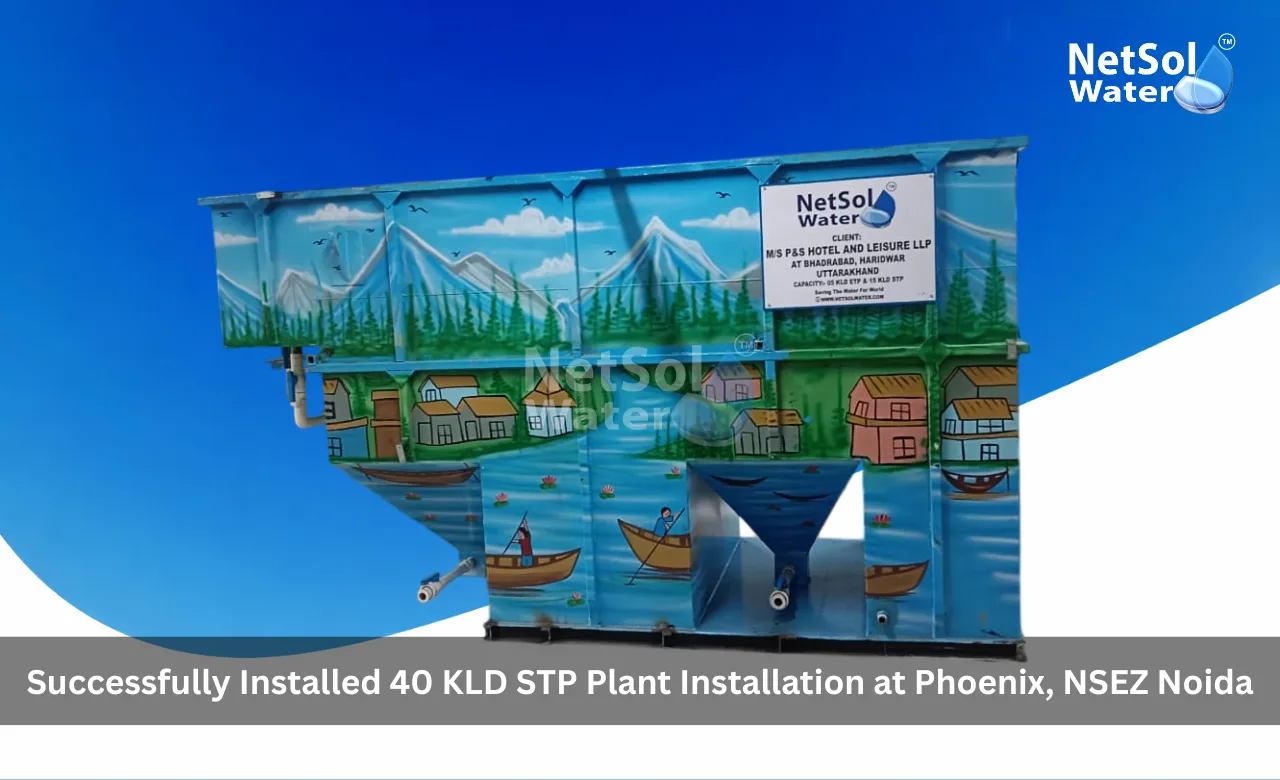
Successfully Installed 40 KLD STP Plant Installation at Phoenix, NSEZ Noida

Handling of wastewater is an essential criteria for all industrial, commercial and institutional buildings, especially in the emerging industrial areas like Noida. The proper design of the Sewage Treatment Plant can not only treat effluents before releasing them into the water bodies but also allow the treated wastewater to be reused for non-potable purposes, thereby minimizing the use of freshwater for non-potable applications and promoting sustainable water management.

Being an established sewage treatment plant manufacturer in Noida, we have successfully installed a 40 KLD Sewage Treatment Plant in Phoenix, NSEZ Noida. The design of the plant is meant to treat sewage produced at the plant, and ensure consistency in treatment by means of a simple, systematic, and convenient treatment process.

The project comprised of planning, procurement of equipment, installation, pipework, electrical integration, testing and commissioning of the entire sewage treatment plant. Operational reliability, space use, treatment efficiency and routine maintenance were given special consideration.

This case study describes the project requirements, treatment process, major equipment, installation methodology, commissioning process, treated-water reuse opportunities and overall benefits of the 40 KLD STP installation.

Project Overview

The project comprised successful installation and commissioning of a 40 KLD Sewage Treatment Plant at Phoenix, NSEZ, Noida. The goal was to create one efficient wastewater-treatment process which would be capable of treating wastewater produced by the activities carried out in the premises on a daily basis.

Domestic wastewater is untreated and is found to contain suspended solids, organic matter, nutrients, microorganisms and other contaminants. Such wastewater may cause environmental issues, odour, unhygienic situations and burden existing drainage system.

The 40 KLD STP was thus designed to treat the wastewater, biologically, clarifying, filtering and dis-infecting it before re-use or proper disposal.

The project was aimed at:

  • Capacity of up to 40 kL per day of sewage treatment
  • Organic pollutants and suspended solids are reduced.
  • The treated water should be clearer and of a better quality.
  • A stable biological treatment process is provided.
  • Minimize odour and operating difficulties.
  • Promoting opportunities for reuse of treated water
  • Conservation of freshwater to be used for appropriate non-potable uses
  • Offering a small system for the limited installation space.
  • Enabling easier plant operation and maintenance

The installation reflects our ability as a trusted Sewage Treatment Plant Manufacturer in Noida to deliver customised sewage-treatment solutions based on the capacity, available space, working conditions and sewage-treatment needs of various plants.

Client Details

The STP was set up for Phoenix at NSEZ, Noida.

The plant had to have a wastewater treatment plant that was appropriately sized to treat the wastewater produced on site. The system had to be reliable, easy to fit and be able to run without undue complexity for the facility-management team.

The following aspects were taken into account before finalizing the system: The expected hydraulic load, treatment objectives, site conditions, wastewater generation requirement, and available space.

Considering these requirements, a 40 KLD STP was chosen as an adequate treatment capacity.

The project encompassed integration of the various treatment stages to ensure that the wastewater flowed systematically through three treatment stages, collection, biological treatment, clarification, filtration, disinfection and final treated water storage.

Project Location

Sewage Treatment Plant was installed at: Phoenix, NSEZ, Noida, Uttar Pradesh

The Noida Special Economic Zone (NSEZ) is an important industrial and commercial zone. Wastewater from the toilets, washrooms, canteen, housekeeping, and other domestic activities at these facilities must be managed in an effective manner by implementing proper infrastructure.

If an STP is installed on the premises, the wastewater can be treated in the vicinity of its production. This decentralized solution minimizes reliance on external wastewater-management solutions and opens up potential re-use of treated water on site.

Choosing a Sewage Treatment Plant Manufacturer who is well-versed in the local industrial operating conditions can also make the plant installation, plant servicing, plant maintenance and future plant modifications easy.

Plant Capacity

Sewage Treatment Plant (STP) capacity that are installed:

40 KLD – 40 Kilolitres Per Day.

It will be able to treat about 40,000 litres of sewage a day, based on the hydraulic loading and operating conditions that the plant specifies.

One of the most crucial phases in the design of an STP can be the sizing of the plant. A system that is too small can fail during times of high wastewater production, and an oversized system will mean extra capital and operating expenses.

Based on the anticipated sewage production and facility requirements, the Phoenix project capacity was chosen.

The plant design also takes into account variations in wastewater flow during different periods of the day. Typically, the generation of sewage does not happen at a steady rate all day. Peak flows can happen at work time, on break or at the end of a shift. Equalisation and controlled pumping is thus essential to achieve more even loading on the biological treatment system.

Treatment Technology

The treatment system is a Moving Bed Biofilm Reactor (MBBR)-based STP, which is a popular biological wastewater-treatment technology for compact commercial and industrial sewage-treatment applications.

MBBR treatment is based on the principle of treating water in an aeration tank with specially designed plastic media. The beneficial microorganisms grow on these media as a biofilm on the surface. In the biological reactor microorganisms decompose biodegradable organic pollutants when wastewater is introduced to the reactor.

The continuous aeration has two significant roles:

It provides oxygen needed for aerobic microorganisms. Ensures bio-film is in good contact with wastewater by moving the MBBR media around the reactor.

The MBBR system is especially beneficial in situations that need a compact biological treatment system. The large protected surface area on the media allows the growth of microorganisms which continue to allow treatment to be performed even if the characteristics of the wastewater fluctuate within the design limits of the plant.

Downstream clarification, filtration and disinfection stages are included to enhance the final treated water quality for the treatment system.

Influent Characteristics

The major component of the influent to the STP is human domestic sewage resulting from activities like washing, cleaning and sanitary operations in the facility.

Common waste products that may be added to a sewage plant include:

  • Biodegradable organic matter
  • Suspended solids
  • Dissolved organic impurities
  • Nitrogen-containing compounds
  • The presence of traces of oil and grease
  • Cleaning residues and detergents
  • Microorganisms and pathogens
  • Other contaminants that are usually found in domestic wastewater.

Some of the important parameters taken into account while analyzing sewage are: pH, Biological Oxygen Demand (BOD), Chemical Oxygen Demand (COD), Total Suspended Solids (TSS), oil and grease, and microbial contamination.

The true level of these parameters may vary significantly according to water consumption, occupancy, cleaning operation, canteen program and other site conditions.

Therefore, actual plant design data and wastewater-analysis reports should be used to base plant design and operation, rather than a single design composition being assumed.

The 40 KLD system was designed to offer numerous treatment barriers to enable the progressive reduction of the physical solids, biodegradable pollutants, suspended matter and microbial contaminants at successive treatment stages.

Treatment Process

The 40 KLD STP is a sequential treatment facility with a treatment sequence to treat raw sewage to the required treated effluent quality for the intended use or discharge.

The typical process flow of the installed system is:

Raw Sewage → Screening → Collection/Equalization → Biological Treatment → Clarification → Treated-Water Storage → Pressure Sand Filtration → Activated Carbon Filtration → Disinfection → Final Treated Water

Process Step Description
Screening The first step in the wastewater treatment system is through a screening process. Screening is designed to catch large floating and suspended substances like plastics, fabrics, paper and junk. This action will prevent damage or blocking of downstream pumps, pipelines and treatment equipment.
Collection and Equalization Sewage is fed into collection or equalisation tank after preliminary screening. The equalization stage helps to equalize fluctuations in wastewater flow and pollutant concentration. By allowing the wastewater to enter the biological treatment system at a more controlled rate, sudden hydraulic surges will not enter the system. Depending on the system design, mixing or aeration can also be provided to minimize septic conditions and keep the wastewater in a relatively homogeneous condition.
Biological Treatment The equalized sewage is pumped to the biological treatment area. An MBBR process uses specially designed bio-media, which are kept in an aerated reactor. Biodegradable organic pollutants in sewage are removed by microorganisms attached to the media. Media is kept moving and aerobic conditions are maintained throughout by air supplied from blowers and diffusers. This phase is mainly responsible for the minimisation of biodegradable organic contaminants and is, therefore, one of the most crucial processes of the STP.
Clarification The biological treatment effluent includes biological solids which must be removed from the treated water. The clarification stage offers conditions for settling the suspended biological solids and obtaining a clearer supernatant. Sludge collected is dealt with on a regular basis based on the plant design and operating procedure.
Treated-Water Storage The clarified wastewater goes to an intermediate treated-water tank. This allows storage prior to tertiary treatment and allows the filtration system to function in a controlled pumping condition.
Pressure Sand Filter The Pressure Sand Filter is tertiary treatment unit in which fine suspended particles which have not been removed during biological treatment and clarification processes are removed. Filtration enhances the physical quality and clarity of the water and decreases remaining suspended solids.
Activated Carbon Filter Water from the sand filter is then fed into an Activated Carbon Filter. Activated carbon can be used to enhance the quality of treated water by adsorbing some dissolved organic compounds and compounds that contribute to water colour and odour.
Disinfection The last treatment step is disinfection either by a dosing or disinfection system. Disinfection is so crucial for the reduction of microbial contamination before treated water is reused and/or discharged properly. After disinfection, the treated water is stored in a final storage facility and can be used for appropriate non-potable uses.

Major Equipment

A Sewage Treatment Plant can only perform satisfactorily if the mechanical, electrical, biological and filtration systems work as a whole.

The main equipment used in a typical 40 KLD STP system is:

Equipment Function
Sewage Transfer Pumps To convey sewage from one stage to the next in the collection, equalization, biological, and treatment process.
Air Blowers Provide the oxygen for the aerobic biological treatment. Blower selection is crucial to maintaining dissolved oxygen and good biological activity.
Fine-Bubble Diffusers These are fitted in the biological tank to spread the air evenly throughout the wastewater.
MBBR Media High surface area media to grow the microorganisms as biofilm.
Settling/Clarification System Remove the biological solids from treated wastewater after biological treatment.
Filter Feed Pumps Feed clarified water at the required pressure to tertiary filters.
Pressure Sand Filter Eliminates the fine suspended impurities that can not be removed by the clarifier.
Activated Carbon Filter Reduces odour, color and some type of dissolved organic materials.
Disinfection System System for controlling microbial contamination prior to treated-water reuse.
Piping Connect treatment units and facilitate correct flow, isolation and access for maintenance of piping.
Electrical Control Plant Used to control pumps, blowers and other electromechanical equipment, and to systemically operate the plant.
Level-Control System Automates the operation of the pumps and prevents tank overflow or dry running.

Selection of equipment was undertaken while considering equipment capacity, reliability, operating requirements, maintenance requirements, etc.

Installation Process

Installation of 40KLD STP at Phoenix, NSEZ, Noida was done in a planned sequence to ensure proper integration of civil, mechanical, piping and electrical components.

1. Site Assessment

The installation process started with a site assessment of the available space for the STP, access to the site, arrangement of sewage inlet, treated water outlet, electrical availability, pipe routing, and equipment placement.

2. Equipment Positioning

Equipment was arranged in the sequence of the treatment processes. Wherever possible, sufficient access was provided for inspection, operation, servicing and routine maintenance.

3. Mechanical Installation

Pumps, blowers, filters, diffusers, piping accessories, valves and others were installed and connected as per process design.

Special consideration was given to the alignment of equipment and routing of pipes.

4. Piping Integration

Pipe connections were made between the various tanks and treatment units.

Valves were installed at suitable points to allow for equipment and pipelines to be isolated for maintenance or inspection.

5. Electrical Work

The plant control system was used to provide power connections to pumps, blowers and electrical equipment.

Before trial operation, the control wiring, protection systems, level-based operation and equipment switching arrangements were checked.

6. System Inspection

After installation, mechanical and electrical systems were checked for potential leaks, wrong connections, loose parts, wrong direction of flow and electrical problems.

These checks were performed before the plant could be commissioned.

Plant Commissioning

Commissioning is a necessary step as it is not enough to turn on the pumps and blowers.

The 40 KLD STP was commissioned, which required the whole treatment system to be systematically tested.

The first step was to inspect individual pieces of equipment such as pumps, blowers, control panels, valves and filters for correct operation.

Water trials were carried out to check:

  • Pump functioning
  • Flow direction
  • Pipeline integrity
  • Valve operation
  • Tank connectivity
  • Air distribution
  • Filter operation
  • Electrical controls
  • Level-control functions
  • Leakage or Abnormal Vibration

Biological system involves the development and stabilisation of microorganisms for treatment of the wastewater. The aeration conditions, loading of water waste, characteristics of sludge and operation of the plant thus have to be monitored in the stabilization period.

After a stable biological environment was established, the entire treatment system from the inlet to final collected treated water was reviewed.

The operating personnel were also trained on the normal plant operation, routine inspection, cleaning needs, sludge management, and filter operation and preventive maintenance.

Treated Water Reuse

A significant benefit of having an STP is the opportunity to re-use treated wastewater rather than using fresh water to each and every application.

Water from the 40 KLD STP may be used for appropriate non-potable purposes including but not limited to:

The landscaping irrigation and gardening are well done.

  • Toilet flushing
  • Floor washing
  • Paved areas are cleaned.
  • General housekeeping
  • Any other approved non-potable utility applications

Treated-water recycling can contribute significantly to water conservation.

For instance, if a significant portion of the treated water is recycled within the premises, the plant’s need for fresh water for gardening, flushing, or cleaning can be decreased.

Recycling also promotes a more circular management of water, as the wastewater can be seen as a resource to be recovered rather than a waste stream.

When deciding on the final use of treated water, the quality of the water verified by the test results should always be considered as well as environmental or regulatory application parameters.


Results and Performance

After the completion of 40 KLD STP installation in Phoenix, NSEZ Noida, the facility was equipped with an organized wastewater-treatment system, which will collect and treat sewage produced on its premises.

The plant that is already installed offers a number of operational and environmental benefits.

Result Description
Reliable Wastewater Treatment This multi-stage treatment system consists of preliminary, biological, clarification, tertiary filtration, and disinfection, which enable more efficient sewage treatment than a single stage system.
Prevention of Organic Pollution Biological treatment will lower the amount of biodegradable organic pollutants found in wastewater. This has a significant impact on the quality of water prior to the use for tertiary treatment and reuse.
Improved Water Clarity Clarification by pressure sand filtration process yields treated water with improved clarity due to removal of suspended solids and fine particles.
Better Odour Control Aeration and biological treatment will ensure the sewage does not stay in uncontrolled septic conditions and aid in better odour control.
Water Conservation Treated water may be used for certain non-potable purposes, thus conserving fresh water.
Compact Treatment Solution The treatment process is appropriate for plants where plant space is limited and the wastewater needs to be treated effectively.
Operational Convenience Regular operation and maintenance of the plant are easier because of the proper equipment layout, valves, pumps, control systems, and filtration arrangements.
Sustainable Wastewater Management The plant’s treatment at the point of generation and reuse of the treated wastewater helps the facility become more responsible and sustainable with water.

Actual plant performance should be recorded by periodic laboratory testing of inlet and treated-water samples. Parameters of pH, BOD, COD, TSS, oil and grease and microbiological indicators may be monitored based on operating and compliance needs of the facility.

The installation adds to our capability as a Sewage Treatment Plant Manufacturer in Noida that can provide a customized STP solution for commercial, institutional, residential and industrial needs.

Customer Feedback / Testimonial

Treatment technology is not the only key factor for a successful implementation of an STP project, but also for the correct installation, equipment integration, commissioning and technical support.

The 40 KLD STP at Phoenix NSEZ, Noida was designed with the aim of offering a practical and reliable wastewater-treatment plant that meets the specific needs of the site.

Testimonial

Installed and commissioned our NSEZ, Noida Sewage Treatment Plant (STP) systematically and the team provided all the technical coordination and assistance during the project. The STP has been designed in a way that it is going to be treated efficiently and is going to be operated easily.

Looking to hire a Sewage Treatment Plant Manufacturer in Noida?

For any of the commercial buildings, factories, institutions, residential complexes, hotels, hospitals, offices, warehouses, or industrial site, you need an efficient wastewater-treatment system, and the right STP partner is key.

We are a leading Sewage Treatment Plant Manufacturer in Noida, offering customized Sewage Treatment Plant as per the quantity of the wastewater, treatment requirement, available space, functioning condition and the aim for reusing the treated water.

Our sewage-treatment solutions can include:

  • STP design and engineering
  • Equipment manufacturing and supply
  • Complete STP installation
  • MBBR-based treatment systems
  • Biological treatment solutions
  • Pressure Sand Filters
  • Activated Carbon Filters
  • Pumps and blowers
  • Piping and electrical integration
  • Plant testing and commissioning
  • STP modification and upgrading
  • Operation and maintenance support
  • Troubleshooting of existing STPs
  • Treated-water recycling solutions

Whether you need a 40 KLD STP in Noida or a customized sewage-treatment plant of another capacity, our team can help develop a solution according to your facility’s wastewater-treatment requirements.

Read some interesting information for the Sewage Treatment Plant Manufacturer in Gurgaon

Need an STP for Your Facility in Noida?

Contact us today for consultation, site assessment, STP design, installation, commissioning, or upgrading of your existing wastewater-treatment system.

Choose an experienced Sewage Treatment Plant Manufacturer in Noida for a reliable, efficient, and sustainable wastewater-management solution.

From wastewater treatment to treated-water reuse, we provide complete STP solutions designed around your site’s actual requirements.

Contact Netsol Water

Phone: +91-9650608473

Email: enquiry@netsolwater.com

Scalable-STP-Plants-in-Noida-for-Residential-Industrial-Use.webp

July 14, 2025by Netsol Water

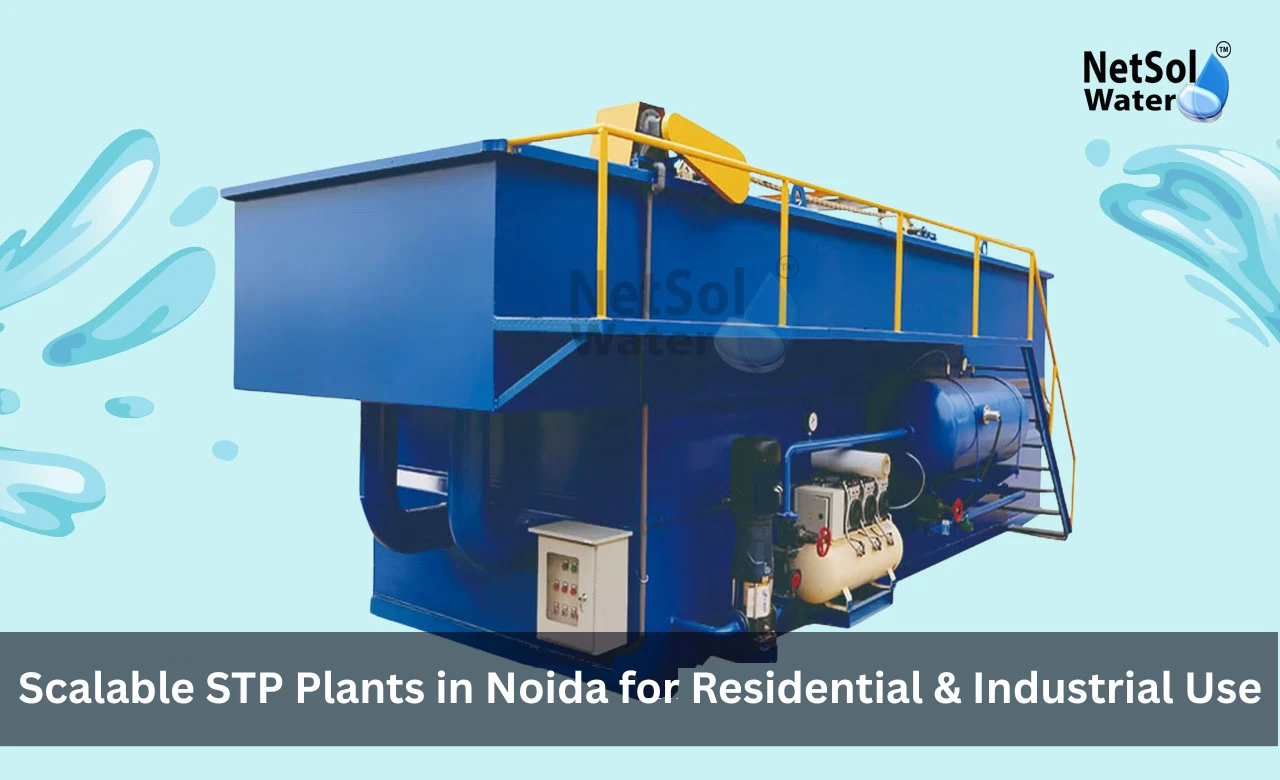
Scalable STP Plants in Noida for Residential & Industrial Use

Netsol Water leads as a Sewage Treatment Plant Manufacturers in Noida and brings scalable plants. In this city people value clean living and responsible water use. Wastewater can harm the local canals and fields if we do not treat it right. A plant that grows with demand meets those needs in a smooth way. By choosing a scalable STP plant residents and industries gain both clear water for reuse. Let us explore why this approach matters now and how Netsol Water makes it real in Noida.

Importance of Scalable Sewage Treatment

Scalable sewage treatment delivers a future proof path to handle water waste and adapt to changing needs. It saves both time and money and it supports clean water goals.

Modular Design for Growing Demand

Modular units link in stages so we can start with a small set and add more as population or production rises. Each module performs a full round of treatment so adding one boosts capacity in full steps. This method avoids heavy downtime and cuts initial investment. Netsol Water, a leading Sewage Treatment Plant Manufacturer in Noida, designs modules that fit tight spaces and link up in standard ways. Teams set them in place fast and start flow right away.

Adaptive Capacity without Waste

Adaptive systems match real time flow and adjust treatment steps to save energy and chemicals. They sense load and shift power to match activity. When flow dips at night the plant slows pumps and cuts back on aeration. When flow spikes in the morning it shifts gears to meet the surge. This smart control avoids waste and reduces operating cost. Residents and managers see a lean running plant that answers each shift in water use.

Scalable STP Plants for Residential Use in Noida

Homes and apartments in Noida face rising water demand with new towers and gated communities. A scalable STP plant brings clean reuse water for gardens and flush systems and it meets growth without starting fresh.

Space Efficient Layout for Communities

Netsol Water fits modules under driveways and beside lawns without waste of land. Each container style unit links by pipes that run under walkways. They stand low and hide behind screens. Installers join units in a row or a cluster to match site shape. Residents get treated water for non drinking use in tanks that sit near the pool area or garden zone. This layout cuts pipe runs and avoids extra trenches.

Low Maintenance for Homeowners

A simple control panel tracks flow and warns when filters need service. Modules use easy to swap cartridges and clear sight tubes to check sludge levels. House societies run checks once a week and empty sludge once a month. Netsol Water trains local staff to spot issues fast and to replace parts in minutes. Homeowners enjoy reliable cycle and cost stays low. Clean water flows back into gardens and flush lines without fail.

Scalable STP Plants for Industrial Use in Noida

Factories and workshops create large and varying waste streams. A flexible STP meets strict rules and saves water for cooling and cleaning processes.

High Throughput to Match Production

Industrial units can go from idle to full shift in an hour. Scalable systems handle these swings by linking high capacity modules. Each module filters grit and oils then runs bio treatment and final polishing steps. When a new line opens or output grows the team snaps on extra modules to double or triple capacity.

Regulatory Compliance and Reporting

Noida industries must meet strict discharge standards before release to drains or canals. Netsol Water’s STP units include sensors that log pH, turbidity and BOD on each batch. Operators get reports on screen or by email each day. Authorities see proof of clean release and industries avoid fines. When rules tighten Netsol Water sends tuned software updates to meet new limits without hardware rebuild.

Conclusion

Scalable STP plants prove why Netsol Water stands as the leading Sewage Treatment Plant Manufacturer in Noida. You gain plants that grow as you grow and that keep costs low at every step. Connect with our team today to plan your next scalable sewage solution or to request a free site survey. Let us help you build a clean water future.

Phone: +91-965-060-8473

Email: enquiry@netsolwater.com

Top-Sewage-Treatment-Plant-Manufacturers-in-Noida.webp

April 19, 2025by Netsol Water

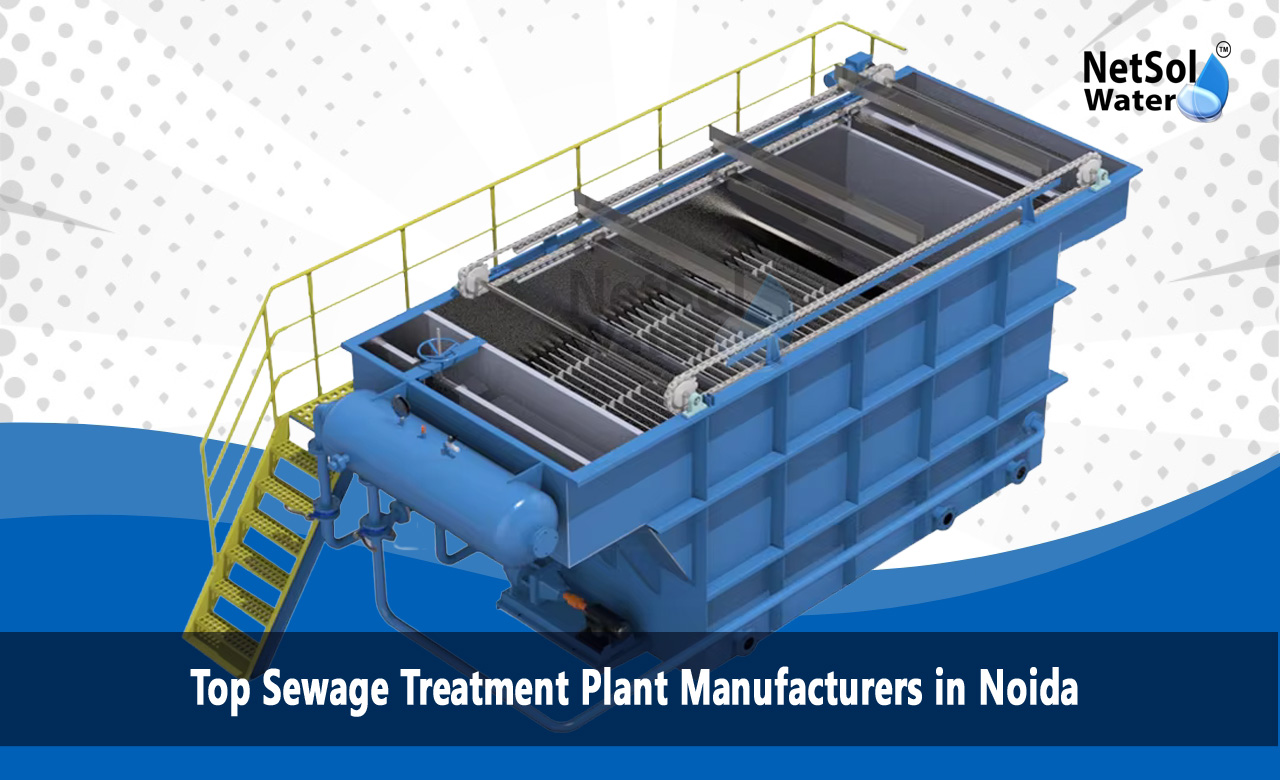
Top Sewage Treatment Plant Manufacturers in Noida

Noida, a rapidly growing industrial and commercial hub in Uttar Pradesh, is home to many leading manufacturers of water treatment plants and sewage treatment plants. These companies provide advanced solutions for industries, municipalities and commercial organizations, ensuring efficient water purification and wastewater management. Among the top companies in this sector, Netsol Water stands out as a trusted top sewage treatment plant manufacturer in Noida, offering compact sewage treatment plantsmodular sewage treatment plant systems, and underground sewage water treatment plants.

Why Are Sewage Treatment Plants Essential in Noida?

With rising population density, industrial activities and strict environmental regulations, untreated sewage can lead to:

  • Water pollution (contaminating rivers like the Yamuna)
  • Health hazards (spread of diseases)
  • Groundwater depletion & contamination
  • Legal penalties for non-compliance with pollution control norms

A well-designed sewage treatment plant helps in:

  • Recycling water for landscaping, flushing, and industrial use
  • Reducing environmental pollution
  • Complying with CPCB (Central Pollution Control Board) & UPPCB norms
  • Lowering freshwater consumption

Why Choose Noida-Based Sewage Treatment Plant Manufacturers?

Noida-based manufacturers specialize in modern sewage treatment plants that incorporate aerobic treatment, advanced membrane filtration, and pre-fabricated sewage treatment plant designs. These systems are designed to handle a wide range of sewage water with simple controls, ensuring ease of operation and low operational cost.

Key Features of Sewage Treatment Plants in Noida

  • Compact & Modular Systems: Ideal for space-constrained areas, these compact water treatment plants can be easily installed and expanded.
  • Underground & Pre-Fabricated Options: Suitable for urban areas where space is limited.
  • Aerobic Treatment Technology: Ensures high-quality effluent output, meeting environmental standards.
  • Advanced Filtration: Incorporates membrane filtration for superior water purification.
  • Customizable Solutions: Manufacturers provide a complete range of systems tailored to different water source types.

Leading Sewage Treatment Plant Manufacturers in Noida

Several reputable STP manufacturers in Noida offer advanced wastewater treatment solutions. These companies specialize in:

  • Industrial STPs (for factories, pharma, textiles, etc.)
  • Commercial STPs (malls, hotels, hospitals)
  • Residential STPs (apartments, townships)
  • Compact & modular STPs (for space-constrained areas)

1: Netsol Water

A prominent name among water treatment plant manufacturers, Netsol Water offers innovative sewage treatment plants with a focus on sustainability. Their modular system designs ensure scalability, while their pre-fabricated sewage treatment plants reduce installation time.

Key Offerings:

  • Compact sewage treatment plants
  • Underground sewage water treatment plants
  • Low operational cost solutions
  • Quick delivery time

Industries Served:

  • Hotels & Resorts
  • Hospitals & Institutions
  • Industrial Effluent Treatment
  • Municipal Corporations

2: Sewage Treatment Plants

A leading sewage treatment plant manufacturer in Noida, Sewage Treatment Plants specializes in aerobic treatment plants and advanced membrane-based systems.

Key Offerings:

  • Modular sewage treatment plants with plug-and-play installation
  • RO-integrated STPs for water reuse applications
  • Zero Liquid Discharge (ZLD) systems for industries
  • Automated control systems for minimal manual intervention

3: Urban STP Plant

Known for its pre-fabricated sewage treatment plants, Urban STP Plant provides cost-effective and space-saving solutions.

Key Offerings:

  • Containerized STPs for easy relocation
  • Hybrid treatment systems combining MBR and activated sludge processes
  • Low-maintenance designs with simple controls

4: Water Treatment Plant

Specializing in underground sewage water treatment plants, this company focuses on eco-friendly and odor-free solutions.

Key Offerings:

  • Odorless underground STPs for residential societies
  • Solar-powered sewage treatment systems
  • Compact designs with minimal civil work required

5: Commercial RO Plant

A large-scale water treatment plant manufacturer, Commercial RO Plant handles mega projects for municipalities and industries.

Key Offerings:

  • Large-capacity STPs (1 MLD to 100+ MLD)
  • Turnkey project execution from design to commissioning
  • Advanced tertiary treatment for water reuse

Key Features of Leading STP Manufacturers in Noida

1: Advanced Technologies Used:

  • MBBR (Moving Bed Biofilm Reactor)—High efficiency, low space requirement
  • MBR (Membrane Bioreactor)—filtration, reusable water quality
  • SBR (Sequential Batch Reactor)—Ideal for intermittent flow
  • Activated Sludge Process (ASP) — Traditional yet effective for large-scale treatment

2: Customized Solutions:

  • Designs tailored to sewage quality requirements (BOD, COD, TSS removal)
  • Scalable systems for future expansion

3: Compliance with Regulatory Standards:

  • Meets CPCB and State Pollution Control Board norms
  • Sewage discharge standards as per environmental laws

4: After-Sales Support:

  • Installation, maintenance, and AMC (Annual Maintenance Contracts)
  • Remote monitoring & automation options

Price Range and Operational Efficiency

The price range for sewage treatment plants varies based on capacity, technology, and customization:

Plant Type Capacity Range Approx. Price Range (INR)
Compact STP 5 KLD – 50 KLD ₹5 Lakhs – ₹35 Lakhs
Modular STP 50 KLD – 500 KLD ₹35 Lakhs – ₹2.5 Crore
Underground STP 10 KLD – 100 KLD ₹10 Lakhs – ₹1 Crore
Industrial ETP 100 KLD – 1 MLD ₹50 Lakhs – ₹5 Crore

Comparison Between Top STP Manufacturers in Noida

Manufacturer Technology Used Capacity Range (KLD) Price Range (₹) Warranty After-Sales Service
Netsol Water MBBR/MBR 1 – 50 3L – 35L 1 year 5 Years Support
Sewage Treatment Plants SBR 1 – 20 4.5L – 30L 1 year 24/7 support
Urban STP Plant MBR 2 – 100 6L – 70L 1 year On-site training
Water Treatment Plants MBBR/MBR 1 – 100 8L – 90L 1 year 24/7 Support

Key:

  • KLD= Kilo Liters per Day
  • MBBR= Moving Bed Biofilm Reactor
  • SBR= Sequential Batch Reactor
  • MBR= Membrane Bioreactor

Factors Affecting Cost:

  • Technology used (MBBR, MBR, SBR, etc.)
  • Material (FRP, RCC, or stainless steel)
  • Automation level (manual vs. PLC-controlled)
  • Additional features (odor control, sludge dewatering)

Benefits of Modern Sewage Treatment Plants

  • Energy-efficient operations (30-50% lower power consumption)
  • Low maintenance with simple controls
  • Scalable modular systems for future expansion
  • Compliance with CPCB & NGT norms

Conclusion

Noida, Uttar Pradesh, is a key hub for sewage treatment plant manufacturers, providing advanced solutions like compact sewage treatment plantsmodular sewage treatment systems, and underground sewage water treatment plants. Companies like Netsol Water lead the market with innovative, cost-effective, and eco-friendly water treatment technologies.

For businesses and industries looking for reliable water treatment plants, Noida-based manufacturers offer a complete range of high-quality products with efficient delivery time and excellent after-sales support.

Investing in a modern sewage treatment plant ensures sustainable wastewater management while reducing long-term operational costs. Choose a trusted sewage treatment plant manufacturer in Noida for durable and efficient solutions.

FAQ Section

1. What’s the cost of a 100 KLD sewage treatment plant in Noida?

Prices range ₹20 – ₹55L depending on technology (MBBR/SBR/MBR) and brand. Contact us for a custom quote.

2. How to choose the best STP manufacturer in Noida?

  • Check certifications (CPCB, ISO).

  • Compare warranty and maintenance terms.

  • Ask for client references (e.g., hotels/apartments they’ve served).

3. What maintenance does an STP require?

  • Monthly sludge removal.

  • Quarterly membrane cleaning (for MBR).

  • Annual motor servicing.

4. Which STP technology is best for hotels in Noida?

MBBR (for compact spaces) or MBR (for high-quality effluent). Avoid SBR if space is limited.

5. Do you provide installation support in Noida?

Yes! We handle site inspection, installation, and staff training for all Noida clients.

P&ID 100 KLD STP Plant MBBR Technology


P & ID 100 KLD STP MBBR