
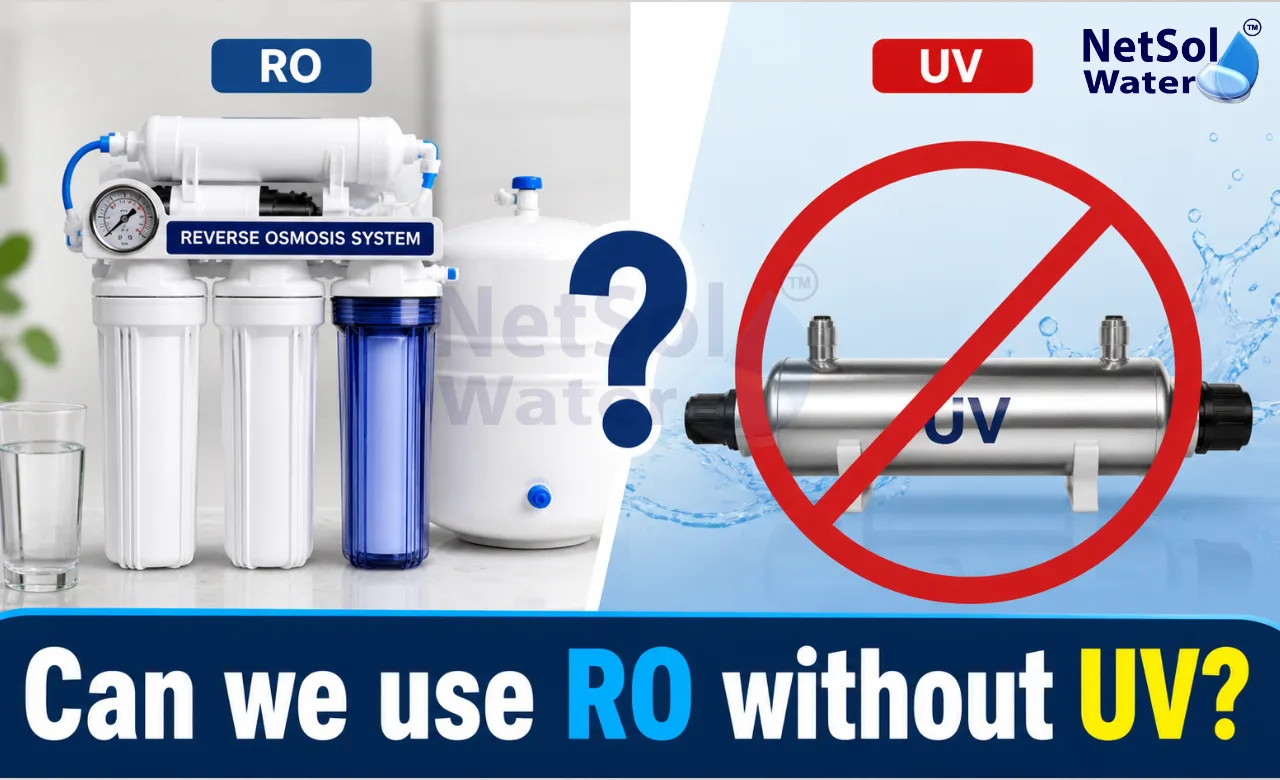
Can we use RO without UV?
Clean water matters in homes and in businesses. Many people now use Reverse Osmosis plants because they remove many harmful substances from water and make it safer for daily use. Still, a common question remains. Can we use RO without UV? The simple answer is yes, in many cases. RO can work well on its own when the water source is stable and the system is maintained properly. At the same time, UV adds an extra layer of safety and gives peace of mind when water stays in a tank for some time.
We are the leading commercial RO plant manufacturer and helps businesses choose the right water treatment setup for their needs. The right system depends on the source of water, the storage method, and the level of safety needed. We will look at how RO works without UV, why many people use it alone, and when UV becomes a smart addition. This will help you make a clear and practical choice for your water needs.
Why RO Can Work Without UV
RO is one of the strongest water purification methods used today. It does not depend on light or chemicals to clean water. Instead, it pushes water through a fine membrane that blocks many unwanted substances. This is why many users trust RO even without a UV stage. A commercial RO plant manufacturer often suggests RO alone when the water source has mainly dissolved salts, hardness, or chemical impurities.
Let us have a look at some important points that explain why RO can work on its own.
1. RO Removes a Wide Range of Contaminants
RO membranes have very tiny pores. These pores are so small that they block many dissolved impurities and harmful particles. They can remove salts, heavy metals, and many other unwanted substances. In many water sources, this level of purification is enough to make the water suitable for use. Since RO removes such a broad range of impurities, it becomes a strong solution for areas where water has high TDS or comes from borewell sources.
2. RO Also Reduces Microbial Risk
RO does more than remove salts and metals. It also blocks bacteria and many viruses because of the fine membrane structure. This physical barrier gives RO a major advantage. UV, on the other hand, only inactivates living microbes. It does not remove them from the water. RO physically filters them out, which means the water looks and feels cleaner after treatment. For many users, this is a major reason to choose RO alone.
3. RO Suits Hard Water and Groundwater
Many businesses and homes deal with hard water. Some also use groundwater that may contain visible and invisible impurities. In such cases, RO becomes very useful because it lowers hardness and removes dissolved contaminants in one process. This makes the water better for drinking, equipment, and daily use. For many treatment needs, a commercial RO plant manufacturer may recommend RO as the main treatment step and keep UV optional based on the source and storage setup.
Why UV Still Helps in Some Cases
RO is strong but it is not always the final answer for every situation. UV adds an extra shield by neutralizing microbes that may enter later. This is important when water sits in a tank or travels through more lines before use. So while RO can work without UV, the added UV stage increases safety in a number of situations.
Let us have a look at some reasons why UV can still matter.
1. UV Protects Stored Water
Water does not always go straight from the purifier to the glass. Many systems store water in tanks before use. Over time, germs can enter the tank or grow inside it if cleaning is poor. In such cases, UV helps kill those germs just before water reaches the user. This makes it a good final step when water storage is part of the system.
2. UV Gives an Extra Safety Layer
Even good systems can face wear and tear over time. RO membranes can age and lose some efficiency. Small defects may appear if maintenance is delayed. UV works as a backup stage in these cases. If any tiny microbes pass through the RO stage, UV can inactivate them. This creates a safer and more reliable system for places where water quality must stay high every day.
3. UV Helps During Power or Flow Changes
Some systems face power cuts or low water flow. When water remains still for long periods, bacteria can grow more easily. UV helps reduce this risk before the water is used. It does not replace RO but it strengthens the full treatment line. For this reason, many users choose both technologies when they want the highest level of water safety.
When It Is Okay to Use RO Without UV
There are many situations where RO alone works well. The key is to check the quality of the source water and how the system will be used. A commercial RO plant manufacturer usually studies these factors before suggesting whether UV is needed or not.
Let us have a look at some situations where RO without UV is often acceptable.
1. When the Water Is Already Treated
If the water comes from a municipal supply and the source is already treated, then RO alone may be enough in many cases. The water may already have lower microbial risk. In such a setting, RO can handle the remaining dissolved impurities and improve the taste and quality of water. This setup can work well when the system is maintained on time and filters are replaced as needed.
2. When the System Is Well Maintained
Maintenance plays a big role in water safety. If filters are changed on schedule and the membrane is checked regularly, then RO can continue to perform well without UV. Clean tanks and regular servicing reduce the chance of contamination. This is why system care matters as much as the technology itself.
3. When Water Does Not Stay Long in Storage
If water moves quickly from the RO system to the use point, then the need for UV is lower. The chance of new microbial growth becomes smaller when water does not sit for long. In such cases, RO alone can be practical and effective. This is common in systems where water use is frequent and the flow remains steady.
When UV Becomes the Better Choice
There are also cases where UV should not be ignored. Some water sources and usage patterns need stronger protection. This is especially true when the water source is uncertain or when storage creates extra risk.
Let us have a look at some conditions where UV becomes the better choice.
1. When You Use Borewell Water
Borewell water often carries more dissolved salts and may also bring a higher chance of contamination. RO handles many of these issues well but UV adds more safety by killing remaining germs. This combination is useful in homes, offices, schools, and commercial spaces that depend on groundwater.
2. When You Store Water in Tanks
Storage tanks can become a weak point if they are not cleaned properly. Germs may enter the tank and grow slowly over time. UV can help control this risk before water is used. This is one of the most common reasons why users add UV to an RO system.
3. When You Want Maximum Safety
Some places need a very high level of water safety. This includes workplaces, food units, and healthcare-related spaces. In such places, UV gives extra confidence because it acts as the final protection step. A well-planned system from a trusted commercial RO plant manufacturer can combine both RO and UV for stronger results.
Read some interesting information for the Sewage Treatment Plant Manufacturer in Delhi
Conclusion
So, can we use RO without UV? Yes, we can in many situations. RO alone can remove a large range of contaminants and often gives safe and clean water. It works especially well when the water source is already treated and the system receives proper care. Still, UV offers a helpful extra step in places where water stays in tanks or where the risk of new contamination is higher.
Netsol Water is the leading Commercial RO Plant Manufacturer and helps clients choose systems based on real water conditions rather than guesswork. This is the best way to avoid under-treatment or unnecessary cost. The right setup depends on your source water, storage plan, and daily use pattern. A careful choice today can bring safer water and smoother operation for a long time.
If you need guidance on the right purification setup for your business, then connect with a trusted manufacturer and ask for a proper consultation.
Contact Netsol Water at:
Phone: +91-9650608473
Email: enquiry@netsolwater.com