RO Water - Page 10 of 10 - Sewage Treatment Plant Manufacturers

Add-a-subheading-1-1.webp

April 3, 2025by Netsol Water

Understanding Water Recovery in Commercial RO Plants

Commercial RO plants use water recovery as their key performance indicator. Your system’s water recovery rate shows how efficiently it converts input water into clean water. Business owners who understand water recovery can enhance their RO systems to achieve better water management outcomes.

Industries need more clean water now than ever before which makes water recovery essential for business owners. Your business can achieve remarkable water treatment results by implementing a well-designed commercial RO system. The worldwide increase in water costs makes this knowledge even more important. Your RO system’s effectiveness depends on multiple connected elements including input water quality recovery rates system design and maintenance practices.

We want to show you everything about water recovery in commercial RO systems. You will learn what affects recovery rates how to make your system perform better and ways to keep it running at its best.


RO System Basics and Recovery Rates

Commercial RO plants work by applying pressure to move water through a special membrane. The membrane splits the water into two parts: permeate (the clean water you want) and concentrate (the wastewater you remove). You need to understand this process to grasp how water recovery works.


Membrane Technology and Its Impact

Your RO system’s membrane serves as its central component. Today’s RO membranes feature innovative designs that push water recovery higher while keeping unwanted substances out. These membranes use crossflow filtration where water moves alongside the membrane surface. This design keeps your membrane clear of buildup that could hurt recovery rates.


Calculating Recovery Rates

System operators must know how to measure recovery to track system success. You can find your recovery rate by dividing the amount of clean water produced by the total water input then multiplying by 100. Your system achieves a 75% recovery rate when it turns 1000 gallons of input water into 750 gallons of clean water.


System Configuration Impact

Your choice of pressure vessel and membrane arrangement shapes overall recovery. You can get more clean water from multi-stage systems compared to single-stage setups. Each additional stage processes leftover water from earlier stages which boosts your total system output.


Factors Affecting Water Recovery Performance

Your commercial RO system’s water recovery depends on multiple factors working together. System operators who understand these elements can fine-tune their systems for the best results.


A. Feed Water Quality: The water entering your system determines how well it performs. Minerals organic matter and floating particles change your recovery rates. You might need to run lower recovery rates when processing water with high mineral content to prevent scaling.


B. Operating Pressure: Pressure makes your RO system work. You must balance pressure levels to get good recovery without wasting energy. More pressure often means more clean water but it can increase your power bills and wear out membranes faster.


C. Temperature Effects: Water temperature changes how your membrane works. Warmer water flows through membranes more easily which can increase recovery rates. You must watch temperature carefully though because too much heat can damage your membranes.


D. Chemical Pretreatment: The right chemical treatments keep your membranes working well and maintain recovery rates. You can protect your system with scale inhibitors antifoulants and pH adjusters. These chemicals help you achieve consistent recovery levels.


Optimizing Recovery and System Maintenance

Your system needs constant attention to keep recovery rates high. Watch your system closely and make adjustments to ensure it performs well over time.


1. Monitoring System Parameters: You must track important measurements to maintain good recovery rates. Watch pressure changes flow speeds and water conductivity throughout your system. These numbers tell you how healthy your system runs and warn you about problems early.


2. Cleaning Procedures: Clean membranes keep your system running strong. You should clean regularly to remove buildup that blocks water flow and lowers recovery rates. Use specific cleaning products to target different types of membrane buildup.


3. Preventive Maintenance Schedule: Following a maintenance plan stops recovery rates from dropping. Check membranes test pumps and adjust instruments on a regular schedule. Good maintenance prevents unexpected shutdowns and keeps your system running efficiently.


4. Recovery Enhancement Strategies: New technology can help you get more clean water. Try energy recovery devices water recycling or combined system designs to increase efficiency. These improvements help your business save water while controlling costs.


Take Action to Improve Your Commercial RO System’s Water Recovery


The water recovery rate of your commercial RO system impacts both efficiency and expenses. We know how challenging it can be to keep recovery rates at their peak in commercial RO systems. Our water treatment specialists want to examine your system and suggest ways to make it work better.


Get in touch with us now for a complete system review. We will study your recovery rates find ways to improve and create solutions that match your needs. Let us show you how to get the most from your commercial RO system.


Contact Netsol Water at:

Phone: +91-965-060-8473

Email: enquiry@netsolwater.com

Industrial-RO-Plant-Cost-Reduction-Strategies-1.webp

April 2, 2025by Netsol Water

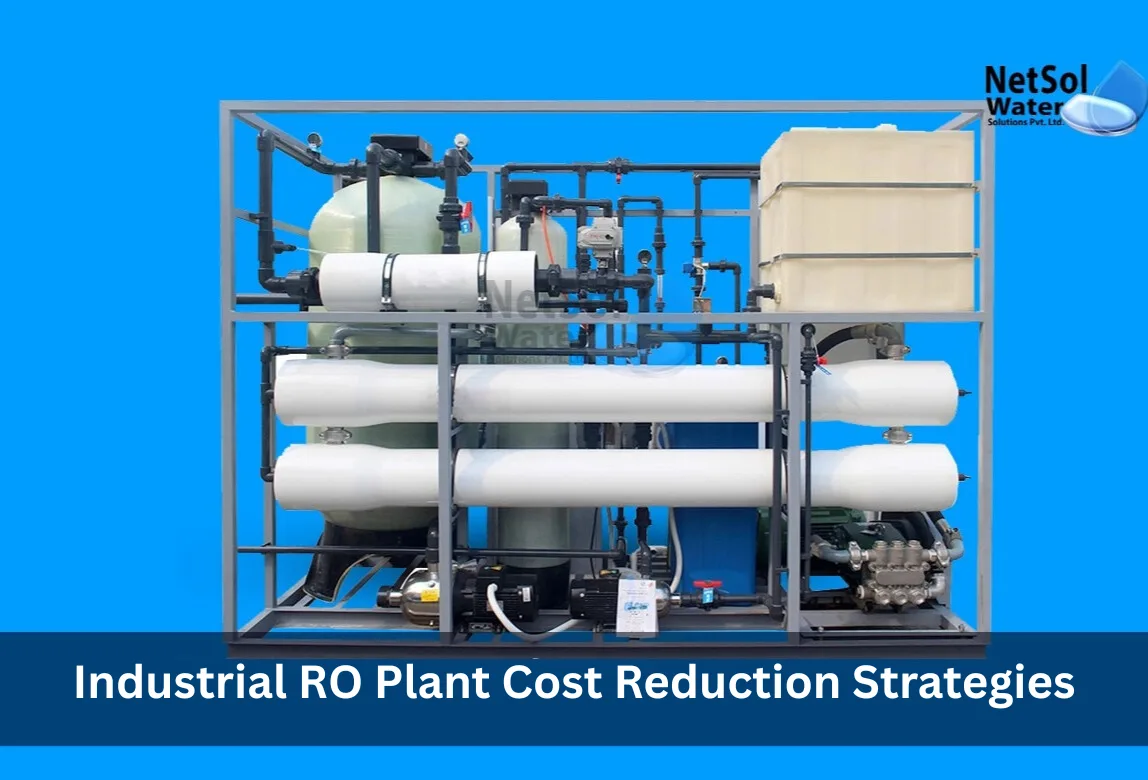
Industrial RO Plant Cost Reduction Strategies

Water treatment plays a central role in industrial operations. Many businesses spend substantial money on reverse osmosis (RO) plants to ensure clean water for their processes. The growing focus on sustainability pushes industries to find better ways to manage their RO systems. Water quality parameters serve as key indicators that help industries optimize their RO plant operations. By understanding these parameters businesses can make informed decisions about their water treatment processes. This knowledge leads to significant cost savings without compromising water quality standards. The following section explores practical strategies to reduce industrial RO plant costs through effective monitoring of water quality parameters. These approaches help businesses maintain high water quality while keeping operational expenses in check.


Water Quality Parameters for Cost Optimization

Water quality parameters form the foundation of efficient RO plant operation. These measurements tell us about water characteristics that affect the RO system performance. Different industries need different water quality levels based on their specific processes. A food processing plant needs different water standards compared to a power generation facility. By tracking these parameters plant operators can spot issues before they become expensive problems. This proactive approach prevents unnecessary maintenance costs.


Let us look at the key parameters that impact RO plant costs:


  1. Total Dissolved Solids (TDS): TDS monitoring helps predict membrane fouling rates. High TDS levels mean more frequent membrane cleaning or replacement. Regular TDS checks allow operators to adjust pretreatment processes. This adjustment extends membrane life which saves money on replacements.
  2. pH Levels: The pH value affects membrane performance. Improper pH leads to scaling or chemical damage. Maintaining optimal pH reduces chemical usage. It also prevents unexpected shutdowns that increase operational costs.
  3. Turbidity: Turbidity indicates suspended particle content. High turbidity causes faster membrane clogging. Monitoring helps optimize filtration processes. Better filtration means longer membrane life spans.
  4. Conductivity: Conductivity measurements show dissolved ion concentrations. These readings help operators adjust chemical dosing. Proper dosing prevents wastage of expensive treatment chemicals.


Pretreatment Optimization for Cost Reduction

Pretreatment systems protect RO membranes from damage. Good pretreatment extends membrane life which reduces replacement costs. It also lowers energy consumption because clean membranes work more efficiently. This section explores ways to enhance pretreatment effectiveness.


Let us examine the main pretreatment optimization strategies:


A. Multimedia Filtration Enhancement: Multimedia filters remove suspended solids. Regular backwashing prevents filter media deterioration. Proper maintenance schedules save money on media replacement. It also ensures consistent water quality entering the RO system.


B. Chemical Dosing Control: Smart chemical dosing prevents scaling. Automated systems adjust chemical levels based on water quality. This precision prevents chemical waste. It also protects membranes from chemical damage.


C. Antiscalant Selection: The right antiscalant prevents mineral deposits. Different water sources need different antiscalants. Proper selection reduces cleaning frequency. It also prevents permanent membrane damage.


D. Carbon Filter Management: Carbon filters remove organic compounds. Regular carbon media replacement maintains effectiveness. This consistency prevents organic fouling. It also reduces membrane cleaning requirements.


Operational Efficiency Improvements

Operational efficiency directly affects RO plant costs. Small improvements add up to significant savings. This section focuses on practical ways to enhance daily operations. These strategies help maintain optimal performance while reducing expenses.


Let us explore key operational improvements:


  • Energy Usage Optimization: High-pressure pumps consume most RO plant energy. Variable frequency drives adjust pump speed based on demand. This adjustment reduces unnecessary energy use. Proper pressure management also prevents membrane damage.


  • Membrane Cleaning Schedules: Timely membrane cleaning prevents performance loss. Regular monitoring helps plan cleaning cycles. This planning reduces chemical use. It also prevents emergency maintenance needs.


  • Data Monitoring Systems: Modern monitoring systems track performance metrics. Real-time data helps operators make quick decisions. This responsiveness prevents costly breakdowns. It also optimizes chemical and energy use.


  • Staff Training Programs: Well-trained operators run plants more efficiently. Regular training updates technical knowledge. This expertise prevents operational mistakes. It also improves maintenance effectiveness.


Take Action for Better Water treatment:

Want to reduce your industrial RO plant costs through better water quality management? Our team specializes in water quality parameter optimization. Contact us today for a detailed assessment of your RO system. We will show you practical ways to save money while maintaining excellent water quality. Book a consultation now to start your cost-reduction journey.

To explore customised commercial RO plants, Industrial RO plant, ETP or STP solutions for your needs in your areas and nearby regions, Contact Netsol Water at:

Phone: +91-965-060-8473

Email: enquiry@netsolwater.com


Commercial-RO-Plant-for-the-Food-and-Beverage-Industry.webp

April 1, 2025by Netsol Water

Commercial RO Plants for the Food & Beverage Industry

The food and beverage industry depends on water as its core element. Every production process needs clean water from mixing ingredients to cleaning equipment and manufacturing products. Water impurities minerals and contaminants impact product quality taste and safety directly. This need drives water treatment to the forefront of food and beverage production. We see Commercial RO plants taking the lead as the most effective water treatment solution in this sector. These systems actively remove impurities at a molecular level, which ensures that pure water consistently meets industry standards. Food and beverage companies have witnessed a transformation in their water treatment approach through RO technology integration. This change has elevated product quality boosted operational efficiency and strengthened compliance with safety regulations. We will now explore how Commercial RO plants operate what benefits they bring and where they apply in the food and beverage industry.


Commercial RO Technology in Food Processing

Water quality stands as the cornerstone of food and beverage production. Commercial RO technology employs a straightforward yet powerful process to purify water. The system actively pushes water through a semi-permeable membrane which blocks unwanted contaminants while pure water molecules pass through. This action creates two distinct streams: pure treated water ready for production and wastewater that contains filtered impurities. Let us examine the key aspects of Commercial RO technology:


  1. Membrane Technology: The membrane technology functions as the core component of an RO system. These membranes feature microscopic pores that create an effective barrier against unwanted substances. Modern membranes successfully remove particles as small as 0.0001 micrometers which includes bacteria viruses dissolved salts and organic compounds.
  2. Pressure Systems: High-pressure pumps power the effectiveness of RO systems in food and beverage facilities. These pumps work continuously to move water through the membranes. This action maintains the necessary pressure and ensures consistent water flow for effective filtration.
  3. Monitoring Systems: Modern Commercial RO plants incorporate advanced monitoring systems into their operation. These systems actively track essential water quality parameters including Total Dissolved Solids (TDS) conductivity pH levels and flow rates. This ongoing monitoring confirms that water consistently meets quality standards throughout the production process.


Applications Across Food & Beverage Sectors

Commercial RO systems serve multiple purposes across different food and beverage sectors. The versatility of these systems makes them indispensable for numerous applications.


Beverage Production: Most beverages use water as their foundation. RO systems create consistent taste profiles in soft drinks, juices and alcoholic beverages. The thorough removal of minerals and impurities ensures that each product maintains its intended flavour profile.


Food Processing: Food processing operations need pure water at multiple stages. RO-treated water supports food safety and quality from washing raw ingredients to cooking and cooling. The absence of contaminants prevents unwanted chemical reactions that could otherwise affect the final product.


Dairy Operations: The dairy industry demands exceptionally high water quality standards. RO systems remove minerals that would otherwise interfere with milk processing and cheese production. This removal results in enhanced product consistency and extended shelf life.


Maintenance and Optimization: Proper maintenance and optimization determine the success of Commercial RO plants. Regular upkeep ensures the systems perform consistently and last longer.


Regular Cleaning: The RO membranes need systematic cleaning to prevent fouling. The cleaning process removes accumulated particles and scale that would otherwise decrease system efficiency. A well-structured cleaning schedule keeps the system operating at maximum performance.


Performance Monitoring: Active system monitoring helps operators identify potential issues early. This includes tracking changes in pressure drops flow rates and water quality parameters. When operators detect changes early they can make timely adjustments and prevent production interruptions.


Water Conservation: Modern RO systems include innovative water-saving features in their design. These systems often incorporate recycling mechanisms that direct wastewater to non-critical applications. This approach cuts water consumption, minimizes operational costs, and promotes environmental sustainability.


Take Action to Transform Your Water Treatment:  

Your food and beverage operation needs the most effective water treatment solution available. Commercial RO plants combine outstanding performance reliability and efficiency in one system. Our water treatment experts want to discuss how a customized RO system will enhance your production quality and efficiency. Connect with us today to find the right Commercial RO plant that matches your specific requirements and production goals.


Contact Netsol Water at:

Phone: +91-965-060-8473

Email: enquiry@netsolwater.com


Emerging-Technologies-in-Industrial-Wastewater-Treatment.webp

April 1, 2025by Netsol Water

Emerging Technologies in Industrial Wastewater Treatment

Industries across the world generate large amounts of wastewater that requires treatment before environmental discharge. Advanced technologies have transformed the way industries handle wastewater treatment processes. These emerging solutions enable industrial facilities to exceed environmental standards while safeguarding precious water resources. Industries including chemical manufacturing, textile processing, food production and pharmaceuticals create wastewater containing diverse pollutants. Traditional treatment approaches struggle to eliminate sophisticated contaminants which has sparked the creation of groundbreaking treatment technologies that successfully address challenging pollutants.


New developments in industrial wastewater treatment unite performance with environmental responsibility. Engineers have designed these technologies to minimize energy usage, decrease chemical consumption and enhance treated water quality. Significant technological progress encompasses advanced oxidation membrane separation and biological processing systems. Industries can now extract valuable materials from wastewater streams through these technologies which generates additional financial advantages. Smart monitoring platforms enhance treatment performance by enabling real-time adjustments and process improvements.


Water scarcity continues to impact communities worldwide making it essential for industries to embrace these emerging technologies to decrease their environmental footprint. We will discuss groundbreaking developments that have transformed industrial wastewater management practices.


Advanced Membrane Technologies

Engineers have transformed industrial wastewater treatment through membrane technology which provides superior separation capabilities. Modern membrane systems incorporate specialized barriers that permit water passage while blocking unwanted substances. Scientists have enhanced membrane compositions and configurations to create more productive and cost-effective industrial applications. We will explore several innovative membrane technologies that have advanced wastewater treatment capabilities.


Forward Osmosis Systems: Engineers have developed forward osmosis technology to harness natural osmotic pressure for wastewater filtration. This innovation consumes less power than conventional pressure-driven methods. Forward osmosis excels at processing high-strength industrial effluents. Scientists continue to advance draw solution formulations and membrane materials to boost system effectiveness.


Ceramic Membranes: Manufacturing plants benefit from ceramic membranes which outperform polymer alternatives in chemical durability and heat resistance. These robust membranes withstand industrial conditions and intense cleaning protocols. Engineers have enhanced ceramic membrane surfaces to prevent fouling accumulation. Food processors pharmaceutical manufacturers and chemical plants have successfully implemented this technology.


Bio-inspired Membrane Systems: Research teams have engineered innovative membranes that replicate natural biological functions. These advanced materials feature specialized pathways that optimize water flow while effectively stopping contaminants. This bio-inspired innovation has produced membranes with enhanced filtering precision and processing capacity. Industrial facilities use these systems to treat multifaceted wastewater streams.


Advanced Oxidation Processes

Scientists have developed advanced oxidation processes to decompose stubborn organic pollutants in industrial wastewater. These systems generate reactive compounds that decompose complex organic materials. Engineers have created new catalysts and energy-saving systems to make these processes more accessible for industrial use. Let us examine major breakthroughs in oxidation technology.


Photocatalytic Oxidation: Engineers have designed photocatalytic systems to use light energy for pollutant breakdown through specialized catalysts. Scientists have developed new photocatalyst materials that work efficiently with visible light. Pharmaceutical manufacturers and textile producers have implemented this technology successfully. Recent innovations include solar-powered systems that reduce operational expenses.


Electrochemical Advanced Oxidation: Engineers have created electrochemical systems that produce oxidizing agents from water using electrical current. These installations need minimal chemical additions which supports environmental preservation. Scientists have developed enhanced electrode materials to improve process efficiency. Industrial facilities use this technology to eliminate persistent organic compounds from wastewater.


Hybrid Oxidation Systems: Engineers have combined multiple oxidation methods to achieve superior treatment results. These integrated systems work together to enhance overall performance. The combined approach produces better contaminant removal rates. Industrial plants use these hybrid systems to process complex waste streams.


Smart Monitoring and Control Systems

Digital technology has revolutionized industrial wastewater treatment monitoring and control processes. Modern facilities use advanced sensors data analysis and automation to maximize treatment effectiveness. Smart monitoring ensures excellent water quality while lowering operating expenses. We will explore how digital innovations enhance wastewater treatment operations.


Real-time Analytics: Engineers have installed advanced sensor networks to track water quality measurements continuously. These devices detect pollutant level fluctuations instantaneously. Operators use live data feeds to address treatment challenges promptly. Scientists have developed new sensor technologies to improve measurement precision.


Artificial Intelligence Integration: Plant operators use AI systems to analyze treatment facility information and enhance operations. These platforms anticipate maintenance requirements and prevent operational issues proactively. Machine learning programs automatically adjust treatment processes for optimal performance. Industries implement this technology to decrease costs while improving treatment results.


Digital Twin Technology: Engineers create virtual replicas of treatment systems through digital twin technology. These models help operational teams understand system dynamics comprehensively. Plant managers test various scenarios safely without impacting actual operations. Facilities use this technology to make informed operational decisions.


Take Action for Better Wastewater Treatment

Industrial wastewater treatment continues to advance as scientists develop innovative technologies. Your industrial facility will benefit from implementing these advanced solutions to enhance water quality and operational performance. Wastewater treatment professionals will guide you to select emerging technologies that match your industrial processes. Expert consultation will ensure the successful implementation of effective treatment solutions for your specific requirements.


To explore customised commercial RO plants, Industrial RO plant, ETP or STP solutions for your needs in your areas and nearby regions, Contact Netsol Water at:


Phone: +91-965-060-8473

Email: enquiry@netsolwater.com


Understanding-Commercial-RO-Plant-Operating-Parameters.webp

April 1, 2025by Netsol Water

Understanding Commercial RO Plant Operating Parameters

Water treatment technology stands at the forefront of industrial progress. Commercial RO plants serve as the backbone of water purification systems across industries. These plants transform raw water into purified water through a membrane-based process. Modern industries need pure water for various applications, including pharmaceutical manufacturing, food processing, and power generation. Understanding the operating parameters of commercial RO plant helps maximize system efficiency and prolong equipment life span. This knowledge enables plant operators to maintain optimal performance while preventing costly breakdowns.

The following sections explore the different aspects of commercial RO plant operations including membrane performance water quality monitoring system maintenance. We will examine how each parameter influences the overall efficiency of RO systems. This information proves valuable for plant managers, operators and engineers who work with commercial RO systems.


Water Quality Parameters

The foundation of successful RO plant operation starts with understanding water quality parameters. These parameters determine the effectiveness of the purification process. Let us explore the essential water quality indicators that impact RO system performance.


A. Feed Water Temperature: The temperature of incoming water affects membrane performance. Higher temperatures increase water flow through membranes but may damage membrane structure. Plant operators must maintain temperatures between 20-30 degrees Celsius for optimal operation.


B. Total Dissolved Solids (TDS): TDS measurement indicates the concentration of dissolved substances in water. Higher TDS levels require more energy for filtration. Regular monitoring helps operators adjust system pressure. The typical acceptable range falls between 1000-2500 ppm depending on application requirements.


C. pH Levels: The acidity or alkalinity of feed water impacts membrane life. The ideal pH range spans from 6.5 to 7.5. Outside this range membranes experience accelerated degradation. Continuous pH monitoring ensures membrane protection.


D. Turbidity Control: Suspended particles in water create turbidity. High turbidity clogs membranes and reduces system efficiency. Pre-treatment systems remove suspended solids. The recommended turbidity level stays below 1 NTU.


Pressure Management

Pressure control plays a central role in RO plant operations. Understanding pressure parameters ensures efficient water production. Here we discuss the key pressure-related aspects of RO systems.


Feed Pressure Requirements

Feed pressure drives water through RO membranes. The required pressure depends on feed water quality membrane specifications. Most commercial systems operate between 150-300 PSI. Proper pressure management prevents membrane damage ensures consistent output.


Differential Pressure Monitoring

Differential pressure measures the pressure drop across membrane elements. This parameter indicates membrane fouling cleaning requirements. Normal differential pressure ranges from 10-15 PSI. Higher values signal the need for membrane cleaning.


Permeate Pressure Control

The pressure of filtered water affects product quality quantity. Low permeate pressure results in reduced output. Operators maintain specific permeate pressure based on system design specifications. This ensures consistent water production quality.


Recovery Rate Optimization

Recovery rate determines the efficiency of water production in RO plants. This parameter impacts operational costs water conservation. Let us examine the factors affecting recovery rate optimization.


  1. System Design Considerations: The design of RO systems influences maximum achievable recovery rates. Multiple-stage systems increase overall recovery. Plant designers balance recovery rates with energy consumption. Typical commercial systems achieve 75-85% recovery rates.
  2. Anti-scalant Dosing: Chemical treatment prevents scale formation enables higher recovery rates. Proper anti-scalant dosing protects membranes. This allows systems to operate at optimum recovery levels. Regular monitoring ensures effective scale prevention.
  3. Concentrate Management: The management of rejected water affects recovery rates. Proper concentrate disposal systems prevent environmental issues. Some plants incorporate concentrate recovery systems. This approach maximizes water utilization reduces waste.


Take Action for Better Wastewater Treatment:

Take control of your commercial RO plant operations today. Our team of experts provides comprehensive guidance on operating parameters optimization. Contact us to schedule a detailed assessment of your RO system. We offer customized solutions to enhance your plant’s performance efficiency. Let us help you achieve optimal results from your commercial RO plant. Get in touch through our website or call our technical support team. Together we can maximize the potential of your water treatment system.


To explore customised commercial RO plants, Industrial RO plants, Effluent Treatment Plant or Sewage Treatment Plant solutions for your needs in your areas and nearby regions, Contact Netsol Water at:

Phone: +91-965-060-8473

Email: enquiry@netsolwater.com