RO Plant - Page 2 of 7 - Sewage Treatment Plant Manufacturers

Add-a-subheading-1-2.webp

October 2, 2025by Netsol Water

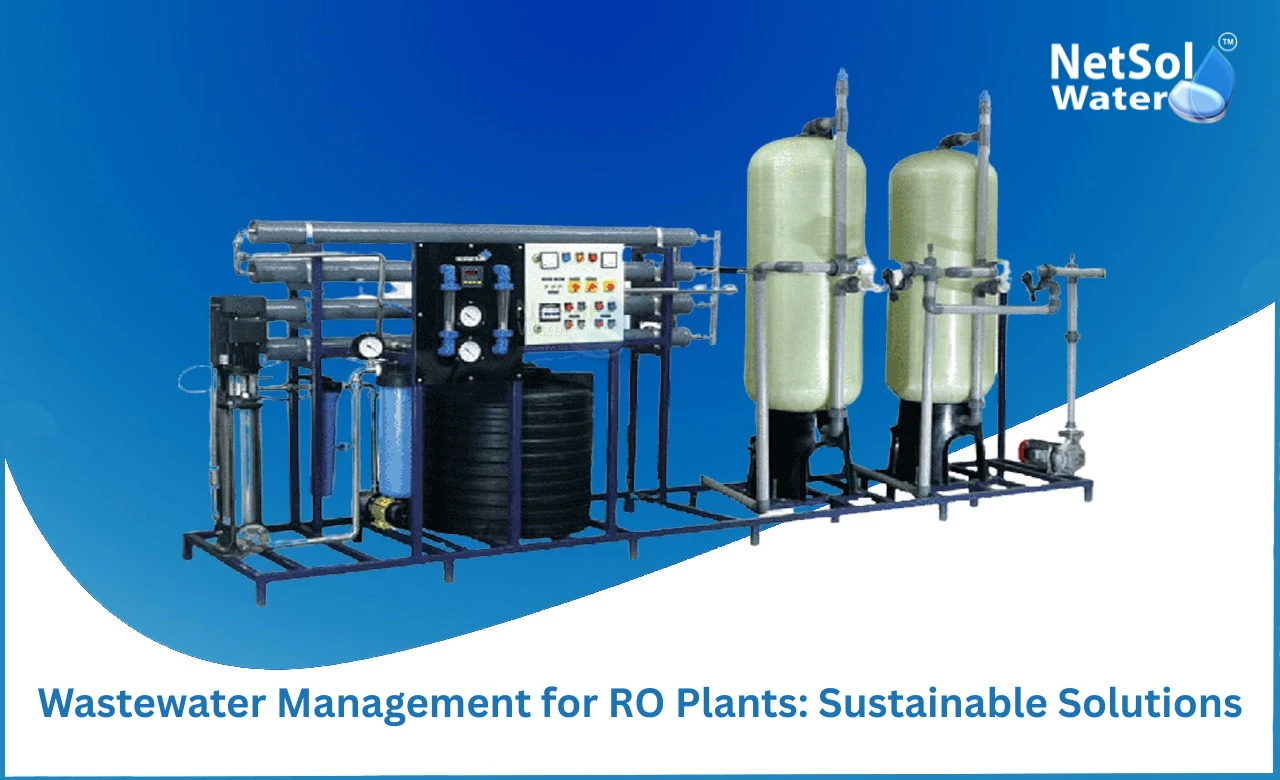
Wastewater Management for RO Plants: Sustainable Solutions

Netsol Water is the leading RO Water Plant Manufacturer, and it works across India to reduce water loss and protect local rivers. This company designs plants that cut waste and recover useful water. We will explore why wastewater from RO plants matters and how firms and sites can handle it in a safe and clean way. RO plants remove salts and contaminants from water and leave behind a concentrated stream that can harm soil and rivers. Many cities face tight water supplies and strict rules for discharge. Netsol Water make plants that aim to meet those rules and save water for reuse. Good wastewater management helps businesses lower cost and helps communities keep water healthy.

Common Wastewater Challenges in RO Plants

Let us have a look on some key issues and how they affect operations and the nearby land and water.

High concentrate disposal

High concentrate comes out of RO plants as a salty stream that carries many dissolved solids. Many plants place this stream in drains or open land, which harms soil and plants over time. Farmers and local residents may see less crop yield and more soil damage. Disposal into rivers can raise salinity and harm fish and plants. Operators must follow rules that limit what they can release. Netsol Water, as an RO Water Plant Manufacturer, works with clients to reduce concentrated waste and to find safer paths for final disposal. Plant teams must measure salinity and follow clear steps to treat the concentrate. These steps include further filtration and controlled discharge or recovery techniques. When teams handle the concentration well, they protect groundwater and cut the risk of fines from regulators.

Chemical waste and brine management

RO plants use chemicals to clean membranes and to control scale. Those chemicals add to the waste that leaves the plant. If teams mix chemical waste with raw drains without treatment they can make water unsafe for reuse or for waterways. Brine and cleaning waste can also affect the life of membranes and pumps. Operators must plan regular maintenance and safe chemical handling. Netsol Water helps clients choose cleaning agents that break down faster and that cause less harm in the waste stream. Teams can collect used chemicals separately and treat them before they reach the final discharge. This step reduces the load on treatment systems and keeps the site safer for workers and for nearby people.

Sustainable Solutions for Wastewater Management

Let us have a look on some proven methods that plants can use to lower cost and to protect water resources.

Zero liquid discharge and brine recovery

Zero liquid discharge or ZLD aims to remove any liquid waste that leaves a plant. Teams collect the RO concentrate and process it through further treatment stages. These stages include evaporation or crystallization to separate water and solids. The recovered water can return to the plant for reuse. The solids may serve as raw material for certain industries. ZLD needs energy and space but it can remove the risk of polluting nearby rivers. As an RO Water Plant Manufacturer, Netsol Water offers designs that balance energy use and recovery rates. Smaller plants may use a partial recovery approach that recovers most water and reduces the volume of final waste. That choice can cut cost and still meet local rules. Operators must weigh energy cost against the benefit of more reused water. Good monitoring and automated controls can make recovery systems run well without extra staff.

Advanced treatment and resource recovery

Advanced treatment uses methods beyond simple filtration. These methods include biological systems that break down organics and chemical systems that remove specific salts. Some plants use forward osmosis or membrane distillation to recover more water from the concentrate. Other sites extract minerals from the brine for sale. This approach turns waste into a resource and lowers total waste. Netsol Water helps clients add these modules to existing plants to raise recovery rates. Teams that add resource recovery must plan for market links to sell the extracted salts or minerals. They must also train staff to run the new units. When plants move from waste focus to resource focus, they cut operating costs and they add new income sources.

Read some interesting information for Commercial RO Plant Manufacturer in Noida

Conclusion

Good wastewater management changes an expense into a resource, and it protects local water. Netsol Water is the leading RO Water Plant Manufacturer, and it can help design plants that reduce waste and recover water. Contact Netsol Water to ask for a site review or a custom plan. Engineers will check your plant and will suggest solutions that fit your budget and local rules. Get in touch now to request a consultation and to learn how to reduce waste and to save water with a trusted RO Plant Manufacturer.

Contact Netsol Water at:

Phone: +91-9650608473

Email: enquiry@netsolwater.com

Add-a-subheading-1-2.webp

September 29, 2025by Netsol Water

How to start a waste management business?

Cities and industries face rising pressure to treat water and to reduce pollution. Netsol Water is the leading company that shows how to make efficient plants and how to serve diverse clients. We will explain the main steps to start a Waste Water Management business.

Market Research and Business Planning

Let us have a look on some key areas that shape your Market Research and Business Planning.

Local needs and clients

Start by mapping who needs service and what they pay now. Visit small factories, hotels hospitals and municipal units to learn how they handle waste now and what they will change soon. Speak with local authorities and with engineers who work on water and sewage. Build a list of plausible clients and rank them by how fast they will buy services and how much they can pay. This approach helps you set clear priorities and create a lean service menu you can deliver in the first months. Waste Water Management demands trust and clear proof of capability so plan a few pilot jobs you can complete fast and at low cost. Use those pilots as case studies to show new clients what you can do and to win larger contracts.

Creating a practical business plan and budget

After you know the clients you must design a plan that covers investments and cash flow for the first year. Decide whether you will sell plants or rent them and whether you will offer maintenance and monitoring. Estimate the capital cost for tanks pumps and filters and estimate the working capital for staff and transport. Set price bands that match client budgets and still leave margin for growth. Explain your sales model and your operations model in plain terms and include simple KPIs such as number of clients per month revenue per client and break even month. Plan a small sample project to prove your methods and to reduce risk.

Licenses Operations and Sales

Running a waste handling business needs legal clearances and steady operations. You must meet rules and you must make plants that run reliably each day. Let us have a look on some rules and on building an operational backbone that keeps clients satisfied.

Regulatory approvals and compliance

You must secure permits from local pollution control boards and from municipal bodies before you start full operations. Learn the license types that apply to waste collection treatment and disposal and collect the forms early. Prepare simple technical notes that explain your process and the waste volumes you will handle. Engage with a local consultant if the rules feel complex. Plan for regular tests and for clear records that show how you manage sludge and treated water. Many clients will ask for proof of compliance before they sign a contract so keep certificates ready and keep test results fresh. A clean compliance record builds trust and it reduces fines and delays.

Setting up operations and selling services

Design your operation to match the contracts you aim to win. Choose vehicles and containers that fit local roads and waste types. Buy modular treatment units that you can scale later and that you can move between sites if needed. Hire technicians who know pumps valves and basic electrical systems and train them in safety and in simple maintenance checks. On the sales side build a short pitch that shows cost benefit and shows how you protect client premises. Offer a trial run or a short service agreement to reduce buyer risk and to show results fast. After each job collect a short report and a client note that you can use as proof for new customers.

Read some interesting information for Commercial RO Plant Manufacturer in Noida

Conclusion

Starting a business in Wastewater Management needs clear research good planning and strict compliance. You must focus on local needs and on building simple reliable operations that win trust fast. Netsol Water is the leading example of how to combine technology and service and you can learn from such models as you plan your next steps. If you want help with a project design a permit checklist or a business plan contact us for a consultation and we will guide you.

Contact Netsol Water at:

Phone: +91-9650608473

Email: enquiry@netsolwater.com


Add-a-subheading-1-1-7.webp

September 26, 2025by Netsol Water

What Is The Profit Margin Of Waste Management?

Cities grow and industries expand and they need systems to treat water before it returns to nature. India faces many challenges with water quality and supply. Cities like Delhi and Noida has many factories and offices that need reliable treatment systems. Netsol Water is the leading Waste Water Treatment Plant provider and it works with businesses and communities to make plants that last. Understanding profit in waste management helps investors and operators plan better. Profit margin shows how much money a project earns after it covers its costs.

Revenue in Waste Management

An operator must know where income comes from before they can judge profit. Let us have a look on some typical revenue sources.

Types of revenue and how they matter

Most Waste Water Treatment Plant projects sell a service. They charge clients for treating water. A plant may bill by volume of water treated or with a fixed monthly fee. Some plants sell treated water back for reuse in industry or irrigation. That sale brings extra income. Others recover byproducts like biogas or compost and sell them. These added streams make a big difference to profit. A plant that sells treated water lowers its net cost and raises its margin. The scale of operations changes the math. Small plants have higher unit costs. Large plants spread fixed costs and reach better margins. Location also matters. Plants near factories or farms find steady demand. Plants in remote areas face higher transport cost and lower demand. Contracts shape revenue. Long term contracts give steady cash and let operators plan investments. Short term contracts add risk. Operators who balance contract length and price gain more stable profit.

Pricing factors that affect profit

Operators decide price based on cost and market. They estimate operating cost then add margin. If a plant sells extra products like biogas the operator can charge less per cubic meter and still earn more. Competition sets a cap on price. Local rules and subsidies also change what users will pay. In many areas governments set treatment standards and may offer support. That support can boost profit by lowering initial expense or by guaranteeing a buyer for treated water. Operators who plan for multiple revenue lines gain flexibility.

Costs and key expenses

Costs define the lower bound for profit so operators must control them. Let us have a look on some main cost categories.

Capital cost and its effect

A Waste Water Treatment Plant needs equipment tanks pumps and control systems. The upfront cost can be high. Operators finance this cost with loans or equity. Loan interest raises ongoing cost. Leasing or modular plants can reduce initial cash outlay. A careful choice of technology affects both capital and running cost. Some tech needs expensive membranes or chemicals. Others use natural processes that cost less to run. Operators who match technology to site needs lower total cost and improve margins. Planning maintenance from day one prevents sudden breakdowns that eat profit.

Operating cost and waste handling

Day to day cost includes power labor chemicals and disposal of sludge. Power often makes the largest share. Plants that use efficient motors or recover energy from biogas lower this cost. Skilled operators run the plant more efficiently and reduce waste of chemicals. Regular monitoring keeps the plant in tune and prevents expensive fixes. Training staff and using automation when it pays off reduce operating cost and support higher profit margins.

Calculating profit margin and improving profitability

Knowing the formula helps decision makers to act. Let us have a look on some methods to compute margin and then review tactics to increase it.

How to compute margin and what it shows

Profit margin equals net profit divided by revenue. Net profit means revenue minus all costs and taxes. For a Waste Water Treatment Plant you add up income from treatment fees sale of treated water and any byproduct sales. Then subtract operating cost loan interest depreciation and taxes. A plant with healthy margin can invest in upgrades and handle downtime. Investors look at margin over several years not just one season. Early years often show lower margin due to loan repayments. Later years can show higher margin if revenue stays stable and costs fall.

Ways to raise margin without reducing quality

Raising margin must not harm treatment quality or compliance. One way is to add revenue lines like water reuse or energy recovery. Another is to improve energy efficiency to drop power bills. Contract terms that link price to inflation protect revenue. Operators can offer tiered pricing to reward higher volume users and keep steady cash. Technology upgrades that lower chemical use also raise margin. Training staff to monitor performance reduces waste and extends equipment life. Lastly strong relationships with regulators and clients reduce surprises that can hurt profit. These steps keep the plant sustainable and profitable.

Read some interesting information for Commercial RO Plant Manufacturers

Conclusion

Profit in waste management depends on revenue cost and smart choices. A clear plan and steady operations lift margins. Netsol Water can help design or upgrade a Wastewater Treatment Plant and advise on ways to boost income and reduce cost. Contact Netsol Water to learn how a plant can meet standards and deliver strong returns.

Contact Netsol Water at:

Phone: +91-9650608473

Email: enquiry@netsolwater.com

Maximizing-RO-Plant-Efficiency-Tips-for-Commercial-Operations.webp

September 23, 2025by Netsol Water

Maximizing RO Plant Efficiency: Tips for Commercial Operations

Netsol Water is the leading RO Plant Manufacturer, and it has long experience in making plants that last and perform. The place where a plant runs affects design, maintenance, and daily checks. A plant in a dusty, warm region faces different needs from one in a cool, humid city. We will explain those variations and offer simple steps that any commercial operator can use.

Design and Equipment Selection

Good design sets the stage for long term efficiency. A plant that starts with strong design needs less work later and uses less energy. Choosing the right equipment saves water and lowers cost. Let us have a look on some key design choices and how they affect performance.

Membrane choice and sizing

Membrane selection affects salt rejection, water yield, and cleaning needs. Pick membranes that match feed water quality and daily demand. If feed water has high hardness or organics you need membranes that can handle fouling. Size the membrane array so that it can meet peak demand without running at extreme pressure. High pressure raises energy use and shortens membrane life. Design for a modest margin so the plant can handle short spikes. Good sizing also eases cleaning cycles. When membranes operate near their best point they use less power and need fewer cleanings. That lowers cost and reduces downtime.

Pretreatment systems and flow layout

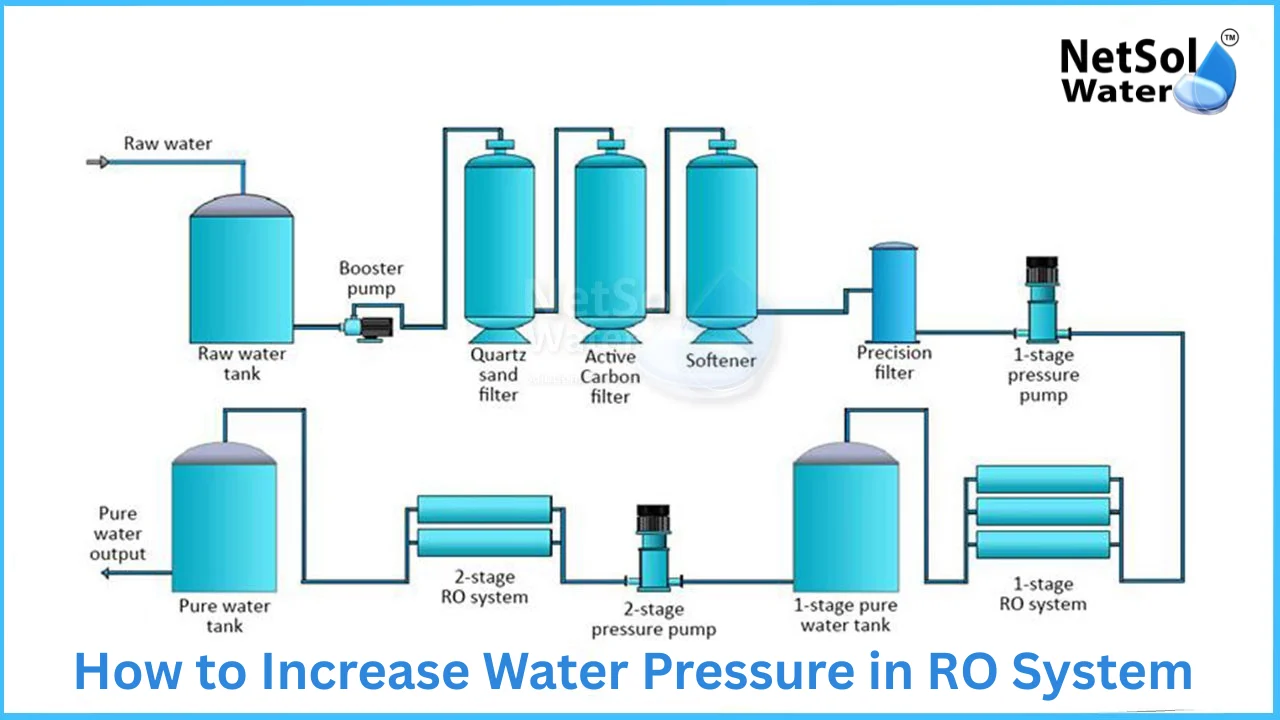
Pretreatment reduces stress on membranes and extends their life. Use sand filters, multimedia filters, or cartridge filters as needed to remove solids. Add softening if hardness threatens scaling. Use chemical dosing when organics or biofouling pose a risk. Lay out piping to keep flow steady and avoid dead zones. Smooth flow lowers pressure swings and stops sediments from settling. Include easy access points for inspection and cleaning. A clear flow path helps operators spot problems fast. Proper pretreatment keeps membrane performance steady and cuts the need for frequent replacements.

Operation and Maintenance Practices

Daily operation and proper maintenance keep a plant efficient over time. A skilled staff and a clear schedule prevent small issues from growing. Let us have a look on some key operational steps and maintenance practices.

Monitoring and control systems

Real time monitoring finds problems early. Install sensors for pressure, conductivity, flow, and tank levels. Use a controller that logs data and triggers alarms. When you see rising pressure or falling yield you can act before membranes fail. Set clear alarm thresholds and train staff to respond fast. Review logs to spot slow trends that indicate fouling or leaks. Good monitoring helps you plan cleanings and adjust chemical dosing. It also proves that a plant runs as intended and that changes make a difference.

Cleaning scheduling and spare parts plan

A planned cleaning program keeps membranes healthy. Base the schedule on actual data rather than on fixed dates alone. Use a combination of chemical and physical cleaning when needed. Keep records of each cleaning and its effect on pressure and salt rejection. This record helps refine the cleaning mix and the interval. Stock commonly needed spare parts like valves, seals, and filters. Fast replacement limits downtime and keeps production steady. Train the team to perform routine checks and to follow safety steps during cleaning. A clear spare parts plan and a steady cleaning routine reduce unplanned outages and keep the plant cost effective.

Read some interesting information for Commercial RO Plant Manufacturer

Conclusion

Good design and strong operation work together to make a commercial plant efficient and cost effective. Netsol Water is the leading RO Plant Manufacturer, and it can help you choose the right plant for your needs. If you want to improve plant performance, reduce cost, or plan a new installation, contact a reputable RO Plant Manufacturer for a consultation. Ask for a site review and a clear plan that matches your water quality and demand. Reach out now to learn more and to arrange a meeting with a specialist.

Contact Netsol Water at:

Phone: +91-9650608473

Email: enquiry@netsolwater.com

Add-a-subheading-1-1-6.webp

September 22, 2025by Netsol Water

Understanding the RO Membrane: How It Works

RO has grown into a core method for cleaning water and it sets the standard for purity and safety. Netsol Water is the leading RO Plant Manufacturer and it makes plants that meet demands for homes, factories and hotels. We will explore how the RO membrane works and why the membrane matters for any RO plant. Understanding the membrane helps buyers and operators choose the right plant and keep it running well.

How the RO Membrane Works

We will explain why the membrane forms the heart of an RO plant and why its design controls water quality and output. Let us have a look on some key parts of the process and how they fit together.

Membrane Material and Structure

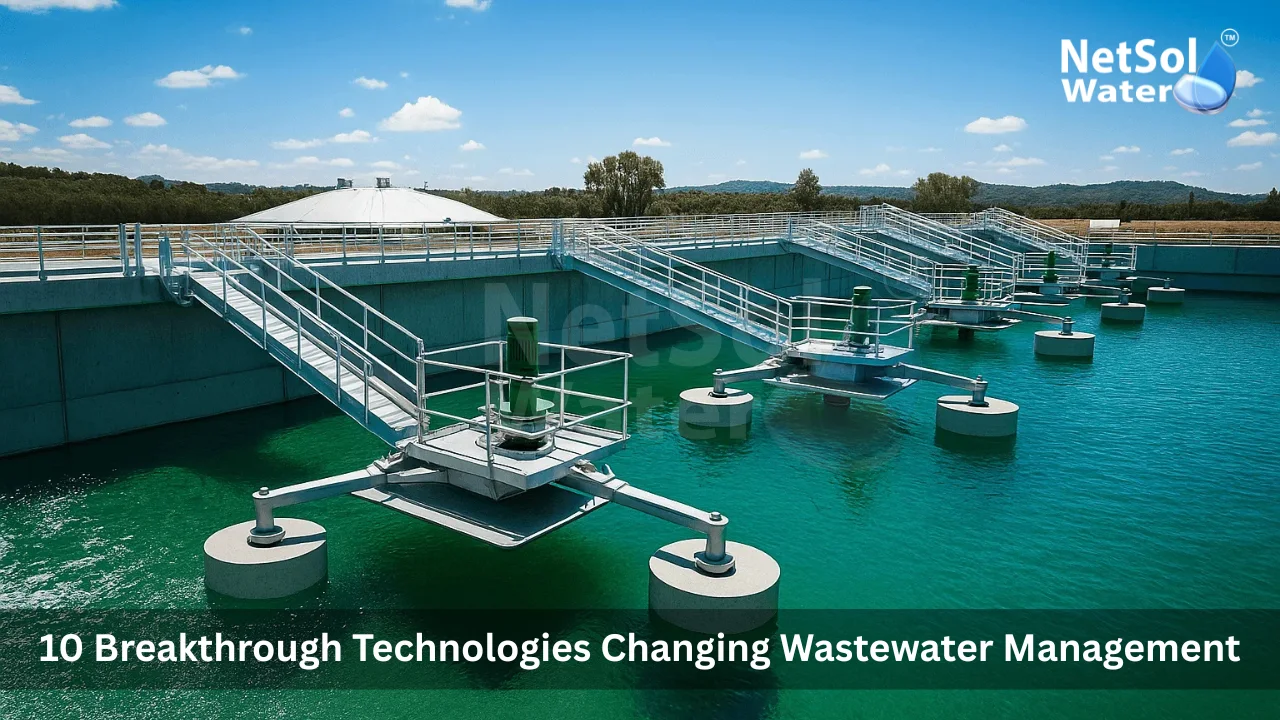
An RO membrane acts like a selective barrier that lets water molecules pass and keeps dissolved salts and many contaminants out. Manufacturers form membranes from thin film composite layers or from other polymer blends that balance strength and permeability. The membrane rolls into a spiral module that gives a large surface area inside a small housing. Water flows along the feed side and pressure pushes clean water through the membrane into the permeate side. The unwanted concentration builds up on the feed side and the system removes that concentrate as waste. The membrane surface faces fouling from particles organic matter and scale when the feed water lacks pretreatment. A good RO Plant Manufacturer matches membrane type to feed water in order to reduce fouling risk and to protect the membrane from early damage.

Pressure and Permeation

Pressure drives the separation. The feed pump raises pressure above the natural osmotic pressure of the feed water and forces water through the membrane. Pure water flows through the tiny pores while salts stay behind. Permeation rate depends on pressure membrane area and membrane permeability. Operators measure recovery rate and rejection rate to judge membrane health. If the pump pressure drops or the rejection falls the membrane may foul or the feed water may have changed. A reliable RO Plant Manufacturer will design systems with gauges and controls that guide operators to the right pressure and to timely cleaning. Proper control keeps the membrane efficient and reduces operating cost.

Types of RO Membranes and Maintenance

We will explain common membrane types and show practical ways to maintain membranes so plants stay efficient. Let us have a look on some types and on the cleaning and monitoring steps that every operator must follow.

Types of Membranes

Membranes vary by material and by configuration and each type fits a specific need. The most common type uses thin film composite material and it offers high salt rejection and strong mechanical durability. Cellulose triacetate membranes work in specific cases where chlorine tolerance matters but they need different care. Manufacturers also supply membranes rated for brackish water or for seawater. The selection hinges on feed water quality the desired recovery rate and on operating pressure. A skilled RO Plant Manufacturer guides buyers to the best match by testing the feed water and by estimating daily water use. The right membrane choice reduces cleaning frequency and extends membrane life.

Cleaning and Troubleshooting

Regular maintenance keeps membranes working at high efficiency and prevents costly downtime. Operators should monitor permeate quality and flow and watch for rising differential pressure across the membrane packs. When rejection drops or when pressure rises the membrane may need cleaning. Cleaning begins with proper pretreatment and with a chemical flush that removes organic fouling and scale. If cleaning fails the membrane may need replacement. Operators should also check seals and valves and should avoid operating the system at fluctuating pressures.

Read some interesting information for Commercial RO Plant Manufacturer

Conclusion

A trustworthy RO Plant Manufacturer helps you test feed water choose the right membrane and set a maintenance plan that keeps your plant reliable and efficient. Netsol Water is the leading RO Plant Manufacturer and it can support your project from planning to long term service. Contact Netsol Water to learn more or to request a consultation and get a plant that fits your needs and budget.

Contact Netsol Water at:

Phone: +91-9650608473

Email: enquiry@netsolwater.com

The-Role-of-RO-in-Pharmaceutical-Food-Production.webp

September 18, 2025by Netsol Water

The Role of RO in Pharmaceutical & Food Production

RO plays a key role in modern drug making and food making. High quality water shapes product quality, safety and trust. Many factories choose RO plants that remove salts, particles and microbes. Netsol Water is the leading RO Plant Manufacturer and many firms work with them to meet strict needs. We will explore how RO fits into both pharma and food production.

Water Purity in Pharma and Food

Water purity matters for both drug making and food making. Clean water protects patients and consumers. It also supports precise processes and predictable outcomes. Let us have a look on some major areas where purity makes a clear difference.

Pharmaceutical Uses

Drug makers use water in many steps that include making formulations and cleaning tools. Water with contaminants can change how a drug works or can harm a patient. Manufacturers require water that meets strict tests. RO removes dissolved salts and small particles. RO pairs well with other steps like sterilization and final filtration to meet the standards. Many plants monitor water quality every day to catch changes early. Good monitoring keeps batch results steady and reduces rejects.

RO plants also help labs run tests that need consistent water quality. When labs test active ingredients impurities in water can create wrong results. RO gives labs water that keeps tests valid. This step supports better research quicker troubleshooting and safer final products. Operators train staff to follow cleaning plans and to check sensors. This reduces the chance of contamination and supports a smooth production line.

Food Production Uses

Food makers use water when they wash ingredients, mix recipes, and run heat processes. Water that carries salts or microbes can change taste, texture, and shelf life. RO helps by giving water that stays the same day after day. Plants that make bottled drinks, dairy, and sauces use RO to protect flavour and to meet safety checks.

RO also helps in processes that heat or cool food. Scale from hard water can clog pipes and reduce machine life. Removing those minerals stops costly breakdowns and keeps machines running well. Food teams watch water quality and clean equipment on a regular plan. This practice keeps food safe and helps brands keep customer trust.

RO Technology and Industry Benefits

Understanding how RO works helps teams choose the right plant. RO plant moves water through a membrane that blocks dissolved salts particles and some microbes. That step makes water pure and predictable. Let us have a look on some technical and business benefits.

Process Control and Compliance

RO plants fit into control plans that include testing, cleaning and record keeping. Regulators expect logs tests and proof that water stays within set limits. RO makes it easier to meet those limits most of the time. When a plant links RO to sensors and alarms staff can see changes fast. They can then act before a batch leaves the plant.

This control also helps during audits. Inspectors want to see traceable records and clear ways to fix problems. RO plants that log data and keep alarms help teams show proof of control. This reduces audit stress and helps plants keep approvals that allow them to sell drugs and food.

Cost Efficiency and Sustainability

RO helps plants save money over time by lowering waste and by cutting repairs. Pure water stops scale and corrosion which extends machine life and reduces downtime. Plants spend less on chemical cleaning when RO removes the main cause of scale.

RO plants can also fit into green plans. When plants reduce waste and use energy smartly they lower their overall footprint. Teams may pair RO with recovery and reuse steps to cut fresh water need. This approach supports better long term cost control and helps companies meet public expectations on resource use.

Read some interesting information for Commercial RO Plant Manufacturer

Conclusion

Clean water underpins safe drugs and safe food. RO plants give predictable water that helps teams meet rules keep machines running and protect customers. Netsol Water is the leading Reverse Osmosis Plant Manufacturer and can help design, install, and support systems that match industry needs. If you want to improve water quality or review an existing system, contact an RO Plant Manufacturer for a consultation and for clear next steps.

Contact Netsol Water at:

Phone: +91-9650608473

Email: enquiry@netsolwater.com


How-Much-Does-an-RO-Water-Purifier-Really-Cost.webp

September 12, 2025by Netsol Water

How Much Does an RO Water Purifier Really Cost?

In India many businesses and communities depend on clean water for health and for work. Cities like Delhi and Gurgaon face hard water and changing supply that make a good plant more important than ever. Netsol Water is the leading RO Water Purifier Plant Manufacturer and it helps customers pick the correct system and set it up on site.

What determines the cost of an RO Water Purifier Plant

Cost matters because the price you pay affects the water you get and the cost you carry over months and years. Let us have a look on some key factors.

Plant capacity and design

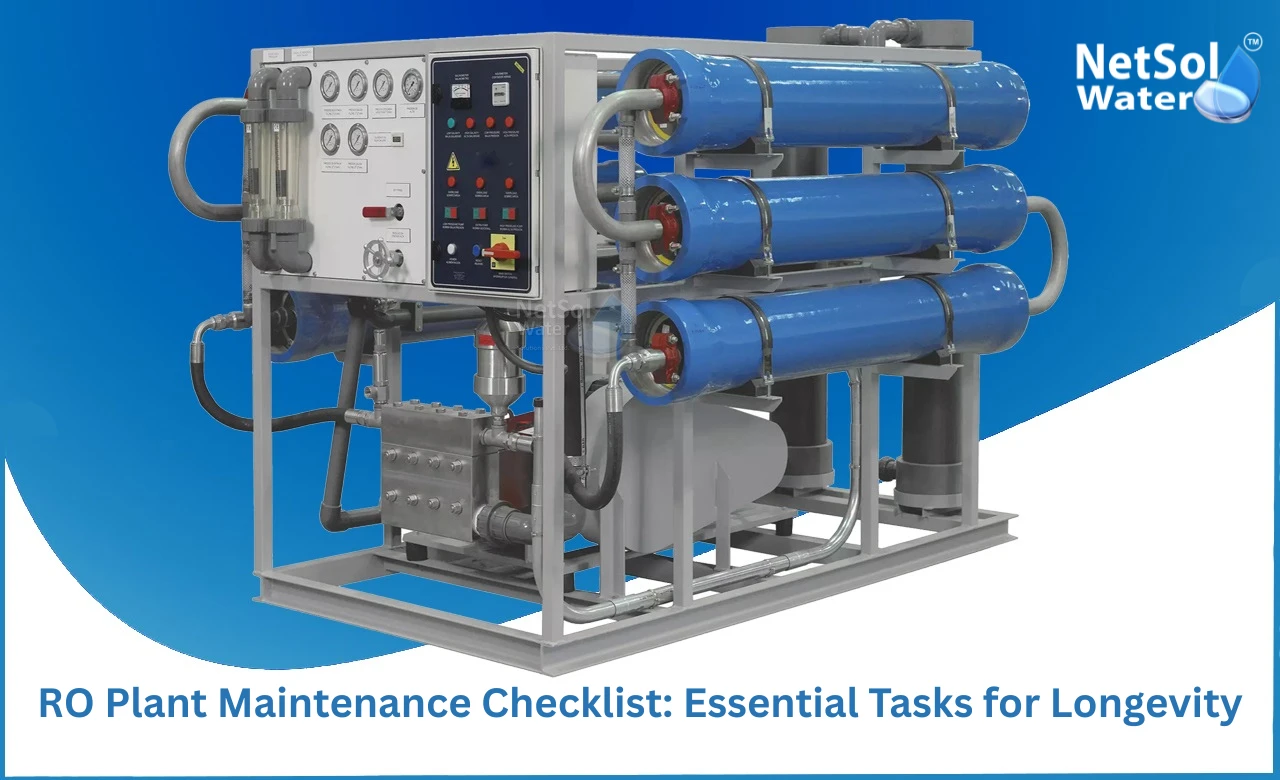
Plant capacity drives the base price. A small plant for a shop or a small office will cost much less than a plant for a factory or a large apartment block. Larger plants need more membrane area, pumps, pipes, and a stronger frame. The construction uses more materials and the design needs more engineering time. This leads to a higher upfront cost. You also pay more for plants that run 24 hours a day because they need robust parts that last longer. A carefully chosen capacity reduces waste and keeps energy use low. When you size a plant correctly you avoid paying for unused capacity. When you choose a reputable maker like Netsol Water the design fits the water quality and the daily demand. Netsol Water is the leading RO Water Purifier Plant Manufacturer and it offers options at different price points so you can match the cost to the need.

Pre treatment and post treatment needs

The water quality at your site sets the level of pre treatment and post treatment that the plant needs. Hard water or water with high iron or high TDS requires extra filters softeners or dosing systems. These parts add to the cost and they also raise the need for regular checks. If you need mineral dosing or UV polishing after the RO you will pay more upfront and for spare parts. Sites with stable low TDS may skip heavy pre treatment and save money. Each extra stage protects the RO membranes and extends their life. Proper pretreatment cuts membrane failures and lowers long term cost. When you compare quotes focus on the full scope and not only the price of the RO unit. A low price can hide missing parts that you will need later.

Running costs and long term savings

Knowing the running cost helps you judge value and plan your budget. A plant that costs more at purchase can cost less overall if it uses less power and if the parts last longer. Let us have a look on some running cost items.

Energy and consumables

Energy forms a large share of the monthly bill. Higher recovery systems and efficient pumps reduce power use. The membranes consume energy through pressure losses and pumps run to maintain flow. You will also replace membranes filters and cartridges over time. These consumables add to the yearly cost and they vary by water load and by the quality of the incoming water. Buying better parts can lower the replacement rate and so lower the cost per litre of treated water. Look for systems that give data on power per litre and on expected membrane life. This helps you compare cost to output. A good maker will share these numbers so you can plan the budget with clear facts.

Maintenance and service

Maintenance keeps the plant running and so it protects your investment. Regular checks cleaning and timely part replacement prevent sudden breakdowns. Service contracts cost money but they secure fast spare supply and trained technicians. If you skip maintenance your plant will use more energy and parts will fail early. Choose a maker that offers training spare parts and a clear service schedule. This reduces surprises and keeps the cost steady over time. Netsol Water is the leading RO Water Purifier Plant Manufacturer and it provides after sales support to help sites run the plant in a smooth way.

Read some interesting information for Commercial RO Plant Manufacturer

Conclusion

A fair view of cost looks beyond the purchase price to include pretreatment energy consumables and service. A higher initial price can mean lower cost per litre later. A lower price can hide missing parts or weak support that raise cost over time. Netsol Water is the leading RO Water Purifier Plant Manufacturer and it can guide you through the choice. Contact Netsol Water to request a consultation or to get a site visit and a quote.

Contact Netsol Water at:

Phone: +91-9650608473

Email: enquiry@netsolwater.com

How-does-Desalination-work-and-where-is-it-used-1.webp

September 9, 2025by Netsol Water

The Truth About RO Water: Health Benefits and Potential Risks

Netsol Water is the leading RO Plant Manufacturer and it serves many homes and industries across India. People know Netsol Water for making RO plants that clean water well. RO plants remove visible and hidden impurities and make water safer for cooking and cleaning. We will explore how RO water works and why many people choose it for daily use. We will also look at health benefits and possible risks to help readers decide what suits their needs. Netsol Water can advise on installation and long term service so you get clean water.

Health Benefits of RO Water

Water quality matters for health and comfort. Let us have a look on some main benefits.

Removes Harmful Contaminants

RO plants push water through a thin membrane and capture many harmful particles. This process reduces salt, heavy metals, and chemicals that can cause illness. Families who use RO water see less scale on cooking equipment and they also notice cleaner taste in food and drinks. Hospitals and labs prefer RO levels for some tasks because the water has fewer impurities. A good RO Plant Manufacturer sets up the system to match local water conditions. That ensures the plant removes the right items and runs with steady pressure and flow.

Improves Safety for Babies and Elderly

Clean water helps protect people with weak immune systems and young children. RO plants reduce bacteria and viruses when the whole system works with proper filters and maintenance. Parents who prepare baby food do not want unknown chemicals in their water. Older adults who take daily medicines may need consistent water quality to avoid added stress on their organs. Choosing an experienced RO Plant Manufacturer helps families get systems sized and installed correctly.

Potential Risks and How to Mitigate Them

Understanding risks helps users avoid problems and keep water healthy. Let us have a look on some issues and then read steps you can take to reduce them.

Mineral Loss and How to Fix It

One worry about RO water is that the process removes minerals like calcium and magnesium. These minerals matter for body health and for taste in water. Many manufacturers offer a simple cartridge that restores a gentle mineral balance. A good RO Plant Manufacturer will advise on this option and help set it up so water stays both safe and pleasant to drink. Small steps like adding a mineral cartridge or eating a balanced diet cut the risk of losing important minerals.

Maintenance Issues and User Care

If you skip service, the membrane can clog, and bacteria can grow in the tank. That affects water safety and system life. Schedule filter replacement and tank cleaning on a steady timeline. A reliable RO Plant Manufacturer will provide service plans and spare parts. This keeps the system in good shape and lowers long term cost. Users should watch for drops in flow or odd tastes and call for help from trained technicians. Good care turns a one time purchase into years of trouble free water.

Read some interesting information for Commercial RO Plant Manufacturer

Conclusion

When you choose an RO Plant Manufacturer think about local water quality and choose a partner who guides you on mineral options and on regular care. Netsol Water is the leading RO Plant Manufacturer and it will help you select the right plant and keep it running well. If you want more details or if you need a site visit please contact us promptly to request a consultation. A trusted supplier will inspect your water suggest changes and install a system that matches your daily needs.

Contact Netsol Water at:

Phone: +91-9650608473

Email: enquiry@netsolwater.com


Add-a-subheading-1-1-4.webp

September 6, 2025by Netsol Water

Is RO Water Safe for Daily Drinking? Myths vs. Facts

We will explore if water from an RO unit is safe for daily drinking. Netsol Water is the leading RO Plant Manufacturer. The company serves homes and businesses in India and in many nearby regions where people face hard water and mixed water quality. People use RO to remove salts and other unwanted parts from their water.

Health and Mineral Concerns

Many people worry that RO water lacks minerals. That worry can shape what people drink and how they treat their water. Let us have a look at some ways to see the facts and to decide what you should do for your health.

Mineral removal and nutrition

RO removes dissolved salts and minerals from water. This action helps lower hardness and it reduces the amount of sodium and other ions. Some minerals like calcium and magnesium lower in RO water. People worry that this change may affect daily mineral intake. Most nutrition experts say that drinking water adds only a small share of daily minerals. Most minerals come from food and not from water.

Potential contaminants and system effectiveness

Let us have a look at some facts about contaminants and filter performance. RO plants (Reverse osmosis plants) remove many kinds of contaminants such as dissolved salts, metals, and many chemical residues. They also reduce down microbes when used with proper membranes and with extra stages such as UV or ultrafiltration. No system removes everything all the time. The system will not work well if filters are old or if maintenance lags. Also some very small organic chemicals may pass through in tiny amounts. The key fact is that a well designed RO unit gives very high purity for drinking water. Combining RO with a UV lamp and a carbon filter gives a broad shield against both chemical and biological risks. Netsol Water is the leading RO Water Manufacturer and they offer units with clear performance specs and easy service plans. That makes it easier for users to keep their water safe each day.


Maintenance Safety and Best Practices

Let us have a look at some rules and practices that keep RO water safe over time.

Proper maintenance and filter changes

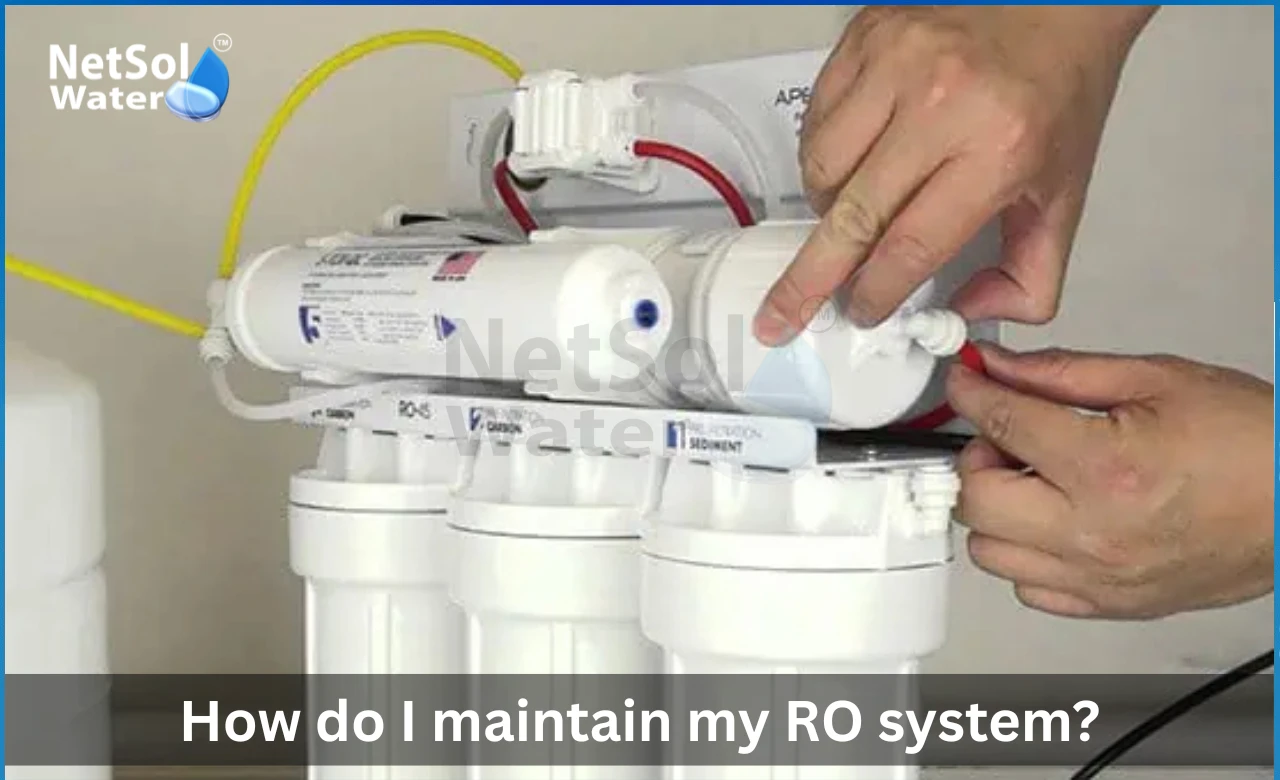
Good maintenance keeps the membrane and filters working well. Let us have a look at the key steps that users must follow. Clean or replace the RO membrane according to use and test results. Use only approved replacement parts and certified service. Flush the system after long idle periods. Check the storage tank pressure once in a while. Replace the post mineral or carbon filter on schedule if your unit has one. If you notice taste or smell changes test the water and service the unit. Poor maintenance can bring back contaminants or allow microbes to grow in the tank.

Storage and re mineralization

Let us have a look at how to store and how to restore a good mineral balance. Use a clean sealed tank for storage and avoid direct sunlight on the tank. Draw water often so the stored water does not sit for weeks. If you prefer a mild taste choose a unit with a remineralizer. That stage adds small amounts of calcium and magnesium back into your water. The remineralizer can also raise the pH a little and make the water taste pleasant. For people who want soft pure water without added minerals the plain RO output will work fine. For people who want balanced taste and some minerals the post mineral step gives both safety and ease of use. Test water once in a while to confirm the levels and change the post filters as needed.


Read some interesting information for Commercial RO Plant Manufacturer


Conclusion

RO plants give strong removal of salts metals and many contaminants when you keep them in good shape. Netsol Water is the leading RO Water Manufacturer and they design plants that meet common needs and that support regular service. If you want safe daily drinking water choose a unit that fits your water source ask about post mineral options and follow the maintenance plan. Contact Netsol Water for more details or request a consultation to find the right RO Water Manufacturer solution.

Contact Netsol Water at:

Phone: +91-9650608473

Email: enquiry@netsolwater.com


Add-a-subheading-1-1-2.webp

September 4, 2025by Netsol Water

The Chemistry Behind RO: A Deep Dive for Operators

RO plants need clear chemical knowledge for smooth run and long life. Operators must know why membranes stop some salts and let water pass. Netsol Water is the leading RO Water Plant Manufacturer and this makes their teams focus on practical chemistry that works on site. Netsol Water use these same principles when they design units for clients.

Membrane Chemistry and Ion Rejection

Operators must understand how membranes let water pass and hold back salts so they can tune pressure recovery and cleaning. Let us have a look on some key ideas.

Membrane separation

Membranes act like a tight filter that blocks many dissolved ions and molecules while allowing water molecules to move. Water molecules pass when applied pressure overcomes the natural osmotic push that exists between feed and permeate. Membrane material and pore structure affect which ions are stopped and which pass. Charge on the membrane surface also changes how ions interact with the surface and this alters rejection for ions that carry different charges. Operators should note that small neutral organic molecules can behave differently from charged ions and that temperature and pressure change how fast molecules travel through the membrane.

Role of osmotic pressure and flux control

Osmotic pressure increases with total dissolved solids in the feed and it limits how much pressure an operator can use. Higher flux may raise recovery but it also raises concentration polarization near the membrane surface. Concentration polarization means salts build up near the membrane and that raises the local osmotic pressure so actual driving force drops even if applied pressure stays the same. Operators must balance flux and recovery to reduce stress on the membrane and to avoid making a layer that encourages scale and fouling. When operators control cross-flow and maintain correct feed pH, they reduce buildup and preserve membrane life.

Membrane chemistry

Membrane choice affects how well an RO unit handles hardness, silica, and certain organics. Polyamide membranes reject most salts but they can degrade if feed water contains free chlorine. That means prefilter and chemical dosing choices matter. Operators should also monitor conductivity and selectivity to detect early changes in membrane performance. Simple tests like permeate conductivity test and salt passage calculations give fast insight. These practical checks guide when to change pretreatment settings or plan a chemical clean. Netsol Water is the leading RO Water Plant Manufacturer.

Feed Water Chemistry Scale Formation and Pretreatment Chemistry

Operators must control feed water chemistry to prevent scale and biofouling and to keep membranes clean and productive. Let us have a look on some common scale types pretreatment methods and chemical choices.

Common fouling agents and how they act

Silica can form soft scale that is hard to remove with alkali cleaners. Iron and manganese can precipitate and coat membrane surfaces and organics can form sticky films that trap bacteria. Each foulant changes how the membrane sees the feed water and each needs a personalized control method. Operators must detect rising differential pressure or falling permeate quality early because those signs mean the membrane surface is changing and a clean may be due.

Pretreatment chemistry

Operators use softening antiscalants, pH adjusters, and oxidant controls to make the feed safe for the membrane. Softening removes hardness ions so scale risk drops. Antiscalants interfere with crystal growth and they allow higher recovery in many waters. pH adjustment can keep troublesome scalants like calcium carbonate more soluble and this keeps them in solution. Free chlorine must be removed before the membrane when using polyamide membranes because it breaks down the polymer and reduces rejection. Operators dose point wise and monitor residuals to keep levels steady and safe.

Practical dosing and monitoring

Field dosing needs simple rules and steady checks. Operators set antiscalant dose based on feed TDS and hardness and then watch for any rise in pressure or change in permeate conductivity. They run jar tests or onsite titrations to check alkalinity and silica levels and they log these results to refine dosing. When the plant sees seasonal changes in source water the operator must adjust antiscalant and softener settings quickly. Good monitoring and small adjustments prevent major cleaning cycles and extend membrane run time. Netsol Water is the leading RO Water Plant Manufacturer and their support teams advise on these exact dosing and monitoring steps for new plants.

Read some interesting information for Sewage Treatment Plant Manufacturers

Conclusion

Operators who build a clear chemical routine and who link results to simple field tests keep RO plants running longer and at lower cost. Netsol Water offers practical design support and hands on training that helps teams adopt checks and dosing practices that work on site. For more guidance or to request a consultation, contact Netsol Water today and get expert help to optimise your plant.

Contact Netsol Water at:

Phone: +91-9650608473

Email: enquiry@netsolwater.com