
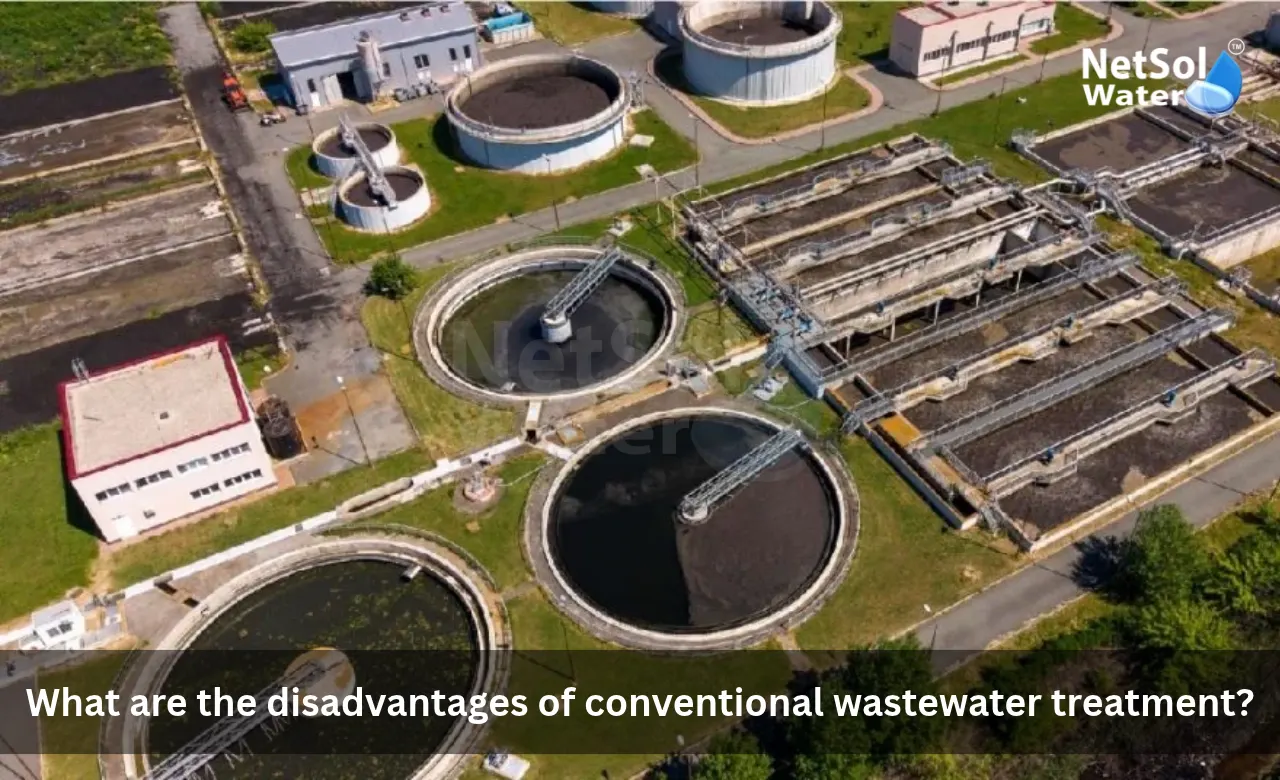
What are the disadvantages of conventional wastewater treatment?
Water is one of the most important natural resources because every home, industry, and business depends on it each day. As cities grow and industries expand, the amount of wastewater also increases. This creates a greater need for proper treatment before the water returns to rivers, lakes, or the environment. Conventional wastewater treatment methods have served communities for many years. They remove many harmful pollutants and help protect public health. Even so, these traditional systems have several limitations that become more visible as environmental standards become stricter.
With the different kinds of chemicals, oils, heavy metals, and organic waste found in wastewater, many industries are now in need of improved treatment methods, as some forms of wastewater cannot always be completely removed. That is one of the reasons that some businesses prefer advanced solutions that will help to improve water quality and to cut down on the operating costs.
A modern wastewater treatment plant provides improved performance and compliance with industry standards. We are the top wastewater treatment plant manufacturer, offering state-of-the-art wastewater treatment solutions to enhance wastewater treatment efficiency and promote water sustainability.
High Operating Cost and Limited Treatment Efficiency
All wastewater treatment systems are designed to help keep the environment safe and ensure that wastewater is disposed of safely. There are many factors that influence a treatment system’s effectiveness over time, such as cost and treatment performance. Traditional treatments tend to be costly due to the need for constant running and maintenance. Let’s take a look at some of the drawbacks of operating cost and treatment efficiency.
1. High Energy Consumption
At traditional wastewater treatment plants, pumps, blowers, and mechanical equipment are used throughout the treatment process. The machines operate for several hours a day and use a considerable amount of electricity. The higher the electricity costs, the more expensive the operating cost. These expenses are difficult to handle in small industries, resulting in large production costs.
2. Frequent Maintenance Requirements
Traditional treatment systems have a number of components that must be maintained. Motors, pumps, pipes, and aerators tend to wear out over time. Failure to maintain can result in loss of efficiency or inoperability of the entire system. Repair work also causes additional downtime and financial strain on industry.
3. Incomplete Removal of Modern Pollutants
Today, industrial wastewater is laced with complex chemicals such as pharmaceutical residues and other chemicals that older water treatment technologies are unable to handle. Conventional systems can remove suspended solids and organic material but are not always able to remove these new contaminants. This decreases the quality of the treated water and restricts its use in industry in a safe manner.
Environmental Challenges and Waste Generation
One of the primary reasons for wastewater treatment is to protect the environment. A treatment process should actually diminish pollution without producing any new pollution issues. The conventional wastewater treatment system has a problem due to the generation of wastewater and natural resource consumption during the treatment process. Let’s take a look at some of the environmental drawbacks of a conventional wastewater treatment plant.
1. Large Sludge Production
The major problem of the conventional treatment systems is the generation of huge sludge. The sludge contains chemicals that have organic material and harmful substances and must be handled carefully. There is a need for extra space, equipment, and financial resources for safe transportation, treatment, and sludge disposal. Substandard sludge disposal also can contaminate surrounding land and water.
2. Higher Carbon Footprint
The traditional treatment methods require a lot of electricity. Many areas have a large dependence on traditional sources of energy. Energy is in continuous use and leads to the generation of GHGs, hence environmental pollution. Today, technology is being developed to minimize this effect by achieving greater energy efficiency and applying more intelligent process control.
3. Limited Water Reuse Capability
Many industries now want to recycle treated wastewater to reduce freshwater consumption. Conventional treatment methods often cannot produce water of sufficient quality for advanced industrial reuse. As a result, industries continue using fresh water even when treated wastewater is available. This increases pressure on natural water resources, especially in areas facing water shortages.
Operational Limitations and Future Challenges
Industries today operate in a fast-changing environment where wastewater quality changes frequently. Treatment plants must adapt to different waste loads while meeting strict environmental standards. Conventional treatment systems often struggle to provide this flexibility. Let us have a look at some operational challenges that reduce the effectiveness of traditional wastewater treatment.
1. Poor Adaptability to Variable Wastewater
Industrial wastewater does not remain the same every day. Production changes, seasonal demand, and different manufacturing processes create variations in wastewater composition. Conventional treatment systems are usually designed for fixed operating conditions. When wastewater characteristics change, the treatment efficiency may decrease, which affects the final water quality.
2. Difficulty Meeting Strict Regulations
Environmental authorities continue introducing stricter discharge standards to protect rivers, lakes, and groundwater. Conventional systems may not achieve these higher treatment requirements without major upgrades. Industries often need additional treatment units to meet compliance, which increases both investment and operating expenses.
3. Limited Scope for Automation
Modern industries prefer automated systems that reduce manual work and improve operational control. Conventional treatment plants usually require continuous human supervision and manual adjustments. This increases labour costs and creates a greater chance of operational errors. Advanced treatment technologies offer better monitoring and automatic control, which improves reliability and efficiency over time.
Why Modern Wastewater Treatment Solutions Are a Better Choice
As industries continue growing, the demand for efficient wastewater treatment also increases. Modern treatment technologies address many weaknesses found in conventional systems. They improve water quality while reducing operating costs and environmental impact. Let us have a look at some advantages that make advanced systems a practical solution for industries.
1. Better Treatment Performance
Modern technologies combine biological, chemical, and membrane-based processes to remove a wider range of pollutants. They produce cleaner treated water that meets strict environmental standards and supports safe water reuse in industrial operations.
2. Lower Long-Term Operating Cost
Although advanced treatment systems may require higher initial investment, they often reduce long-term expenses. Energy-efficient equipment, smart monitoring systems, and improved process control lower electricity use, maintenance needs, and labour costs. These savings continue throughout the life of the plant.
3. Sustainable Water Management
Advanced treatment systems help industries recycle wastewater and reduce dependence on freshwater resources. This supports sustainable business practices while protecting the environment for future generations. Better water reuse also helps industries prepare for future water shortages and changing environmental regulations.
Read some interesting information for the Effluent Treatment Plant Manufacturer in Gurgaon
Conclusion
Conventional wastewater treatment has supported industries and communities for many years, but it also has clear limitations. High operating costs, large sludge production, incomplete pollutant removal, and limited flexibility reduce its ability to meet present environmental demands. Modern industries require treatment systems that improve efficiency while reducing environmental impact and operating expenses.
Choosing an advanced wastewater treatment plant helps industries achieve better treatment performance and long-term sustainability. Netsol Water is the leading wastewater treatment plant manufacturer that delivers reliable and efficient solutions for different industrial needs. If you are planning to upgrade your wastewater treatment plant or need expert guidance, contact Netsol Water today and request a consultation to find the right solution for your business.
Contact Netsol Water at:
Phone: +91-9650608473
Email: enquiry@netsolwater.com