
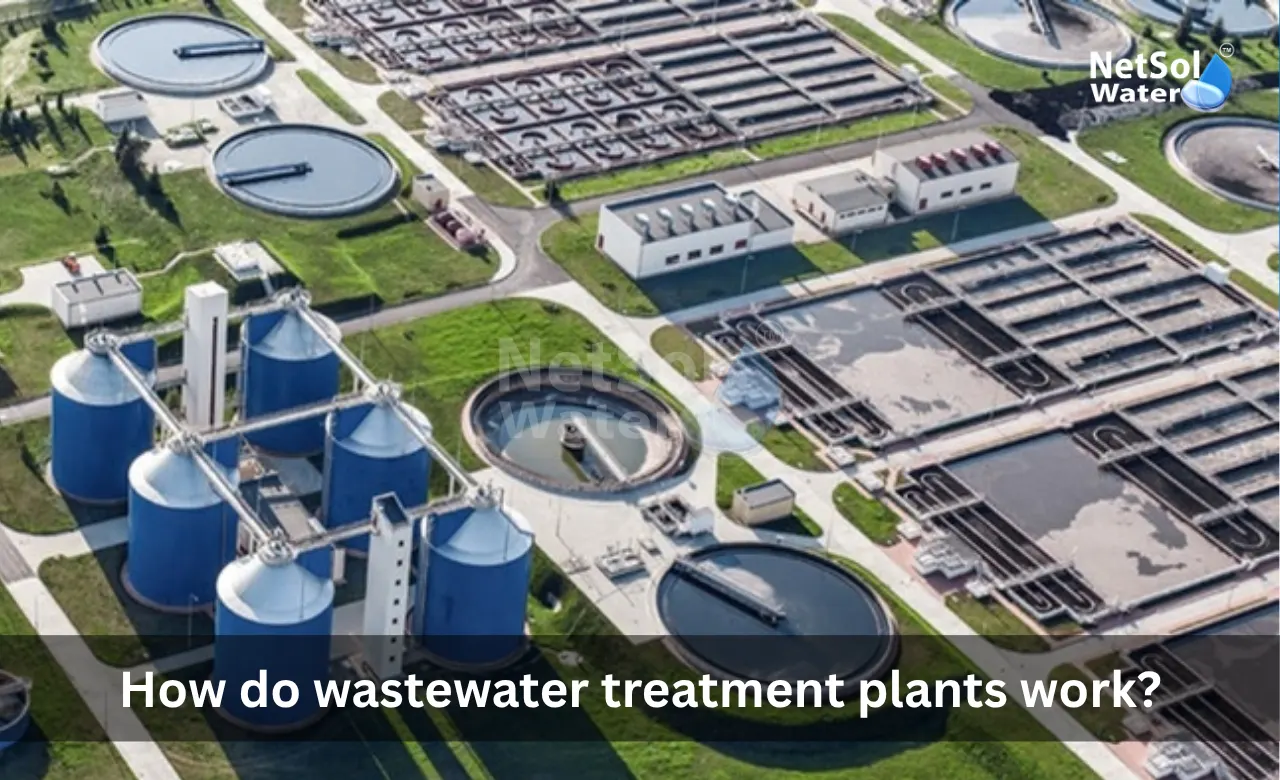
How do wastewater treatment plants work?
Clean water is essential to healthy communities and industries. Discharge of wastewater occurs daily from every home, hospital, school, and factory. This water, if people let it out without treatment, can pollute the groundwater, rivers, and lakes. It can also have detrimental effects on the health and the environment. This is why wastewater treatment plants are significant in today’s life. They treat dirty water and render it safe for discharge or reuse.
The value of water conservation and environmental protection has come to the fore in many industries in India, which now invest in advanced treatment systems. A reputable Wastewater Treatment Plant Manufacturer assists firms in selecting the most appropriate wastewater treatment system and provides trouble-free operation for many years. Netsol Water is a top Wastewater Treatment Plant Manufacturer with reliable solutions for various industries. Industries and communities can use this knowledge to make sustainable growth and water management decisions.
Working Process of Wastewater Treatment Plants
Each wastewater treatment plant has a specific course of action that eliminates various kinds of wastes from water. The purpose of each stage is different, and the water is prepared for the next stage. It is a 100% treatment process that generates a clean water stream conforming with environmental standards. Let’s take a peek at a few key points to understand how wastewater treatment works.
1. Collection and Screening
The first step of the treatment process is when wastewater flows into the plant via underground pipelines or collection systems. This water has a lot of unwanted elements like plastic, paper, cloth, wood pieces, and all sorts of large items too. Such materials can damage the machinery and disrupt the treatment if they get into machines.
These large solids are eliminated in the screening stage by sending wastewater through robust metal screens. These screens are cleaned regularly to ensure proper functioning of the system. Water goes through the screening process and then to the next step, where heavier materials like sand, gravel, and small stones settle at the bottom. This process not only helps prevent wear on pumps and other equipment, but also helps to maintain plant efficiency. Appropriate screening also enhances the effectiveness of all stages of treatment that follow.
2. Primary Treatment
A large settling tank is used to screen the wastewater. Here, the water flow is slow, which permits the heavier solid particles to settle at the bottom. Meanwhile, the light materials rise and are collected by the workers.
This stage is designed to reduce the large suspended solids loads prior to the biological treatment. It also reduces workload on the subsequent treatment phase. The result is that the plant becomes more efficient in its energy use and performs its cleaning tasks more effectively. The primary treatment process provides an environment where biological processes can take place to remove dissolved organic material from the wastewater.
Biological Treatment Removes Dissolved Waste
Many dissolved pollutants still remain in the water after physical treatment is provided for removing large and heavy materials. In biological treatment, these pollutants are decomposed by natural microorganisms. This process will help to improve the quality of the water and ready it for final treatment. Let’s take a look at some important biological treatment methods.
1. Aeration Process
The aeration tank is one of the most important parts of the wastewater treatment plant. In this process, workers pump air into the wastewater all the time. Oxygen provides food and habitat for useful bacteria that eat organic debris left in the water to flourish.
These microorganisms break down the waste into simple and non-toxic by-products. This natural cleansing action cleans up a significant portion of the wastewater pollution. Aeration also helps to control objectionable odours and helps to enhance the overall quality of treated water. Oxygen level monitoring ensures the balance of healthy bacteria activity and stable treatment performance.
2. Secondary Clarification
The water then goes to a second settling tank, known as the secondary clarifier, after it has been aerated. The bacteria and other bio solids deposit at the bottom, and the purified water stays on the top.
Some microorganisms that settle will make their way back to the aeration tank, where they will continue to participate in the biological process. The rest of the sludge is transported for additional treatment and disposal. The water obtained from secondary clarification is much cleaner and is ready for final polishing prior to discharge or reuse. This also serves to keep the biological system in the treatment plant balanced and efficient.
Final Treatment and Safe Disposal of Water
Even after biological treatment, small-particle bacteria and dissolved impurities can still be present in the water. Water quality is further enhanced by final treatment to make it acceptable for discharge or reuse. Let’s take a look at some of the important finishing processes.
1. Filtration and Disinfection
The treated water is then passed through filtration systems that remove fine suspended particles. Treatment requirements dictate the type of sand filters, activated carbon filters, or membrane systems used, depending on the plant. Filtration clears up water and gets rid of the remaining impurities.
The plant uses a filtration process to remove contaminants and then disinfects the water to kill potentially harmful microorganisms. For this purpose, chlorine, ultraviolet light, or ozone are used in many treatment plants. The reason why disinfection is important for public health is that it can prevent the presence of disease-causing bacteria and viruses in natural waters. This final clean is done to make sure that the water treated is good for the environment prior to its release.
2. Sludge Treatment and Water Reuse
Solids that are removed during treatment are called sludge. This material is treated separately, with the addition of thickening, digestion, and dewatering. These processes help in minimizing the amount of sludge and make it easier to handle. Depending on the composition of sludge, it can be used, for example, in the production of compost or energy, in some industries.
Treated wastewater is also used for various non-potable applications including cleaning of cooling towers, use in greenhouses, and irrigating gardens. Water reuse reduces the need for fresh water supply and contributes to long-term water conservation. This is an effective practice that can save water use and preserve natural resources for future generations for industries.
Why Choosing the Right Wastewater Treatment Plant Manufacturer Matters
Installing a wastewater treatment system is a long-term investment. A well-designed plant delivers better performance, lower operating costs, and dependable service. For this reason, selecting an experienced manufacturer becomes an important business decision. Let us have a look at some qualities that make a manufacturer dependable.
1. Quality Engineering and Custom Solutions
Every industry produces different types of wastewater. Food processing, textile, pharmaceutical, chemical, and manufacturing industries all require different treatment methods. An experienced manufacturer studies the wastewater characteristics before designing the system.
Custom-designed treatment plants deliver better cleaning performance because they match the specific needs of each customer. Good engineering also improves energy efficiency and supports smooth operation for many years. Proper system design helps industries meet pollution control standards without unnecessary operating expenses.
2. Technical Support and Long-Term Service
A treatment plant requires regular maintenance and timely inspections to maintain its performance. Professional manufacturers provide installation support, operator training, and maintenance services that help customers achieve consistent results.
Netsol Water is the leading Wastewater Treatment Plant Manufacturer that offers complete solutions from design to installation and after-sales support. Their experienced team helps industries maintain efficient operations while meeting environmental regulations. Choosing a trusted wastewater treatment plant manufacturer also gives businesses confidence because expert assistance remains available whenever needed.
Read some interesting information for the Effluent Treatment Plant Manufacturer in Delhi
Conclusion
Clean wastewater management protects people, the environment, and future water resources. Every treatment stage works together to remove physical waste, organic matter, and harmful microorganisms before the water returns safely to nature or enters reuse applications. A properly designed treatment system improves operational efficiency and supports responsible environmental practices for every industry.
If your business plans to install or upgrade a treatment system, choose a trusted Wastewater Treatment Plant Manufacturer with proven experience and dependable service. Netsol Water is the leading manufacturer that delivers customized solutions for different industries. Contact the team today to learn more about the right wastewater treatment system for your facility or request a professional consultation.
Contact Netsol Water at:
Phone: +91-9650608473
Email: enquiry@netsolwater.com