
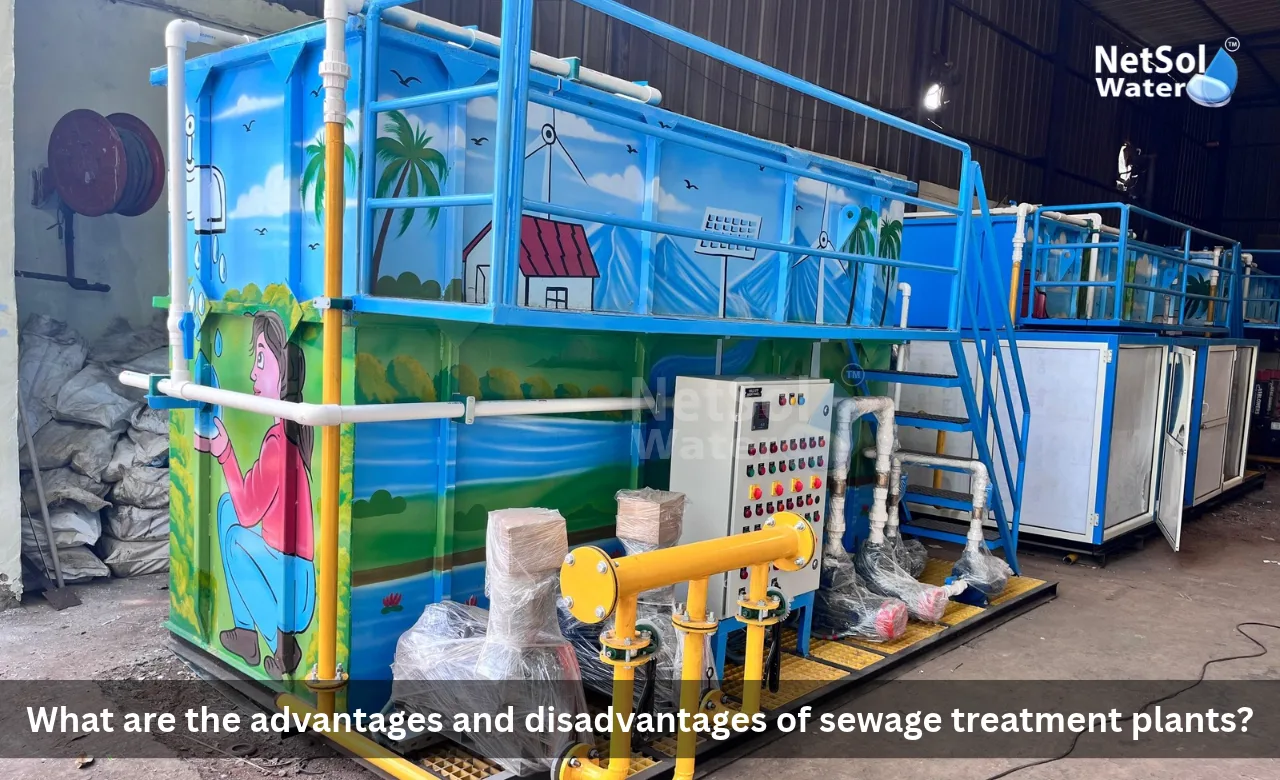
What are the advantages and disadvantages of sewage treatment plants?
One of the fundamental needs of every person is clean water. The volume of wastewater also increases as the cities or industries grow in urban areas. This untreated water can cause pollution when it is discharged to rivers, lakes, and the ground and cause many health problems. Sewage treatment plants can be used to clean water of harmful waste before it is returned to the environment or reused for other purposes. The activity will help to safeguard public health and preserve the environmental cleanliness of natural water sources for future generations.
The sewage treatment plant manufacturer plays an important role in designing and supplying sewage treatment plants based upon the different requirements. We are the leading sewage treatment plant manufacturer that offers reliable and efficient sewage water treatment for residential, commercial, and industrial applications.
Importance of Sewage Treatment Plants
A sewage treatment plant is an important component of the present infrastructure system that helps in the safe and responsible management of sewage water. All domestic work, offices, hospitals, hotels, and factories generate wastewater every day. If not treated, this wastewater may contaminate rivers and cause harm to the environment and potentially spread disease. This is why there are more firms investing in sewage treatment systems for proper hygiene and to support the protection of the environment.
Let’s see a few important reasons why sewage treatment plants are essential in everyday life.
1. Water resources protection
A sewage treatment plant’s main purpose is to treat sewage prior to discharge to natural waters. The treatment process is capable of effectively removing harmful bacteria, suspended solids, and many pollutants. This will prevent the contamination of underground water, rivers, and lakes. Improved water quality is good for fish and the environment.
2. Support for water re-use
The use of recycled water is another great benefit. After proper treatment, the water can be utilized for irrigation, flushing, cooling systems, and many other industrial applications. This can aid in the preservation of the natural resource and in the reduction of the need for fresh water. Water reuse also contributes to cost savings for many organizations.
3. Better Public Health
The untreated sewerage contains harmful microorganisms that can cause diseases. With proper management, a sewage treatment plant can reduce these risks by removing harmful contaminants. This will help to maintain a cleaner environment and enhance the quality of life for the people who live nearby. Safe wastewater treatment also helps to minimize foul odors and improve the health of the environment.
Advantages of Sewage Treatment Plants
A sewage treatment plant has many long-term benefits for humans, businesses, and the environment. Many organizations realize that in addition to complying with wastewater treatment regulations, it is important to protect resources for the future by installing a treatment plant. A well-designed system helps to enhance environmental safety, minimize water losses, and reduce operating costs.
Let’s check out a couple of the key benefits of sewage treatment plants.
1. Environmental Protection
One of the greatest benefits is that of the environment. In addition to harmful wastes, wastewater also contains many substances that can pollute rivers, soil, and groundwater. Most of these pollutants are removed at the treatment plant prior to discharge. This helps to decrease pollution and ensure a healthy environment. Improved water quality benefits farming and water organisms.
2. Water Conservation
Many areas are facing water scarcity issues. A sewage treatment plant enables treated water to be utilized for various purposes. This diminishes the consumption of fresh water for uses that don’t require potable water. A considerable amount of water is recycled in many industries and commercial buildings.
3. Compliance with Government Standards
There are many wastewater disposal regulations set out by environmental authorities. Organizations can meet these standards with the installation of sewage treatment plants. Avoiding legal action and financial penalties is why it is advisable to follow the rules. This also enhances the reputation of the organization, as people love an organization with an environment-friendly approach.
4. Long Run Cost Savings
There will be a cost of the treatment plant, but it may be substantial. Water saved by reusing treated water saves money on water bills, and there is no penalty for pollution to water systems. Effective wastewater management can also help minimize maintenance expenses that can be incurred from uncontrolled waste discharge. These savings can even compensate for the investment in the long run.
5. Better Corporate Image
Environmental responsibility can be used as a means to create a positive image for the business and show commitment to sustainable development. This can help build customers’ confidence and contribute to long-term development and expansion.
Disadvantages of Sewage Treatment Plants
All technologies come with their own set of restrictions, and with sewage treatment plants, it’s no exception. Knowing these disadvantages can enable owners to plan and maintain their property accordingly. Many of these problems can be addressed through proper design, regular servicing, and properly trained operators. Despite that, it is critical to be aware of these factors prior to investing.
Let’s take a look at some of the common disadvantages of sewage treatment plants.
1. High Initial Investment
The first difficulty arises in the installation. For establishing a sewage treatment plant, the investment in sewage treatment plant equipment, civil construction, piping, and electrical systems is required. This up-front expense could be a challenge for small businesses. The long-term operational cost benefits may outweigh the cost in the long run.
2. Regular Maintenance Requirements
If a treatment plant is not maintained, it cannot operate efficiently. Filters in pumps, blowers, and other equipment need periodic inspection and maintenance. Failure to maintain may result in reduced treatment quality and equipment failure. By having regular maintenance, the entire system will last longer.
3. Skilled Operation
Numerous treatment facilities require skilled operators with knowledge of the treatment process. Inappropriate use may result in decreased treatment efficiency or equipment damage. Staff training and technical knowledge become important for consistent performance. This can lead to higher operating costs for certain organizations.
4. Energy Consumption
A large number of sewage treatment plants have pumps, aerators, and other electrical equipment. Such systems use electricity during the treatment process. The more energy that is used, the more it costs to run the treatment plant, particularly in large facilities. This can be significantly reduced by selecting energy-efficient equipment.
5. Sludge Management
The treatment process produces sludge that must be handled properly. Sludge requires collection, treatment, and safe disposal. If sludge management is neglected, it may create environmental and health concerns. Proper sludge handling therefore becomes an essential part of plant operation.
Choosing the Right Sewage Treatment Plant Manufacturer
Selecting the right manufacturer is just as important as selecting the treatment system itself. A trusted manufacturer understands different wastewater conditions and provides solutions that deliver reliable performance for many years. Good technical support and quality equipment also reduce maintenance problems and improve operational efficiency.
Let us have a look at some important qualities of a reliable manufacturer.
1. Quality Engineering
A good manufacturer designs systems using durable materials and efficient technology. Strong engineering improves treatment performance and increases equipment life. Better design also reduces the chances of unexpected breakdowns.
2. Technical Support and Service
After installation, every treatment plant needs regular support. A dependable manufacturer provides maintenance guidance, spare parts, and technical assistance whenever required. Quick service helps reduce downtime and keeps the plant operating smoothly.
3. Customized Solutions
Every project has different wastewater characteristics and treatment needs. A professional manufacturer studies these requirements before recommending a suitable system. Customized solutions improve efficiency and reduce unnecessary operating expenses. This approach also ensures that the treatment plant performs according to project expectations.
Read some interesting information for the Sewage Treatment Plant Manufacturer in Gurgaon
Conclusion
Proper wastewater treatment creates a cleaner environment and supports better public health while helping conserve valuable water resources. Every organization should understand both the benefits and the limitations before investing in a treatment system, because informed decisions lead to better long-term performance.
Choosing an experienced sewage treatment plant manufacturer also makes a significant difference in system efficiency and reliability. Netsol Water is the leading sewage treatment plant manufacturer that provides dependable wastewater treatment solutions for different sectors with a strong focus on quality and performance.
If you want expert guidance or need the right treatment solution for your project, get in touch with our team today and request a consultation to find the most suitable system for your requirements.
Contact Netsol Water at:
Phone: +91-9650608473
Email: enquiry@netsolwater.com