
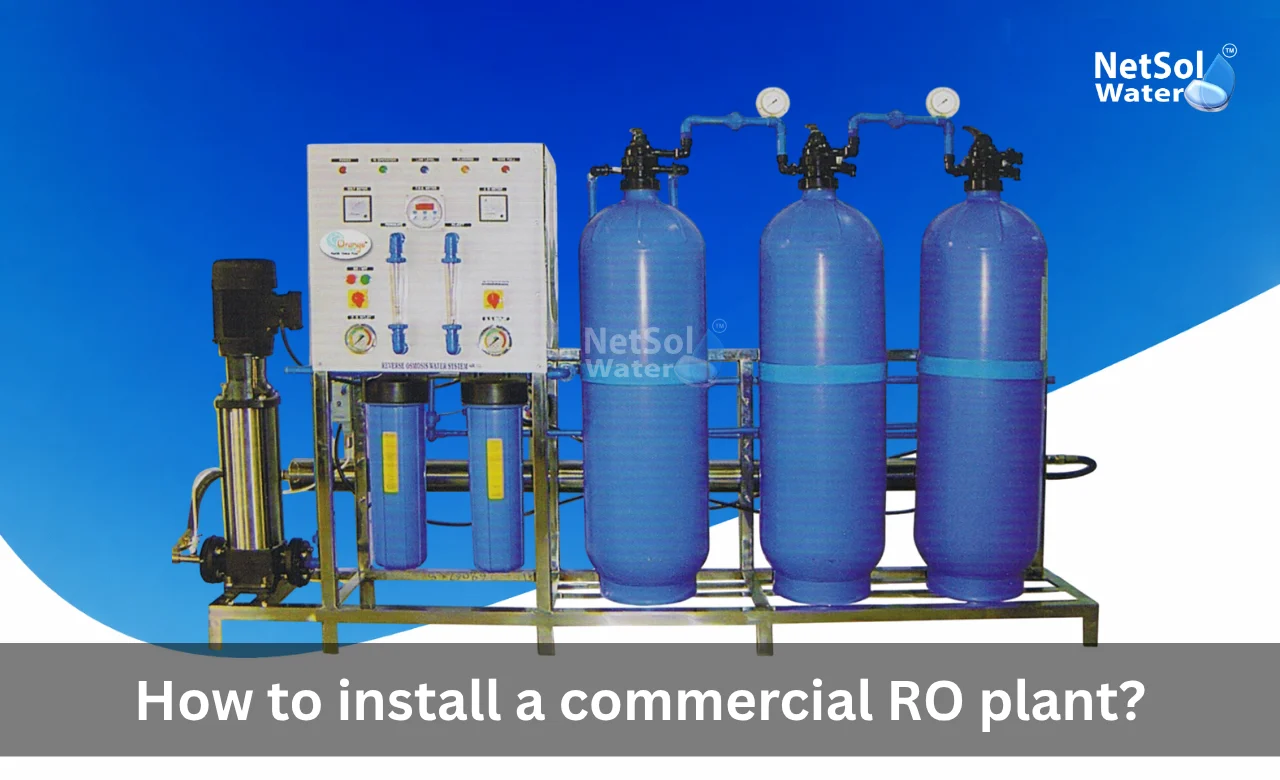
How to install a commercial RO plant?
Clean water supports every business that depends on production quality and smooth daily operations. Industries such as food processing, pharmaceuticals, hotels, hospitals, and manufacturing units need a dependable water treatment system to maintain product quality and protect equipment. A commercial RO plant removes dissolved salts, harmful minerals, and other unwanted particles from water. This process helps businesses receive safe water for different industrial and commercial uses.
India is known for its fast industrial growth and increasing demand for water treatment systems. As more businesses expand, they need reliable water purification solutions that can handle different water sources. Installing a commercial RO plant in the right way helps the system perform well for many years. It also lowers maintenance needs and improves water quality. We are the leading commercial RO plant manufacturer that designs and installs quality systems for different industries. Understanding the installation process helps every business make better decisions and achieve the best results from its investment.
Site Preparation Before Installation
Every successful installation begins with proper planning. A well-prepared site helps the commercial RO plant perform without interruption. It also prevents future operating problems. Let us have a look at some important aspects of site preparation.
1. Selecting the Right Installation Location
The first step is choosing a suitable place for the plant. The location should provide enough space for the RO system and allow operators to move around easily during inspection and maintenance. The floor should remain strong and level so that it supports the full weight of the equipment. The area should stay clean and protected from direct sunlight, heavy rain, and excessive dust. Good ventilation also helps maintain the proper working condition of electrical parts and pumps.
2. Arranging Utility Connections
The next requirement is preparing all utility connections before installation starts. The plant needs a stable electricity supply along with proper water inlet and outlet connections. A suitable drainage line should also be available because the RO process releases reject water during operation. When these facilities remain ready in advance, the installation team can complete the work smoothly without unnecessary delays.
Installing the Main Components of the RO Plant
Correct installation of every component allows the plant to deliver high-quality water. Each part works together to complete the purification process. Proper positioning and secure connections improve system efficiency and increase equipment life. Let us have a look at some important stages of installing the main components.
1. Installing the Pretreatment System
Pretreatment protects the RO membranes from damage. This stage removes suspended particles, chlorine, hardness, and other impurities before water enters the membranes. Sand filters, activated carbon filters, and water softeners should be installed according to the system design. Every unit must connect properly to maintain steady water flow. Good pretreatment improves membrane life and keeps the purification process stable for a longer period.
2. Installing RO Membranes and Pressure Vessels
RO membranes form the heart of the complete system. The installation team places the membranes carefully inside pressure vessels according to the manufacturer’s instructions. Proper sealing prevents leakage and supports smooth water movement through the membranes. Pressure vessels should remain firmly fixed to avoid vibration during operation. Correct installation ensures that the system removes dissolved impurities with high efficiency.
3. Connecting Pumps and Piping
High-pressure pumps move water through the complete purification process. These pumps should be installed securely to maintain stable pressure during operation. The piping network should connect all units without leakage. Every joint must remain tight because even a small leak can affect system performance. Proper pipe alignment also helps maintain smooth water flow throughout the plant.
Electrical Connection and System Testing
Electrical installation and performance testing confirm that the commercial RO plant operates safely and efficiently. This stage ensures that every part works according to the design before regular operation begins. Let us have a look at some important activities performed during this phase.
1. Completing Electrical Installation
Qualified professionals should complete all electrical work. The control panel should connect correctly with pumps, sensors, and other electrical equipment. Proper earthing protects both the equipment and plant operators from electrical hazards. All wiring should follow recommended safety standards. A stable electrical supply helps maintain smooth plant performance and prevents unexpected shutdowns.
2. Testing System Performance
After completing installation, the entire system should undergo detailed testing. The installation team checks water pressure, flow rate, and water quality at different stages. They inspect every connection for possible leakage and verify that all valves function correctly. The team also measures the quality of purified water to confirm that the plant meets the required standards. Careful testing helps identify small issues before the plant begins regular production.
Commissioning and Operator Training
The final stage prepares the plant for long-term operation. Proper commissioning ensures that every system performs according to design. At the same time, operator training allows staff members to manage daily operations with confidence. Let us have a look at some important activities completed during commissioning.
1. Starting the Plant for Regular Operation
Commissioning begins with gradual startup of the complete system. The installation team monitors pressure, water recovery, and membrane performance during the first operating cycles. They make necessary adjustments whenever required. This careful approach allows the plant to reach stable operating conditions while protecting sensitive components from sudden pressure changes.
2. Training Plant Operators
Operator training remains equally important after installation. Staff members learn how to start and stop the system safely. They also understand routine inspections, filter replacement, membrane cleaning, and basic troubleshooting methods. Proper training allows operators to identify small problems early before they become major repairs. Regular maintenance performed by trained operators keeps the system running efficiently and extends the life of every component.
Read some interesting information for the Industrial RO Plant Manufacturer in Delhi
Conclusion
Proper installation creates the foundation for dependable water treatment and long service life. Every stage, from site preparation to commissioning, plays an important role in achieving stable performance and consistent water quality. Careful planning, professional installation, and regular maintenance help businesses receive the full benefit of their investment.
Choosing an experienced commercial RO plant manufacturer also ensures expert guidance throughout the installation process and beyond. Netsol Water is a trusted commercial RO plant manufacturer that delivers complete solutions for different industries with quality products and professional support. If you are planning to install a commercial RO system or need expert advice, contact Netsol Water today to request a consultation and find the right solution for your water treatment needs.
Contact Netsol Water at:
Phone: +91-9650608473
Email: enquiry@netsolwater.com