
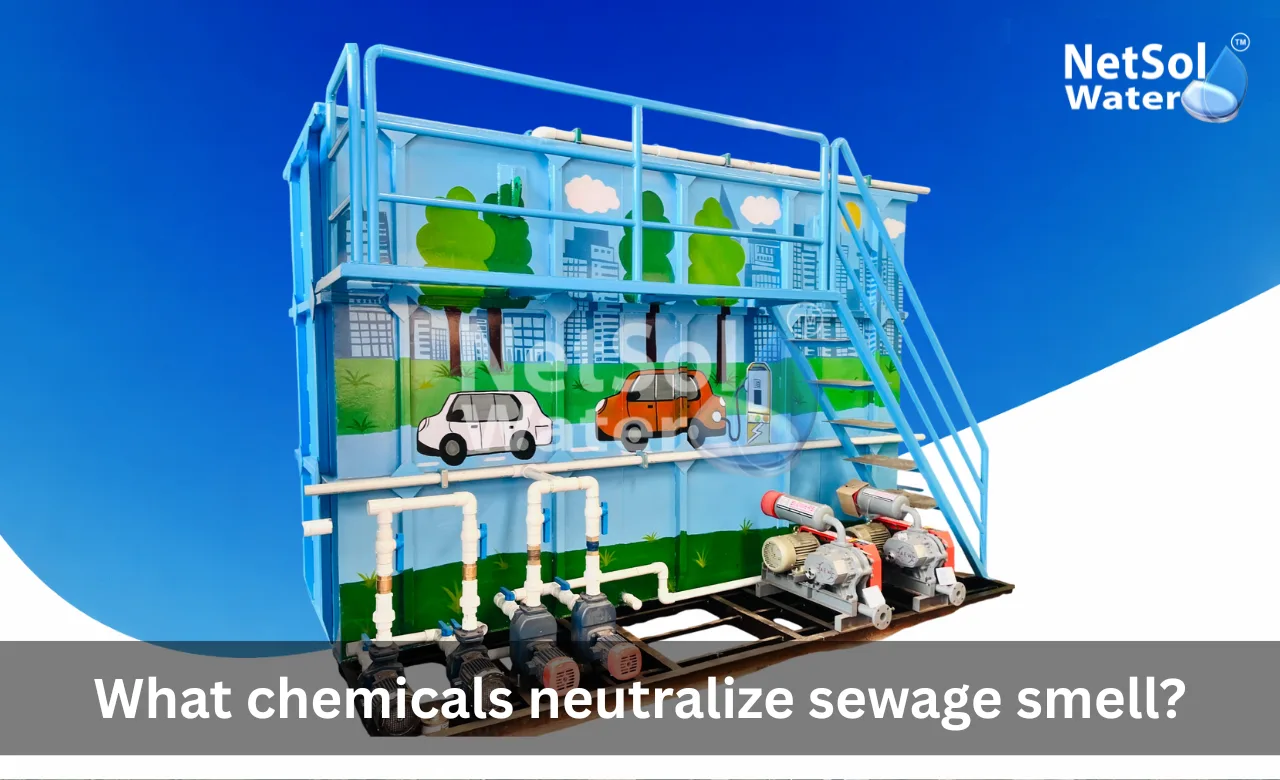
What Chemicals Neutralize Sewage Smell?
Sewage smell is one of the most common problems in wastewater systems. It appears in busy cities, industrial areas, and places where drains carry a heavy load of waste every day. The smell can spread fast and create trouble for workers, nearby residents, and plant operators. That is why odour control matters so much in wastewater treatment. A well-planned system can keep the plant safe, clean, and more comfortable for everyone around it. We are the leading sewage treatment plant manufacturer, and it helps industries and local bodies manage these problems with practical solutions.
Why Sewage Smell Forms
Understanding the cause of the smell is the first step toward solving it. Sewage does not smell bad without reason. The odour forms when waste starts to break down in a poor oxygen environment. This process creates gases that spread quickly through drains, tanks, and pipes. Once the source is clear, it becomes easier to choose the right treatment method. Let us have a look at some of the main reasons behind sewage odour.
1. Hydrogen Sulfide and Other Gases
Hydrogen sulfide is one of the strongest reasons for sewage smell. It gives off a rotten egg smell and even a small amount can make the area unpleasant. This gas forms when organic waste breaks down without enough oxygen. In closed tanks and blocked lines, it can build up very fast. Other gases also add to the odour but hydrogen sulfide often causes the worst effect. A strong sewage system must control this gas before it spreads.
2. Decay of Organic Waste
Sewage carries food waste, oils, human waste, and many other organic materials. When these materials stay in one place for too long, they begin to decay. This decay creates foul odour and also helps harmful bacteria grow. The smell becomes stronger when the flow stays slow or when sludge collects at the bottom of a tank. In such cases, the problem does not stop on its own. The system needs proper cleaning and chemical support.
3. Low Oxygen and Poor Flow
A healthy treatment system needs movement and oxygen. When sewage stays still, the smell gets worse. Poor flow allows waste to settle and that creates a good space for smell-forming bacteria. Low oxygen also stops the natural breakdown process from working in a proper way. That is why bad design, poor maintenance, and blocked pipes can make the odour much stronger than expected. A system must keep moving to stay clean and manageable.
Chemicals That Help Neutralize Sewage Smell
Once the source of odour is clear, the next step is chemical treatment. Some chemicals change the condition of sewage so smell-forming gases cannot build up. Others kill odour-causing bacteria or break down the gases directly.
1. Sodium Hypochlorite
Sodium hypochlorite is one of the most widely used chemicals for odour control. It works by oxidizing the compounds that create bad smell. In simple words, it changes the harmful gases into less harmful forms. This helps reduce the rotten smell that often comes from sewage lines and tanks. Many treatment systems use it because it acts quickly and gives visible results. Still, it must be used with care because wrong dosing can create new problems. A trained team should handle it in the right amount.
2. Hydrogen Peroxide
Hydrogen peroxide is another useful chemical for neutralizing sewage smell. It helps break down sulfides, which often produce the strongest odour. It also supports cleaner conditions in the tank by adding oxygen into the system. That extra oxygen helps reduce the chance of further smell formation. Many plants prefer it because it works well in several wastewater conditions. It is also easier to control when compared to some other strong chemicals. When applied properly, it can make a major difference in odour reduction.
3. Lime and pH Control
Lime helps control smell by changing the pH of sewage. When the pH level rises, certain odour-causing gases do not form as easily. This makes the environment less favourable for smell creation. Lime also helps with sludge treatment in many cases. It can improve the overall condition of wastewater if the dosing stays correct. Too much lime can create its own issues, so operators need to monitor the system carefully. Still, it remains a useful part of odour control in many plants.
4. Potassium Permanganate and Ferric Salts
Potassium permanganate acts as a strong oxidizing agent. It helps remove sulfide-based odour and reduces the release of foul gases. Ferric salts also help by binding sulfides before they turn into smell. Both chemicals work well when the plant wants faster odour control in a controlled way. They are often used in pipelines, pumping stations, and treatment units where odour spreads quickly. These options show that sewage smell can be managed in more than one way. The right chemical depends on the site condition and the level of odour.
How a Sewage Treatment Plant Manufacturer Chooses the Right Odour Control Method
Chemical use alone does not solve every odour problem. The whole system must support clean flow, proper aeration, and regular treatment. This is where design and expert planning become very important. A skilled Sewage Treatment Plant Manufacturer studies the waste quality, tank size, flow rate, and odour source before suggesting a solution. That careful approach saves time and prevents waste of chemicals. Let us have a look at some important points that guide the right choice.
1. Matching the Chemical to the Problem
Every odour problem is not the same. Some systems produce more sulfide gas while others face smell because of sludge buildup or poor aeration. A good treatment plan starts with testing the sewage and identifying the main cause. After that, the manufacturer chooses the right chemical and dosage. This prevents overuse and improves results. The right match also keeps the plant safer for workers and nearby areas.
2. Using Chemicals with Proper System Design
Chemicals work best when the plant design supports them. Good aeration tanks, mixers, and closed handling units help reduce odour before it spreads. Regular maintenance also keeps pipes clear and tanks active. If the system design is weak, then even strong chemicals may not solve the issue fully. That is why odour control must be part of the plant design and not an afterthought. A strong system always gives better control and better long-term results.
3. Working with Expert Support
Odour control needs regular attention. A plant may perform well for some time and then the smell may return if the load changes or the system needs cleaning. This is why expert support matters. Netsol Water is the leading sewage treatment plant manufacturer, and it focuses on complete treatment rather than a temporary fix. When experts guide the process, the plant can manage odour in a smarter and more stable way. That brings better comfort and better performance for the full system.
Read some interesting information for the Effluent Treatment Plant Manufacturer in Noida
Conclusion
Sewage smell can be controlled when the real cause is treated in the right way. Chemicals can help neutralize the odour. Yet chemical treatment works best when the plant has strong design, regular maintenance, and expert guidance. A proper system keeps the smell under control and improves the working environment for everyone.
If you are looking for a trusted Sewage Treatment Plant Manufacturer, then Netsol Water can help you with reliable solutions for odour control and wastewater treatment. Contact us today to request a consultation and learn more about the right chemical and system for your plant.
Contact Netsol Water at:
Phone: +91-9650608473
Email: enquiry@netsolwater.com