
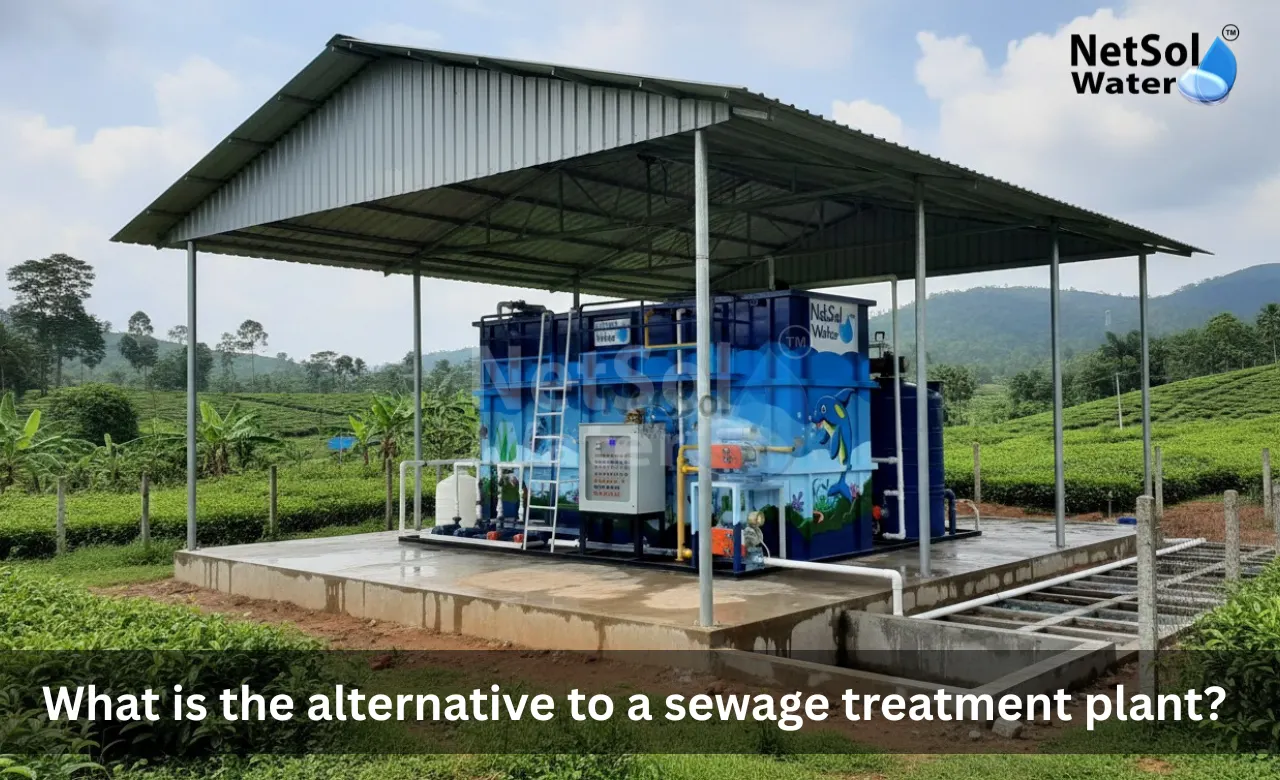
What is the alternative to a sewage treatment plant?
Many places do not have a central sewer network. People and planners look for ways to treat wastewater near the source. We will explain practical alternatives to a sewage treatment plant. We are the leading sewage treatment plant manufacturer, and it supports many on-site and decentralized solutions. The options range from simple tanks to systems that use plants and natural processes. Each option has its own benefits and limits.
Common Alternatives to Central Sewage Treatment Plants
Before looking at choices, we must understand why alternatives matter. Many villages, housing clusters, and industries cannot connect to a central plant. They need plants that work on site. These systems must treat wastewater safely and meet local rules. Let us have a look at some common alternatives that people choose when a central plant is not available.
1. Septic Tanks
Septic tanks serve many homes and small communities. These tanks sit underground and hold wastewater. Solids settle in the tank while bacteria break them down without oxygen. The liquid moves out to a drain field where the soil filters it further. Septic tanks work well for single houses and small groups. They need regular pumping and careful use. Harsh chemicals and heavy loads reduce their life. Proper sizing and soil checks make septic systems work well. A well set-up septic system can protect groundwater and local streams for many years.
2. Constructed Wetlands and Reed Beds
Constructed wetlands mimic natural marshes to clean wastewater. Plants such as reeds grow in shallow beds. Microorganisms on plant roots and soil remove pollutants. Water moves slowly through the planted bed and the environment treats it. These systems give good results for small communities and institutions. Constructed wetlands need space and seasonal care. They also add green cover and habitat for birds. When designed well, they use low energy and give stable results with low running costs.
3. Composting Toilets
Composting toilets use little or no water. They turn human waste into dry compost with the help of air and tiny organisms. These toilets work well in remote sites and places that want to save water. They reduce the need for sewage pipes. Users must follow safe handling rules for the compost. Regular removal and proper storage make the system safe. Many composting toilets can serve homes, camps, and public sites. They lower water use and return nutrients to soil when used correctly.
4. Biodigesters
Biodigesters are similar to septic tanks, but they focus on biogas production. These systems break down waste in sealed chambers and collect the gas. The gas can power stoves and small heaters. This adds value for rural homes and farms. Biodigesters also cut pollution and make the remaining liquid safer for soil use. Regular feeding and basic care keep biodigesters running. Both household and community-scale biodigesters exist. They fit well where people need fuel and where organic waste is available.
5. Aerated Wastewater Treatment Systems
Aerated wastewater treatment systems act like small treatment plants. These systems add air to support oxygen-loving bacteria. The bacteria remove organic matter more efficiently than septic systems. AWTS units need power for blowers and some regular checks. They work well for larger homes, hotels, and small communities. These systems give good effluent quality for reuse in irrigation and flushing. They require planned maintenance and trained operators for long life.
Specialised and Ecological Systems
Some sites require greener or more specific solutions. These systems use nature or small-scale engineering to treat wastewater. They suit places that aim to reduce energy use, save water, or recover resources. Let us have a look at some specialized ecological options that people use instead of a large central plant.
1. Vermi-processing toilets
Vermi processing uses earthworms to break down excreta into rich organic matter. The worms eat the waste and leave a material that improves soil. These toilets need correct moisture levels and a safe design. They work well for community gardens, schools, and eco resorts. Careful management keeps the worms healthy. Vermi toilets reduce waste volume and create a product that supports plant growth.
2. Sand Filters
Sand filters pass wastewater through layers of sand to remove particles and microbes. These filters work where ground soil is poor or where a drain field will not function. Designers select sand size and bed depth to match the waste load. Sand filters need periodic cleaning and may need pre-treatment. They provide reliable polishing of effluent for safe discharge or reuse. Simple versions exist for small households, while larger beds serve institutions.
3. Mound Systems
Mound systems offer a drain field built above ground level when the soil is too wet or rock sits near the surface. Engineers build a raised bed of sand and gravel to allow safe percolation. These systems keep wastewater away from high water tables and shallow bedrock. Mound systems need careful design and steady maintenance. They provide a practical solution for difficult sites where a normal drain field cannot work.
4. Evapotranspiration Tanks
Evapotranspiration tanks remove wastewater by using plants and direct evaporation. These systems suit arid areas where disposal in soil is not safe. Wastewater moves into a tank, and plants draw water out. Over time, little or none of the effluent leaves the site. The system needs regular plant care and checks. For the right climate, this method reduces discharge and creates a closed cycle.
5. Greywater Recycling
Greywater recycling separates water from showers, sinks, and laundry. It treats this water for reuse in irrigation or toilet flushing. Reusing greywater lowers fresh water demand and reduces the load on sewage systems. Systems range from simple filters for gardens to more advanced units for buildings. Users must avoid harmful chemicals and hot water that can damage plants. Proper design ensures safe use and long service life.
How to Choose the Right Alternative
Choosing a system begins with reading the site and the needs of the people who will use it. Let us have a look at factors that matter when making a decision.
1. Site Conditions and Regulations
Site checks reveal soil depth, permeability, and flood risk. These factors decide whether a septic tank, a mound, or a wetland will work. Local law may require certain discharge standards and permits. Planners must follow rules to avoid fines and health risks. A proper site study saves money and prevents future problems. The study helps choose a system that fits the climate, size, and land use.
2. Maintenance and Cost
Every system needs maintenance. Some systems demand regular pumping, and others need trained operators. Upfront costs and running cost differ across options. Simple septic tanks cost less to build but need frequent emptying in some soils. Constructed wetlands cost more land but use less energy. Biodigesters give biogas that offsets fuel costs. Select a system that aligns with the budget and the ability to keep it working for years.
Read some interesting information for the Industrial RO Plant Manufacturer in Faridabad
Conclusion
Alternatives to a central plant offer many paths to manage wastewater. People can choose options depending on the site and their needs. Netsol Water, as a sewage treatment plant manufacturer, helps clients select, design, and maintain the right solution. If you need advice or a consultation, reach out to a trusted manufacturer. Request a site visit and find the right wastewater option for your home or community.
Contact Netsol Water at:
Phone: +91-9650608473
Email: enquiry@netsolwater.com