
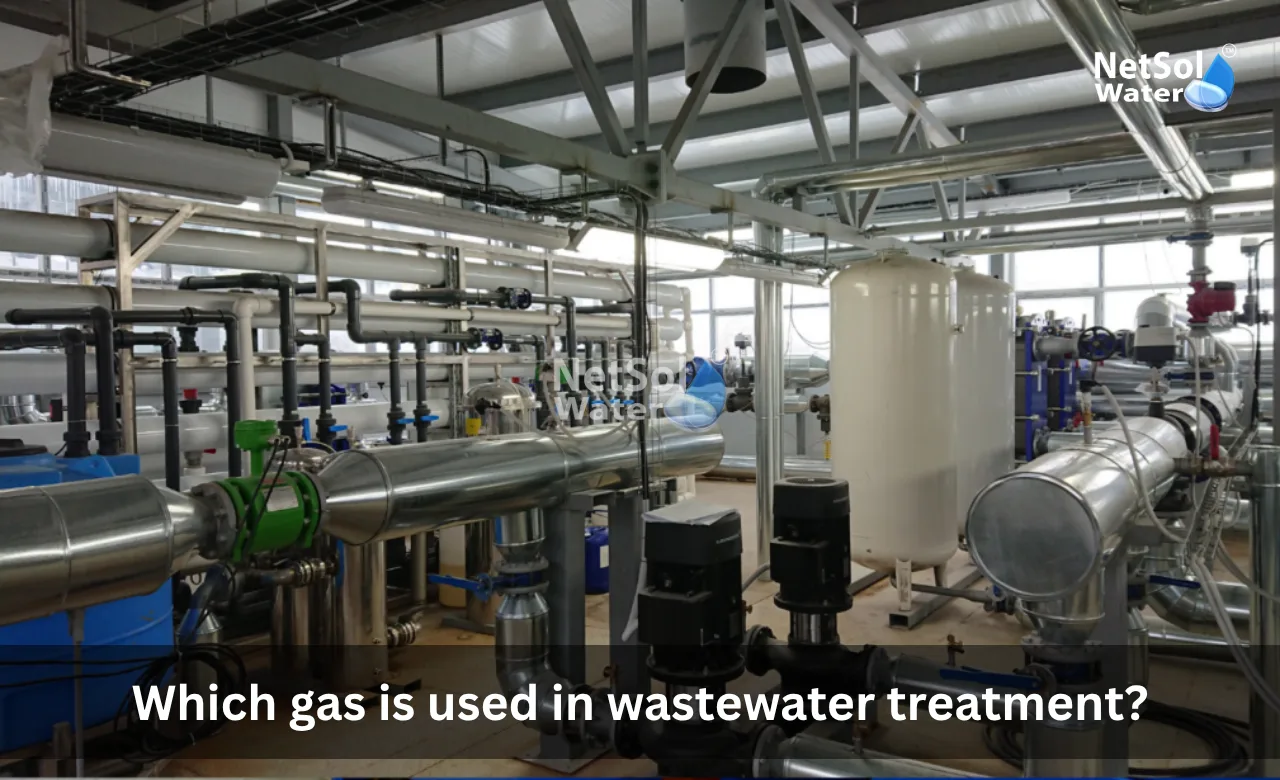
Which gas is used in wastewater treatment?
Wastewater treatment is used to prevent rivers, lakes, and groundwater resources from being polluted. It filters out bad stuff from used water before it goes back into the environment or back into a process. Advanced systems are used to clean wastewater in many industries and cities because clean water is essential to public health and the environment.
The use of gases is one of the key components in this process. Various gases are used for various treatment steps and for water quality improvement. Some gases stimulate the growth of beneficial microorganisms, and some remove harmful chemicals or disinfect treated water. Knowing the functions of these gases aids industries in selecting the proper treatment process.
We are the leading wastewater treatment plant manufacturer that designs modern wastewater treatment plants for various industrial and commercial applications. The company designs treatment plants that are more efficient and can reliably perform their function.
Importance of Gases in Wastewater Treatment
Gases are significant in all wastewater treatment processes because they are involved in various stages of the treatment process. Some of the gases assist biological treatment, and others assist in disinfection or chemical removal. Each gas has a specific function and assists the treatment plant to create cleaner water. Appropriate gas usage also enhances plant performance and helps to maintain operating costs within the limits. Let’s check out some of the most commonly used important gases in wastewater treatment.
1. Oxygen in Biological Treatment
Oxygen is the most common gas used in biological wastewater treatment. It promotes the growth of beneficial bacteria that decompose organic material. These microorganisms eat away harmful substances and turn them into simple compounds. Aeration systems are used to continuously introduce oxygen to the water to keep the bacteria active throughout the treatment process.
Adequate oxygen levels optimize treatment efficiency, and odours are avoided. This biological process is stabilized when sufficient oxygen is added to the water, and a substantial amount of organic matter is removed. Aerators are employed in many treatment plants to introduce oxygen into wastewater. This process fosters a healthy culture of microorganisms and enhances the quality of treated water.
2. Ozone for Water Disinfection
Another significant gas that is used in wastewater treatment is ozone. It’s a strong oxidizing agent that can destroy the bacteria, viruses, and many harmful microorganisms. It also removes colour and bad odours from treated water. Ozone does not leave behind harmful chemical residues because it will rapidly react with oxygen.
Ozone cannot be stored for long periods, and therefore is produced at the treatment plant. The gas reacts rapidly with contaminants and enhances the quality of the water. Ozone is frequently employed by industries in situations where they require high-quality treated water for re-use or safe discharge.
Special Treatment Processes and the Use of Different Gases
The various wastewater treatment plants are equipped with different gases in accordance with the quality of the water they receive and the treatment they give it. Each gas is used for a purpose and addresses a specific treatment problem. The proper choice of gas is dependent on the nature of the contaminants in wastewater. Let’s take a look at some gases that can be used for special treatment processes.
1. Chlorine for Disinfection
Wastewater treatment using chlorine has been a practice for many years. It eliminates pathogens such as bacteria and viruses prior to treated water leaving the treatment plant. Chlorine is a good disinfectant to ensure that public health is protected. Treatment operators are meticulous about the amount of chlorine used in treatment; too much chlorine can have an impact on aquatic life.
A large number of plants remove the chlorine that remains before treated water is discharged to a river or lake. This extra process guarantees environmental safety and regulatory requirements. The reason chlorine is a common disinfectant is that it provides reliable disinfection at an economically feasible price.
2. Carbon Dioxide for pH Control
Treated wastewater pH is regulated by CO₂. Wastewater from some industrial processes is very alkaline. CO₂ is used to react with water and adjust the pH. This will help to safeguard treatment equipment and enhance chemical and biological treatment stages.
CO₂ is preferred by many industries due to its ability to provide controlled pH adjustment without creating unwanted by-products. A stable pH also optimizes the activity of the microorganisms in the biological treatment.
3. Nitrogen in Treatment Applications
Some maintenance and treatment operations are carried out utilizing nitrogen gas. In some treatment systems, oxygen-free conditions for certain chemical processes are achieved by using nitrogen. It helps keep equipment safe while in maintenance, as it prevents unwanted chemical reactions.
Nitrogen does not contribute to the actual treatment of wastewater, but its presence can help to ensure safe plant operation and plant process stability in certain treatments.
How to Choose the Right Gas for a Wastewater Treatment System
Choosing the right gas is a critical choice, since each wastewater treatment process has unique requirements. This is dependent on the water quality, treatment objectives, operating costs, and environmental standards. A well-designed assessment can enable industries to obtain improved treatment efficiency and stay safe at the same time. Let’s take a look at some of the considerations that underlie this selection process.
1. Nature of Wastewater
The type of gas will depend on the quality of the incoming wastewater. Wastewater containing a high level of organics may need oxygen for biological treatment. Wastewater with harmful microorganisms may require ozone or chlorine treatment to effectively disinfect. Testing can be used to help the engineer determine the best treatment method.
Knowing the characteristics of wastewater also avoids extra costs. The correct amount of gas can be supplied for the plant to use, and no excess treatment chemicals are lost. This will enhance treatment performance and aid long-term operation.
2. Treatment Objectives
Every treatment plant has different goals. Some plants prepare water for safe discharge, while others produce water for industrial reuse. These goals influence the choice of gas. Ozone may become the preferred option when industries require high-quality treated water. Oxygen remains essential for biological treatment, while carbon dioxide supports pH control.
Experienced engineers evaluate every treatment stage before selecting the gas. This careful planning improves efficiency and ensures consistent water quality throughout the treatment process.
Read some interesting information for the Commercial RO Plant Manufacturer in Noida
Conclusion
Choosing the correct gas improves treatment performance and helps every wastewater system deliver better results. Oxygen, ozone, chlorine, carbon dioxide, and nitrogen each perform specific functions during different treatment stages. Proper selection depends on wastewater quality, treatment goals, and operating requirements. A well-designed Wastewater Treatment Plant provides safe water treatment while protecting natural resources and supporting environmental standards.
Netsol Water is a leading wastewater treatment plant manufacturer that offers dependable treatment solutions for industries and commercial facilities. If you want expert guidance for selecting the right wastewater treatment plant or need a custom solution for your business, contact Netsol Water today and request a consultation.
Contact Netsol Water at:
Phone: +91-9650608473
Email: enquiry@netsolwater.com