
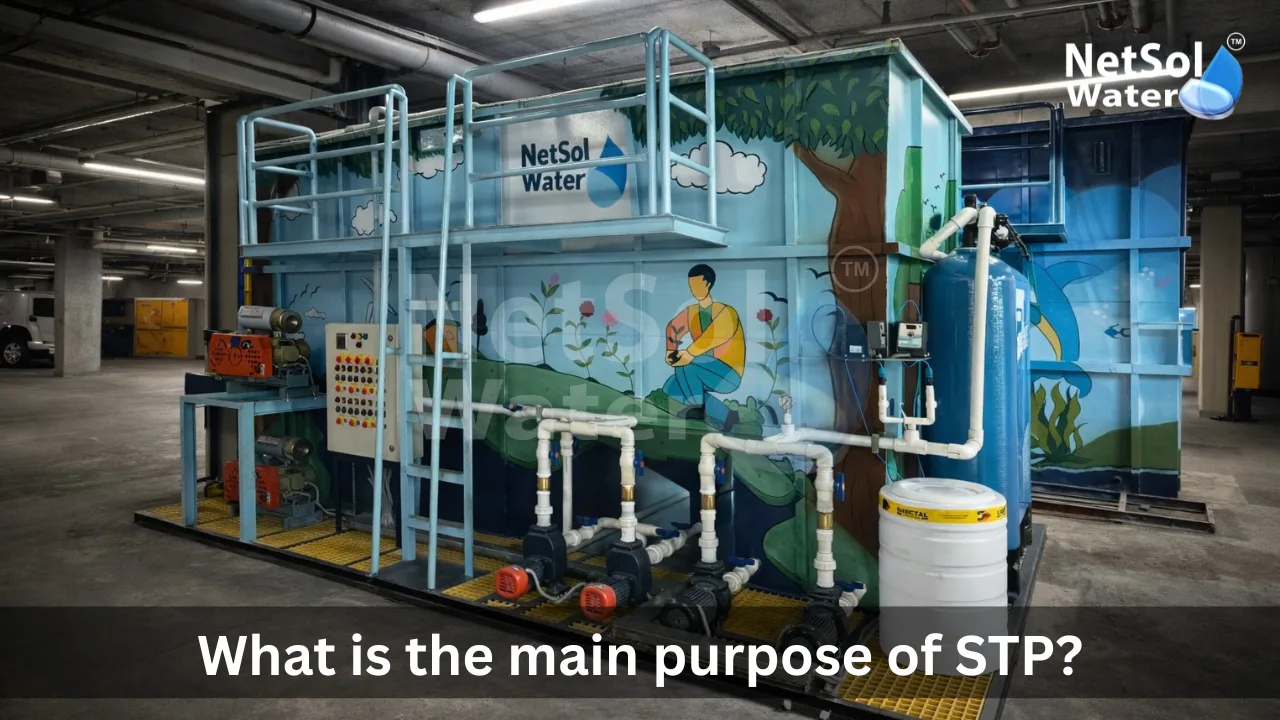
What is the main purpose of STP?
Sewage treatment plants remove harmful material from used water and return clean water to the environment. A sewage treatment plant manufacturer designs and makes these plants so communities can live with less pollution and better public health. We lead the field and offer solutions that meet local needs. We will explain the main purpose of an STP and see how a manufacturer shapes design, operation, and long-term performance.
Main Purpose of an STP and How Manufacturers Serve That Purpose
A sewage treatment plant manufacturer must design systems that remove solids, reduce organic load, and control harmful microbes. This protects human health, and it guards the environment. When a plant works well, it prevents disease, and it keeps rivers, lakes, and groundwater clean. Let us have a look at some core functions and how a manufacturer meets each need.
1. Primary function and primary treatment
Solid removal forms the first step in treatment. A manufacturer designs screens, grit chambers, and settling tanks that separate large debris and sand from the flow. These components protect pumps and downstream units from damage. A robust primary treatment stage reduces the load on biological systems, and it lowers maintenance needs. Manufacturers choose materials and sizes that match the expected flow. They also ensure access points for manual cleaning and for safe disposal of collected solids.
2. Biological treatment and organic reduction
After solids come organic pollutants that cause oxygen loss in water bodies. A sewage treatment plant manufacturer provides biological reactors that use bacteria to break down organic matter. These reactors may use fixed films, suspended growth, or a hybrid of both. Proper aeration and mixing keep microbes active and healthy. The manufacturer sets parameters like hydraulic retention time and loading rate so the biological stage can meet discharge targets.
Design and Customization by the Manufacturer
Each site has unique needs, and a one-size-fits-all unit rarely works. A sewage treatment plant manufacturer customizes the design to match site constraints, flow patterns, and budget limits. Good design increases efficiency and reduces life cycle cost. Let us have a look at some design choices and the benefits they provide.
1. Site assessment and personalized solutions
Manufacturers begin work with a site survey and a load study. They measure flow rate, and they test wastewater character. These steps let them choose the right process and the right capacity. Personalized solutions avoid oversizing and undersizing. When the plant fits the real need, it uses less energy, and it needs fewer chemicals. The manufacturer also plans for future growth so the system can expand with the community.
2. Modular versus packaged plants and material selection
Some projects call for modular units that arrive on-site ready to install. Others need on-site buildup from raw materials. The sewage treatment plant manufacturers recommend modular systems when speed and a compact footprint matter. For large projects, the manufacturer may propose a built-in-place solution that uses reinforced concrete. Material selection affects durability and maintenance. Choosing the correct material reduces corrosion and improves lifespan.
Installation, Operation, and Maintenance Role of the Manufacturer
A sewage treatment plant manufacturer must support site installation, and they must train operators for daily care. Proper operation keeps the plant within discharge limits, and it extends equipment life. Let us have a look at tasks that ensure reliable operation.
1. Commissioning and start up support
Commissioning sets the plant into steady-state operation. The manufacturer guides the startup sequence, and they balance flows and loads. This step lets technicians confirm sensors, pumps, and control systems work as planned. Manufacturer-led commissioning shortens the time to stable operation, and it reduces initial faults.
2. Training maintenance schedules and spare parts supply
Good training gives operators the skill to run the plant and to spot problems early. A sewage treatment plant manufacturer provides manuals and hands-on sessions. They also supply preventive maintenance schedules and a list of wear parts. Quick access to spare parts reduces downtime. Regular checks keep performance steady, and they lower the total operating cost.
Environmental and Regulatory Compliance
Compliance with law and with environmental standards prevents fines, and it protects public health. A sewage treatment plant manufacturer must design plants that meet local rules and that can adapt to future changes. Following standards also helps with project approvals and public acceptance. Let us have a look at how manufacturers ensure compliance and support monitoring.
1. Meeting discharge norms and testing procedures
Manufacturers select treatment stages to achieve the required removal of biochemical oxygen demand, suspended solids, and nutrients. They add polishing steps when stricter limits apply. The plant must include sampling points and access for lab work. The manufacturer often sets up automatic samplers and online sensors so performance stays visible.
2. Supporting permits, monitoring and record keeping
Getting permits requires documentation from design to expected outcome. A sewage treatment plant manufacturer prepares technical reports, and they may help with permit submission. Ongoing monitoring keeps records that prove compliance. When an issue arises, the manufacturer can suggest tuning steps or upgrades to restore compliance.
Read some interesting information for the Commercial RO Plant Manufacturer
Conclusion
Sewage treatment plants protect water and health while they allow safe reuse of treated water. A sewage treatment plant manufacturer plays an important role at every stage from design to long-term care. Good manufacturers deliver personalized plants that meet flow needs, comply with law, and keep operating costs low. If you want more information or if you need a consultation, contact a qualified provider and ask about site-specific solutions.
Contact Netsol Water at:
Phone: +91-9650608473
Email: enquiry@netsolwater.com