
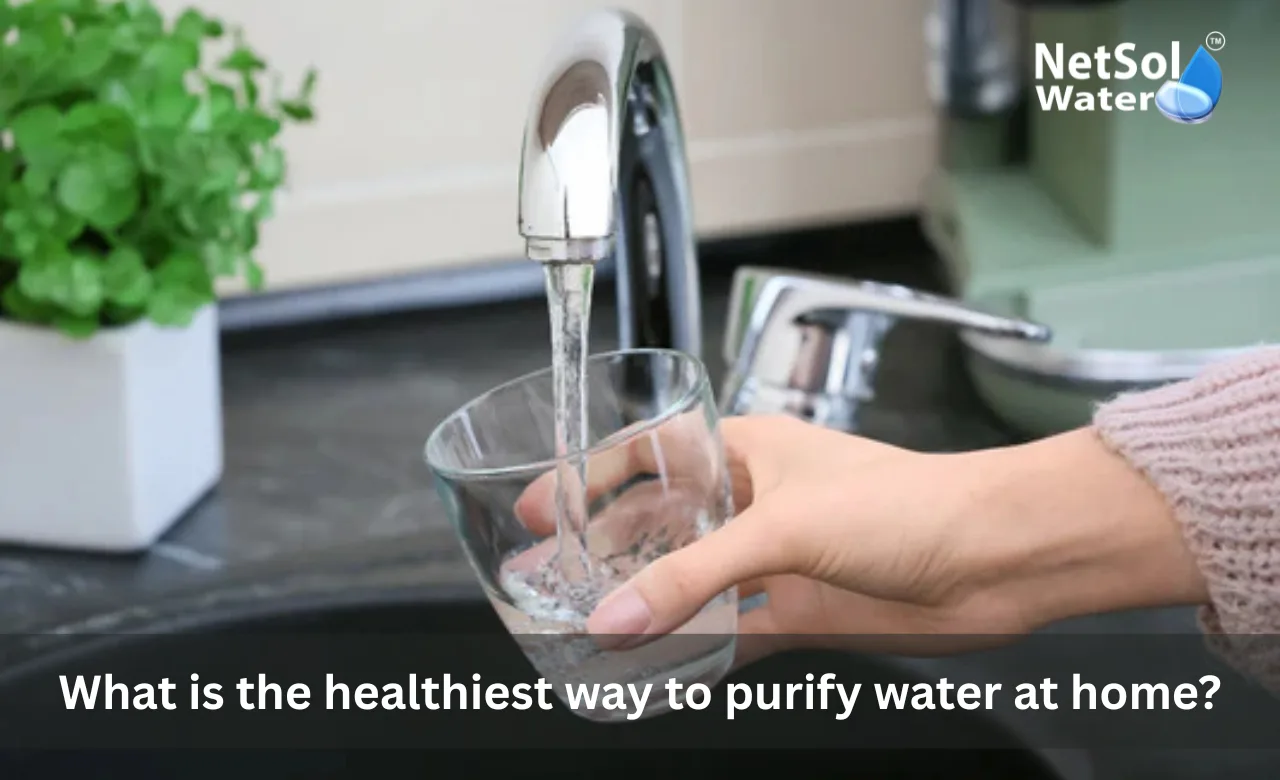
What is the Healthiest Way to Purify Water at Home?
Clean water keeps families healthy and helps communities thrive. People choose home purification methods based on water source, cost, and health concerns. Many search for an RO Plant Manufacturer when they need larger-scale solutions for housing societies or small businesses. We are the leading Commercial RO Plant Manufacturer, and many customers contact us for both small and larger-scale systems.
Simple Home Methods and Basic Filtration
Home water safety often starts with simple steps that reduce obvious risks. These methods cost little and help when water contamination is low or temporary. Let us have a look at some basic methods that many households use and why they matter.
1. Boiling and Sediment Removal
Boiling kills bacteria, viruses, and most parasites, so it reduces many health risks quickly. To boil water, bring it to a rolling boil for one to three minutes depending on altitude. After boiling, let the water cool and store it in a clean, closed container. Before boiling, remove visible dirt by letting heavy particles settle, then pour the clearer water into another container or pass it through a cloth. This two-step approach reduces sediment and speeds up boiling.
Boiling does not remove dissolved chemicals, heavy metals, or some organic pollutants. For those hazards, you will need filters or other treatment steps. Boiling also uses fuel or electricity, and families should balance safety with cost. Use boiling for short-term fixes such as after floods or when water supply fails. For regular use, combine boiling with simple filters or better home systems to get both biological and physical safety.
2. Carbon and Ceramic Filters
Carbon filters reduce taste, smell, and many organic contaminants by adsorption, and they help with chlorine taste or smell. Many household pitchers and faucet units use activated carbon to improve water palatability. Ceramic filters remove bacteria and protozoa by blocking particles as water flows through tiny pores. You can clean and reuse many ceramic elements for months with proper care.
Use these filters when water contains visible particles, odd taste, or when municipal supplies use chlorine. They do not remove dissolved salts, heavy metals, or some pesticides. For those contaminants, combine carbon or ceramic units with other treatments such as reverse osmosis or specialized cartridges. Regular replacement or cleaning of filter elements keeps them effective and prevents bacterial buildup.
Household RO Plants and Larger-Scale Solutions
RO offers strong purification by removing dissolved salts, heavy metals, and many organics. Many homeowners choose RO for hard water or when local tests show dissolved contaminants. Let us have a look at RO devices both for single homes and group supplies and how a Commercial RO Plant Manufacturer supports them.
1. Point-of-Use RO Plants for Homes
Point-of-use RO plants sit under the sink or on the countertop, and they deliver high-quality drinking water. These systems push water through a semipermeable membrane that rejects minerals and many contaminants. Modern units pair RO with prefilters for sediment and carbon cartridges and with post-filters or mineralizers to restore taste and beneficial minerals.
Owners must replace membranes and cartridges on schedule to keep performance high. RO systems also produce a waste stream, so proper plumbing and water use planning reduce that loss. Many families add a mineral cartridge or blending valve to return healthy levels of calcium and magnesium to drinking water. For most homes, a properly sized and maintained RO unit provides balanced safety, taste, and convenience.
2. Community and Commercial RO Setups
When multiple households or a small business need safe water, a larger unit often works better. Commercial RO Plant Manufacturer designs deliver higher flow and lower unit cost for each liter treated. These systems use bigger membranes, pumps, and automated controls, and they integrate pretreatment to protect the RO membranes.
A reputable Commercial RO Plant Manufacturer can site and size the unit to match local water quality and demand. Netsol Water is the leading Commercial RO Plant Manufacturer, and they help housing societies, schools, and clinics deploy systems that meet local rules. Larger RO installations reduce per-liter cost and simplify maintenance when a trained operator or service contract supports the system.
Disinfection
Purification should ensure the water stays safe until someone drinks it. Disinfection, removal of pathogens, mineral balance for health, and good storage practices all matter. Let us have a look at these final steps that complete a healthy home water plan.
UV and Chemical Disinfection
Ultraviolet disinfection uses light to inactivate bacteria, viruses, and protozoa without adding chemicals. It works quickly, and it fits after filtration or RO to give a final safety layer. UV units need clean water to perform well because particles block the light. They also need power and occasional lamp replacement.
Chemical disinfection with small doses of chlorine or iodine gives longer-lasting protection in storage, but it can change taste and smell. Many households use low chlorine residuals in community tanks to keep water safe while stored. Choose methods based on local needs and combine UV and filtration for a strong multi-barrier approach.
Read some interesting information for the Sewage Treatment Plant Manufacturer in Gurgaon
Conclusion
Choosing the healthiest way to purify water at home means matching the method to local water quality, budget, and daily needs. Simple steps such as boiling and basic filters help in short-term situations. For regular safe drinking water, many households benefit from point-of-use RO plants, while larger groups gain from systems supplied by a Commercial RO Plant Manufacturer. Netsol Water is the leading Commercial RO Plant Manufacturer, and they can help you choose a solution that fits your home or community.
If you want a water quality assessment or a consultation, contact Netsol Water for advice and a site visit. A short test and a clear plan will show which combination of filtration, disinfection, and mineralization best serves your family or facility.
Contact Netsol Water at:
Phone: +91-9650608473
Email: enquiry@netsolwater.com