
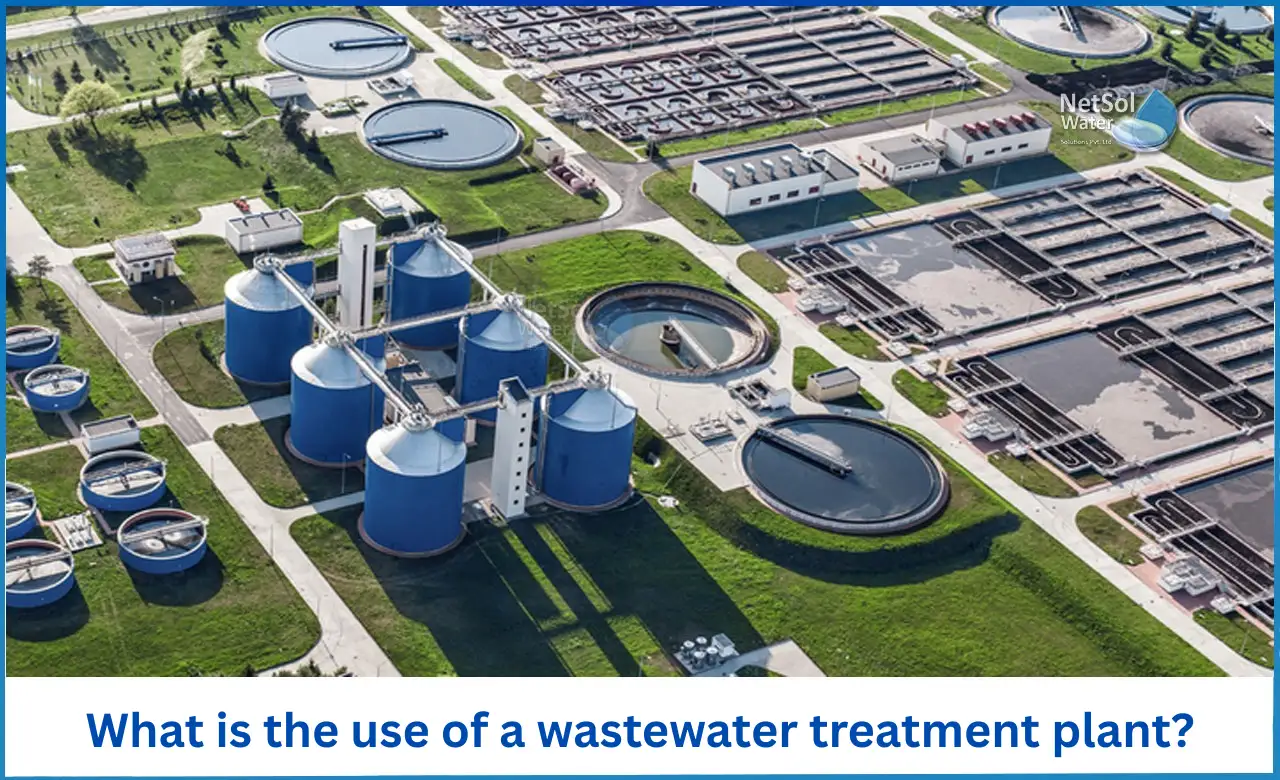
What is the Use of a Wastewater Treatment Plant?
A wastewater treatment plant plays a major role in keeping water safe for people and the environment. Every home and industry uses water every day. After use, that water becomes dirty and carries waste. If this used water goes into rivers or land without treatment, it can harm health and pollute nature. That is why treatment becomes so important. It helps clean used water so it can be released safely or used again in some cases. This process supports cleaner cities, better public health, and a healthier environment. It also helps industries manage their waste in a responsible way.
We are the leading name in wastewater treatment solutions and it supports many sectors with reliable plants. In busy cities and industrial areas, the need for proper treatment is even greater because water demand is high and waste generation is also high. A wastewater treatment plant makes this cycle more controlled and more useful for everyone.
Why a Wastewater Treatment Plant Matters
A wastewater treatment plant matters because it turns polluted water into safer water. This is not only a technical process. It is also a public need. When wastewater stays untreated, it carries harmful germs, dirt, oils, chemicals, and other waste materials. These elements can spread disease and damage soil and water bodies. Treatment removes many of these harmful parts step by step. It also helps communities keep their surroundings clean and safe. Let us have a look at some of the main reasons why this is so important.
1. Saving Natural Water Bodies
Another important use is the protection of rivers, lakes, and ponds. When untreated waste enters these water bodies, it lowers water quality and harms fish, plants, and other living things. A wastewater treatment plant helps reduce this damage by cleaning the water first. It supports balance in nature and helps keep aquatic life alive. Clean water bodies also support farming, tourism, and daily community life. So the plant works as a shield for the natural world.
2. Supporting Responsible Living
Communities today need systems that support responsible water use. A wastewater treatment plant helps people and industries manage waste in a proper way. It shows care for the environment and for future generations. This is not only about cleaning water. It is also about building a safer and more stable way of living. With the help of proper treatment, cities can grow without creating too much harm to nature.
How a Wastewater Treatment Plant Helps Industries and Cities
A wastewater treatment plant is useful in both industrial and urban settings. Cities create large amounts of wastewater from homes, schools, hospitals, restaurants, and public buildings. Industries create another type of wastewater that may include chemicals, oils, dyes, and solid waste. Both need proper treatment before disposal. The plant handles this task and helps maintain order in a fast-growing world.
1. Managing Industrial Waste
Industries use large amounts of water in production and cleaning. This water often becomes polluted with harmful materials. If it is discharged without treatment, it can damage the environment and also break safety rules. A Wastewater Treatment Plant helps industries treat this water before release. It reduces pollution and helps companies follow environmental standards. It also supports safe working practices and creates a better image for the business. Many industries depend on this system to handle waste with care and consistency.
2. Meeting Urban Water Needs
Cities grow every year and so does the amount of wastewater they produce. A wastewater treatment plant helps urban areas handle this growing load. It supports municipal systems and keeps drainage and sewage under control. Without treatment, cities can face bad smell, blocked drains, and polluted water flow. Treatment plants reduce these problems and help public systems work better. This is why urban planning often includes such plants as an important part of basic infrastructure.
3. Reducing Pressure on Fresh Water
Fresh water is limited. Many regions already face water shortage. A wastewater treatment plant helps reduce pressure on fresh water sources by treating used water for reuse in some non-drinking applications. Treated water can support gardening, cleaning, construction, and other activities. This saves fresh water for human use and important needs. So the plant does not only clean water. It also helps manage water more wisely.
Main Stages That Make the Plant Useful
The use of a wastewater treatment plant becomes clear when we understand how it works. The plant uses several stages to clean water step by step. Each stage removes a different type of waste. This process makes treatment more complete and more effective. It also helps water move through the system in an organized way. Let us have a look at some of the main stages that make this process useful.
1. Screening and Removing Solid Waste
The first stage often removes large solid waste like plastic, cloth, leaves, and other unwanted items. This step protects the rest of the system from damage. It also makes the water easier to treat in later stages. By removing large waste early, the plant improves efficiency and saves energy. This simple step has a big role in the overall process.
2. Settling and Separation
After screening, the water moves to tanks where heavier particles settle down. This step helps separate sludge and other suspended matter from the water. It makes the water cleaner and prepares it for further treatment. This process is useful because many harmful substances are removed before more advanced steps begin. It also helps the plant handle large volumes of water in a steady way.
3. Biological and Chemical Treatment
Many Wastewater Treatment Plant systems use biological and chemical methods to clean water more deeply. Helpful bacteria break down organic waste in the biological stage. Chemicals may also help remove certain pollutants. These steps improve water quality and reduce harmful content. They also support safe discharge or reuse. This stage shows how science and practical design work together to solve a daily problem.
Why Businesses and Communities Choose It
People choose a wastewater treatment plant because it gives long-term value. It helps protect health, save water, support industry, and reduce pollution. It also helps cities and businesses meet environmental goals. When water waste gets proper treatment, the whole system becomes cleaner and more reliable. Communities enjoy better hygiene and industries gain a safer way to handle waste.
Netsol Water offers solutions that support these needs in a practical way. Its systems help different sectors manage wastewater with care and confidence. This makes the company a trusted name for many clients who want dependable treatment support. As water challenges grow, the need for strong treatment systems becomes even clearer. A Wastewater Treatment Plant stands as one of the most useful tools for that purpose.
Read some interesting information for the Industrial RO Plant Manufacturer
Conclusion
A wastewater treatment plant helps turn wastewater into a safer form that protects people, nature, and public systems. It supports health, reduces pollution, saves water, and helps industries and cities manage their waste in a better way. This makes it an important part of modern life. As water needs keep rising, proper treatment will remain a key part of responsible growth.
Contact Netsol Water at:
Phone: +91-9650608473
Email: enquiry@netsolwater.com